


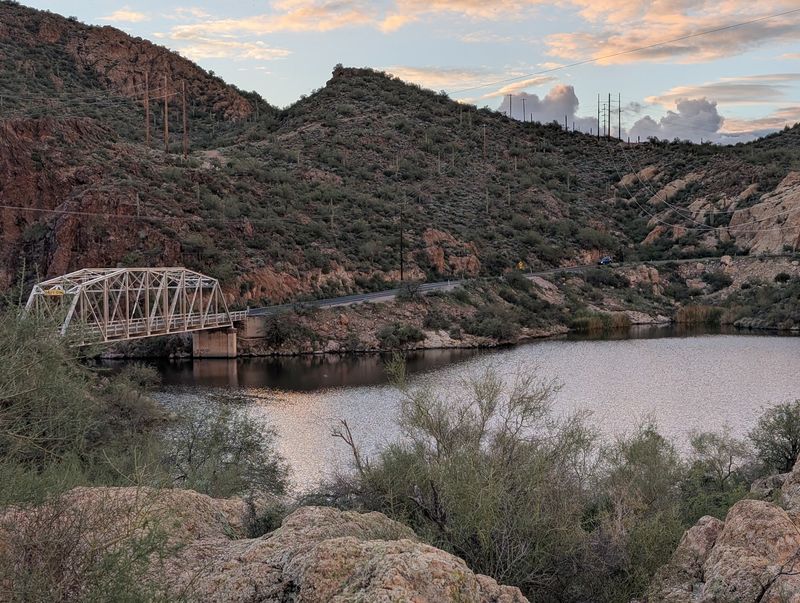
Not every great desert view requires a lung-burning climb up a steep peak. Arizona has plenty of short, flat trails that still hand you wide-open scenery, saguaros, and mountain backdrops without the exhausting elevation gain.
If you want a walk that feels doable for kids, grandparents, or anyone easing into hiking, a 1.4-mile loop is a sweet spot. This guide breaks down what makes short desert trails so worthwhile, what to bring, when to go, and how to get the biggest payoff for the least effort.
Whether you are visiting Arizona for the first time or you live here and just want an easy morning outing, these tips and trail ideas will help you enjoy the desert at a relaxed pace. Grab your water bottle and let’s take a look at what makes these gentle routes worth your time.
1. Why a Short 1.4-Mile Trail Beats a Grueling Climb
Plenty of people skip hiking in Arizona because they picture steep switchbacks and a race against the heat. A short, mostly level trail changes that math completely.
At 1.4 miles round trip, you get a real outing that most people finish in under an hour. That leaves energy for photos, snacks, or a second stop later in the day.
The best part is who can join. Kids, older relatives, and folks recovering from an injury can all handle a flat loop without feeling left behind.
Short trails also lower the risk that comes with desert heat. You spend less time exposed, carry less water, and stay closer to the trailhead if plans change.
Big views are not reserved for tall summits. The Arizona desert is so open that even a low, flat path can serve up sweeping looks at mountain ranges and cactus forests.
2. What Big Desert Views Really Look Like Out Here
Desert scenery surprises first-time visitors. Instead of a flat, empty stretch of sand, the Sonoran Desert is packed with tall saguaros, palo verde trees, and rugged peaks stacked in the distance.
Openness is the magic ingredient. With few tall trees blocking the view, you can see for miles from a trail that barely gains any elevation.
Morning and late afternoon light give the rock and cactus a warm, golden tone. That is when the layered mountains look their most dramatic.
Wildflowers add another layer in spring. After a wet winter, brittlebush and desert marigold splash yellow across the landscape.
A short loop lets you slow down and actually notice these details, from a woodpecker hole in a saguaro to the pattern of a distant ridgeline.
3. The Best Time of Day to Walk It
Timing makes or breaks a desert walk. In the warmer months, the difference between a pleasant loop and a rough one comes down to a few hours.
Early morning is the safest and most comfortable window. Temperatures are lowest, parking is easier, and the low sun makes the scenery pop.
Late afternoon into early evening works well in cooler seasons. The light softens, and the desert quiets down as the day winds toward sunset.
Midday in summer is the stretch to avoid. Even a short trail feels twice as long when the sun is directly overhead and there is no shade.
If you only have midday free, save the walk for the cooler months from November through March, when Arizona hiking is at its friendliest.
4. Packing Water Like You Mean It

Water is the one thing you never want to underestimate in Arizona. Even on a short trail, the dry air pulls moisture from you faster than you expect.
A good rule for a quick loop is at least half a liter per person, and more if it is warm or you are moving slowly with kids.
Insulated bottles help keep your drink cool, which makes you far more likely to actually sip along the way.
Bring extra water and leave it in the car too. Having a cold refill waiting at the trailhead is a small comfort that makes the whole trip better.
Skip sugary drinks as your only option. Plain water does the real work of keeping you comfortable on a warm desert morning.
5. Sun Protection That Actually Works

The Arizona sun does not mess around, even in winter. Shade is scarce on open desert trails, so protection matters more than the calendar suggests.
A wide-brim hat beats a ball cap because it shields your ears and neck, two spots that burn fast out here.
Sunglasses with UV protection cut the harsh glare bouncing off pale desert soil. Your eyes will thank you after an hour of squinting.
Sunscreen goes on before you leave the car, not once you are already warm and rushing down the trail. Reapply if you linger for photos.
Lightweight long sleeves are an underrated trick. A breathable shirt can keep you cooler and more covered than bare arms.
6. The Right Footwear for a Flat Desert Path

Flat does not always mean smooth. Desert trails are often gravelly, with loose rocks and the occasional cactus spine near the edges.
Sturdy trail shoes or supportive walking shoes handle this terrain better than flimsy sandals or slick sneakers.
A closed toe is smart. Kicking a rock or brushing a low plant is a lot less annoying when your feet are covered.
Good tread helps on sandy or pebbly stretches where a slick sole might slide. You do not need heavy boots for 1.4 miles, though.
Comfortable socks round out the setup. On a short loop, blisters usually come from the wrong socks, not the distance.
7. Wildlife and Plants You Might Spot
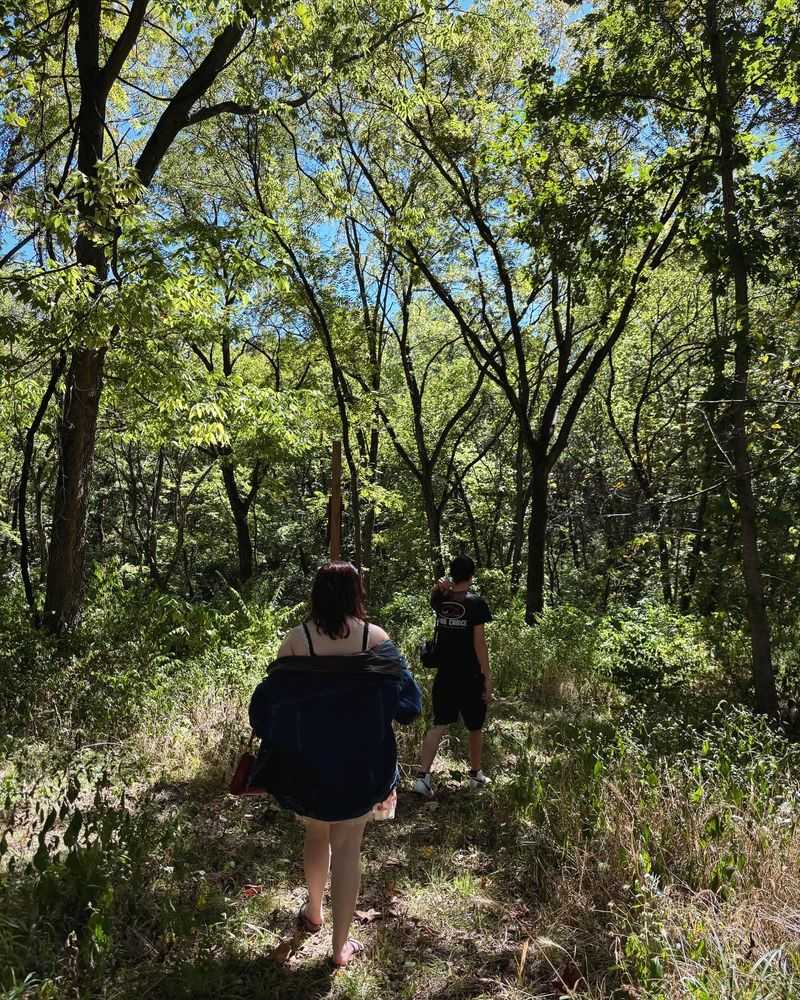
Half the fun of a desert walk is the living scenery along the way. Even a quick loop can hand you a few memorable sightings.
Birds are the easiest to spot. Cactus wrens, quail scurrying in family lines, and woodpeckers nesting in saguaros all show up regularly.
Lizards dart across the path and freeze on warm rocks. They are harmless and fun for kids to watch from a short distance.
Give every plant its space. Cholla and prickly pear look inviting but do not appreciate close contact, so stay on the trail.
Spring rewards patient walkers with blooms. Saguaro flowers, brittlebush, and desert poppies can turn a plain path into a color show.
8. Bringing Kids Along Without the Meltdowns
Short trails are a gift for families. A 1.4-mile loop is long enough to feel like a real adventure but short enough to finish before little legs give out.
Turn the walk into a scavenger hunt. Counting saguaros or spotting lizards keeps kids moving without complaint.
Snacks are the secret weapon. A handful of treats halfway through works wonders for morale on the return stretch.
Talk about the desert rules early. Explaining why we stay on the path and keep hands off cactus makes safety part of the fun.
Start early so you beat both the heat and the crowds. A cooler, quieter trail keeps everyone in a better mood from start to finish.
9. Trailhead Parking and Access Tips
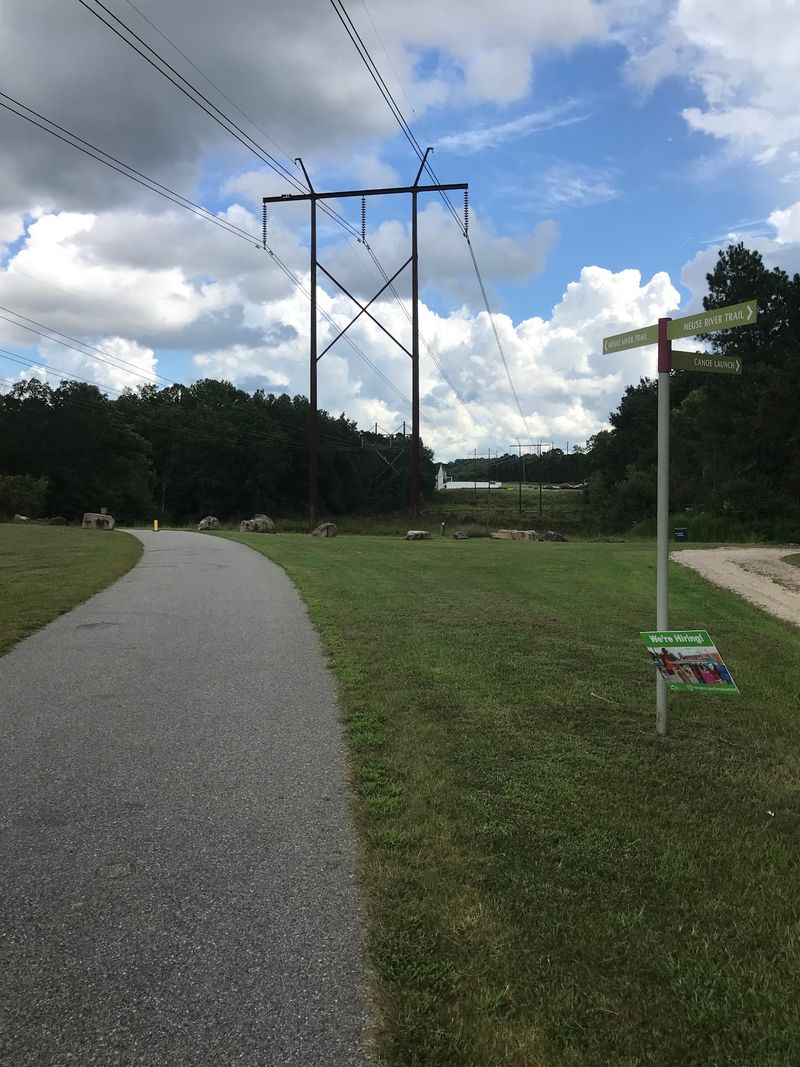
Getting to the trail is usually the trickiest part of an easy hike. Popular Arizona trailheads fill up fast on cool weekend mornings.
Arrive early to snag a spot near the entrance. By mid-morning in peak season, you may be circling or parking far from the start.
Some parks charge a day-use fee, so keep a card or small bills handy in case there is a pay station.
Check whether the trailhead has restrooms and shade before you go. Facilities vary widely from one preserve to the next.
Read posted signs at the start. They often flag closures, wildlife notices, or which direction makes the loop easiest to follow.
10. Great Beginner-Friendly Trail Options in Arizona
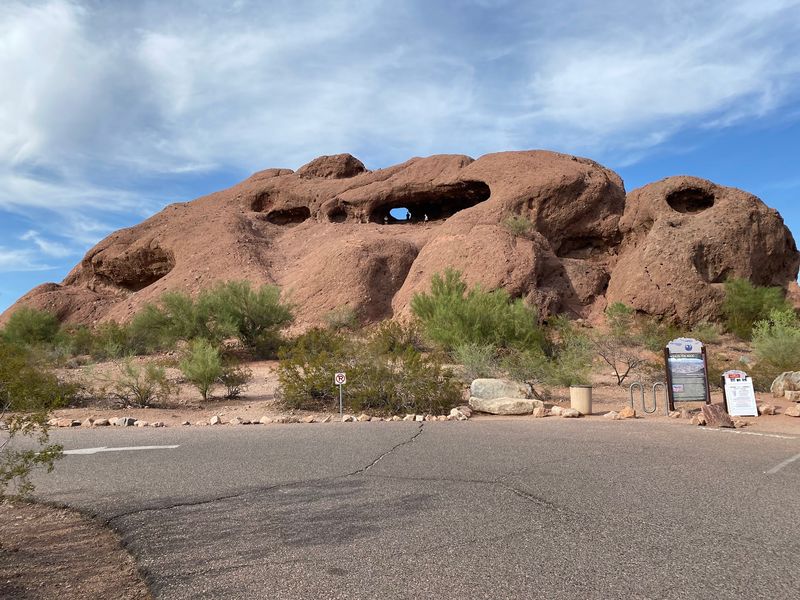
Arizona is loaded with short, scenic trails that fit the easy-and-flat description. The Phoenix and Tucson areas alone offer dozens.
The Bajada Nature Trail at Saguaro National Park near Tucson is a gentle, well-marked route with interpretive signs and classic cactus views.
In the Phoenix area, the paths around the Desert Botanical Garden and the flatter loops at McDowell Sonoran Preserve suit walkers who want scenery without a climb.
Papago Park in Tempe and Phoenix has short, mostly level trails with striking red rock formations and easy access.
Always confirm current trail conditions and hours online before you go, since seasonal heat closures and maintenance can change access.
11. Photography Tips for Big Desert Backdrops

Big views deserve a few smart shots. The good news is you do not need fancy gear to capture the desert well.
Golden hour, the time just after sunrise or before sunset, gives the warmest light and the longest, most dramatic shadows.
Frame a tall saguaro in the foreground with mountains behind it. That layering adds depth and makes flat scenery feel grand.
Get low for a fresh angle. Crouching near a wildflower or cactus base changes an ordinary photo into something memorable.
Keep your phone or camera shaded when not in use. Heat can affect batteries and screens faster than you might expect out here.
12. Making It a Full Half-Day Adventure

A short trail pairs nicely with the rest of your day. Since the walk itself only takes an hour or so, there is plenty of time to add stops.
Bring a small cooler and enjoy a picnic near the trailhead. Many desert parks have shaded ramadas or benches for exactly that.
Combine your loop with a nearby garden, visitor center, or scenic drive to stretch the outing into a relaxed half day.
Beat the heat by finishing outdoors early and moving to an indoor stop, like a museum or cafe, once the sun climbs.
The whole point of a flat, easy trail is flexibility. You get the big desert views, skip the exhausting climb, and still have energy left to explore.
Enjoyed this story?
Add Fast Food Club as a preferred source to see more of our reporting on Google.