


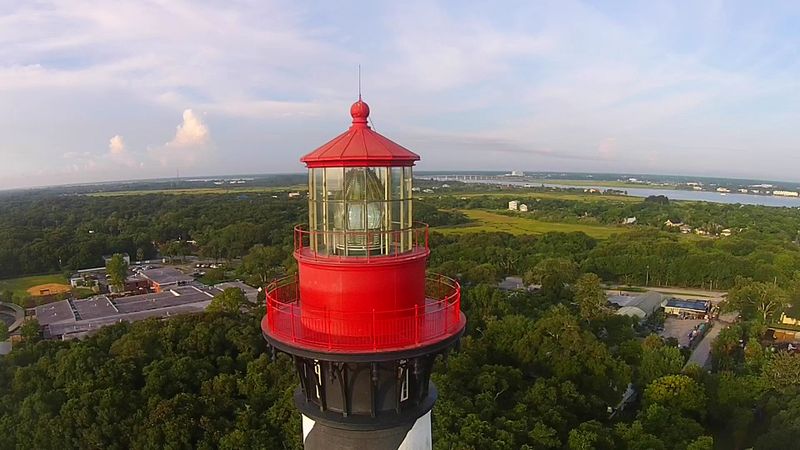
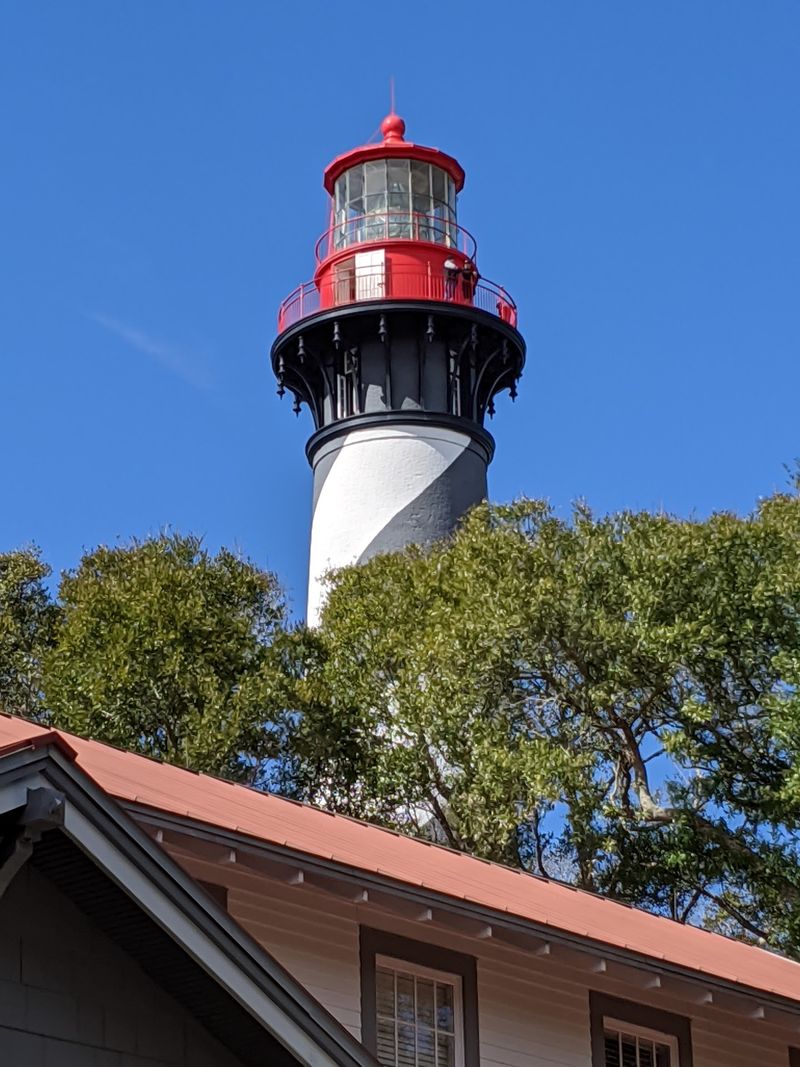
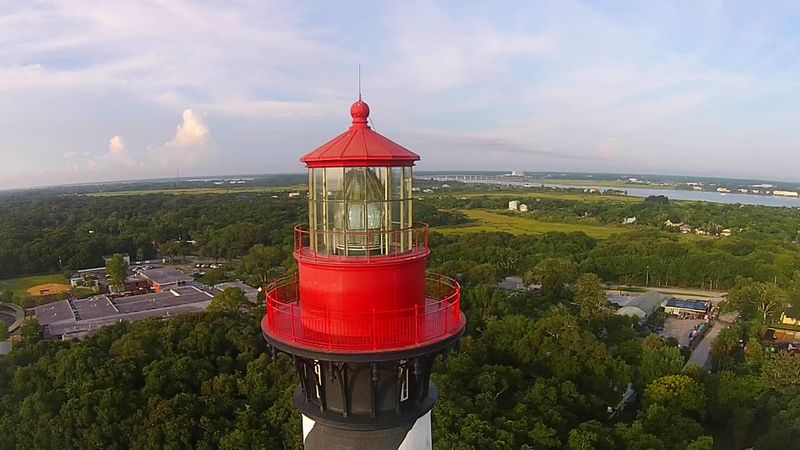
A black-and-white striped tower rises 165 feet above the north end of Anastasia Island, and it has been guiding ships since 1874. Beyond the postcard looks, this working beacon hides 219 spiraling steps, a keeper’s house full of stories, and a museum packed with maritime treasures.
There is also a reputation for ghostly tales that keep nighttime visitors on their toes. What follows is a floor-by-floor, building-by-building look at one of Florida’s oldest and most beloved landmarks, including practical tips on getting in, saving a few dollars, and what to see once you arrive.
Where the Tower Stands Watch
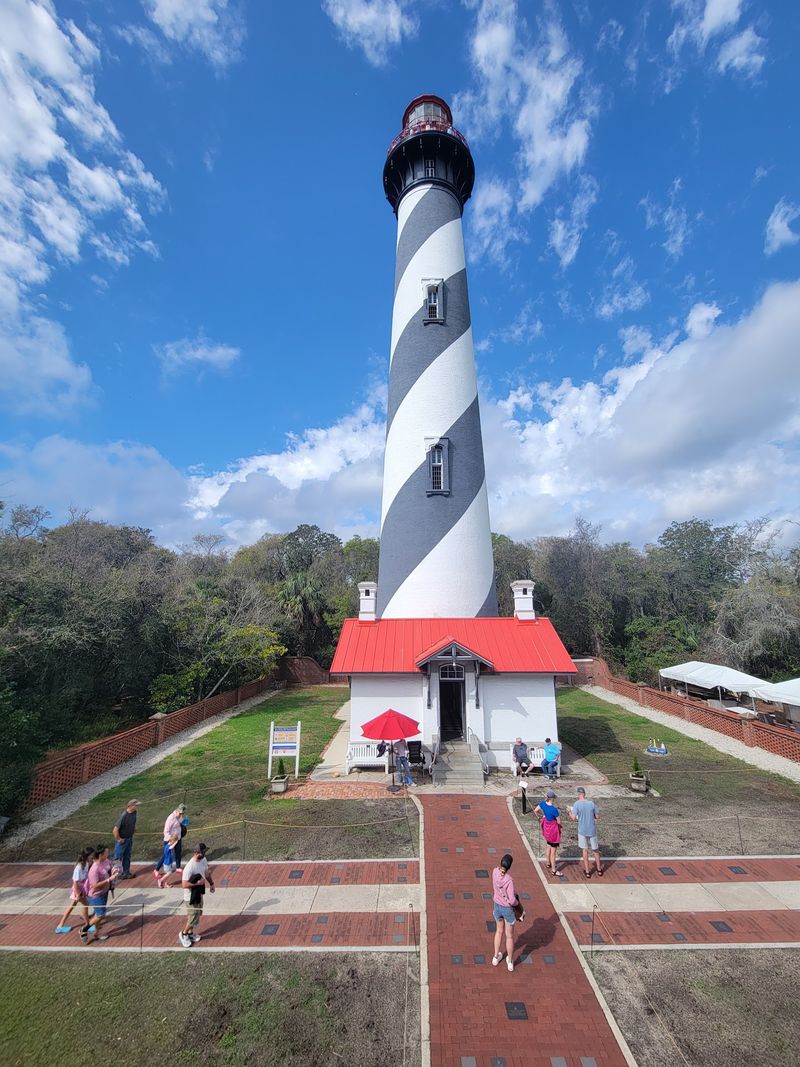
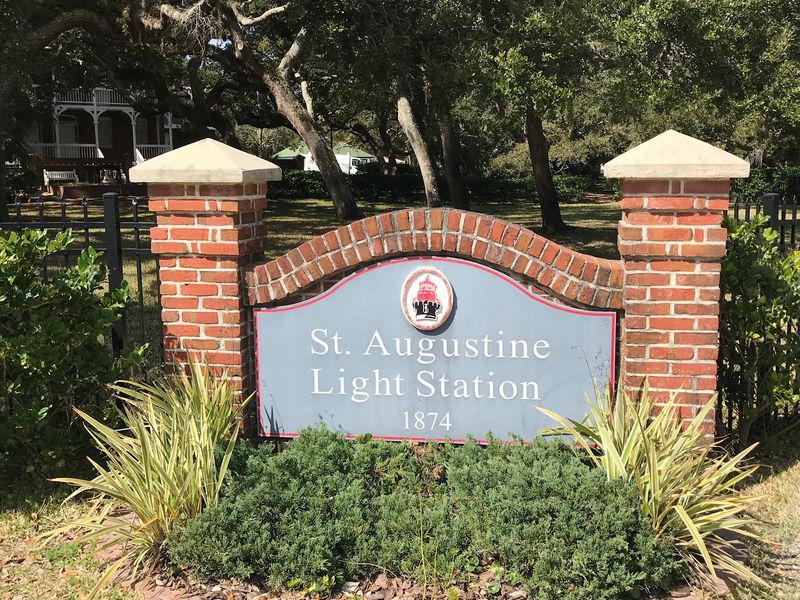
At 100 Red Cox Dr in St. Augustine, Florida, the St. Augustine Lighthouse and Maritime Museum sits at the north end of Anastasia Island, just east of the historic downtown.
The property is far more than a single tower. It is a full light station with a museum, walking trails, and a shipyard-themed play area spread across beautifully kept grounds.
Getting here means a short and scenic drive around the coastal town, which many treat as part of the fun. The lighthouse is still active today, so it earns its keep as a genuine navigational beacon rather than a retired relic.
Free parking sits on-site, though the lot fills quickly on busy days. When that happens, there is parking at nearby Lighthouse Park on Ocean Vista Ave, an overflow lot across the street on weekdays, and roadside spots.
The combination of history, views, and family-friendly extras makes it a stop that suits nearly everyone who wanders this way.
A Beacon Built in the 1870s
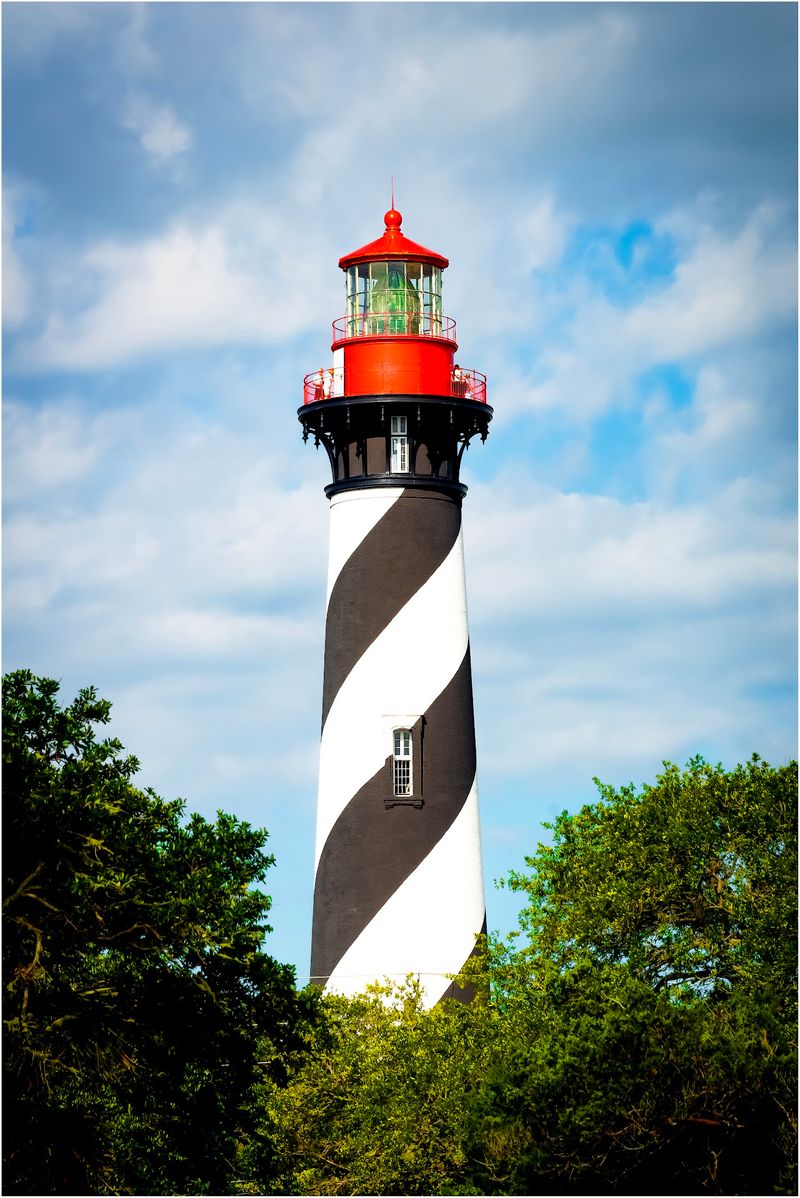
Construction stretched from 1871 to 1874, giving Florida a tower that has now stood watch for well over 130 years.
What makes the age so striking is that it still works. The light began by running on oils and was later converted to electric power, a quiet marker of how much the world changed while the beacon kept turning.
The structure rises 165 feet, and reaching the observation deck means climbing 219 steps. That vertical journey is part of the appeal, and the history shared along the way keeps the trip interesting.
Everything about the design reflects the practical needs of the era, from the oil room to the keepers’ work spaces. Standing beside it, you get a real sense of how long this coastline has depended on a steady light.
Few places let you touch this much history while it is still doing its original job.
Climbing the 219 Steps
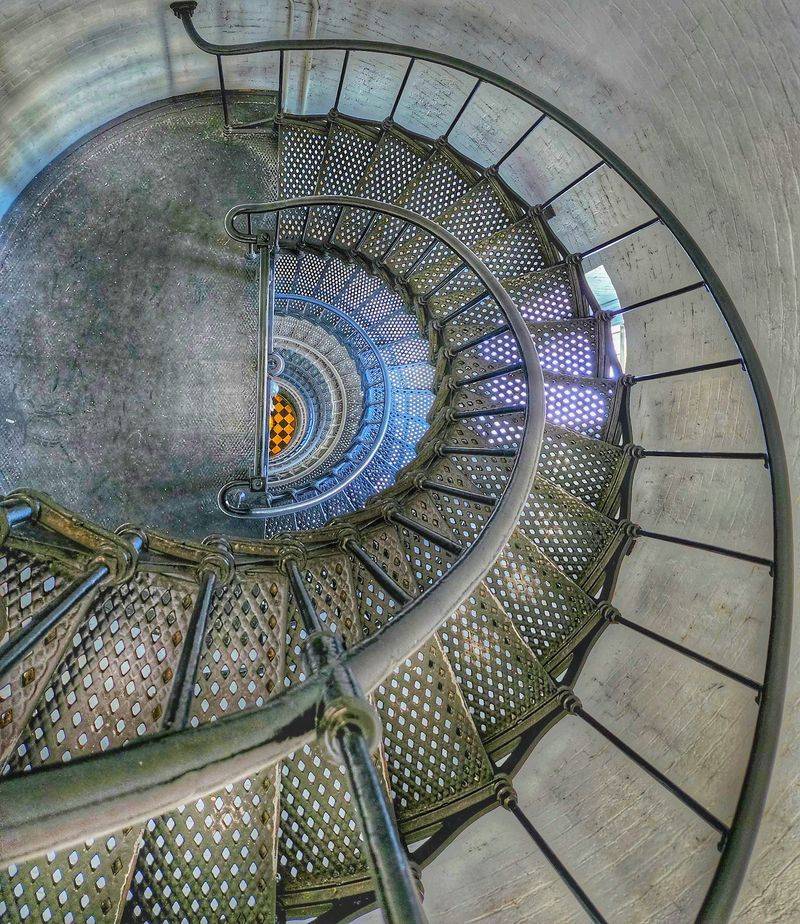
Reaching the top is a genuine little workout, and nobody pretends otherwise.
The spiral staircase winds up 219 steps, but landings placed along the way give you plenty of chances to pause, catch your breath, and read the facts posted throughout the climb. That mix of rest stops and trivia turns the ascent into a story rather than a slog.
Comfortable shoes help, though some folks manage just fine in flip flops. The point is to go at your own pace and enjoy the small details as you rise higher.
Near the top, a guide often waits to explain how the light works and what makes the mechanism tick. Their enthusiasm tends to be contagious, and the questions flow freely.
Once you step outside onto the platform, the effort pays off in full. Anyone who prefers to keep both feet on the ground will still find plenty to enjoy at the base, but the stairwell is the heart of the experience.
The View From the Observation Deck
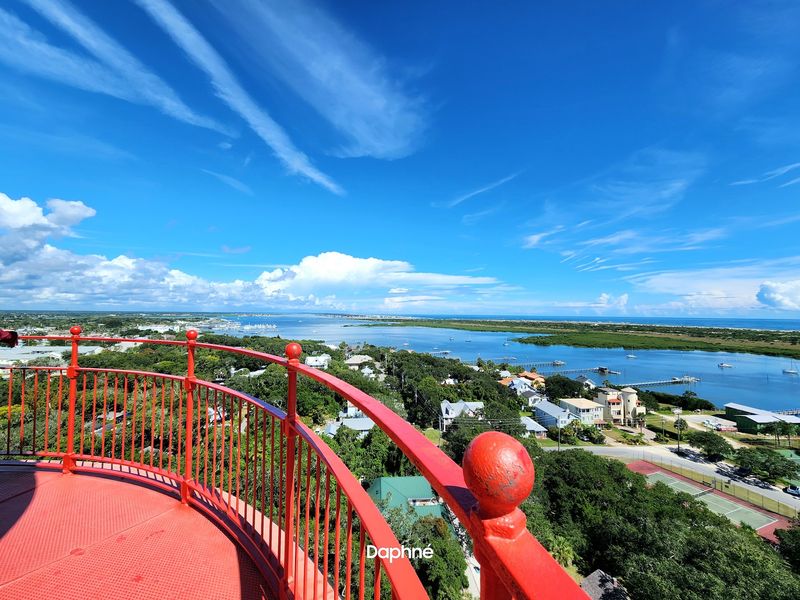
Reaching the top rewards you with a 360-degree panorama that regulars happily call the best view in all of St. Augustine.
From the observation deck, the coastline stretches out in every direction, with the ocean on one side and the historic town on the other. The only viewing option up there is the open-air platform, so you are fully out in the breeze with nothing between you and the horizon.
Many say the wind at the top adds to the moment, giving the whole climb a rewarding payoff. On a clear day, the sweeping look at Anastasia Island and the surrounding water is hard to beat.
The deck also works at night. Those who join the after-dark tours mention the view under the stars feels unique and worth the trip on its own.
Whether you come for daylight clarity or nighttime atmosphere, the top of this tower delivers a perspective on the coast that few other spots in the area can match.
Inside the Keeper’s House
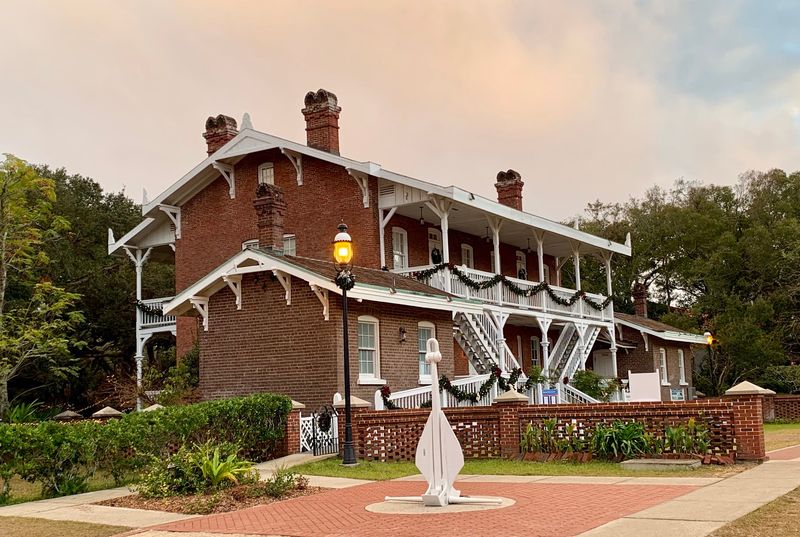
Just a short walk from the tower, the Keeper’s House opens a window into daily life at a working light station.
Period furnishings and personal items fill the rooms, helping you understand what it meant for two whole families to share such a compact space. The tight quarters tell their own story about dedication and routine.
The house has served as a full-time museum since 1994, and the exhibits inside cover the responsibilities that kept the light burning. Details like the oil room and the keepers’ office bring the precision of the job to life.
Down in the basement, a small tradition awaits. Regulars suggest peeking through the portholes for a fun little surprise tucked into the lower level.
During the holidays, the house gets decorated so beautifully that returning families make a point of visiting just to see it dressed up for Christmas. It is one of those spaces that rewards slow, curious wandering, and it adds real depth to the visit beyond the climb itself.
Ghost Stories and the Three Sisters
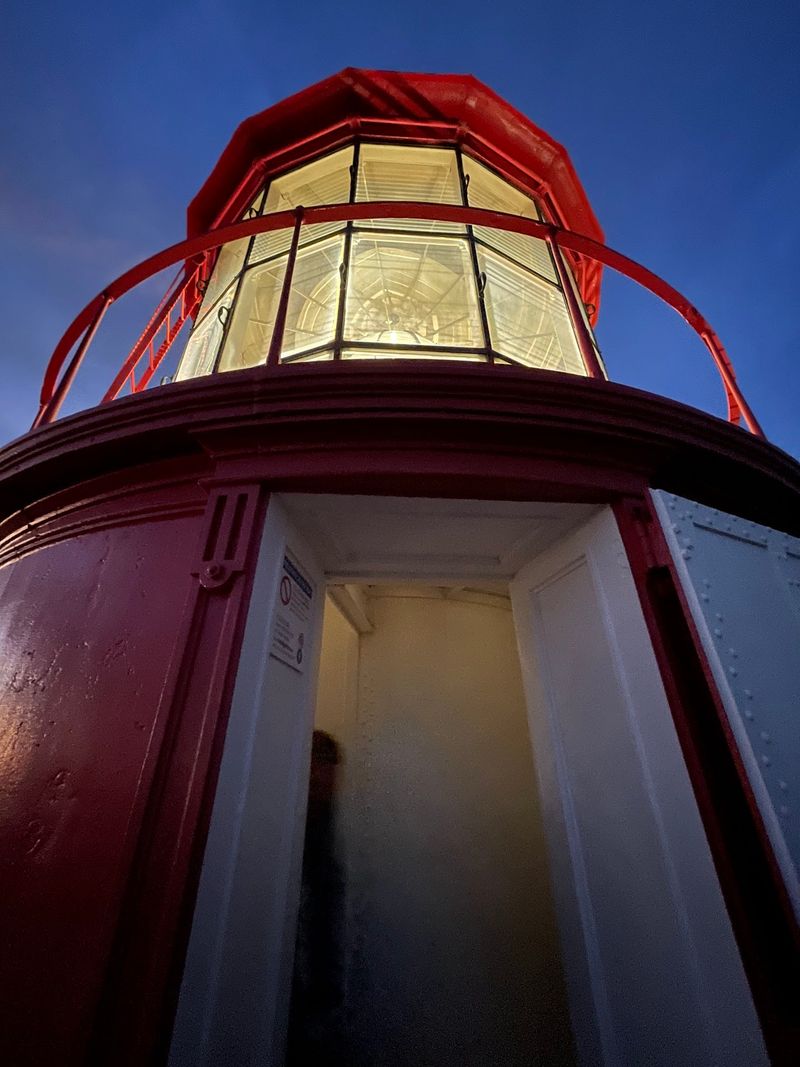
A layer of local lore gives the station a reputation that draws curious guests long after sunset.
Stories tie the site to several figures from its long past, including former keeper Peter Rasmussen, who worked here from 1901 to 1924. There is also the tale of three sisters connected to the lighthouse keeper’s history, a story guides often share during evening tours.
The ghost tours run at night, and even skeptics tend to walk away satisfied. Guides pack the outings with fascinating historical details, so the trip feels worthwhile whether or not anything spooky happens.
Some folks wish they had read up on the tales before visiting, saying the knowledge would have made them pay closer attention to their surroundings. It is easy advice to follow before you go.
Many families do both the daytime visit and the ghost tour, enjoying the contrast between the two experiences. The mix of history and mystery makes the after-hours version a memorable way to see the tower in a whole new light.
Boat Building and Maritime Heritage
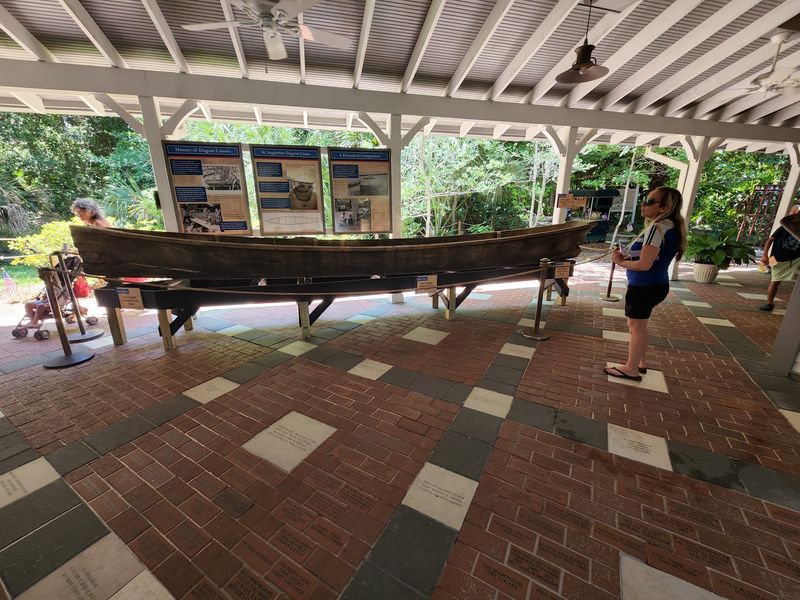
Keeping an old craft alive, the station hosts boat building demonstrations that fit right in with its maritime theme.
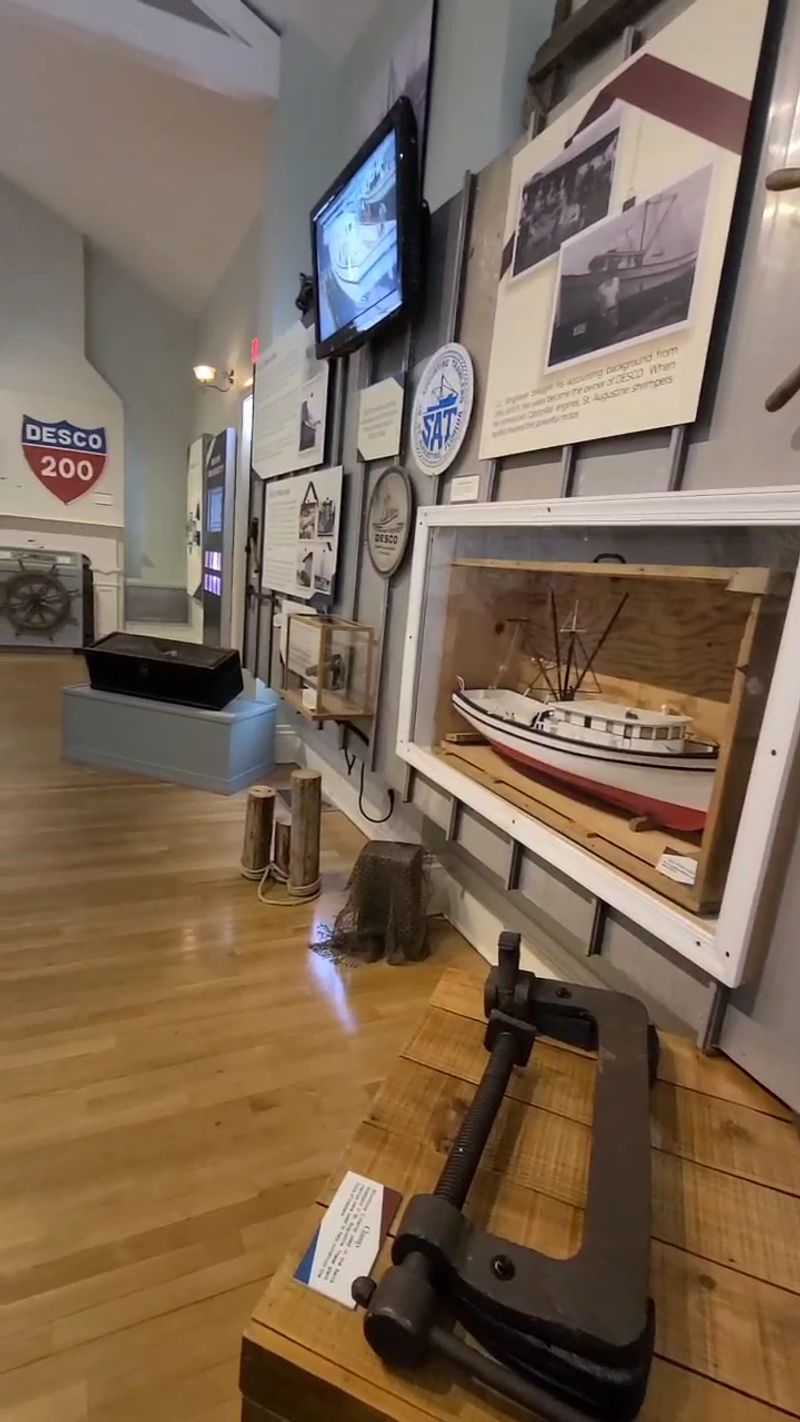
Handmade boats sit on display, and the demos let you watch traditional skills passed along to a new audience. It is a hands-on reminder that this is a maritime museum as much as a lighthouse.
The grounds also include the Maritime Heritage Park and the Maritime Center, both of which add real depth with exhibits and outdoor displays. Together they round out the picture of coastal life and seafaring history.
Explorers who take their time here find plenty to absorb beyond the tower. The outdoor pieces connect the story of the light to the wider world of ships and shipping that shaped St. Augustine.
For anyone drawn to how things are made and how coastal communities worked, these sections turn a quick stop into a fuller half-day. The boat building corner in particular gives the whole place a working, living feel.
Grounds, Oak Trees, and Walking Trails
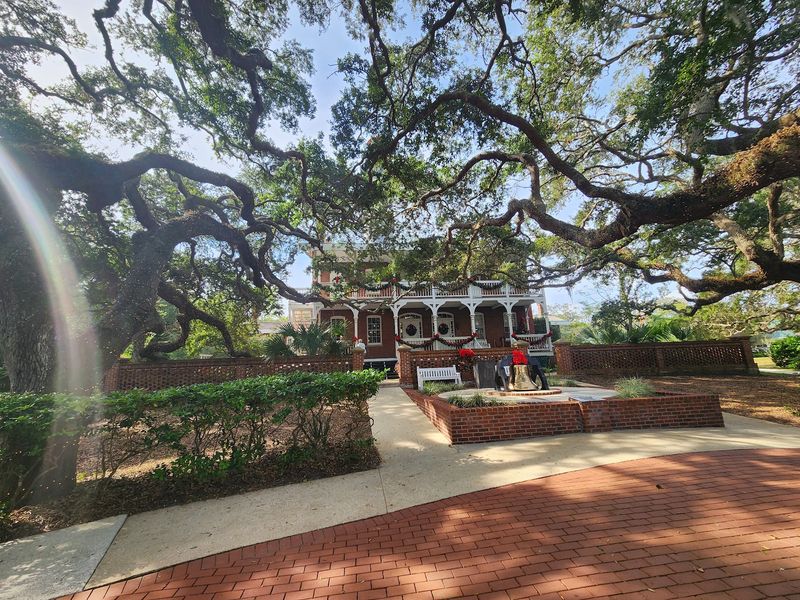
Beyond the buildings, the grounds themselves earn steady praise for how well they are kept.
Huge oak trees sprawl across the fences and lawns, giving the property a shaded, settled character. Little walking trails wind through the area, making it easy to slow down and enjoy the setting between stops.
The whole light station spreads across several structures, so the paths connect the tower, the Keeper’s House, summer kitchens, a former U.S. Coast Guard barracks, and even a garage once used for jeep repairs during World War II.
Wandering the trails is a low-key pleasure, and families with mixed ages often find it a comfortable way to spend time together. There is no rush and no single route you must follow.
The green space ties everything together, turning separate exhibits into one cohesive visit. It is the kind of setting that invites you to linger a little longer than you planned, and most people are glad they did.
A Playground and Fun for Every Age
Families with a wide range of ages tend to leave impressed by how much there is for everyone.
A shipyard-themed play area gives younger visitors a place to burn off energy, and it is put together thoughtfully enough that the little ones stay busy. Groups spanning ages one to sixty-five have found something to enjoy across the property.
The mix works because the site blends active fun with quieter history. Kids can climb and play while older family members explore the museum or take in the views.
That range is part of what makes the stop so easy to recommend for a family day out. Nobody gets left staring at their phone waiting for the rest of the group to finish.
The play area, the trails, the climb, and the exhibits each pull a different crowd, and together they keep everyone occupied. It is a rare attraction where a toddler and a grandparent can both walk away happy from the same afternoon.
Friendly Guides Who Know Their Stuff
Time and again, the people working here get singled out for their warmth and knowledge.
Guided tours come included with admission, and the docents bring real enthusiasm to the job. Their energy tends to rub off on the group, turning facts into stories that stick.
Up at the top, staff explain how the light operates and what keeps it working, answering questions with obvious pleasure. Down below, they field curiosities about the buildings and the long history of the site.
Friendly faces show up throughout the property, and that welcoming spirit gets mentioned constantly. It makes first-timers feel at ease and gives repeat guests a reason to keep coming back.
The volunteers and staff clearly enjoy their work, and that shows in how they engage with everyone from wide-eyed kids to lighthouse enthusiasts. Good guides can make or break a historic site, and here they lift the whole experience.
It is the human touch that turns a self-guided walk into something memorable.
Hours, Tickets, and the Gift Shop
Planning a visit is refreshingly simple, since the doors open daily from 9 AM to 6 PM.
Admission runs around 18 dollars, and buying tickets online brings a cost savings. Seniors are given a discount as well, so it pays to check the options before you arrive.
Parking on-site is free, though busy days push some guests to the nearby overflow and roadside spots mentioned earlier. The website at staugustinelighthouse.org is the easiest place to sort tickets in advance.
The gift shop is a highlight on the way out, stocked with quality T-shirts, cups, and other lighthouse souvenirs. A small museum tucked into the shop area adds a bit of interesting information for those who linger.
Do not skip the one-dollar certificate at the gift shop after you finish the climb. Filling it out is a small, satisfying way to mark that you conquered all 219 steps, and it makes a nice keepsake to take home.
Why This Stop Earns Its Spot
Pulling everything together, this is a place that manages to please almost every kind of traveler.
History buffs get an active 1870s beacon and a museum full of maritime detail. Families get a playground, trails, and a climb that turns into a shared achievement.
Curious night owls get ghost tours and a starlit view from the top.
The strong reputation is earned, with a 4.7-star standing across more than 15,000 pieces of feedback. That kind of consistency says a lot about how well the whole property is run and maintained.
Between the friendly guides, the well-kept grounds, and the constantly changing exhibits, there is a reason locals and travelers alike keep returning. Even repeat guests find new upgrades and additions each time.
A working lighthouse over 130 years old, wrapped in beautiful grounds and layered with real stories, is not something you find every day. If your travels bring you anywhere near St. Augustine, this tower is well worth the climb and the time.
Enjoyed this story?
Add Fast Food Club as a preferred source to see more of our reporting on Google.