


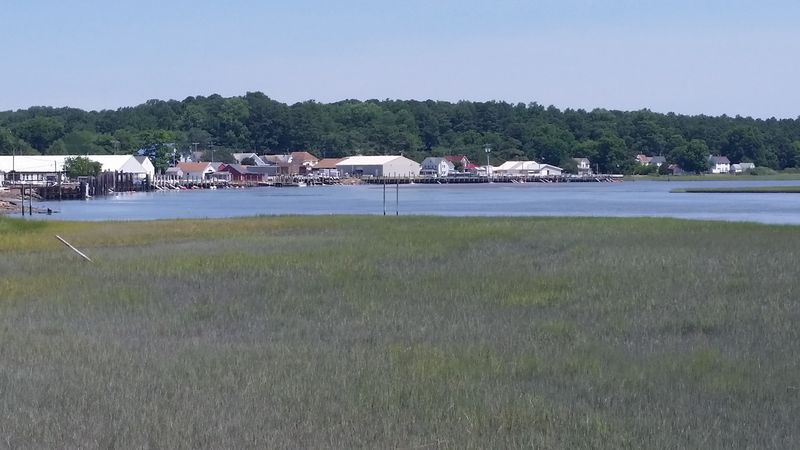
Tucked along the marshy edge of Virginia’s Eastern Shore sits a tiny waterside community where the pace of life still moves like the tide. Fewer than a few hundred people call this place home, yet it holds a quiet kind of importance that bigger towns often lose.
There is history in the way the streets meet the water, and a rhythm that has stayed steady across generations. The story you are about to read is about a working waterfront community that most travelers zip right past on their way to somewhere flashier.
Slow down, and there is plenty here worth knowing. Keep reading to discover where it is, why it matters, and what makes this small spot on the map stick in your memory long after you leave.
Where The Marsh Meets The Map
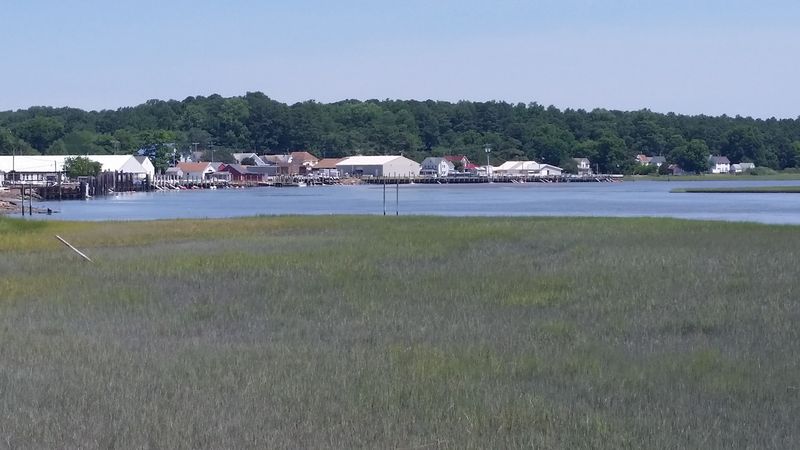
Set in Northampton County on Virginia’s Eastern Shore, Willis Wharf is an unincorporated community that carries a name as sturdy as the docks it grew around. The address is simply Virginia, a fitting detail for a place that feels stitched into the landscape rather than plotted on a grid.
The community sits close to the water, where the marshlands stretch out toward the barrier islands. That location has shaped everything about daily life here for a very long time.
Officially, Willis Wharf became a census-designated place in the 2020 census, recording a population of 210. Small numbers, big character.
The setting is unmistakably tied to the tide, with the harbor acting as the heartbeat of the whole area. People here have always looked toward the water for their work and their routines.
What makes the location so appealing is its lack of pretense. There are no crowds jostling for attention, just a genuine coastal community going about its business the way it has for well over a hundred years.
A Waterfront With A Working Past
Long before it landed on any official census list, this little harbor earned its keep the honest way, through the seafood trade. The waters surrounding the community have supported oyster and clam operations for generations.
The wharf itself gave the place its name, and that is no accident. Boats have tied up here for decades, hauling in the bounty of the surrounding bays and inlets.
Aquaculture remains a big part of the local identity, with shellfish operations still humming along the shoreline. It is one of those rare spots where the traditional way of doing things never fully faded.
The buildings near the water tell the story better than any plaque could. Weathered structures line the harbor, each one a nod to the community’s long relationship with the sea.
History here is not tucked behind glass in a museum. It is out in the open, still functioning, still feeding families the same way it did more than a century ago.
That continuity is what gives Willis Wharf its quiet dignity. The past and present share the same dock.
The Store That Refused To Quit
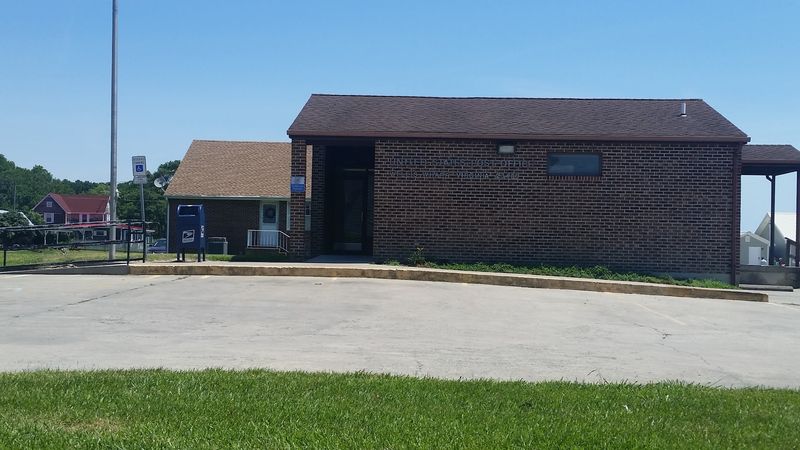
Every small community seems to have one anchor that holds it together, and around here that role has long belonged to the old general store. A place like this becomes more than a shop over the years.
It becomes a landmark.
General stores were once the lifeblood of rural Virginia communities, stocking everything a family might need without a long trip to the city. In a spot as tightly knit as this one, that kind of convenience meant everything.
The staying power of such a store is remarkable when you think about it. Serving locals for well over a century means outlasting countless changes in how people shop and live.
What kept it going was the community itself. A store survives when neighbors keep coming through the door, generation after generation.
There is a certain pride in a business that refuses to fade away. It stands as proof that some traditions are worth protecting.
For a community this size, having that steady presence is nothing short of a gift.
Small Population, Big Heart
With a population of just 210 recorded in the 2020 census, this is not a place where you get lost in a crowd. Everybody tends to know everybody, and that closeness shapes the whole feel of the community.
Small numbers come with real advantages. Neighbors look out for one another, and the sense of belonging runs deep.
Communities this compact often develop a strong shared identity. Here, that identity is tied to the water and the long history of working it.
Being an unincorporated community means Willis Wharf operates without the trappings of a big municipal government. Life stays simple and direct.
There is something refreshing about a place that has not chased rapid growth. It keeps its character intact and its priorities clear.
For anyone weary of noise and hurry, the modest scale is part of the charm. The population may be small, but the sense of community is anything but.
Life Lived By The Tide
Daily rhythms in a waterfront community follow the tides more than the clock. When the water rises and falls, so do the activities of the people who depend on it.
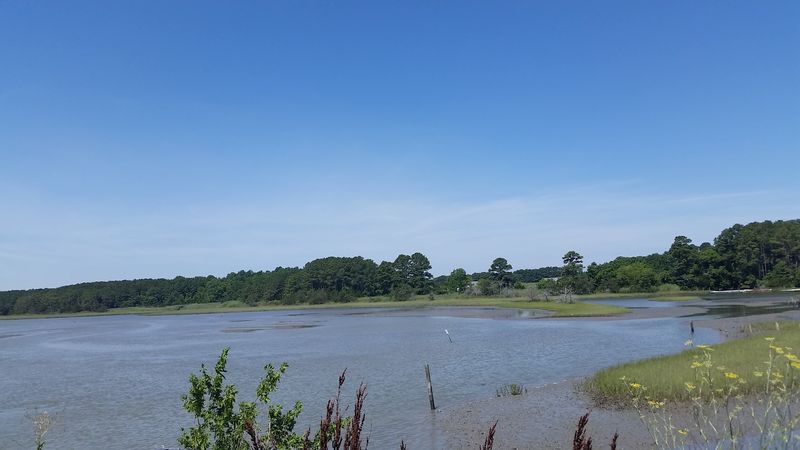
The surrounding marshland is a defining feature of the area, weaving through the landscape in ribbons of green and blue. It is a natural setting that has stayed largely unspoiled.
Tidal creeks and channels connect the community to the wider waters of the Eastern Shore. That network of waterways has always been the region’s highway.
The marsh is not just scenery. It supports the shellfish beds and the natural habitat that make the whole area productive.
Living by the tide teaches a kind of patience. You work with nature’s schedule rather than fighting it.
That relationship with the water sets Willis Wharf apart from inland towns. Here, the tide is a constant companion, and the community has learned to move in step with it.
A Corner Of The Eastern Shore
Northampton County anchors the southern end of Virginia’s Eastern Shore, a long peninsula that separates the Chesapeake Bay from the Atlantic Ocean. Willis Wharf sits comfortably within this distinctive stretch of geography.
The Eastern Shore has a reputation for keeping things slow and rural. Wide-open spaces and quiet roads define much of the region.
Being part of this larger area gives the community a strong regional flavor. The traditions of the Eastern Shore run deep in places like this.
The peninsula is known for its barrier islands and its natural beauty. Willis Wharf serves as one of the gateways to that watery world.
Travelers exploring the Eastern Shore often find that the smallest communities offer the most authentic experiences. This one certainly fits that description.
The location within Northampton County places it among a scattering of historic villages that have held onto their roots. It is a corner of Virginia that rewards those willing to wander off the main highway.
Who Feels Right At Home Here
Not every destination suits every traveler, and this one knows exactly who it is for. People who appreciate quiet, history, and genuine coastal character will feel right at home.
Those chasing nightlife and shopping malls should probably look elsewhere. The appeal here lies in simplicity and authenticity.
History buffs find plenty to admire in a community that has served locals for well over a century. The sense of continuity is a big draw.
Nature lovers also gravitate toward the marshes and waterways that surround the area. It is a peaceful setting for anyone who values open space.
Photographers and folks who enjoy exploring off-the-beaten-path spots tend to appreciate the honest, unpolished feel. There is real charm in a place that has not been dressed up for tourists.
Anyone looking to slow down and soak in the rhythm of a working waterfront will leave satisfied. The community welcomes visitors who come with curiosity and a relaxed attitude.
Finding Your Way To The Wharf
Getting to Willis Wharf means heading to Northampton County on Virginia’s Eastern Shore. The community sits along the seaside portion of the peninsula, a short drive off the main north-south route through the region.
The Eastern Shore is connected to the rest of Virginia by the impressive Chesapeake Bay Bridge-Tunnel to the south. Many travelers arrive by crossing that engineering marvel.
Once on the peninsula, the roads grow quieter and the scenery opens up. Reaching a small community like this is part of the adventure.
Because it is unincorporated and modest in size, there are no grand entrances or big signs announcing your arrival. You simply find yourself at the water’s edge.
A road trip along the Eastern Shore pairs naturally with a stop here. The area works well as one leg of a broader exploration.
Plan for a leisurely drive rather than a rushed dash. Half the pleasure is in the journey through the flat, open countryside that leads to the harbor.
What To Expect When You Arrive
Setting expectations matters for a place this small. Willis Wharf is a genuine working community rather than a manicured tourist attraction, and that is precisely its appeal.
Visitors should come prepared for a low-key experience. The main draws are the harbor, the history, and the natural surroundings.
Since the population hovers around 210, there is a peaceful, unhurried atmosphere throughout. Crowds are not part of the picture.
The waterfront remains active with shellfish operations, so there is a sense of purpose to the place. It is a living community, not a preserved relic.
Amenities are limited, which is exactly what many people are looking for when they seek out a spot like this. Bring your sense of curiosity and a willingness to explore.
The reward is a slice of authentic Eastern Shore life. That kind of experience is becoming harder to find, which makes it all the more worthwhile.
Why This Little Community Sticks With You
Some places leave a mark that has nothing to do with size. Willis Wharf, with its 210 residents and its long history of serving locals for well over a century, is one of those places.
The staying power of this community speaks to something rare. It has held onto its identity while so many other small towns have faded.
The combination of working waterfront, quiet marshes, and deep roots creates a memorable stop for the right kind of traveler. It rewards those who value substance over spectacle.
A visit here offers a reminder that not everything worthwhile needs to be big or loud. Sometimes the smallest spots hold the richest stories.
For anyone exploring Virginia’s Eastern Shore, this community deserves a spot on the itinerary. It is a genuine piece of the region’s living history.
Long after the trip ends, the memory of this steady little harbor tends to linger. That is the mark of a place worth knowing.
Enjoyed this story?
Add Fast Food Club as a preferred source to see more of our reporting on Google.