


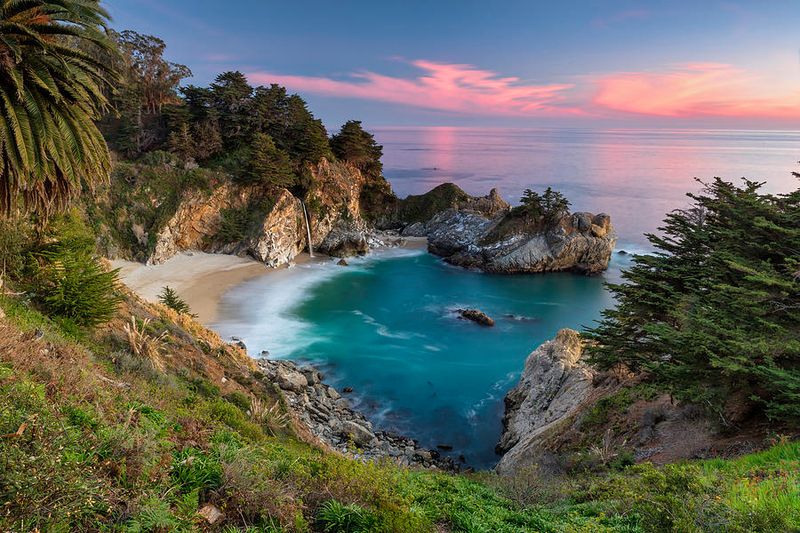
Somewhere along one of the most famous coastal drives in California, water tumbles roughly 80 feet from a cliff and lands on a small pocket of sand tucked into a turquoise cove. Almost nobody expects it, and yet it sits only a short walk from where cars pull over.
It is one of the very few waterfalls in the country that drops straight toward the ocean, which is exactly why so many people plan their whole trip around a quick look. The walk is flat, easy, and quick, so the payoff comes fast.
Keep reading to learn where this place is, what makes the view so unusual, how to visit without stress, and the small details that turn a five-minute stop into a highlight of the entire drive.
The Big Sur Waterfall Everyone Slows Down For
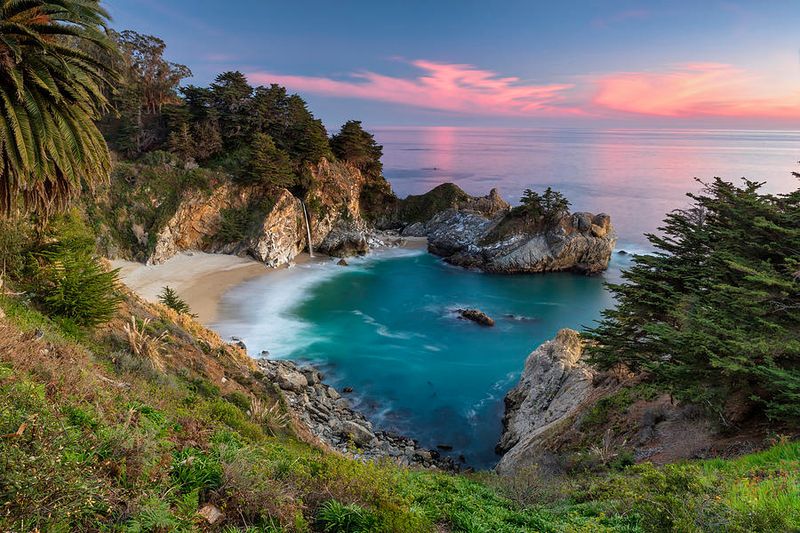
Roughly halfway down the rugged coastline of Big Sur, McWay Falls sits inside Julia Pfeiffer Burns State Park with the simple address of California 93920. The overlook opens right off Highway 1, so the drive up to it is part of the appeal.
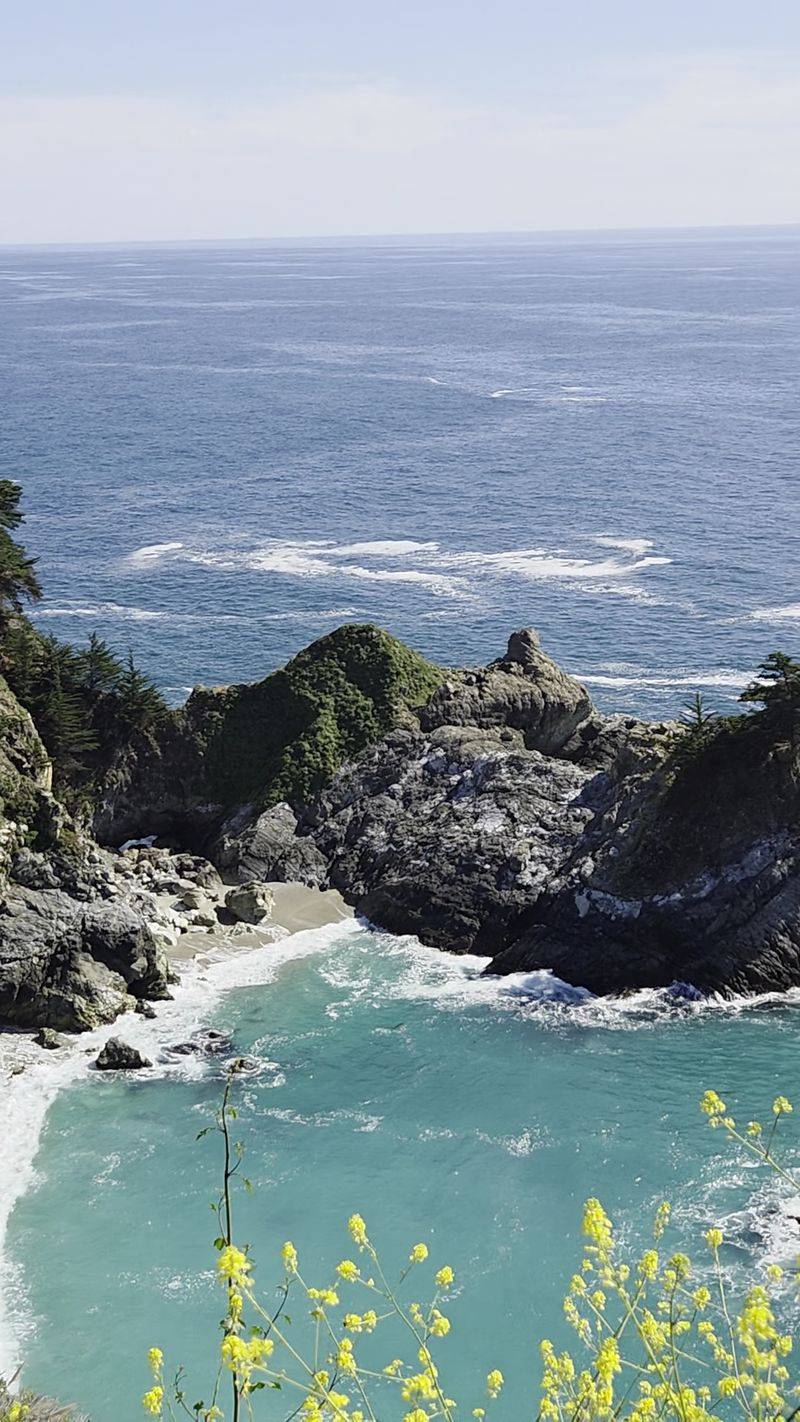
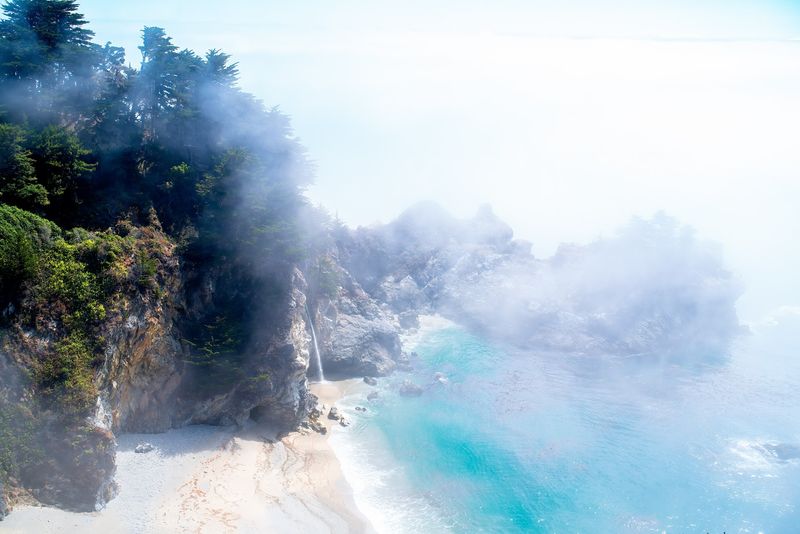
The falls drop about 80 feet from a cliff into a small cove, where the water meets a tiny beach and the Pacific. That combination is rare, and it is a big reason this spot became one of the most recognized images of the California coast.
Reaching the view does not require a long trek. A short, well-kept trail leads to a cliffside vantage point, and the whole thing takes just a few minutes on foot.
Because it sits directly along the highway, plenty of travelers treat it as a quick stretch-your-legs stop between longer stretches of driving. Regulars mention that even a brief visit here tends to stick in the memory long after the trip ends.
A Waterfall That Meets the Ocean
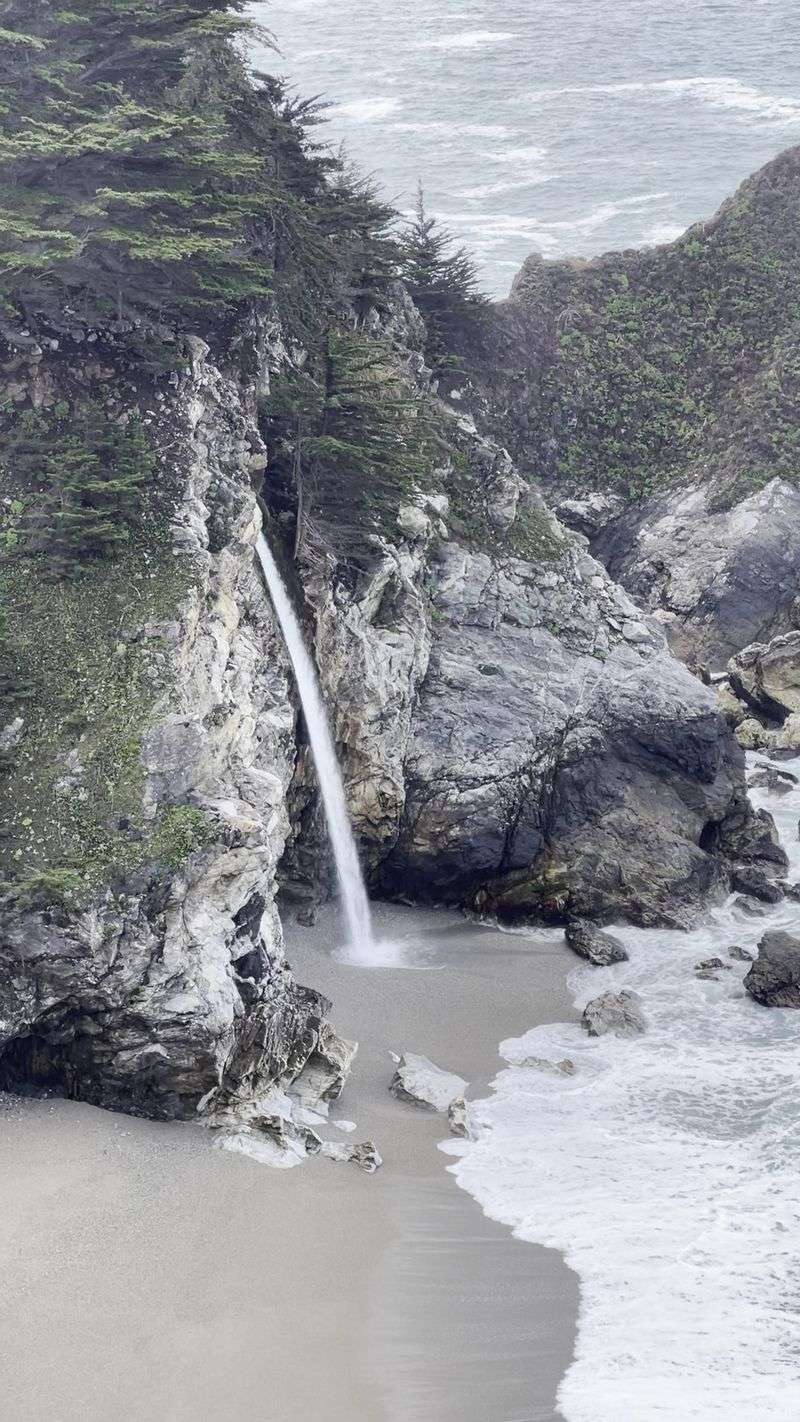
What sets this place apart from other coastal viewpoints is the way the water finishes its journey. Instead of vanishing into a forest pool, the flow lands on a small beach and then heads toward the Pacific.
People often point out that this is one of the only waterfalls in the United States that empties so close to the sea. Depending on the tide, the water either meets the sand first or reaches the ocean more directly.
The color contrast does a lot of the work here. The pale sand, the deep blue-green water, and the dark rock of the cove all sit together in one frame.
Folks who have driven the entire coast describe it as one of the images that comes to mind when they think of Highway 1. It is the kind of scene that looks staged but is entirely natural.
That rare meeting of fresh water and salt water is the quiet star of the whole stop.
The Short Walk Through the Tunnel
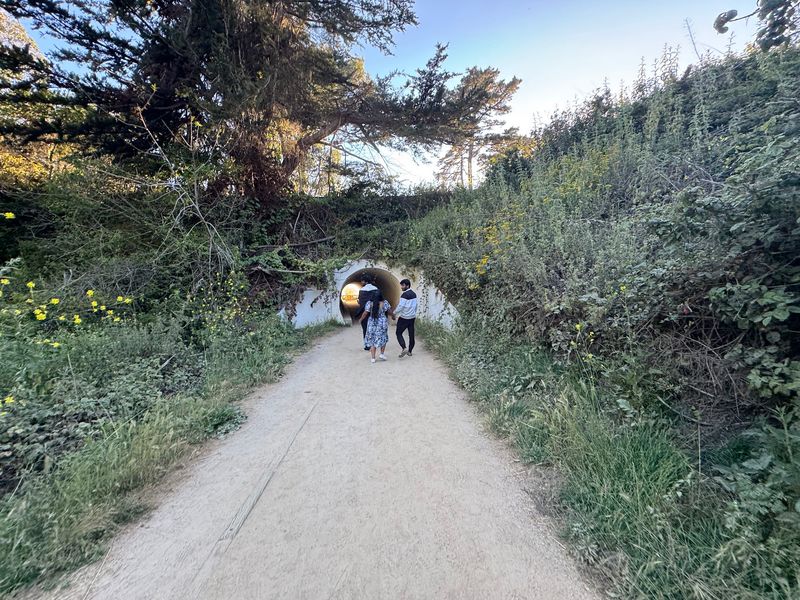
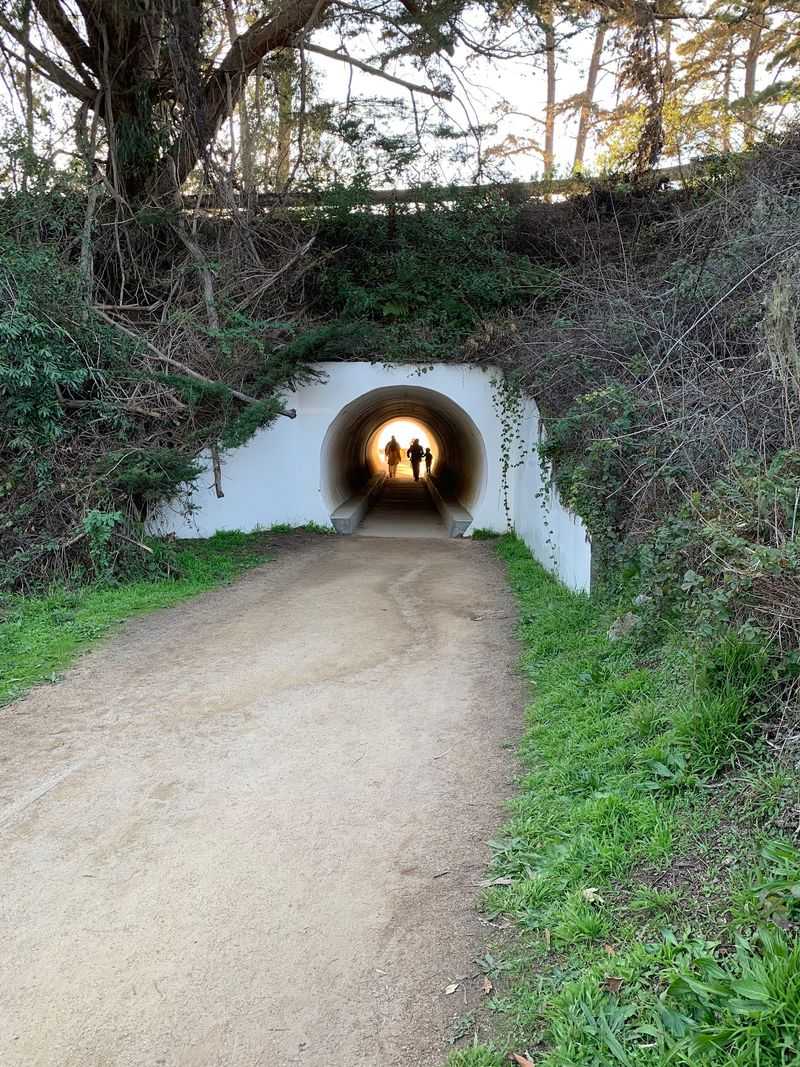
Getting to the viewpoint is refreshingly simple. From the parking area, a short path leads toward the cliff, and part of the route passes through a small tunnel that runs under the highway.
The walk usually takes about ten minutes or less, and the trail stays flat the entire way. That makes it friendly for families and for anyone who does not want a strenuous hike.
At the end, an overlook gives a clear look at the falls and the cove from the top of the cliff. There is even a bench for anyone who wants to sit for a moment before heading back.
People frequently describe it as a low-effort, high-reward stop, which is a fair summary. You get a famous view without earning it through miles of climbing.
For a landmark this well known, the ease of the approach is part of what keeps travelers coming back.
The Cliffs and Cove That Frame the View
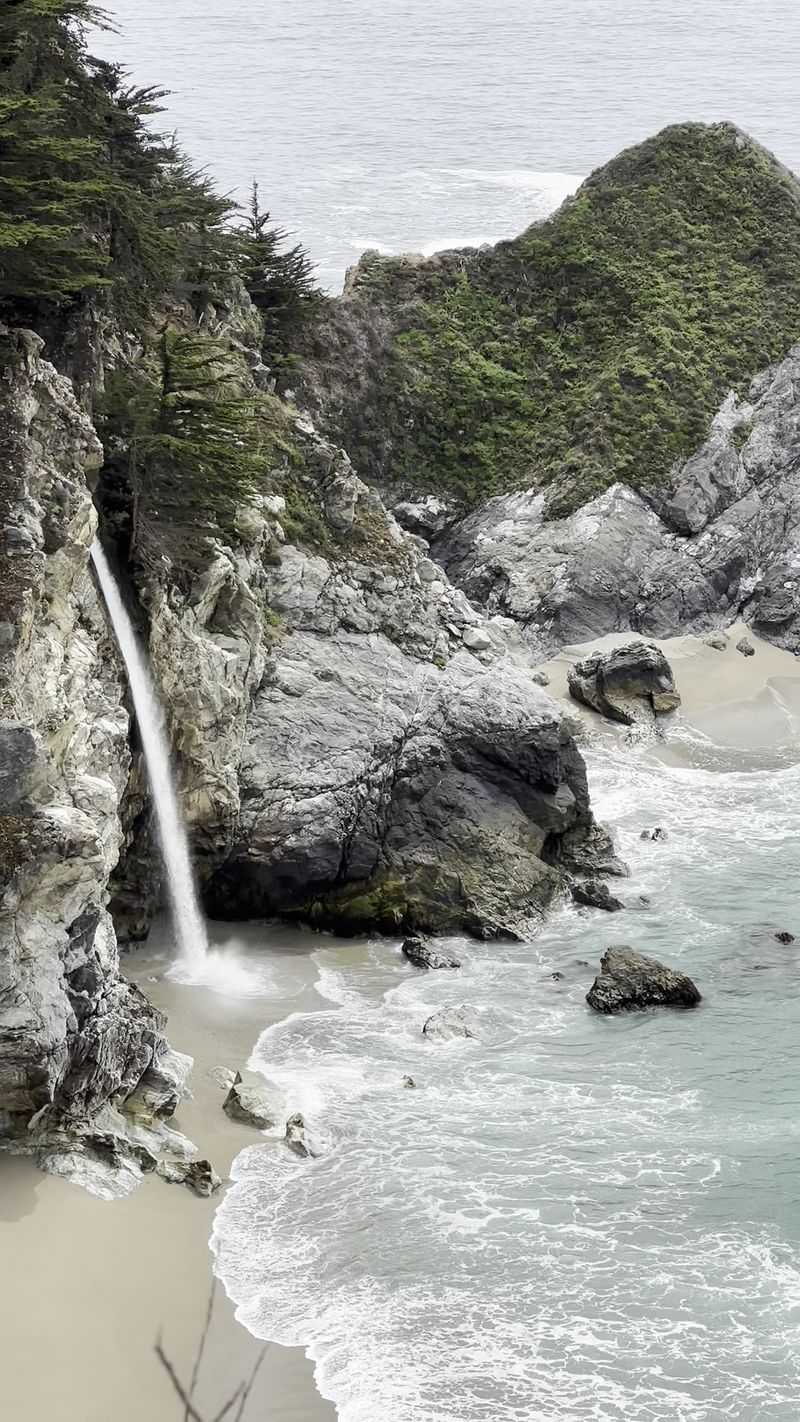
Beyond the falls themselves, the surrounding landscape carries plenty of drama. Steep cliffs wrap around the little cove, and the coastline stretches out in both directions along the water.
The overlook offers a panoramic angle, so the scene is not just about the waterfall. The rock walls, the beach, and the open Pacific all share the picture.
People who visit on clear days talk about how the whole coast looks spectacular from this point, even setting the falls aside. The rugged setting is a big part of the charm.
Because the beach is off-limits to protect the fragile area, the cove stays clean and untouched. That restriction actually keeps the view uncluttered, since there are no people standing in the sand below.
The result is a framed slice of coastline that feels both wild and carefully preserved.
Why Afternoon Light Wins
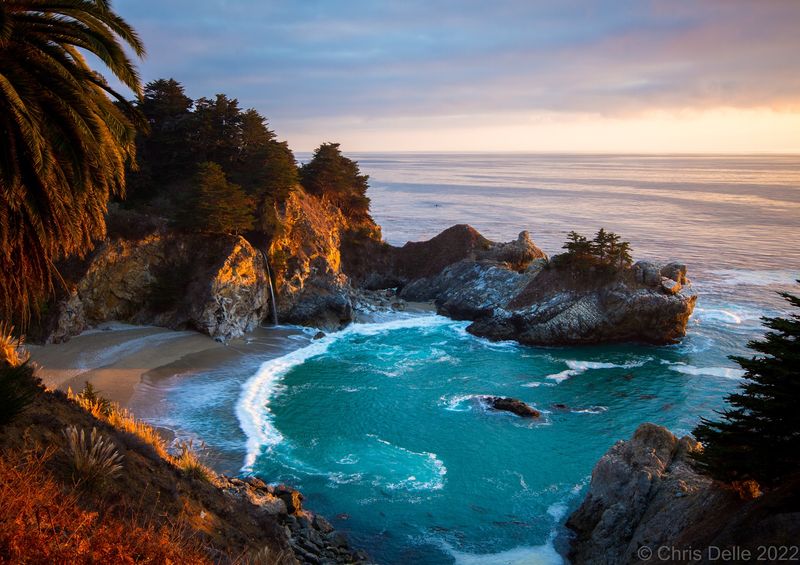
Timing your visit can change the whole experience. Morning fog is common along this stretch, and it can hide the falls behind a gray curtain.
Because of that, many travelers suggest arriving in the afternoon once the fog has burned off. On days with no fog and light wind, the view opens up completely and the colors of the cove really show.
Sunset also earns a lot of attention here. The angle and the open ocean make the evening light a favorite among people who stick around for it.
Weather clearly plays a role in how the visit turns out. A clear, calm day is described as stunning, while heavy fog can shrink the payoff.
If flexibility allows, planning around the clearest part of the day gives you the best shot at the classic scene.
When the Falls Run Full and When They Run Thin
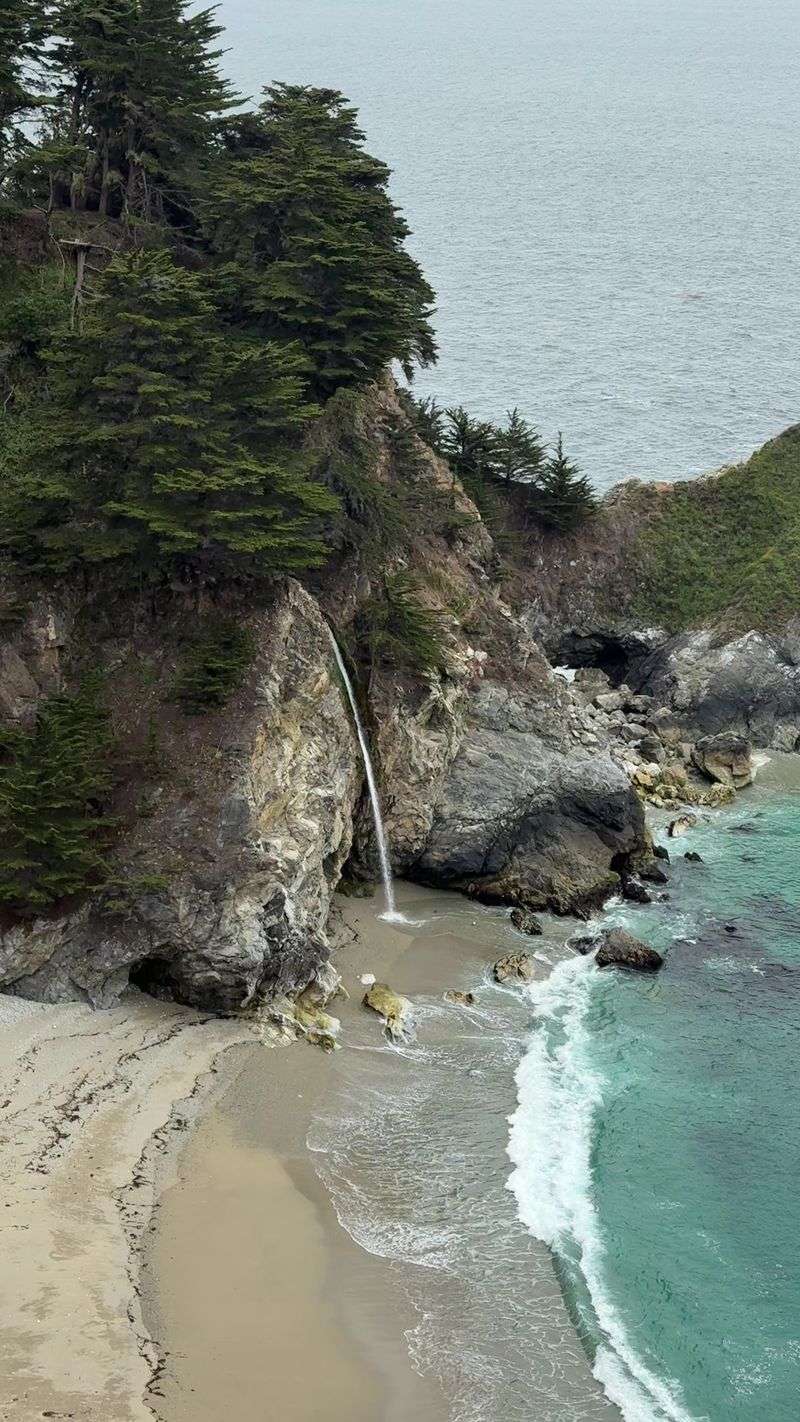
The strength of the flow shifts with the seasons, and that is worth knowing before you go. Late in the dry season, the water can thin out noticeably.
Visitors who stopped by in late September mentioned that there was not much water that time of year. By contrast, a steady, fuller flow shows up in late December.
So the falls are not identical every month. The wet season generally delivers a more dramatic cascade, while the tail end of the dry stretch can leave it modest.
Even on lower-water days, people still call it a lovely stop worth checking out. The setting holds up regardless of how much water is coming down.
Still, if a strong cascade is the goal, aiming for the cooler, wetter months gives you the better odds.
Parking Without the Headache
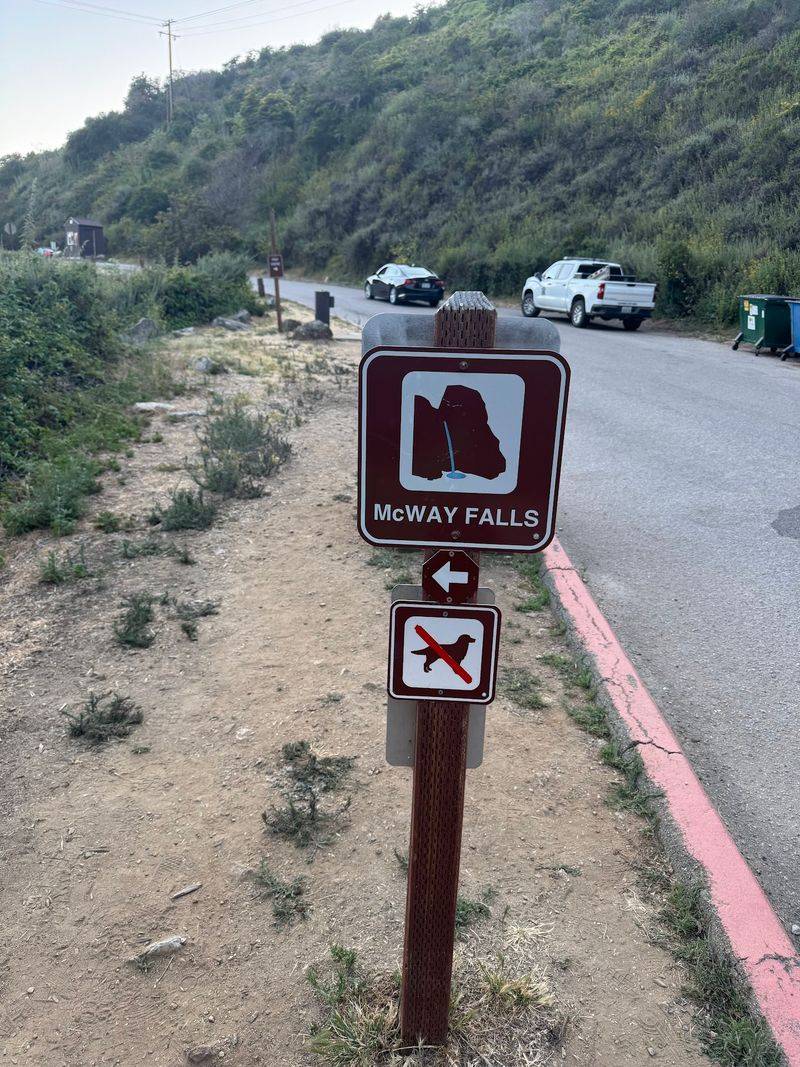
Space to leave the car is the trickiest part of this stop. The lot near the entrance is limited, and on busy days it fills up fast.
Paid parking at the park runs around ten dollars, and it uses a self-registration system with a cash envelope. You pick up the envelope on the way in, keep the top portion on your dash, and park staff do walk through to check.
Many travelers skip the lot entirely and park along the highway, then walk back over to the view. Plenty report having no trouble doing that.
One handy tip: if you pay for parking at any state park in the area, keep your receipt, because it covers the other state parks nearby for the whole day.
A little planning around the crowds goes a long way toward a smooth visit.
Crossing the Highway With Care
Safety deserves a real mention here, because the setting can get hectic. Cars move fast along this part of Highway 1, and some make sudden stops to grab a parking spot.
When the main trail down has been closed, people cross the busy highway to reach the viewing edge. That means foot traffic and slow-moving cars share the same space.
Both drivers and walkers are urged to stay alert. Watching for stopping cars and moving with care makes a big difference in a spot this popular.
The crowds do thin at certain times. Early on a Saturday morning or a weekday like a Friday morning tends to be calmer, and people rotate through the overlook so spots open up.
A patient, careful approach keeps this quick stop stress-free.
Trail Closures and What You Can Still See
Access has changed over the years, and it is smart to expect it. The trail leading down toward the beach and the base of the falls has been closed for restoration and construction on many recent visits.
Even so, the closure does not cancel the trip. You can still reach a viewpoint and see the falls clearly from the top of the cliff or from along the road.
People who hoped to get down to the cove express some disappointment, since the beach itself stays off-limits to protect the fragile ecosystem. That protection is part of why the area looks so pristine.
The upside is a cleaner look at the cove without people standing on the sand below. Photographers actually mention getting cleaner shots because of it.
The main message is simple: the closures affect how close you get, not whether the view is worth it.
A Quick Stop That Earns Its Place
Some places demand a full day, and others reward you in minutes. McWay Falls lands firmly in the second group, offering a famous coastal view for just a short walk and a bit of care with parking and traffic.
Restrooms sit nearby, roughly 200 yards away depending on your direction of travel, which makes it easy to pair the view with a genuine break from driving.
The stop suits photographers, families, and anyone rolling through Big Sur who wants a memorable pause. Its flat trail and quick access make it welcoming for a wide range of ages.
Travelers consistently call it a highlight of the drive and a spot they would happily return to again and again. Even on days with light water or a closed lower trail, the setting holds its reputation.
For a landmark this iconic, the small effort it asks makes it an easy yes on any coastal itinerary.
Enjoyed this story?
Add Fast Food Club as a preferred source to see more of our reporting on Google.