


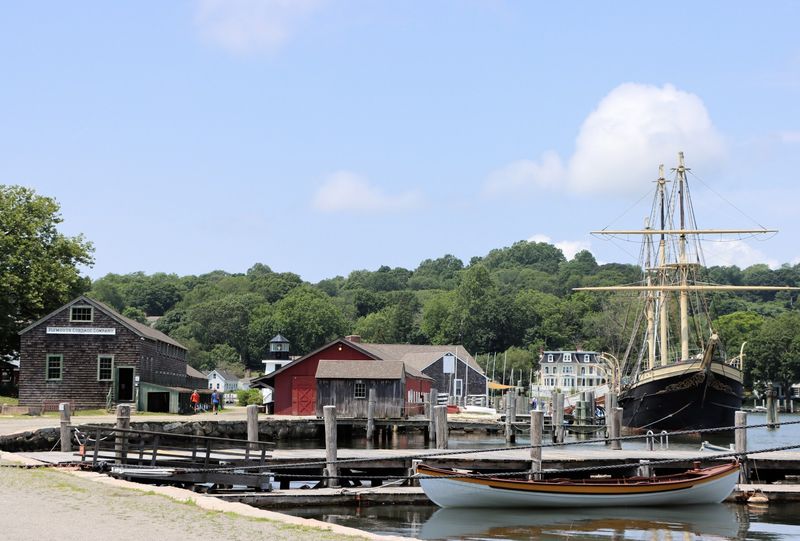
Along a winding river in southeastern Connecticut sits a place where the 19th century never really packed up and left. Wooden ships still float at the docks, blacksmiths still shape iron over open forges, and coopers still bend barrel staves the way they did generations ago.
Spread across 19 riverside acres, this open-air village lets you wander through more than 40 restored buildings, climb aboard historic vessels, and watch real shipwrights rebuild wooden hulls with period tools. It has drawn families, history lovers, and curious day-trippers for close to a century, and people keep coming back decade after decade.
A single day here rarely feels like enough. Read on to find out exactly where this remarkable spot is and why it might just be your next favorite outing.
Where History Sits on the Mystic River
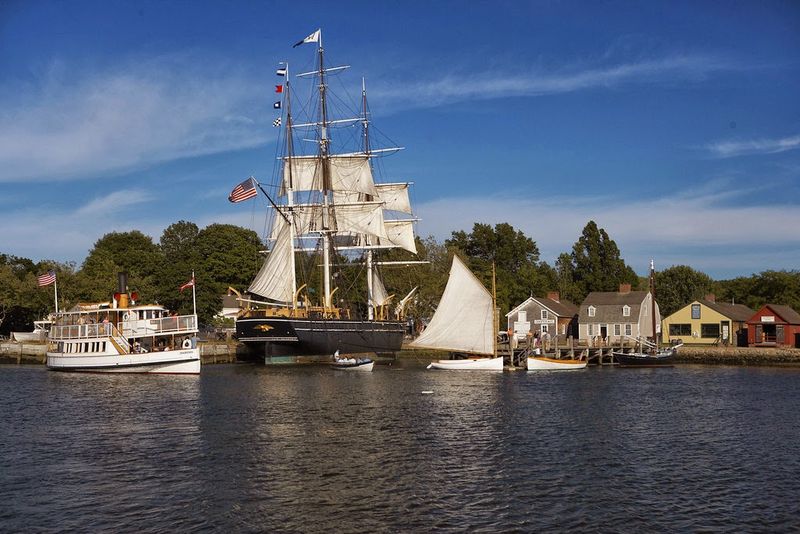
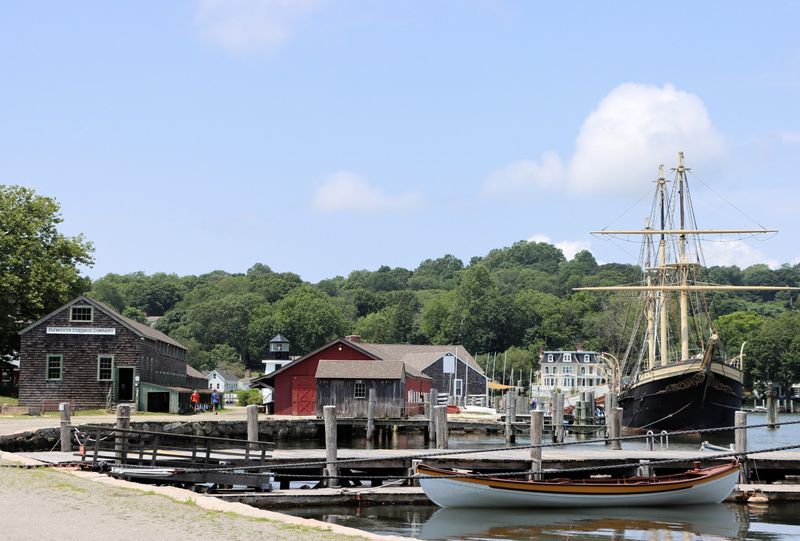
The full name is Mystic Seaport Museum, and you will find it at 75 Greenmanville Ave in Mystic, Connecticut. It hugs the banks of the Mystic River, giving nearly every corner of the property a waterfront backdrop.
Founded back in 1929, it holds the title of the largest maritime museum in the United States. Those 19 acres are packed with restored homes, working shops, and vessels that once earned their keep at sea.
The grounds are laid out to feel like a genuine seafaring town rather than a single building full of glass cases. You move from a bank to a chapel to a print shop, each one its own small exhibit.
People who have lived nearby for decades still make a point of stopping in whenever they pass through. That kind of loyalty says a lot about a place that could easily rest on its history alone.
The museum earns a strong 4.6-star average across thousands of ratings, which tells you the enthusiasm holds up. Getting here puts you right on the shoreline, ready to walk straight into another century.
A Village Rebuilt Board by Board
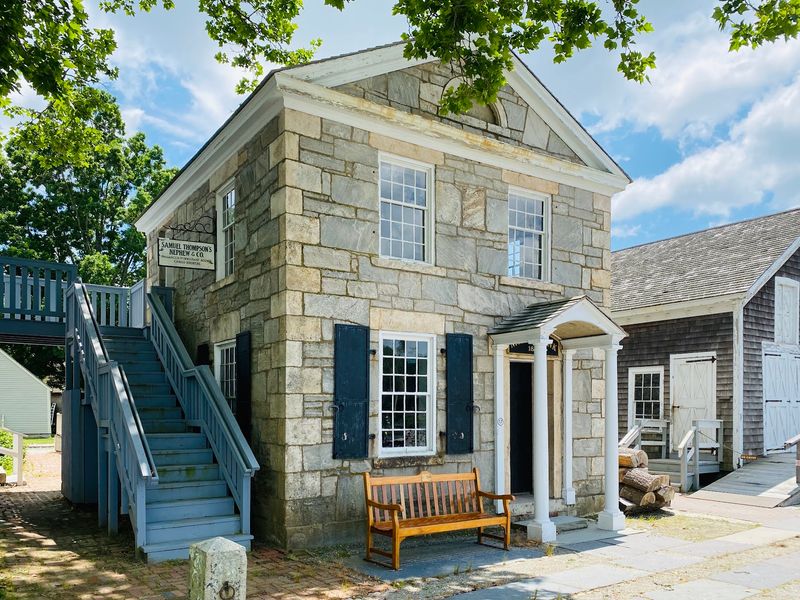
What makes the setting so convincing is that the village was not faked from scratch. Authentic historic buildings were carefully moved to the site from around New England and reassembled, while some sit in their original spots.
Stroll the paths and you pass a bank, a chapel, old homes, a nautical instrument shop, and more. Each structure has been restored to reflect the trades and daily rhythms of a coastal community.
People often describe the effect as walking back in time, and the comparison to Colonial Williamsburg comes up again and again. The difference is that everything here leans toward the sea.
One of the old homes has even been reworked into a children’s museum, giving younger guests their own space to explore. It keeps the little ones engaged while the grown-ups linger over the details.
With more than 40 buildings to wander through, the layout rewards slow, curious explorers. Take your time, poke your head into every doorway, and the town slowly comes to life around you.
The Charles W. Morgan Steals the Show
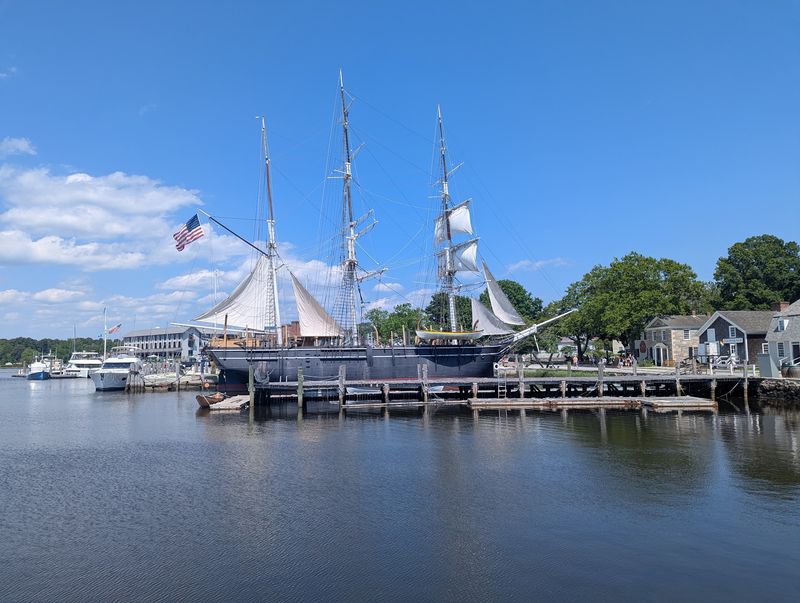
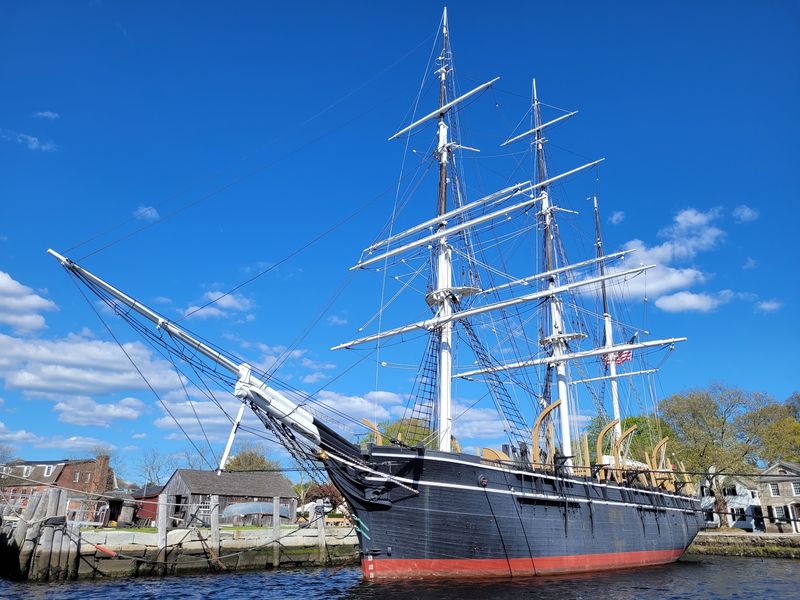
Ask anyone what to see first and the answer arrives fast: the Charles W. Morgan.
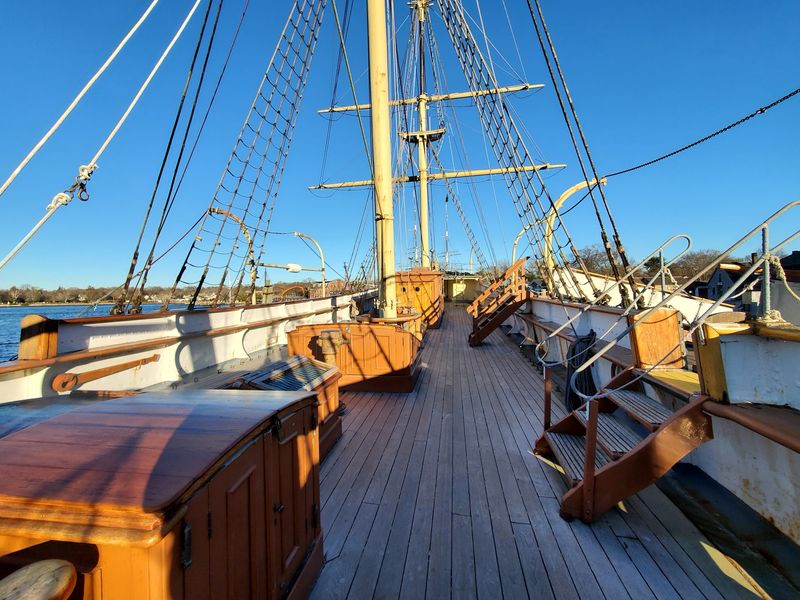
Built in 1841, she is the last wooden whaling ship in the world and one of the oldest seaworthy commercial vessels still afloat in the country.
Guests can climb aboard, walk the wooden decks, and duck down into the surprisingly cramped crew quarters. The tight living spaces make the reality of long voyages hit home in a way no plaque ever could.
There is a memorable detail about the captain’s wife, who reportedly had a larger upstairs room because she struggled with the conditions below deck. Small human stories like that turn a big old ship into something personal.
Interpreters stationed on board explain exactly how the historic crew went about their work at sea. The staff member with the white beard has become something of a favorite for keeping guests captivated.
The blubber try-pots and rigging round out the picture of a demanding life on the water. Time and again this vessel gets crowned the crown jewel of the whole property.
More Than One Ship to Board
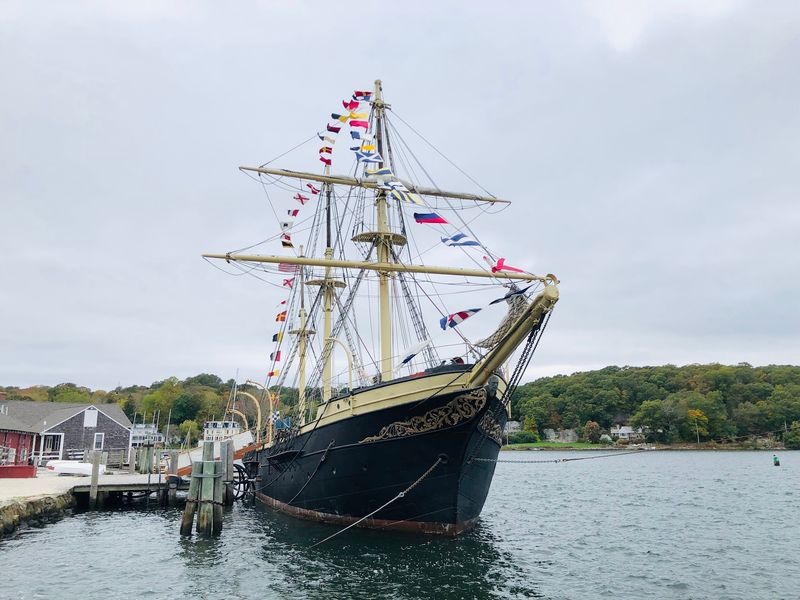
The Morgan may hog the spotlight, but she is far from alone at the docks. The 1908 coal-fired steamboat Sabino and historic fishing schooners like the L.
A. Dunton round out a collection of National Historic Landmark vessels.
Wandering from deck to deck, you get a sense of how many different roles ships once played. Whaling, fishing, and steam-powered travel all share the same stretch of waterfront here.
Guests describe strolling across schooner decks as a highlight of the whole day. Each vessel carries its own quirks and its own chapter of maritime life.
The variety keeps the experience from ever feeling one-note. You can spend a good while simply hopping between hulls in various states of seaworthiness.
For anyone with even a passing curiosity about the water, the fleet is a genuine treat. It turns the museum into a hands-on tour of how people once made their living along the coast.
Craftspeople Who Bring the Trades to Life
The buildings would be interesting on their own, but the trade artisans are what truly light up the village. Costumed interpreters staff the shops and share their crafts throughout the day.
Watch a cooper assemble wooden barrels by hand, or stop by the shipsmith shop where a blacksmith shapes iron fittings over a glowing forge. The demonstrations turn abstract history into something you can actually see happening.
Over at the print shop, someone operates a 19th-century printing press exactly as it would have run generations ago. These moments add a depth that reading alone simply cannot match.
Guests consistently praise how knowledgeable and eager the staff are to answer questions. The blacksmith in particular earns warm mentions for being friendly and professional.
Rope-making, woodworking, figurehead carving, and more all show up depending on who is working that day. Strike up a conversation and you may walk away having learned more than you expected.
The rule of thumb here is simple: do not be shy about asking. The craftspeople clearly love what they do.
A Shipyard That Actually Works
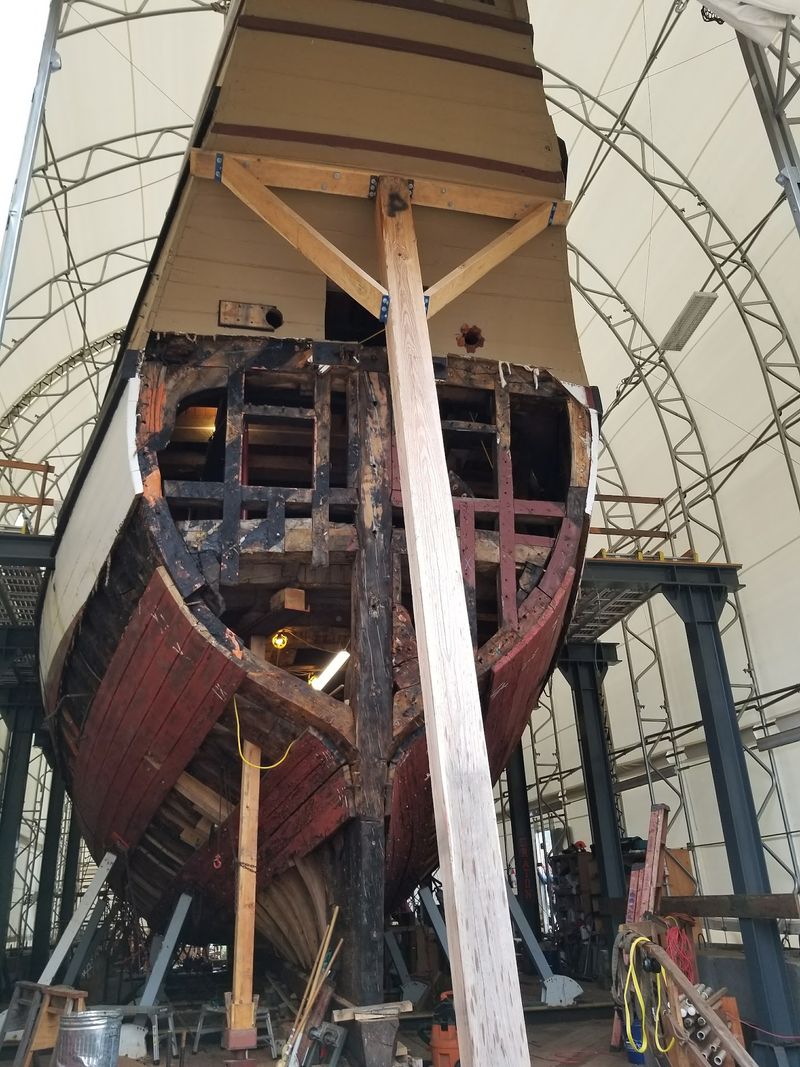
Tucked into the property is a highlight many guests do not expect: a fully operational shipyard. The Henry B. duPont Preservation Shipyard keeps traditional wooden boatbuilding skills alive.
An elevated gallery lets you look directly down onto active restorations. Master shipwrights steam-bend timber, carve rigging, and rebuild historic wooden hulls using both period tools and modern techniques.
During some visits there have been multiple projects underway at once, including a long-term rebuild and ongoing upkeep on another notable vessel. Seeing real work in progress makes the whole experience feel wonderfully alive.
The drydocks are still very much in use for historical restorations, not just for show. That working element sets this museum apart from places built purely for display.
Members who visit often say the observation deck never gets old. There is always something new taking shape on the timbers below.
Watching craftspeople coax old ships back to life is a quietly mesmerizing way to spend part of your afternoon.
Stargazing the Way Sailors Did
Not everything at the museum happens outdoors. An on-site planetarium runs live shows for a small additional cost.
The presentations focus on how 19th-century sailors used the sun, moon, and stars to cross uncharted oceans. It is a clever way to connect the night sky with the seafaring history all around you.
Guests who catch a show tend to come away impressed, and many return to it on repeat visits. The celestial navigation angle gives it a real sense of purpose beyond simple entertainment.
For families, it offers a nice change of pace and a chance to sit down for a bit. The kids get a dose of science wrapped inside a good story.
Because it costs a little extra, it is worth deciding in advance whether to fit it into your schedule. Most who try it consider it money well spent.
Understanding how early crews found their way home adds a whole new layer to everything you see at the docks.
Getting Out on the Water
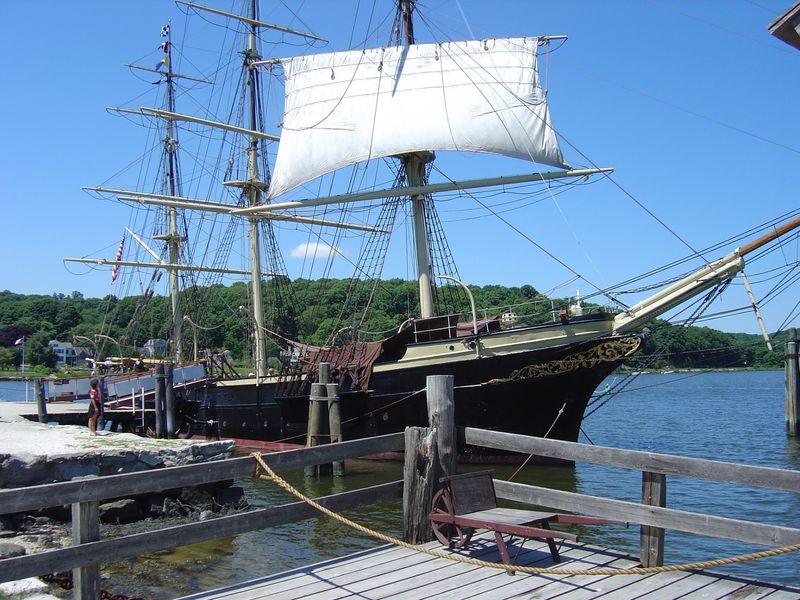
Being surrounded by ships naturally makes you want to get onto the water yourself, and the museum obliges. Seasonally, you can hop aboard the Sabino for a cruise down the scenic Mystic River for a small extra fee.
Prefer to steer your own course? The Boathouse offers classic wooden rowboats and sailboats to take out on the river.
There is even a free short paddle option lasting about half an hour, which is a nice touch for anyone wanting a quick taste of the water. Some guests admit they simply run out of time to fit it all in.
The waterfront setting means the views stay lovely no matter what you choose. Sailboats dotting the river in summer are part of the charm.
The Seaport also runs sailing programs, and more than a few people have learned to sail right here. That mix of casual outings and real instruction is unusual for a museum.
Whether you drift for a few minutes or sign up for a full lesson, the river becomes part of your visit.
Galleries, Models, and Seasonal Events
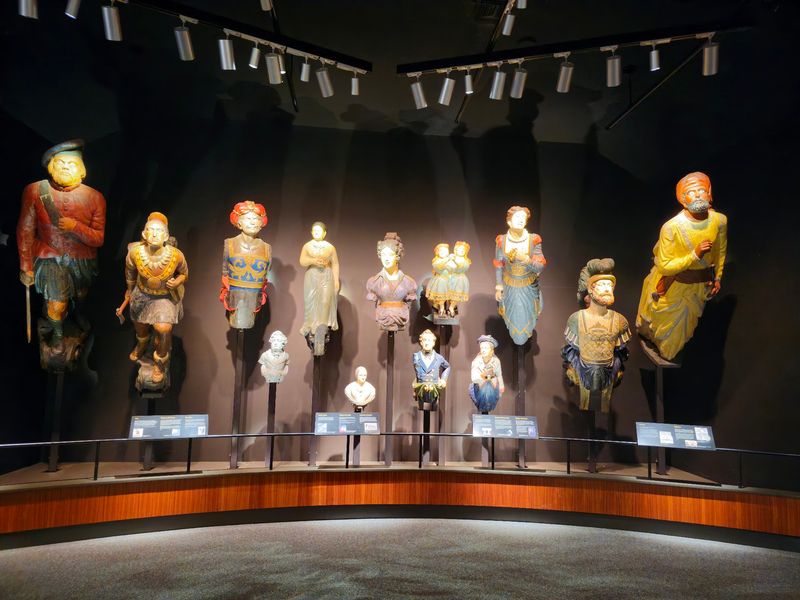
Alongside the open-air attractions, modern gallery spaces give the museum an indoor dimension too. Displays feature intricate ship models, scrimshaw art, and historic navigational instruments.
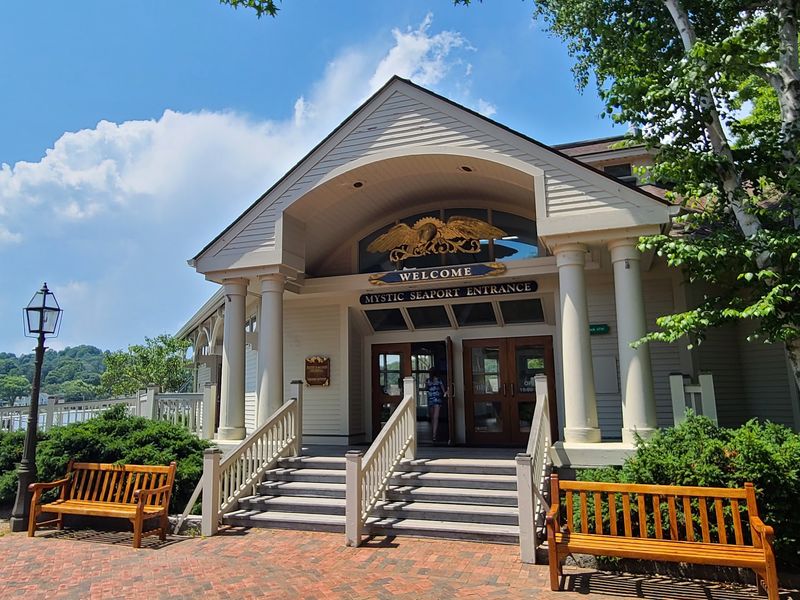
The Thompson Exhibition Building, one of the main entrances, houses a room devoted to whaling and the story of the Seaport itself. It sets the stage nicely before you head out into the village.
Younger guests get their own draw with a popular Lego exhibit that earns cheerful praise. It proves the museum keeps all ages in mind.
Special events pepper the calendar throughout the year. The annual Wooden Boat Show in late June brings a full weekend of classic boats, demonstrations, tours, and vendors.
There is also an International Sea Glass Festival held once a year that regulars look forward to. These gatherings give repeat guests fresh reasons to return.
Between the permanent galleries and the rotating events, no two visits have to feel the same. Checking the schedule before you go can turn an ordinary day into something extra.
An Easygoing Atmosphere for All Ages
The mood here suits just about everyone, from couples on a quiet outing to families juggling energetic kids. There is genuinely something for every age group across the grounds.
Most of the experience is self-guided, so you set your own pace and follow your own curiosity. Some guests linger three hours, while others happily stretch it to four or five.
A wristband system lets you leave for lunch and come back, which takes the pressure off timing. That flexibility makes the whole day feel relaxed rather than rushed.
Here is a fun bonus for pet owners: the museum is dog friendly, so your four-legged companion can join the walk. Plenty of folks bring the family pup along.
Grandparents love sharing it with grandchildren, and multi-generational groups feel right at home. The variety keeps everyone occupied without anyone feeling left out.
Whether you are traveling solo or wrangling a whole crew, the pace bends to fit your plans. Few outings manage to please such a wide crowd.
Planning Your Visit and Getting There
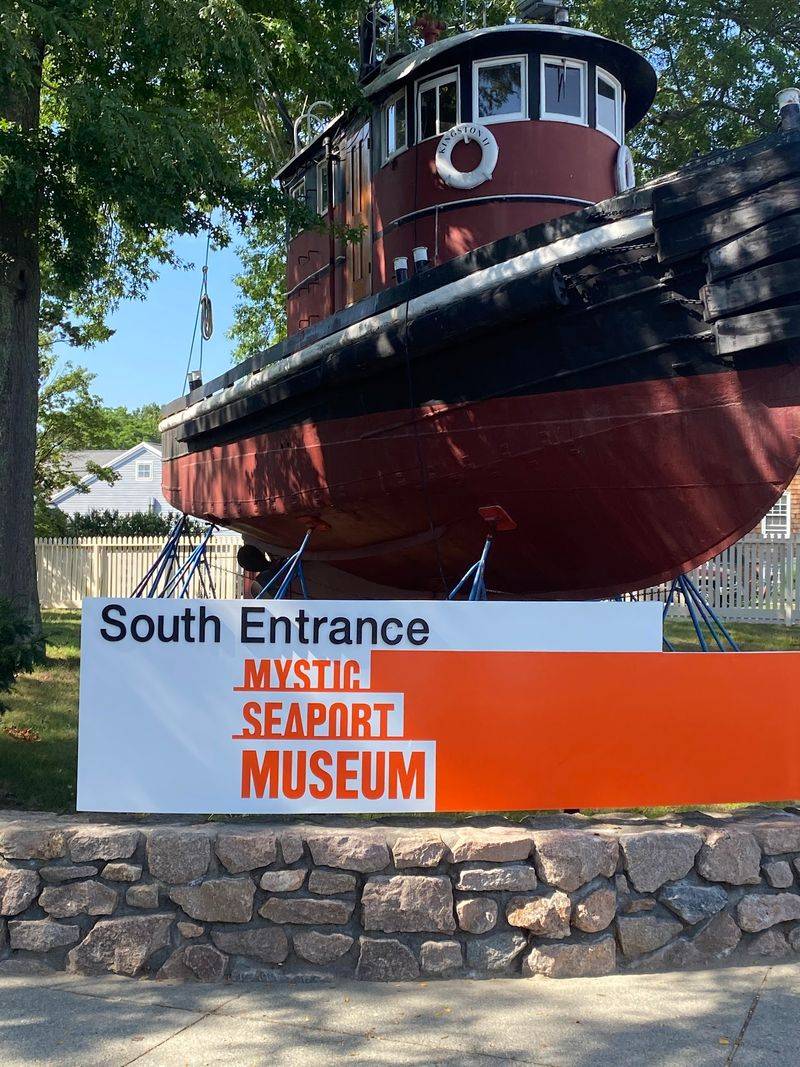
A few practical notes will help you make the most of the trip. The museum sits at 75 Greenmanville Ave in Mystic, Connecticut, and stays open from 10 AM to 5 PM every day of the week.
Give yourself real time here, because rushing defeats the purpose. Plans of four to six hours, or even a full day, are common recommendations.
Weekdays tend to be quieter, with little to no waiting for the exhibits. Late spring, summer, and early fall bring the fullest experience, with demonstrations and ships open for tours.
Winter visits are still pleasant for a peaceful walk, but be aware that some buildings and shops may have limited access during the colder months. Managing expectations makes that season enjoyable in its own quiet way.
A smart parking tip: if you also want to see downtown Mystic, stay parked at the Seaport and walk over, since it is close and downtown parking gets hectic. Student discounts have been available for those who qualify.
A little planning goes a long way toward a smooth, satisfying day.
Why It Keeps People Coming Back
After a full day of ships, shops, and shoreline, the appeal of this place becomes obvious. It blends serious historical preservation with active, hands-on storytelling in a way few museums manage.
Guests describe it as beautiful year-round, whether the grounds wear autumn color, a dusting of snow, or summer sailboats on the river. Long-time members and first-timers alike walk away impressed.
The steady 4.6-star average across thousands of ratings reflects how deeply people connect with it. Many make it a tradition, returning across decades and bringing new generations along.
It is the kind of outing that suits history buffs, families, and travelers who just want a memorable day near the water. The mix of things to do keeps curiosity alive from one building to the next.
If a day trip that feels like time travel sounds appealing, this Connecticut village delivers. Pack some patience, wear comfortable shoes, and give yourself permission to wander.
Odds are you will already be planning a return trip before you reach the parking lot.
Enjoyed this story?
Add Fast Food Club as a preferred source to see more of our reporting on Google.