


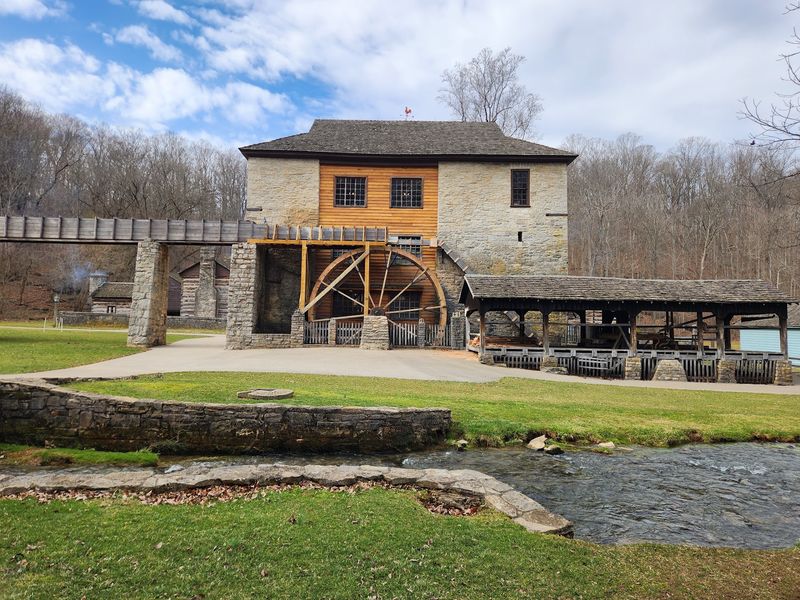
Tucked into a quiet hollow in southern Indiana sits a whole town frozen somewhere around the 1800s, where a three-story stone mill still turns and grinds real Indiana corn into meal you can take home. Costumed folks work the looms, hammer at the forge, and tell stories about trades most people have never heard of.
A creek runs right through the middle, cave water feeds the mill, and easy paths make it welcoming for nearly everyone. Families keep coming back for generations, and kids treat the whole place like a giant open-air classroom that happens to be fun.
What makes this spot different from a museum behind glass is that you actually walk into the cabins and watch history happen. Curious yet?
The name and the surprises are just ahead.
A Living Town Inside Spring Mill State Park
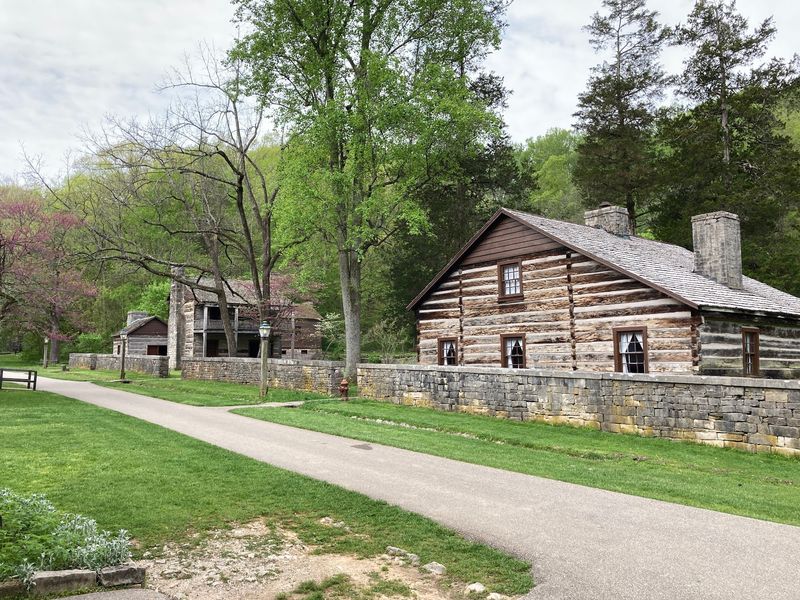
Deep inside Spring Mill State Park, at 3333 IN-60 in Mitchell, Indiana, an entire pioneer settlement waits at the bottom of a shaded valley. More than a dozen stone and log buildings line the grounds, most of them open so you can step right inside.
The village is not roped off or locked away. Almost every cabin invites you in to look at period furnishings and old tools laid out the way they once sat.
Getting here is part of the charm. The drive winds down through the park until the town appears in its hollow, with a creek threading past the buildings.
People who grew up in Indiana often remember class trips here, then bring their own children and grandchildren years later. The place tends to look exactly the way memory left it.
Because the village sits within a working state park, a visit easily folds into a bigger day out. There is history at the center and plenty of nature all around it.
Plan on spending real time. Two to three hours passes quickly once you start wandering from door to door.
The Three-Story Stone Grist Mill
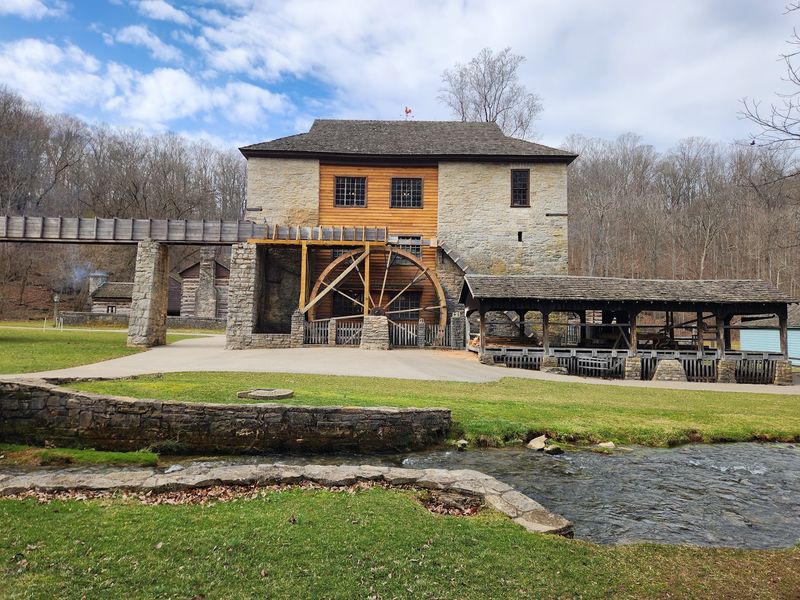
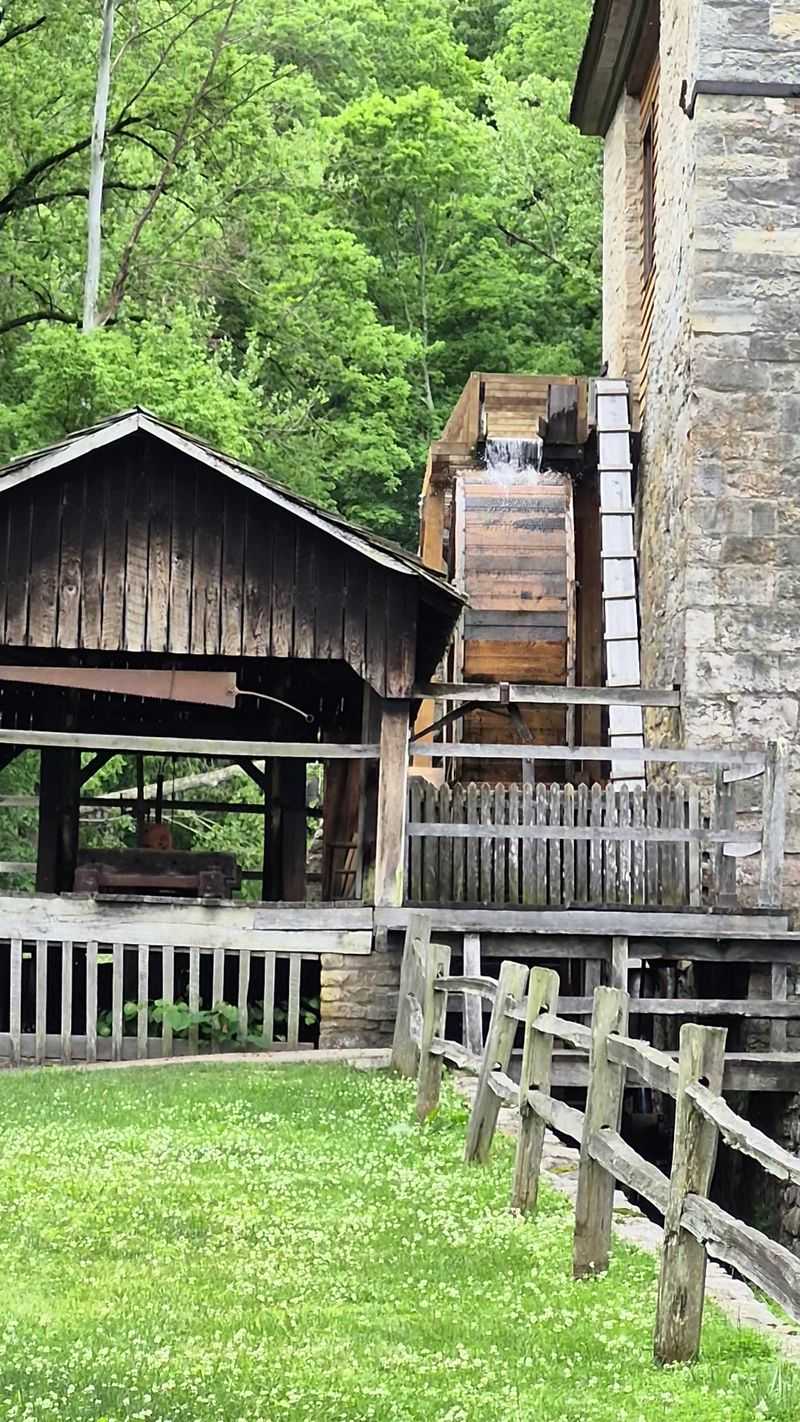
The star of the whole village stands three stories tall and built entirely of stone. The grist mill is the reason so many people make the trip in the first place.
When it runs, it grinds fresh Indiana grown corn into cornmeal, and yes, you can buy a bag to bring home. Watching the machinery turn brings the old process to life in a way no display case ever could.
The mill has seen repair work over the years, including a stretch when it sat idle for restoration. When it came back online, longtime fans made a point of returning to watch it grind again.
It runs often, though on a limited basis, so timing your visit around a working day is worth it.
Standing beside a structure that someone chose to build from stone in the middle of the wilderness gives you a real sense of ambition. Somebody looked at this valley and decided a four-story stone mill belonged in it.
For anyone who loves seeing old machines actually work, this is the highlight.
Cave Water That Powers the Wheel
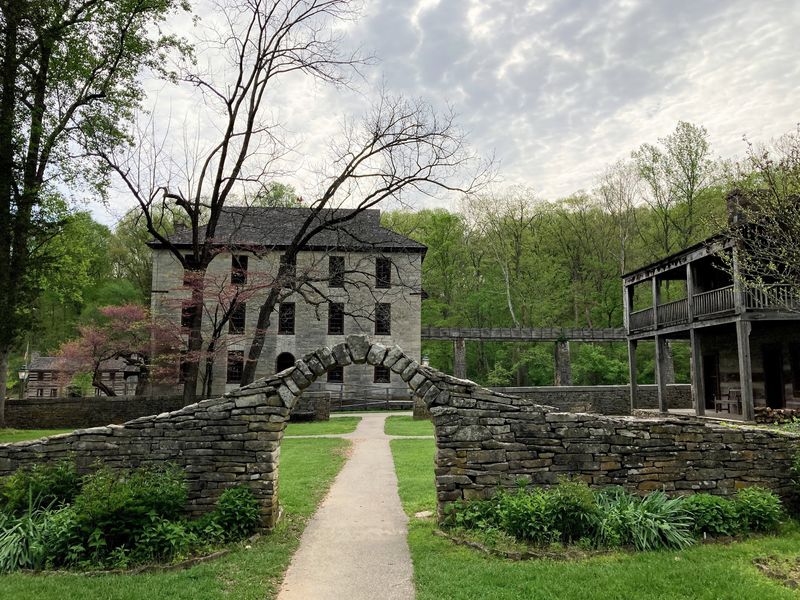
Ever wonder what keeps a mill turning without a river? Here, the answer flows straight out of a cave.
A cave-fed stream supplies the water that drives the mill, and a short path leads visitors right to the source. Following it is a small adventure that many people almost skip and later say they were glad they didn’t.
The trail to the cave adds a layer of natural wonder to the historic setting. It ties the pioneer engineering to the landscape that made it possible.
Caves come up again and again as a favorite feature of the grounds, mentioned by plenty of guests who explore beyond the main buildings.
The water arrives clear and steady, feeding the creek that runs through the village before reaching the wheel. It is a neat reminder that early builders picked this exact hollow for a reason.
Take a few minutes to walk the path. The connection between the cave, the stream, and the working mill is the kind of detail that sticks with you long after you leave.
Costumed Interpreters Bringing Trades to Life
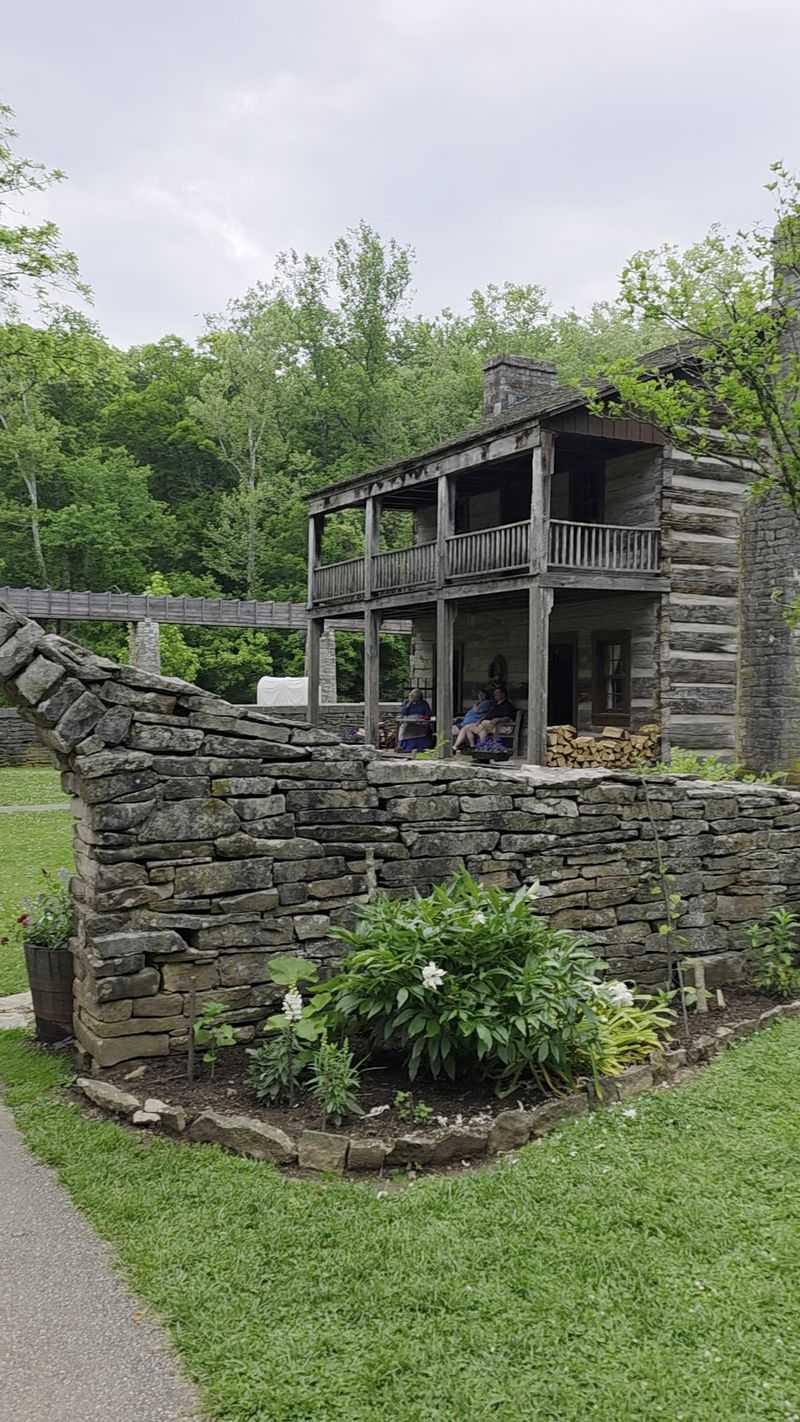
The buildings would be interesting on their own, but the people inside them turn a walk into a lesson. Costumed interpreters staff many of the cabins, ready to explain the tools and the trades.
During weekends from April through October, these interpreters take up their posts and demonstrate how daily work once got done. Their passion for the subject shows in how eagerly they share it.
Someone at the loom might walk you through exactly how the machine works and where its history comes from. Over at another shop, the crafts people are friendly and happy to answer questions.
The volunteers here have a reputation for going beyond a simple explanation. They genuinely enjoy teaching, and it comes through in every conversation.
Listening to their stories is one of the most recommended things to do on the grounds. The history lands differently when a real person is standing at the equipment explaining it.
Slow down and chat with them. That is where the village truly comes alive.
The Blacksmith and the Forge
Few trades capture pioneer grit like blacksmithing, and the village keeps that craft alive at its own forge. The blacksmith shop draws steady interest from anyone curious about how early settlers made their tools.
Iron work sat at the heart of frontier life, since so much of what a community needed had to be shaped by hand. The shop shows just how central that skill really was.
Watching metal take form is one of those experiences that makes the past feel close. The forge connects modern visitors to a time when nearly everything was built from scratch.
Alongside the blacksmith, other trade buildings round out the picture of a self-sufficient town. There is a saw mill on the grounds too, showing how lumber got cut for all those cabins.
Together these working shops explain how a settlement kept itself running without stores or factories nearby.
The blacksmith stop rewards patience. Linger a moment and you start to appreciate the muscle behind pioneer living.
Over a Dozen Buildings You Can Explore
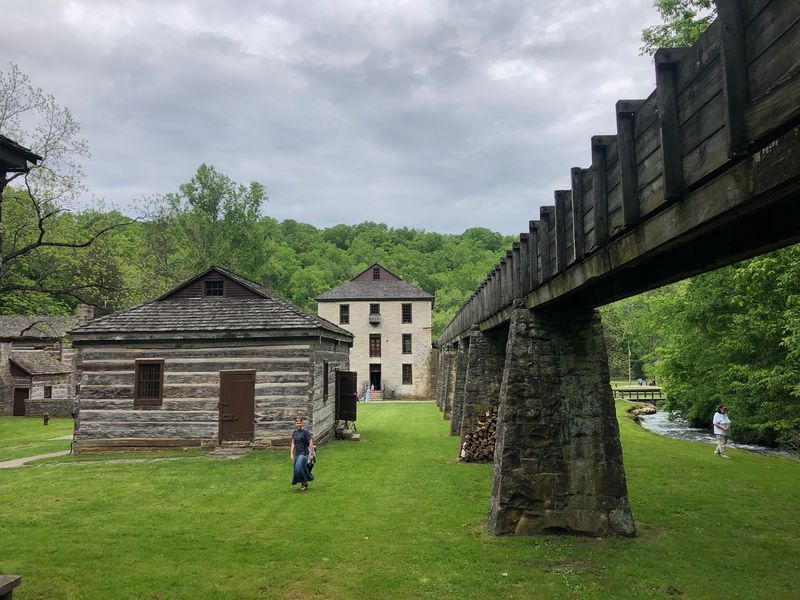
Count them up and the village holds more than a dozen stone and log homes, each one restored and cared for. What makes them special is that the doors stand open.
Almost all of the buildings can be entered, so exploring feels hands-on rather than passive. Signs throughout explain what you are looking at inside.
Period furnishings fill the rooms, arranged to reflect how families actually lived. The effect is like walking through a museum that spreads across an entire town instead of hiding behind glass.
The apothecary, the merchant store, and the various cabins each tell a different piece of the story. The Merchant Store in particular is a favorite worth peeking into.
Because the site is so well kept, the buildings feel authentic rather than run down. Generations of guests return and find them looking just as sturdy as they remembered.
Give yourself permission to open every door. Wandering from cabin to cabin is the best way to soak up the whole settlement.
The Creek Running Through It All
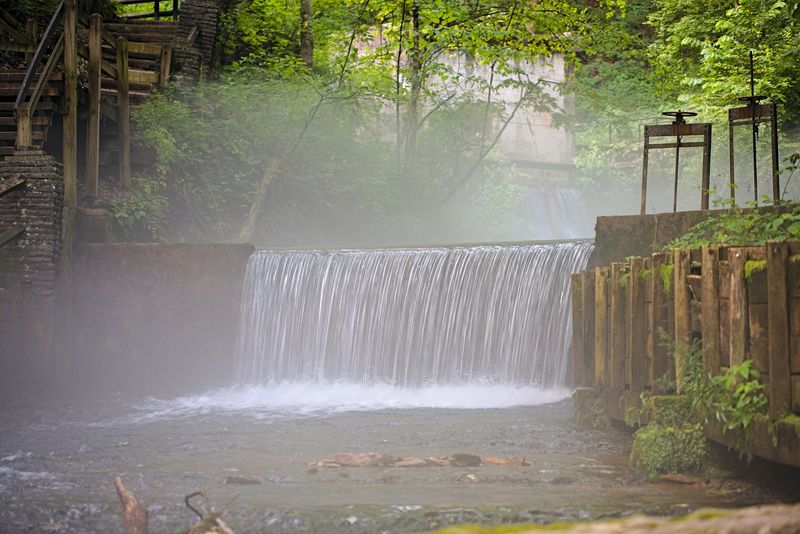
Water is the quiet thread that ties the whole village together. A creek flows right through the grounds, and it is one of the most talked-about features on site.
Kids gravitate toward it almost immediately. The creek is especially popular with younger guests who love being near the flowing water.
The stream gives the setting a relaxed, natural rhythm that balances all the history. It winds past the buildings and feeds the mill downstream.
Families often pick a shady spot along the water for a picnic, making a full afternoon of the visit. The babbling brook adds a peaceful backdrop to the whole hollow.
The creek and the surrounding fields, often full of flowers in bloom, help explain why this valley was chosen for a settlement. Beauty and function came together here long ago.
Whether you are chasing a photo or just want a calm moment, the creek delivers. It is the heartbeat of the village grounds.
Easy Trails and Accessible Paths
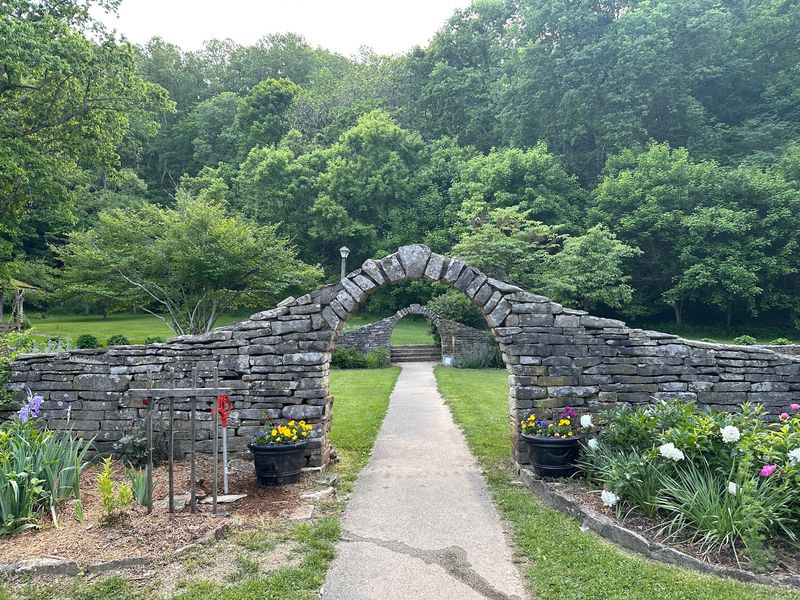
Getting around here does not demand much. The pioneer village offers easy walking paths that welcome a range of accessibility needs.
Paved walkways ease travel between the buildings, so you can focus on the sights instead of the terrain. That thoughtful layout makes the place friendly for families of every age.
Beyond the village itself, the wider park is laced with trails for those who want a longer walk. Plenty of hiking options branch out from the historic core.
The gentle paths mean grandparents and small children can explore side by side. Many families come with kids as young as five or six and never run into trouble navigating.
Well-kept fields and blooming flowers frame the walkways during the warmer months. The whole grounds stay tidy and pleasant underfoot.
If you love the idea of history without a strenuous hike, this fits perfectly. Then, when you want more, the park trails are right there waiting.
A Favorite for Families and Field Trips
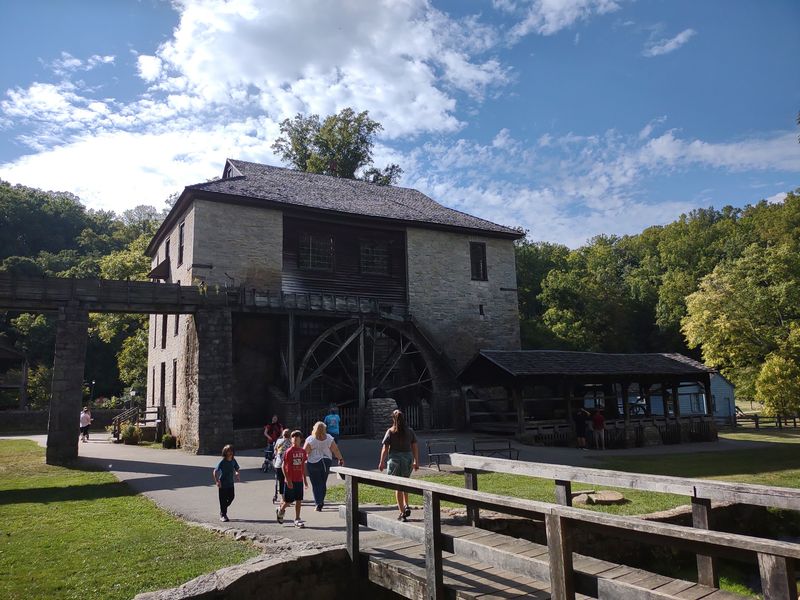
Generations of Indiana kids have their first taste of pioneer history right here. Schools have long treated the village as a go-to destination for field trips.
The site works beautifully as a teaching tool, with hands-on learning that keeps young minds engaged. Teachers bring classes, including groups with special needs, and find it welcoming for everyone.
Families make up a huge share of the crowd, and it shows in how kid-friendly the place feels. Little ones can explore cabins, wade near the creek, and meet the interpreters all in one visit.
People who came as children now bring their own grandchildren, delighted to find it just as engaging as before. That kind of loyalty says a lot.
The village pairs learning with genuine fun, which is a rare combination. Nobody feels lectured; they feel invited to discover.
For a family day that sneaks in real history, few spots pull it off this well. The kids leave curious, and the grown-ups leave a little nostalgic.
Picnics, Grills, and a Concession Stand
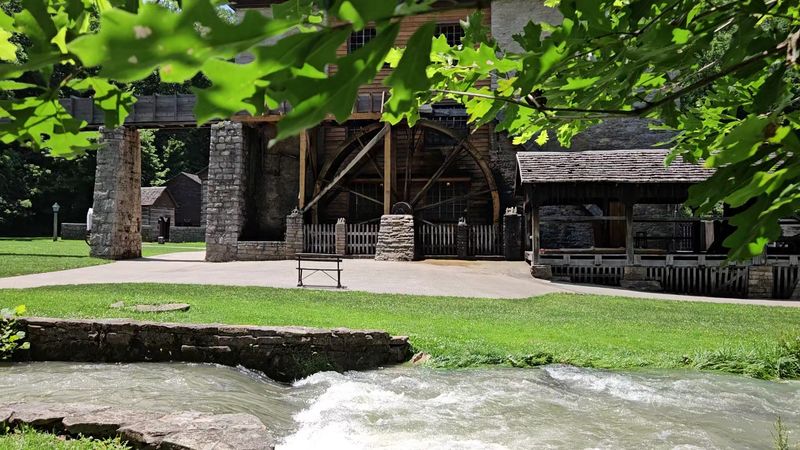
Hunger is no obstacle to a long visit. Shady picnic spots sit near the water, making it easy to settle in for a relaxed lunch.
Grills are available on the grounds, though you will want to pack your own charcoal if you plan to use them. A little preparation turns the day into a full outdoor outing.
For those who would rather not bring their own, a concession stand serves up simple bites like hotdogs and nachos. It is a handy option when the walking works up an appetite.
Families often spread out along the creek for a picnic between exploring buildings. The mix of history in the morning and lunch by the water makes for an easy, unhurried day.
The Inn within the larger park is another dining possibility for a sit-down meal. Options are close at hand no matter your plan.
Bring a blanket, pick a shady patch, and let the afternoon stretch out. The grounds are built for lingering.
Admission, Hours, and Getting There
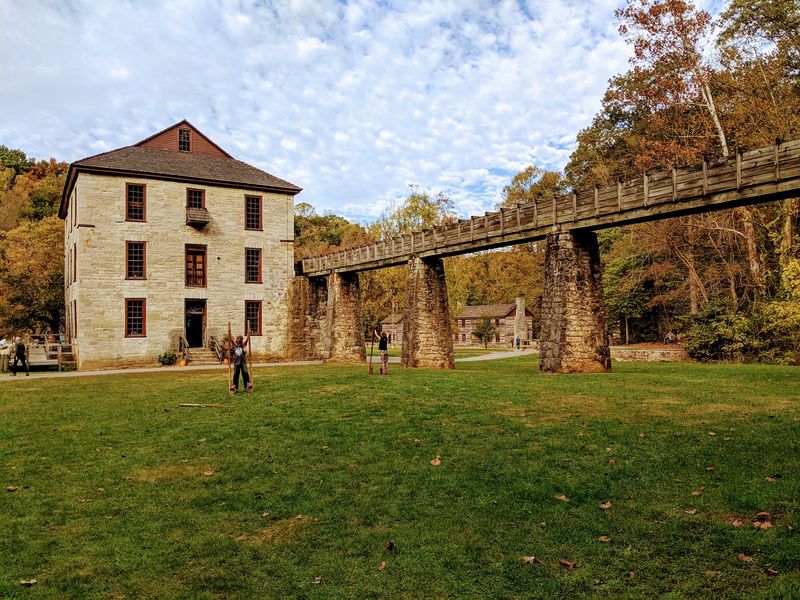
Access to the village comes bundled with entry to Spring Mill State Park, which is a genuine bargain. Park admission has run around fifteen dollars for non-residents, and that single fee covers a lot.
Included with that entry are the pioneer village, the Grissom Memorial Museum, the Nature Center, and all the hiking. One price opens the door to a whole day of activities.
The costumed interpreters are on hand during weekends from April through October, so schedule around those months if meeting them is a priority. Weekday visits still let you tour the open buildings at your own pace.
The address is 3333 IN-60 in Mitchell, Indiana, an easy detour once you are inside the park. The drive down into the valley is scenic, and many say it is even prettier in the fall.
Clean restrooms are plentiful across the grounds, with paved walkways easing the way. Comfort is clearly part of the plan.
Arrive with a few hours to spare and you will not feel rushed.
Why This Village Stays With You
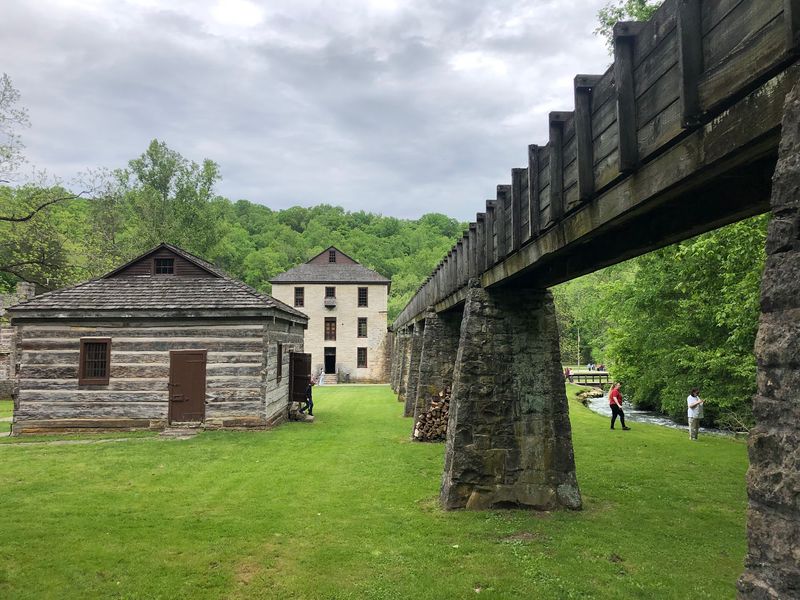
Some places earn their reputation slowly, and this one has done exactly that. With a 4.8 star average across more than a thousand ratings, the village clearly leaves a strong impression.
Part of the appeal is how genuine it feels. Walking through a real settlement, entering the cabins, and watching the mill turn creates a connection to the past that a typical exhibit cannot match.
Guests frequently rank it above larger, better-known living history sites in the state. The combination of scenery, working trades, and friendly interpreters keeps drawing praise.
Learning about simpler times here tends to leave people appreciating both the hardships and the community spirit of early families. It is educational without ever feeling dull.
Add in the creek, the cave, the trails, and the fair price, and the value speaks for itself. Few outings pack this much into one valley.
Whenever you find yourself near Mitchell, Indiana, this quiet hollow deserves a spot on your list. It welcomes newcomers and old fans alike, and it rarely disappoints either one.
Enjoyed this story?
Add Fast Food Club as a preferred source to see more of our reporting on Google.