


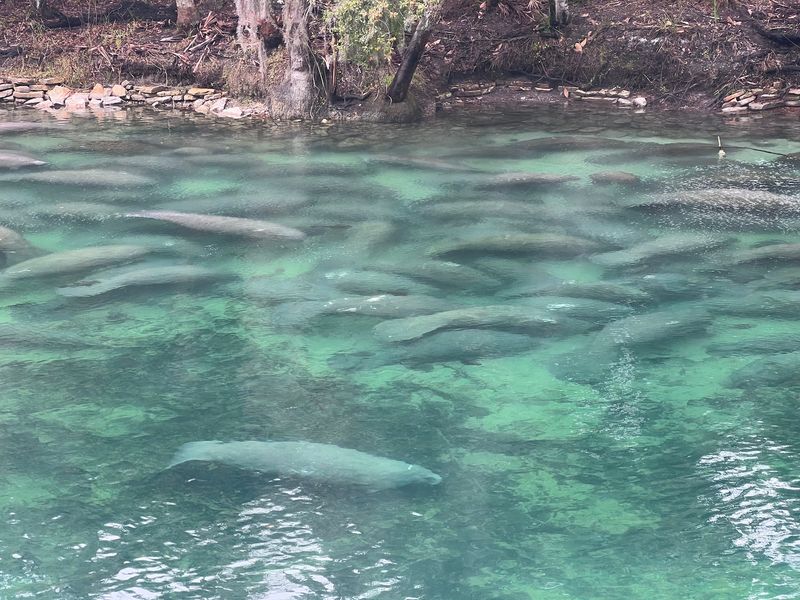
Every winter, something remarkable happens along a quiet stretch of Central Florida water. As the air turns chilly, hundreds of manatees swim in from colder rivers to soak in a spring that stays a steady 72 degrees all year.
Some days the count climbs past two hundred, and old signs have logged as many as seven hundred in a single day. The water runs so clear that gar fish, turtles, and gentle giants come into full view from the walkways above.
This is a place where families grill lunch, kids chase fireflies in early summer, and a settler home from the steamboat era still stands. Keep reading to find out where this happens and how to plan the perfect day trip.
Where Central Florida Hides Its Manatee Haven
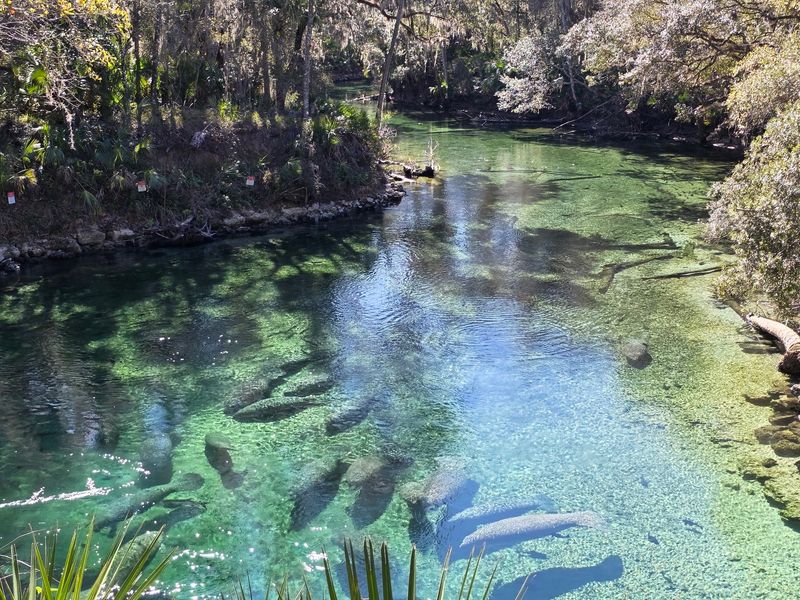
Tucked into Central Florida and reachable by a simple drive, Blue Spring State Park sits along the St. Johns River and carries a straightforward mailing note of Florida for its address.
The park is a protected outdoor sanctuary built around a cool-water spring, and it draws people in for swimming, kayaking, and wildlife watching throughout the year.
From the Orlando area, the trip runs about 45 minutes, making it an easy escape from the theme-park crowds and the rush of city life.
What sets the place apart is its double life. In warm months it becomes a swimming and snorkeling spot where the spring keeps things refreshing, while in the cold months it transforms into one of Florida’s best manatee gathering points.
Rangers patrol the grounds regularly, keeping the area clean, safe, and well organized, which regulars consistently point out as a big part of the appeal.
Parking is described as easy, the main attraction is quick to reach, and the whole layout feels thoughtfully arranged for families of every age. The park has earned a 4.8-star mark across more than 18,000 pieces of feedback, a signal that the experience holds up trip after trip.
The Winter Gathering of Gentle Giants
Cold weather flips a switch here. When temperatures drop across Florida’s rivers, manatees migrate into the spring to escape the chill, and the steady 72-degree water becomes their winter respite.
The numbers are the headline. On one recorded day the count read 215 manatees inside the spring, and older signage has noted totals climbing as high as 700 in a single day.
With over 3,900 mentions tied to manatees and another 1,436 specifically about manatee viewing, this is clearly the reason most people mark the park on their calendars.
Multiple viewing platforms line the water, giving everyone a clear angle to watch these gentle creatures glide beneath the surface without disturbing them.
The clarity of the spring makes the whole scene easy to take in from above, and the walk alongside the run adds up to a peaceful stretch of nature time.
Timing matters, though. Come a week too late in the season and the crowd of manatees thins out, so the coldest months of winter remain the safest bet for the full spectacle.
A Spring So Clear the Fish Seem Tame
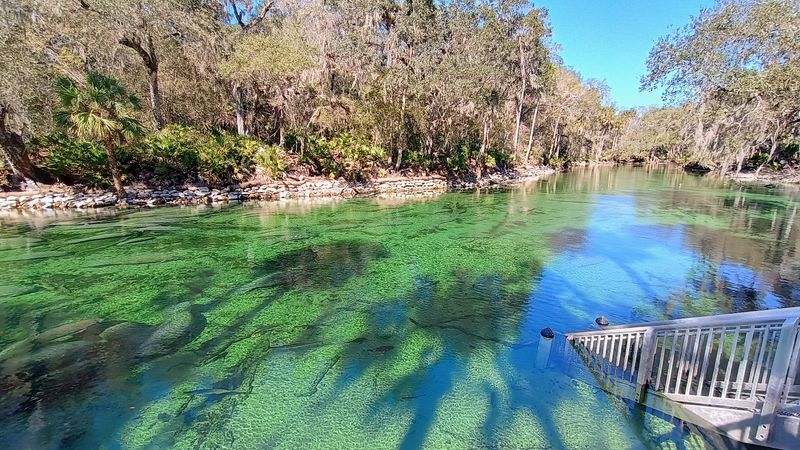
The water tells its own story. The main spring and river run crystal-clear with a refreshing current, and the visibility reveals an astonishing amount of aquatic life below.
Fish here appear almost unbothered by people, likely because fishing is not allowed. Regulars describe seeing thousands of fish at once, from giant gar to at least a dozen other kinds swimming freely in the open.
The variety is impressive. Longtime observers have spotted bass, tilapia, catfish, striped mullet, sunfish, bluegill, and the long-nosed gar that often glide right alongside swimmers during the warmer season.
Turtles make regular cameos too, adding to the sense that the whole waterway is alive with movement.
The swim area has been designed for comfort, with steps leading all the way into the water for easy access. That thoughtful touch makes the spring welcoming for kids, older visitors, and anyone easing in for the first time.
When the manatees are away, the clarity and the fish become the main event, proving the park keeps its charm across every season.
Paddling and Boat Rides on the St. Johns
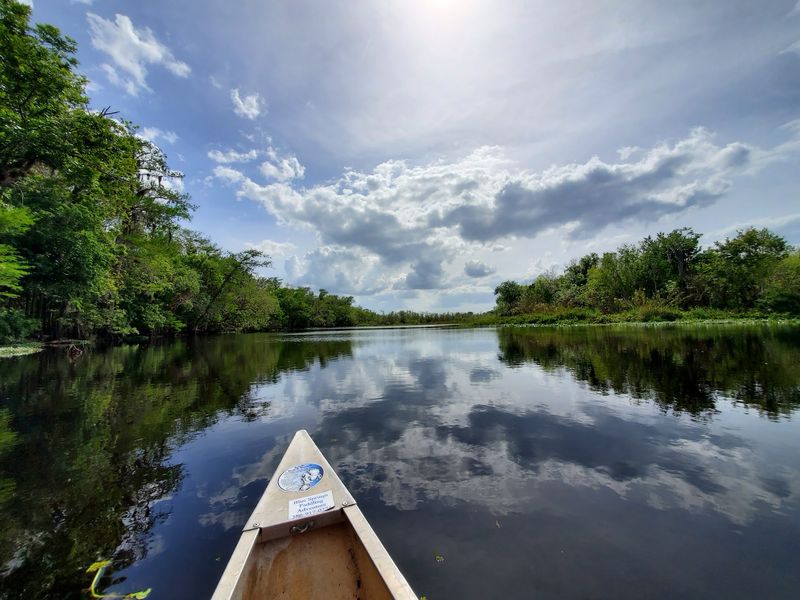
Water lovers have plenty of ways to get moving. Kayaks, canoes, and paddle boards are all available for rent, or you can bring your own gear and launch straight into the run.
Paddling opens up a wider slice of the park’s wildlife. On the water, people have spotted manatees, anhingas, a bald eagle, turtles, and an array of fish species that rarely show up all at once anywhere else.
For those who prefer to sit back, the narrated wildlife boat tour is a favorite. The two-hour ride along the river gives guides time to point out birds and alligators while keeping the mood light with a few good-natured jokes.
Captains make a point of ensuring everyone aboard gets a look at the wildlife, and the boat can accommodate a wheelchair, which speaks to the park’s attention to accessibility.
Kayak rentals and boat tours together rack up hundreds of mentions, so demand runs high during peak season.
Whether you power your own paddle or let a guide do the steering, the river reveals corners of the park that the boardwalk alone cannot reach.
The Boardwalk and the Firefly Season Surprise
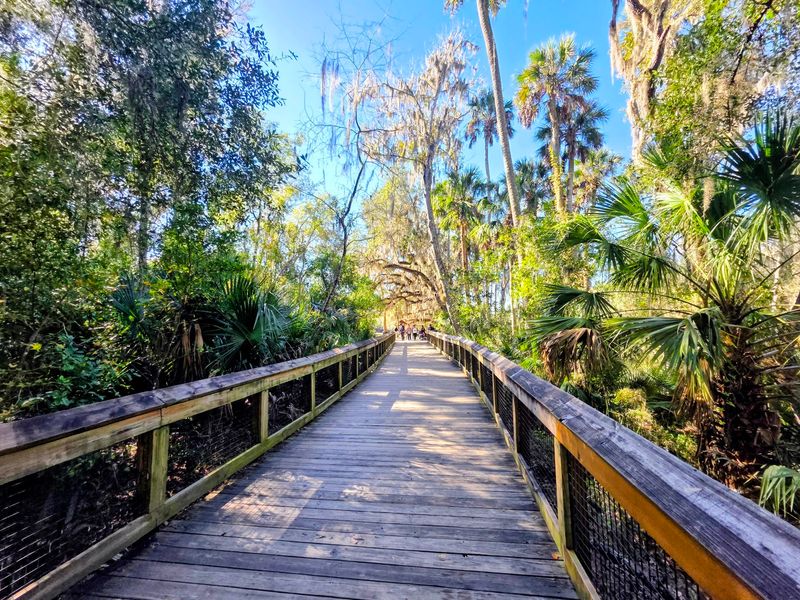
Beyond the water, the walkways deserve their own spotlight. A well-kept boardwalk and paved trail follow the spring, giving a safe, scenic route with viewing platforms built for wildlife watching.
The boardwalk earns nearly 500 mentions on its own, a nod to how central it is to the whole experience.
Then there is the seasonal secret. Once a year, as evening settles in, the surrounding woods light up with thousands of fireflies blinking in slow waves along the boardwalk.
The firefly show has become a treasured family outing, and rangers manage the crowds carefully, reminding everyone to keep lights low and respect the habitat.
Even with a full turnout, the setting stays peaceful, and the boardwalk offers a clear view into the forest without anyone stepping off the path.
Tickets for the firefly event are worth planning ahead for, and coming early helps with parking. Bring patience and bug spray, and the reward is a rare glimpse of nature putting on its own quiet light display.
Between the daytime trail strolls and the after-dark glow, the walkways prove there is always more to see here.
A Settler’s Home From the Steamboat Days
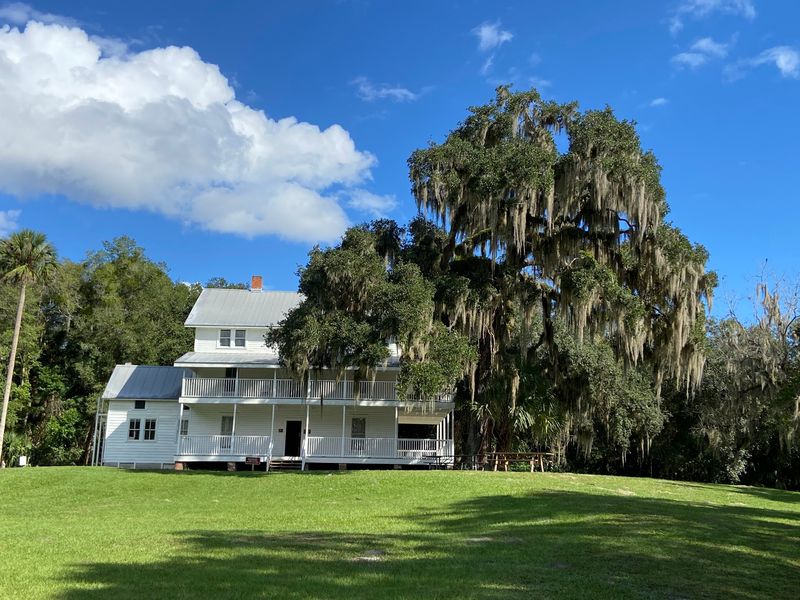
History buffs get a bonus here. A preserved settler home from the steamboat era still stands within the park, open for visitors to step inside and explore.
The old house tells the tale of a time when the only way to reach this stretch of Florida was by boat traveling the St. Johns River.
Inside, exhibits explain what the area was like when steamboats ran the river, and a guide often shares extra details about the building and the family who once lived there.
Thinking about daily life in those early conditions adds a layer of depth to a visit that might otherwise focus only on wildlife and water.
The historic mansion pairs nicely with the natural attractions, giving the park a sense of story that stretches back generations.
For families, it also breaks up the day with something educational between swimming sessions and manatee spotting. Kids can learn while grown-ups appreciate the preservation work that keeps the structure standing.
It is a reminder that Blue Spring is not just a nature stop but a slice of Florida’s past worth slowing down for.
Cabins, Picnics, and Family-Friendly Comforts
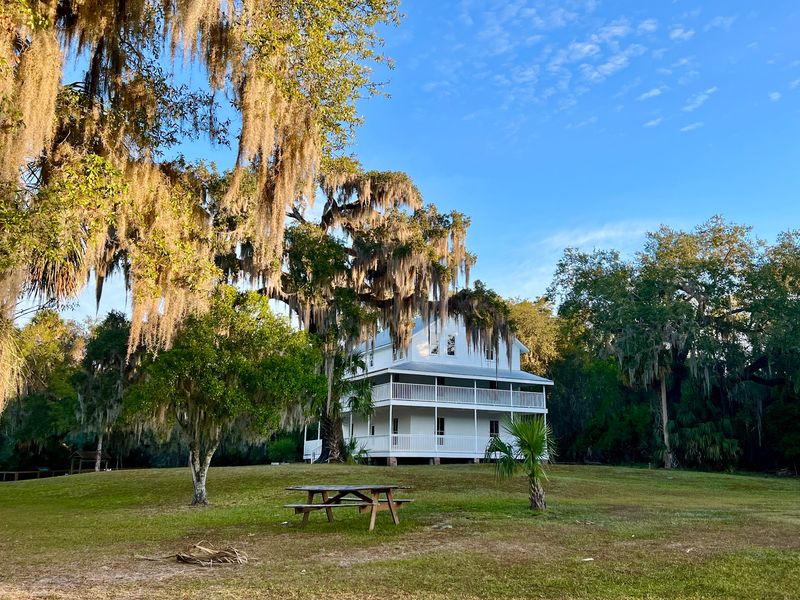
Comfort runs through every corner of this park. Picnic tables are scattered generously throughout, with shaded spots and grilling areas perfect for a relaxed family lunch.
Little ones have their own draw. A playground keeps kids entertained between swims, and the whole layout leans heavily toward families of all ages.
For those who want to linger, the park offers cabins that come highly recommended. They are clean and updated, with linens provided, a kitchen stocked with pots, pans, and utensils, and air conditioning that holds up well.
On-site amenities round out the experience. There is a canteen, a gift shop, and ample bathrooms, so you can spend a full day without needing to leave.
The grounds are consistently praised for cleanliness and upkeep, with no graffiti or worn-down buildings in sight.
A local who visits often talks about how easy it is to combine a scenic walk, a picnic table lunch, and manatee spotting into one simple outing.
Between the cabins and the day-use facilities, the park makes staying a while feel effortless and welcoming.
Planning Your Visit and the Bottom Line
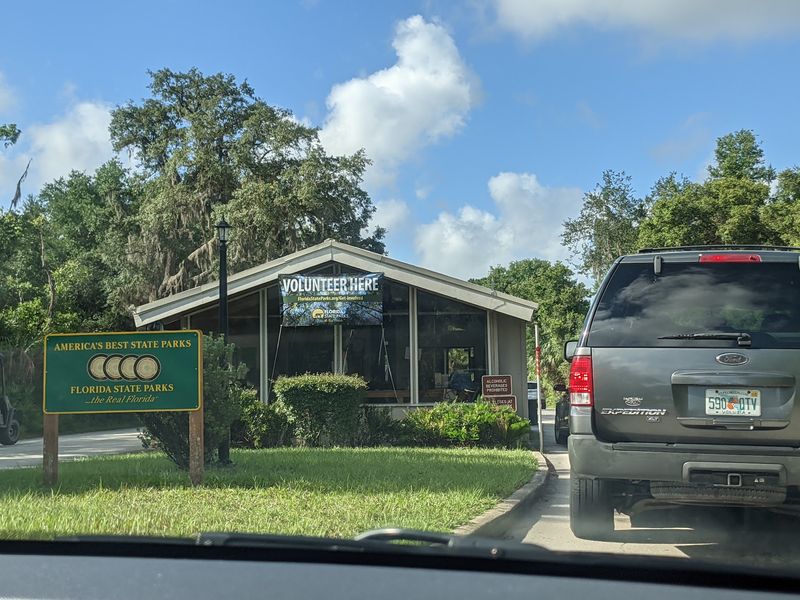
A few practical notes make all the difference here. The park entry fee runs a very reasonable $6 per vehicle, covering up to eight people, which regulars call a great price for the experience.
Reservations have become a must. A registration requirement kicked in for entry, so booking ahead through the state park website is essential before you go.
Timing is key during manatee season. The cold months bring big crowds, and the wait to get in can stretch up to an hour, so arriving early is the smart move.
Here is a helpful tip for boat tour guests: let the ranger know at the gate, and you may be waved in at the halfway point, saving a good chunk of time.
Always check the official website for schedule changes, since swimming access is restricted in winter to protect the resting manatees.
Florida also offers a free Lifetime Pass for disabled veterans, which some families use to make the trip even more meaningful.
With its 4.8-star standing, steady wildlife, and low cost, Blue Spring State Park delivers a rare mix of adventure and calm. Plan ahead, come early, and let this Central Florida spring show you why so many keep coming back.
Enjoyed this story?
Add Fast Food Club as a preferred source to see more of our reporting on Google.