


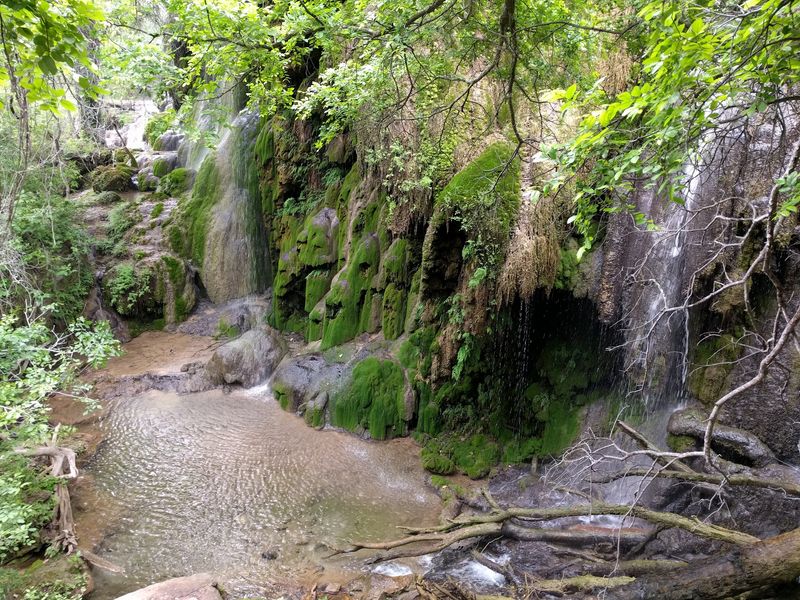
Somewhere in the Texas Hill Country, a narrow, winding road drifts past grazing livestock and drops into a quiet stretch of wilderness where a 60-foot waterfall spills over mossy rock. Trails cross and recross a spring-fed creek, hidden caves wait for anyone curious enough to explore them, and the Colorado River curves alongside campsites that fill up fast.
Cell service disappears, armadillos wander freely, and hikers can go hours without passing another soul. There is a swimming hole, fishing, paddle boarding, and a trail system many call the best they have walked.
What draws people back is the mix of solitude and adventure packed into thousands of acres. Keep reading to find out where this off-the-map escape hides and why it earns such devoted fans.
Where the Road Runs Out and the Wild Begins
Tucked at 2236 Park Hill Dr in Bend, Texas, this 5,328-acre park sits far off the beaten path in the heart of the Hill Country. The drive alone sets the tone, running about six miles from the entrance to the headquarters along narrow, curvy roads.
Livestock sometimes stand right in the road, so slow speeds and caution come with the territory. The relaxing approach feels like a decompression zone before the real adventure starts.
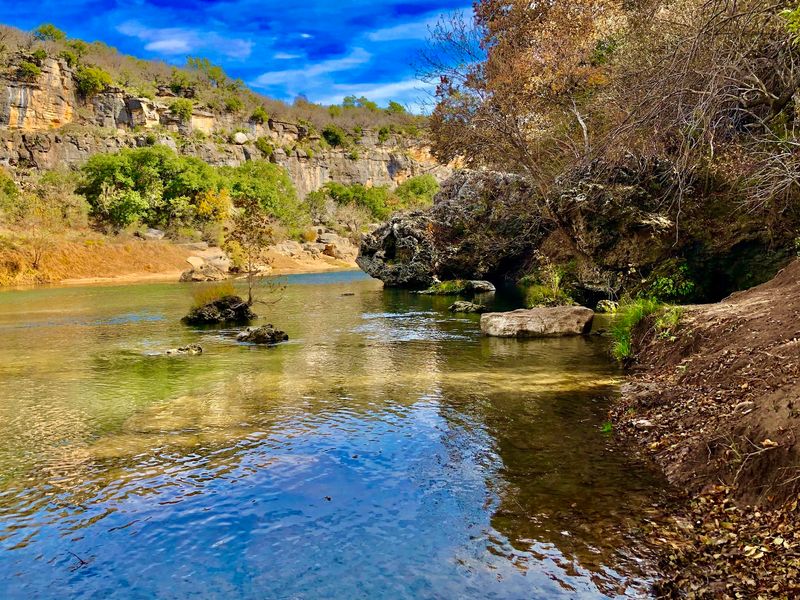
Once inside, the park unfolds into caves, riverside trails, and that famous 60-foot waterfall. It hugs the Colorado River, giving the whole place a watery backbone that shapes hiking, fishing, and camping alike.
The seclusion is a feature, not a flaw. Regulars mention going hours without seeing another person, which makes the wilderness feel genuinely remote.
For anyone chasing quiet over crowds, the long entrance road is worth every mile.
Gorman Falls and Its Cable-Assisted Descent
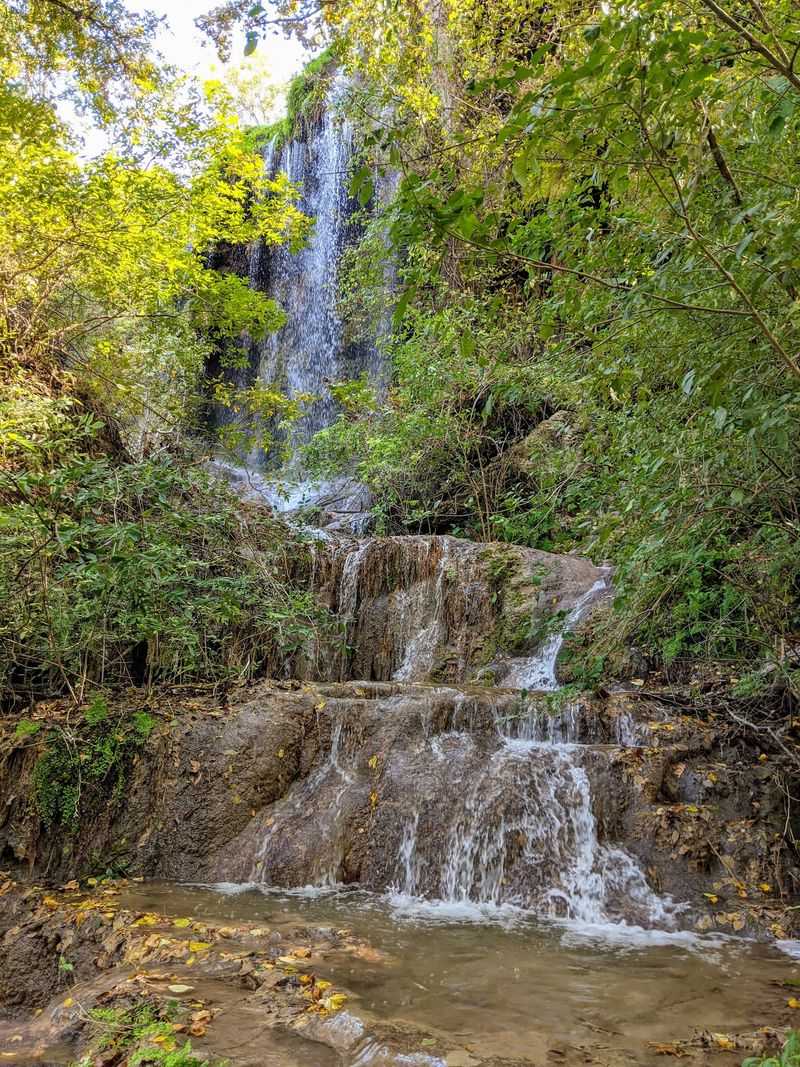
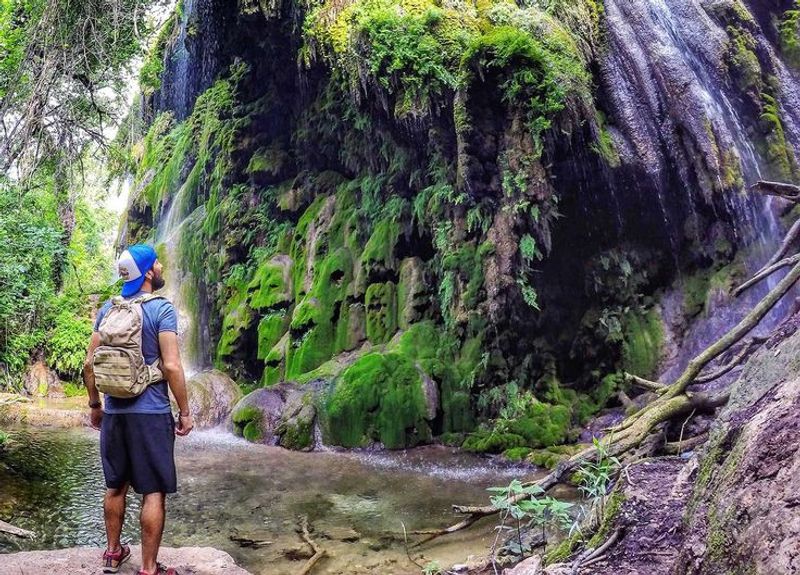
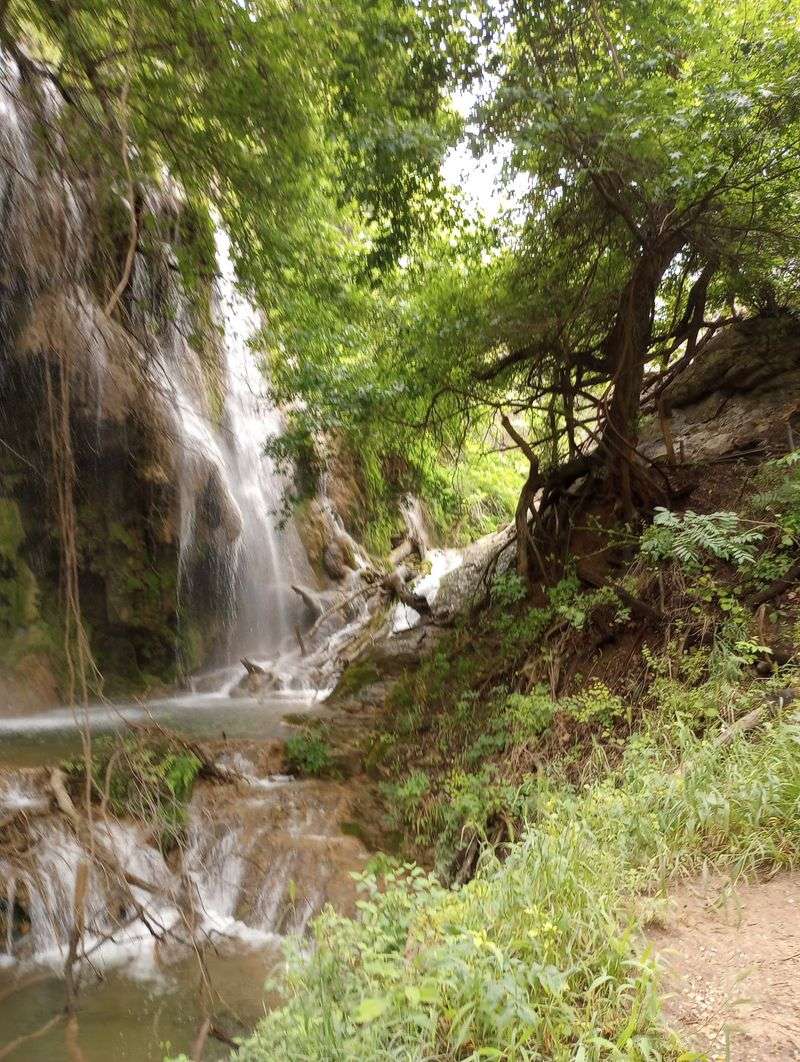
The crown jewel here is Gorman Falls, a roughly 60-foot waterfall draped in moss and travertine. Getting there takes effort, and that effort is exactly what makes it rewarding.
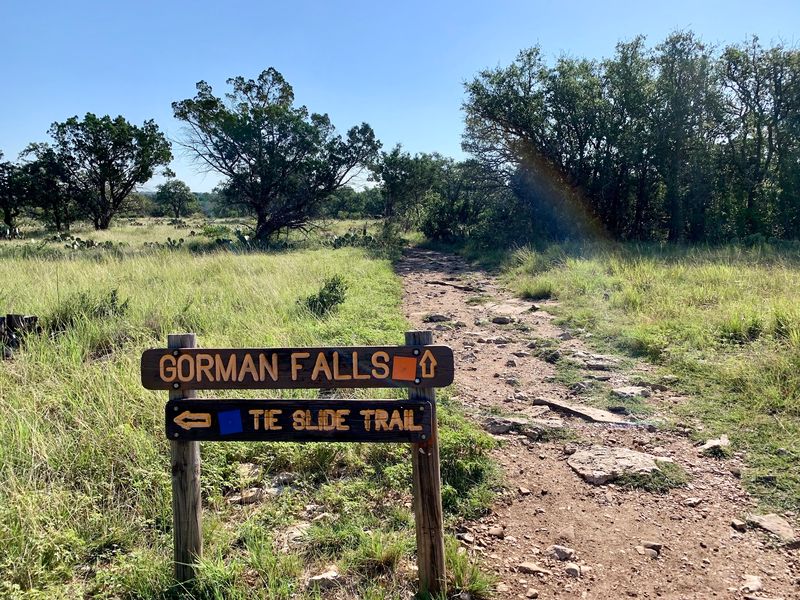
The trail ends with a steep, rocky stretch where cables and a rope help hikers keep their footing on the descent. People describe that final bit as dicey, so watching your step and holding on tight are non-negotiable.
Those who make it down tend to agree it was worth the trek. Even during drought or January cold snaps, the falls keep flowing, sometimes splitting into two streams over the rock face.
Proper hiking shoes, water, and snacks turn a tough hike into a manageable one. The reward is a lush, spring-fed spectacle that stands out in a state better known for wide skies than tumbling water.
Save this one for a day when your legs and your grip are ready.
A Trail System Hikers Rank Among the Best
Few places earn the title of best trail system in a whole state park network, but this one does among devoted hikers. With 386 mentions of hiking alone, the appeal is no secret.
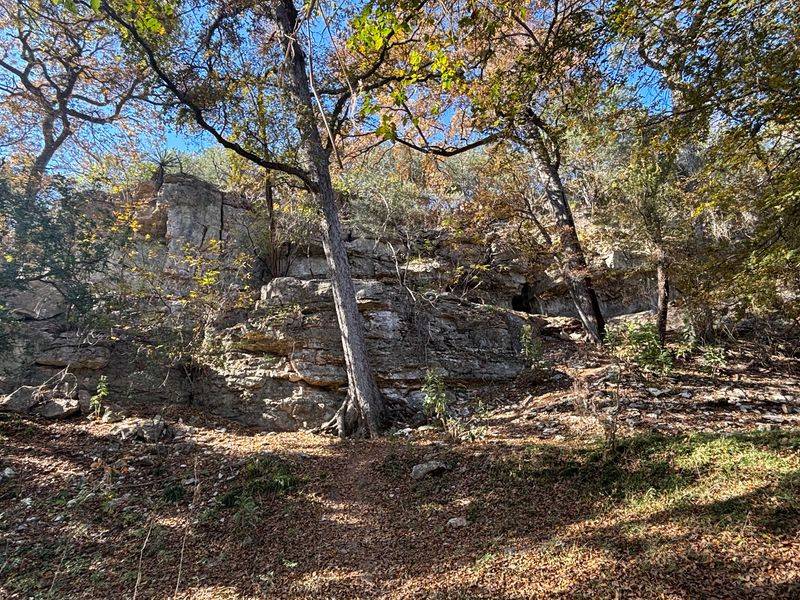
Overlapping routes let you dial in the exact length you want, from a short river stroll to a full day of climbing. Many paths run flat and easy, while others turn rocky and demanding.
The variety means one weekend rarely covers it all. People routinely leave with unfinished trails on their list, which becomes the perfect excuse to return.
The Rooster overlook draws praise for its views, and the river trail delivers scenic stretches without brutal climbs. After recent storms, some sections turn overgrown, and heavy rain can leave low spots ankle deep.
Stiff legs are common afterward, and most agree the payoff justifies the soreness. Whether you want a gentle walk or a leg-burner, the web of trails has a match.
Caves Waiting Beneath the Surface
Below the trails and riverbanks lies a hidden world of caves, one of the park’s signature draws. Caving earns 49 mentions from those who venture underground.
The limestone terrain here is riddled with passages, and the park is known for guided cave experiences that add a layer of adventure beyond the surface hikes. It is a rare chance to trade sunlight for the cool, quiet dark.
Combining caves with a riverside setting gives the park a two-in-one personality. You can explore beneath the ground in the morning and cool off in the water later.
For families and curious explorers, the caves add mystery to a place already full of surprises. They are part of why the description highlights this as a park of caves and trails, not just one or the other.
Checking with the rangers at headquarters is the smart first move, since they know current conditions and offerings. The underground here proves the adventure does not stop at the trailhead.
Spicewood Springs and the Creek You Cross and Recross
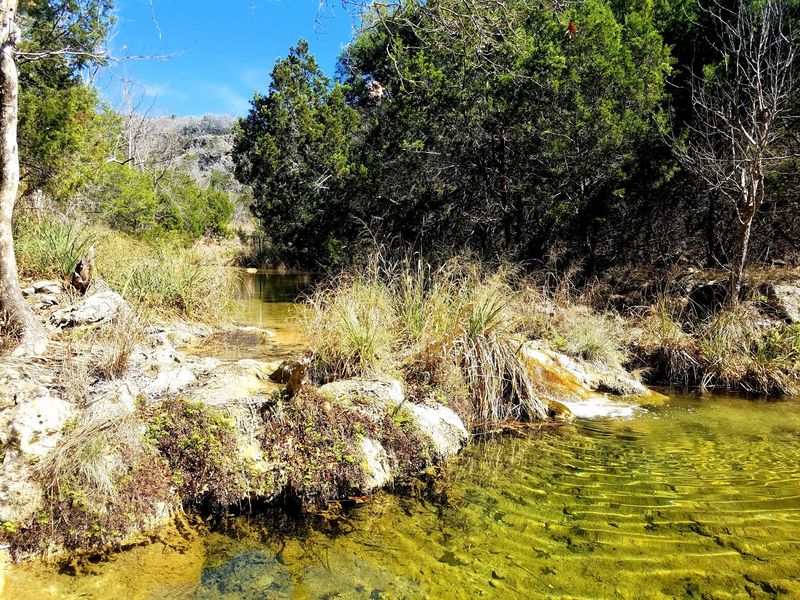
With four mentions all its own, the Spicewood Springs Trail has a loyal following. The route zigzags back and forth across the creek that feeds the springs, keeping water close at every turn.
All that flowing water does something clever, making the trail feel cooler than you would expect on a warm Texas day. It is a smart pick when the sun is out in force.
There is a spring here you can actually swim in, a welcome reward after a day on the trails. That cool dip has earned genuine gratitude from tired hikers.
Weather matters, though. After heavy rain, both Spicewood trails can turn into ankle-deep puddles for stretches, so timing your visit helps.
When conditions cooperate, the mix of crossings, pools, and greenery makes this one of the more refreshing corners of the park. Pack shoes you do not mind getting wet and let the creek set the pace.
Camping Along the Colorado River
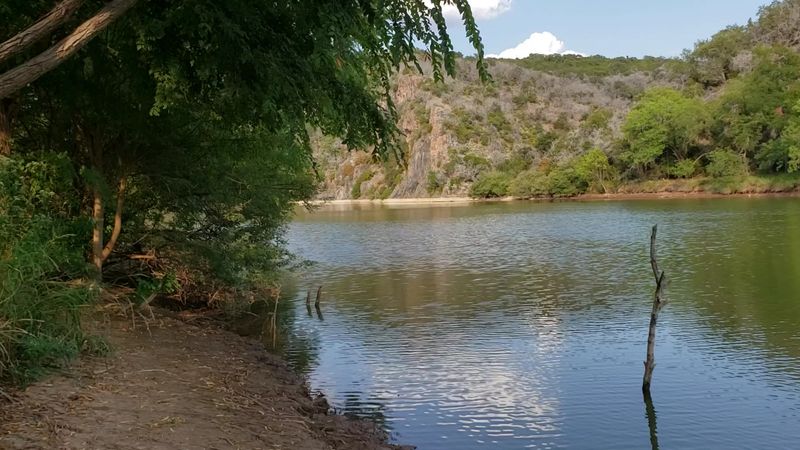
Overnight stays here lean toward the back-to-basics kind of magic. The park offers group sites, tent camping, and primitive backpacking spots scattered near the river.
Site 26 gets singled out as a favorite, a walk-in spot with one massive tree shading nearly the entire area right off the water. The walk from parking is short, roughly 100 feet, but packing light or bringing a cart helps.
Primitive sites reward those who want true solitude, with campers reporting empty neighboring spots on weekdays. River access, wide open sites, and clear night skies round out the appeal.
A few practical notes carry weight. Campers longer than 25 feet may struggle with a sharp turn before the sites, and food left in coolers can attract hogs and raccoons overnight.
Bathrooms sit within a short walk of many sites, and the grounds stay clean. Reservations fill quickly, so booking early is the difference between a river view and a missed trip.
The Swimming Hole, Fishing, and Water on the River
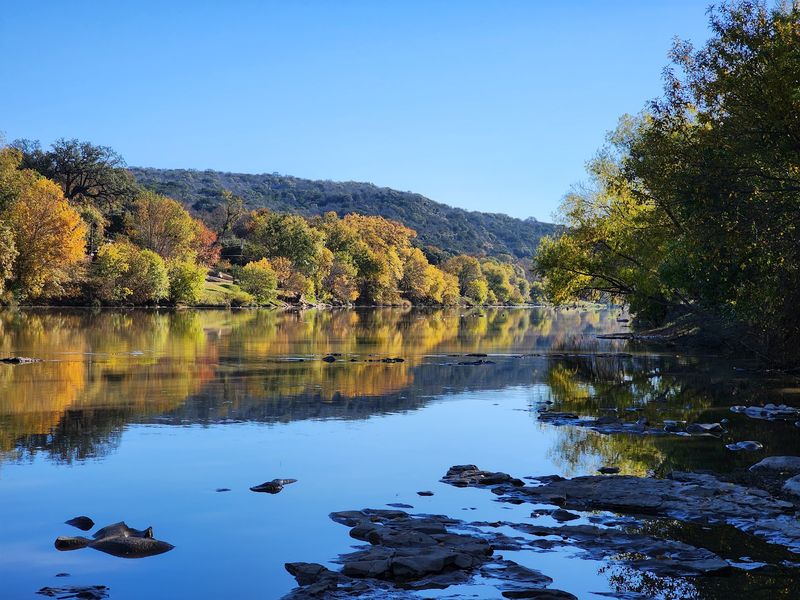
Water runs through nearly everything this park offers, and the swimming hole ranks as a must-visit stop. It gives campers and day hikers a place to cool off after the trails.
Anglers do well along the Colorado River, where gar and catfish are common catches. Fishing pairs naturally with the riverside sites and adds a slow, patient rhythm to the day.
Paddle boarding is also on the menu, rounding out the water activities beyond just swimming and casting a line. The river bend becomes a hub for anyone who prefers being on or in the water.
The views of the water set against the hillside draw steady praise. Even in seasons when debris collects near the river, the setting keeps its pull.
Between the swimming hole, the fish, and the paddling, the river turns a hiking trip into a full outdoor weekend. It is the beating heart that ties the whole park together.
Solitude, Wildlife, and No Cell Service
Quiet is the currency here, and the park pays out generously. People report seeing only a handful of others across hours of hiking, sometimes just three faces in five hours.
The lack of cell service seals the peaceful feeling, unplugging visitors whether they planned to or not. That disconnection is exactly what many come looking for.
Wildlife makes regular appearances, with armadillos earning a whopping 42 mentions of their own. Rams, blooming cactus, cattle cooling in the water, and even the occasional hog round out the cast of characters.
The seclusion suits solo travelers, couples, and families who want space to breathe. Star-filled skies at night are a bonus for those camping in the group sites.
Dogs are welcome, though the rougher trails and sunny stretches call for careful planning. For anyone craving stillness over noise, this pocket of the Hill Country delivers the kind of calm that is getting harder to find.
Hours, Fees, and What to Pack
Planning a trip here is refreshingly simple once you know the basics. The park is open daily from 6 AM to 10 PM, giving early risers plenty of time to beat the heat on the trails.
A day pass runs about $5 per person, an easygoing price for access to caves, trails, a waterfall, and the river. The park store also stocks souvenirs near headquarters.
The rangers get consistent praise for being friendly and knowledgeable, handing out solid trip suggestions at check-in. Stopping to chat with them is a smart way to start.
Packing matters more here than at many parks. Bring lots of water, sun protection, and hiking shoes, and pack light if you are hauling gear to a walk-in site.
Burn bans can be in place during drought, so propane is a safer bet, and rangers keep a close watch on fire safety. Holding a rating of 4.7 stars across more than 2,500 opinions, this remote Texas retreat rewards the hikers who come prepared and leaves them already planning the trails they did not finish.
Enjoyed this story?
Add Fast Food Club as a preferred source to see more of our reporting on Google.