


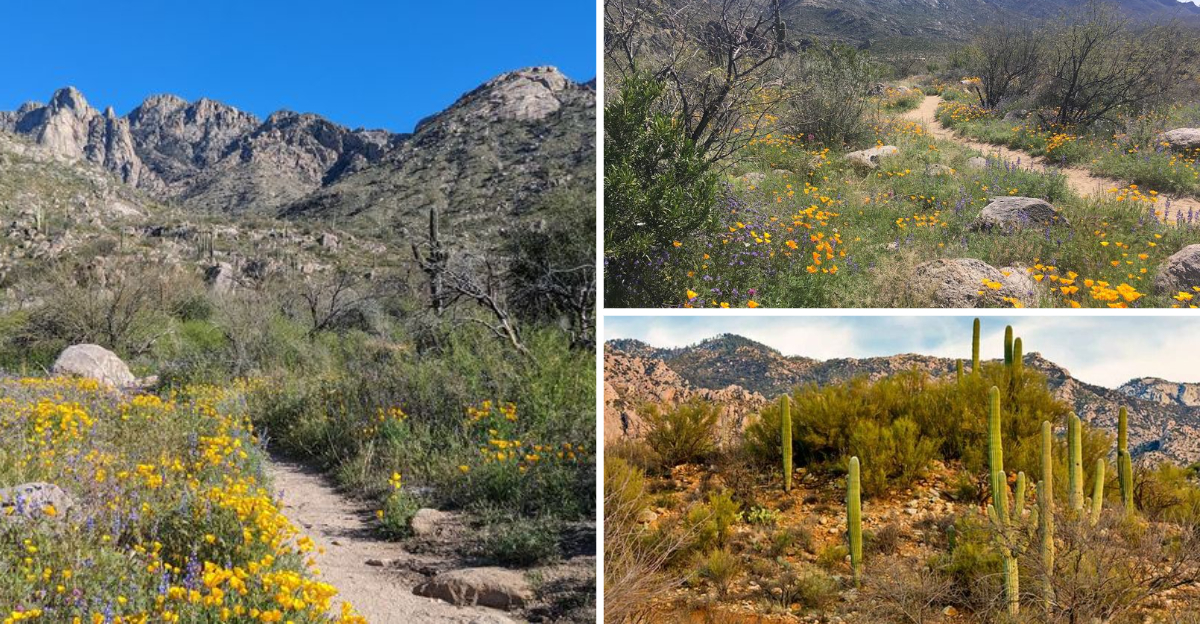
There is a stretch of Arizona desert where jagged peaks rise straight out of the cactus flats, and the trails at their base feel like a front-row seat to something enormous. Around 5,500 acres of open land wait here, threaded with paths for every fitness level and dotted with saguaros that have stood for generations.
People drive up from Phoenix just to catch these views, and many end up staying the night in campgrounds tucked against the hillsides. There are birding walks, mountain biking routes, live music on weekends, and wildlife that scampers across the rocks.
Keep reading to learn where this desert playground sits, what makes its trails so beloved, and the small details worth knowing before packing the car for a day trip or a longer stay.
Where The Desert Meets The Mountains
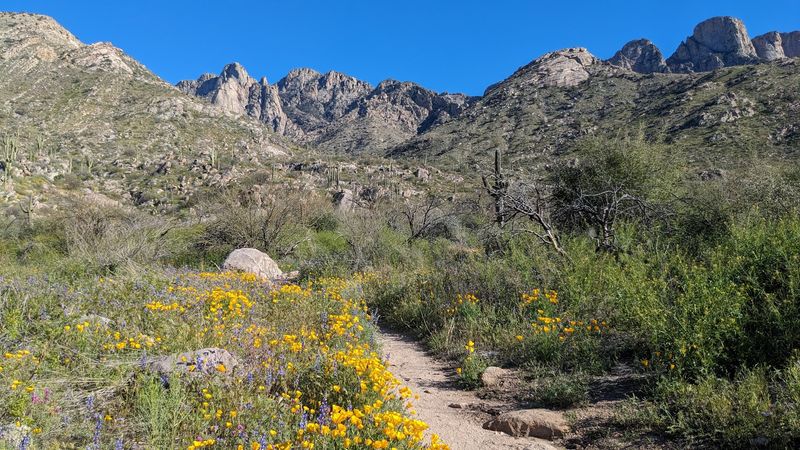
Catalina State Park sits at 11570 N Oracle Rd in Tucson, Arizona, spread across roughly 5,500 acres right at the base of the Santa Catalina Mountains.
The setting does a lot of the heavy lifting here. Peaks climb sharply behind the flat desert floor, so even the parking lot delivers views that make people reach for their cameras.
What makes the location so handy is the balance it strikes. The park feels like a pocket of wild land, yet shopping and restaurants sit just across Oracle Road, keeping the everyday conveniences within easy reach.
It functions as a full outdoor destination rather than a quick roadside stop. Hiking, camping, mountain biking, picnicking, and wildlife watching all live under one entrance gate.
Travelers passing through Tucson often add it to the itinerary on a whim and leave planning a return. Folks driving down from Phoenix have said the mountains alone were worth the trip.
For a park so close to city amenities, it manages to feel genuinely tucked away, and that contrast is a big part of its charm.
Trails For Every Pair Of Boots
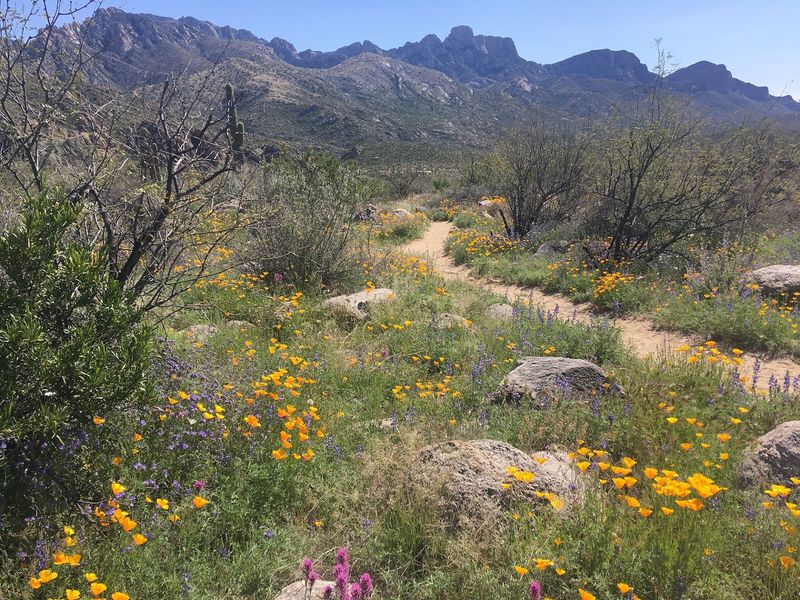
Few parks manage to please both the casual stroller and the ambitious trekker, yet this one pulls it off with a spread of paths that range from short and flat to long and steep.
The variety is the real draw. Well-maintained trails offer different lengths, elevation gains, and difficulty levels, so a family with young kids and a seasoned hiker can both find something that fits.
Shorter nature and birding routes suit those with only an hour or two to spare, while longer loops stretch out for miles for anyone chasing a full workout.
Someone spent three hours exploring with their dog and still felt there was more to see. Another hiker knocked out a seven-mile loop in a single afternoon.
The scenery keeps pace with the effort. Many say this ranks among the best hiking in all of Tucson, with mountain vistas opening up around nearly every bend.
One small gripe pops up now and then, which is that the trails could use clearer signposting. Still, staff at the ranger station happily point visitors toward the right path for their skill level.
The Canyon Loop That Wins Hearts
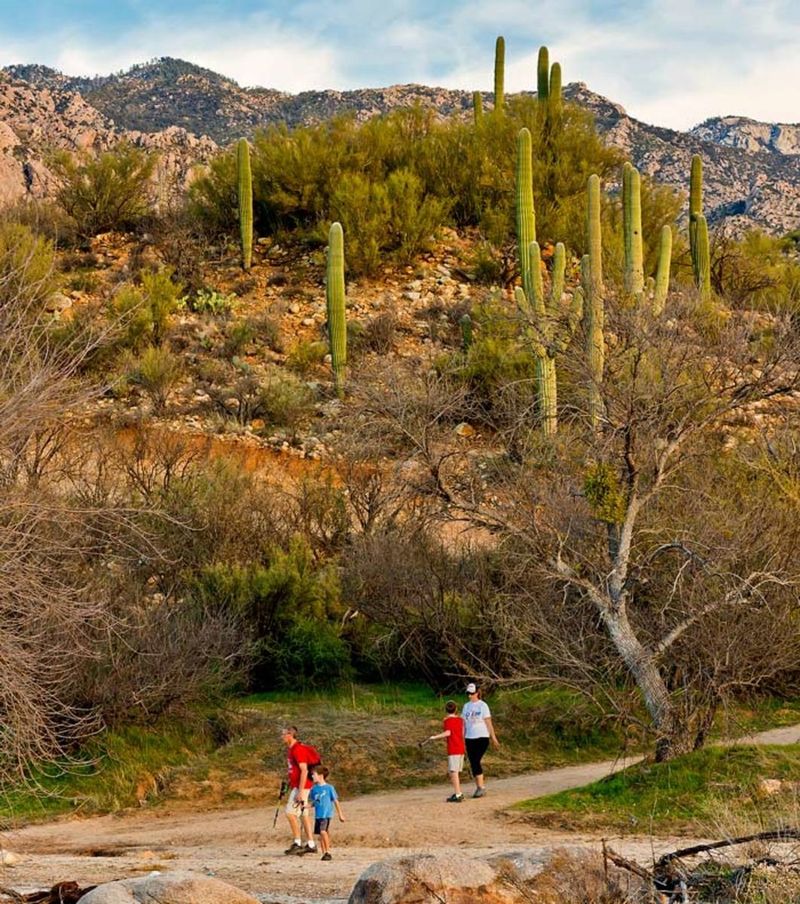
Ask around about a beginner-friendly favorite and the Canyon Loop Trail tends to come up fast.
The route starts with a short climb out of a riverbed, then settles into an easy rhythm that lets hikers actually look up and admire the surroundings instead of watching their feet.
That ease is precisely why so many people love it. One hiker called it a favorite in all of Arizona, partly because the gentle grade left room to soak in the scenery.
Distances hover in the friendly range. A duo covered about 3.21 miles in roughly 1.5 hours and came away thrilled.
Lizards darting across rocks and endless saguaros give the walk plenty of character without demanding technical skill. The mix keeps kids interested and adults content.
Cyclists frequently make their way to the park too, and the loop area sees a healthy stream of two-wheeled traffic.
For a first outing at the park, this is the trail regulars point newcomers toward, and it rarely disappoints anyone who follows the tip.
Alamo Canyon And Its Rugged Reward
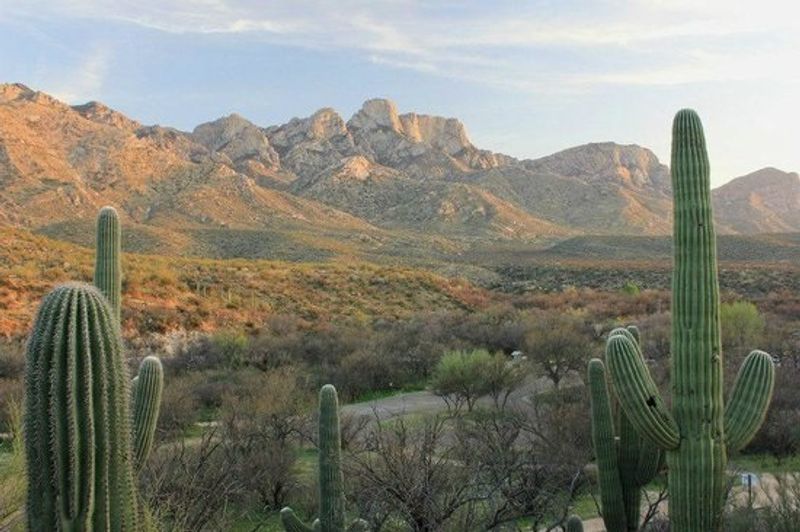
For hikers who want a heartier challenge, the Alamo Canyon Loop Trail turns up the intensity while keeping the payoff generous.
The path begins across from a good-size parking area and stays easy to follow for most of the loop. Things get steep in stretches, with loose rock that calls for sturdy boots and, for some, a set of walking sticks.
Coming in under four miles, it still delivers a solid workout. One devoted hiker ranked it among his all-time favorites after tackling it.
Signs of the land’s history show up along the way. Burnt brush hints at a past fire, and the pamphlets mention ruins tucked off certain trails.
Water is a wildcard here. The wash can show falls or flowing water after a good rain, though dry conditions are common.
Shade is scarce for most of the route, so early starts and plenty of water are the smart play. The old saguaros and mountain panoramas make the climb well worth the sweat.
Camping Under The Saguaros
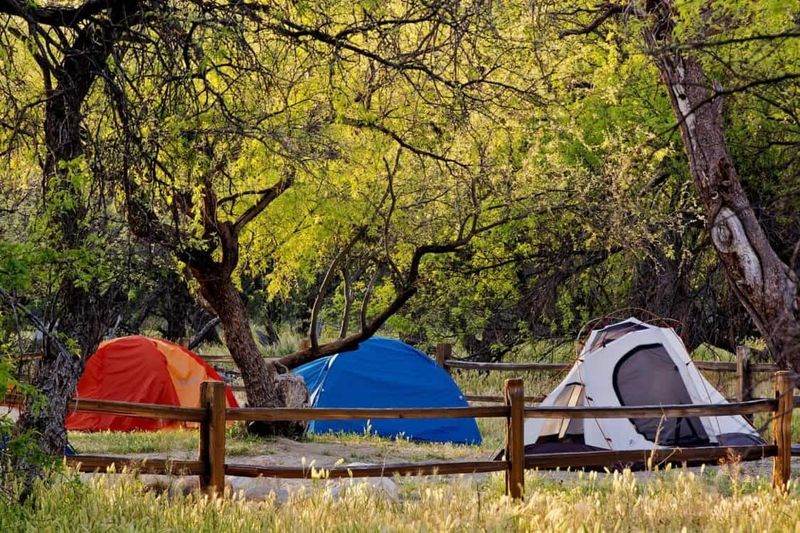
Overnight stays are a big part of the appeal, and the park runs two large campgrounds that come up in conversation constantly.
Sites tend to be roomy and shaded with trees, and many back up against hillsides studded with saguaros. Campground B site 70, for instance, sits below a hill full of them.
Practical hookups keep RV travelers comfortable. Sites offer water and electric service, including 30 and 50 amp options, though there is no sewer at the sites themselves.
The facilities earn steady praise. The showers and bathrooms are often called the best encountered at a state park, with spacious stalls and good water pressure.
Trails run right from the campground, so morning hikes require zero driving. One long-haul traveler two months into a six-month road trip named it the favorite campground of the whole journey.
Reservations can require some flexibility. A three-night stay sometimes means switching sites daily, but camp hosts help smooth the process and keep the grounds tidy.
Wildlife That Steals The Show
Part of the fun is never quite knowing what will cross the path next.
Prairie dogs pop up all around, and campers have spotted jackrabbits, lizards, and even a coyote wandering through the loops. Birds keep the air busy for anyone who slows down to watch.
The desert cast runs wide. Javelinas, tarantulas, and other creatures make appearances often enough to land on the park’s list of talked-about sights.
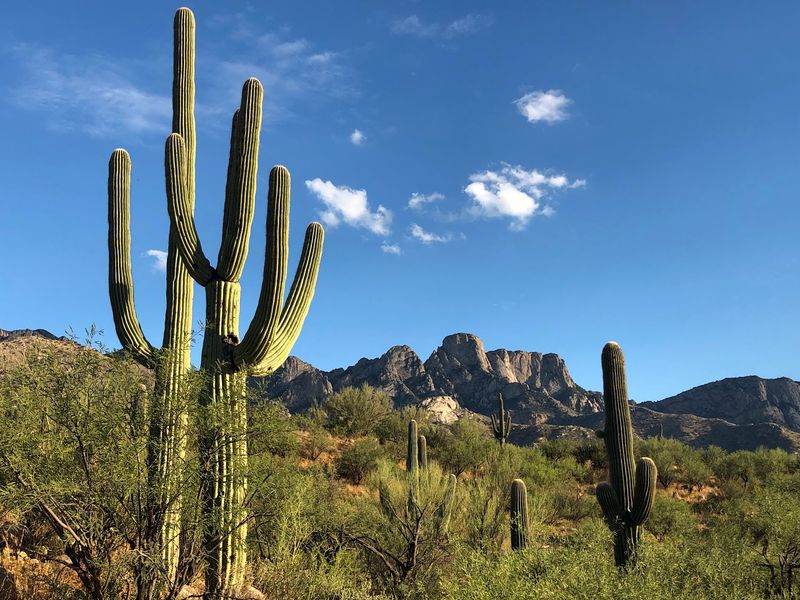
Saguaros headline the plant life, with some cacti so old they command a second look. The desert environment gives newcomers a genuine feel for the Sonoran landscape.
A little caution goes a long way. Staying aware of surroundings and giving wildlife space keeps every encounter a good one.
Dog owners get to share the adventure too, since the park is dog-friendly. In hot months, though, protective boots for paws are a wise move on scorching ground.
Between the scampering lizards and the towering cacti, the natural show here rarely takes a day off.
Music By The Mountains
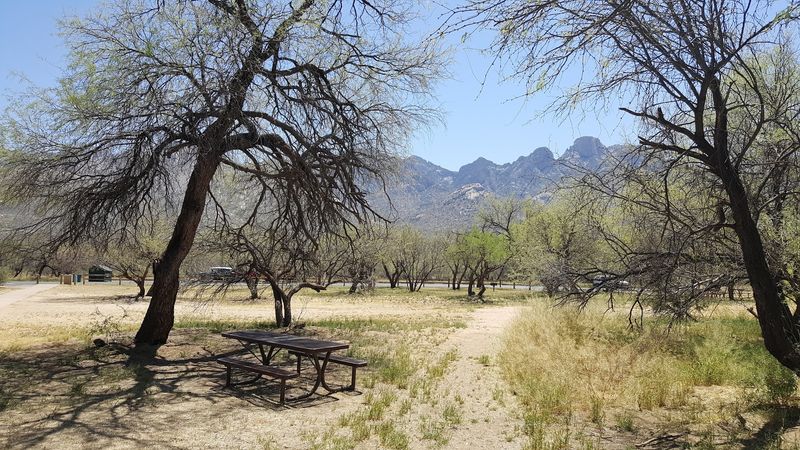
Not every desert park doubles as a concert venue, but this one hosts live music with the peaks as a backdrop.
Music in the Mountains runs on the first Saturday of the month at a small on-site venue. There is a stage, parking, picnic tables, and a restroom, keeping the setup casual and comfortable.
One evening featured an indie group called Grey Skies Blue, who played a two-hour set from 5:00pm to 7:00pm. A welcoming park ranger even popped free popcorn for the crowd.
The events draw a loyal following. Regulars single out the concert series as one of the best reasons to swing by on a weekend evening.
It fits the park’s larger personality nicely. Between the nature programs and the music, there is a real sense of community built into the schedule.
For anyone looking to pair an easy walk with a relaxed evening of tunes, the first-Saturday lineup makes the trip feel like an event rather than just a hike.
Nature Programs And Weekend Events
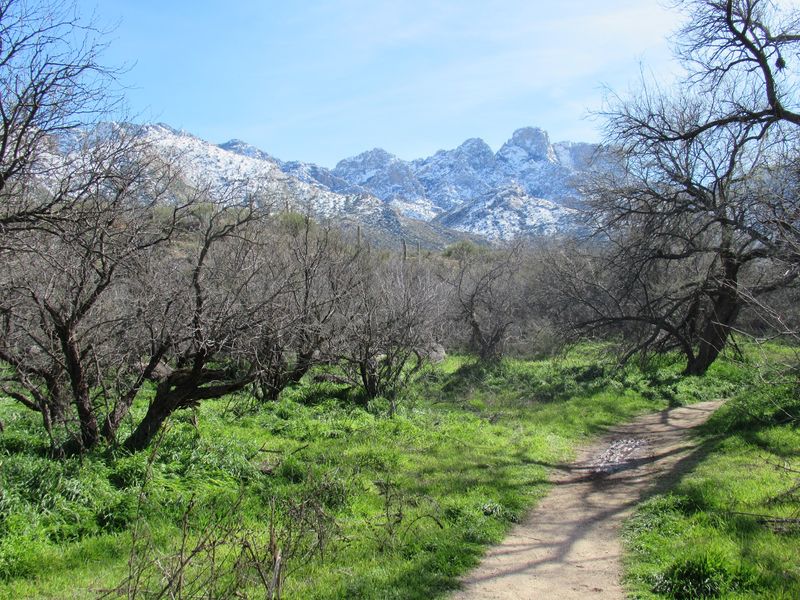
Beyond the trails, a full slate of programs gives the park an educational streak.
Saturday morning nature programs rank high among the regular offerings, and weekend events pop up throughout the calendar. Families with kids find plenty to keep young explorers engaged.
Volunteers deserve a big share of the credit. People describe them as amazing, whether they are guiding walks or helping run the events.
There is one honest caveat worth flagging. Some of the popular programs, like the evening hikes, can fill up early and require registration months in advance, which occasionally leaves drop-in campers out of luck.
Even so, the variety keeps things fresh across repeat visits. Between birding walks, guided programs, and the music series, no two weekends feel identical.
The dedication of the staff and volunteers turns a scenic patch of desert into a place with genuine programming. For visitors who like a little structure with their outdoors, checking the event schedule before arriving is a smart habit.
Facilities, Picnics, And The Gift Shop
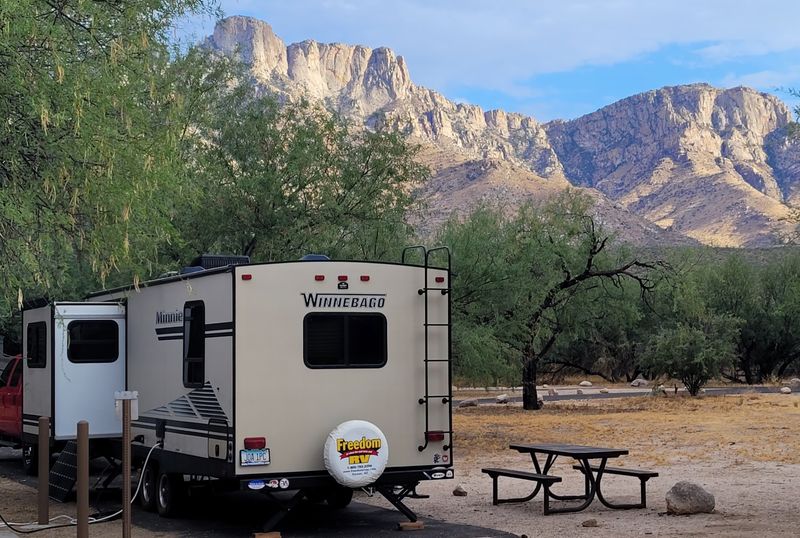
Comfort and convenience round out what the park offers between adventures.
Picnic areas are plentiful, giving families and groups plenty of spots to spread out for a midday break. The entrance building houses a gift shop, a welcome bonus for browsing or grabbing a souvenir.
Refreshments have a home too. There is no station to refill water bottles, but the little shop sells water and other drinks, so nobody has to arrive completely stocked.
The restrooms draw mixed notes. The newer bathrooms in some campground loops earn high marks for cleanliness, while a few older facilities have been called less than fresh.
For RV travelers, an on-site dump station handles the practical side, covering both grey and black water even without sewer hookups at the sites.
Parking is generally easy, though the lots fill quickly. A weekday arrival around 9am already found things decently full, so weekends can get tight.
Taken together, the amenities make it simple to spend a full day, or several, without much fuss.
Hours, Fees, And Getting There
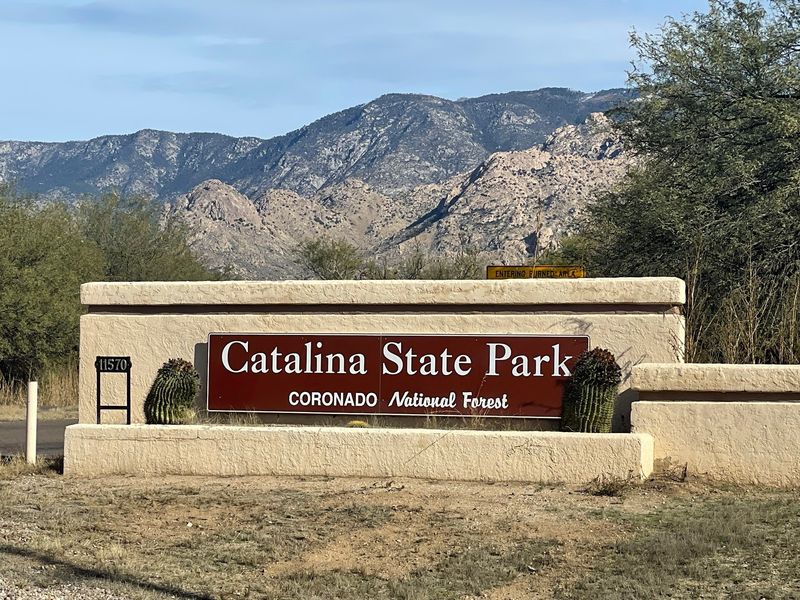
Planning the visit takes only a few key details.
The park opens early and stays open late, running from 5 AM to 10 PM every day of the week. That wide window suits early hikers chasing cool morning air and evening walkers alike.
Entry runs about $20 per vehicle, and the pass covers the entire day. Visitors can come and go as many times as they like on the date marked, which adds real flexibility.
Regulars who visit often can spring for a yearly pass at $200. It carries a higher price tag, but it pays off for anyone treating the park as a routine escape.
Reaching it is straightforward. The entrance sits along N Oracle Road in Tucson, an easy drive with shopping and restaurants right across the street.
It is not right in the heart of Tucson, so anyone wanting downtown proximity should factor in a short drive. For a desert outing, though, the location strikes a comfortable middle ground.
Why It Earns A Spot On The List
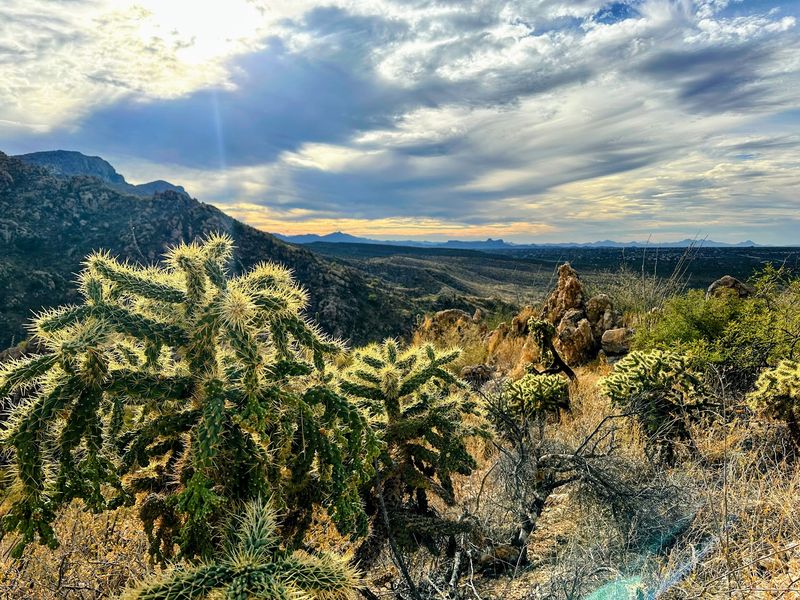
Some parks coast on scenery alone, but this one backs its views with substance.
The mountain panoramas are the headline, and they truly deliver. People travel from other cities just to see what these peaks offer, and the desert setting rarely lets them down.
Depth is what keeps folks coming back. Trails for every ability, spacious campsites, live music, nature programs, and easy access to Tucson conveniences all live in one place.
It is not flawless, and honest voices note the busy campground loops and the occasional tired restroom. Knowing what to expect helps set the right frame before booking.
Still, the affection runs deep. Longtime visitors return year after year, and first-timers often name it a highlight of their Arizona travels.
For a day hike, a weekend of camping, or a leisurely evening walk with the family, the mix of desert trails and sweeping mountain views makes this corner of Tucson an easy recommendation. Pack water, arrive early, and let the Santa Catalinas do the rest.
Enjoyed this story?
Add Fast Food Club as a preferred source to see more of our reporting on Google.