


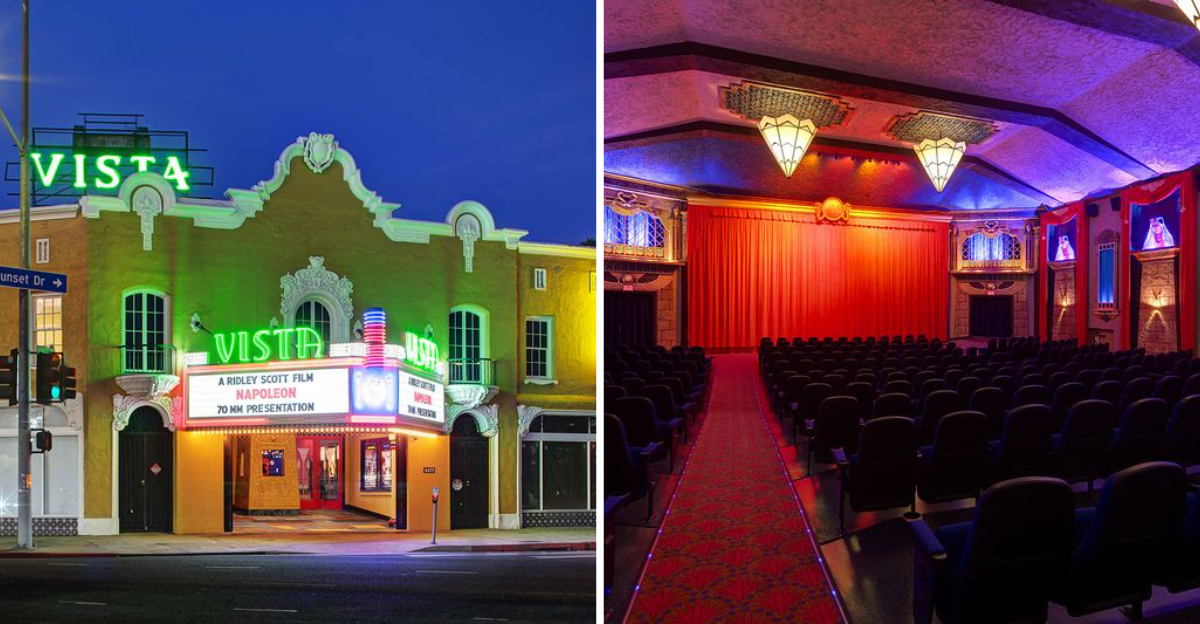
There is a corner in Los Angeles where movies still flicker to life the way they did a century ago, straight off real film reels and never from a digital file. A working scrolling neon sign, glowing Egyptian statues, and a screen big enough to make classics feel brand new all live under one roof.
This single-screen palace opened in 1923, survived a rocky stretch, and got a full second life thanks to a famous filmmaker who happens to love celluloid. It shows both new releases and rare revivals, sometimes in 70mm and even VistaVision.
The seating was thinned out so nobody has to squeeze past your knees. Stick around and you will learn its story, its quirks, and how to plan a visit that feels like time travel done right.
A Century-Old Palace On Sunset Drive
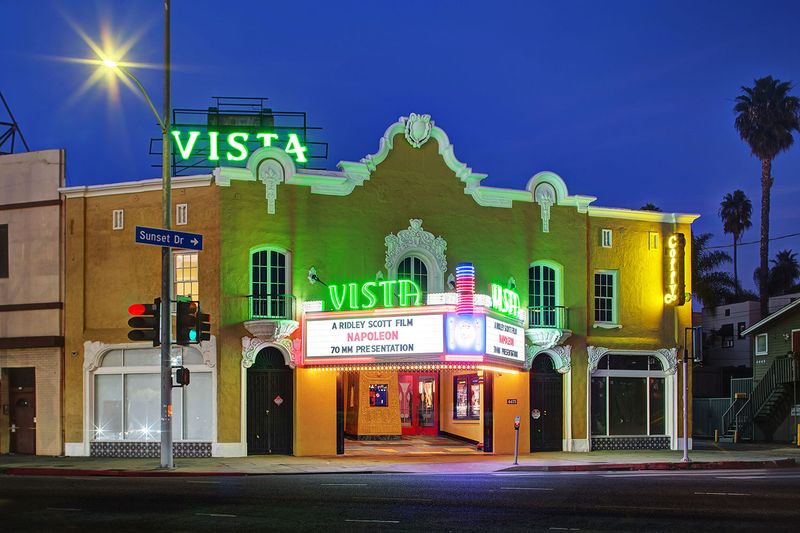
At the intersection of Sunset and Hillhurst, the Vista Theatre stands as one of the last of its kind in a city that once had dozens like it. The full address is 4473 Sunset Dr, Los Angeles, CA 90027, and it holds the title of a genuine single-screen movie palace.
Opened on October 9, 1923, it started out as Bard’s Hollywood Theatre, sometimes called the Lou Bard Playhouse. Its very first program was the film Tips, and in those early days the stage hosted vaudeville acts alongside the pictures.
The building carries an Egyptian design theme that has been kept up with real care. A neon sign out front features working scrolling lights, the kind of detail modern multiplexes never bother with.
Los Angeles only has a small number of theaters that have hit the 100-year mark, which makes this one a rare survivor. It sits close to landmarks in the Los Feliz area, easy to fold into a day of wandering the neighborhood.
More than a place to catch a show, it functions as a working piece of Hollywood history that still opens its doors nightly.
Built On The Ground Of A Silent-Film Legend
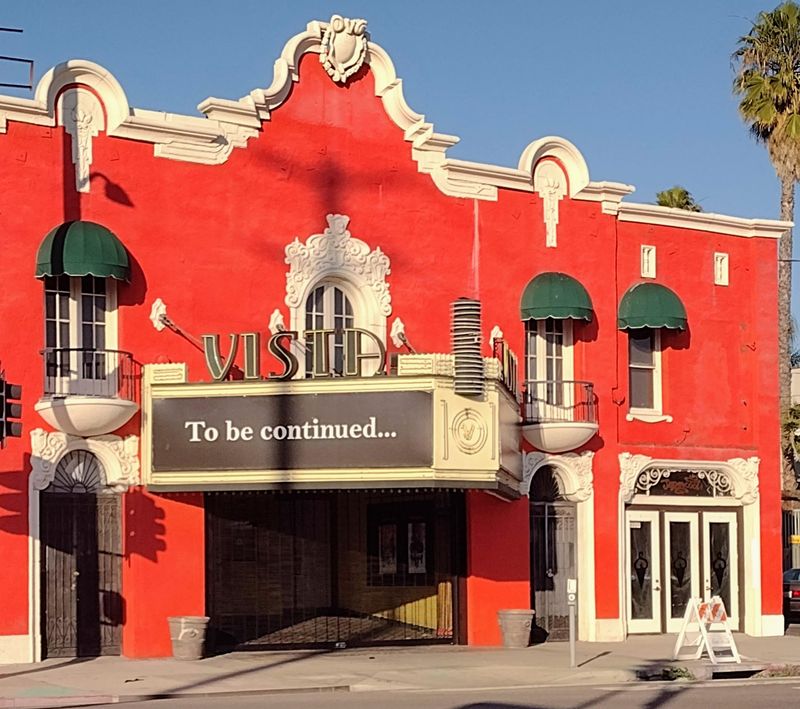
Few movie houses can claim a backstory quite like this one. The land it sits on once held the enormous Gates of Babylon set built for D.W.
Griffith’s 1916 epic Intolerance.
Those towering sets were considered some of the largest ever constructed in early Hollywood, and they lingered on the property until 1919. The theater rose only a few years later, in 1923.
Griffith’s Reliance-Majestic Studios stood right across the street, on the spot where a Vons grocery store operates today. That means the whole corner was a hub of filmmaking long before the marquee lights first switched on.
History buffs love this layering of eras, where a silent-film relic gave way to a picture palace that still runs film prints today. It ties the location to the earliest chapters of the movie business.
Reading up on all this before a visit adds a whole extra dimension to the trip. You are not just seeing a movie, you are standing where cinema helped invent itself.
Egyptian Decor That Turns The Lobby Into A Time Capsule
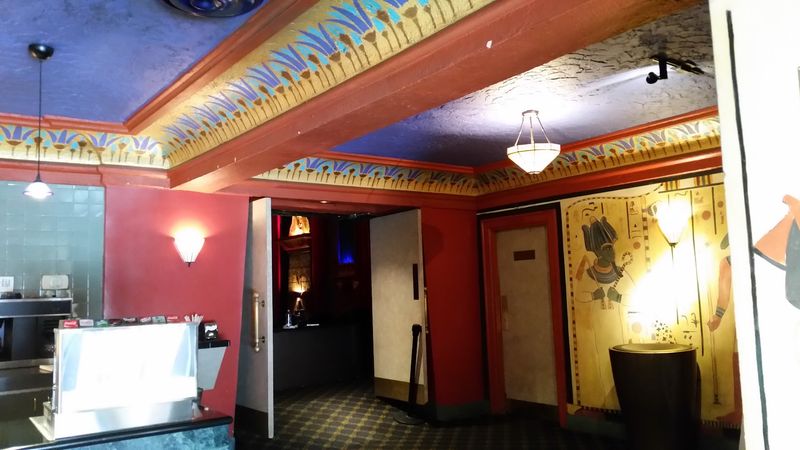
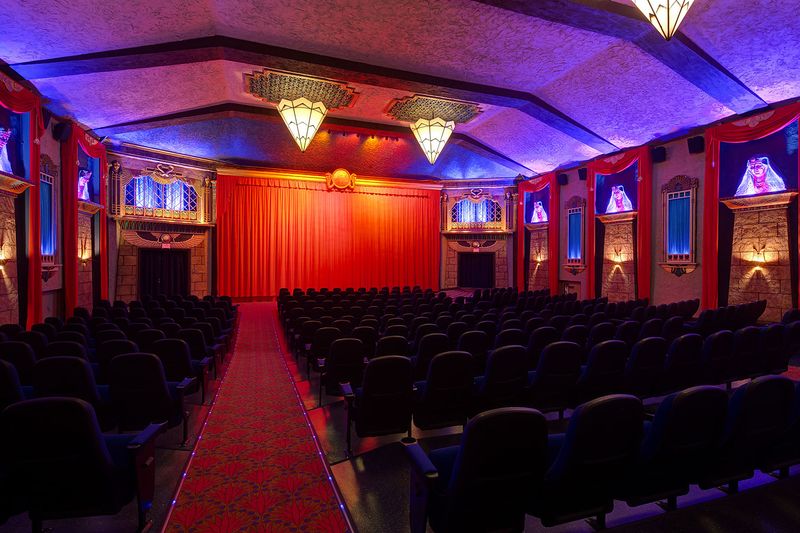
Color is everywhere the moment you pass through the doors. Bright, bold Egyptian motifs cover the lobby and carry straight into the screening room itself.
Glowing statues line each side of the auditorium, a touch that gives the space real personality. Regulars often point to those illuminated figures as one of the standout visual features inside.
The restoration blended the original 1920s character with modern upkeep, so nothing feels neglected or faded. Detailed lighting was one of the improvements added during the most recent overhaul.
The theme is not a subtle background thing, it is the whole identity of the building. People describe the atmosphere as a time capsule from the 1920s in the best possible way.
Celebrity handprints were added over the years too, another nod to its Hollywood setting. Every corner seems designed to remind you that theaters used to be destinations, not just dull boxes with screens.
For anyone who appreciates vintage design, the decor alone is worth the price of admission before a single frame rolls.
Film Only, No Digital Allowed
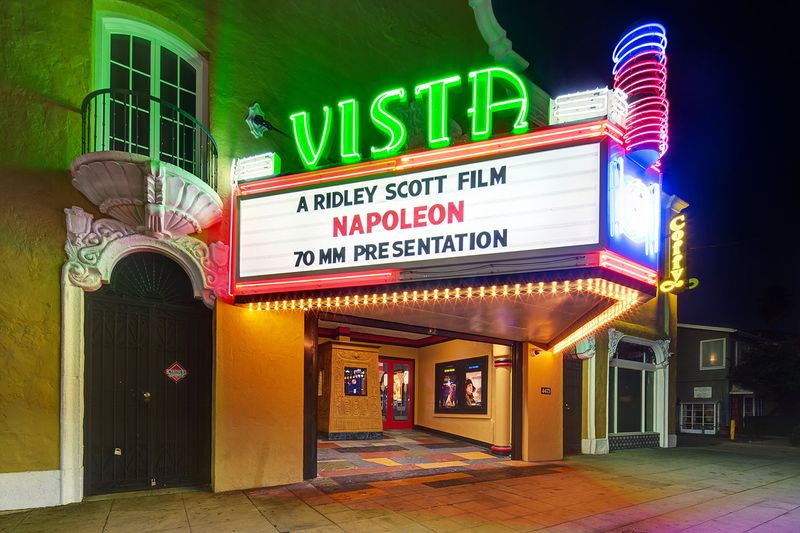
Here is the rule that sets this place apart from nearly every other theater in the country. It screens movies shot on 35mm or 70mm film, with no digital-shot features on the schedule.
The current owner has been clear that there are no plans to convert to a standard digital projection system. Preserving film prints is a stated goal, and it shapes everything about what you see here.
Certain screenings run in glorious 70mm, a large-format film that fans travel long distances to experience. Some visitors have driven from other states just to catch a title on real film.
People new to 70mm often walk out surprised by how different it feels, and more than a few describe getting hooked after a single show. VistaVision presentations have also earned praise from those lucky enough to catch one.
Running film does come with the occasional hiccup, since real reels can face technical trouble mid-show. That is the trade-off for authenticity, and most of the crowd considers it a fair one.
For film purists, this commitment is the entire draw.
The Filmmaker Who Rescued It
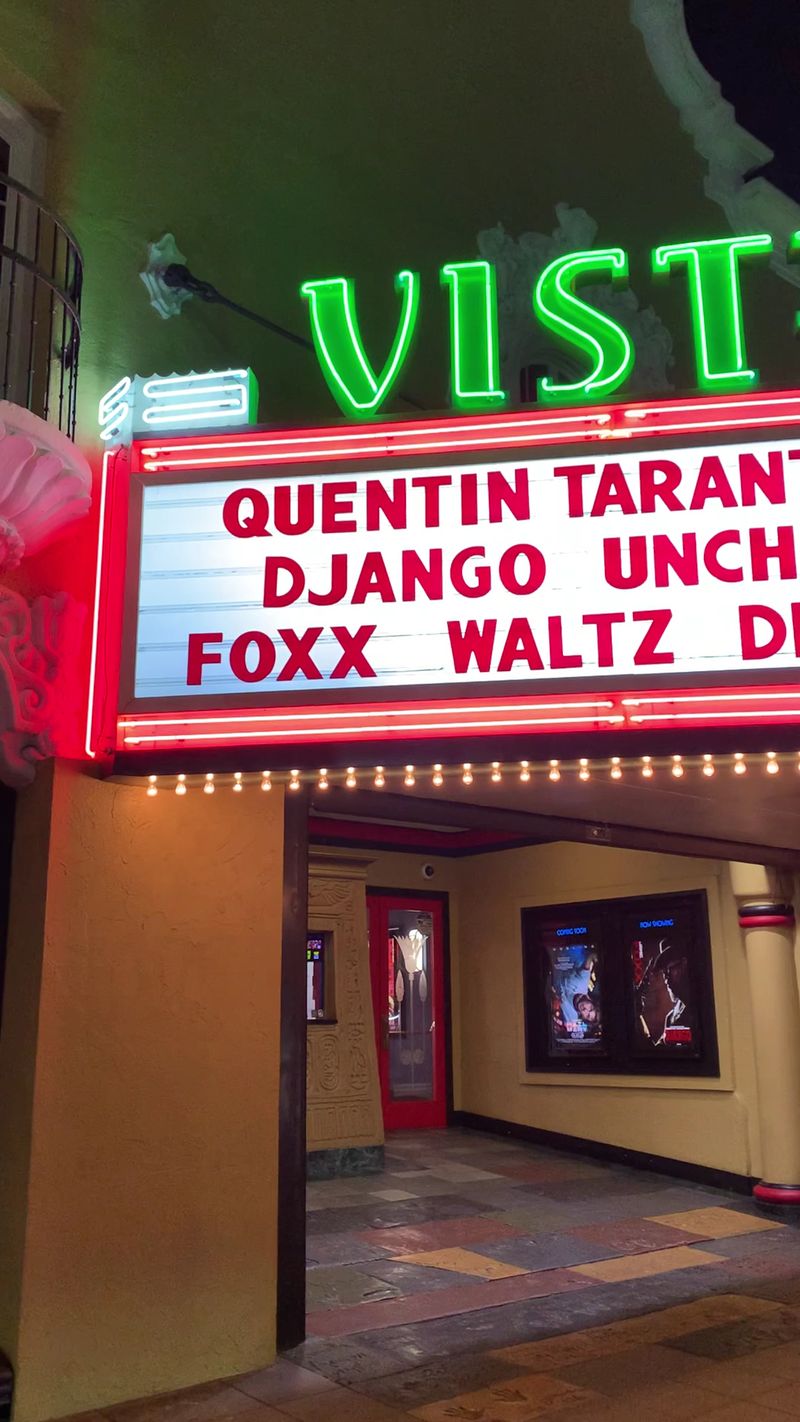
The theater’s modern comeback traces back to a well-known writer and director who purchased it in July 2021. Quentin Tarantino took ownership and closed the doors to begin an extensive renovation.
The timing lined up with the building’s 100th anniversary, and it reopened in 2023 refreshed and revitalized. The work honored the historic character while adding modern comforts throughout.
His stated mission centers on keeping film prints alive for both current and future audiences. Given how few century-old theaters remain in Los Angeles, having an artist invest in preservation carries real weight.
The renovation followed an earlier major restoration from the late 1990s, when Vintage Cinemas poured around a million dollars into the building. That project included seismic retrofitting and the addition of celebrity handprints.
Layer upon layer of care has kept this landmark standing when so many others faded away. People genuinely appreciate seeing it treated with respect rather than torn down.
The result is a beloved spot that feels both historic and freshly cared for at the same time.
Legroom Worth Bragging About
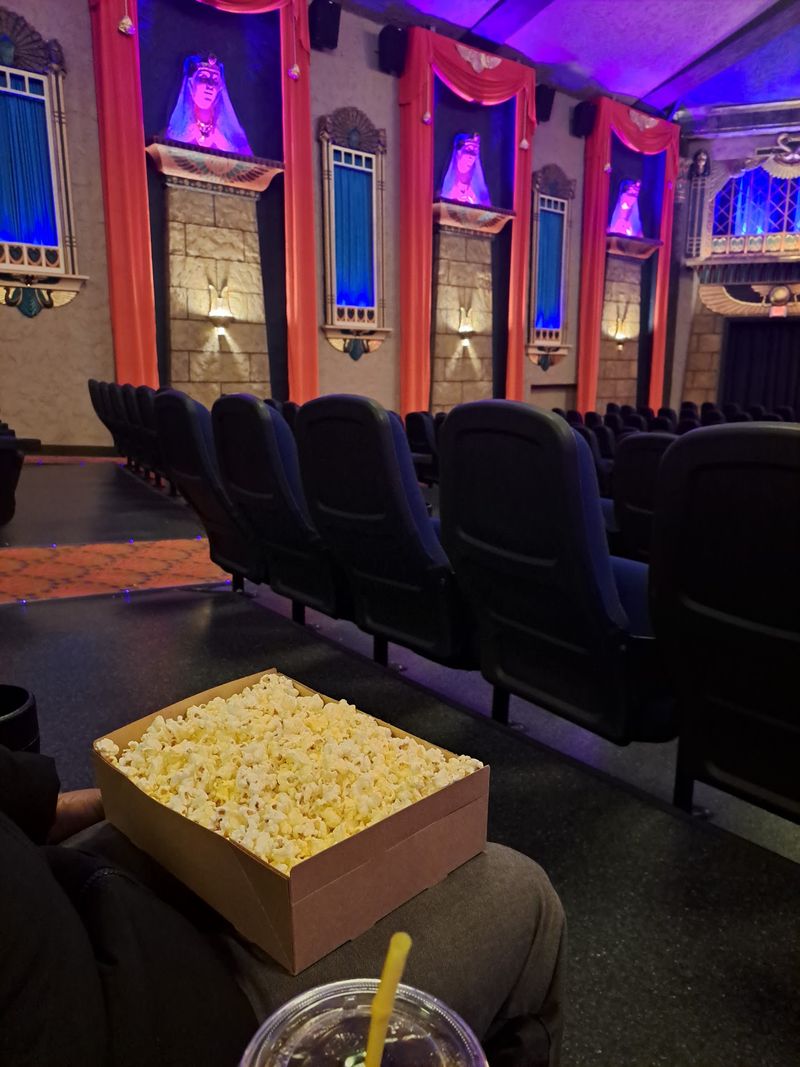
One of the smartest moves during renovation had nothing to do with decor. A full row of seats was removed on every other row, opening up huge amounts of legroom.
That layout means you can slip out to the restroom or grab a snack without forcing everyone nearby to shuffle around. Nobody has to perform the awkward knees-to-one-side dance mid-film.
The 400-seat auditorium gives taller guests plenty of room to stretch out comfortably. Comfy seating comes up again and again among people who have visited.
The rows use the older non-stadium style, but the generous spacing keeps sightlines clear anyway. You would need someone unusually tall directly in front of you to have any trouble seeing.
Some note the seats run a little narrow, a minor honest caveat worth knowing. Still, the priority here is clearly comfort over cramming in as many bodies as possible.
It is a rare theater that treats elbow room and knee room as features rather than afterthoughts.
The Old-School Pre-Show Ritual
Showtime here comes with a routine straight out of another era. Before the main feature, a short cartoon plays on the big screen, just like theaters did generations ago.
A staff member steps out ahead of the film to introduce it and offer a quick summary of what the crowd is about to watch. They also give the friendly reminder to silence phones.
The trailer count stays refreshingly small, usually no more than three previews. That means the show starts close to the posted time instead of dragging through endless ads.
Some screenings even pair the cartoon with vintage previews that match the film’s era, adding to the throwback charm. A classic screening might roll trailers from decades past.
The whole sequence turns going to the movies into an event rather than a routine errand. It rewards showing up on time and settling in early.
Small traditions like these are exactly what fans mean when they call it a proper old-school movie-going experience.
Concessions And A Coffee Shop Next Door
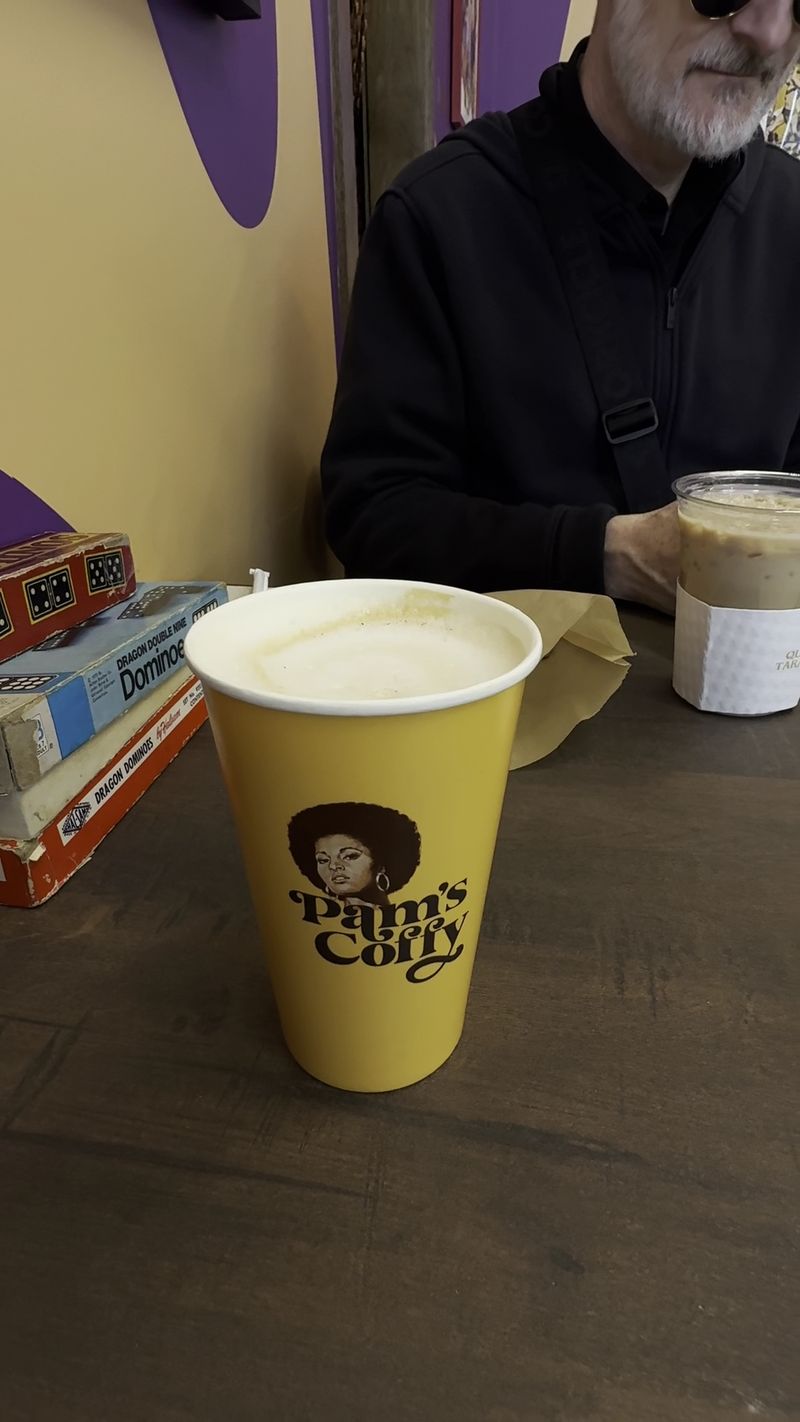
The snack bar leans into nostalgia with a genuinely nice touch. Popcorn comes topped with real clarified butter, and the fountain pours RC Cola alongside candy favorites and coffee.
Prices land on the reasonable side, which surprises people used to the eye-watering totals at big chains. A large popcorn, a soda, and a box of candy can run in the low twenties.
Best snacks in town is a phrase that pops up often among those who keep coming back. The concession menu clearly gets as much attention as everything else in the building.
Right next door sits Pam’s Coffy, a coffee shop that makes for an easy pre- or post-movie stop. Grabbing a treat before the show is a popular move for the neighborhood crowd.
There have also been signs of a cafe addition at the front of the building itself. That would only strengthen the corner as a place to linger.
Between the buttered popcorn and the coffee next door, nobody leaves hungry.
Sound That Shakes The Floor
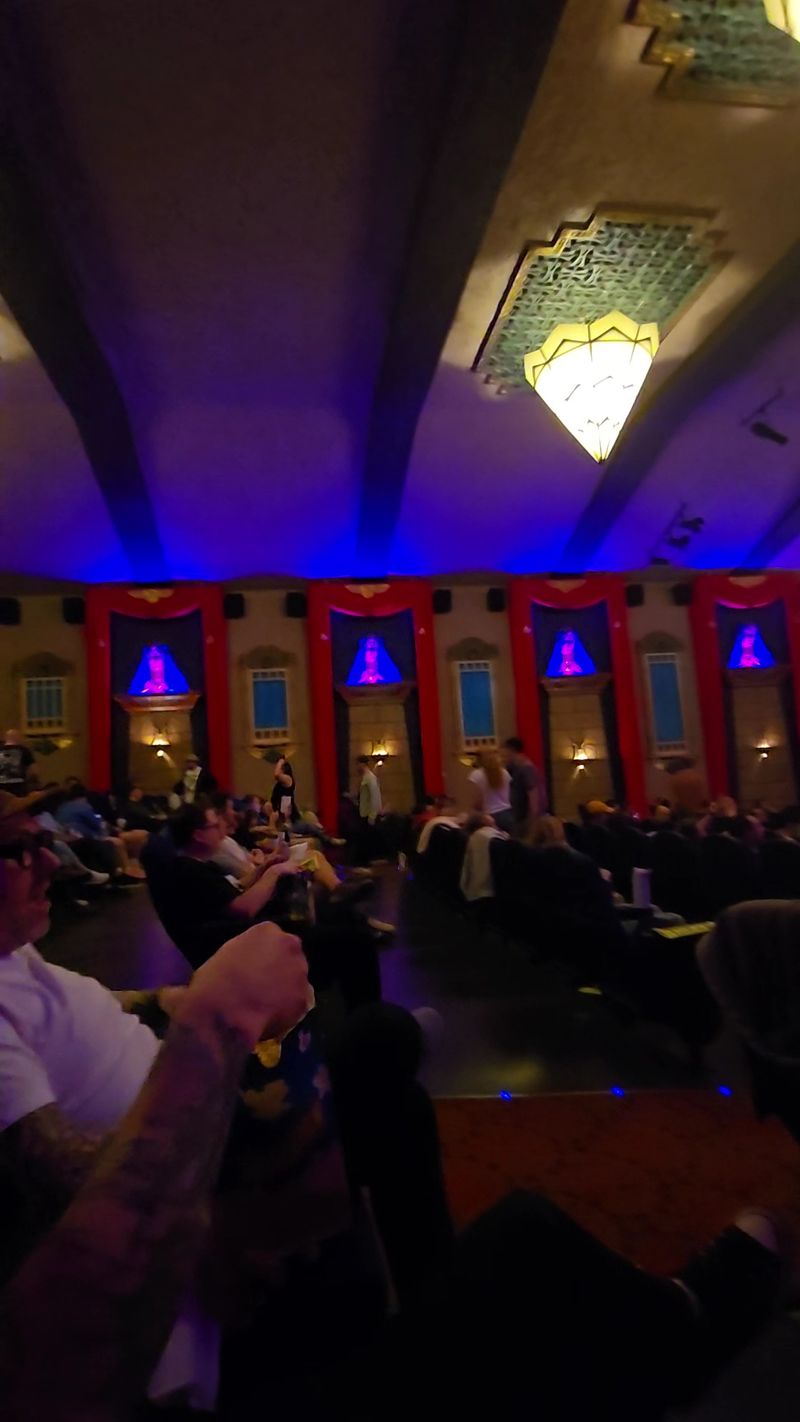
Audio here is no afterthought. The sound system is powerful enough that some describe feeling it move through the floor during big moments.
That kind of punch fits perfectly with action films and classics that thrive on booming audio. Fans of loud, immersive movies tend to walk away very happy.
A quirky bonus is that the movie’s sound gets piped into the restrooms. If you step away for a moment, you can still follow the audio and not miss a beat.
The volume does have its critics, and a few note it runs a touch loud at certain points. Seating position matters, so sitting off to one side can soften harsh frequencies from the center speaker.
Where you park yourself in the room clearly shapes the audio experience, which is worth keeping in mind. Rows three to five earn special mention for a strong overall viewing spot.
Dialed in right, the sound turns even a quiet drama into something that fully surrounds you.
Ticketing, Seating, And Parking Notes
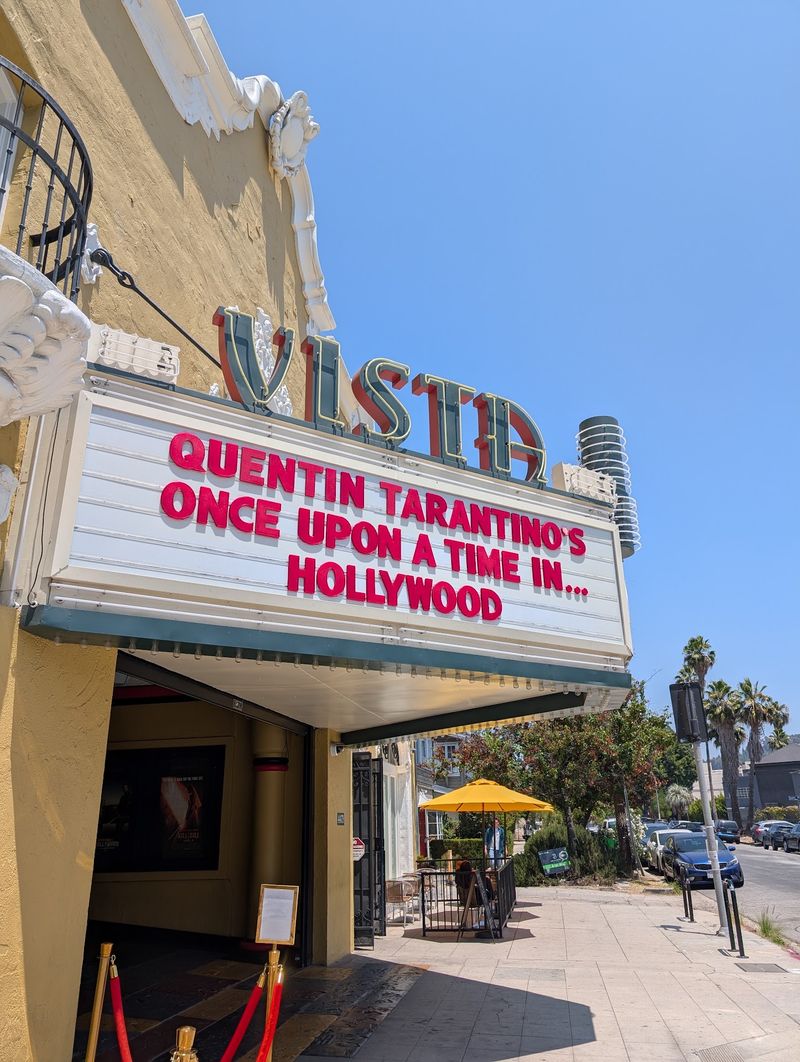
A few practical details are worth sorting out before you go. Seating is general admission, so there is no reserved-seat selection when you buy a ticket.
That means arriving early is the smart play if you want a specific spot. The crowd forms a line and files in once doors open, so plan accordingly.
Ticket prices have been noted around $18.50, which still comes in below many of the big multiplex chains in the area. Snack bar prices stay friendly as well.
Parking is the trickiest part of the whole visit. Daytime shows can be tough, and reading the street signs carefully matters unless you want a costly ticket.
Some people park across the street in the Vons lot or hunt for street parking, which is easier for late-night showings. Those close enough often just walk over.
None of these quirks are dealbreakers, they simply reward a little planning. Show up early, read the signs, and the rest of the evening takes care of itself.
Who This Theater Is Really For
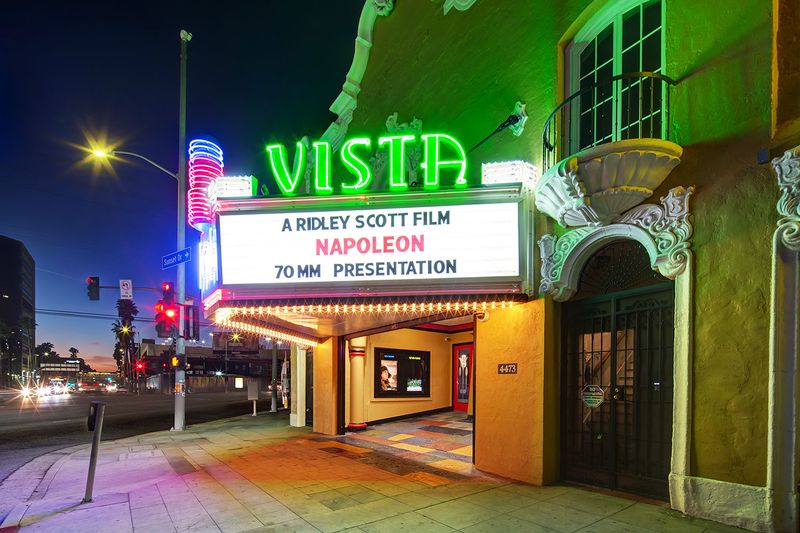
Not every theater draws a crowd this passionate, and that changes the whole mood inside. The audience skews toward genuine film enthusiasts, which keeps distractions low and enthusiasm high.
Big moments spark claps, cheers, and laughs, turning a screening into a shared event. Midnight showings of classic titles on Friday and Saturday nights have become a favorite tradition.
The programming mixes new theatrical releases every evening with rare revivals and classics in the mornings. That blend gives cinephiles a reason to keep checking the calendar.
People who love old Hollywood, film prints, and the ritual of moviegoing find their happy place here. It rewards curiosity and a real affection for cinema as an art form.
There is even a chance of spotting a familiar face in the crowd, given the theater’s connections. That possibility adds a little extra fun to the outing.
Anyone chasing an authentic, community-minded night at the movies will feel right at home.
Enjoyed this story?
Add Fast Food Club as a preferred source to see more of our reporting on Google.