


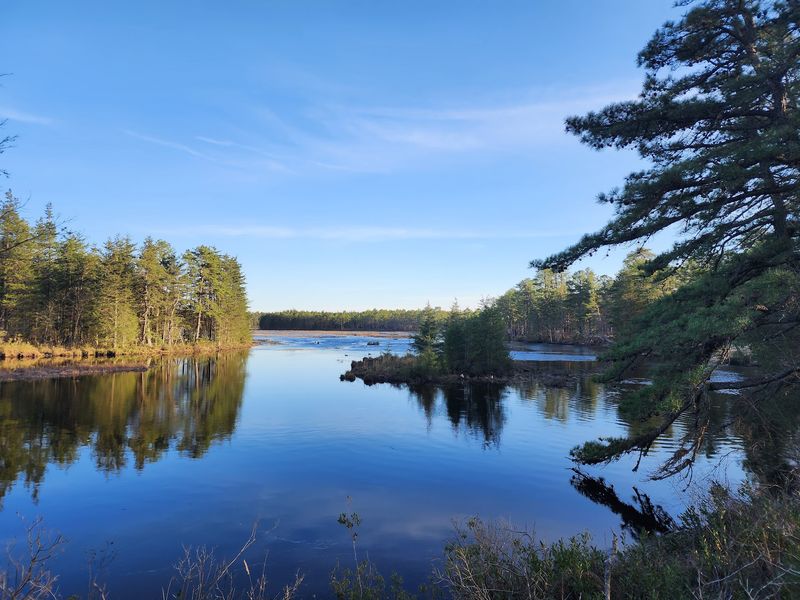
Somewhere in southern New Jersey sits a stretch of wilderness so large you could wander for days without retracing a single step. It holds tea-colored rivers, sandy paths, quiet ponds, and hundreds of miles of unpaved roads that seem to lead nowhere and everywhere at once.
Beavers build here, bald eagles circle overhead, and the tall pines give the whole place a hush that feels far removed from busy highways and packed parking lots. Campers pay as little as a few dollars a night, paddlers glide down slow-moving water, and hikers count their miles without bumping elbows.
What makes this forest the largest of its kind in the state, and why do families keep returning year after year? Keep reading to find out where quiet still rules.
A Forest the Size of a Small County
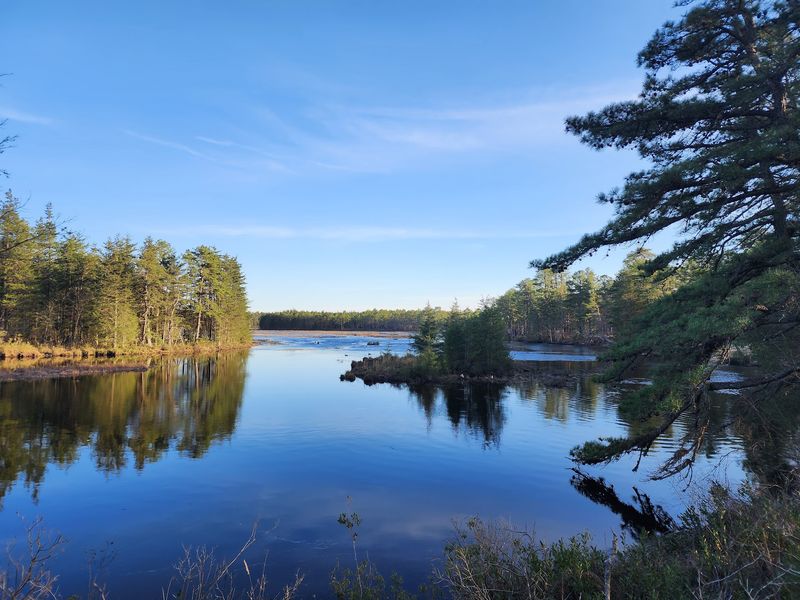
Tucked into the Pinelands of southern New Jersey, this enormous preserve spreads across more than 100,000 acres, earning it the title of largest state forest in the state. The main office and visitor hub sit at 31 Batsto Rd, Hammonton, NJ 08037, within the historic corner known as Batsto Village.
Woodlands, rivers, lakes, and ponds stitch together into one giant patchwork of nature. Roughly 500 miles of unpaved roads thread through the trees, meaning explorers rarely run out of fresh ground to cover.
The scale is the whole point. With so much room, the crowds spread thin, and quiet becomes the default rather than the exception.
Regulars describe it as stepping into another world, one where highways feel a lifetime away. The forest holds a strong 4.7-star average across more than 2,000 pieces of feedback, which says plenty about how people feel once they arrive.
Newcomers often start at Batsto and let the map pull them deeper. There is no rushing a place this size, and that slower pace is exactly what keeps people coming back for more.
Where the Pine Barrens Tell Their Story
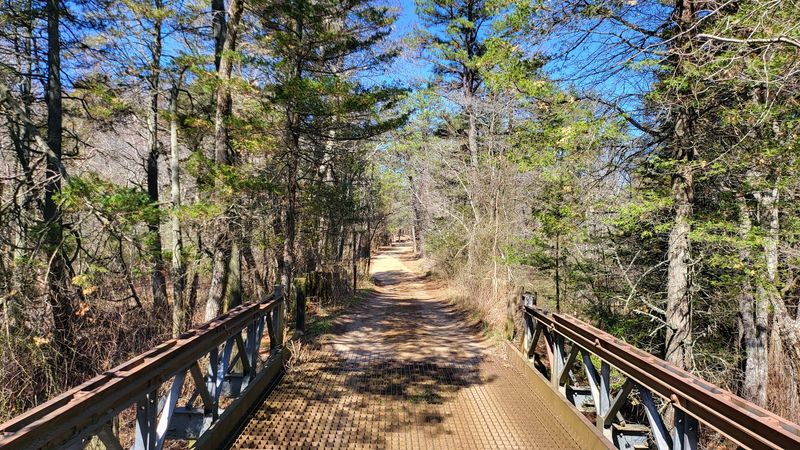
Long before the trails filled with hikers, this land was shaped by industry and iron. Batsto Village, near the main entrance, carries traces of that earlier chapter with its preserved buildings and a front desk staffed by folks known for being warm and helpful.
The Pinelands stretch far beyond the forest boundaries, forming one of the most distinctive natural regions in the eastern United States. Sandy soil, low pines, and slow rivers define the character here.
Walking the grounds, it becomes clear the forest is more than a recreation spot. It is a living record of how people once worked the land and how nature slowly reclaimed it.
Abandoned railroad tracks still cut through parts of the woods, hinting at the busy days of the past. Those old lines make quietly compelling waypoints for curious wanderers.
The blend of history and wilderness gives the place a texture few parks can match. You can spend a morning learning the backstory and an afternoon disappearing into the trees.
Tea-Colored Rivers Made for Paddling
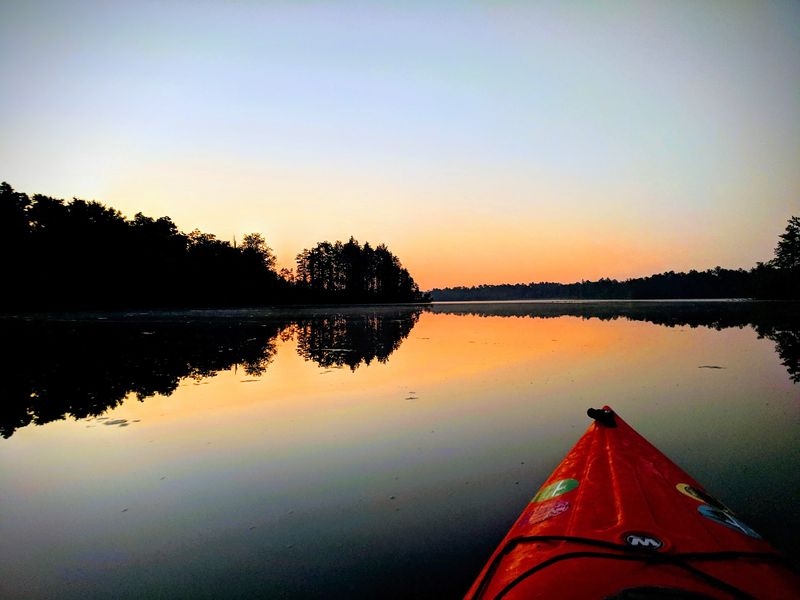
Few activities capture the spirit of this forest like a slow float down the Mullica River. Paddling shows up more often than almost any other topic among those who share their trips, and for good reason.
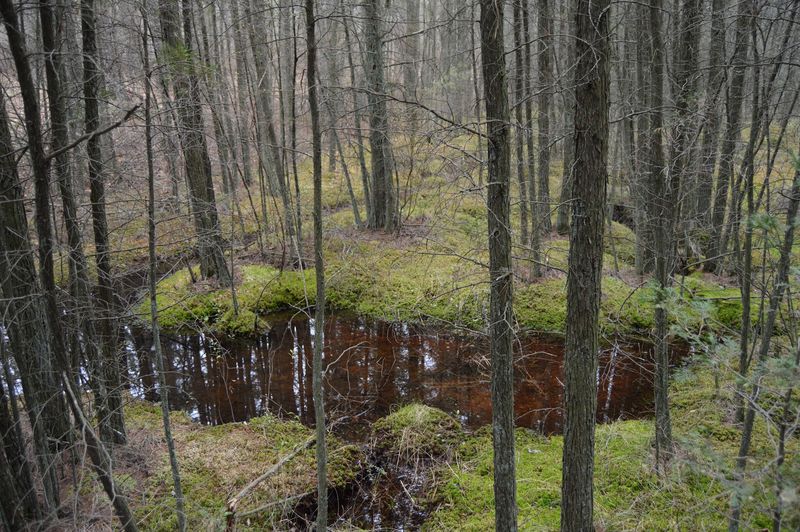
The water carries a deep, tea-like tint from the natural tannins in the soil, giving each trip a look all its own. Kayaks and canoes glide past lily pads, turtles, frogs, and the occasional beaver dam.
Trips can be arranged through Pinelands Adventures, which rents boats and helps with logistics. Booking ahead makes the whole outing smoother, especially during warmer months.
Atsion Lake ranks as a favorite launch point for families who return year after year. The calm surface suits beginners and seasoned paddlers alike.
Lucky paddlers have spotted river otters playing in the current and osprey circling above. Every bend seems to hold a small surprise, which is exactly what keeps paddles in the water here.
Miles of Trails Without the Traffic
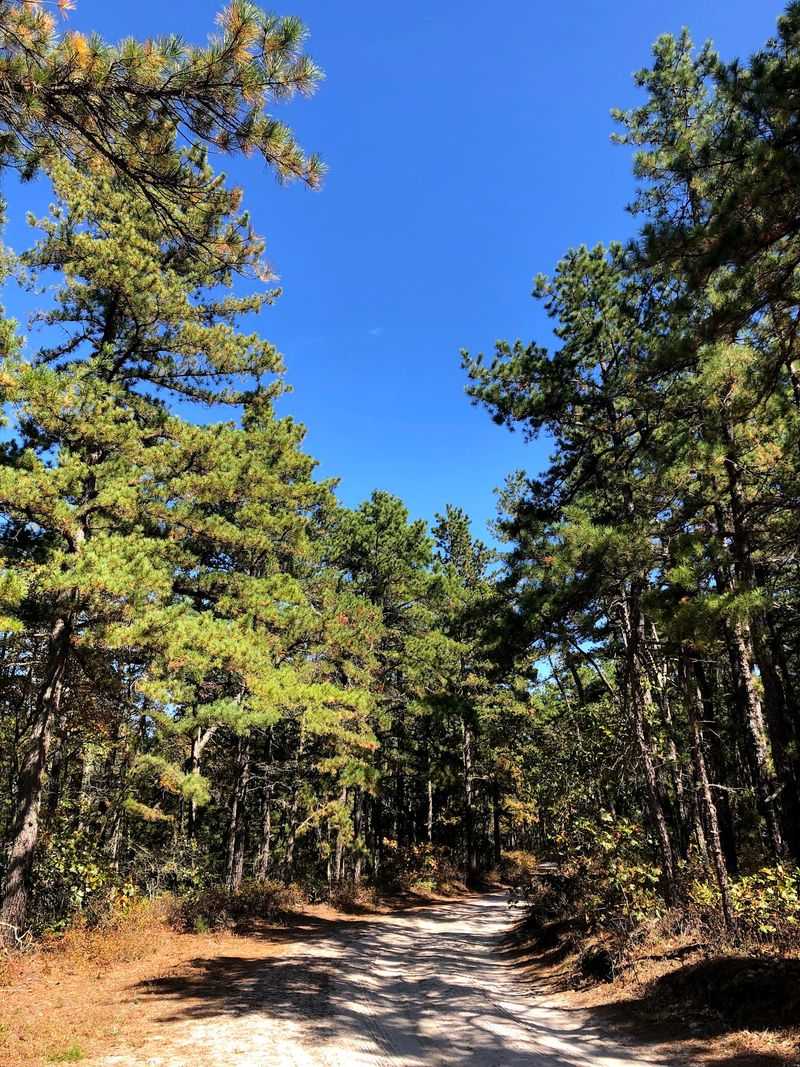
Hiking dominates the conversation here, with well over a hundred people singling it out as a highlight. The reason is simple: there is a trail for nearly every mood and skill level.
The white trail runs under four miles and stays gentle enough for casual walkers. Longer routes like the Mullica River Trail reward those who want to log serious distance across the wilderness.
Paths tend to be clean and well maintained, though markers on some longer routes sit far apart. A navigation app like Trails helps keep everyone on course where signs grow scarce.
Wildlife often makes an appearance along the way, from white-tailed deer to rabbits and countless birds. Even an eight-mile day can leave hikers wishing they had time for more.
The northern section currently has a spot where a bridge is missing, so a little planning goes a long way. Beyond that small hiccup, the trail network earns high marks from beginners and veterans both.
Camping That Barely Dents the Wallet
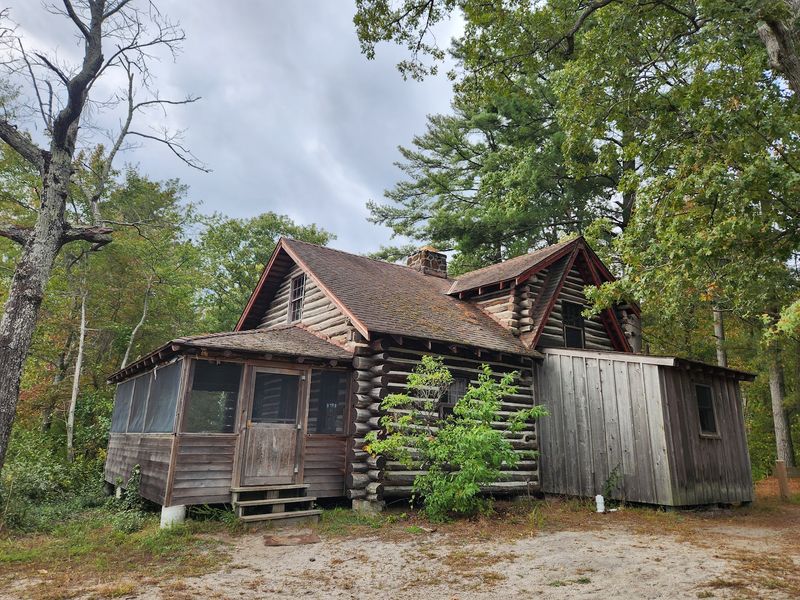
Budget-minded campers find a lot to love in this forest, where prices stay refreshingly low. Goshen Pond offers primitive camping for as little as three dollars a night for New Jersey residents, which is tough to beat anywhere.
Atsion Family Campground steps things up with toilets, showers, and water spigots scattered around the sites. Several spots can fit RVs, and some even sit right along the water.
Campsites here tend to run large, giving groups room to spread out. Favorites like sites 8, 10, and 12 get name-checked again and again by returning families.
Electricity is not part of the deal at most spots, so plan for an unplugged stay. That trade-off is part of the appeal for people chasing a real break from screens.
Reserving and paying online ahead of time is quick and easy. With cabins, family campgrounds, and remote hike-in sites all on offer, there is a style of stay for just about everyone.
Backcountry Nights Deep in the Wilderness
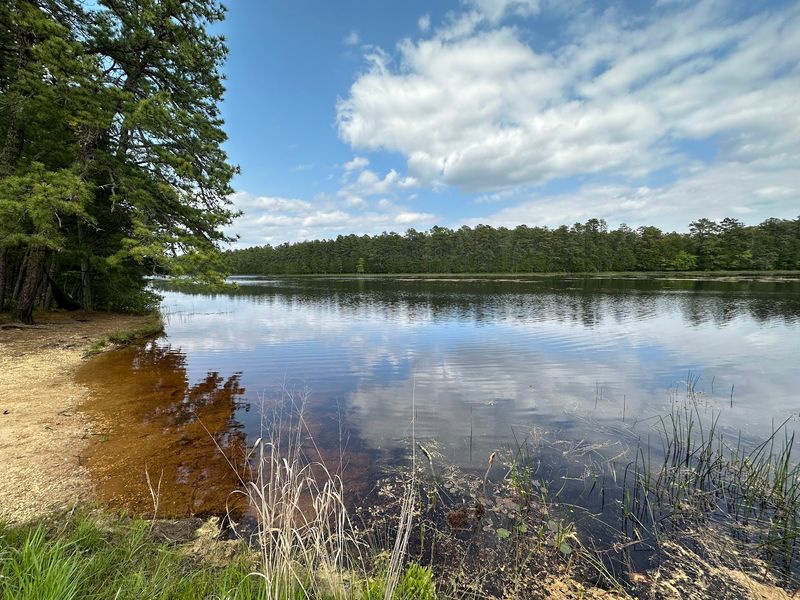
For those craving true solitude, the Mullica Wilderness campground delivers a hike-in experience far from the crowds. Getting there means carrying your gear on foot, so packing smart matters.
Facilities are stripped down to the basics, with an outhouse and, at times, no potable water available. Bringing a water purification method is essential for multi-night backpacking trips here.
Fire rings come equipped with grills, and several sandy paths lead down to the shore of the Mullica River. The riverside access makes the effort of hiking in feel well worth it.
The reward is a stretch of wilderness where the sense of being miles from anywhere runs deep. Tall pines and open sky create a setting that feels genuinely remote.
Backpackers who tackle the full Mullica River Trail often turn it into a two or three day adventure. It is the kind of trip that sticks in the memory long after the boots come off.
Five Hundred Miles of Unpaved Roads
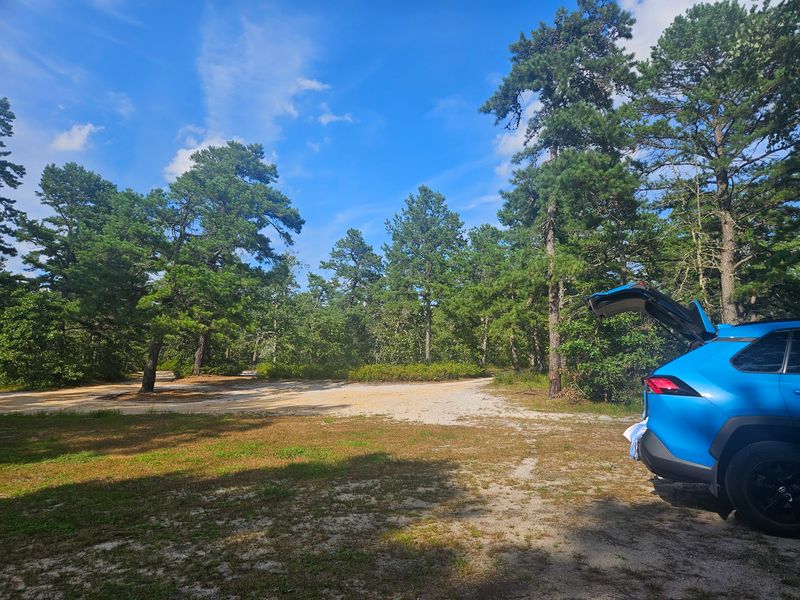
Off-roading draws a dedicated crowd, showing up dozens of times among the topics people talk about most. With roughly 500 miles of unpaved roads, the forest offers a serious playground for those with the right vehicle.
Sandy tracks and puddle-filled lanes wind through the pines, opening up corners of the woods most visitors never reach. The sheer mileage means there is always another route to try.
A word of caution travels with this activity, though. Park rangers reportedly discourage reckless off-roading, and some rough spots can catch drivers off guard, so careful, respectful driving keeps everyone happy.
Dirt bike and mountain bike enthusiasts also find room to roam among the many trails. The variety of surfaces suits a wide range of two-wheeled adventures.
Sticking to permitted routes protects both the land and your ride. Handled with care, exploring these back roads becomes one of the most rewarding ways to see the forest.
Wildlife That Steals the Show
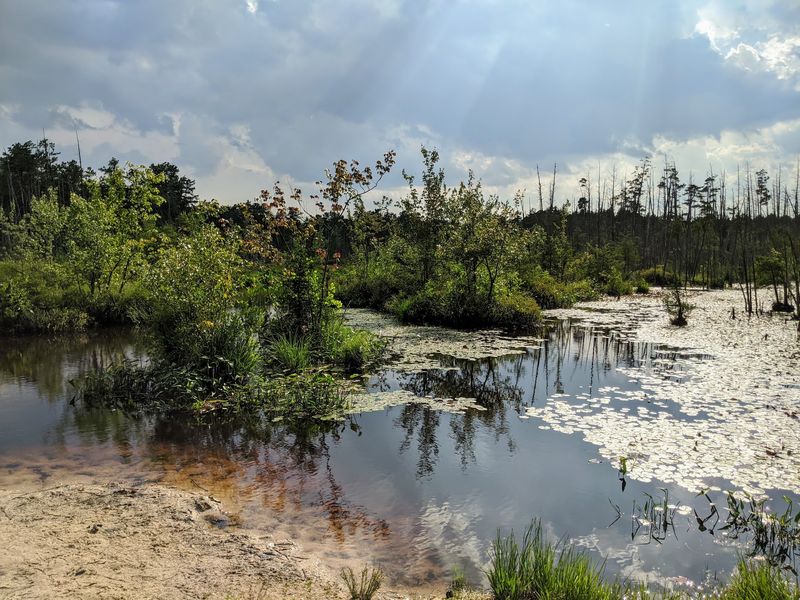
The animal life here turns an ordinary walk into a small safari. Bald eagles and osprey ride the skies while beavers work the rivers below, crafting their dams with steady determination.
Along the water, turtles sun themselves and frogs call from the shallows. River otters occasionally surface to play in the current, a sight that delights anyone lucky enough to catch it.
On land, white-tailed deer move gracefully through the trees, and rabbits dart across the trails. Birdwatchers can fill a notebook with the many species passing through.
Early June brings blooming wildflowers, and lotus flowers put on a show from June into August. The changing seasons keep the scenery fresh from one visit to the next.
The forest supports a thriving ecosystem that feels wonderfully alive. Spending a quiet hour near the water often rewards patience with a memorable encounter.
Quiet That Feels Genuinely Rare
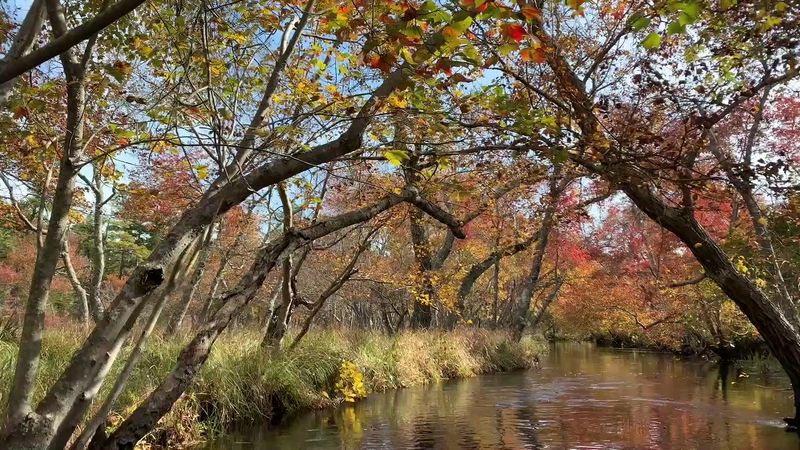
Peace is the currency this forest trades in most. Away from the busy campgrounds, the paths grow still enough that the wind through the tall pines becomes the main soundtrack.
People who bike here return for that calm above all else, describing the ride as a genuine escape from daily noise. The easy, flat trails make it welcoming even for those new to cycling.
Nights fall especially quiet in the remote areas, and the sense of separation from the rush of ordinary life runs deep. It is the kind of stillness that resets a frazzled mind.
Not every corner is silent, of course. Busier campgrounds can carry some daytime road noise and lively family groups, so choosing your spot shapes the mood of your stay.
Seek out the quieter zones and the forest rewards you handsomely. For anyone worn down by crowds, this is where the volume finally drops.
A Playground for First-Time Adventurers
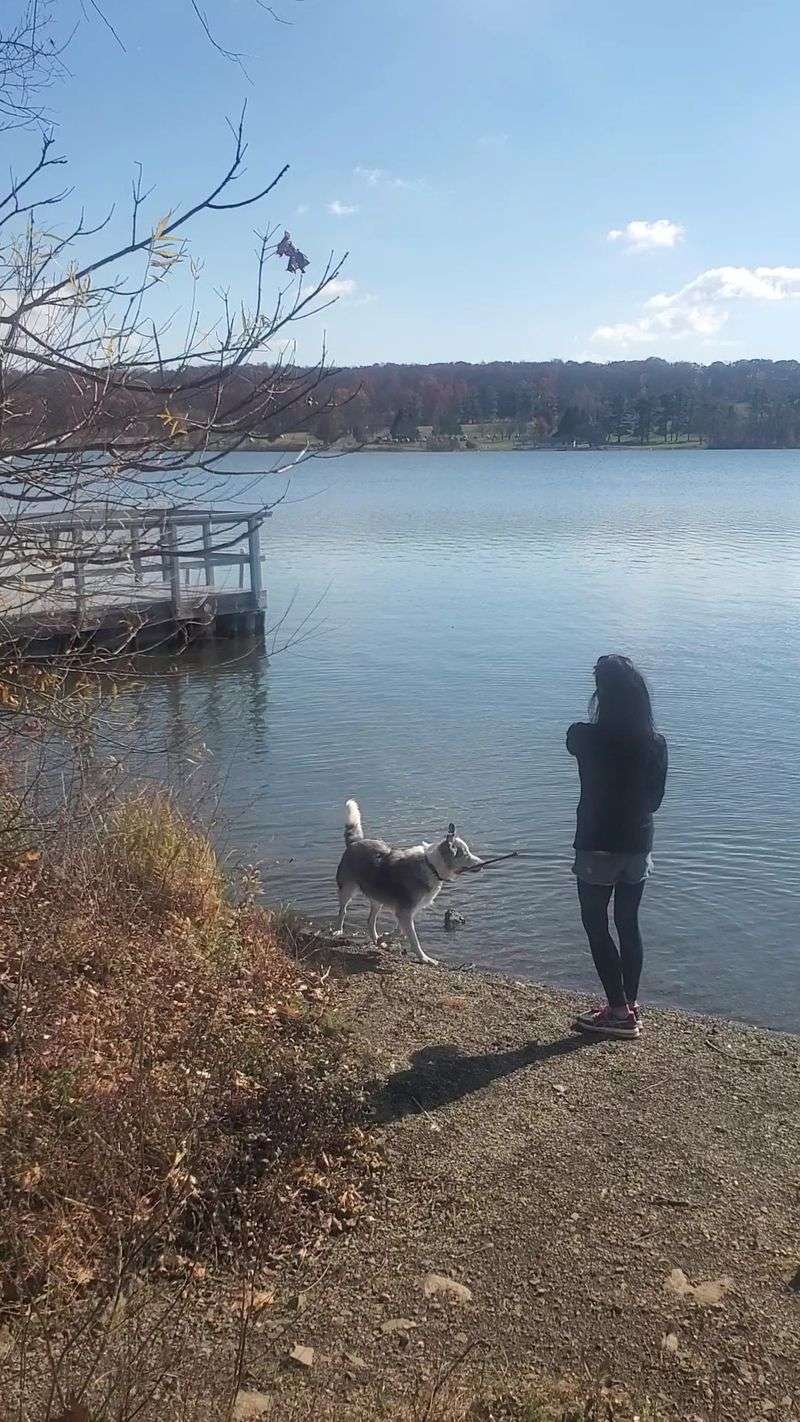
Beginners get a warm welcome across nearly every activity here. Short, flat trails make first hikes and bike rides approachable without draining anyone’s energy.
The gentle white trail earns high praise for newcomers, and calm lake water suits those trying a kayak for the first time. Nothing feels overwhelming, which builds confidence quickly.
Families with young children find plenty to do without needing expert skills. Campgrounds geared toward novices offer clean facilities and roomy sites that ease the learning curve.
Large groups fit comfortably too, making it a solid pick for family reunions and friend gatherings. The wide-open spaces absorb crowds without feeling packed.
Some campers have stayed in the cabins for over a decade, bringing new relatives along each year. That kind of loyalty speaks to how easily the place folds people in, whether they are seasoned outdoorsy types or total rookies.
Come Prepared for Ticks and Sandy Ground
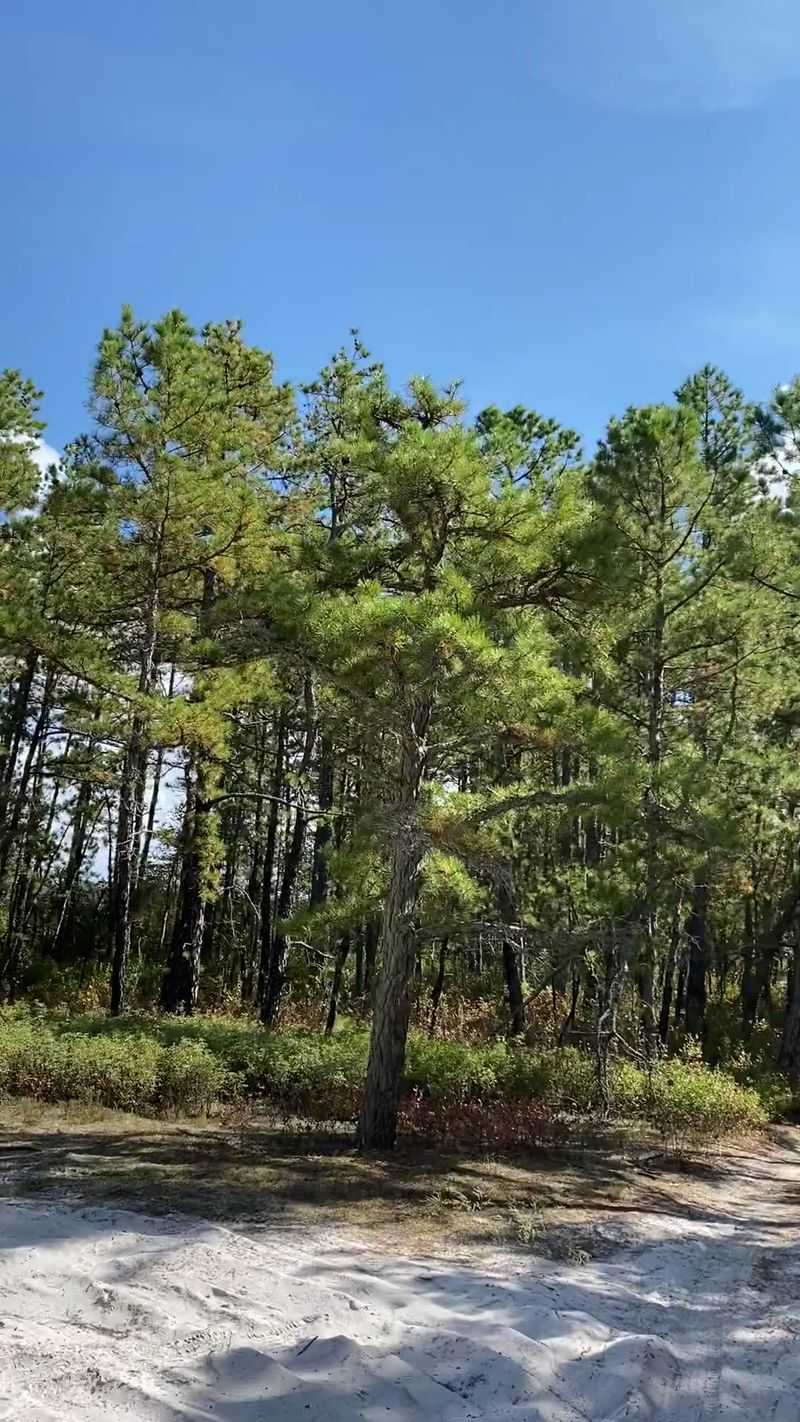
A little preparation makes a big difference in this environment. Ticks are common during warm weather, and several kinds live throughout the forest, so repellent belongs in every bag.
Checking yourself after a hike is a smart habit, since a careful look can catch a hitchhiker before it becomes a problem. Cooler months bring fewer of these tiny pests for those who prefer a worry-free walk.
The ground here runs extremely sandy, a signature feature of the Pinelands. That soft footing shapes everything from driving to setting up a tent.
Some primitive areas skip picnic tables and offer only a fire pit with a grill, so folding chairs can be a welcome addition. Knowing the setup ahead of time helps you pack right.
Water sources vary by area, with well pumps in some spots and none in others. A quick check of your chosen site before arriving keeps the trip smooth and stress-free.
Getting There, Fees, and Good-to-Knows
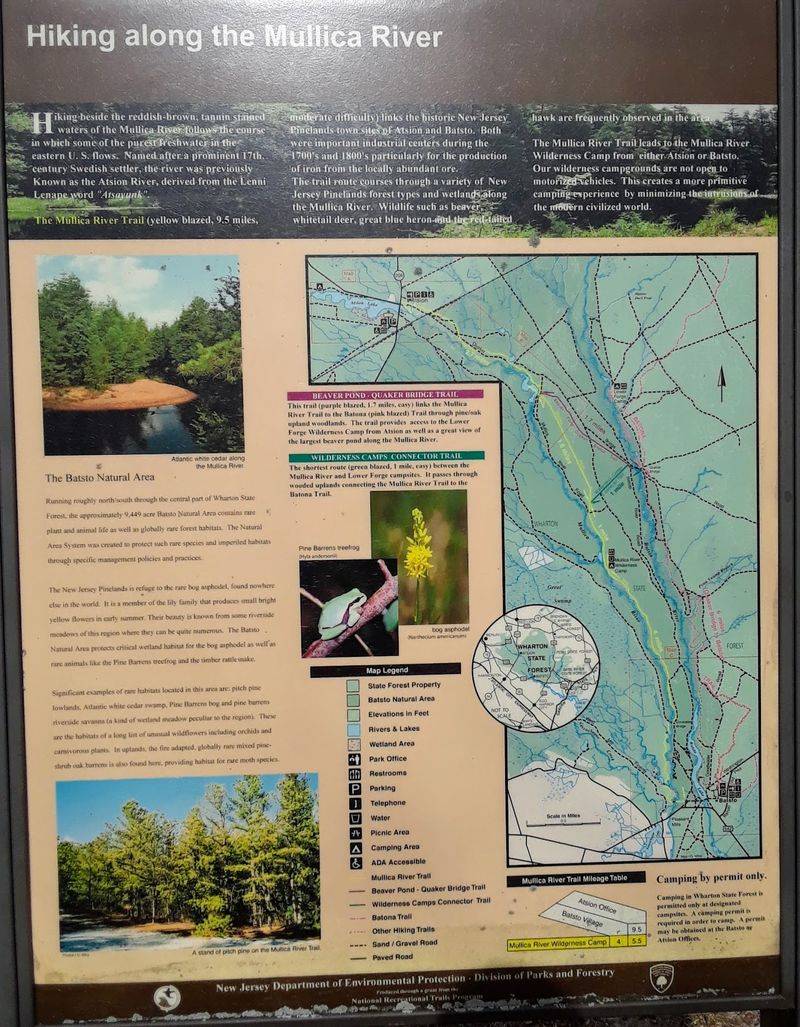
Finding the forest is straightforward, with the main office located at 31 Batsto Rd in Hammonton, New Jersey. That address makes a natural first stop for maps and friendly guidance.
Entry fees stay reasonable and shift with the season. Day-use rates have run around ten dollars per car on some weekends, with higher fees noted during peak times, so checking current pricing before you go is wise.
Camping costs range from just a few dollars for primitive sites to modest fees for family campgrounds with more amenities. Reservations can be handled online well in advance.
The park operates under the New Jersey Department of Environmental Protection, and its website lists up-to-date details. Rangers here have a reputation for being approachable and helpful.
An honor-system farmstand and firewood stand sit across from one entrance, adding a homey touch. A trash bag is often provided so you can pack out what you bring in and keep the woods tidy.
Why This Forest Earns Its Loyal Following
Everything about this place points toward slowing down and staying a while. The combination of low prices, endless trails, and honest quiet builds a rare kind of loyalty among those who visit.
Some families have returned for more than a dozen years, treating the cabins and campgrounds like a second home. That steady stream of repeat trips tells its own story.
With more than 100,000 acres to explore, no two visits ever feel quite the same. There is always a new river bend, a fresh trail, or an unexplored back road waiting.
The strong 4.7-star average reflects how deeply people connect with the wilderness here. It is a spot where paddling, hiking, camping, and simply doing nothing all fit comfortably.
For anyone tired of shoulder-to-shoulder parks, this sprawling forest offers the opposite. Trade the crowds for miles of quiet Pine Barrens trails, and you may find yourself planning the next trip before the first one ends.
Enjoyed this story?
Add Fast Food Club as a preferred source to see more of our reporting on Google.