


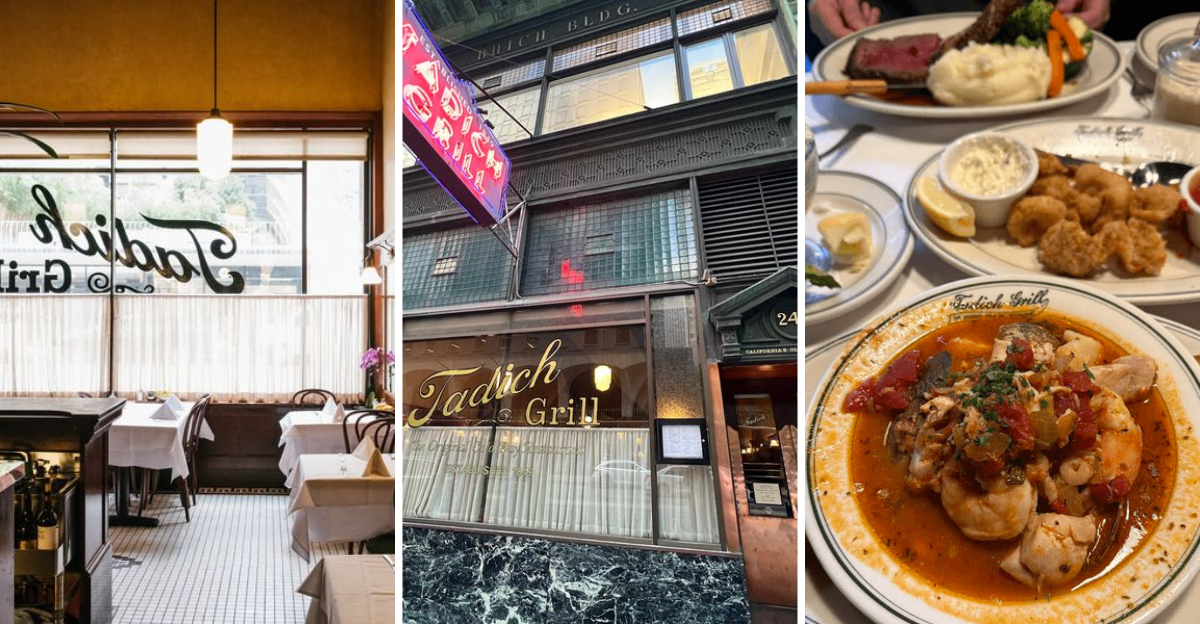
Some restaurants keep the lights on for a decade or two and call it a good run. One spot in San Francisco has been feeding hungry crowds since three immigrants pitched a coffee tent near the old waterfront back in 1849.
That was during the Gold Rush, when the city was barely a city at all. The place has outlasted earthquakes, fires, and the arrival of every dining trend under the sun, yet it still runs a busy counter and packs its wooden booths every week.
Waiters in white jackets still glide across the floor, and the menu still leans on recipes that have been around longer than most cities out west. Curious which grill has managed all of this and why folks keep coming back?
Keep reading, because this history comes with a hearty side of flavor.
The Oldest Table in California
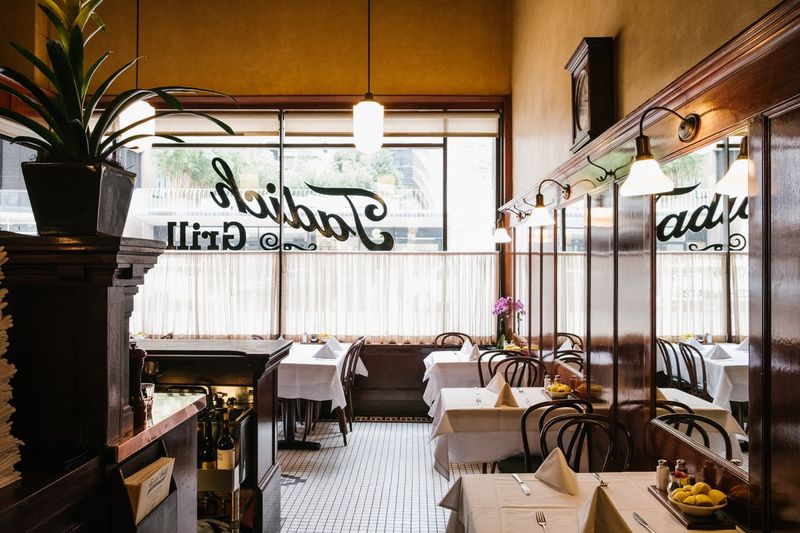
Anchored at 240 California Street in San Francisco, this landmark carries the title of the oldest continuously operating restaurant in California. That is not a marketing line dreamed up last week.
The roots trace back to 1849.
Three Croatian immigrants set up a simple coffee stand near the old waterfront, and the story grew from there. Eighteen years later a man named John Tadich bought the little eatery and stamped his name on it.
The address you visit today is not the original spot. After the 1906 earthquake, the restaurant relocated, then shifted a few more times before settling into its current home in the heart of the Financial District.
In 1934 the Buich family took over, and they still run the show generations later. That kind of continuity is rare in the restaurant world, where places tend to come and go quickly.
Walk through the door and you land inside a working piece of the city’s past. It is not a museum with velvet ropes.
It is a busy grill that happens to have more than 175 years of stories behind the counter.
Survivor of Earthquakes and Hard Times
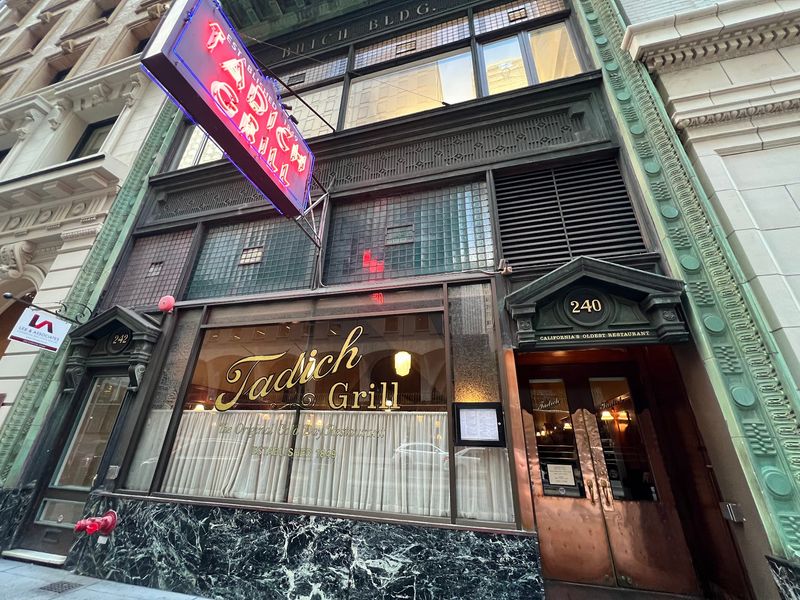
Staying open for well over a century takes more than good cooking. This grill has weathered earthquakes, fires, recessions, and recent shutdowns, and it has come out the other side still serving.
The 1906 earthquake forced the first big move, and the business simply picked up and kept going. Each setback that flattened other establishments became just another chapter here.
Longtime regulars talk about the place with a kind of loyalty that spans decades. One diner recalled that her mother ate there 40 years earlier and pointed her toward the same doors.
That thread from one generation to the next is part of what keeps the tables full. Grandparents bring grandchildren, and the cycle repeats.
What makes the endurance more impressive is that nothing feels frozen in time in a stale way. The kitchen still turns out fresh food daily, and the room still hums with energy.
Surviving 175-plus years is not luck. It is the result of a family holding steady while the city changed around them again and again.
White Jackets and Wooden Booths
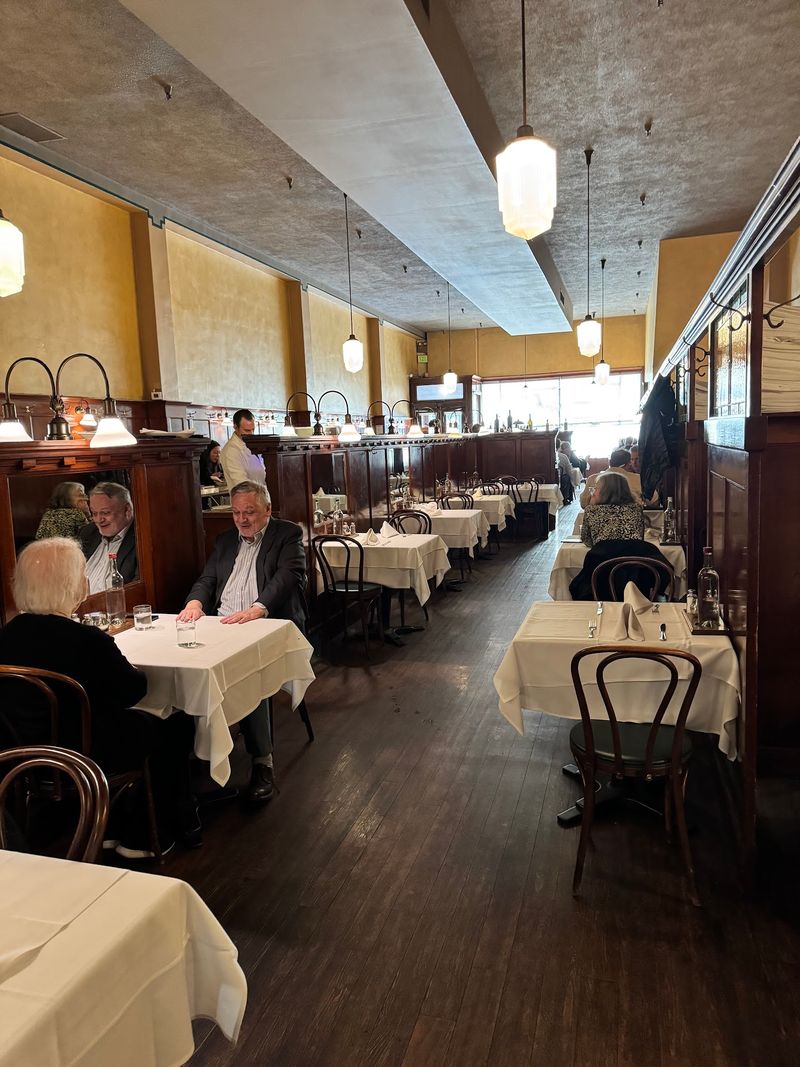
Old-school charm is the whole personality here, and the room wears it proudly. Dark wood paneling, a long polished counter, and cozy private booths set the tone the moment you arrive.
Servers move through the space in crisp white jackets, a look that has held steady for generations. White tablecloths finish the classic picture.
Regulars describe the setting as a step back into an earlier San Francisco, the kind of formal-but-friendly dining that newer spots rarely attempt. The counter seating draws plenty of solo diners and pairs who like the front-row view.
Booths, on the other hand, offer a tucked-away spot for small groups and longer conversations. The clientele has shifted over the years from suited deal-makers to a more casual crowd in quarter-zips and slacks, but the polish of the room remains.
Seating is limited, and the space fills up fast. Part of the appeal is that snug, well-worn feeling of a place that knows exactly what it is.
The Cioppino That Keeps People Coming Back
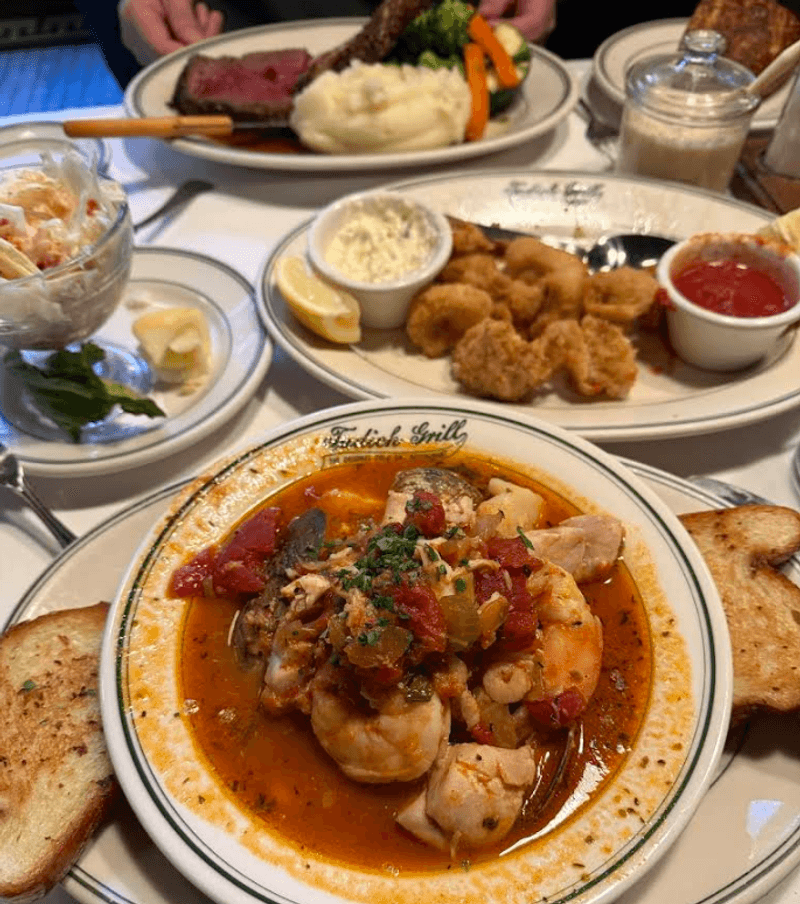
If one dish defines this grill, it is the cioppino, San Francisco’s own seafood stew. It is the single most talked-about item on the menu by a wide margin.
The bowl arrives generous and packed with scallops, clams, shrimp, mussels, and white fish, all swimming in a tomato-based broth. The sauce lands rich without going overboard, and the seafood stays high in both quality and quantity.
Some diners come in fully intending to try something new, then order the cioppino yet again out of pure habit. It has that kind of pull.
Dipping a piece of the house sourdough into the broth is practically a ritual for regulars. Many call it the best seafood dish they have ever had.
The grill has essentially perfected the local classic over the decades, which is why it tops nearly every recommendation. When someone says they came in for cioppino or nothing at all, they usually leave grinning.
Order it once and you may understand why so many people cannot seem to break the habit.
A Menu Built on Seafood Classics
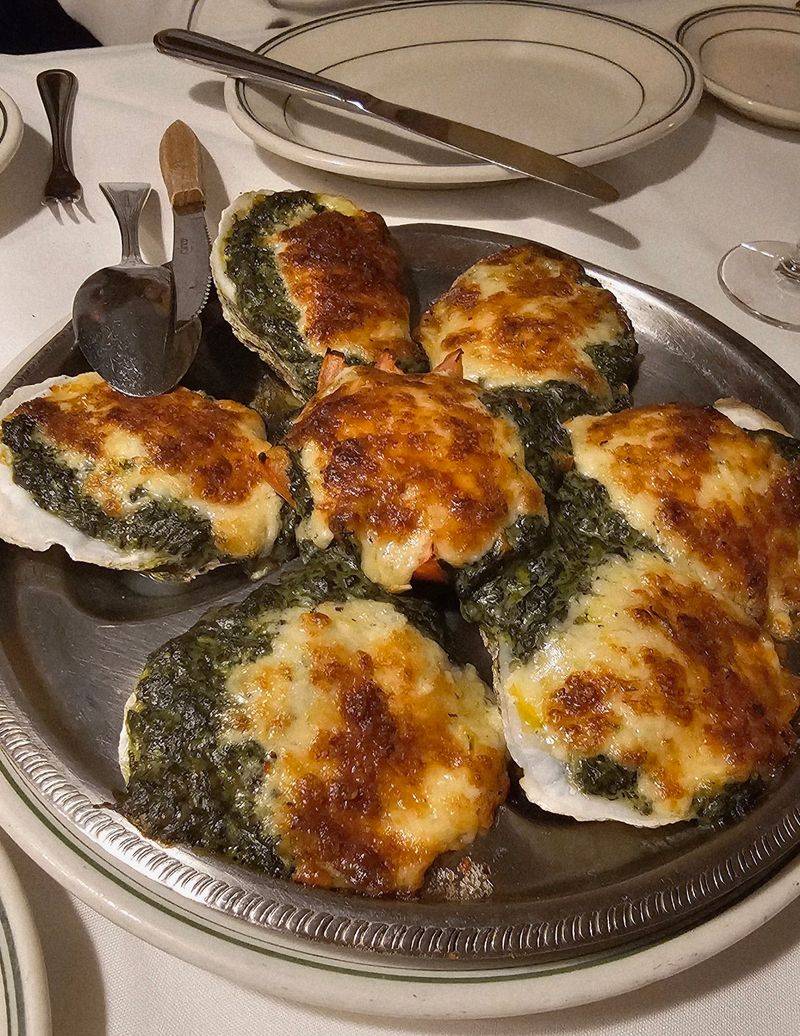
Beyond the star stew, the lineup reads like a greatest-hits collection of seafood done right. The kitchen still cooks fresh local fish over a mesquite charcoal broiler, a technique that has stuck around for good reason.
Dungeness crab cakes earn frequent praise for being loaded with crab and light on filler, with a crisp outside. Oysters Rockefeller show up packed with seasoned filling that some call the best they have found in the state.
Pan-fried petrale sole, clam chowder in both the Boston white and Coney Island red styles, oysters, and the sampler seafood platter round out the favorites. The platter is a smart pick for anyone who wants to try a little of everything.
The menu runs long enough to feel overwhelming, so servers happily walk newcomers through the options. Many will even bring a cup of each chowder when a table cannot decide.
Meat eaters are not left out either, with prime rib, filet mignon, steaks, stews, and casseroles holding their own. Eating with a small group is a common tip, since it lets everyone sample more of the spread.
Sourdough, Cocktails, and Sweet Finishes
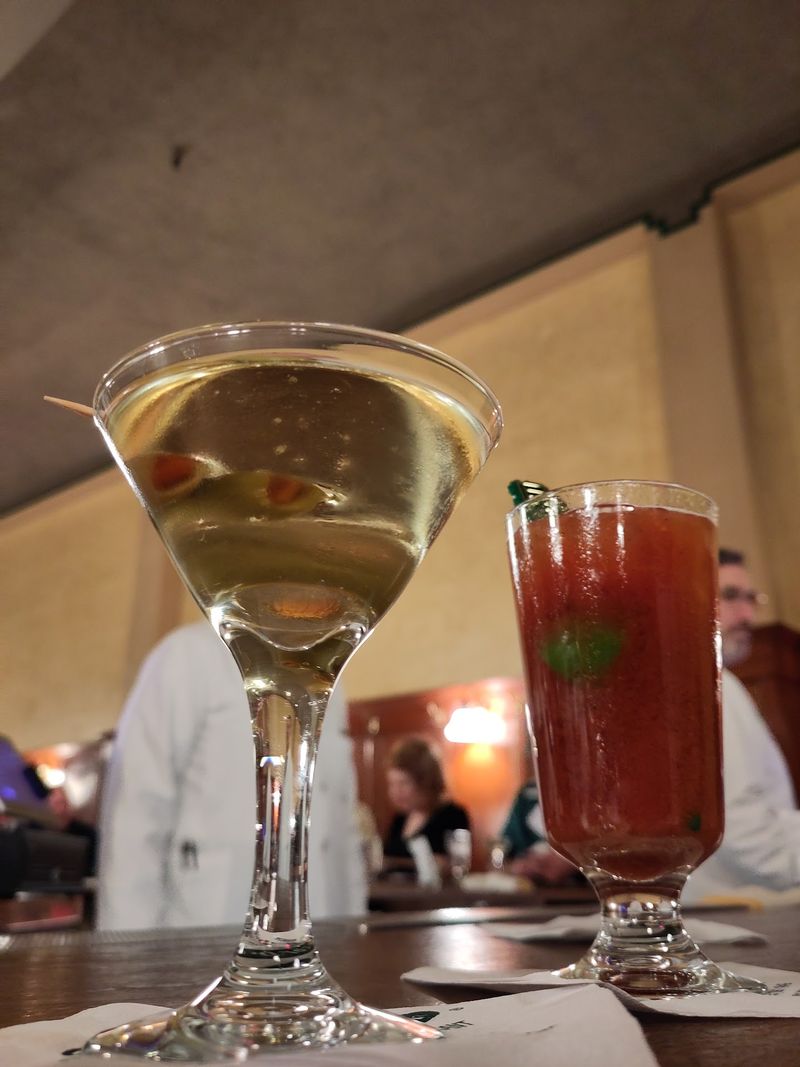
Little extras do a lot of heavy lifting around here. Complimentary bread and butter still land on the table, a warm touch that has become rare at newer places.
The sourdough gets called out again and again as the perfect partner to the seafood, especially once it meets that cioppino broth. It is the kind of bread people happily fill up on before the mains arrive.
The bar program keeps pace with the food. Classic cocktails pour strong, and the Sidecar has earned its spot as a standout, even getting a shout-out on the cocktail menu itself.
Wine lists pair well with the seafood, and the drinks tend to arrive with a generous hand. Bloody Marys here have a reputation for packing a punch.
Save room if you can, because the desserts close the deal nicely. The cheesecake draws big compliments, and the Bourbon Bread Pudding with coffee makes a fitting end to a hearty meal.
Small details like these are exactly what long-standing spots do best.
Service That Comes With Stories
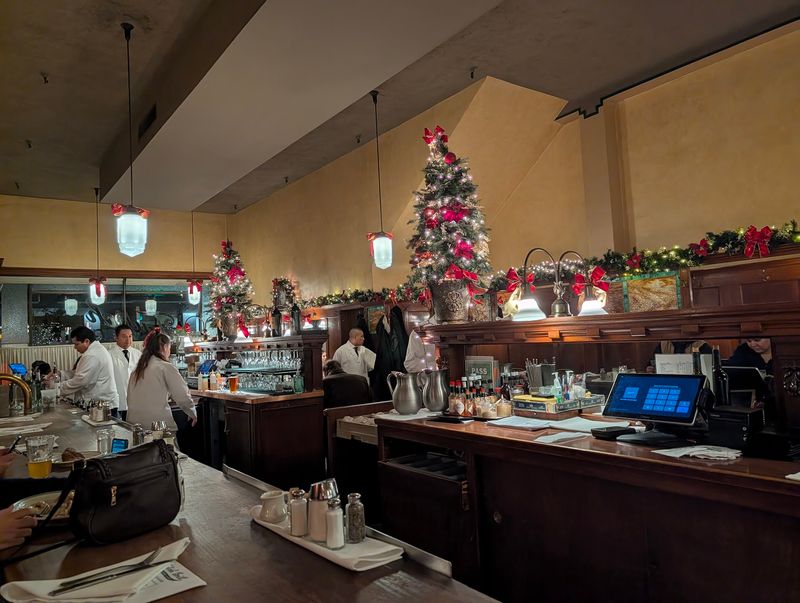
The people working the floor here are a big part of the draw. Many servers have logged decades at this grill, and they carry a deep well of stories about the room, the menu, and the city.
Attentive without hovering is the phrase that comes up most, along with well-paced timing that never feels rushed. Guests mention servers by first name in glowing terms, from patient menu guides to genuinely entertaining hosts.
Sitting at the counter is a smart move for solo diners or pairs who want to chat. Strike up a conversation and you might walk away with a slice of local history alongside your meal.
Staff regularly go the extra step, whether bringing both chowders to an undecided table or refilling the sauce on a dish before it runs dry. That kind of care adds real warmth to an already memorable visit.
Hospitality this steady is hard to fake, and it clearly comes from a team that takes pride in the place. The service, more than any single dish, is what turns first-timers into regulars.
Planning Your Visit
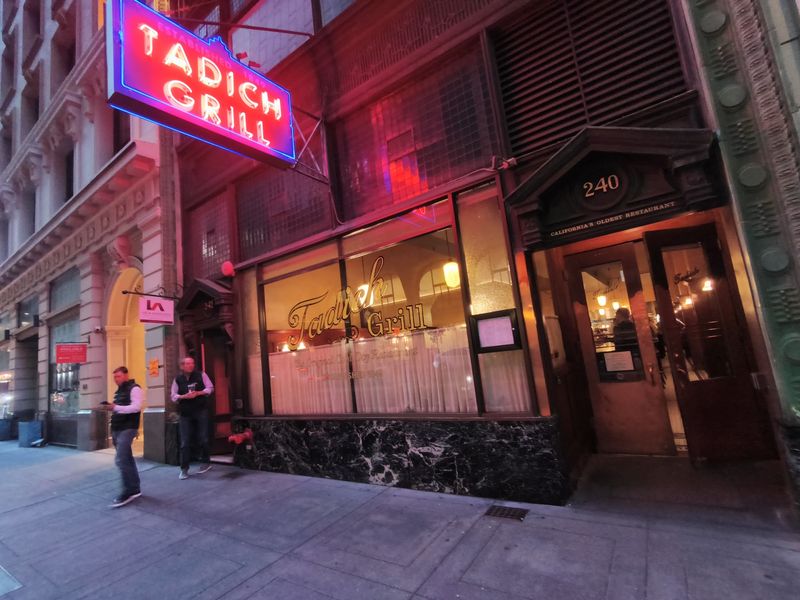
A few practical notes go a long way toward a smooth trip. The grill sits at 240 California Street in San Francisco, right in the Financial District.
Hours run 11 AM to 9 PM Monday through Friday, with Saturday shifting to 4 PM until 9 PM. The kitchen takes Sundays off, so plan around that closed day.
Reservations are strongly encouraged, since the place fills up fast and weekend slots book solid. Weekday tables tend to be easier to snag, and a Monday reservation can save the day when a busy Sunday is full.
Seating is limited, so counter spots may involve a short wait during peak times. The bar is a solid backup when tables are booked, and the food coming out of the counter service holds its own.
Expect a price range of roughly 50 to 100 dollars per person, which regulars call steep but generally worth it. Valet parking is available, a genuine relief in a neighborhood where street spots are scarce.
Smart-casual attire fits the room, though the vibe stays welcoming rather than stuffy.
Enjoyed this story?
Add Fast Food Club as a preferred source to see more of our reporting on Google.