


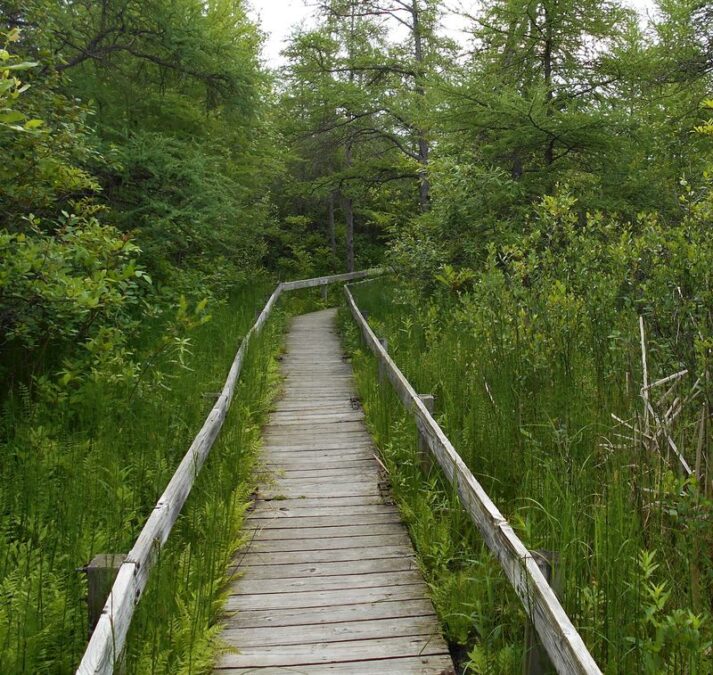
Somewhere in northern Illinois, a wooden pathway floats over water so still that it seems to hold its breath. Beneath your feet lies a spongy world left behind by a glacier that melted thousands of years ago, creating something so rare that the whole state has only one open-water example of it.
Frogs, turtles, cranes, and swallows all call this soggy little kingdom home, and a half-mile loop lets you walk right into the middle of it. This is a place where you can clear your head, learn some surprising geology, and spot wildlife without driving hours into the wilderness.
Keep reading, because this quiet preserve has more layers than its mossy surface lets on.
A Bog With Its Own Zip Code
Tucked away at 28478 W Brandenburg Rd in Ingleside, Illinois, sits a preserve that most people driving through Lake County never realize is there. It carries the name Volo Bog State Natural Area, and it protects one of the most unusual landscapes the state has to offer.
The property covers a large stretch of trails, marsh, and open water, all managed by the Illinois Department of Natural Resources. It earns steady praise, holding a 4.7-star standing across hundreds of ratings.
What draws people back again and again is the mix of quiet and curiosity. A short walk from the parking area brings you to a shelter, picnic tables, and the trailheads that branch off toward the heart of the bog.
Regulars mention that this is a spot to slow down rather than rush through. The land does not shout for attention, yet it rewards anyone who takes the time to look closely at what a glacier left behind.
The Glacier That Started It All
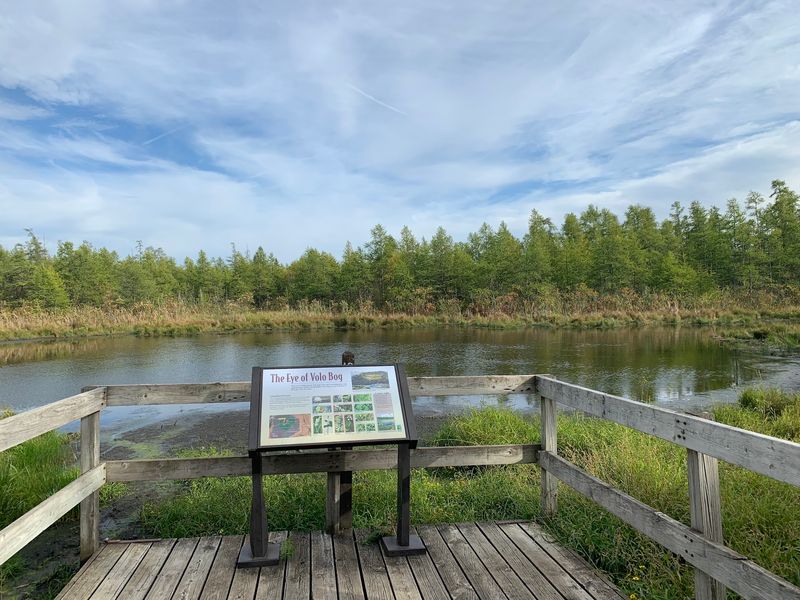
Long before there were trails or picnic tables, a chunk of prehistoric ice sat right where the center of the bog is today. As the glacier slowly melted, it left behind a deep pocket of water that never quite drained away.
Over thousands of years, plants crept in from the edges and formed a floating mat across the surface. That slow process created the quaking bog you can walk over now, where the ground shifts gently because it is truly resting on water.
Informational plaques along the trail lay out this history in detail, so you can piece together the story as you go. It turns a simple walk into a mini geology lesson without ever feeling like homework.
Understanding how the land formed changes how you see it. The still open water at the center is not a pond in the usual sense but the eye of an ancient landscape that has been quietly filling in for ages.
Walking On Water Without Getting Wet
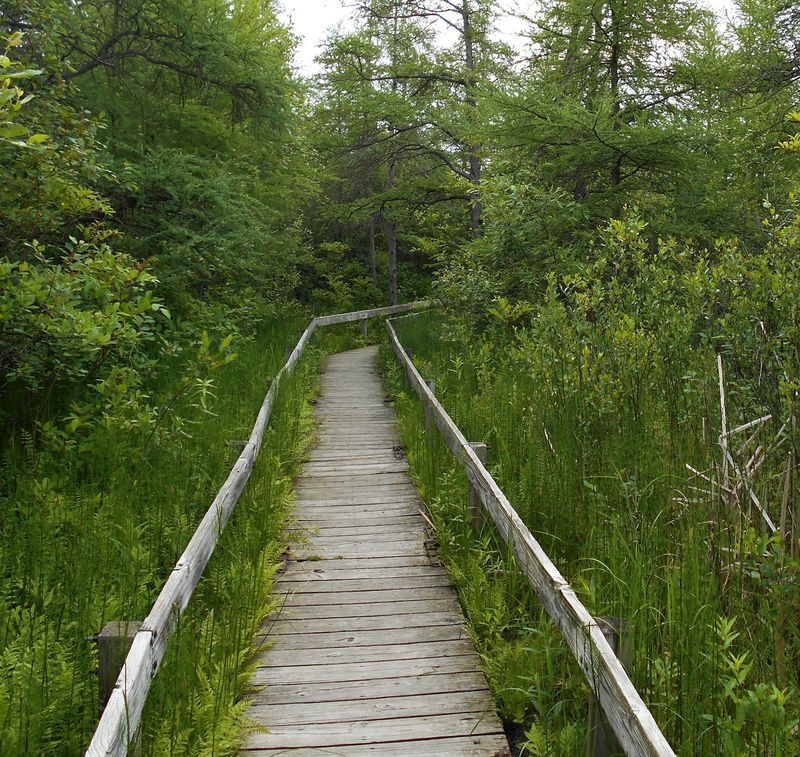
The star attraction here is the half-mile Interpretive Boardwalk that carries you straight through the middle of the bog. Because it floats over spongy, moss-covered ground, the surface can feel a little unstable underfoot.
That wobble is part of the charm. The walkway lets you reach the eye of the bog and its surrounding plant life, places you simply could not stand otherwise.
Regulars note that slip-resistant shoes make the trip far more comfortable, since the boards can be uneven in spots. During higher water levels, sections may be submerged under a couple of inches, so you sometimes have to turn back the way you came.
Guided tours are offered by knowledgeable staff who lead visitors over the floating boardwalk and explain the ecosystem as they go. It is the kind of route that makes people say they cannot wait to return.
Miles Of Trails Beyond The Bog
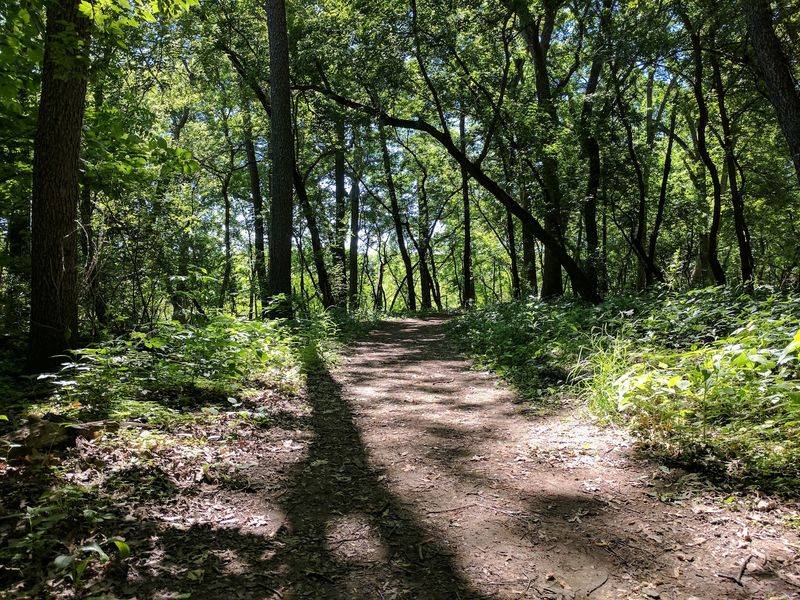
Beyond the famous boardwalk, the preserve spreads out into several miles of trails that circle the marsh. The main loop runs just over three miles, wrapping around the water and passing through changing scenery the whole way.
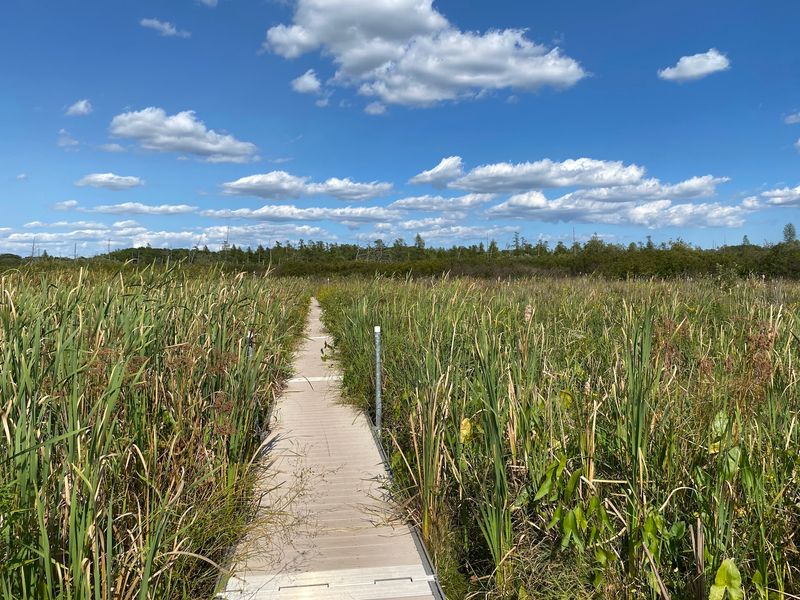
You will move from fields of cattails to open flower-filled clearings, then into deep woods full of gnarled old trees before the bog comes back into view. Some paths are single-track, others wide, with a mix of grass, dirt, and gravel underfoot.
Additional named routes like Prairie Ridge and Deerpath Loop give hikers options depending on how far they want to wander. Prairie Ridge is fairly open and sunny, while the terrain overall stays comfortably flat.
Trail markers help, though a few people admit the network can get confusing. More than one person planned a short stroll and ended up covering three miles by accident, so it pays to check where you are headed.
A Birdwatcher’s Quiet Favorite
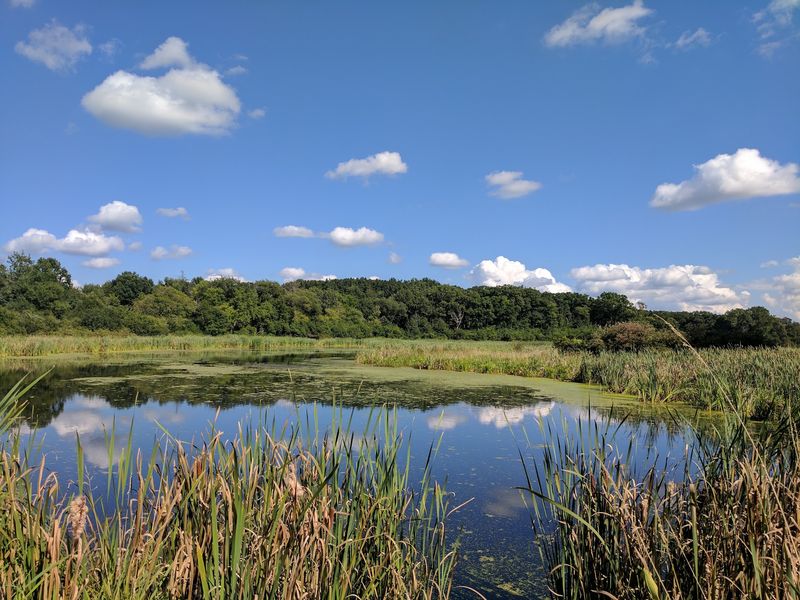
Bring binoculars and the preserve turns into a front-row seat for wildlife. Bird enthusiasts single this place out as one of their favorite spots, and the unique habitat pulls in a wide variety of species.
Blue-tinged tree swallows dart over the trails in warmer months, and sandhill cranes can be heard calling across the marsh. Herons and other water-loving birds show up depending on the season.
The mix of open water, cattails, and woodland gives many kinds of birds exactly what they need. That variety is a big reason people keep returning with their cameras and lists.
Even if you cannot name every bird you spot, the sheer amount of activity makes for a rewarding outing. It is a place where patience by the water tends to pay off.
Critters Around Every Bend
Wildlife here goes well beyond feathers. Depending on the time of year, walkers cross paths with turtles sunning themselves, snakes slipping through grass, and muskrats paddling near the water.
Rabbits and chipmunks are common sights along the trails, and the preserve even features a chipmunk-themed play area for younger explorers. Cranes, herons, and other creatures round out the cast of characters.
The bog also hosts surprising plant life for the mushroom-minded. People have counted a dozen fungus species in a single trip, including the pale, ghostly plant known as ghost pipes.
Frogs are a frequent topic too, adding their own presence to the wetland. With so much life packed into one small preserve, no two visits look quite the same.
The Visitor Center Worth A Stop
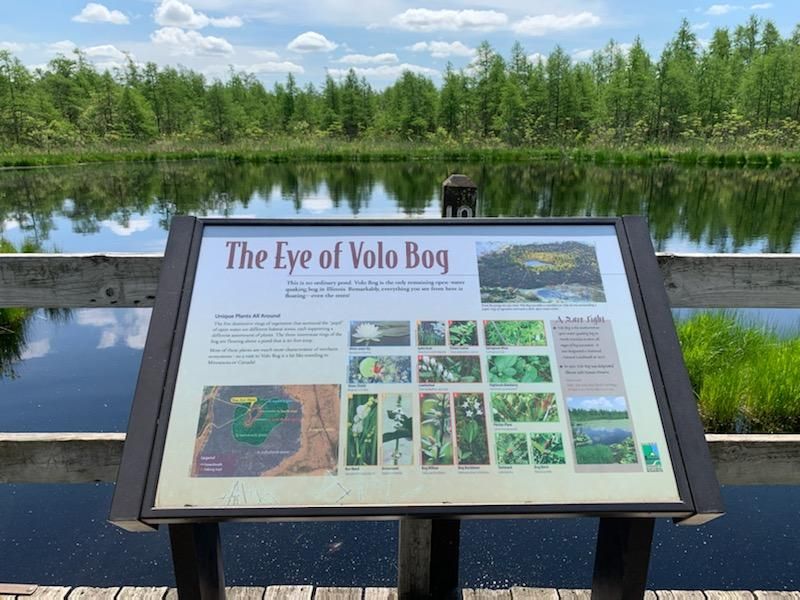
Skip the visitor center and you miss half the fun. Housed near the trailheads, it comes with restrooms inside, helpful staff, and a small gift shop that people genuinely enjoy browsing.
The displays dig into the geology and ecosystem of the bog, giving you context before you ever hit the boardwalk. Staff members are described as knowledgeable and happy to answer questions, which makes it a hit with curious kids.
Budget-friendly finds turn up here too. Someone walked away thrilled with a book that cost just a dollar, a reminder that the little shop hides a few treasures.
It is more than a pit stop before the trail. The center anchors the whole experience, turning a simple hike into something you actually learn from.
Every Season Tells A Different Story
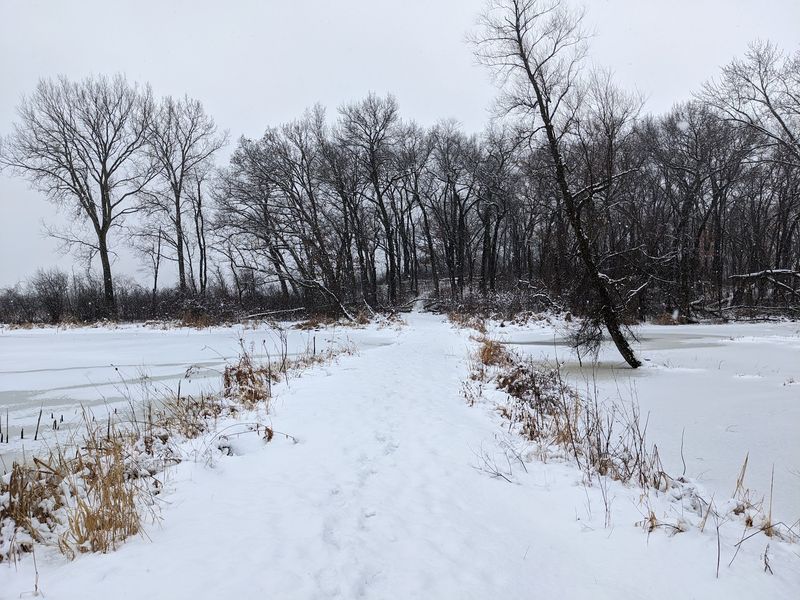
Return in a different month and the preserve barely resembles itself. Late July brings fields of blooming flowers, while mid-October lights up the woodlands with turning fall colors.
The real showstopper arrives around Halloween, when the tamarack trees in the bog turn a brilliant golden shade. It is a brief window that regulars circle on their calendars.
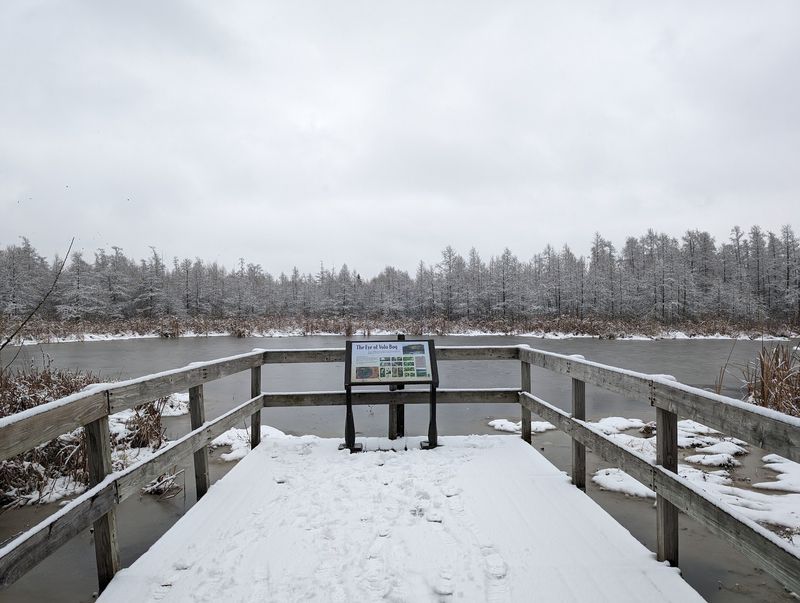
Even winter has its draw, with the trails open to cross-country skiing across the quiet landscape. People who visit in different seasons often say they discover a fresh kind of beauty each time.
That constant change keeps the place from ever feeling stale. One trip in spring and another in autumn can feel like two entirely separate destinations.
Come Prepared For The Wild Side
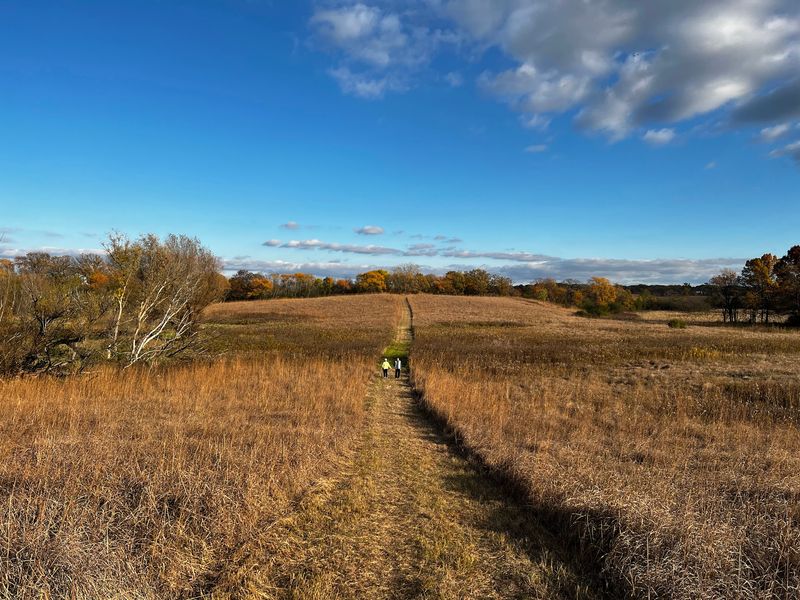
A little planning goes a long way at a working bog. The open fields can get sunny and warm, so a broad-brimmed hat helps shield your face on exposed stretches, especially in summer.
Bugs are part of the deal in the humid months. Gnats and deer flies can be pesky, so people strongly suggest bug repellent, and applying it to your face is not a bad idea.
Ticks deserve respect too. Even staying on the trail, some walkers have picked up a dozen before reaching the car, so a tick check afterward is smart.
Footwear matters as well. Sturdy outdoor shoes with grip beat lightweight sneakers, particularly when boardwalk sections sit low and water creeps over the boards.
Hours, Access, And The Fine Print
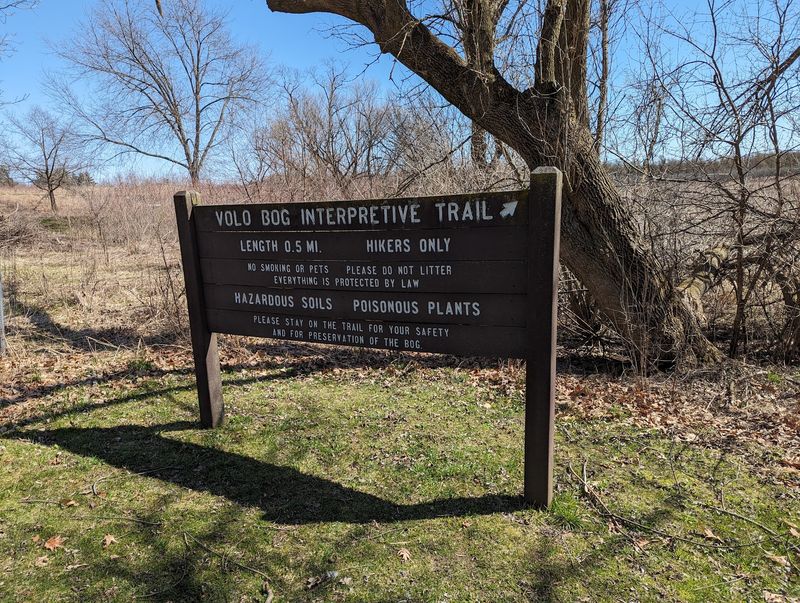
Planning a visit is refreshingly simple. The gates open at 8 AM every day and stay open until 7:30 PM, giving you a wide window to explore across the whole week.
The preserve sits at 28478 W Brandenburg Rd in Ingleside, an easy target for anyone in the northern suburbs of Illinois. It is managed as an Illinois state natural area, so information is available through the Department of Natural Resources.
A few rules keep the place healthy. Dogs are welcome on leashes across roughly five miles of trails, but they are not allowed on the half-mile Interpretive Boardwalk because the ecosystem there is too sensitive.
The site runs on a pack-it-in, pack-it-out approach, with limited trash cans placed mainly for pet waste. Cleaning up after yourself keeps the preserve tidy and saves the staff a lot of effort.
More Than A Walk In The Woods
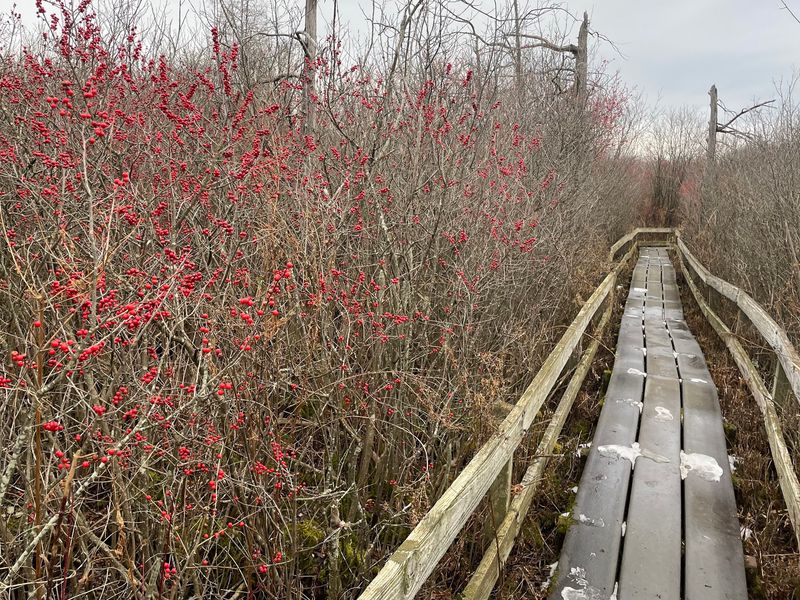
Something about this place inspires more than exercise. People come to read a book, clear their minds, and unwind, then find themselves lingering far longer than planned.
The preserve leans into that creative energy too. It hosts a nature-themed book discussion called Of Bogs and Books on the second Saturday of each month, along with seasonal art shows that welcome the community.
Halfway along the bog trail, there is a stretch so still that people describe simply feeling the peace settle in. That quiet has even nudged some folks to make their own artwork afterward.
Illinois has plenty of parks, but only one open-water quaking bog with a floating boardwalk leading into it. For anyone drawn to nature, geology, and a genuinely rare landscape, this quiet corner near Ingleside earns every one of its many happy return trips.
Enjoyed this story?
Add Fast Food Club as a preferred source to see more of our reporting on Google.