


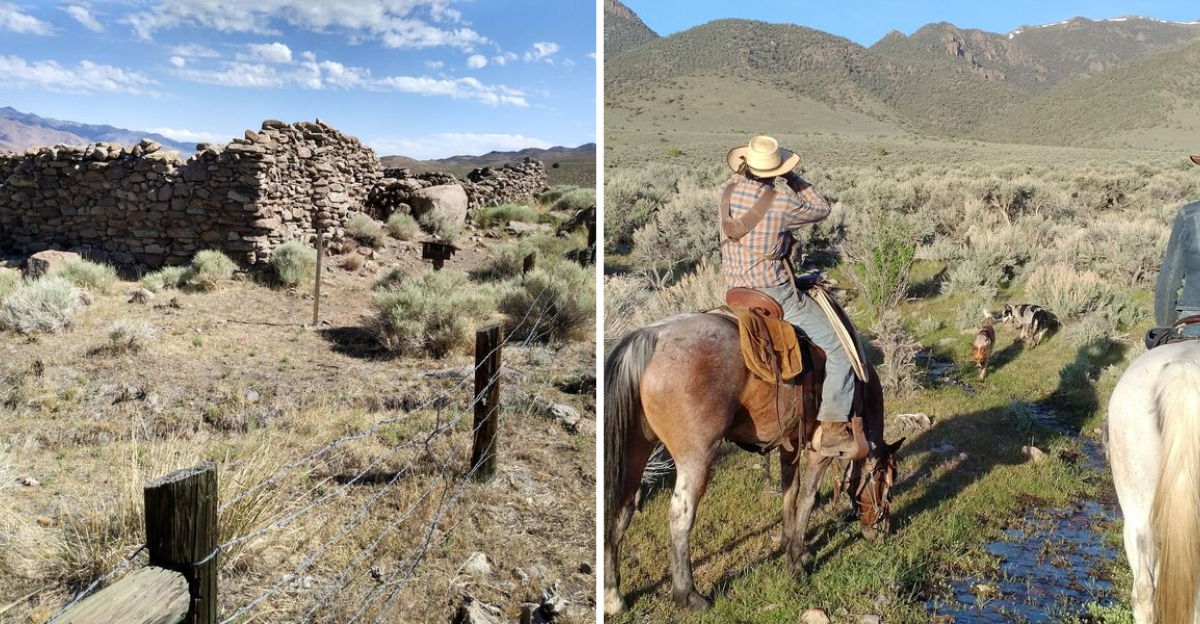
Roughly 165 years ago, teenage riders raced across the high desert of central Nevada carrying mail on horseback, stopping at lonely outposts to swap tired horses for fresh ones. Today, one of those outposts still stands, tucked out of sight from a highway many call the loneliest in America.
A short walk through the sage leads to what many consider the best-preserved station of its kind, quietly holding its ground where riders once rested and refueled. There are no crowds, no ticket booths, and no gift shops out here, just wide-open scenery, a well-marked trail, and a genuine piece of American history waiting to be found.
Keep reading to learn where it is, how to reach it, and what makes this remote stop worth pulling off the road for.
A Historic Stop Along the Loneliest Highway
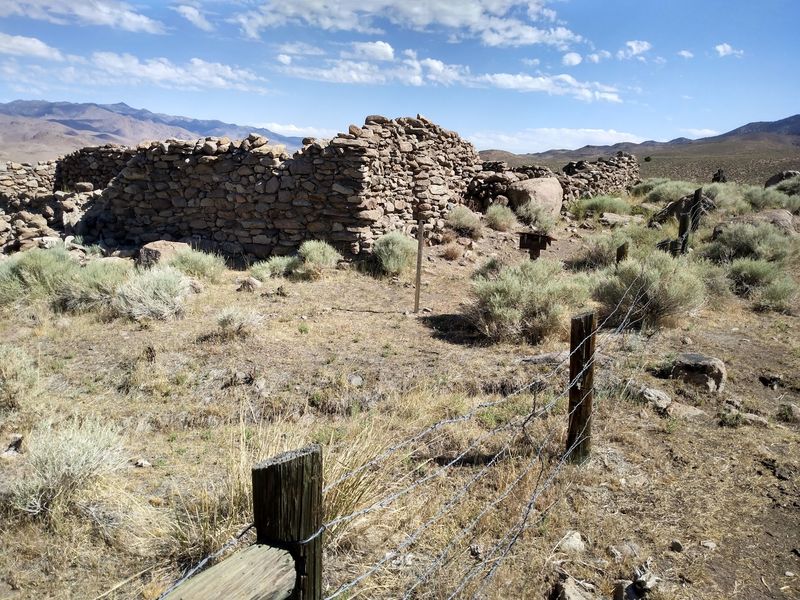
Central Nevada holds plenty of surprises, and this one sits along Austin Highway near Fallon, NV 89406, on the stretch of US Route 50 often nicknamed the loneliest highway in America. The landmark marks the spot of the old Cold Springs Pony Express Station, one of the major stops on the historic mail route.
The location is remote in the best possible way. Wide desert, big skies, and mountains fill the horizon in every direction.
What draws people here is the chance to connect with a brief but famous chapter of frontier history. The Pony Express only ran for about eighteen months, yet its legend has lasted generations.
The site itself is a marker area with information boards, a parking turnout, and a trail that leads out toward the actual ruins. You cannot drive right up to the station, which keeps the experience feeling authentic and unhurried.
Rated an impressive 4.7 stars, this stop earns steady praise from travelers crossing the state. It rewards anyone willing to slow down and step away from the pavement for an hour or so.
The Story Behind the Pony Express Station
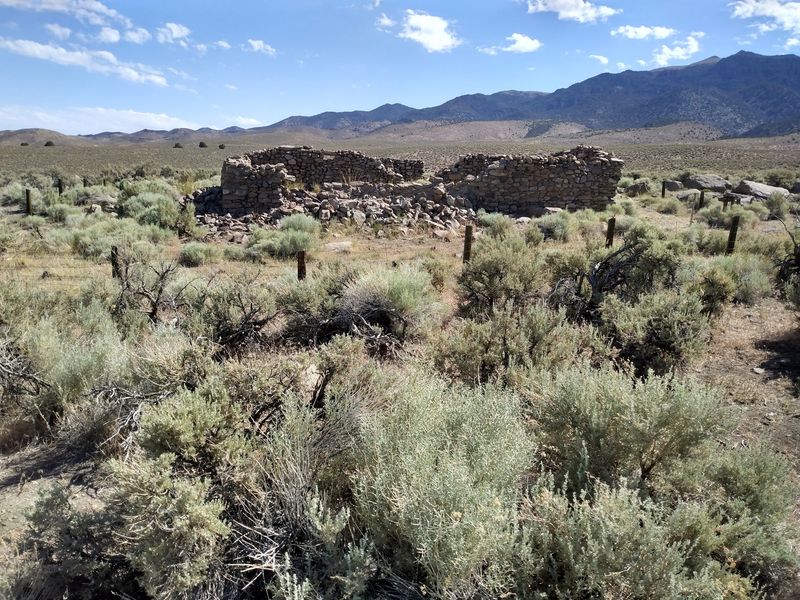
Back in 1860, Cold Springs became one of the key relay points along the Pony Express route. Riders and their horses stopped here to drink, rest, exchange supplies, and share company before pushing on across the harsh desert.
What made this spot so valuable was a precious year-round spring nearby. Reliable water was rare in this landscape, which turned Cold Springs into more than just a quick stop.
The riders who passed through were often young and traveled long, punishing distances. The station gave them shelter and a brief pause in an otherwise grueling journey.
The Pony Express itself lasted only about a year and a half before telegraph lines made it obsolete. Even so, its story became one of the most enduring symbols of the American frontier.
Standing near the ruins today, it is easy to appreciate how tough life out here must have been. The people who worked this station clearly faced real hardship every single day.
That history is exactly what makes the walk out to the station feel meaningful rather than ordinary.
Ruins Preserved in Arrested Decay
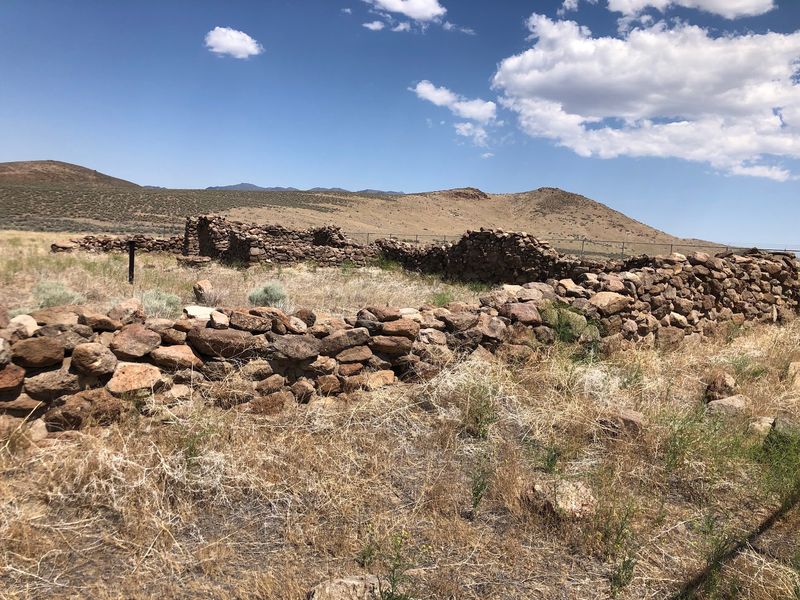
Few historic sites let you see the real thing so plainly. The Cold Springs station is often called the best-preserved Pony Express station in America, and that reputation is well earned.
The University of Nevada Reno uncovered the station around 1984. Since then, it has been kept in what is known as a state of arrested decay, meaning the structure is stabilized rather than rebuilt.
That approach lets the ruins stay honest. You see the actual stone walls as time and weather left them, not a polished reconstruction.
Because the station sits well out of sight from the highway, it remains relatively undiscovered. Many travelers pass by without ever realizing what lies just a short walk away.
The ruins at the marker area itself are now fenced off and not accessible up close, so the real reward comes from hiking out to the preserved station. The walls tell their own quiet story about how demanding frontier life truly was.
For history lovers, few walks pay off quite like this one.
The Trail Out to the Station
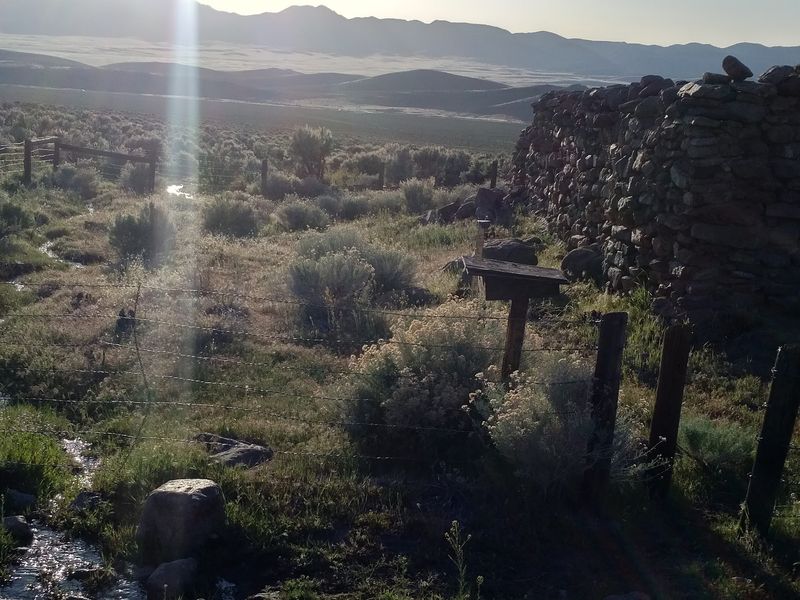
Reaching the actual station means lacing up and taking a walk. The trail runs about 1.4 miles one way, making it roughly 3.8 miles round trip to reach the preserved station south of the marker area.
The path is a wide, level route through the sage, described as around five feet across with no real difficulty. That makes it friendly for families and casual walkers alike.
Most people plan on about 60 to 90 minutes total to walk out, explore the ruins, and walk back. The quick 20-minute stroll from the highway surprises many who expected something far more strenuous.
Some accounts mention the ruins sitting roughly 1.5 to 2 miles from the parking area, so it is smart to verify the exact distance before heading out. The trail begins right near the kiosk and heads toward the mountains.
Since there is no water available on site, bringing extra water is strongly encouraged. Early morning is a popular time to start, especially in warmer months.
An easy trail with a genuine payoff at the end is a rare and welcome combination.
Scenery That Stops You in Your Tracks
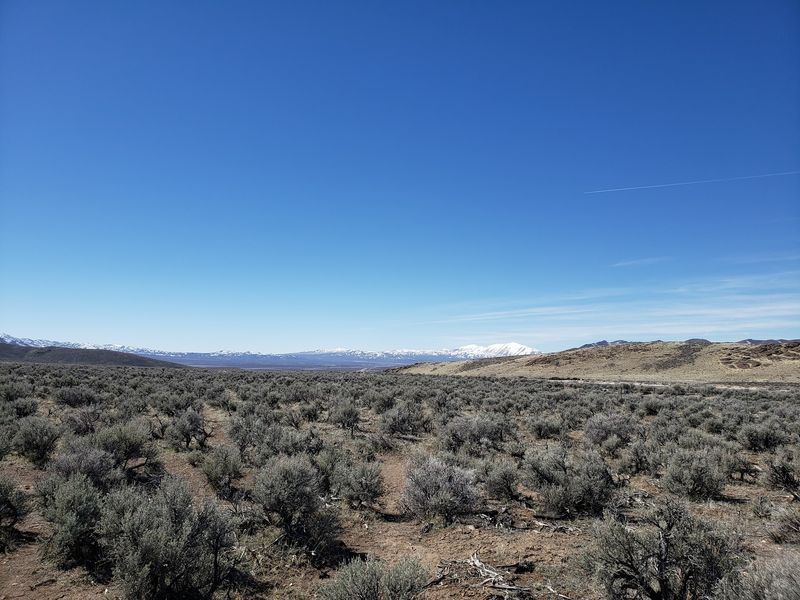
The views alone justify pulling over. High desert flora spreads across the land, with mountains framing the scene and open sky stretching in every direction.
Many who stop simply to snap a photo end up lingering longer than planned. The scenery here has a way of making a quick break feel worthwhile.
Sagebrush dominates the landscape, giving the area that classic wide-open Nevada character. The contrast between the empty desert and the dramatic mountains keeps the view interesting.
This stretch of Highway 50 runs from the Lake Tahoe area across much of the state, and travelers often note how gorgeous the drive turns out to be. The nickname loneliest highway suggests emptiness, but the landscape is anything but boring.
Photographers and road trippers both find plenty to appreciate. The remote setting means the scenery stays free of clutter and modern distraction.
Whether you walk the trail or just take in the horizon from the turnout, the surroundings deliver a strong sense of place. It is the kind of stop that reminds you why detours off the interstate can be so rewarding.
Watch for Desert Bighorn Sheep
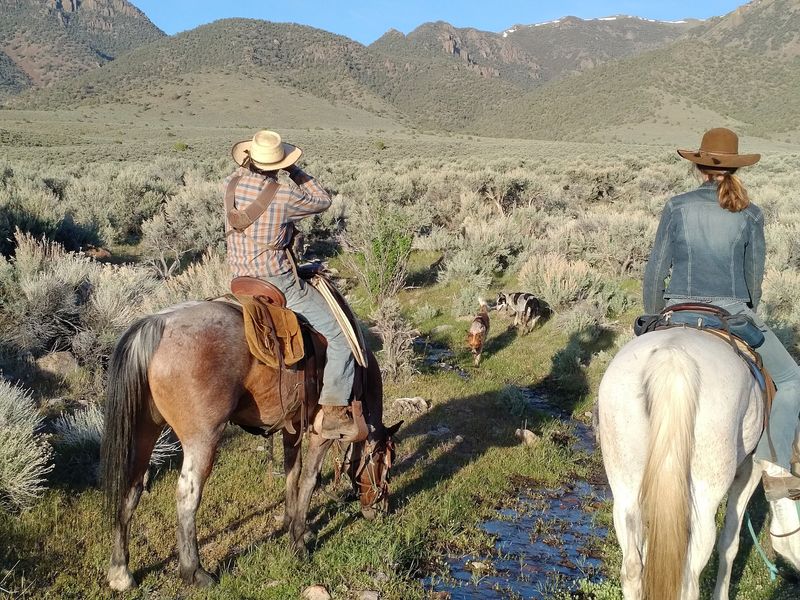
Keep your eyes on the hills, because wildlife occasionally makes an appearance here. Desert Bighorn sheep have been spotted in the hills to the west of the stop.
Sighting these animals is never guaranteed, which makes any glimpse feel like a genuine treat. They tend to blend into the rocky slopes, so patience helps.
The remote desert setting provides ideal habitat for hardy species like these. Bighorn sheep are well suited to the rugged terrain surrounding the area.
Bringing binoculars can make a real difference for anyone hoping to catch sight of them. Scanning the ridgelines slowly often pays off better than a quick look.
Beyond the bighorns, the high desert supports plenty of other flora and fauna typical of the region. Nature here operates on its own quiet terms.
For families walking the trail, the possibility of spotting wildlife adds a fun layer of anticipation. Kids especially enjoy playing lookout along the way.
A little curiosity and a slow pace turn an ordinary rest stop into a mini wildlife adventure.
Facilities at the Trailhead
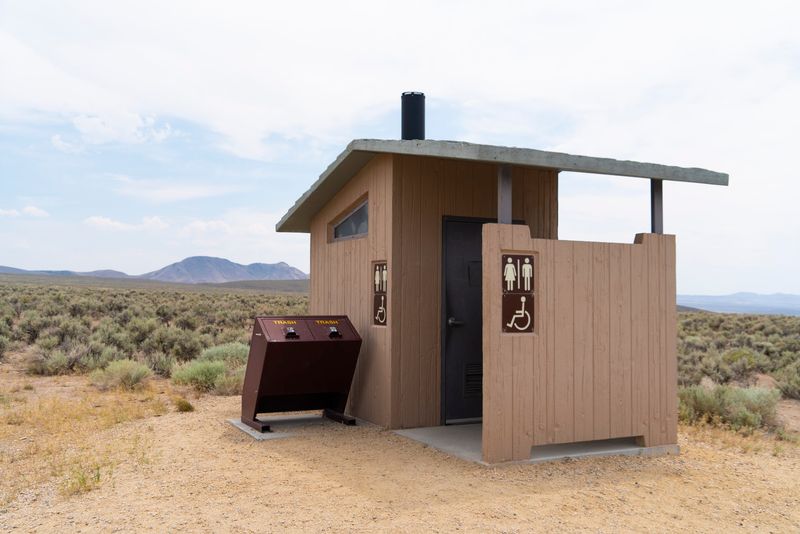
Practical needs are covered better than you might expect for such a remote spot. The Bureau of Land Management has installed vault toilets, picnic tables, and trash cans at the trailhead.
The restrooms get consistent praise for being kept clean and, at times, well-stocked. For a location this far from town, that level of upkeep stands out.
Some accounts describe the facilities as pit or vault toilets, and the general consensus is that they do the job just fine. Trash bins on site also help keep the area tidy.
One important note is that there is no water available. Planning ahead and carrying your own supply is essential before any walk.
Food is not sold here either, so packing snacks makes sense if you intend to linger. The stop works best as a self-sufficient break.
Having clean restrooms and a proper turnout makes this an easy and comfortable pause on a long drive. Travelers hauling trailers or riding through often appreciate the convenience.
Simple amenities, thoughtfully maintained, go a long way out in the desert.
A Picnic Spot in the Middle of Nowhere
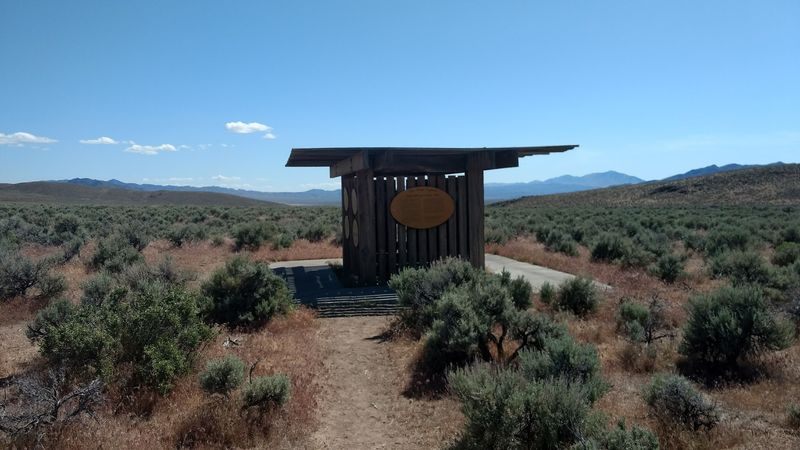
Sometimes the best meals happen far from any restaurant. With picnic tables set up at the site, this spot doubles as a pleasant place to stop and eat.
The combination of open scenery and a quiet setting makes it an inviting place to relax. Many describe it as a pretty spot to pause and enjoy a picnic.
Since no food is sold here, bringing your own is the way to go. A cooler and a few packed items turn the turnout into a peaceful outdoor break.
The picnic area also gives travelers a reason to stretch their legs on a long haul. Road trips across Nevada can run long, and a proper rest makes a difference.
Families find the setup especially handy, offering a place to sit, eat, and regroup. There is even room to let animals out and move around.
Pairing a picnic with the short hike out to the ruins makes for a well-rounded stop. You get history, scenery, and a relaxed meal all in one visit.
Few rest breaks along this highway feel quite so worthwhile.
The Interpretive Kiosk and History Markers
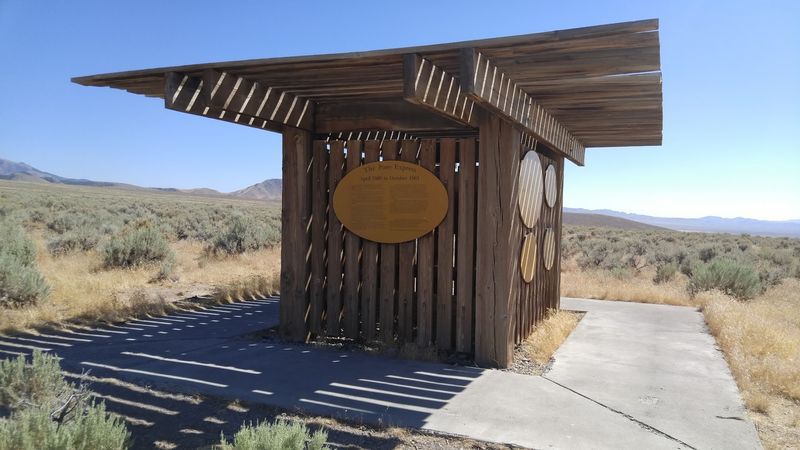
Curious minds get plenty to read before hitting the trail. An interpretive kiosk and history markers greet you at the marker area, sharing the story of the Pony Express and the region.
The kiosk is fairly basic, mostly a structure built to hold informational placards. Still, it does a solid job presenting the brief era of the Pony Express.
The information board covers the area, the trails, and the historical significance of the site. It gives context that makes the walk out to the ruins far more meaningful.
Numerous history markers dot the location, so there is plenty to learn without even leaving the parking area. History fans often find these details worth the stop on their own.
The trail leads off from the kiosk area toward the mountains, so it also serves as the starting point for the hike. Reading up first helps you know what you are heading toward.
For a remote roadside stop, the effort put into education is genuinely appreciated. Learning the backstory turns a pile of old stones into something you can truly understand.
Planning Your Visit
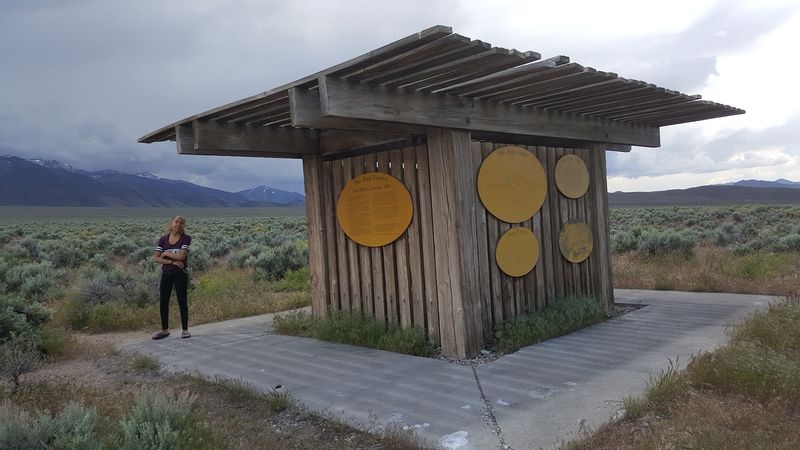
Getting the logistics right makes this stop smooth and stress free. The landmark sits along Austin Highway near Fallon, Nevada, and stays open 24 hours a day, every day of the week.
Best of all, access is free, including the public restroom. There are no entry fees or tickets to worry about.
Look for a wide turnout on US 50 just before Cold Springs Station. The trailhead parking makes it easy to pull off and get oriented.
Early morning is a smart time to visit, especially if you plan to hike in warmer weather. Starting early keeps the walk comfortable.
Since there is no water or food on site, packing your own is a must. Extra water is especially important given the desert conditions.
Plan for at least an hour or more if you want to hike out to the ruins and back. Casual stoppers can simply enjoy the view, read the markers, and use the facilities.
The stop suits road trippers, history buffs, families, and even motorcycle riders passing through. A little preparation turns it into an easy highlight of the drive.
Why This Stop Is Worth Your Time
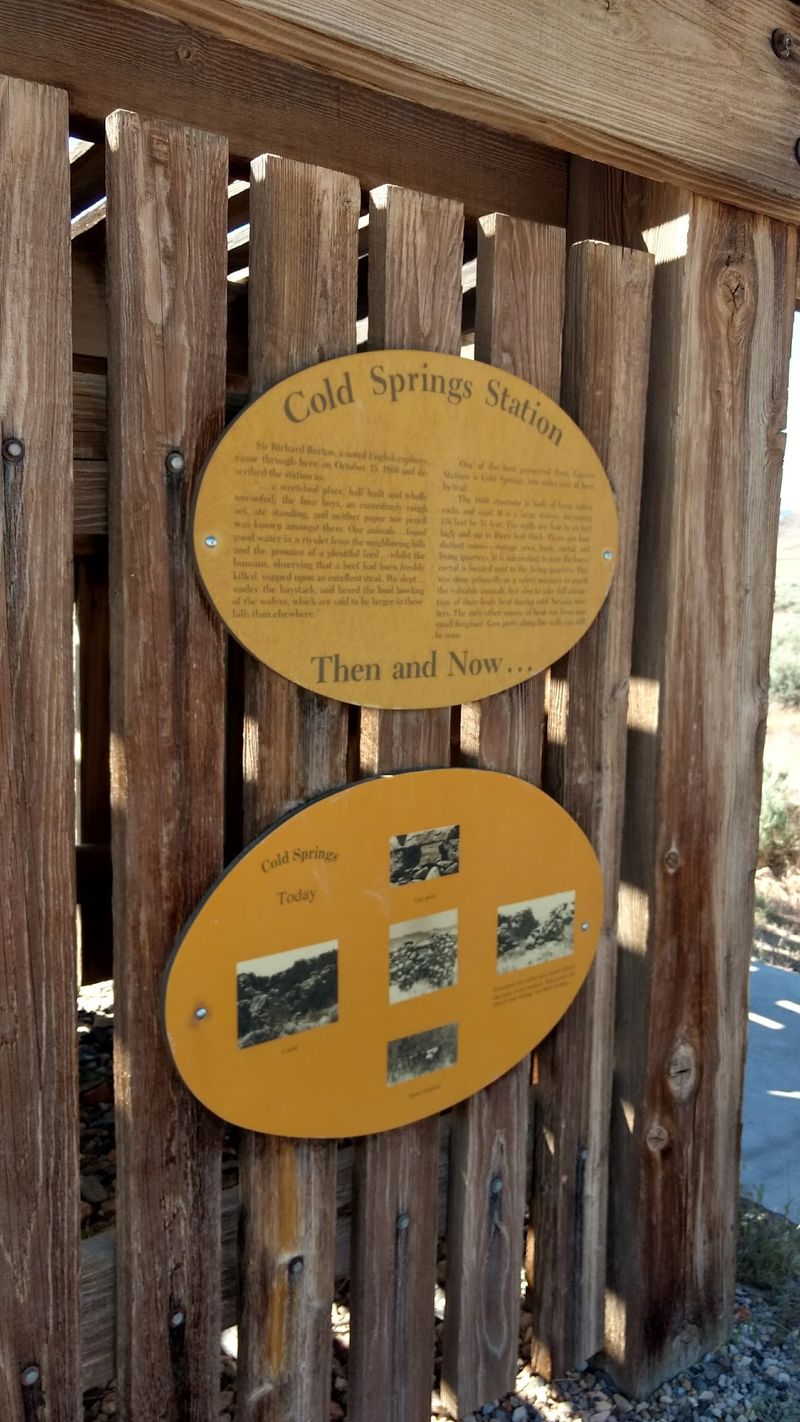
Long drives across Nevada can blur together, but this stop breaks the monotony in the best way. It pairs real history with wide desert scenery and an easy trail almost anyone can manage.
The strong 4.7-star reputation reflects just how much travelers appreciate the experience. People consistently describe it as an informative and rewarding place to pause.
Whether you come for the preserved station, the mountain views, the picnic tables, or simply a clean restroom, the site delivers on multiple fronts. Few remote stops offer this much in one place.
Standing where riders once rested more than a century and a half ago gives the visit a genuine sense of connection. The quiet out here only deepens that feeling.
Anyone crossing the loneliest highway in America should treat this as a must-stop rather than a maybe. The short detour off the pavement pays back far more than it asks.
Pack water, plan a little extra time, and give yourself the chance to walk into the past. The Cold Springs station proves that some of the best discoveries wait just beyond the road.
Enjoyed this story?
Add Fast Food Club as a preferred source to see more of our reporting on Google.