


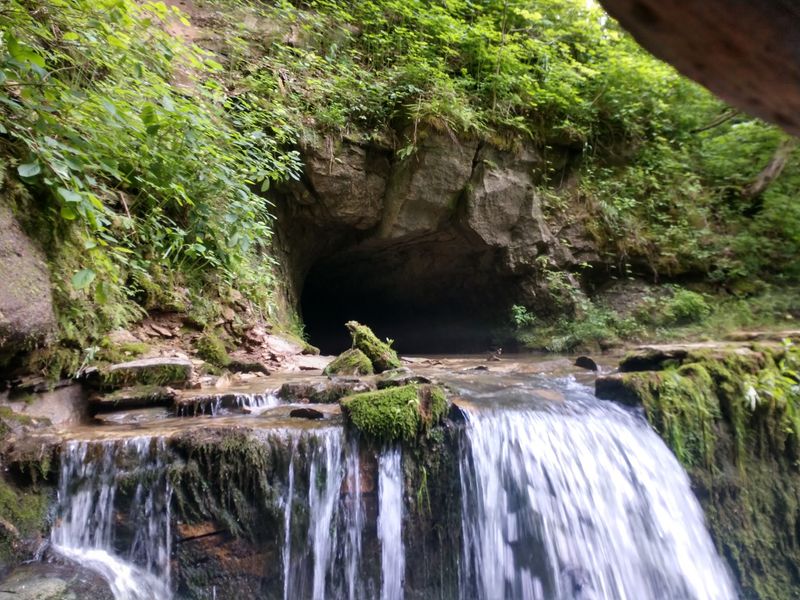
Deep in southern Indiana, past a locked gate and a winding gravel road, sits a place that most people drive right past without ever knowing it exists. The reward for those who find it includes limestone bluffs, a creek you sometimes have to wade through, and a cave with water spilling out of its mouth.
It is quiet here, often nearly empty, and the trails feel less like a manicured park and more like nature slowly reclaiming its own. There is even a hidden cave that takes some real effort to reach.
If you enjoy the kind of hike where the destination feels earned rather than handed to you, this spot deserves a slot on your list. Keep reading to learn exactly what waits at the end of those bluff trails.
Where This Hidden Corner of Indiana Sits
Tucked along N Cave River Valley Rd in Campbellsburg, Indiana, this natural area carries the full address of 6031-6871 N Cave River Valley Rd, Campbellsburg, IN 47108. It is managed in connection with Spring Mill State Park, and that link matters more than you might expect.
The drive out here is part of the adventure. A gravel road leads down into the valley, and the whole area feels genuinely remote and set apart from busier trails.
Regulars describe it as peaceful and rarely crowded, the kind of spot where you can go a long stretch without passing another soul. That seclusion is a big part of the appeal.
Because it operates as a state park property, there is no bustling gift shop or crowded parking lot waiting for you. Instead, you get open space, quiet woods, and a sense that you have wandered somewhere off the usual map.
Anyone hunting for a low-key half-day outing in the southern part of the state will find the location itself sets the tone. Getting here takes a little effort, and that filter keeps the valley calm.
A Valley That Started It All
History runs surprisingly deep through this quiet valley. For anyone who knows the story of the Pioneer Village at Spring Mill State Park, this is described as the place where that story truly began.
Traces of the past still linger. A nice little hike leads down to a marshy area where placards explain the tale of an old mill, giving hikers a reason to pause and read rather than just pass through.
The valley once held more than trails. Longtime familiarity with the area reveals that there used to be a road, a bridge, camping grounds, and even a small lake before nature began taking things back.
That slow return to a wilder state is now a defining feature. Rather than being groomed and polished, the land is gradually reverting, which gives it a raw, unmanaged character.
For history-minded hikers, the layers here reward curiosity. You are not just walking a trail, you are stepping through the origins of one of Indiana’s better-known heritage sites.
The Waterfall Cave Everyone Comes For
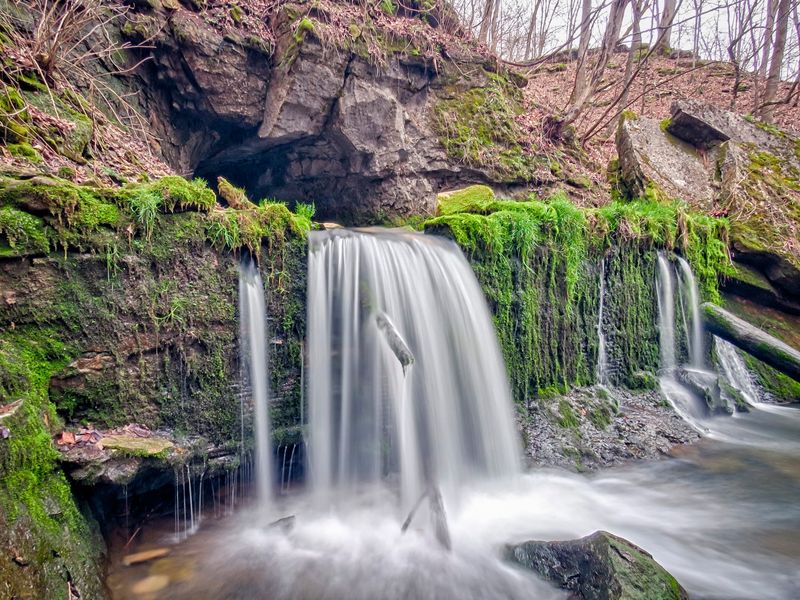
The headline attraction lives up to its reputation. At the top of the hill, a trail to the left leads to the cave with the waterfalls, and it is the payoff that draws most people down that gravel road in the first place.
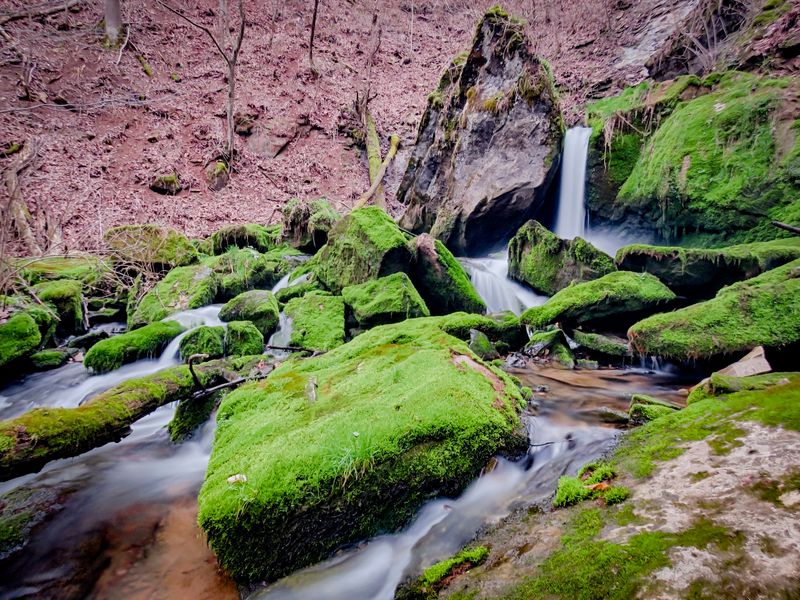
Water pouring from the mouth of the cave is a genuine highlight. The flow spilling out is described as pretty, and small waterfalls add to the scene as you approach.
Reaching it does take a bit of scrambling. The rocks near the cave can be mossy, so footing matters, and some find the final stretch more of a challenge than expected.
Still, the sense of discovery is strong. People call the spot magical and say the short walk delivers a nice reward, which is high praise for a place this quiet.
If you only have time for one feature here, this is the one. The combination of cave and cascading water is exactly what earns this valley its name.
The Secret Cave You Have to Earn
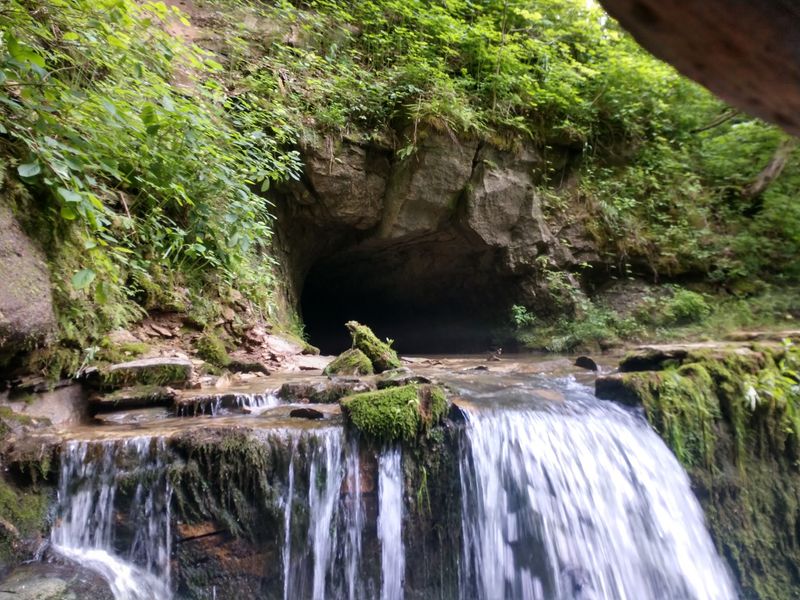
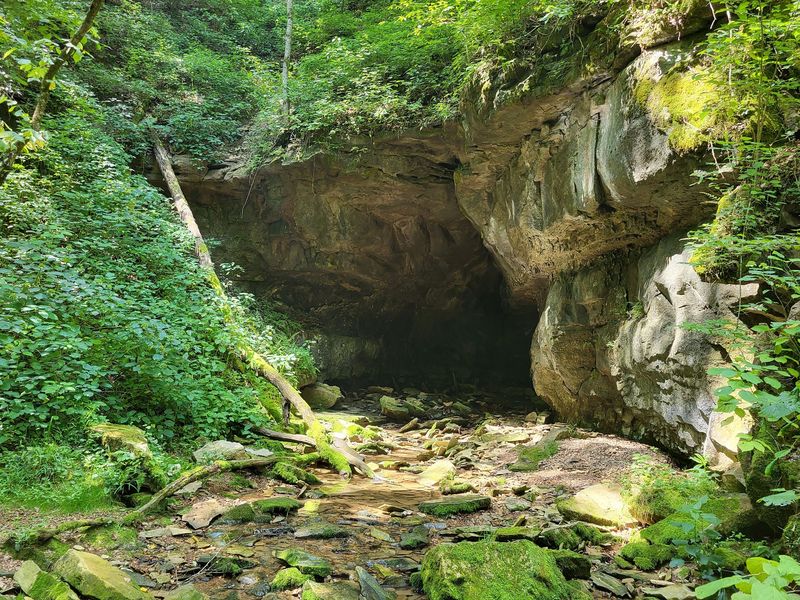
Beyond the main draw hides a second prize for the persistent. There is a hidden cave that asks more of you, requiring a creek crossing and a walk up a path that stays partly out of sight.
Finding it involves a bit of route-reading. The directions point you across the creek, then up a hidden path to reach another very large cave that sits well away from the obvious trail.
Getting there can mean wet feet. Part of the way runs through the creek bed, so water shoes are a smart call for anyone determined to track it down.
The reward matches the effort. This larger cave is described as beautiful once you finally locate it, and reaching it feels like solving a small puzzle laid out by the landscape.
For explorers who love the thrill of the search, this tucked-away cave turns a simple hike into a proper treasure hunt through the valley.
Bluffs, Creeks, and Everything Between
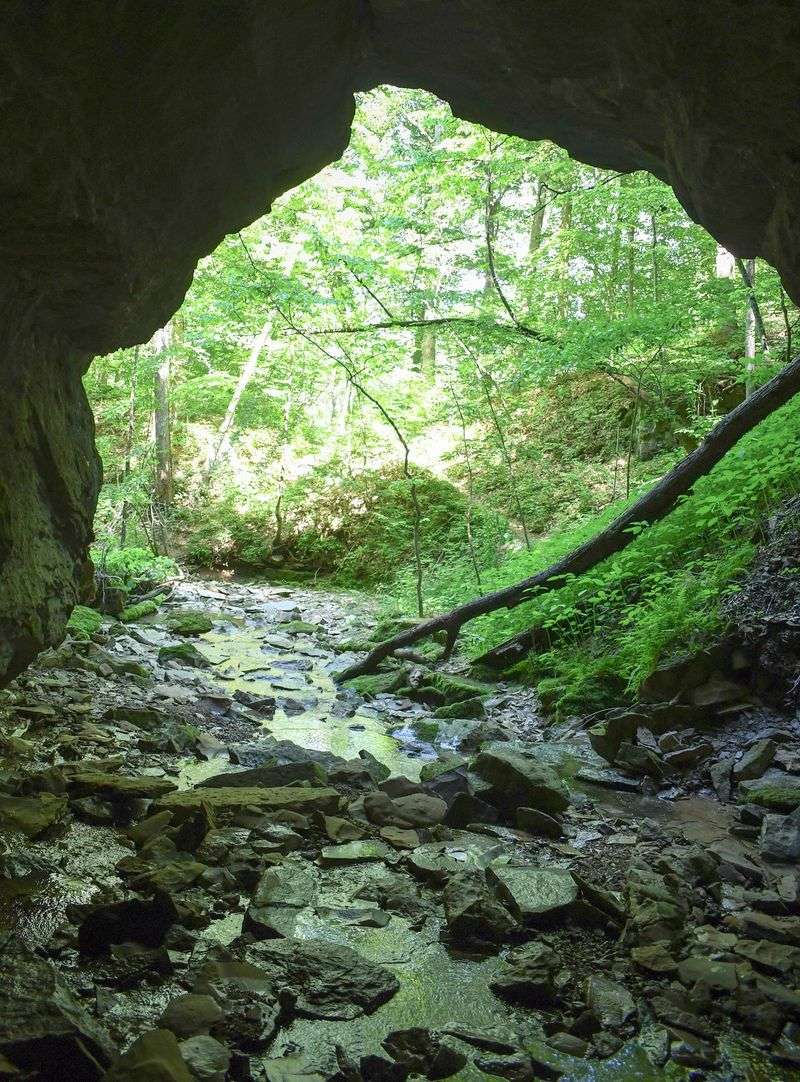
Variety is one of this valley’s quiet strengths. From bluffs to caves, the area is described as having a bit of everything, which keeps repeat trips feeling fresh.
The creek threads through the whole experience. A scenic waterway runs alongside much of the route, and at the top of the hill you can choose to go straight and head down to the creek instead of the caves.
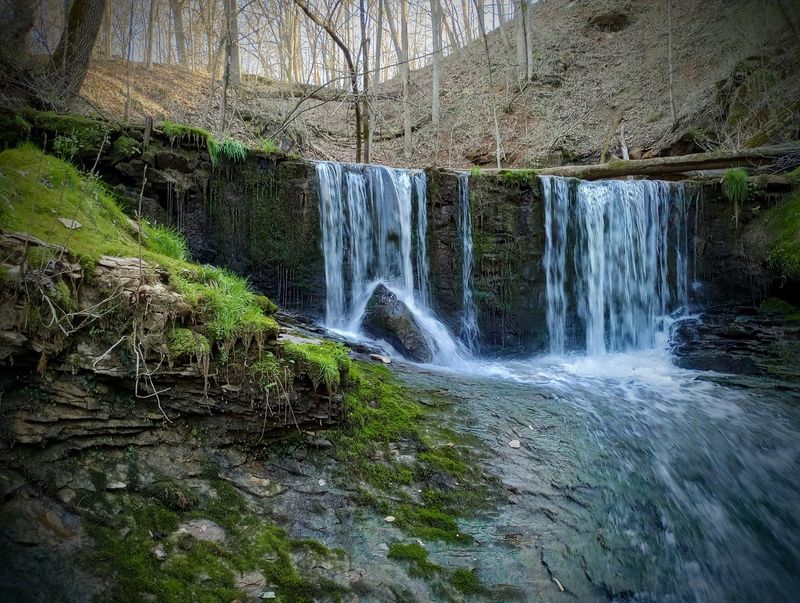
Water shapes a lot of what you see. Several waterfalls appear along the way, adding movement and interest to the walk beyond the main cave.
Wildflowers add color in the right season. Numerous blooms dot the hike, giving the valley a softer, more inviting feel when the weather warms.
People who have come back multiple times mention finding something new each visit. That layered mix of rock, water, and greenery is exactly why this small area rewards more than a single trip.
The Locked Gate and Gravel Road
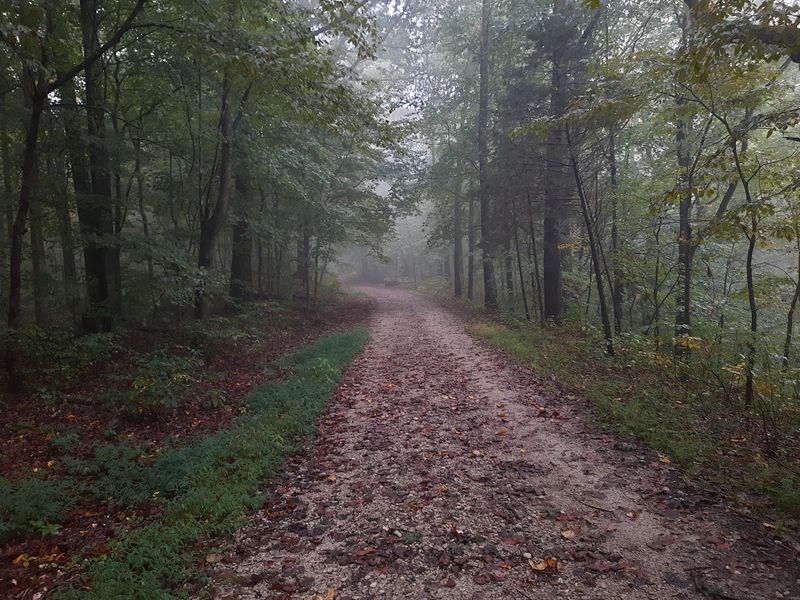
One quirk catches many first-timers off guard. The gate here is always locked, so the move is to park in front of it and continue on foot from there.
Past the gate, much of the walking follows a gravel road. A gated gravel path serves as the easy route in, and a good portion of the so-called trail is really that road.
The grade is not flat. The road down to the cave is pleasant enough, though it can be tough for anyone with mobility challenges, thanks to a few inclines.
That same climb becomes a factor on the way out. The walk back up the hill takes a bit of stamina, so pacing yourself is wise.
Knowing the gate situation ahead of time saves confusion. Plan to walk from the entrance, and the gravel road becomes less of a surprise and more of a straightforward path to the good stuff.
For the Hikers Who Want a Real Challenge
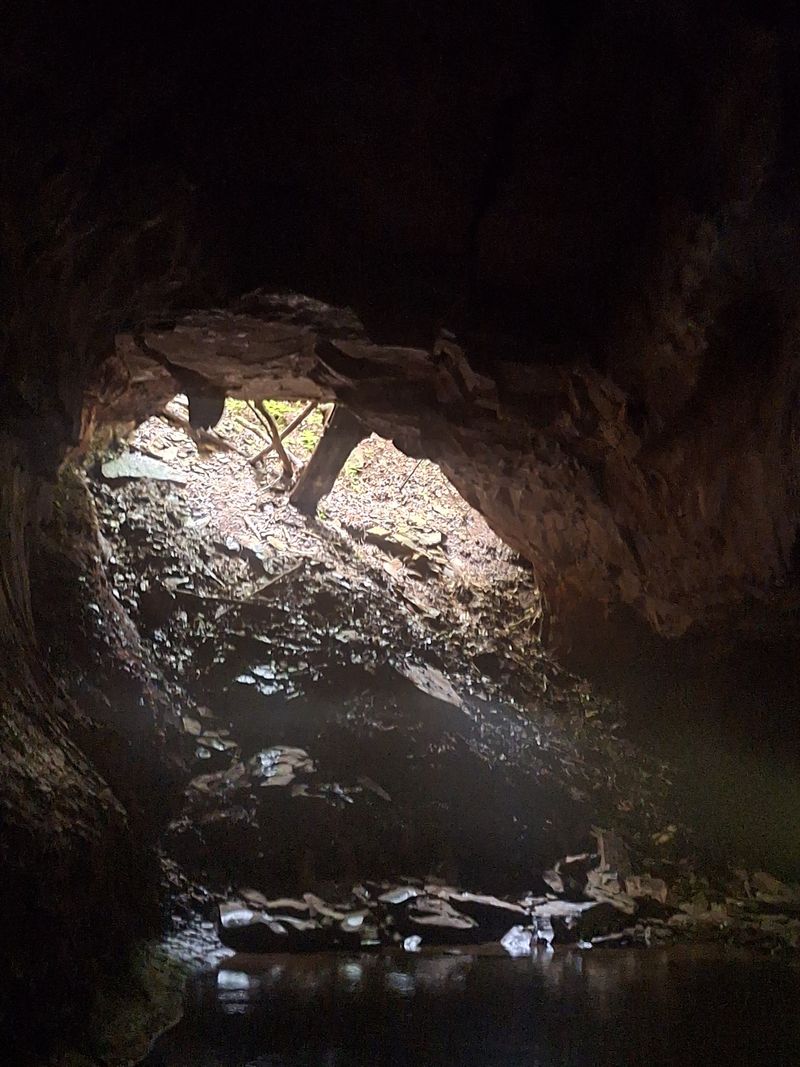
Not every trail here is the easy option. Beyond the gated gravel path, a tougher route waits for those craving a genuine workout.
The harder way involves getting your feet wet. Walking past the park and down the road to the creek, then following the path to the left, leads to a stretch you cover right in the creek bed.
Route-finding becomes part of the fun. From the grassy field you cross the creek to the right and climb the hill, staying right to reach the cave, then continue at the fork to find the smaller cave and waterfalls.
Vegetation adds to the adventure. Much of the area is overgrown, and wading through weeds is simply part of the deal on the wilder routes.
Serious hikers tend to love this. The lack of polish means the payoff feels earned, and the loop can wrap up in about one to two hours for a satisfying outing.
The Wildlife Living in the Dark
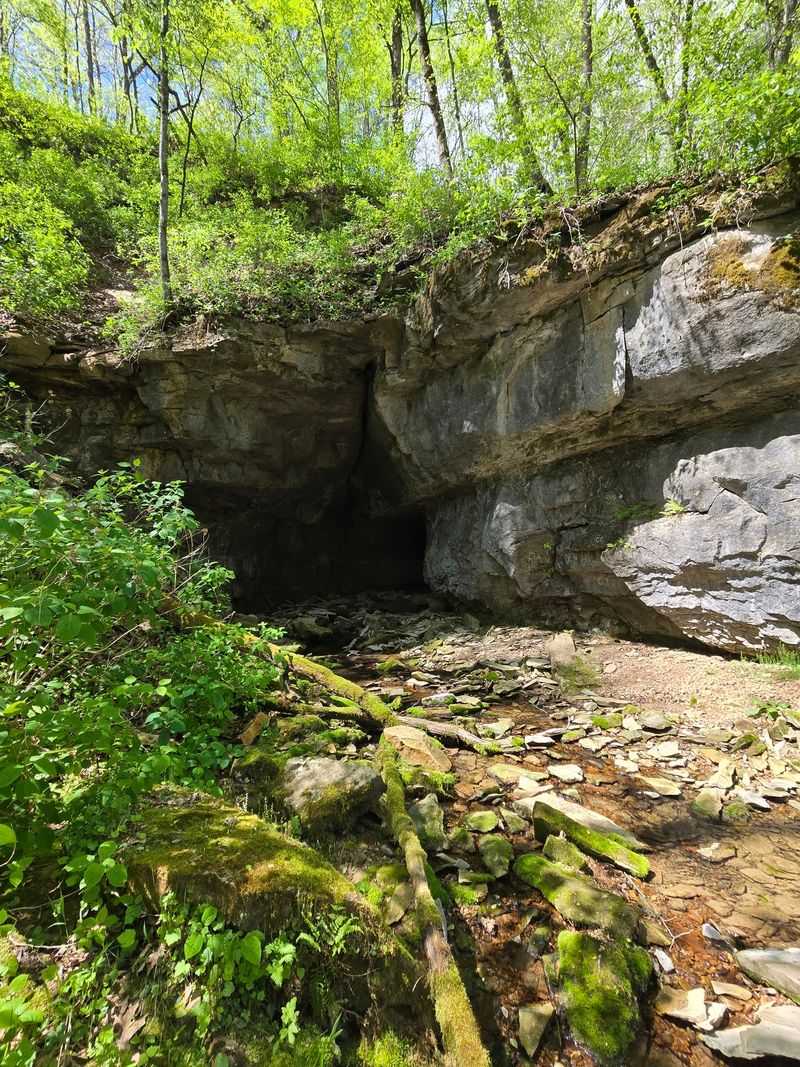
The caves are not empty spaces. Hibernating bats shelter inside, and one nearby cave is noted for holding the most bats some hikers have ever seen.
These creatures are fragile. Disturbances can harm hibernating bats, and the threat of white nose syndrome across North America makes protecting them a serious matter.
Bats are not the only residents. Cave salamanders rely on the pools and rock cover inside to lay their eggs, adding another layer to the valley’s quiet ecosystem.
Conservation-minded hikers ask that people stay out of the caves. Protecting both the physical structure and the life within keeps this place healthy for the long run.
Safety plays a role too. Conditions inside can be hazardous, with high water and loose stone posing real risks, so admiring from outside is the smart and respectful choice.
A Quiet That Feels Almost Wild
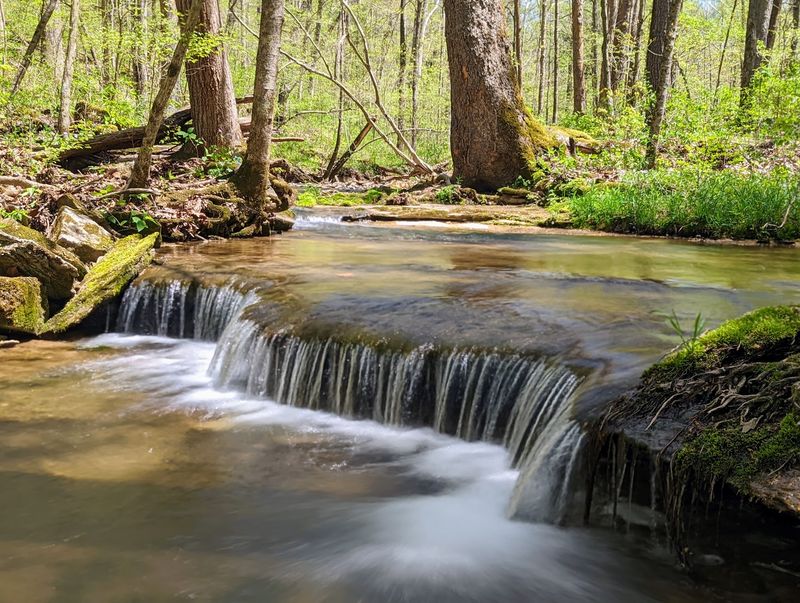
Solitude defines the mood out here. The area is usually not too busy, and people love how peaceful and uncrowded it stays even on a good day.
That emptiness cuts both ways. On a quiet winter visit, the deserted feel can come across as a little eerie, especially when coyotes howl somewhere off in the distance.
Reassurance exists at the trailhead. A help-calling box sits right at the entrance, offering a small measure of comfort for anyone hiking the remote valley.
The seasons shift the atmosphere dramatically. Cold months can feel stark and less inviting, while the warmer months bring out the enchanting side that hikers rave about.
For those who treasure quiet over crowds, this is a rare find. The valley trades convenience for calm, and that trade is exactly what its fans come looking for.
Trails That Keep You Guessing
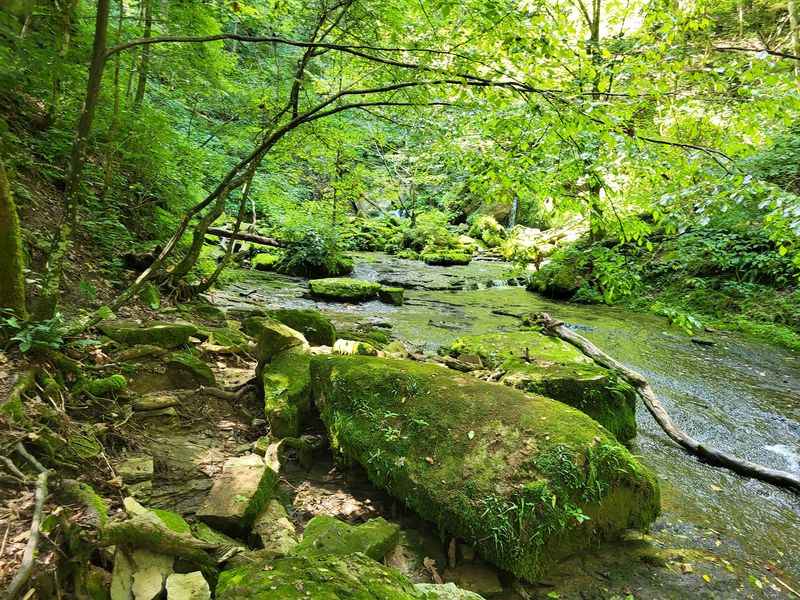
Navigation here is refreshingly old-school. There are no clear maps or well-marked trails, and paths can be overgrown with weeds and grass.
Signage is thin on the ground. Better signs explaining which way the trails run and how long they are would help, and their absence is the most common wish among hikers.
Meeting knowledgeable folks can save the day. First-timers sometimes learn the layout from families familiar with the area, which turns a confusing outing into a rewarding one.
The lack of structure is not all bad. Plenty of spots invite you to hike both on and off the trail, giving free-spirited explorers room to roam.
Coming prepared makes the difference. A little research beforehand and a willingness to wander go a long way toward enjoying this loosely marked valley.
Hours, Access, and Getting There
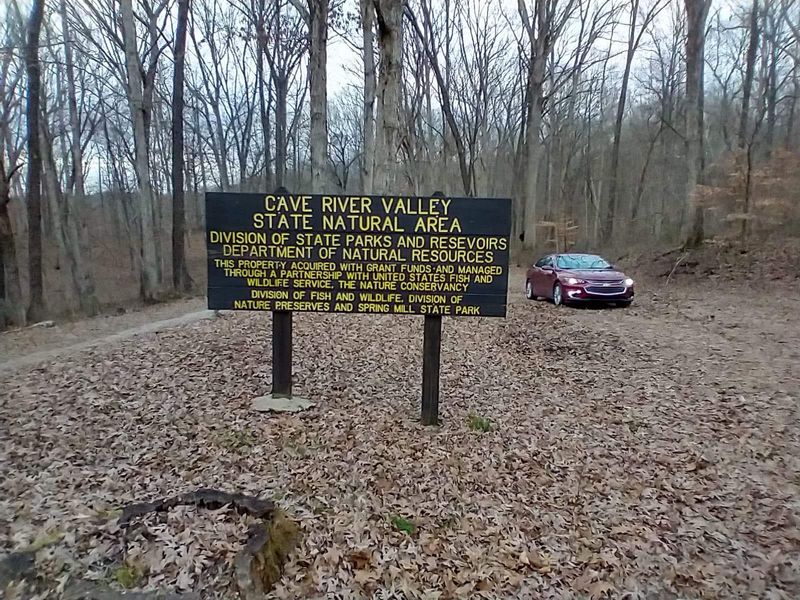
Planning a trip is straightforward once you know the basics. The natural area is open daily from 6 AM to 9 PM, giving you a generous window for a daytime hike.
The address to punch in is 6031-6871 N Cave River Valley Rd, Campbellsburg, IN 47108. Expect that gravel road on the final approach, and remember to park at the locked gate.
Management ties back to Spring Mill State Park, and details are available through the Indiana DNR. A picnic table near the marshy area offers a simple spot to pause.
The place does close for the season at times, so timing matters. Some hikers make a point of visiting on the last day before it shuts for the season.
Footwear deserves a mention. Because part of the trek can run through the creek, water shoes are worth packing for the more adventurous routes.
Is the Trek Worth It?
The verdict from those who make the drive leans strongly positive. With a 4.5-star standing across well over a hundred impressions, this valley clearly wins people over.
The words that come up again point to something special. Descriptions like magical, gorgeous, and truly worth the hike show up often enough to signal a real gem beneath the overgrowth.
It is not an all-day commitment. A few good inclines and nice views wrap up in a manageable outing, making it a satisfying half-day escape rather than a marathon.
The rough edges are part of the deal. Overgrown paths and thin signage keep it wild, and the hidden caves and waterfalls reward anyone willing to work a little.
For explorers who prefer discovery over convenience, this secluded valley delivers. Short walk, big reward, and a quiet corner of Indiana that stays with you long after the drive home.
Enjoyed this story?
Add Fast Food Club as a preferred source to see more of our reporting on Google.