


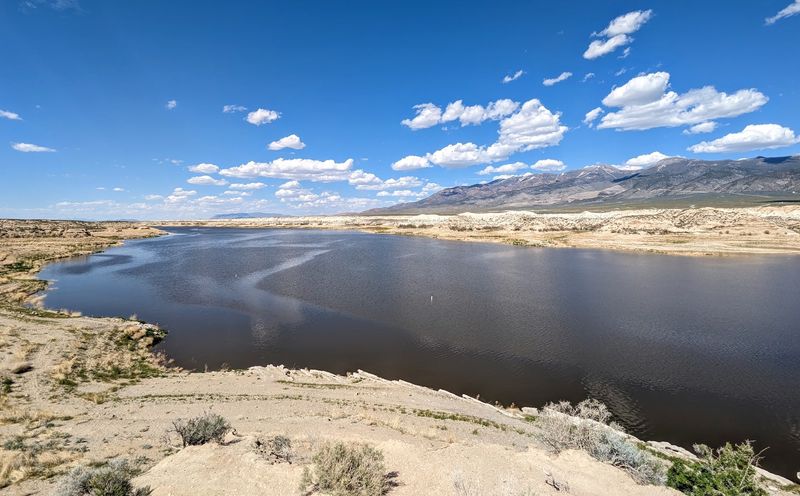
Northern Nevada gets a bad rap as an endless stretch of sagebrush and heat shimmer, the kind of place road trippers speed through with the cruise control set high. But hidden a short hop off Interstate 80 sits a 22-mile ribbon of water calm enough for a kayak and quiet enough to hear yourself think.
There are hot showers, clean flush toilets, first-come campsites, and star-filled skies that come free with every stay. There is also a surprising layer of history buried in the surrounding hills, from immigrant trails to a young Mark Twain chasing gold.
Stick around and you will learn where to launch, what it costs, when to visit, and why so many travelers keep circling back to this desert oasis.
An Oasis Off Interstate 80
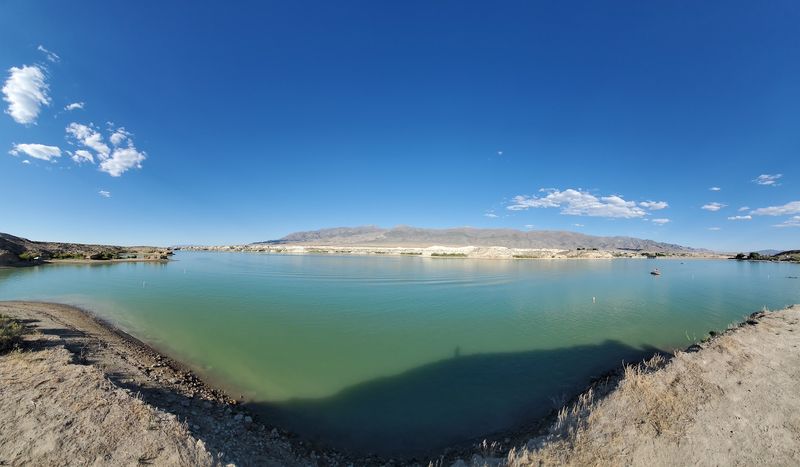
Roughly 20 miles north of Lovelock, Nevada, a long reservoir spreads across the arid basin like a splash of blue paint on brown canvas. Rye Patch State Recreation Area sits at 2505 Rye Patch Reservoir Road, Lovelock, NV 89419, tucked just far enough off the freeway to escape the highway hum.
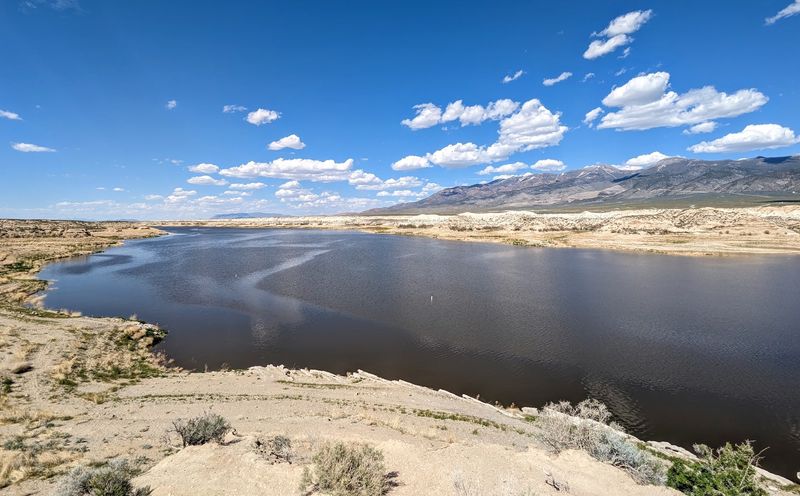
The park centers on a 22-mile-long reservoir built for fishing, boating, and paddling. Around it, low hills and rocky outcrops frame the water and give the whole place a tucked-away feeling.
Convenience is part of the appeal here. The turnoff is easy to reach from I-80, yet campers mention the road noise fades away once you settle into a site.
Travelers crossing Nevada often stop for a single night and end up wishing they had planned for two. It works as a quick overnight break or a full weekend base camp, depending on how much time you can spare.
For a spot in the middle of the high desert, it manages to feel like a genuine retreat rather than a rest area with a view.
Where History Runs Beneath The Water
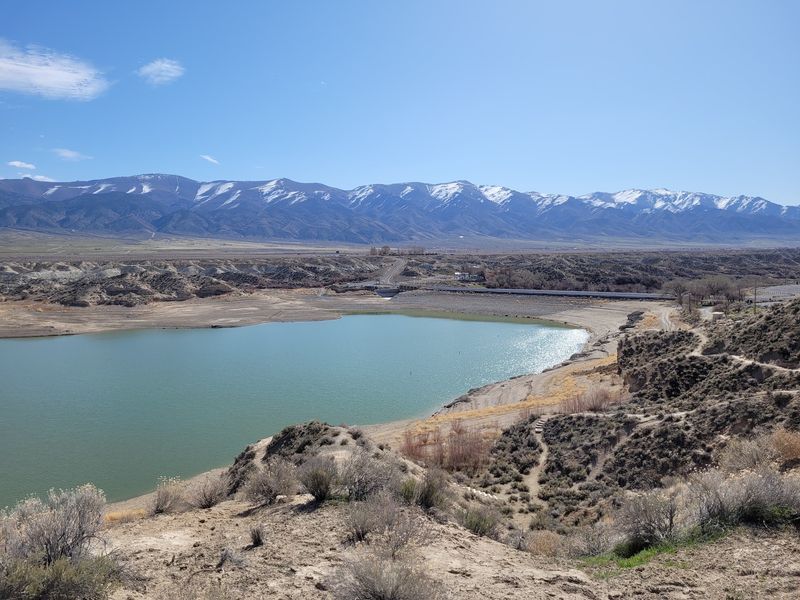
Long before boats skimmed across the surface, this land carried travelers of a different kind. The Humboldt River that feeds the reservoir was once part of the immigrant trail, and nearby Big Meadows, now Lovelock, served as a major stopping point before pioneers crossed the tough desert stretch ahead or turned north on the Oregon Trail.
The river also fueled the steam locomotives of the transcontinental railroad, completed on May 10, 1869. That project shrank cross-country travel from months to about a week and helped push American trade and expansion westward.
The dam and reservoir came later, finished in the 1930s. Rye Patch officially became a Nevada State Recreation Area in 1971, after being run by Pershing County’s Water Conservation District and Parks Department.
Knowing this backstory changes how the place feels. What looks like a simple desert lake is layered with generations of movement, industry, and grit.
You are paddling over a landscape that helped shape the American West, which is a fine thought to carry along in a quiet kayak.
Paddling A Calm 22-Mile Reservoir
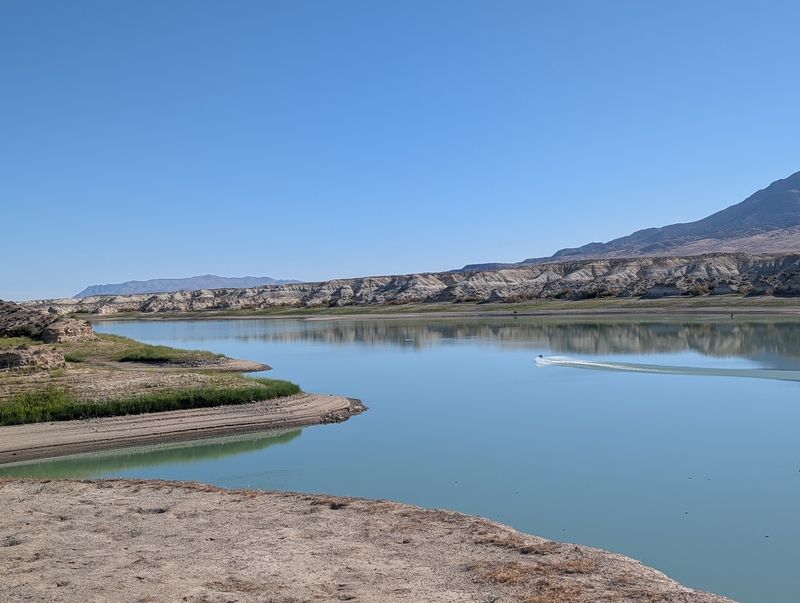
Water in the middle of the desert always feels like a small miracle, and here it stretches for 22 miles. Kayakers and paddle boarders find the reservoir welcoming, with quiet coves and open water to explore at an easy pace.
The lake takes on a light green tint, and calm mornings make for smooth gliding before the day warms up. Summer heat turns the water into a genuine relief from the surrounding dryness.
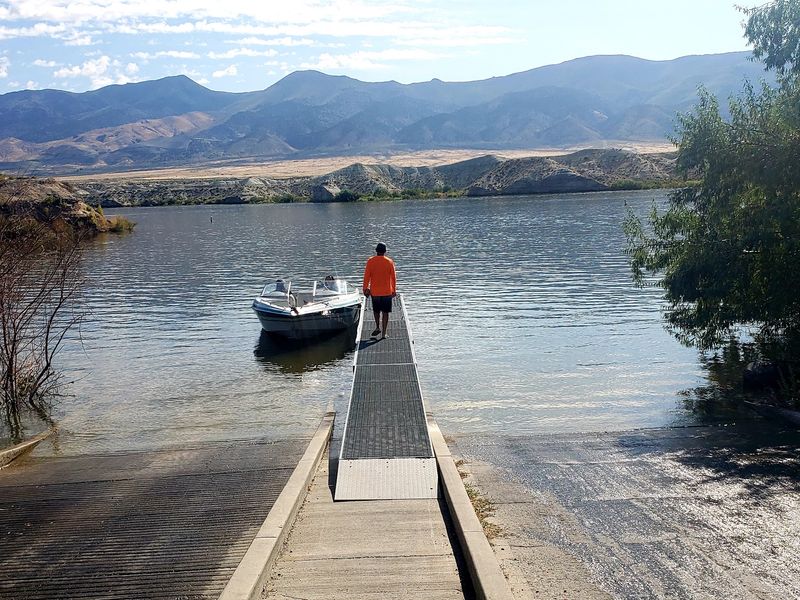
Beyond human-powered craft, the reservoir handles boating, jet skiing, waterskiing, and swimming. There is a boat launch with a long dock, easy to access and set right off the main basin.
One thing worth checking before you dip in: at certain times a harmful algal bloom can close the water to swimming, so it pays to confirm conditions on arrival.
Water levels also shift from season to season and can run lower than expected even after a wet winter. Still, when the reservoir is full and the wind stays low, few desert paddles feel this peaceful.
Casting A Line At The Reservoir And River
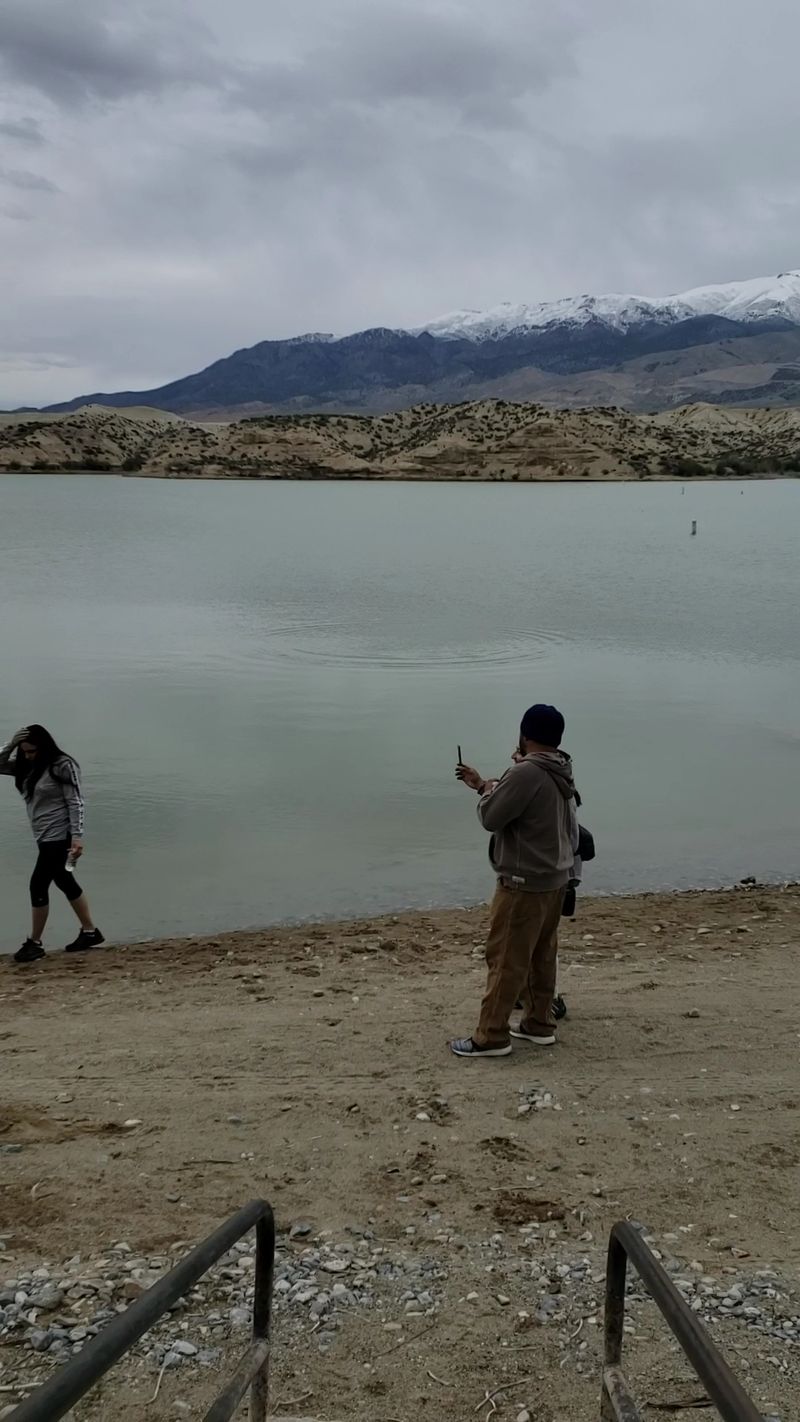
Anglers make up a steady share of the crowd, and for good reason. Fishing runs well on both the river below the dam and out on the reservoir itself, giving you two very different settings to work.
Smallmouth bass turn up in catches, though results swing with the day. Some folks reel in a keeper while their fishing buddy goes home empty-handed, which is pretty much fishing in a nutshell.
The mix of moving river water and open lake keeps things interesting. You can post up along a quiet shoreline or head out by boat and search for the spot that finally cooperates.
Certain sites sit close enough to the water that you can practically fish from your campsite. Site number 23, for instance, is secluded and offers river access, a handy detail for anyone who likes to cast at first light.
Whether the fish bite or not, the setting alone makes a slow afternoon by the water time well spent.
Two Campgrounds, One Quiet Desert Night
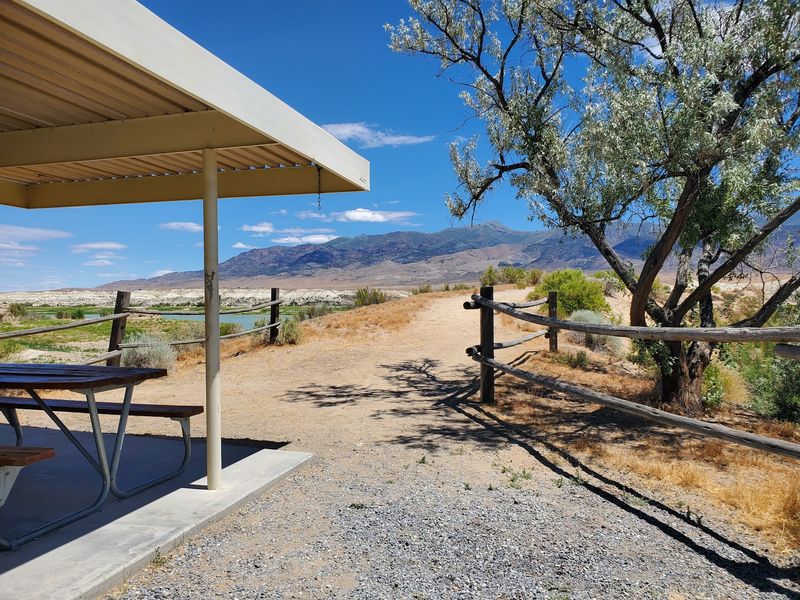
Bedding down here comes with a choice. The park has two separate campgrounds: the River Campground sits on the Humboldt River below the dam, while the West Side Campground rests next to the boat launch.
Sites come with a range of setups. Several offer power and water, one has full hookups, and there are pull-through spots along with tent areas tucked back off the road.
Some sites include picnic table shelters, and many deliver views of either the water or the mountains. The layout spreads people out enough that a full campground can still feel calm and restful.
Regulars mention how respectful the atmosphere stays, even on busy nights. The quiet holds, which is not always a given at a popular spot near a highway.
One tip that comes up often: arrive with a little daylight left. The tent sites tuck back and can be tough to spot after dark, so an early roll-in saves you some fumbling.
Wake up to a wide desert sky and you may find you slept better than you expected.
Clean Showers And Well-Kept Restrooms
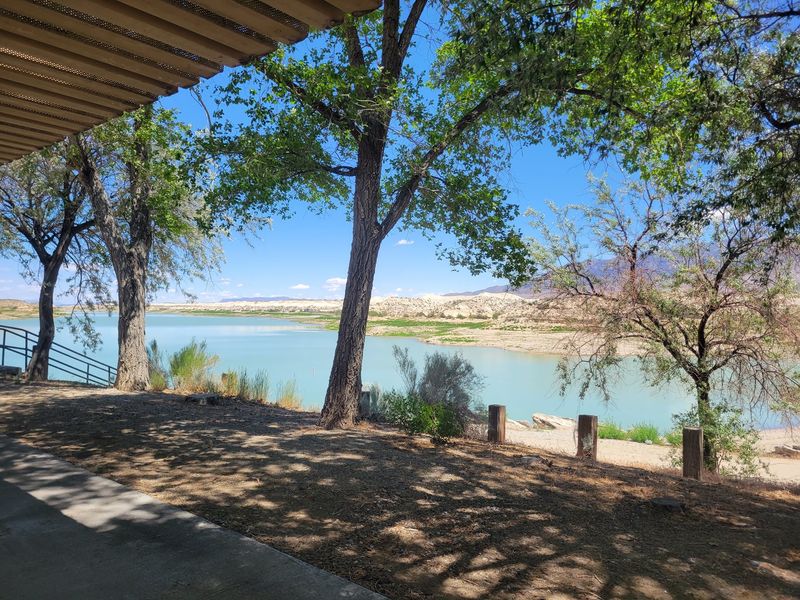
Nobody expects a rustic desert park to nail the basics, yet this one does. The bathrooms have flush toilets and get kept notably clean, a detail that comes up again and again from happy campers.
Hot showers are part of the draw too. On-demand hot water and push-button showers give a reasonable amount of time per press, which beats the icy trickle you sometimes find at remote parks.
There are only a small number of shower stalls, so timing your rinse around the busy hours helps. Occasionally the showers may be locked while the toilets stay open, so plans can shift.
Practical extras round things out. Shared water spigots are scattered through the campsites, and there is a dump station with plenty of access plus RV water.
Little comforts like these are what turn a simple overnight into a genuinely pleasant stay. For a spot this far out, the upkeep quietly punches above its weight.
Trails, Shoreline Walks, And Wildlife
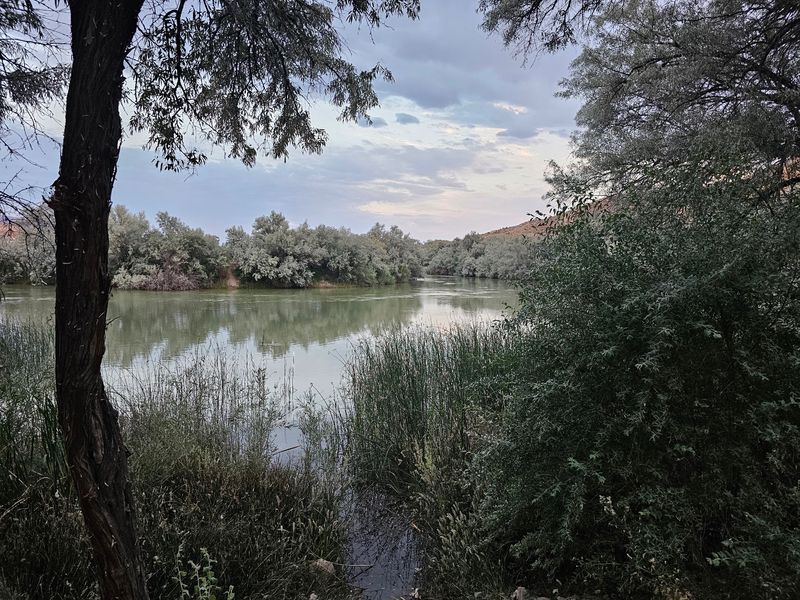
Hikers looking for big mileage should set expectations early. The park has only two short trails, adding up to less than a mile total, so this is more of a stretch-your-legs place than a trekking destination.
What the trails lack in length, the shoreline makes up for in wandering room. Walking the water’s edge, poking around picnic areas, and exploring nearby coves fills an easy afternoon.
Birdwatchers find the area rewarding, and wildlife sightings are a regular part of the visit. Keep an eye out along the brush and water where critters tend to gather.
A couple of cautions come up from folks who know the ground. Watch for snakes near secluded sites, and mosquitoes can turn pesky depending on the season.
Dogs are welcome but need to stay on a leash or rope around others. Many owners walk a bit away from the crowd to let their pups splash near the water.
You can see most of the recreation area in an hour, then spend the rest of the day simply slowing down.
Best Seasons And What The Weather Brings
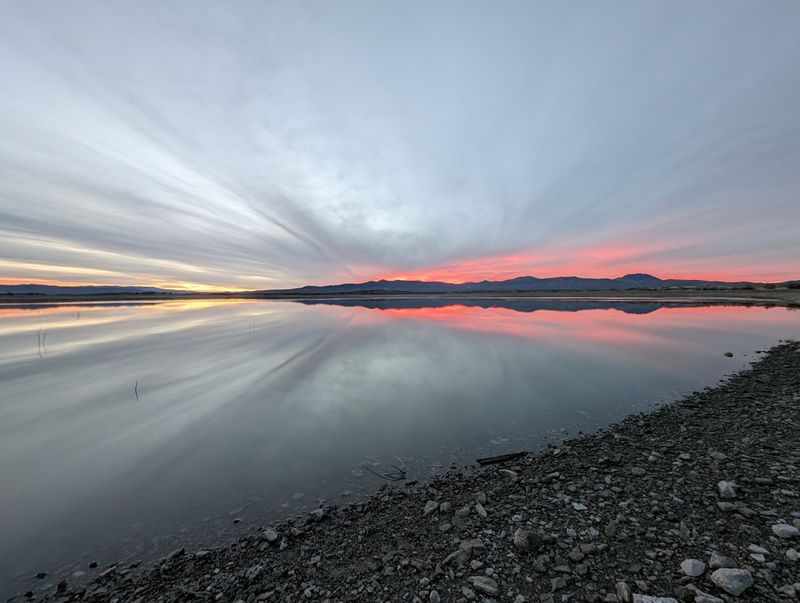
Timing matters more than you might guess out here. Summers run very warm, which is exactly when the lake shines for boating, swimming, and a cool break from the desert heat.
Spring and fall keep you on your toes. The climate can swing from warm and sunny to cold and cloudy in the same trip, so packing a range of layers is smart.
Sunsets earn steady praise, painting the water and hills at the end of the day. Nights bring another payoff entirely.
The dark, open skies here reveal a stunning spread of stars, the kind you rarely catch near a city. Late arrivals and early risers both report unforgettable views overhead.
Because the reservoir sits in an arid basin, shade can be limited at some sites, though a few spots offer a bit of cover. Plan your water time around the heat of the day.
Come in summer for the lake, come in the shoulder seasons for cooler air and fewer crowds, and either way, stay up for the stars.
Fees, Reservations, And Getting There
The price of admission stays refreshingly gentle. Camping runs about $20 per night for out-of-state guests without hookups, with a lower rate for Nevada residents at around $15.
Day use carries a $5 fee. The park is open 24 hours every day of the week, so odd arrival times are not a problem.
Reservations can be made online through the State of Nevada Parks Department. That said, this remains a popular first-come spot, and travelers often snag a site even rolling in on a Saturday afternoon.
Getting there is straightforward from I-80, with Lovelock about 20 miles away for groceries and a Chevron truck stop roughly 5 miles off for fuel, ice, and drinks. From Reno, plan on around an hour and 20 minutes of driving.
A word on the roads: some backcountry routes turn into fine clay powder or worn rock, so good tires and, ideally, a capable vehicle help if you venture off the main tracks.
With low fees and easy access, it is one of the more budget-friendly stops in northern Nevada.
Why Travelers Keep Coming Back
Something about this place sticks with people. Holding a 4.5-star average across hundreds of accounts, it has earned a loyal following among road trippers and weekend campers alike.
The appeal is easy to trace. Friendly rangers greet arrivals and point out the nicest open sites, the grounds stay clean and calm, and the water offers real relief in a dry landscape.
It works as a dependable overnight when crossing Nevada, an oasis where a spot is almost always available. It also holds up as a longer stay for anyone who wants to fish, paddle, and unplug for a few days.
Explorers with extra time can range further, from the old mining town of Unionville, where a young Samuel Clemens once prospected, to nearby wild country full of quiet corners.
Between the low fees, the tidy facilities, the star-heavy skies, and that long stretch of calm water, Rye Patch State Recreation Area rewards the traveler willing to pull off the highway. Give it a night, and it may just talk you into a second.
Enjoyed this story?
Add Fast Food Club as a preferred source to see more of our reporting on Google.