


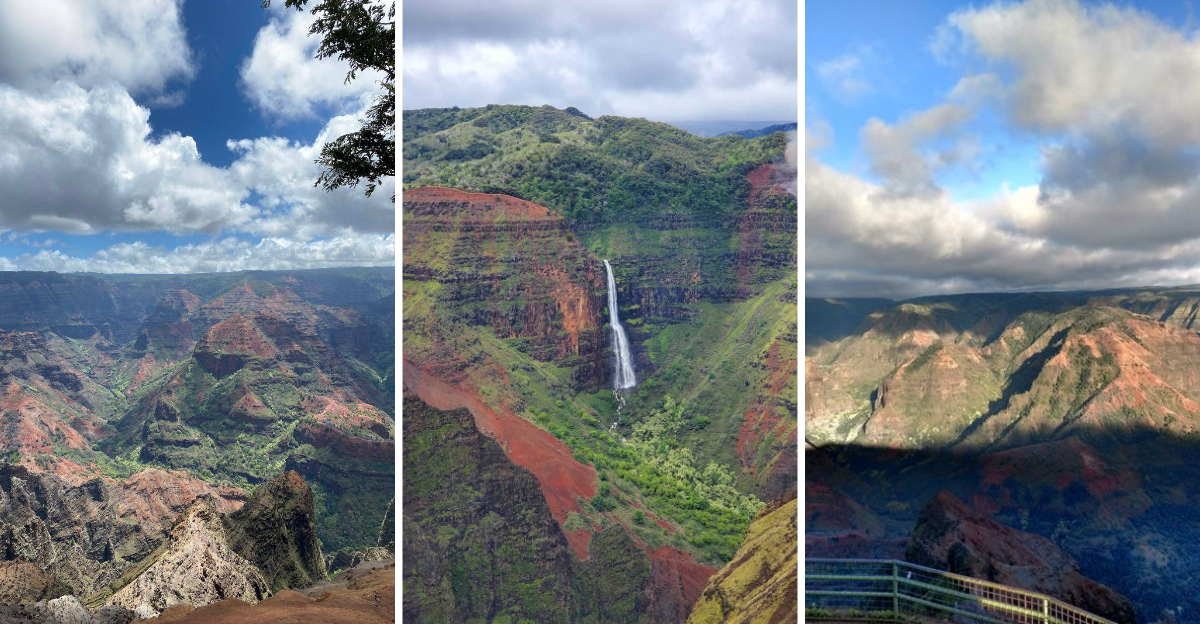
Kauai holds a secret carved into the earth over millions of years, and it stops travelers in their tracks the moment they reach the first overlook. Deep valleys drop away in bands of red, green, brown, and gray, while distant waterfalls thread down cliff walls that seem to have no end.
The winding road climbs thousands of feet, delivering a fresh view around nearly every bend. Weather here shifts fast, so clouds may hide the depths one minute and reveal the full expanse the next.
This place has earned a bold nickname that promises something on the scale of the American Southwest, only far greener. What follows is a guided tour through its story, its overlooks, its trails, and the practical notes that make a trip run smoothly.
Where the Canyon Opens Up on Kauai
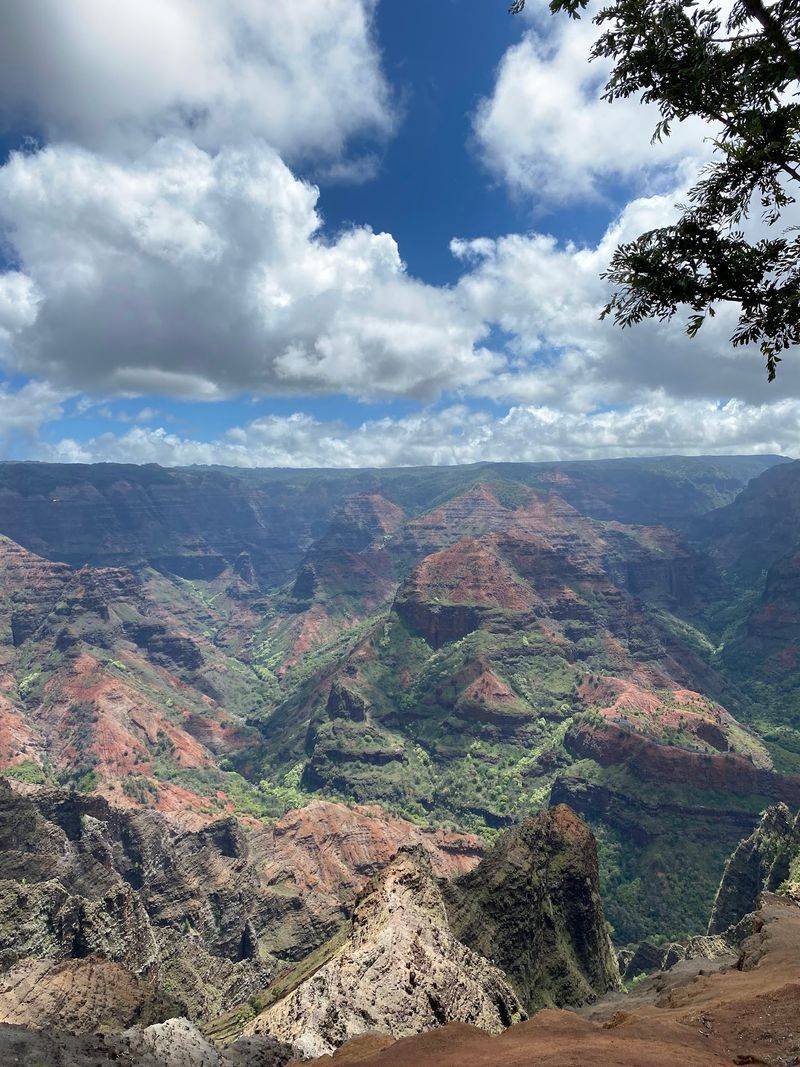
Tucked into the western side of Kauai, Waimea Canyon State Park sits above the small town of Waimea, HI 96796. The gorge stretches across the mountaintop landscape and drops into valleys layered with color.
The nickname says a lot. People call it the Grand Canyon of the Pacific, and the comparison holds up once the first overlook comes into view.
The canyon reaches remarkable depths, with cliffs painted in reds, greens, and browns. The scale alone makes it one of the most significant natural landmarks anyone can find on the island.
Getting here means a climb along a steep, curvy road that gains serious elevation. The Waimea Canyon Lookout sits at roughly 3,400 feet, so the air feels noticeably cooler than the coast below.
Regulars often suggest this park as a top itinerary stop for any Kauai trip. It rewards both quick sightseers and those ready to spend the whole day roaming.
A Landscape Written Over Millions of Years
Time did the heavy lifting here. The canyon formed from basaltic lava that erodes across roughly five million years, and the story is spelled out on National Park style signs along the route.
That geological perspective adds real depth to a visit. Reading how ancient lava turned into these carved cliffs gives the scenery a whole new weight.
The colors themselves come from the way the rock has weathered over eons. Iron in the volcanic soil helps explain the striking reds that run through the walls.
Many travelers mention the sense of standing before something ancient and powerful. The landscape carries what people describe as an amazing story of time.
For anyone curious about how islands take shape, the signs make the science easy to follow. You leave understanding not just what the canyon looks like, but how it came to be.
The Long and Winding Road to the Top
Half the fun happens before you even park. The drive up to Waimea Canyon twists and climbs, and the scenic route has become a highlight all on its own.
Overlooks appear one after another along the way. Stopping at each pullout pays off, and travelers often say every single viewpoint is worth the extra minutes.
The road runs steep and curvy, so a relaxed pace works best. Taking it slow lets passengers soak in the shifting scenery without rushing past the good stuff.
Parking near the main lookout is generally easy, though the lot itself is on the smaller side. Arriving with a little patience keeps the experience smooth.
Some visitors pair the drive with an audio guide app to catch the history and details at each stop. That small addition turns a simple drive into a rolling lesson about the island.
Overlooks That Steal the Whole Show
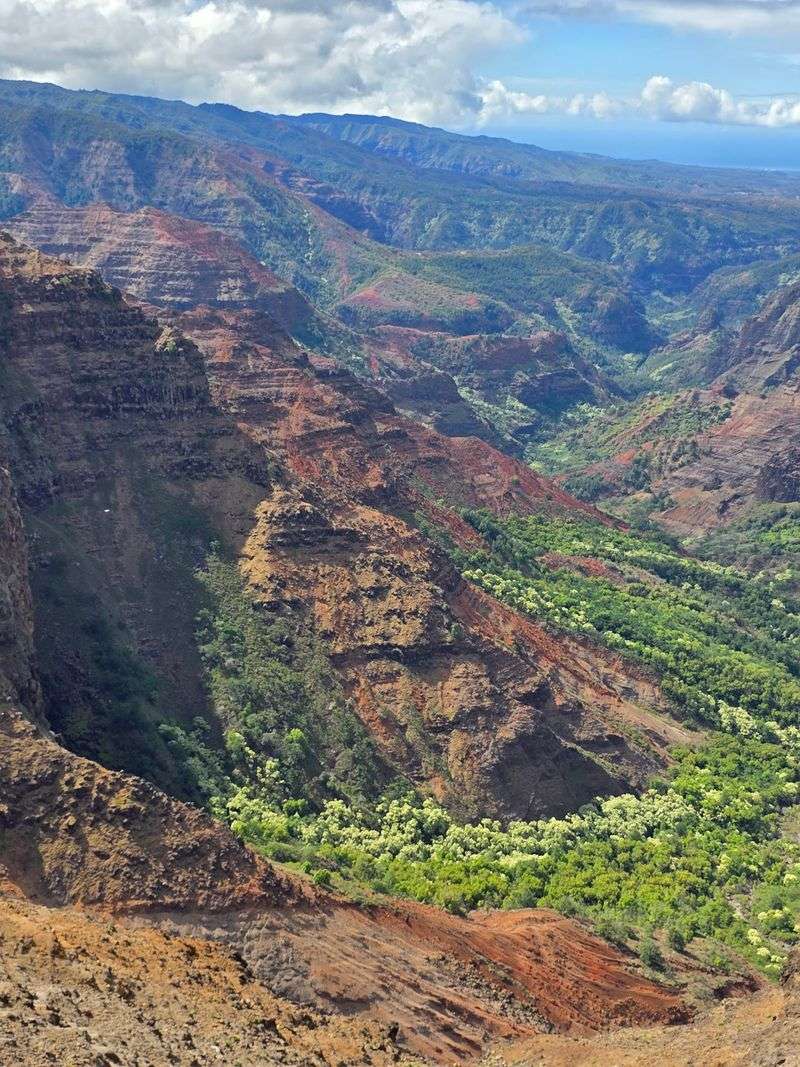
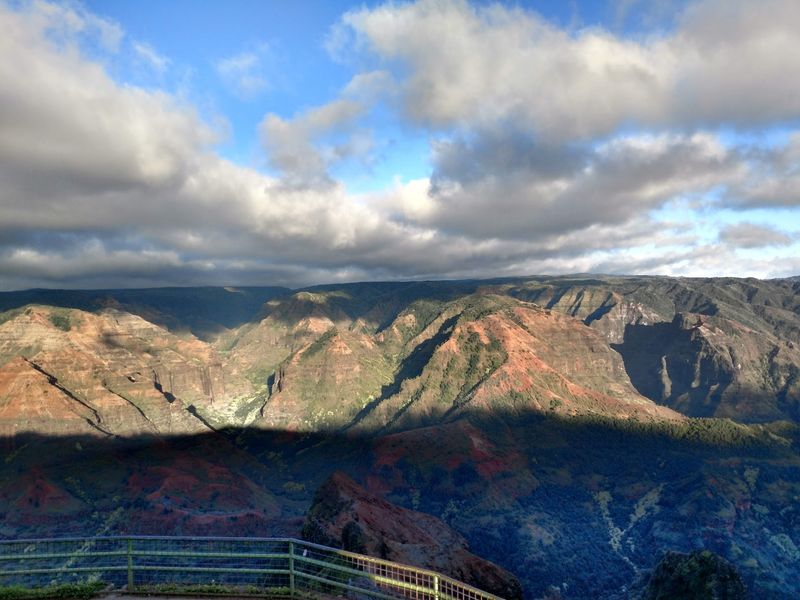
Nothing quite prepares you for the first railing view. Multiple lookout points line the route, and each one frames the canyon from a slightly different angle.
The main Waimea Canyon Lookout draws the biggest crowds for good reason. From here the gorge stretches wide, revealing its depth and color all at once.
Farther up, the Kalalau Lookout offers another jaw-dropping perspective. On clear days the view reaches deep into the valley and out toward the horizon.
The colors shift with the light. Sunlight brings out warm reds and oranges, while passing clouds throw moving shadows across the walls.
Even a short stop at these overlooks leaves a lasting impression. People who only drive through and pause at the lookouts still walk away calling the trip completely worth it.
Waterfalls Threading Through the Cliffs
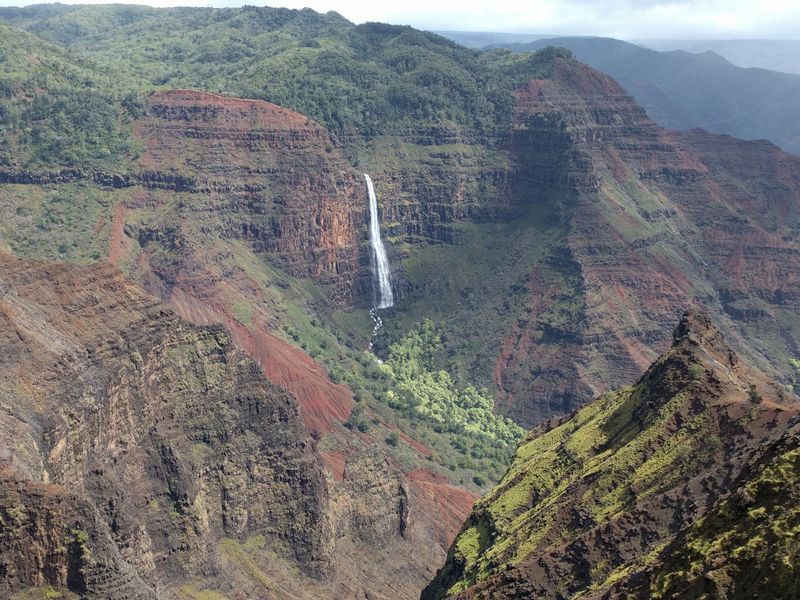
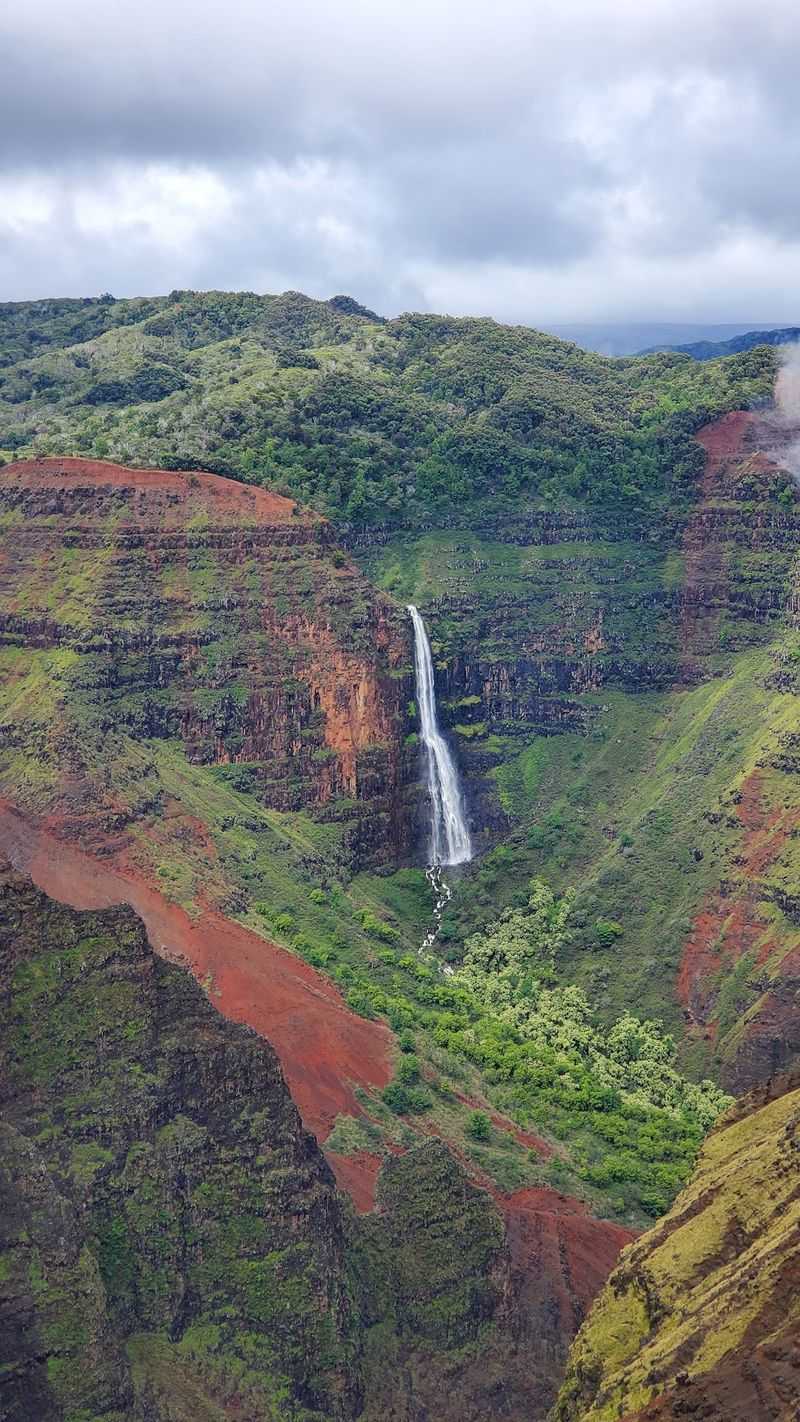
Look closely across the gorge and a surprise reveals itself. Waterfalls flow freely down the distant cliffs, adding motion to an already dramatic scene.
These cascades show up best after rain, when the canyon channels extra water toward the valley floor. The falls become a favorite detail for those scanning the horizon.
Because the canyon runs so deep, the waterfalls often appear as thin silver lines against the rock. Spotting them feels like finding a hidden reward.
Hikers who venture along the trails can sometimes get nearer to the water and the lush vegetation surrounding it. The closer approach makes the greenery pop against the red walls.
Between the falls, the birds, and the occasional mountain goat, the canyon feels alive. There is always something moving out there if you take the time to watch.
Trails for Every Kind of Explorer
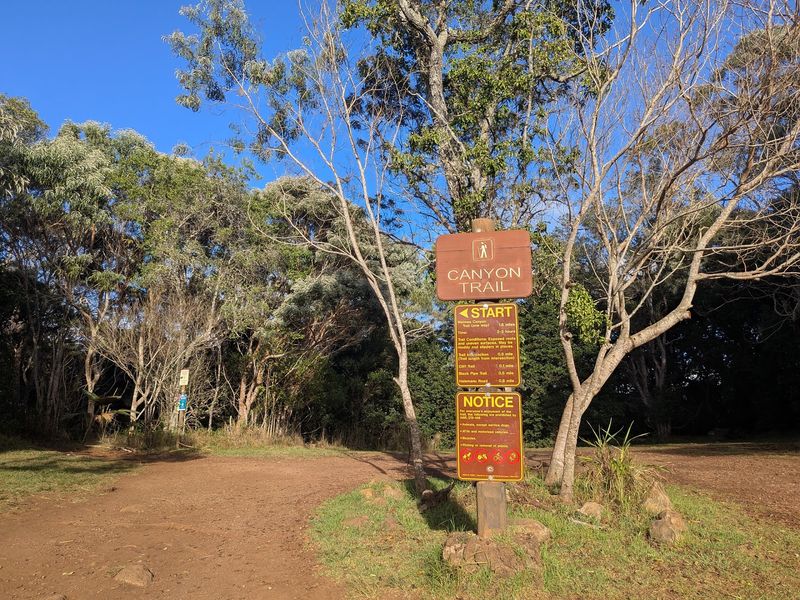
Beyond the overlooks, a whole network of trails waits for those ready to stretch their legs. Hiking ranks among the most talked-about activities in the park.
Options run from short ridge walks near the top lookouts to longer, demanding routes. Some hikers describe descending the ridge and finding themselves standing right in the clouds.
The Nualolo trail earns high marks from those who take it on. A round trip of about ten miles challenges the body but delivers unforgettable payoffs at every turn.
Conditions can get tricky, so heed the signs. When a trail marker warns that the path is muddy, take it seriously and dress accordingly.
Even folks who skip the longer treks find the shorter paths rewarding. A little hiking mixed with plenty of photo stops tends to leave people thoroughly satisfied.
Weather That Changes by the Minute
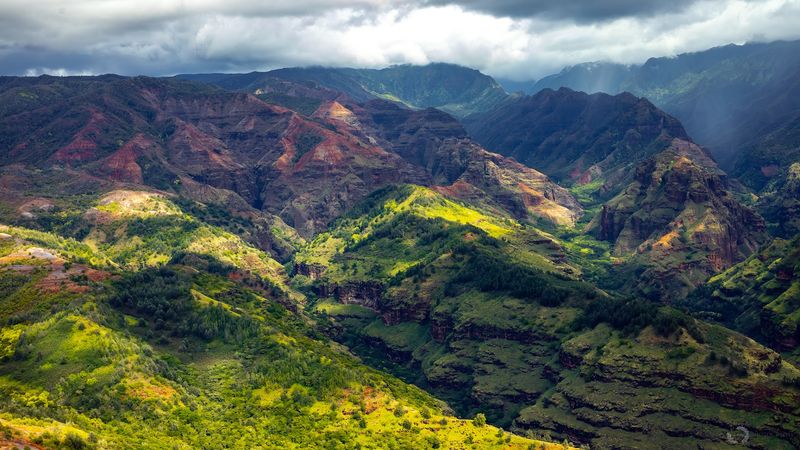
One of the park’s biggest quirks is how quickly the sky flips its mood. Rain can fall one minute and sunshine can break through the next.
Fog is a regular guest up here, sometimes drifting in to hide the deepest parts of the valley. Patience often pays off as the clouds shift and the view returns.
Timing matters. Clouds tend to gather over the far end of the canyon later in the day, so many travelers aim for morning to catch the clearest views.
Others go in the afternoon to dodge crowds and still manage to see most of the canyon. Both strategies can work depending on the day’s conditions.
The elevation keeps things cool at the top, so a jacket is a smart pack. Being ready for a sudden shift means you can enjoy the show no matter what the weather decides.
Seeing the Canyon From the Air
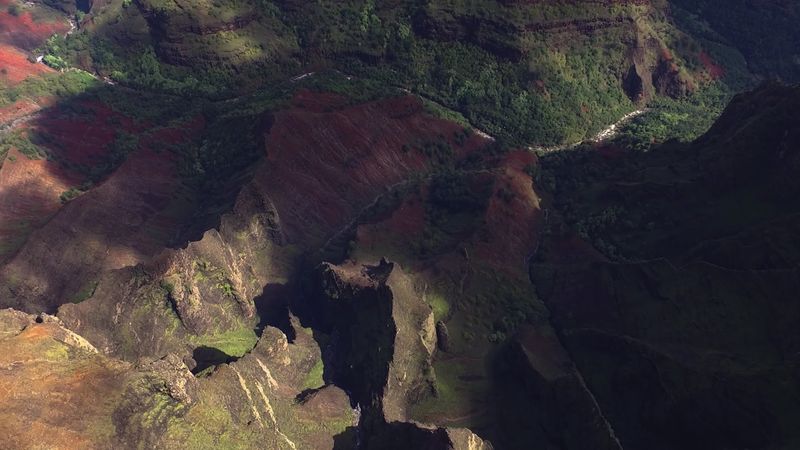
Ground-level views impress, but the canyon takes on a new scale from above. Helicopter tours give travelers a sweeping look at the gorge and its hidden folds.
From the air, the full reach of the valleys and ridges comes into focus. The perspective reveals corners that no roadside overlook can quite capture.
Not everyone is eager to fly, and that is perfectly fine. Even those who feel uneasy about helicopters often admit the tour would be spectacular for anyone comfortable with heights.
The aerial route highlights just how much the erosion has carved into this ancient volcanic rock. It ties together everything the signs describe about the canyon’s formation.
For visitors who want the grandest overview possible, the sky offers it. Between the drive, the trails, and a flight, the canyon can be experienced from nearly every angle.
The Calm That Settles Over the Rim
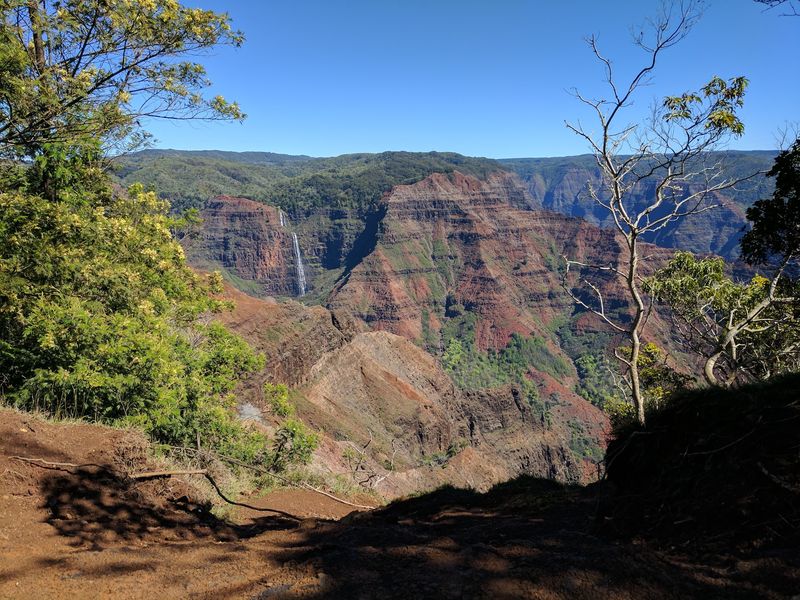
Grand as it is, the canyon carries a surprising sense of quiet. Standing at the edge, people describe a feeling of peace and openness that balances all the drama.
The expansiveness has a way of slowing everyone down. Taking in the layered cliffs and shifting light tends to turn a quick stop into a longer pause.
Cool mountain air rounds out the mood at the top. The elevation gives the whole scene a calm, refreshing quality that sets it apart from the coast.
Many travelers wish they had planned more time at the overlooks. The views invite lingering, and rushing off feels like leaving something unfinished.
Families, couples, and solo explorers all find their own rhythm here. Whether the goal is photography or simply sitting with the scenery, the rim welcomes it.
Fees, Parking, and Practical Notes
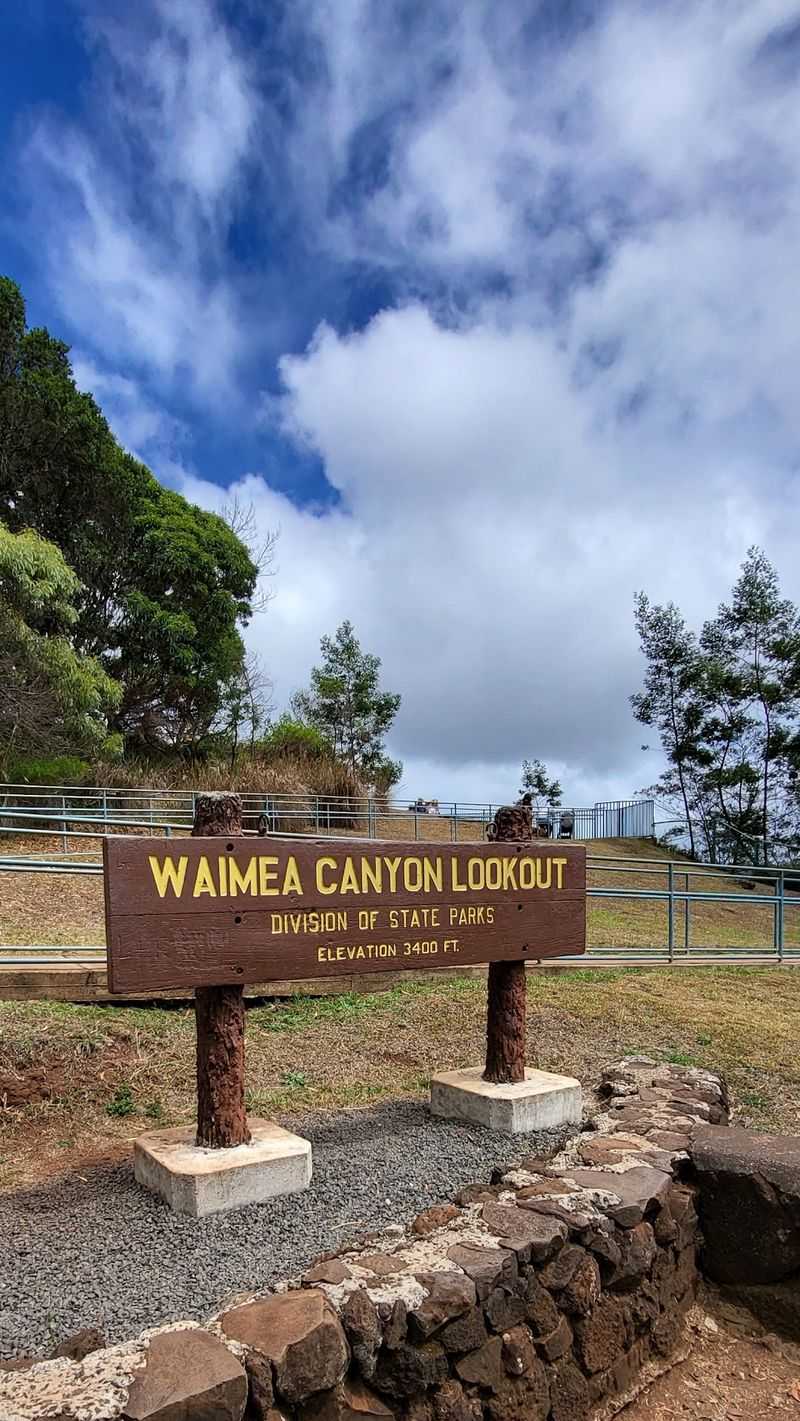
A little planning keeps the visit smooth. Entry runs about ten dollars per vehicle plus five dollars per person, paid at a machine that requires a credit or debit card.
Here is a handy tip. Pay once at an overlook where you leave the car, keep the receipt on your dash, and the rest of that day’s lookouts are covered.
The touchscreen asks for your license plate number, and it can feel a bit confusing. Friendly attendants are often on hand to help guests navigate the process.
Restrooms sit right by the main lookout parking, which adds real convenience. The lot is small, so arriving early or later helps with the squeeze.
The main lookout has a wheelchair accessible ramp, though it runs long and steep, with stairs alongside it. Those fees go toward keeping the park clean, maintained, and open for everyone.
Why This Canyon Belongs on the List
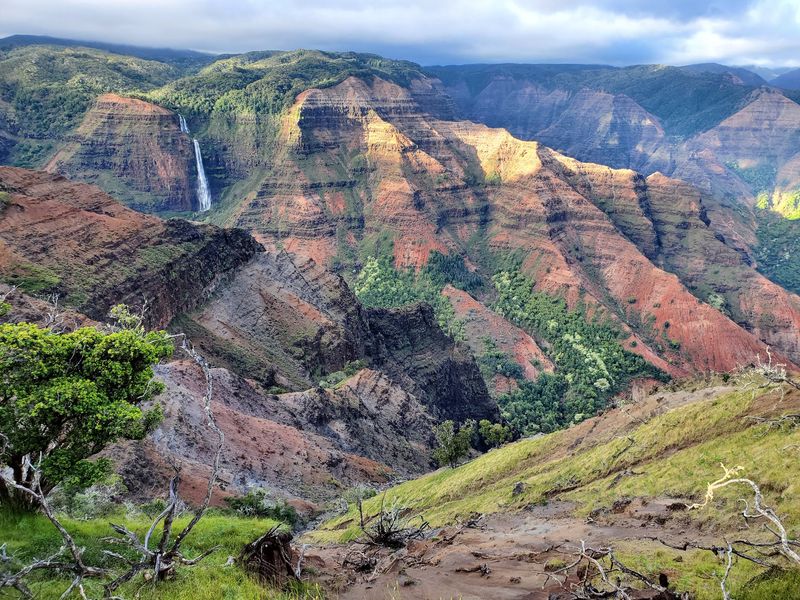
Few spots on Kauai leave a mark quite like this one. With a near-perfect standing among thousands who have made the trip, Waimea Canyon has earned its reputation as a can’t-miss stop.
The combination is hard to beat. A scenic drive, a string of overlooks, waterfalls in the distance, and trails for every fitness level all live in one place.
The colors set it apart from its mainland namesake. Reds and browns mix with deep greens, giving the gorge a look that feels distinctly Hawaiian.
Whether the plan is a quick photo run or a full day of hiking, the canyon delivers. It works for careful planners and spontaneous road-trippers alike.
Anyone building a Kauai itinerary would do well to save room for this mountaintop wonder. The Grand Canyon of the Pacific truly captures the island’s natural magic, and it sends people home with a story worth telling.
Enjoyed this story?
Add Fast Food Club as a preferred source to see more of our reporting on Google.