


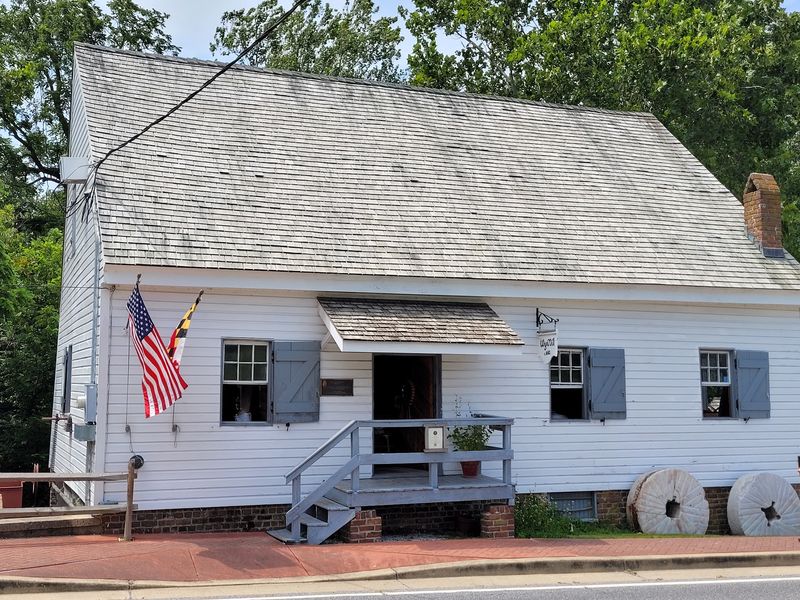
Somewhere along a quiet stretch of Maryland’s Eastern Shore, a wooden water wheel still turns and turns, doing the exact same job it has done for centuries. Grain goes in, flour comes out, and the machinery running the whole show has barely changed since colonial times.
This little building supplied flour to George Washington’s soldiers, and it is widely called the oldest working grist mill in the country. Most people zip right past it on their way to the beaches, never knowing they are speeding by living American history.
That is a shame, because a short detour rewards the curious with cornmeal, grits, and stories you will not find anywhere else. Keep reading to learn where it hides, what makes it tick, and how to plan a stop that fits into any road trip.
Where History Keeps Turning
Tucked along the Chesapeake Country Scenic Byway, Old Wye Mill sits at 900 Wye Mills Rd, Wye Mills, MD 21679. The location places it near Easton, on the well-traveled route toward St. Michaels and the Maryland and Delaware beaches.
What waits inside is not a replica or a re-creation. The mill is a genuine working grist mill, one that many consider the oldest operating example of its kind in the United States and the oldest commercial building in the state of Maryland.
Records trace its grinding back to roughly 1682, which is a staggering stretch of continuous purpose. Few buildings anywhere can claim that kind of unbroken working life.
Part of the charm comes from how easy it is to miss. Drivers on the highway often stumble upon it by accident, taking a small detour and finding a piece of the country’s earliest industry still humming.
The mill operates seasonally, generally from May through October, giving it a rhythm tied to the warmer months. A visit here folds neatly into a larger day of exploring the Eastern Shore.
A Mill Older Than the Nation Itself
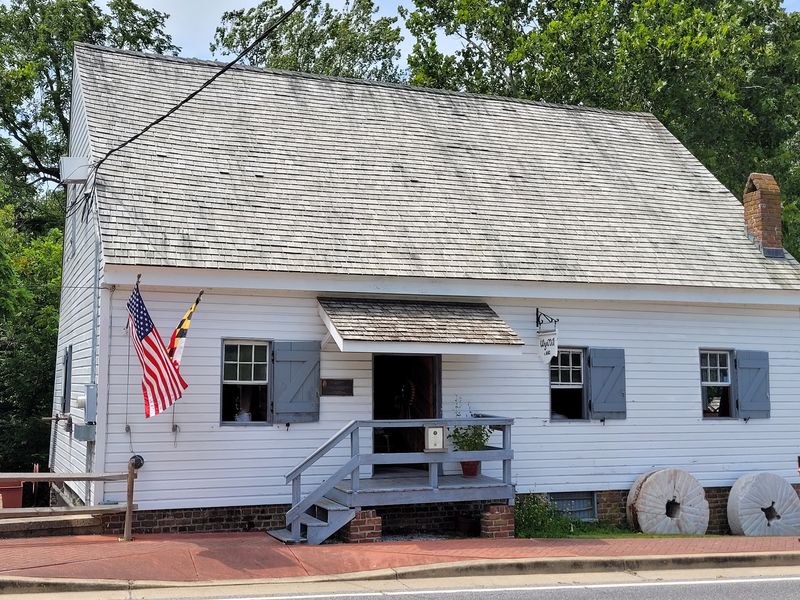
Long before there was a United States, this mill was already grinding grain for the local community. Its roots reach back to around 1682, which means it predates the Revolution by nearly a century.
Ownership and operation carried through generations, and the building earned a reputation as a commercial anchor of the region. For Maryland, it stands as the oldest commercial structure still around.
The most famous chapter belongs to the Revolutionary era. Flour ground at Wye Mill was supplied to George Washington’s troops, a detail that turns a simple stop into a brush with the country’s founding story.
Because it kept working through so many eras, the mill offers a rare kind of continuity. The same basic process that fed colonists and soldiers still produces flour today.
Understanding that timeline changes how the whole place feels. Every board and gear carries the weight of more than three centuries of steady labor.
Watching the Water Wheel Do the Work
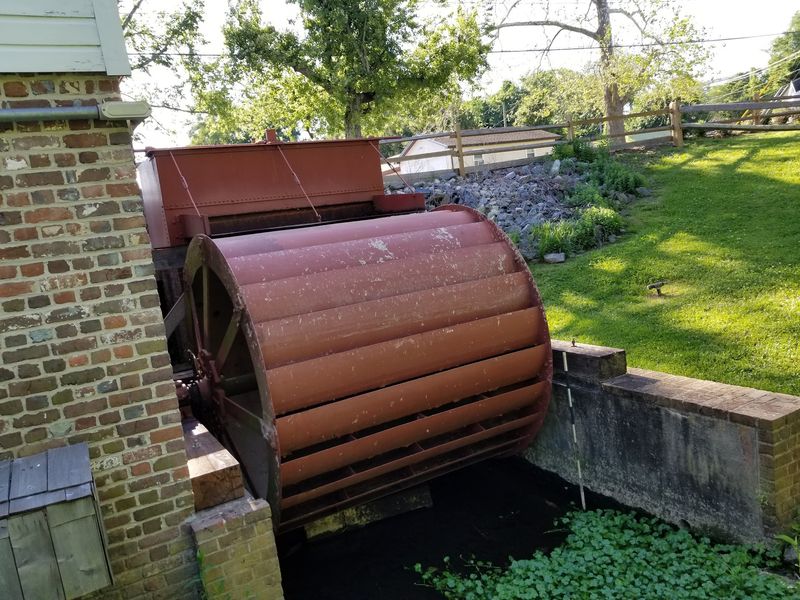
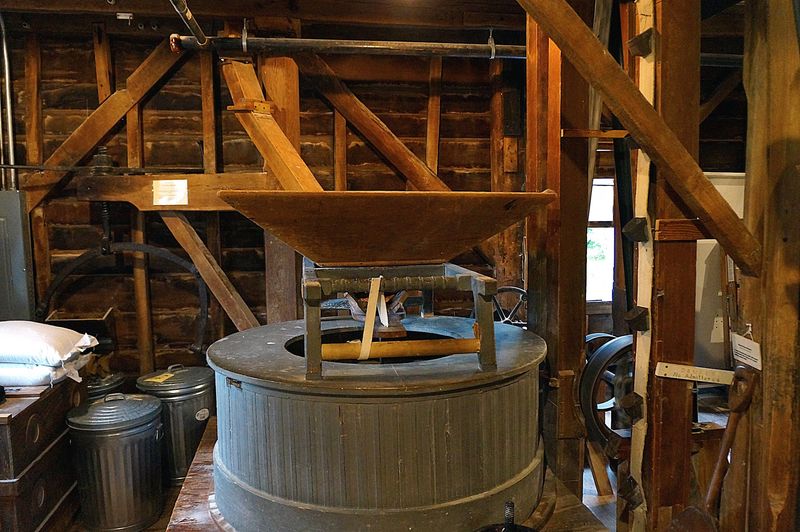
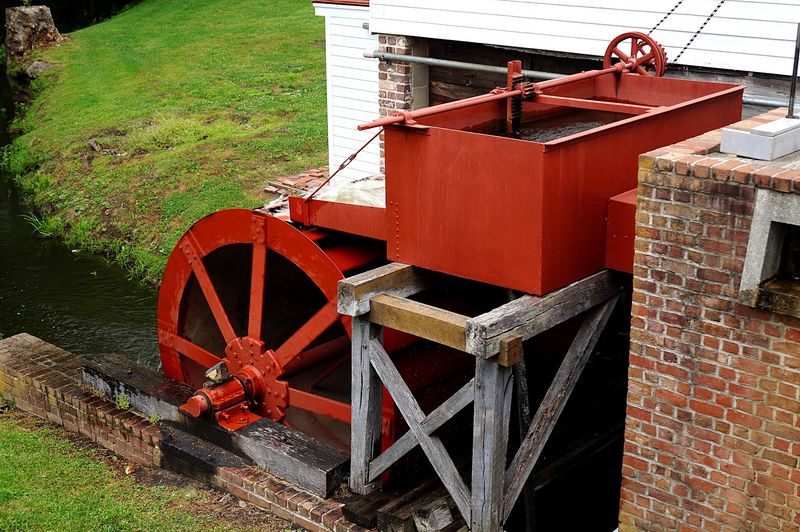
At the heart of the operation is a water wheel, the original engine of the whole building. Flowing water turns the wheel, and that motion drives the gears and stones that crush grain into flour.
Seeing the mechanics in action makes the science click in a way no textbook can. Adults and children alike come away understanding exactly how moving water becomes finished flour.
The system is beautifully simple and endlessly clever. Power comes straight from nature, with no motors or electricity involved in the traditional grinding.
Grinding demonstrations happen on the first and third Saturdays of the month, starting in May. On those days, the machinery comes fully alive and the mill does what it has always done.
Even when active grinding is not scheduled, the equipment stands ready to explain itself. The whole contraption is a lesson in early American engineering that still runs on principles centuries old.
Grinding Days You Will Want to Catch
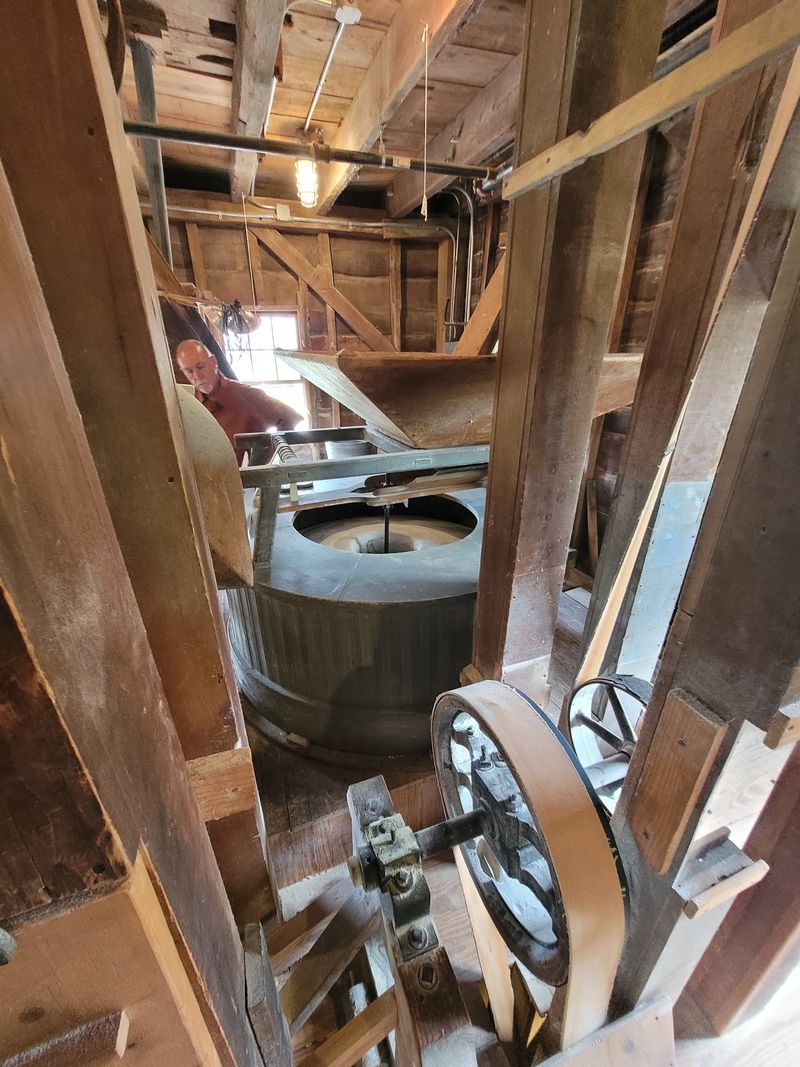
Timing your visit around a grinding day turns a good stop into a memorable one. The mill runs live grinding on the first and third Saturdays of the month, beginning in the May season.
On those Saturdays, the wheel turns and grain moves through the stones as it did generations ago. Watching the process unfold in real time is the closest thing to time travel this side of the highway.
The demonstrations show grain becoming cornmeal, grits, and flour right in front of you. It is one thing to read about milling and quite another to see the stones at work.
The grand opening for the season often marks a special day, sometimes featuring a food truck, ice cream, music, and a live grinding demonstration. It sets a festive tone for the months ahead.
Planning ahead pays off here. Checking the calendar for those key Saturdays ensures you arrive when the mill is at its most impressive.
Take Home Cornmeal, Grits, and More
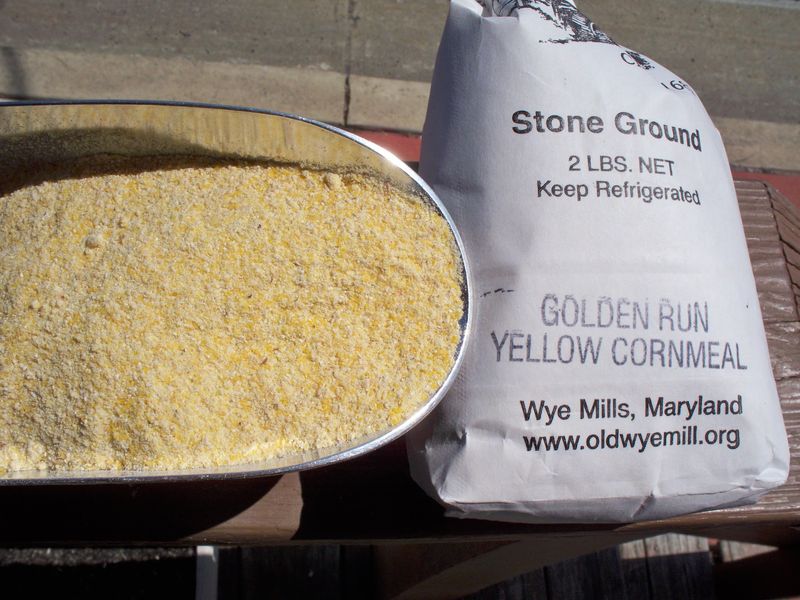
Leaving empty-handed is tough once you see the products stacked and ready. The mill sells fresh ground cornmeal, grits, and various flours produced right on the property.
The quality of the flours and meal draws people back for more. Corn flour, grits, and wheat berries are among the takeaways that make the trip worthwhile.
Some folks build entire tasting projects around the offerings. Grits made from the mill’s product cook up into something close to polenta, hearty and satisfying.
If luck is on your side, you might also find local buckwheat honey on the shelves. Buckwheat flour is another favorite that turns breakfast into a small event.
Buying directly supports the mill and its mission to keep operating. Every purchase helps this working piece of history stay open for future generations.
Exhibits That Bring the Past to Life
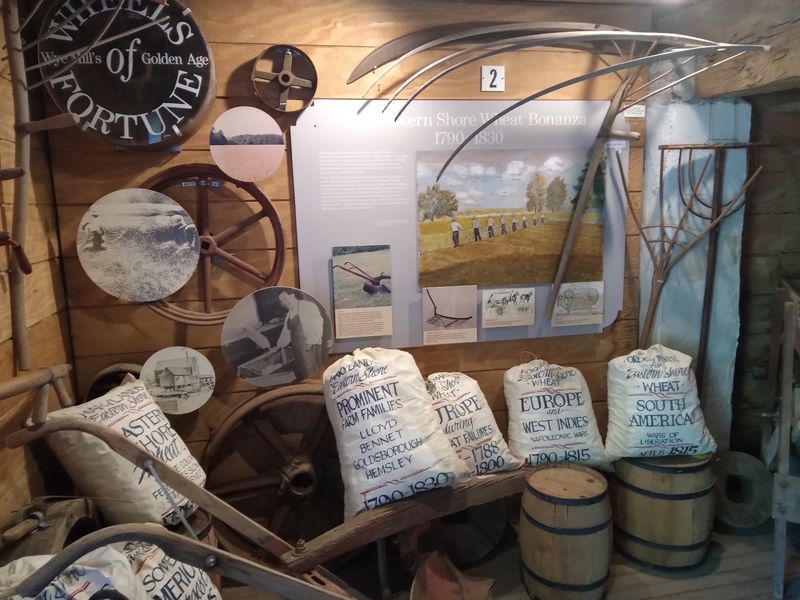
Beyond the grinding, the mill doubles as a small but rich museum. The displays are thoughtfully arranged and cover the building’s long history in detail.
Framed original flour sacks hang alongside vintage photographs, giving faces and packaging to the mill’s commercial past. Models of the town help visitors picture how the community grew around the mill.
Original artifacts fill out the collection, offering tangible links to earlier centuries. Each piece adds another layer to the story the building tells.
The exhibits strike a nice balance between depth and accessibility. There is enough information for serious history fans without overwhelming casual passersby.
Reading through the flyers and displays is a self-directed pleasure. You can move at your own pace, lingering where curiosity leads.
Guides Who Know Their Stuff
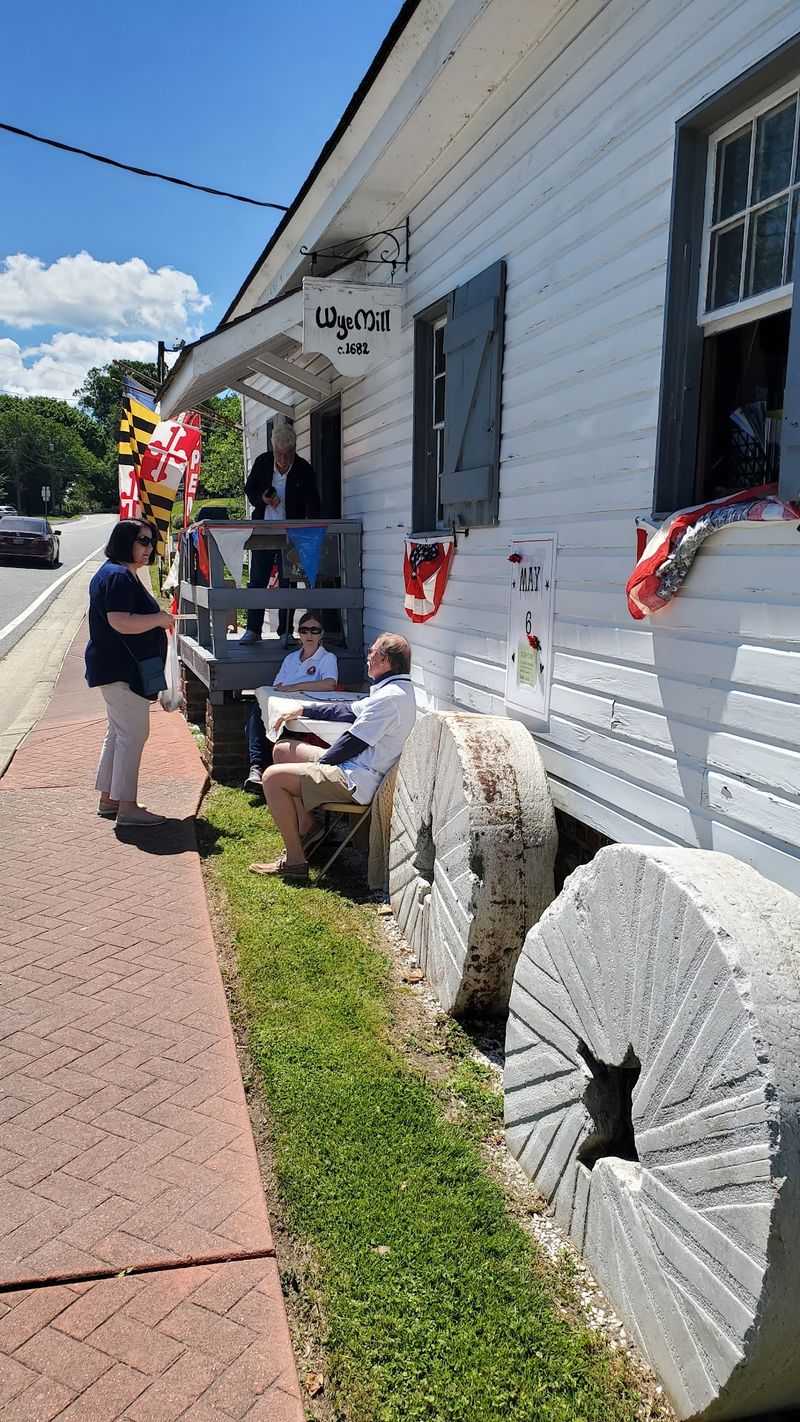
The people staffing the mill make a real difference in the experience. Knowledgeable guides and volunteers happily share the building’s history and answer questions with patience.
Regulars mention that the staff take genuine pride in the mill. That enthusiasm comes through in the way they explain the machinery and the local area.
Guides field even the most detailed questions without missing a beat. Their command of the mill’s story turns a quick look around into a real education.
Weekday visitors often encounter helpful hosts who make the place welcoming and easy to explore. The warmth of the greeting sets the tone for the whole stop.
Having someone on hand who truly cares elevates the visit. Their dedication is a big part of why so many people leave impressed.
A Learning Stop for Young Explorers
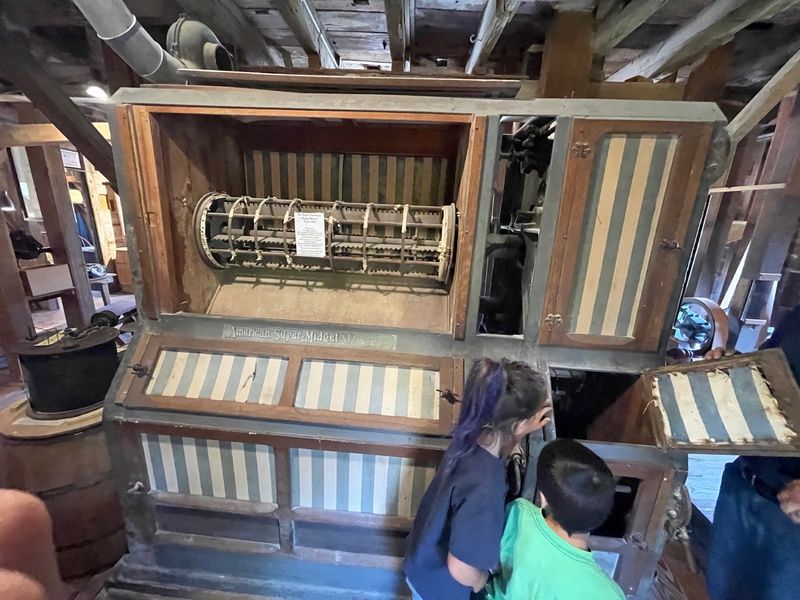
Families with children find plenty to keep young minds busy here. The mill provides interactive explorations designed for kids through grade six and their parents or guardians.
Homeschooling families in particular treat the mill as a favorite field trip destination. The hands-on activities let children learn while they roam and discover.
The lesson at the center of it all is how a water wheel grinds grain. It is the kind of concrete demonstration that sticks with young learners.
Adults often admit they learn as much as the kids do. The material rewards curiosity at any age, making it a shared discovery.
Groups can plan ahead for a more structured visit. Scout troops and school classes can arrange tours to make the most of the mill’s teaching potential.
A Peaceful Picnic Along the Byway
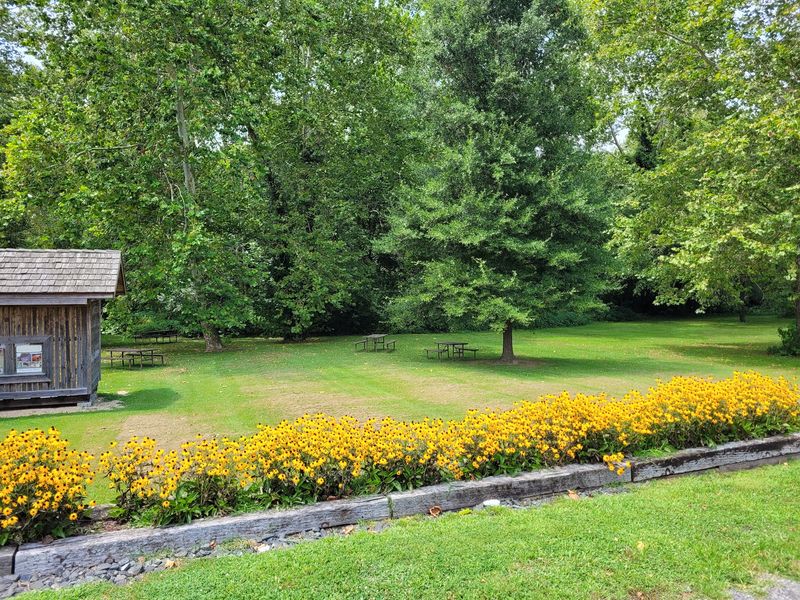
Not every moment here has to be about history and machinery. The grounds make a calm, pretty setting for a picnic along Maryland’s Chesapeake Country Scenic Byway.
The tranquil atmosphere is one of the mill’s quieter draws. Travelers heading to the beaches often use it as a restful pause on a long drive.
Spreading out for a bite in such surroundings feels like a small reward. The setting is unhurried and easy to enjoy.
For those seeking a low-key outing, the location delivers a break from busy roads. It is the kind of stop that lets you breathe and reset.
Pairing a picnic with a mill tour makes for a well-rounded afternoon. History and relaxation share the same shady spot.
Cast a Line Near the Old Mill
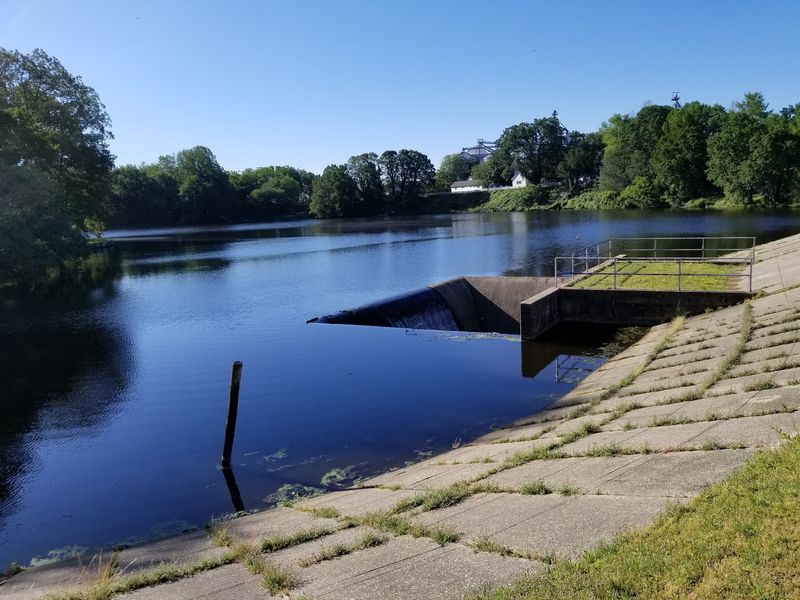
Anglers have long known the waters near the mill as a good spot to fish. Early spring brings runs of white and yellow perch that keep lines busy.
The fishing here leans toward fun rather than trophy hauls. Big catches are rare, but the action stays steady enough to keep everyone entertained.
Crappie also turn up in good numbers around these waters. It makes for a relaxed outing when the perch are running.
Children in particular tend to have luck here. The setting suits young anglers looking to reel in their first catch.
Combining a little fishing with a mill visit rounds out a day outdoors. The two activities sit comfortably side by side.
A Small Gift Shop With Character
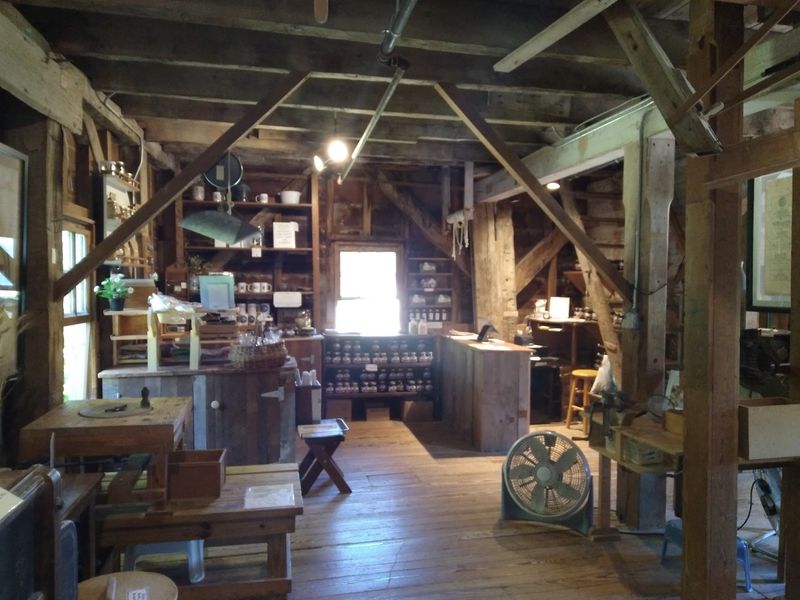
Compact and charming, the on-site gift shop packs a lot into a little space. It carries the mill’s own flours and meal alongside other finds.
Regulars note that the shop is cute for its size. It offers a nice way to bring home a souvenir tied directly to the mill.
Seasonal touches add to the appeal. Around the holidays, the shop has offered a fun mix of treats made from the mill’s products.
The selection stays true to the mill’s identity. Everything for sale connects back to the building’s grinding tradition.
A quick browse before leaving is well worth it. The shop turns a visit into something you can carry with you.
Hours, Cost, and Getting There
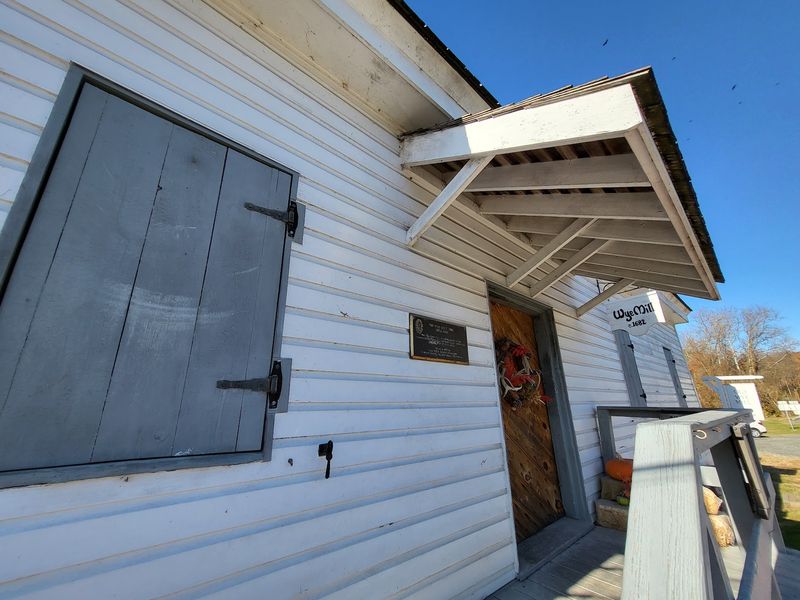
Planning a stop is refreshingly simple. The mill is open Wednesday through Saturday from 10 AM to 3 PM, and Sunday from 1 to 3 PM, while it stays closed Monday and Tuesday.
The season generally runs from May through October, so the warmer months are the time to go. Grinding demonstrations land on the first and third Saturdays.
Entrance is free, which makes it an easy addition to any itinerary. A donation of about two dollars per adult is requested and appreciated, and you are welcome to give more.
The address is 900 Wye Mills Rd, Wye Mills, MD 21679, near Easton and along the route toward St. Michaels and the beaches. It sits on the Chesapeake Country Scenic Byway.
One practical note: there are no restrooms on site. Plan accordingly, since most stops here run from about 20 minutes up to an hour and a half.
Why This Detour Earns Its Place
Some places pack more meaning into a short visit than others, and this mill is one of them. Rated highly by the many who have stopped, it rewards even a brief detour with real substance.
The blend of working machinery, genuine artifacts, and knowledgeable hosts makes it more than a roadside curiosity. It is living history in the truest sense, still doing its job after more than three centuries.
Whether you come for the grinding demonstrations, the flours and grits, a quiet picnic, or a lesson for the kids, the mill delivers on all fronts. Its free admission only sweetens the deal.
The mission behind it all is to keep this landmark open and functioning for another century. Every visit and donation helps carry that goal forward.
Next time the highway calls you toward the Eastern Shore, save a little time for Wye Mills. A place this old, this real, and this welcoming deserves the stop.
Enjoyed this story?
Add Fast Food Club as a preferred source to see more of our reporting on Google.