


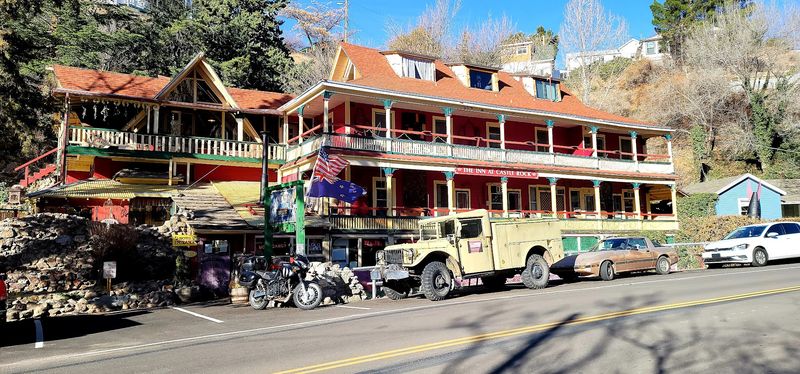
Tucked into the folds of southeastern Arizona sits a former copper town that has quietly become a favorite landing spot for people ready to slow down. Cool summers, mild winters, and a walkable historic center have made it a magnet for those who want something different from the usual desert sprawl.
Old mining homes climb steep canyon walls, museums keep a colorful past alive, and underground tours let curious folks step right into history. What makes this place worth a closer look is how it blends affordability with character in a way few towns still manage.
The following sections walk through its story, its setting, its landmarks, and the practical details that matter most. Keep reading to find out why so many are trading big-city noise for narrow streets and mountain views.
A Copper Town in the Mule Mountains
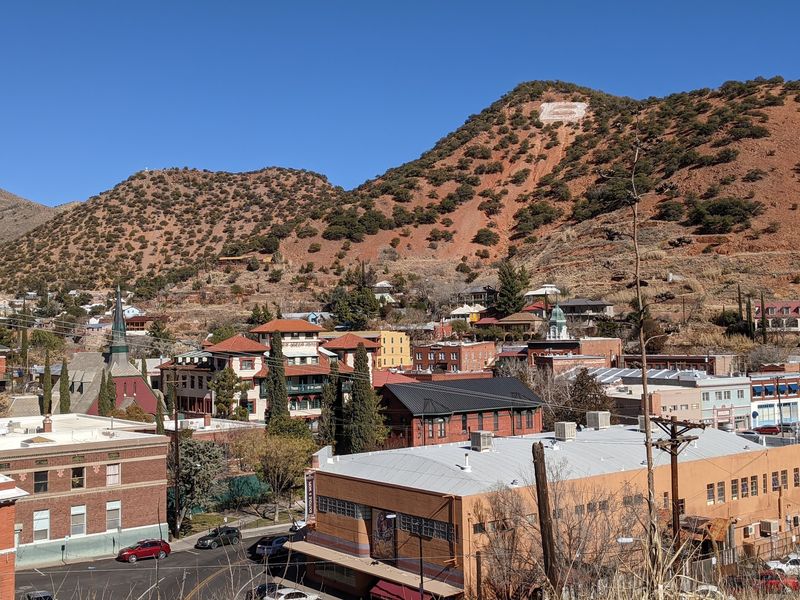
Set at Arizona 85603, this small city rests high in the Mule Mountains of southeastern Arizona, a short drive from the Mexican border.
Its full name, Bisbee, still carries the echo of the copper era that built it more than a century ago. The town grew up around mining, and that history shaped every winding street and hillside home.
The elevation gives it a climate that stands apart from the low desert. Summers stay noticeably cooler than Phoenix or Tucson, and winters remain gentle enough to draw people looking to escape harsh cold elsewhere.
Old Bisbee, the historic core, spreads through Tombstone Canyon, where former miners’ houses stack up the slopes. Newer arrivals have found that the mix of altitude, mild weather, and modest housing costs makes it an appealing place to put down roots.
More than a stop on a map, it functions as a living community with a personality all its own. The official city website at cityofbisbee.com offers a starting point for anyone curious about the details.
What began as a hub for hard work now welcomes people seeking a quieter, warmer pace of life.
Where the Copper Legacy Still Lives
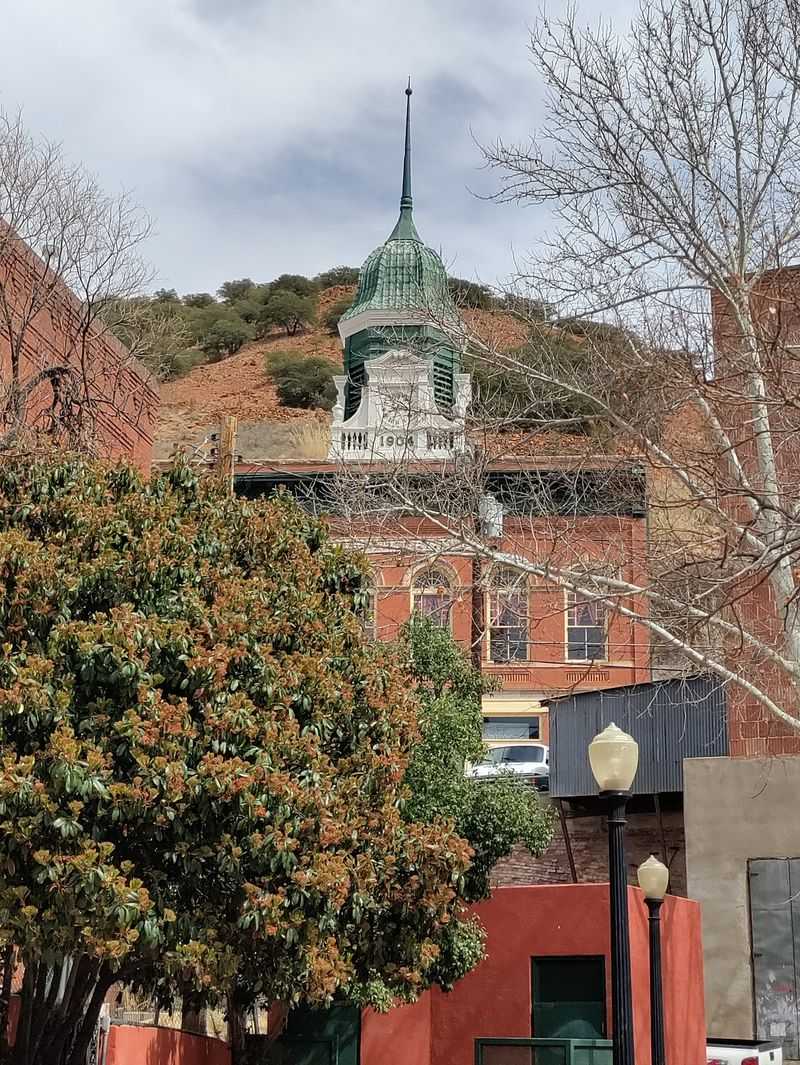
Long before it became a retiree haven, this place earned its reputation underground. Copper mining defined its early decades and drew workers from many corners.
The wealth pulled from the earth financed grand buildings and a bustling town center that still stands today. Much of what visitors see now traces back to those prosperous mining years.
Two museums keep that chapter open for anyone who wants to understand how it all began. The Bisbee Mining and Historical Museum and the Bisbee Restoration Museum both chronicle the copper past in detail.
Displays walk through the daily grind of mine work, the growth of the community, and the shifts that came when mining wound down. The story helps explain why the town looks the way it does.
Rather than let its heritage fade, the community leaned into it. That decision preserved the character that now attracts newcomers.
Understanding the copper roots makes a walk through the streets far richer. Every old facade holds a piece of that industrious history.
Homes That Climb the Canyon
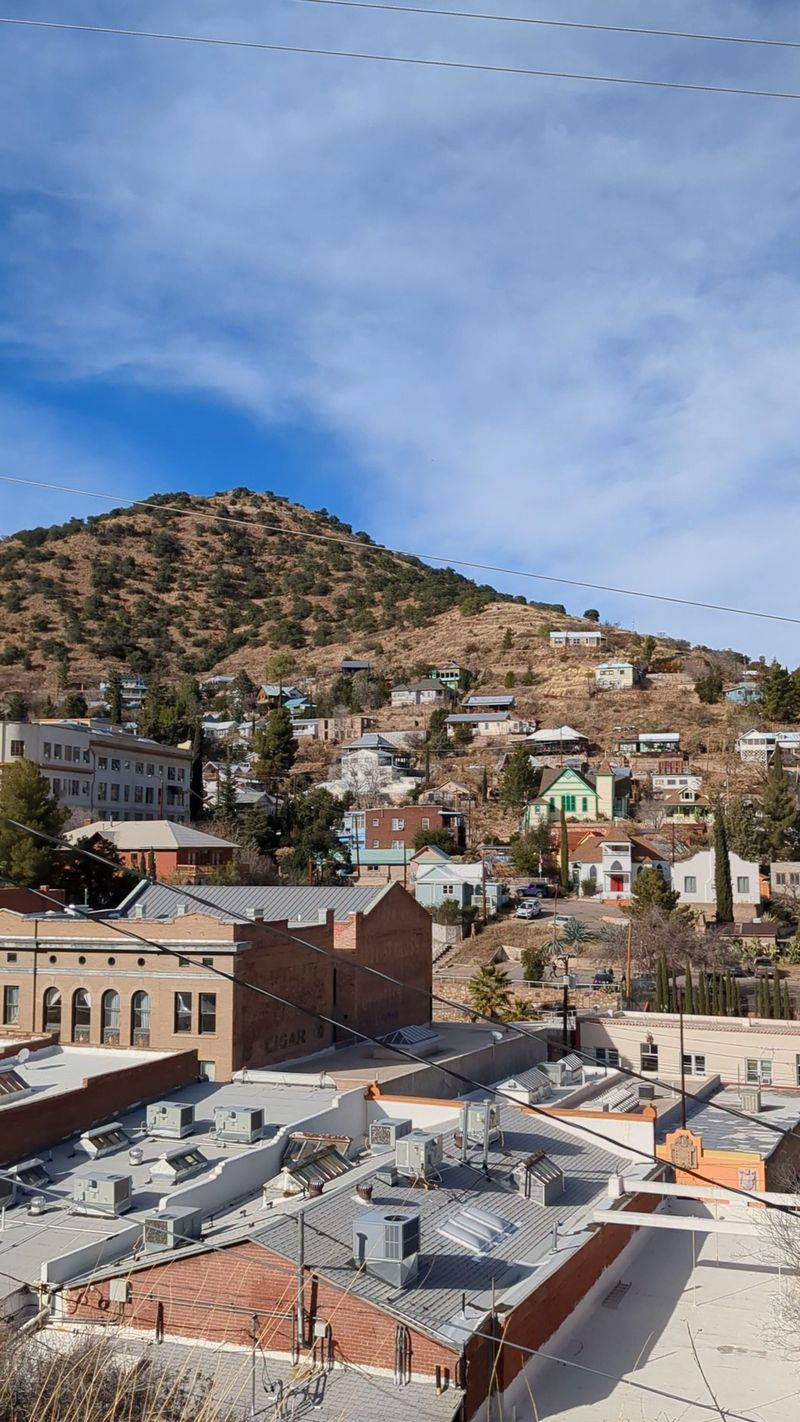
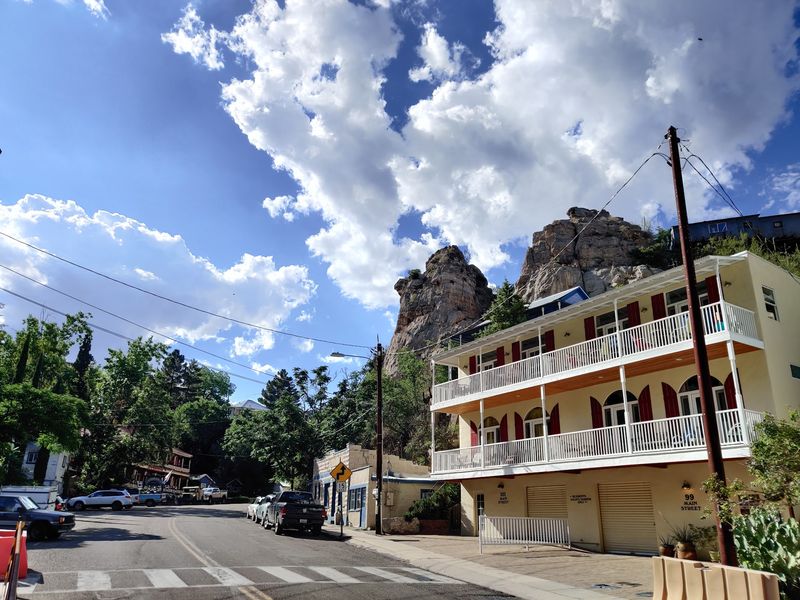
One of the most striking sights here is the way houses seem to grow right out of the hillsides. Former miners’ homes run up Tombstone Canyon from the historic center of Old Bisbee.
The steep terrain forced builders to get creative, stacking dwellings along narrow lanes and staircases. The result is a townscape unlike the flat grid found in most desert cities.
Many of these homes date back to the mining era, and their age adds to the town’s distinct look. Owners have restored and maintained them, keeping the historic feel intact.
Walking the canyon reveals just how tightly the community wove itself into the landscape. Paths and stairways connect levels of homes that would otherwise be hard to reach.
For people considering a move, the housing here offers character that new construction rarely matches. The blend of history and hillside charm is a big part of the appeal.
These climbing streets give the town a personality that stays with anyone who wanders through them.
Going Underground at the Queen Mine
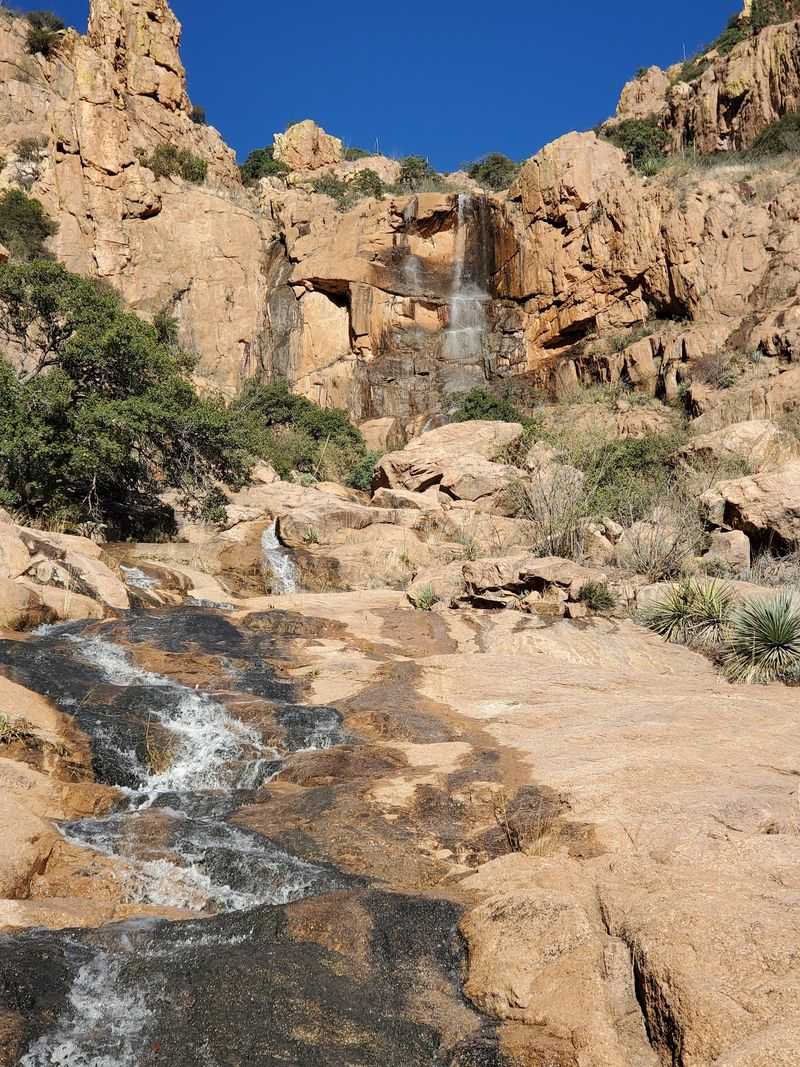
Few attractions let you literally descend into the heart of a town’s history the way the Queen Mine does. The vast former mine now offers underground tours that carry guests below the surface.
Guides lead the way through tunnels that once buzzed with the labor of copper miners. The experience puts the scale of the operation into sharp perspective.
Tour groups ride into the mine, gaining a firsthand sense of what daily work looked like underground. The setting does more than any display case could to tell the story.
The tour stands out as one of the town’s signature experiences and draws curious travelers from far away. It bridges the gap between reading about mining and actually seeing where it happened.
For residents and guests alike, it serves as a reminder of the effort that built the community. The mine remains one of the clearest links to the town’s origins.
Stepping back above ground, the modern town takes on new meaning after seeing what lies beneath it.
The Grand Muheim Heritage House
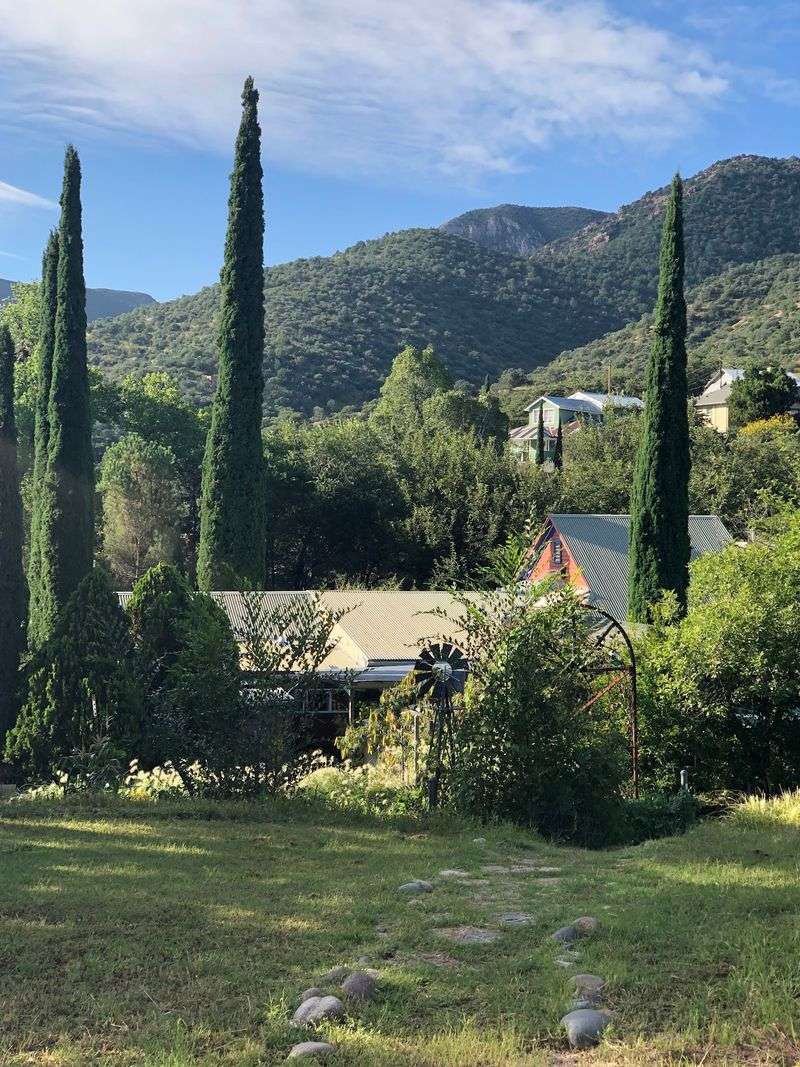
Perched with a view over the town, one restored home shows how the well-off lived during the mining boom. The grand Muheim Heritage House holds 19th-century furniture, gardens, and sweeping mountain views.
The house offers a window into a more refined side of the town’s past. Its furnishings reflect the era when copper money shaped fine living.
Gardens surround the property, adding to the sense of a home built with care and pride. The elevated setting takes in the mountains that frame the whole town.
Touring the house rounds out the picture that the museums and mine begin to paint. Together they show both the labor and the prosperity of the era.
For anyone drawn to history, the heritage house is a rewarding stop. It preserves a level of detail that helps the past feel close and real.
The mountain views alone make the visit worthwhile, and the history makes it memorable.
Winters Made for Warmth Seekers
The reason so many retirees choose this town comes down to its weather. Sitting high in the Mule Mountains, it enjoys winters that stay mild and comfortable.
People fleeing harsh cold find the gentle season a major draw. The warm winters give the town its growing reputation as a landing spot for those in their later years.
Unlike the searing low desert, the elevation keeps summers cooler too, making the climate pleasant across the calendar. That balance is rare and highly valued.
Mild days invite plenty of time outdoors, whether walking the historic streets or exploring the canyon. The weather shapes daily life in a welcome way.
For newcomers, the promise of comfortable winters ranks near the top of the list of reasons to settle here. It is the feature that started this whole trend.
Sunny skies and easygoing temperatures make the cold months feel like a gift rather than a burden.
Affordability That Draws New Residents
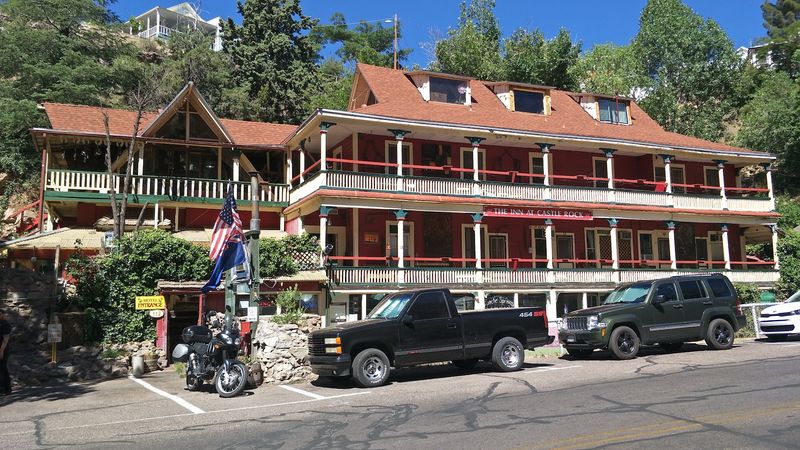
Cost matters when people plan the next chapter of their lives, and this town delivers on that front. Its affordability has become one of the main reasons retirees keep arriving.
Compared with pricier desert cities, the town offers historic housing at gentler prices. That value stretches savings further for those on fixed incomes.
The mix of low cost and rich character sets it apart from many other places competing for retirees. Buyers get history and personality without the premium price tag.
Older homes climbing the canyon give plenty of options for those who appreciate charm over new builds. The savings often free up money for enjoying the town itself.
Affordability paired with warm winters forms a powerful combination. Together they explain why so many are choosing to settle here.
For anyone weighing the financial side of relocating, this town makes a compelling case.
Old Bisbee, the Historic Heart
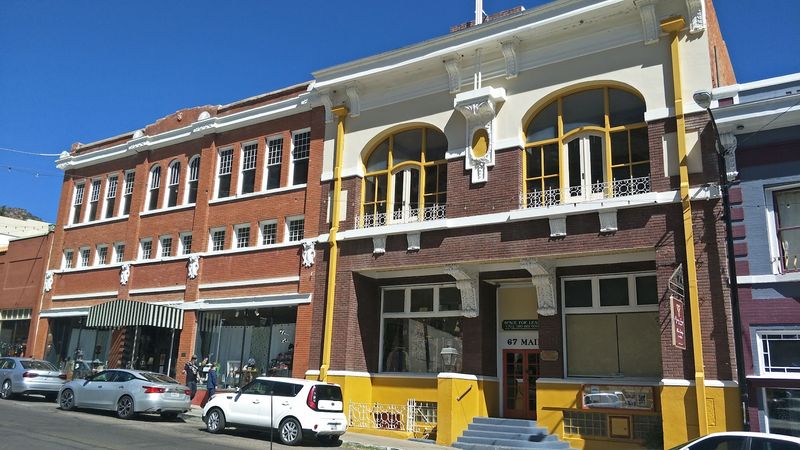
The soul of the town beats in its historic center. Old Bisbee serves as the original town core, packed with buildings that survived the mining years.
Its streets follow the contours of the canyon, giving the district a layout full of twists and surprises. The center feels lived-in and authentic rather than staged.
Historic structures line the way, many restored to keep their early appearance. The district anchors the town’s identity and draws foot traffic through its lanes.
From the center, the homes of former miners rise up Tombstone Canyon, connecting the district to the surrounding hillsides. The whole area works together as one walkable whole.
For residents, the historic heart offers a place to gather and stroll. For guests, it delivers the sense of a town that has held onto its past.
Wandering these streets is the best way to feel what makes the town special.
A Walkable Pace of Life
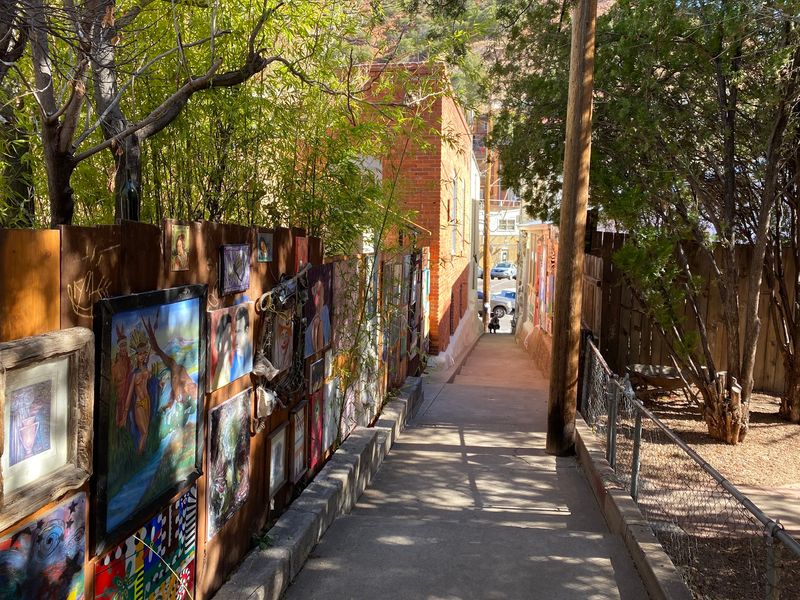
Getting around here often means using your own two feet. The compact center and canyon layout make walking a natural part of daily life.
Narrow lanes and staircases connect the different levels of town, rewarding those who like to explore on foot. The scale keeps things close and manageable.
For retirees especially, a walkable town holds real appeal. Errands, museums, and the historic center all sit within reach without long drives.
The pace slows down when a place is built for walking rather than rushing. That easygoing rhythm suits people ready to leave hurried routines behind.
The hills do add a bit of a workout, keeping residents active as they move through their days. Staying mobile becomes part of the lifestyle here.
A town you can navigate on foot feels more like a community than a collection of parking lots.
Museums That Keep the Story Alive
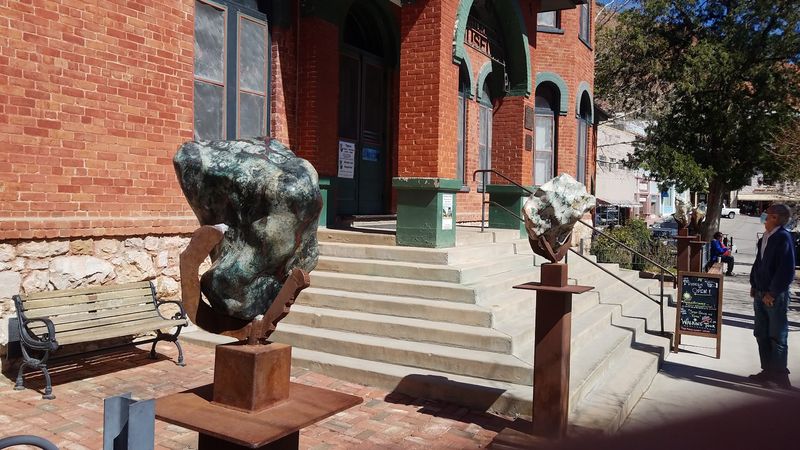
For a small town, this place takes its history seriously. Two dedicated museums preserve and share the copper-mining past in different ways.
The Bisbee Mining and Historical Museum lays out the broad sweep of the town’s story, from its rise to its shifts over time. The exhibits give context to everything else you see.
The Bisbee Restoration Museum focuses on chronicling the same rich history from its own angle. Together the two offer a fuller understanding of how the town came to be.
Both institutions serve as gathering points for anyone curious about the local heritage. They keep the memory of the mining era from slipping away.
For new residents, the museums provide an easy way to connect with the place they now call home. Learning the backstory deepens the sense of belonging.
These halls of history turn a scenic town into one with real depth and meaning.
Getting There and Planning a Visit
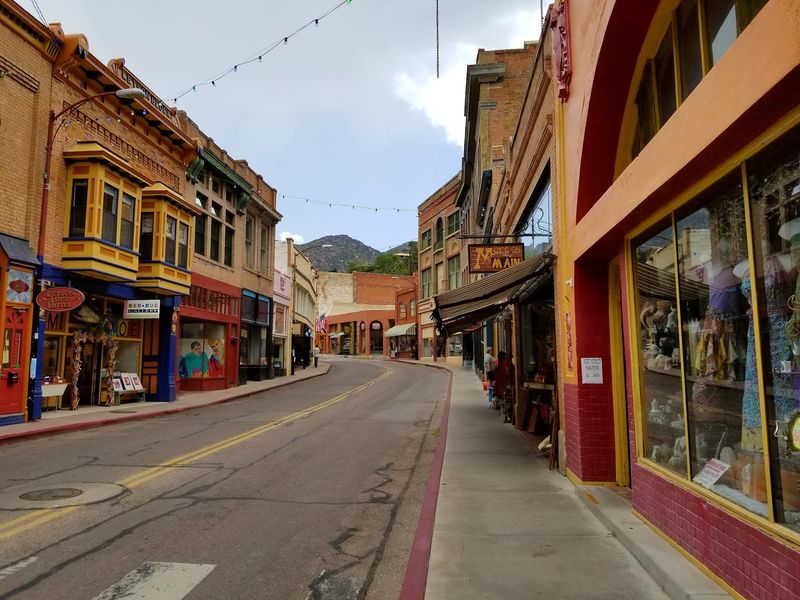
Reaching this town means heading into the far southeastern corner of Arizona. It sits in the Mule Mountains near the Mexican border, at Arizona 85603.
The location puts it within driving range of Tucson, making a road trip the most common way to arrive. The route into the mountains brings a change of scenery as the elevation rises.
Planning ahead helps make the most of a visit. The Queen Mine tour, the museums, and the Muheim Heritage House each reward a little scheduling.
The official city website at cityofbisbee.com is a useful place to gather current details before setting out. It helps travelers organize their time in town.
Because the historic center is walkable, once you arrive you can leave the car and explore on foot. That makes the town easy to enjoy at a relaxed pace.
A bit of preparation turns a day trip into a memorable stop worth the drive.
Why This Border Town Wins Hearts
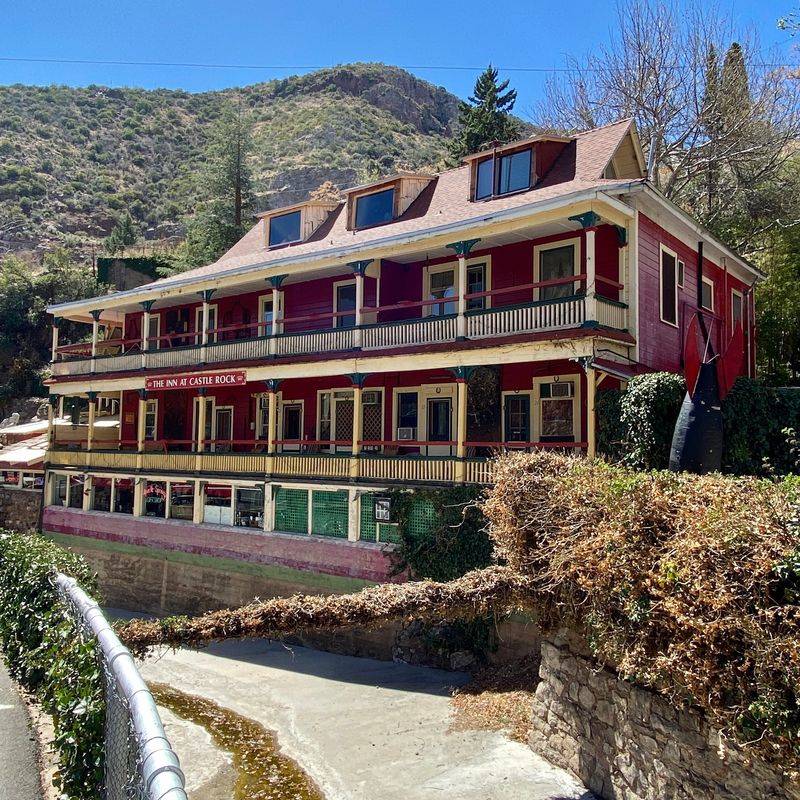
Everything about this place adds up to an easy answer for why people keep choosing it. Warm winters, a walkable center, and affordable historic homes make a rare and welcome combination.
Set high in the Mule Mountains near the border, the town offers a climate and character that big cities cannot match. Retirees have taken notice and continue to settle in.
The copper past gives it depth, the museums and mine keep that story alive, and the canyon homes give it a look all its own. Few small towns hold so much in one spot.
For anyone dreaming of a slower, milder chapter of life, the appeal is clear. The town blends value with personality in a way that feels genuine.
Whether you come to visit or to stay, this corner of Arizona leaves a lasting impression. It has quietly earned its growing following.
Warm winters started the story, but the town’s charm is what keeps people around.
Enjoyed this story?
Add Fast Food Club as a preferred source to see more of our reporting on Google.