


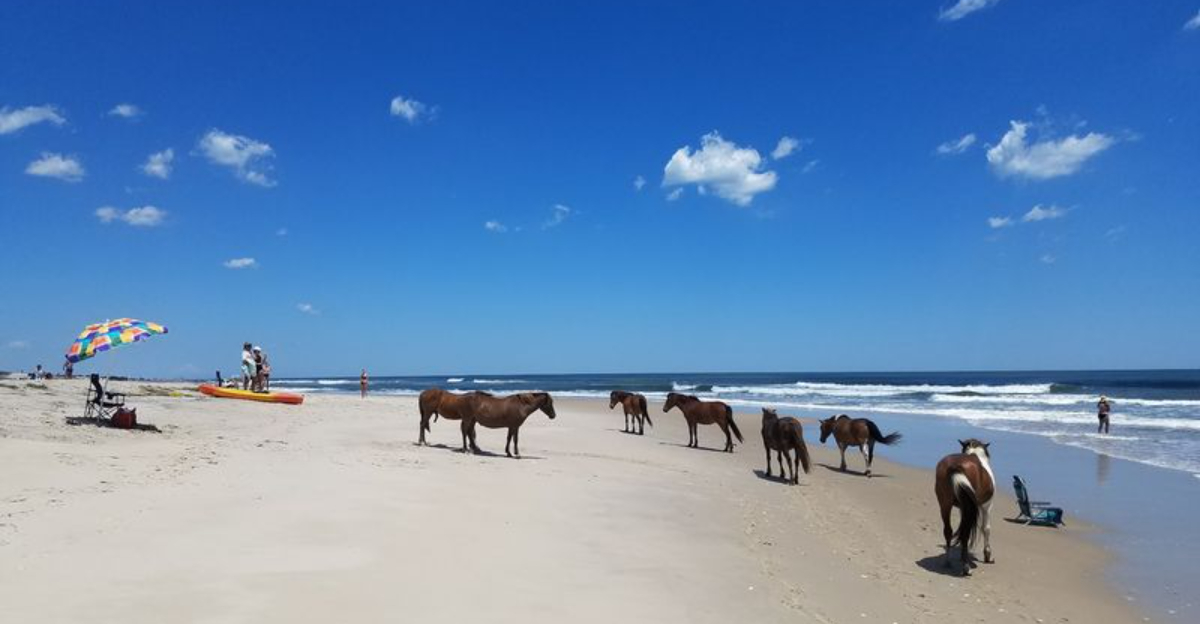
Somewhere along Maryland’s coast, horses walk the sand as if they own the place, and honestly, they kind of do. This is a barrier island where the beaches stretch wide and empty, the dunes roll on for miles, and shaggy wild ponies wander right past parked cars without a care.
It is calmer than the busy boardwalks nearby, and that quiet is exactly the point. You can camp under the stars, hike short trails, cast a fishing line, or simply watch the herds graze along the marsh.
Get ready to learn where the horses hide, what it costs to enter, how the two sides differ, and the small rules that keep both people and ponies safe. There is a lot to love here, and plenty of reasons to stay curious.
A Barrier Island Where Horses Rule the Road
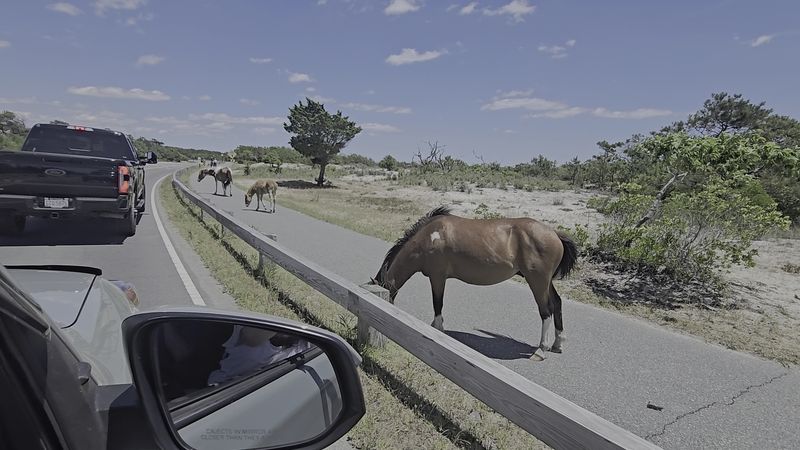
Maryland keeps a wild secret just south of the busy shore towns, and its name is Assateague Island National Seashore. You will find it at 7206 National Seashore Lane in Berlin, Maryland, a long sandy barrier island shaped by wind and water.
The park is best known for its free-roaming ponies, but it is really a whole natural playground. Wide beaches, salt marshes, and quiet trails stretch across the land.
Horses show up in the most casual places. They graze along the roadsides, stand near the entrance gates, and stroll past parked cars like they pay rent.
Open 24 hours every day of the week, the seashore gives you freedom to arrive early or linger late. With a rating of 4.8 stars from more than eleven thousand people, it clearly leaves a strong impression.
It sits close enough to Ocean City for an easy day trip, yet it feels a world apart from the crowds. That contrast is a big part of the charm.
How Salt-Loving Ponies Made This Their Home
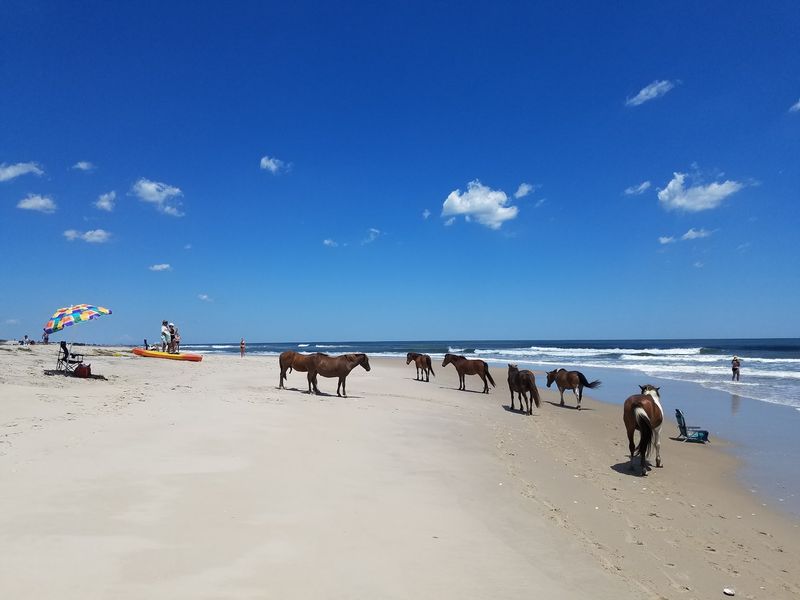
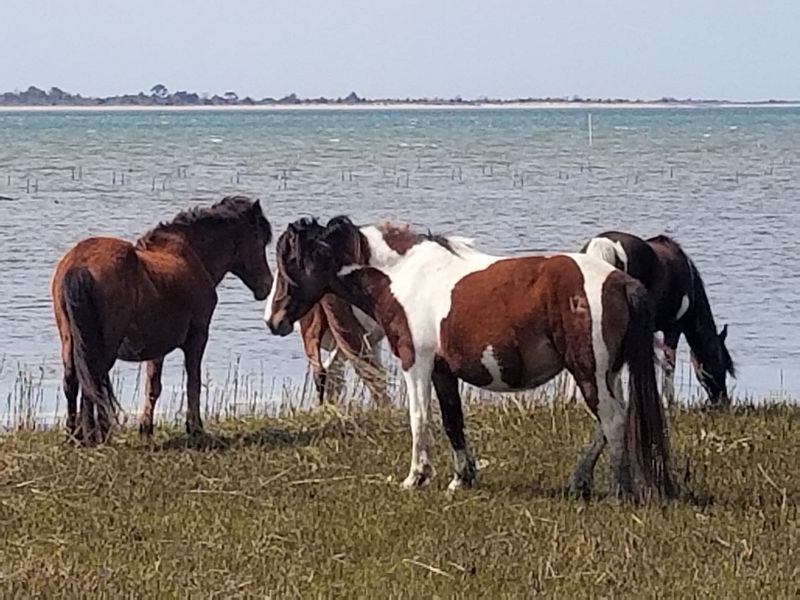
The stars of the island are the ponies, and they are tougher than they look. Over generations they have adapted to salt water, sandy beaches, and a steady stream of curious people wandering through their home.
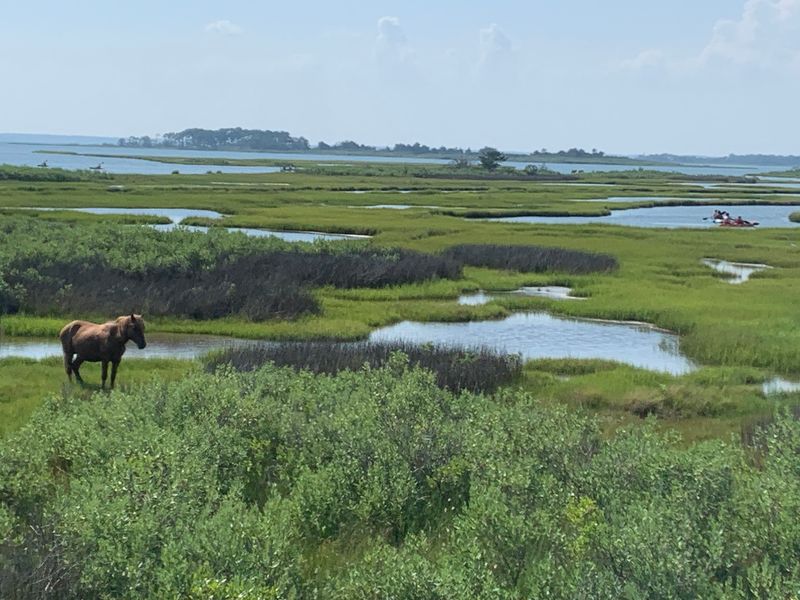
Herds roam freely across the dunes and marshes, often clustered along the roads where the grazing is good. Little foals wander among the adults, which makes spotting the herds even more of a treat.
They are not shy here. Unlike wild horses in some other coastal spots, these animals wander right up close and rarely mind the cars or the crowds.
That comfort comes with a catch. A few ponies have grown a taste for human snacks, so locking your food away protects both you and the herd.
Rangers ask people to keep their distance and never touch the animals, and there is a fine for petting them. Respecting that space keeps the ponies wild, which is the whole reason they are so special.
Miles of Wide, Clean Beaches to Yourself
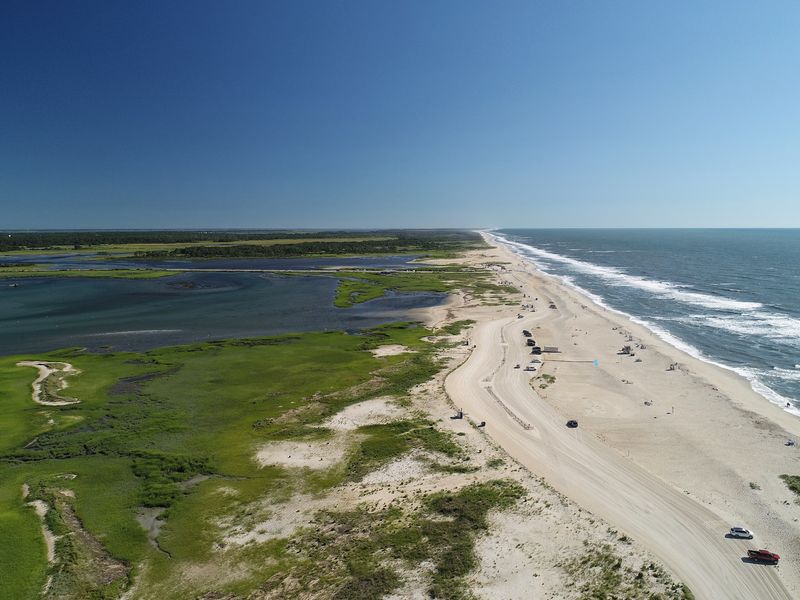
Beyond the horses, the shoreline is the second big reason folks make the drive. The sand here is fine and white, and the beach runs wide with room to spread out.
Many people describe it as one of the more serene beach spots on the East Coast. It stays quieter than the packed boardwalk beaches nearby.
The ocean can be lively, with waves that get pretty bouncy on breezier days. Some notice the water feels calmer here than in Ocean City, though conditions shift with the wind.
Rip tide warnings are posted for a reason, and there are stretches with no lifeguards, so a little caution goes a long way. Swimming with attention keeps the day relaxed.
There is so much beach that even on packed holidays you can find breathing room. When the main lots fill up, quieter pockets of sand are usually just a short walk away.
Two Entrances, Two Very Different Days
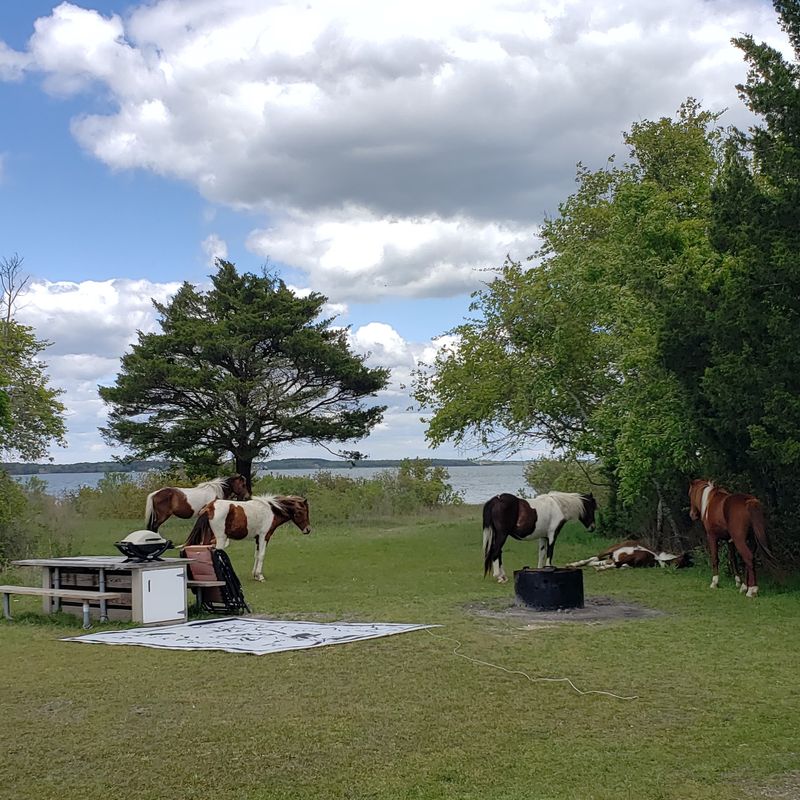
Here is a detail that trips up first-timers: there are two separate entrances, and they lead to different experiences. One takes you to the beach area, and the other opens up the national park itself.
The beach entrance on the Ocean City side runs about ten dollars for a full day. That side offers showers, changing rooms inside the restrooms, a souvenir shop, and even a bite to eat.
The national park entrance costs twenty-five dollars per vehicle. Regular cars can drive up to a point, and beyond that the roads turn to sand meant for prepared off-road travelers.
The park side tends to be less crowded, and word is you often spot more ponies over there. It trades some conveniences for extra quiet and open space.
Picking your gate depends on the kind of day you want. Showers and shops on one, wilder scenery and more herds on the other.
Falling Asleep to the Sound of Waves and Neighs
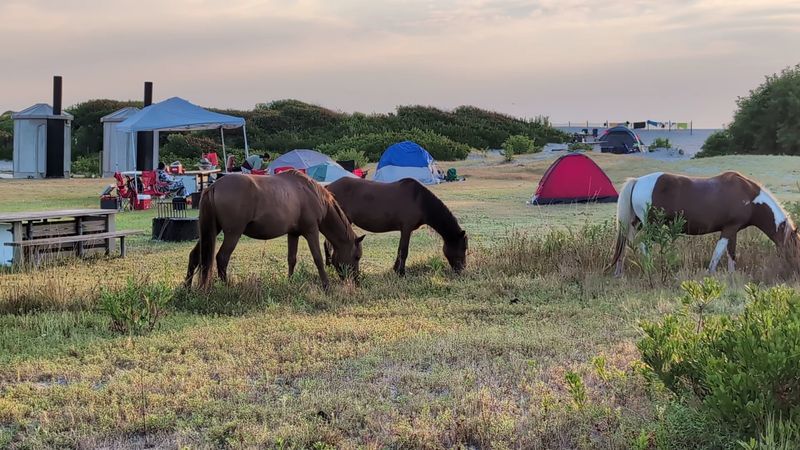
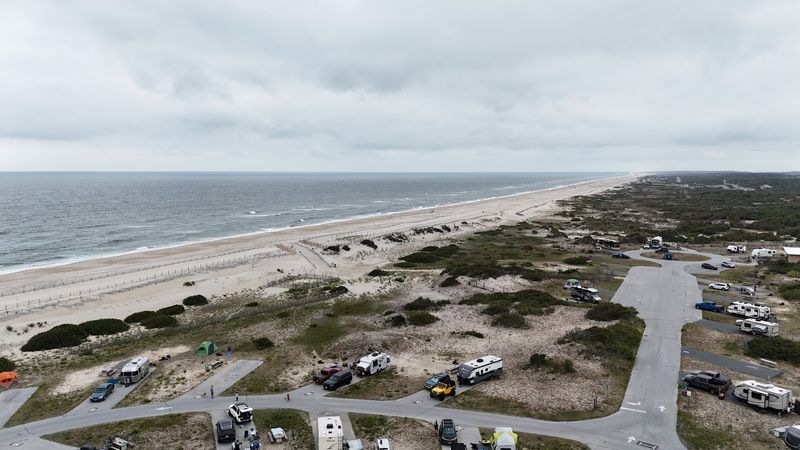
For those who want more than a few hours, camping turns this island into a full adventure. Tent spots sit close to the beach, and the atmosphere at the campsites stays calm and low-key.
Nights bring the gentle roll of ocean waves and the occasional neigh of a wandering pony. Some campers return every summer for weeks at a time, calling it one of the best camping experiences around.
Preparation matters here. Seasoned campers pack sun shirts, sunglasses, shade tents or sails, augers to anchor gear, and locking coolers to keep food secure.
Bugs can be a gamble. One day might be perfectly pleasant, and the next can bring a serious swarm, so wind direction becomes your best friend.
The golden rule is simple. Pack it in, pack it out, lock up your food, and leave no trace, which keeps the island wild for the next round of campers.
Trails, Kayaks, and Scenic Drives Galore
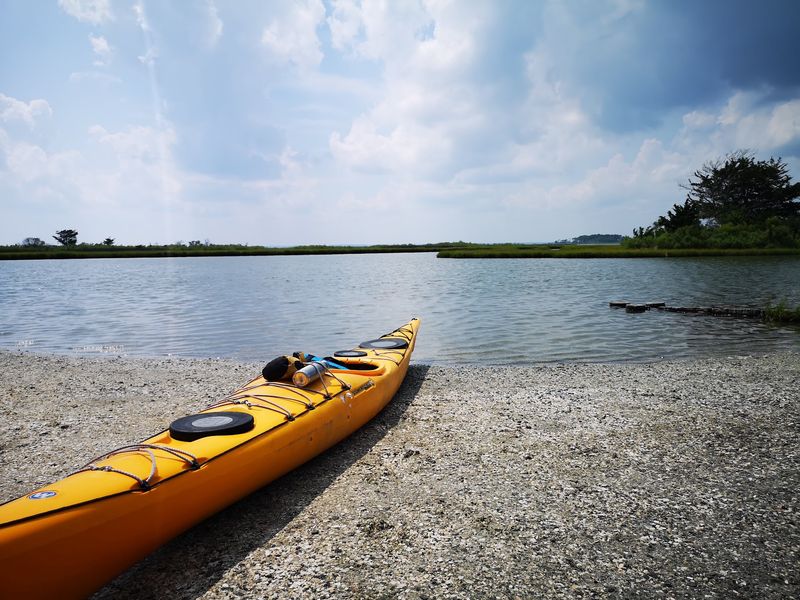
Active types will not run out of things to do. A handful of short trails wind through the marsh and dunes, giving you a close look at the landscape.
Kayaking is a favorite way to explore the calmer waters around the island. Paddling along the marsh edges opens up views you cannot get from the road.
Scenic drives make it easy to cover ground without much effort. Whether you hike, paddle, or cruise slowly with the windows down, wildlife tends to appear.
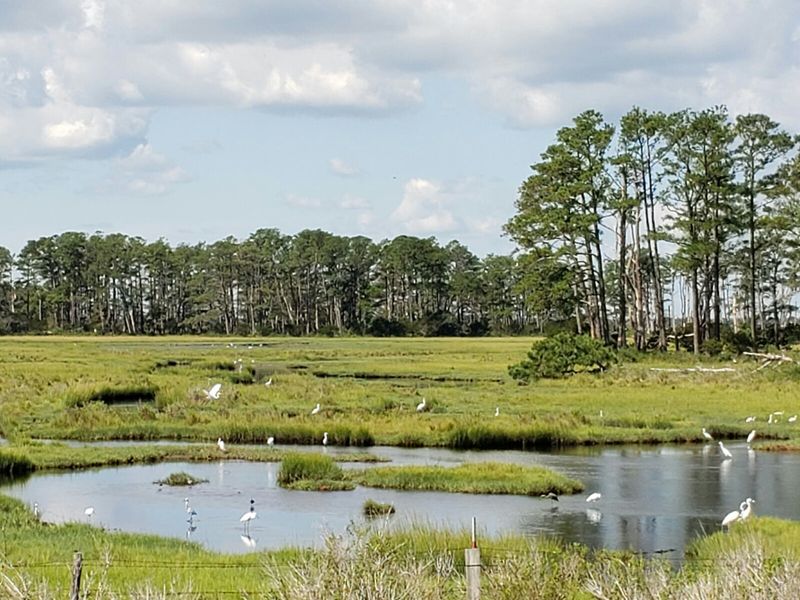
Beyond the ponies, the island is home to deer and plenty of birds. Seashell hunting along the beach adds a simple, satisfying task for slower afternoons.
The trails are lovely, though mosquitoes can cut a walk short if the wind is wrong. Bug spray and good timing let you finish what you start.
Rangers Who Make the Story Come Alive
The people running the show here get plenty of credit. Rangers at the visitor station are described as friendly, patient, and genuinely helpful.
A short orientation film at the start helps visitors understand the history and natural beauty of the park. It turns a casual stop into something more meaningful.
Staff know the island inside and out. Call ahead with questions about passes or the best pony-spotting areas, and you will likely get useful, specific advice.
One helpful team member, Bill Yates, earned a warm thank-you for guiding a caller through pass details and sharing where the herds gather. That kind of care sticks with people.
Leaning on the rangers before you explore makes the whole trip smoother. They are the reason many first-timers leave feeling like they finally understood the place.
Peaceful Enough for a Real Slowdown
Some places wear you out, and this one does the opposite. The atmosphere leans peaceful, drawing people who want to trade noise for open space.
Sunsets over the dunes and ocean give the day a quiet finish. The natural scenery feels untouched, which is rare along a busy coast.
It suits couples looking for a mellow escape, families chasing a memorable outing, and anyone who simply loves horses and wildlife. Kids in particular tend to have a blast.
Compared to crowded beach destinations, this island invites you to slow down. Long stretches of sand and grazing herds set an unhurried pace.
Repeat visitors say it never loses its pull, no matter how many times they return. That steady magic is what keeps it near the top of favorite-getaway lists.
Prices, Passes, and Getting There Without Stress
Planning ahead saves a headache, especially on busy days. The beach side runs about ten dollars for the day, while the national park side is twenty-five dollars per vehicle.
An America the Beautiful National Parks and Federal Recreational Lands Access Pass covers your entry plus three others. You do need to apply for it in advance.
Getting in during peak times can be slow. On packed weekends the line to the pay booths has stretched to nearly thirty minutes because only two lanes handle admission.
Arriving early is the smart move. Even on the Fourth of July, morning visitors found parking without much fuss.
For travelers coming from afar, one handy route is flying into Philadelphia and basing yourself in Ocean City, Maryland. From there the island is a short and easy day trip.
Why This Wild Island Belongs on Your List
Few day trips deliver quite this mix of open beach and free-roaming wildlife. The seashore rewards anyone who shows up prepared and a little curious.
Come for the ponies, stay for the wide sand, the marsh trails, and the calm that settles in once you slow down. There is genuinely a bit of everything here.
Bring sun protection, lock up your food, mind the water warnings, and give the horses their space. Those small habits protect the island and make your day better.
Whether you spend a few hours or camp for weeks, the place tends to leave people planning a return trip before they even leave. It has earned that loyalty honestly.
If watching wild horses wander an empty Maryland beach sounds like your kind of afternoon, Assateague Island National Seashore is waiting with the gate wide open.
Enjoyed this story?
Add Fast Food Club as a preferred source to see more of our reporting on Google.