


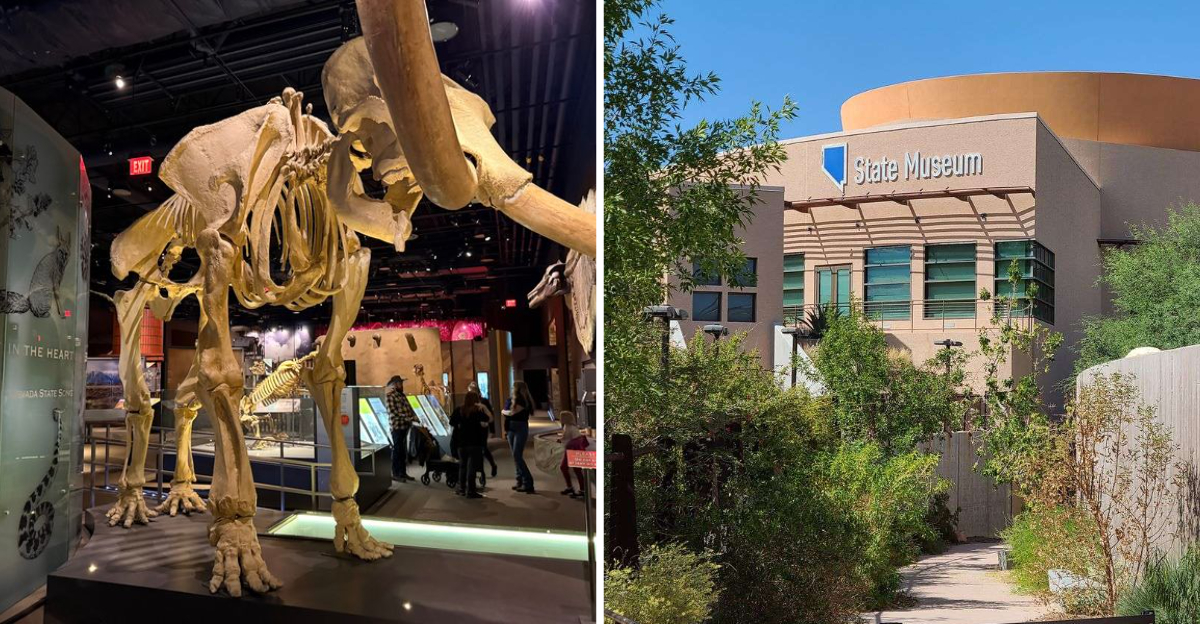
A few miles off the neon corridor sits a place where prehistoric giants and a mammoth from millions of years ago quietly wait for guests. Most travelers come to Las Vegas for the bright lights, yet they miss a calm building filled with fossils, dioramas, and the full story of how this desert city grew.
There are interactive displays for kids, a scale model showing the Strip in the 1970s next to how it looks today, and a whole 180-acre property to explore around it. Admission is affordable, parking costs nothing, and a long layover is enough time to see the highlights.
The article ahead walks through the story, the standout exhibits, the practical details, and the reasons this quiet stop keeps families coming back for more than one visit.
Where History Hides Off the Strip
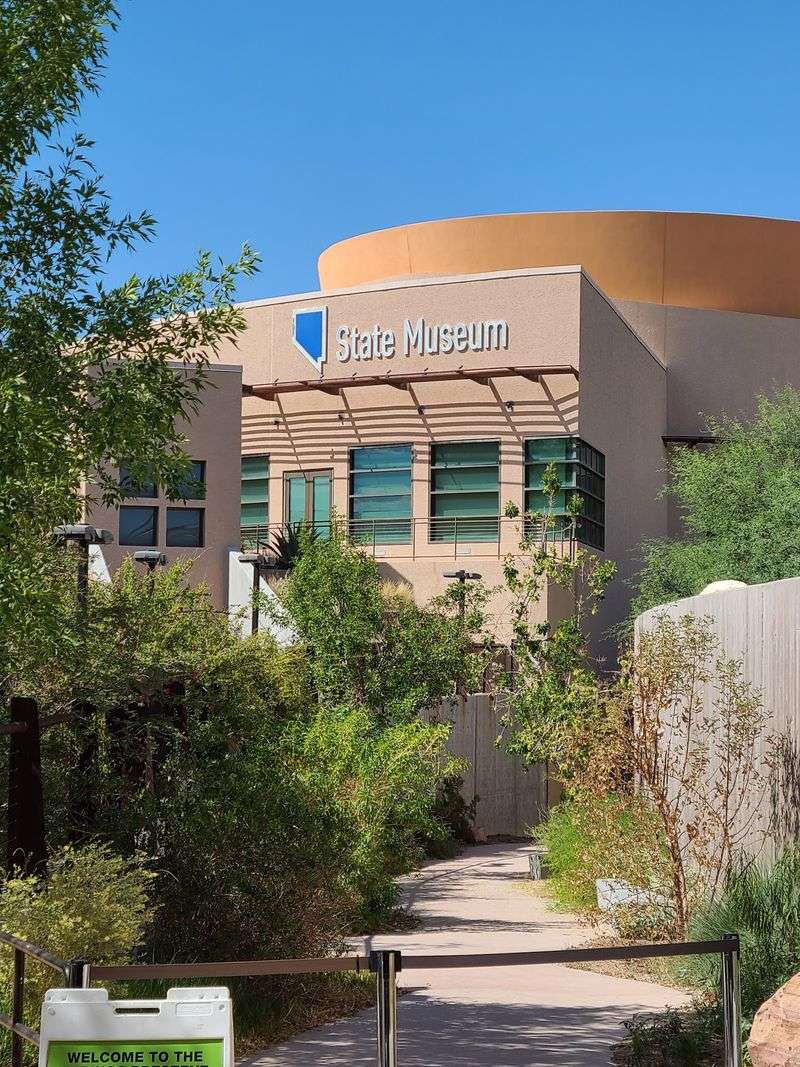
Tucked at 309 S Valley View Blvd in Las Vegas, Nevada, this museum sits inside the sprawling Springs Preserve, well away from the casino crowds.
The address places it just a short drive from the Strip, close enough for a quick trip yet far enough to feel like a genuine break from the constant motion of the resorts.
Regulars describe it as a hidden gem, the kind of place that gets overshadowed by the flashier attractions nearby.
The building anchors a 180-acre property that stretches into gardens, trails, and habitat exhibits, so the museum is only one part of a much larger day out.
Its full name is the Nevada State Museum, Las Vegas, and it focuses on regional history that runs from ancient creatures all the way to the showgirl era.
Getting here is simple, and parking is completely free, which makes the whole outing feel welcoming before guests even step through the door. It is an easy answer for anyone wanting to trade the fast pace of the boulevard for something slower and more thoughtful.
A Time Machine From Millions of Years Ago
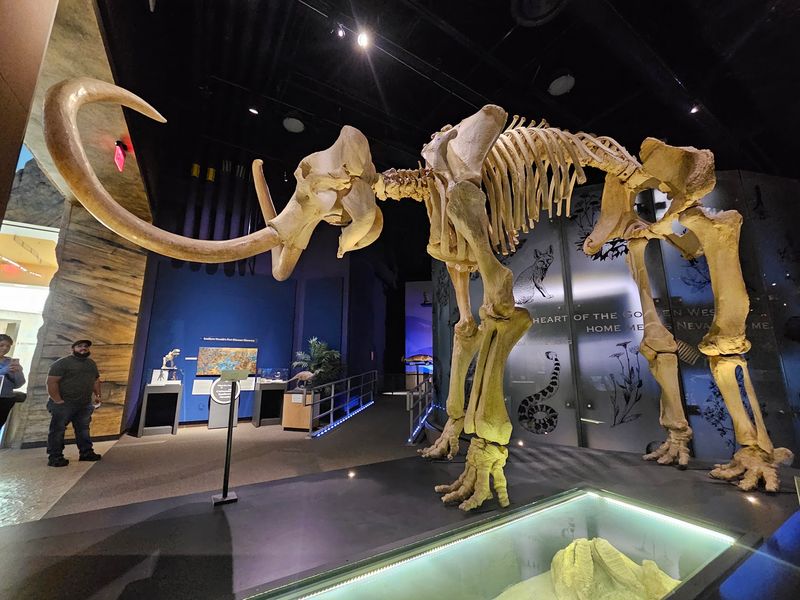
The core idea here is a journey through deep time, moving from prehistoric creatures toward the founding of modern Las Vegas.
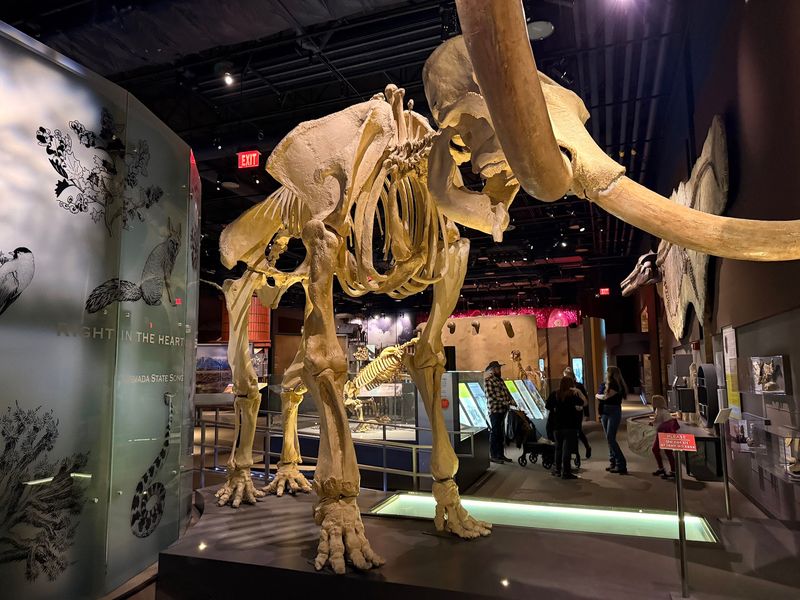
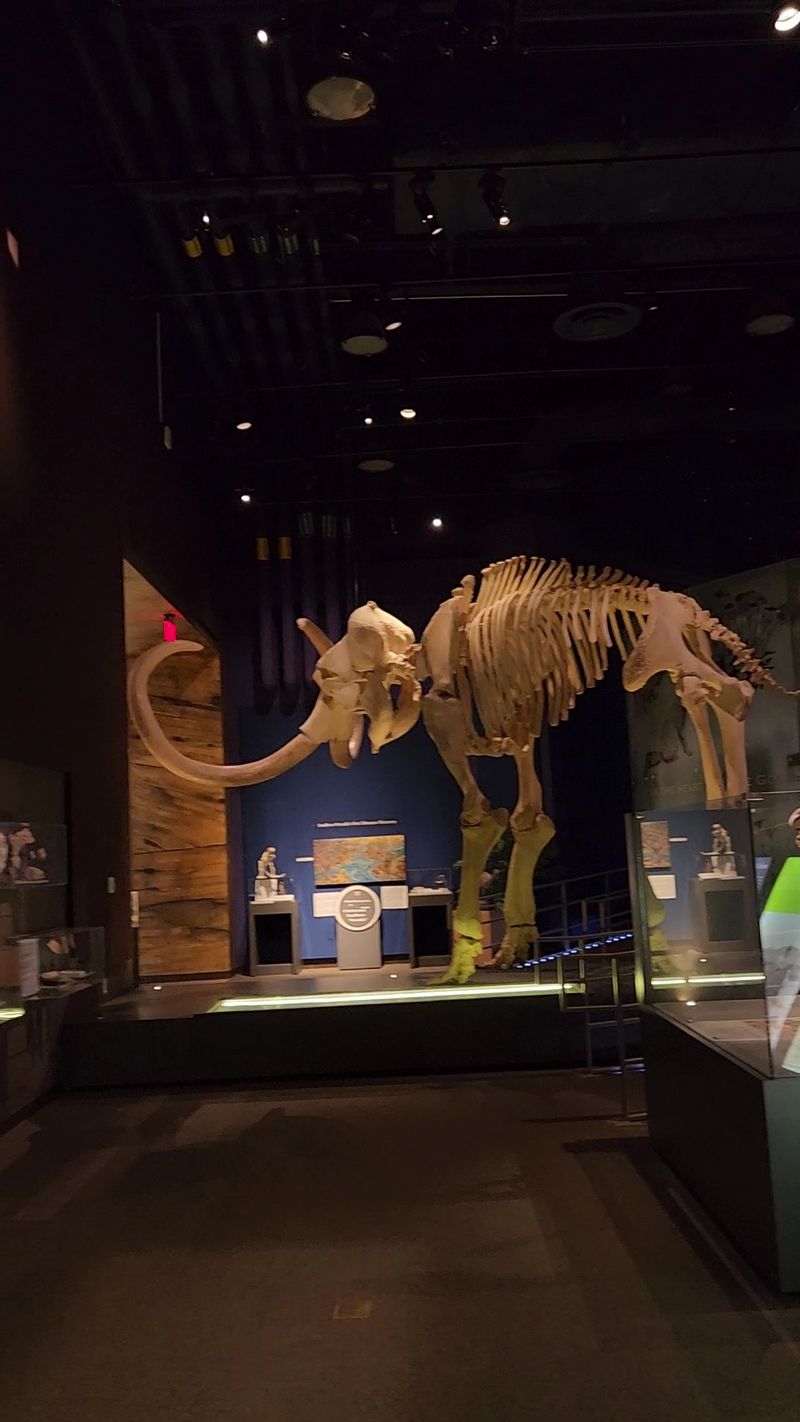
A prehistoric mammoth and other ancient remains headline the natural history section, and they leave a strong impression on almost everyone who wanders past.
Guests often describe the experience as stepping into a time machine, traveling from an era millions of years back to the settling of the valley.
Fossils and animal remains anchor these early rooms, giving families a chance to see the desert as it looked long before the first buildings appeared.
Each section feels intentional, arranged so the story unfolds in a logical order rather than as a jumble of unrelated cases.
By the time guests reach the later exhibits, they have a fuller sense of how much this region has shifted across countless generations. The mix of dinosaurs, fossils, and mammoth remains is exactly what earns the museum its reputation as a walk through the ancient past.
Fossils and Giants Under One Roof
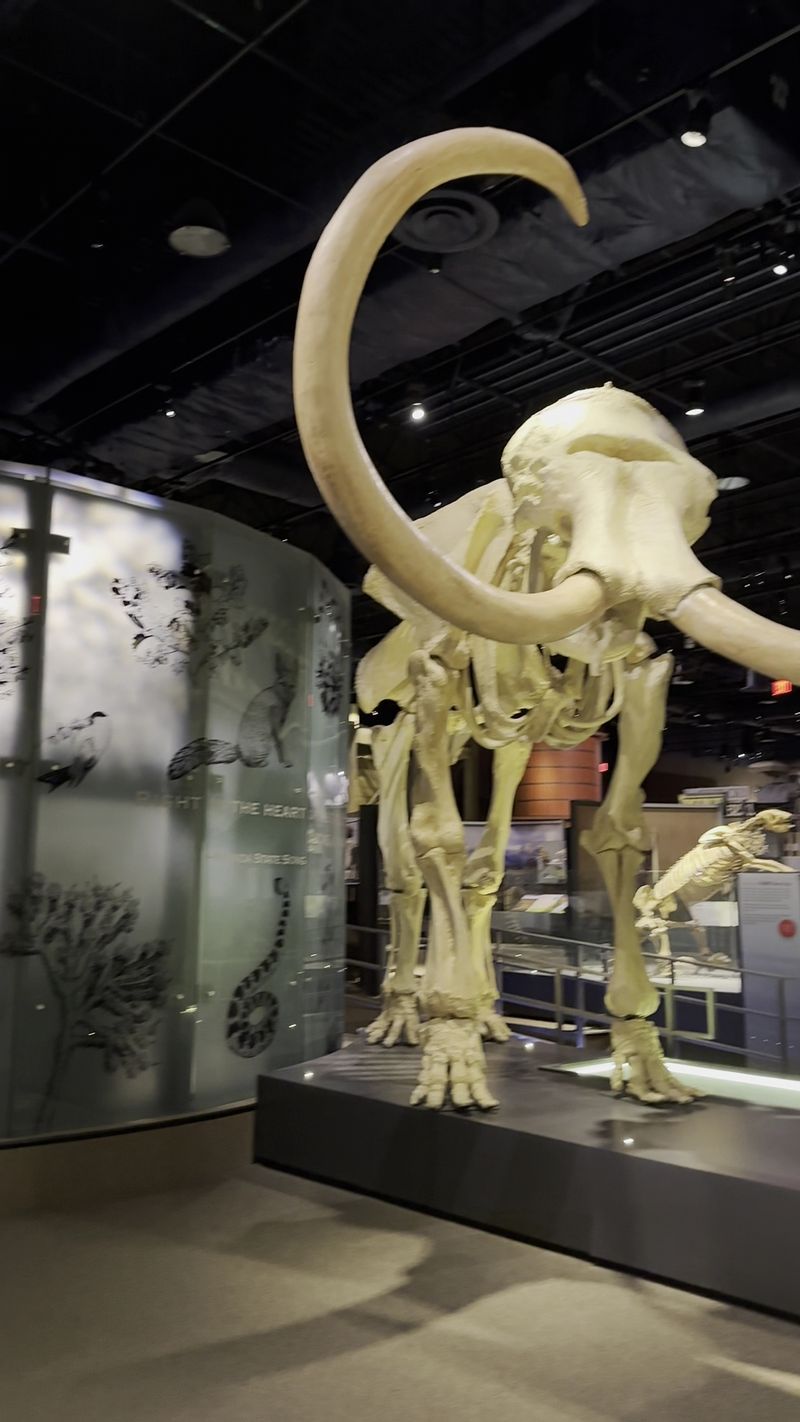
Dinosaurs and fossils draw a steady stream of curious guests, and these displays come up again and again as the highlights of the whole building.
The natural history rooms pair large animal remains with clear panels, so kids and adults alike can figure out what they are looking at without a science degree.
Everything sits close enough to examine, which makes the fossils feel less like distant relics and more like real pieces of the desert’s story.
Ancient bones share space with displays that trace how these creatures once moved across the land now covered by the city.
The arrangement keeps things approachable, never overwhelming, so younger guests stay interested from one case to the next.
Families with children tend to linger here longest, and it is easy to see why the fossils earn so much attention. For anyone chasing the promise of walking among ancient giants, this is the corner of the museum that delivers.
From Desert Beginnings to Neon Nights
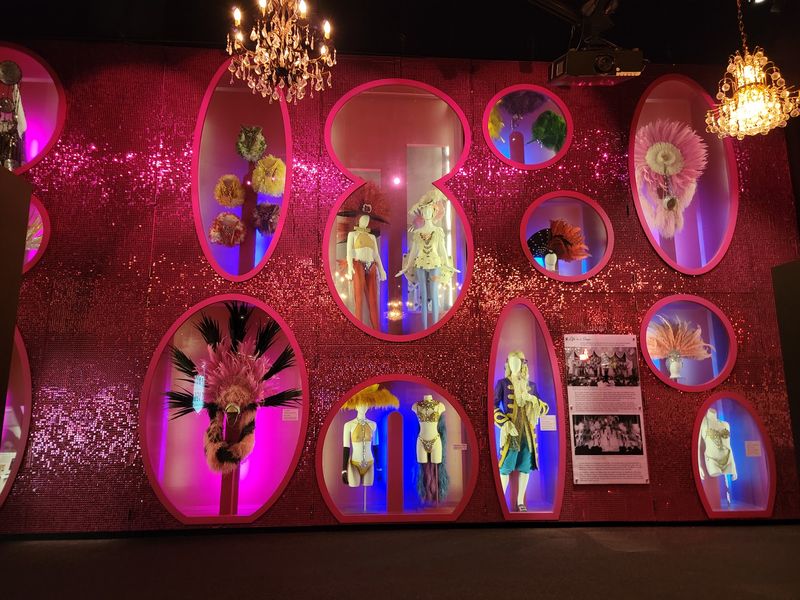
Nevada history is the topic that gets mentioned more than any other, and the museum leans into it with a wide sweep of exhibits.
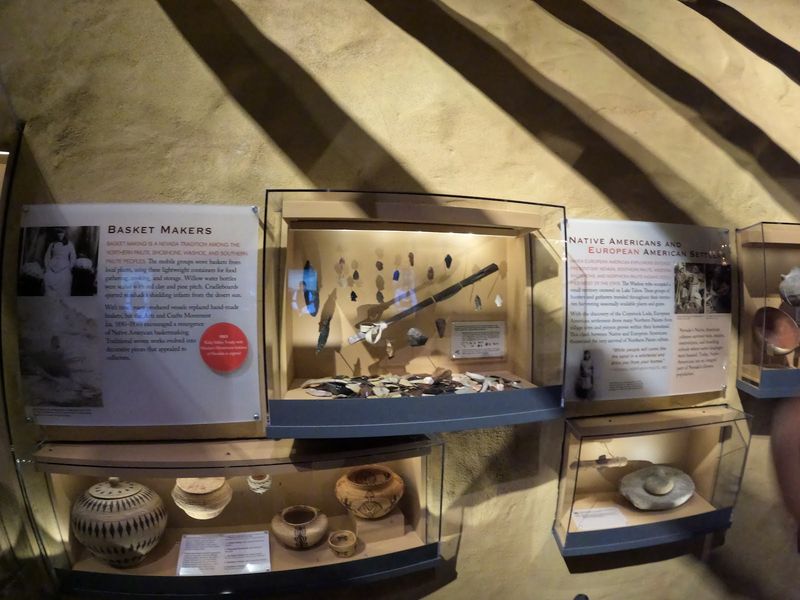
Displays cover early life in the region, the growth of Las Vegas, and the cultural shifts that turned a quiet desert stop into a famous destination.
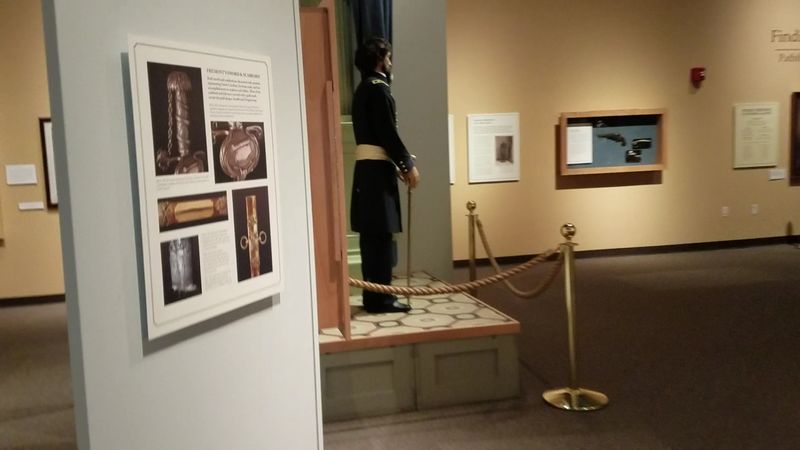
Artifacts and dioramas carry the narrative, letting guests follow the state’s development without wading through long walls of text.
The story reaches all the way to the showgirl era, tying the glamorous side of the city back to its humble roots.
Each display feels thoughtfully placed, building a picture of how dramatically the area has changed across the decades.
Guests frequently walk away saying they learned something meaningful, which is a rare compliment for a stop so close to a vacation hotspot.
The blend of natural and human history makes the visit feel complete rather than one-note. It is the kind of place that rewards slow reading and a bit of patience.
The Strip, Then and Now, Side by Side
One display in particular tends to stop guests in their tracks: a large model of the Strip.
The exhibit shows Las Vegas as it looked in the 1970s alongside where the hotels stand today, letting guests trace the transformation building by building.
Seeing the two eras laid out together drives home just how quickly the skyline reinvented itself.
The model works as both a history lesson and a fun game of spot the difference for anyone who has strolled the boulevard.
It connects the museum’s broader story to the very neon that draws most travelers to the city in the first place.
Families point out the hotels they recognize, and older guests often recall the versions that came before.
The scale and detail turn an abstract idea about growth into something guests can actually study up close. It is a small feature with an outsized impact on how people understand the place they are visiting.
Hands-On Fun for Younger Guests
Interactive exhibits give the museum an energy that keeps children engaged rather than restless.
Kids can touch, press, and explore displays designed for families of all ages, turning a history lesson into something closer to play.
Parents mention that the little ones stay busy the whole time, and more than a few families report their children being pleasantly worn out by the end of the day.
The interactive corners work alongside the fossils and dioramas, so learning happens without anyone feeling lectured.
Adults who visited as children often return years later and rediscover how much they absorbed the first time around.
The design strikes a nice balance, entertaining the youngest guests while still holding the attention of grown-ups.
It is family friendly in a genuine way, not just as a label on the brochure. Anyone planning a trip with kids will find the hands-on side of the museum does a lot of the heavy lifting.
Live Critters in the Habitat Exhibit
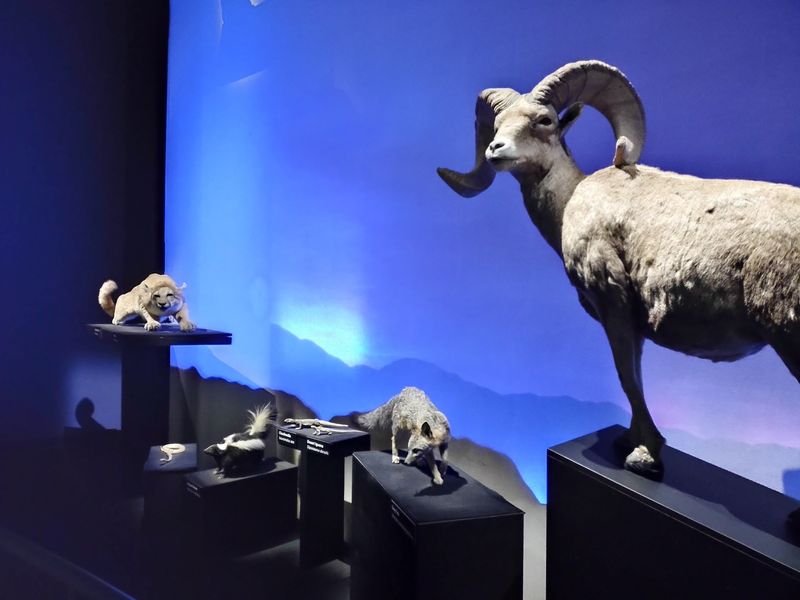
Beyond the fossils, a natural habitat exhibit brings living creatures into the mix.
The lineup features live insects and animals that delight younger guests, including foxes, butterflies, spiders, lizards, rabbits, scorpions, and tarantulas.
Seeing real desert wildlife adds a spark that static displays cannot match, especially for kids working through the rooms.
The habitat ties neatly into the museum’s natural history focus, showing the creatures that still call this landscape home.
It gives families a chance to move from ancient bones to living animals in a single visit.
The variety keeps everyone guessing about what waits behind the next pane of glass.
Curious kids tend to gravitate straight here, pressing close to watch the smaller residents go about their business.
The habitat exhibit rounds out the science side of the museum in a way that feels lively and current. It is a reminder that Nevada’s story is still being written by the wildlife that endures.
Gardens, Trails, and a Butterfly Habitat
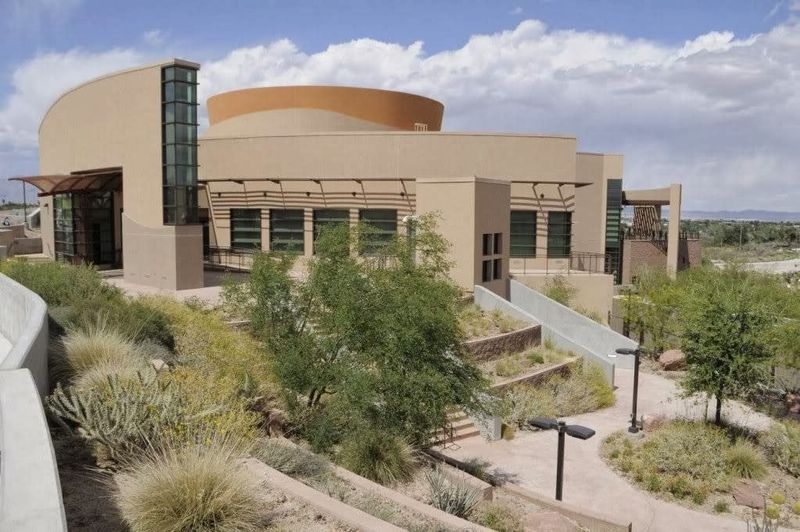
Since the museum sits inside the Springs Preserve, the fun spills far past the exhibit halls.
A large botanical garden surrounds the building, along with hiking trails, an amphitheater, and a butterfly habitat tucked at the opposite end of the grounds.
Guests often plan to see the fossils and end up spending the whole day wandering the lush landscaping and paths.
The butterfly area draws special affection, though some families run out of time and vow to catch it on a return trip.
The gardens make the outing feel expansive, giving guests room to stretch out between indoor stops.
Trails and green space provide a welcome contrast to the concrete and neon that define the rest of the city.
Good times get had across all ages here, from small children to grandparents enjoying the slower pace.
The combination of museum and preserve is what turns a quick visit into a full afternoon. It is a rare pocket of calm in a town built for speed.
All Aboard the Free Train Rides
Getting around the sprawling property comes with a bonus: free train rides.
The little train carries guests to Boomtown, adding a bit of motion and adventure to the day for anyone who hops aboard.
Families with restless kids appreciate having a way to cover ground while still keeping the fun going.
Some guests spring for bike rides on the rails too, an activity that fits four people and moves as fast as riders dare to pedal.
The train rides fold neatly into the larger Springs Preserve experience, connecting different corners of the grounds.
They give the visit a playful rhythm, breaking up time spent indoors with exhibits.
Kids tend to remember the ride long after the fossils fade from memory.
The fact that the train comes at no extra cost only sweetens the deal for budget-minded travelers. It is a simple touch that makes the whole property feel like more than just a museum.
A Calm Break From the Boulevard
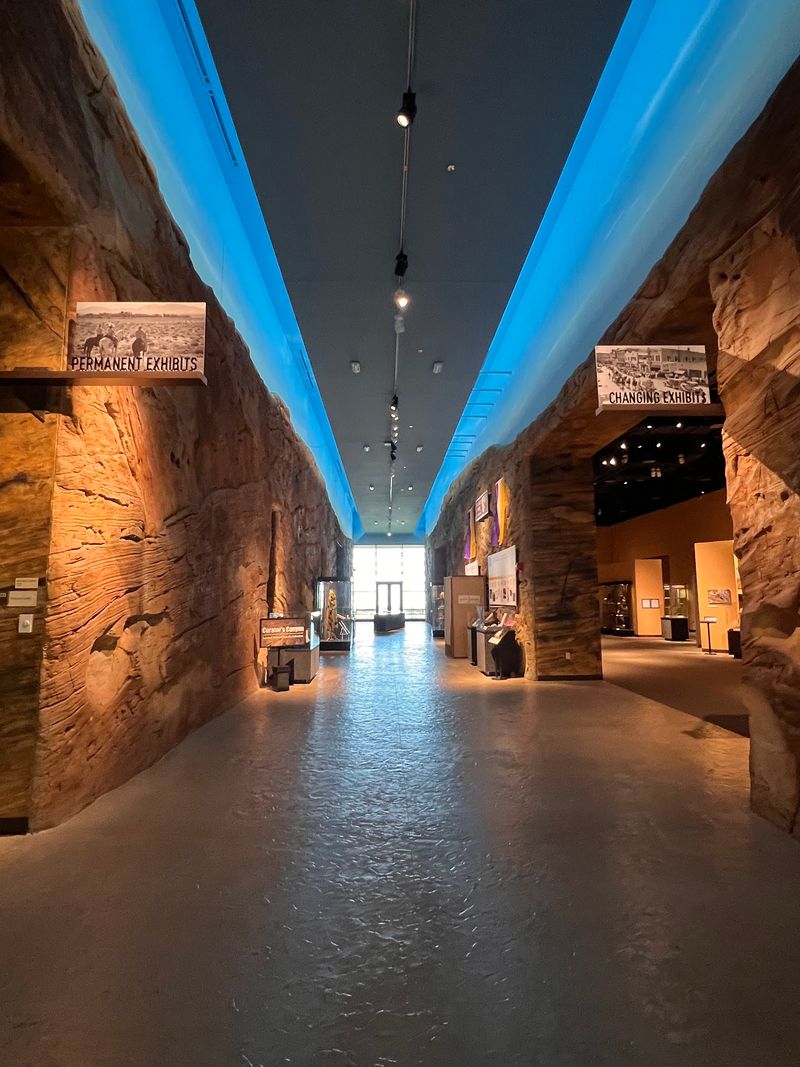
The mood inside sets this place apart from nearly everything else in town.
Peaceful and easy to navigate, the museum lets guests take their time without feeling rushed or crowded.
It never gets overwhelming, which suits anyone who wants to actually read the panels and study the displays.
The space is clean and well kept, and the calm atmosphere invites lingering rather than hurrying to the exit.
Guests describe it as a great excuse to get away from the Strip for a while, a genuine reset in the middle of a busy trip.
An hour or an afternoon both work here, depending on how deep guests want to go.
The relaxed pace makes it a natural fit for families, solo explorers, and even travelers filling a long layover.
The result is a visit that feels restful instead of exhausting. It is the quiet counterpoint that a Las Vegas itinerary rarely includes but often needs.
Friendly Faces at Every Turn
The people working here earn steady praise, with friendly staff mentioned dozens of times over.
Knowledgeable and welcoming, they answer questions and help create a relaxed, inviting atmosphere throughout the halls.
Their presence adds to the overall experience, making guests feel looked after from the moment they arrive.
Helpful crew members turn a good visit into a memorable one, especially for first-timers unsure where to start.
Not every interaction lands perfectly, and a small number of guests have found policies around bringing items inside frustrating.
Still, the overwhelming sentiment leans toward warmth and genuine helpfulness across the property.
The staff’s willingness to share knowledge deepens the sense that this is a place built for learning.
That human touch is a big part of why so many guests say they will return. It is proof that a great museum runs on more than just its exhibits.
Planning Your Visit and Getting In
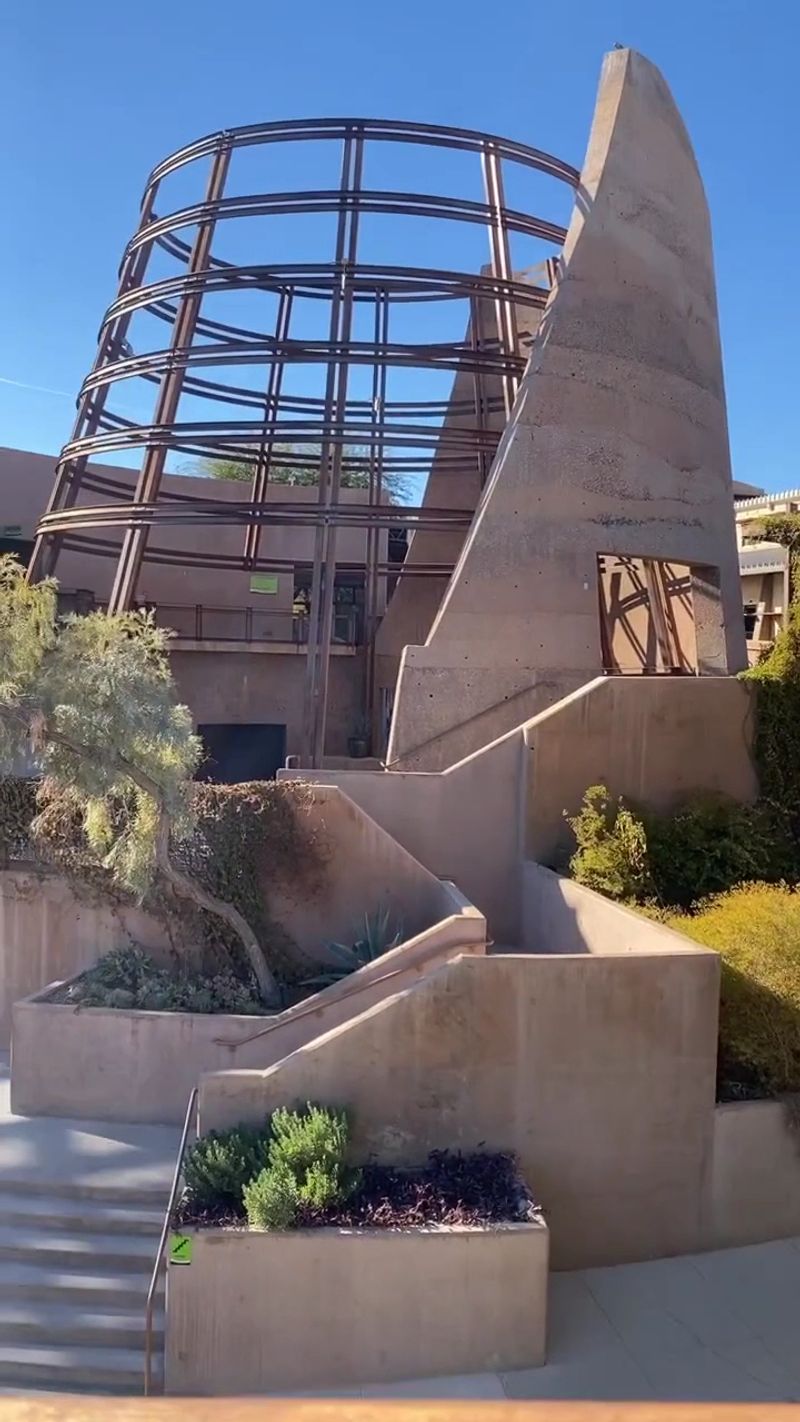
Sorting out the practical details is refreshingly simple here.
The museum opens Thursday through Monday from 9 AM to 4 PM, and stays closed on Tuesday and Wednesday, so plan around those two dark days.
The address is 309 S Valley View Blvd, Las Vegas, NV 89107, and parking on site costs nothing at all.
Admission runs affordably, with figures around $9 to $10, and the ticket includes access to the entire Springs Preserve property.
Locals receive a discount, and yearly memberships are available for anyone planning repeat trips.
The museum itself takes roughly 30 to 45 minutes for a focused walk-through, though the surrounding grounds can easily fill a full day.
Everything is wheelchair accessible, including the attractions and the train, with elevators placed throughout and clean restrooms on hand.
The value stands out, especially given how much the single ticket unlocks. It is an easy trip to build into almost any Las Vegas schedule.
Why This Detour Earns a Spot on Your List
The Nevada State Museum, Las Vegas, pulls off something the Strip cannot: a genuine, unhurried look at where this famous city came from.
The fossils, the mammoth remains, and the life-size ancient creatures give the natural history side real weight.
The Strip model, the artifacts, and the showgirl-era displays fill in the human chapters that followed.
Add the gardens, the butterfly habitat, the live animals, and the free train rides, and a single ticket stretches across a whole memorable day.
Families keep coming back, adults rediscover childhood trips, and layover travelers find a smart way to fill a few hours.
The calm atmosphere and welcoming staff make the whole thing feel effortless.
It stands as a rewarding detour for anyone ready to trade neon for a slower, richer story.
Next time the desert city calls, this quiet stop deserves a place on the itinerary right alongside the bright lights.
Enjoyed this story?
Add Fast Food Club as a preferred source to see more of our reporting on Google.