


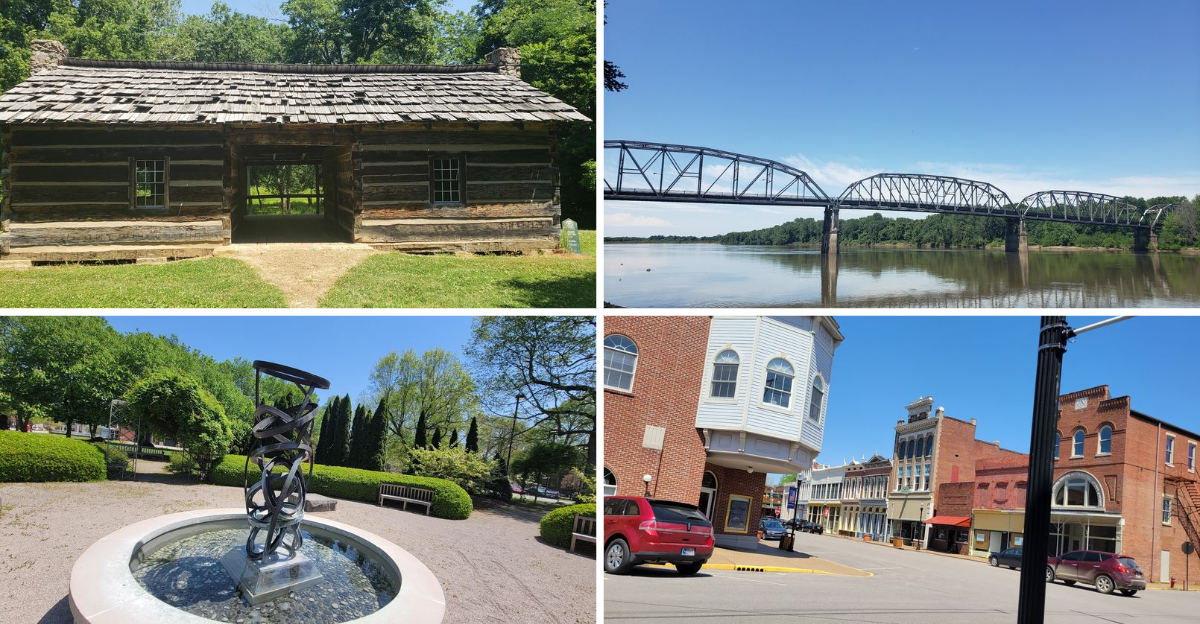
Some small towns carry a story far bigger than their size, and this one along a slow bend of the Wabash River holds two of them. Long ago, two different groups arrived here with grand plans to build a perfect community, and while both eventually moved on, the streets, gardens, and buildings they left behind still stand.
Today fewer than 700 people call it home, yet the quiet lanes invite a kind of unhurried afternoon that feels rare. Expect brick paths, thoughtful architecture, and green spaces meant for wandering rather than rushing.
Keep reading and you will learn where it sits, why it matters, and how to plan a calm visit that lingers in your memory long after you drive away.
A River Town With Two Big Dreams
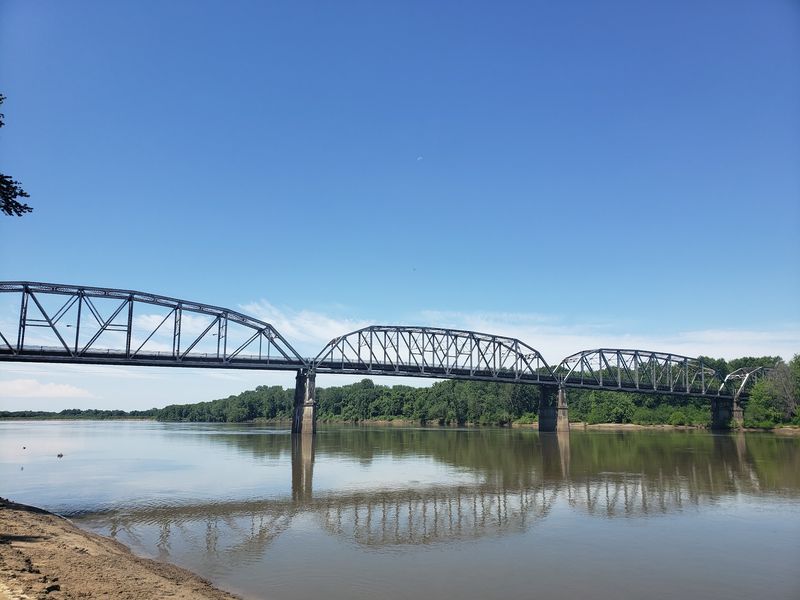
Tucked into the far southwest corner of Indiana, this historic town rests in Harmony Township, IN 47631, in Posey County, right along the Wabash River.
It sits about 15 miles north of Mount Vernon, the county seat, and falls within the greater Evansville metropolitan area.
The name of the place is New Harmony, and it earned its reputation not from size but from ambition. The 2020 census counted just 690 residents, which makes the depth of its history even more surprising.
Two separate groups once tried to build ideal communities here, one after the other. Both eventually left, but the layout of the streets and the buildings they raised remained behind.
What you find now is a walkable town where the past feels close and the pace feels gentle. The river still curves nearby, framing a settlement that once believed it could reshape how people lived together.
For travelers who prefer thoughtful stops over crowded attractions, this town offers a quiet reward that keeps drawing curious minds back.
The Harmonists Who Came First
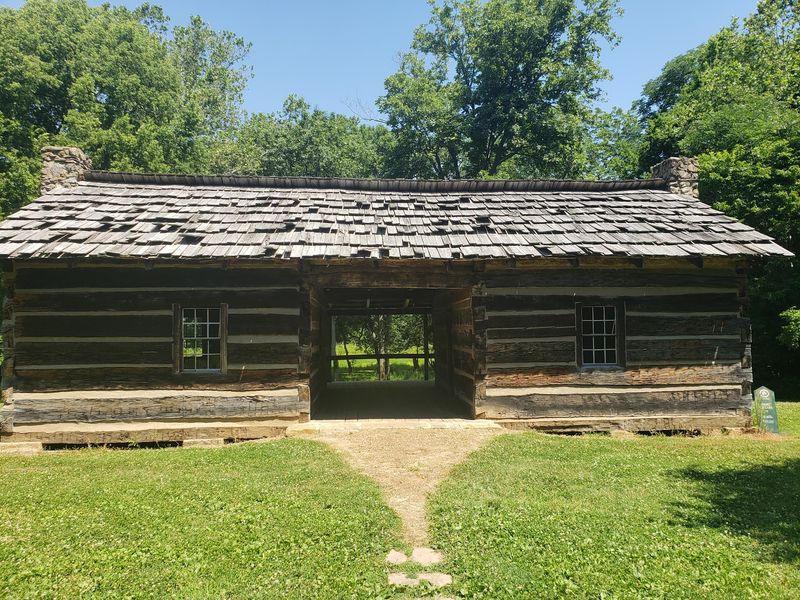
Before the town became known for social experiments, it began as a religious community founded by a group who sought a plain and orderly life.
They arrived early in the 1800s and built a settlement designed around shared work and careful planning.
Their buildings were sturdy and practical, and their approach to organizing a town shaped the very streets people stroll today. Order mattered to them, and it shows in the way the community was laid out.
After years of labor along the Wabash, this first group eventually chose to relocate, selling the entire town to new owners with entirely different ideas.
That handoff turned New Harmony into a rare place shaped by two separate visions in a short span of time.
Understanding this early chapter helps make sense of everything that came later. The bones of the town, the placement of structures, and the sense of intention all trace back to those first settlers who believed a better community could be built from the ground up.
A Second Try At A Perfect Community
Once the first group departed, a new set of dreamers stepped in with plans centered on learning, science, and social reform.
Their goal was to create a community built around education and shared progress rather than religion.
Thinkers, teachers, and scientists were drawn to the town, hoping to prove that a society could improve through knowledge and cooperation. For a brief window, New Harmony became a hub of forward-thinking ideas.
The grand social experiment did not last as long as its founders hoped, and the community eventually shifted away from its original design.
Yet the influence lingered, leaving behind institutions and a spirit of curiosity that outlasted the plan itself.
Because two utopian efforts unfolded in the same small place, the town holds a layered story that few American communities can match. Walking its streets means tracing the footsteps of people who genuinely believed they could reinvent daily life, and that ambition still gives the town its quiet character.
Streets Built For Wandering
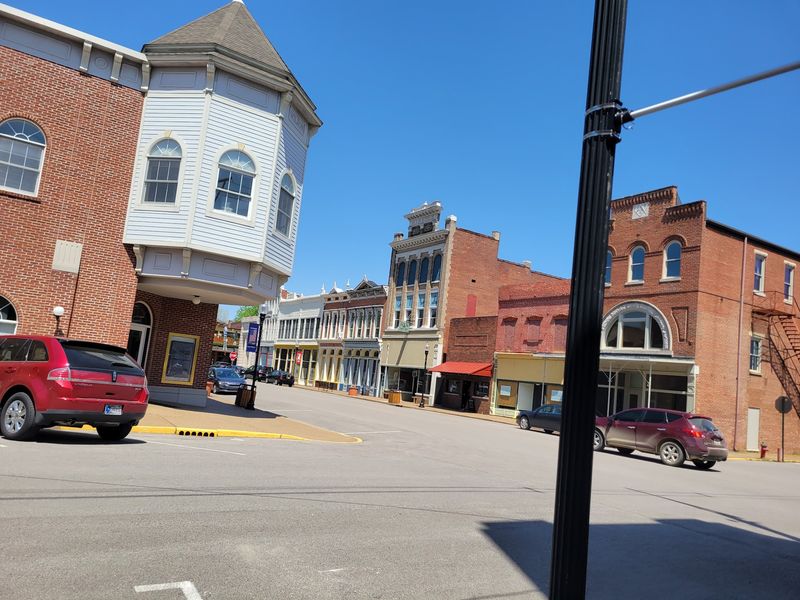
Few towns reward slow walking quite like this one, where the historic grid encourages you to drift from block to block without a set plan.
The streets are calm and easy to navigate on foot, which suits the town’s unhurried mood.
Old homes and preserved buildings line the lanes, each one holding a piece of the settlement’s layered past. There is no rush here, and that is exactly the point.
With such a small population, the town rarely feels crowded, giving visitors room to pause and take in details at their own pace.
Corners open onto quiet views, and the overall layout makes it hard to get lost.
An afternoon spent simply exploring on foot may be the best way to understand what makes the place special. The scale is human, the distances are short, and the atmosphere invites lingering.
Travelers who enjoy peaceful strolls over packed itineraries tend to find the streets alone worth the trip.
Gardens And Green Spaces To Slow You Down
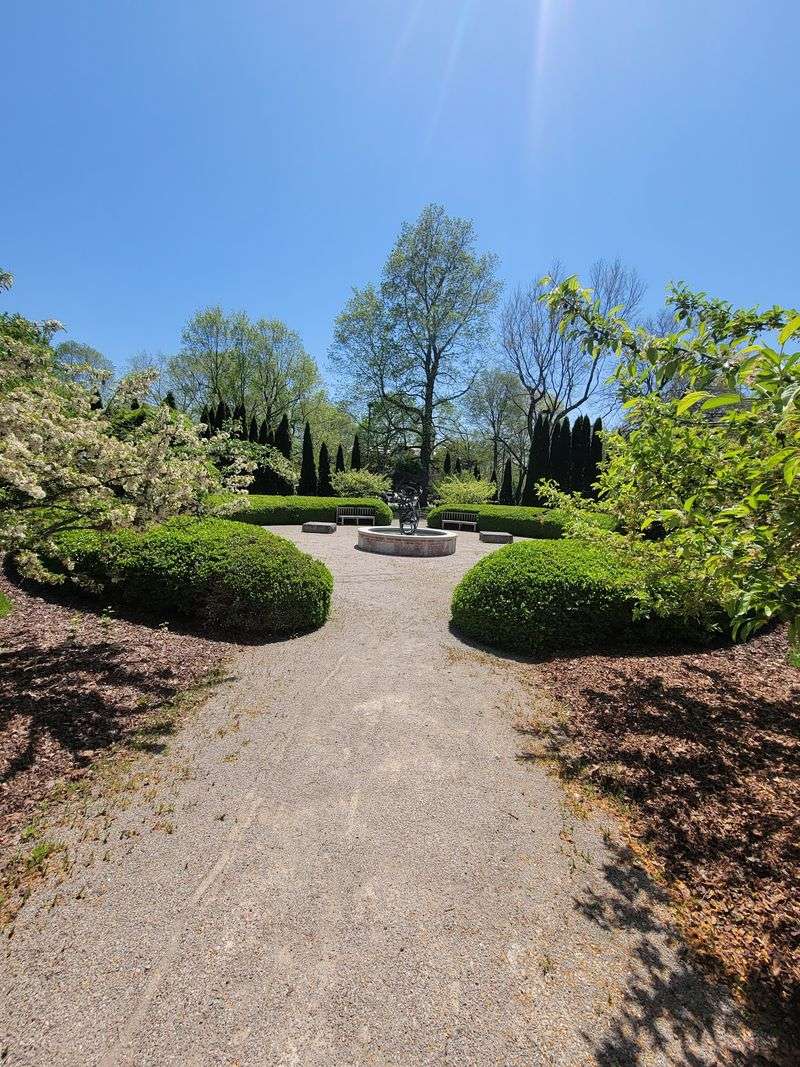
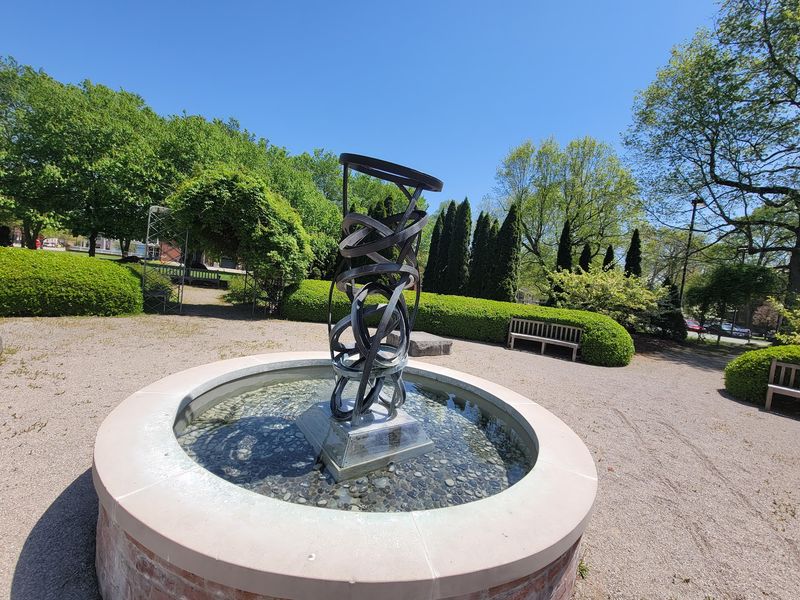
Green corners tucked throughout the town give visitors natural places to rest and reflect during a long, easy afternoon.
Thoughtfully kept gardens and open spaces have long been part of the community’s identity.
These quiet areas fit the town’s overall theme of intention and care, offering shade, benches, and room to breathe. They pair naturally with the historic architecture nearby.
Because the town grew from communities that valued order and reflection, its gardens feel like an extension of that mindset rather than an afterthought.
Spending time in them helps slow the whole visit down.
Whether you sit for a while or simply pass through, these spaces round out the experience of a place designed for calm. They give the afternoon a gentle rhythm, letting you shift from exploring streets and buildings to simply enjoying stillness.
For anyone craving a break from busy travel, the gardens make an easy and welcome stop.
The Wabash River As A Constant Companion
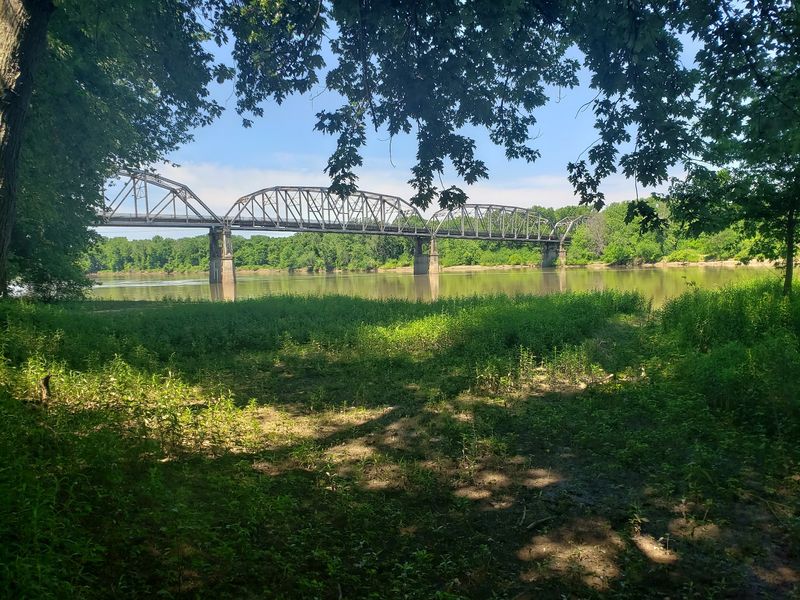
Water shaped this town long before either group of settlers arrived, and the Wabash River still defines its western edge.
The river gave early communities a route for trade and a reason to build here in the first place.
Its slow bend frames the town and adds to the peaceful setting that draws travelers seeking quiet. The river remains a steady presence, tying the settlement to the wider landscape of southern Indiana.
Being situated along the water also connects New Harmony to the surrounding region, including nearby Mount Vernon and the larger Evansville area.
The geography helps explain why the town sits where it does.
A visit here feels incomplete without noticing the river’s role in the story. It anchored two utopian dreams, carried goods and people, and continues to give the town a sense of place.
For those piecing together the history, the Wabash is more than scenery, it is part of the reason this small community ever came to exist.
Planning Your Visit And Getting There
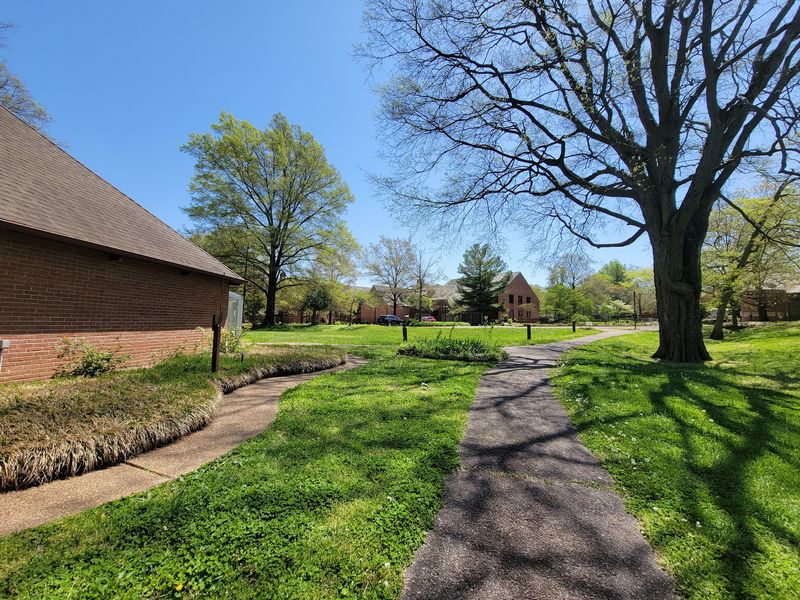
Reaching this town takes a little effort, and that remoteness is part of what keeps it so peaceful.
It lies roughly 15 miles north of Mount Vernon, the Posey County seat, in the far southwest corner of Indiana.
Because it falls within the Evansville metropolitan area, travelers can use Evansville as a natural base before making the short drive out. A car is the most practical way to get here and to explore the surrounding countryside.
The full address is simply Harmony Township, IN 47631, which points you toward the historic town along the Wabash.
Once you arrive, the compact layout makes parking and walking easy.
Plan for an unhurried afternoon rather than a quick stop, since the town rewards patience more than speed. Comfortable shoes help, as walking is the best way to see everything.
With a population under 700, you will not battle crowds, so timing is flexible. Give yourself enough daylight to wander the streets, rest in the gardens, and take in the river before heading back.
Why A Quiet Afternoon Here Stays With You
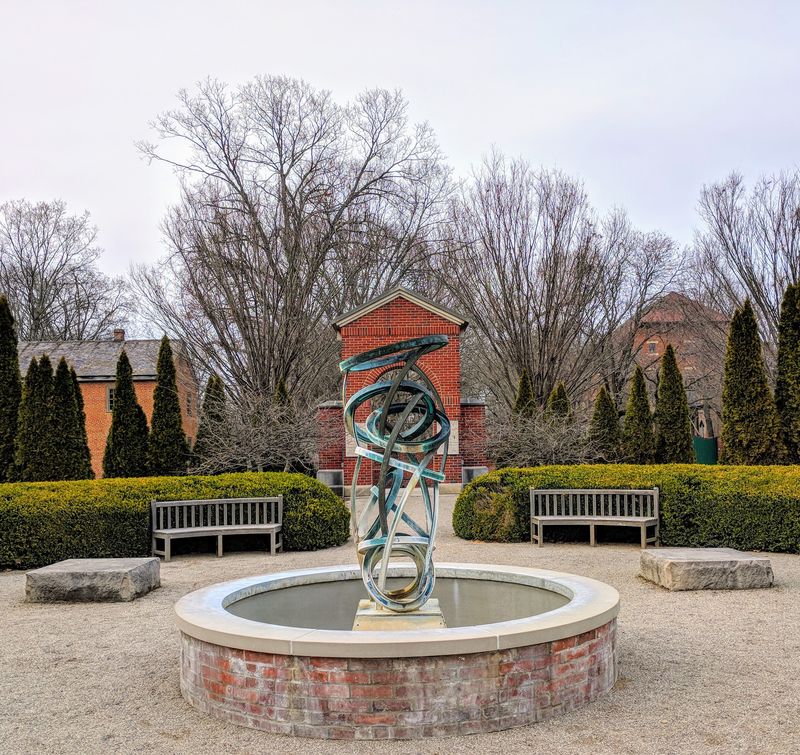
Not every destination needs crowds or attractions to leave a lasting impression, and this one proves the point with ease.
The pull here comes from its story, its quiet, and the sense that two bold experiments once played out on these very blocks.
Travelers who value history, reflection, and calm surroundings will feel right at home. Those chasing nonstop action may want a livelier stop, but for slow travel, few places fit better.
An afternoon spent walking the streets, resting in the gardens, and watching the river creates a gentle kind of memory that lingers.
The town does not shout for attention, and that restraint is exactly its charm.
New Harmony offers a rare chance to step into a place where big dreams once took root and left something quiet behind. It rewards curiosity and patience in equal measure.
For anyone drawn to towns with a deeper story and a peaceful pace, this small Indiana community makes a trip well worth the drive.
Enjoyed this story?
Add Fast Food Club as a preferred source to see more of our reporting on Google.