


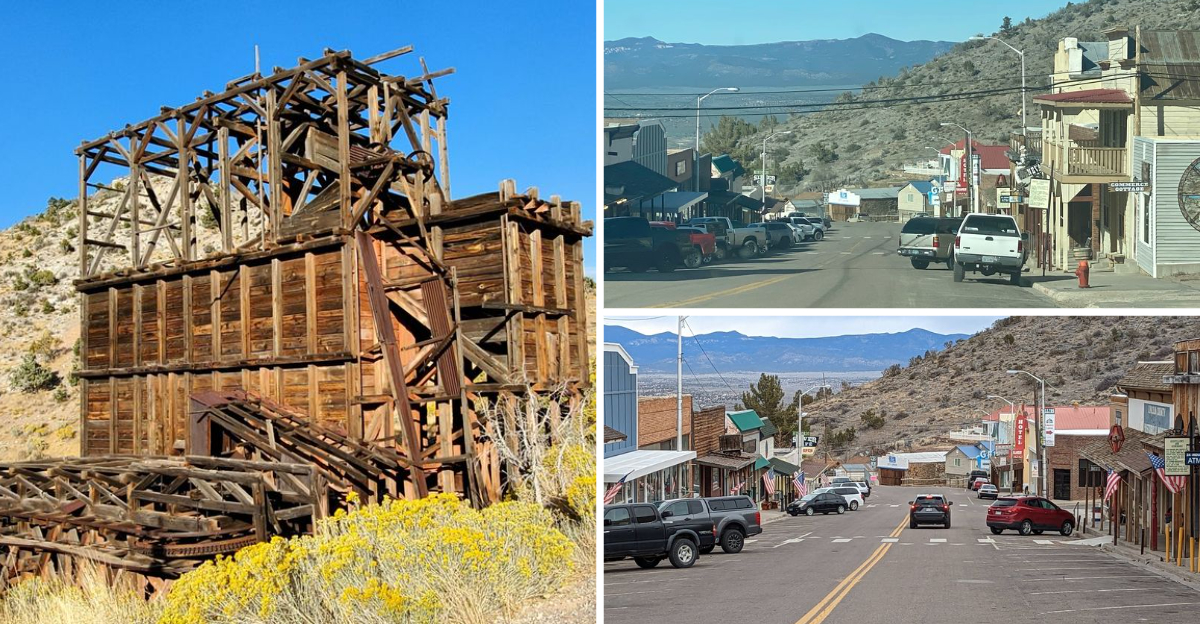
High in the hills of eastern Nevada sits a small town that once ranked among the roughest silver camps in the American West. Weathered brick buildings line quiet streets, and the whole place feels like a chapter of history left open on the table.
A weekend here trades city noise for open ridgelines, old mining relics, and stories that stretch back more than 150 years. What follows is a look at where this town is, how it grew, and why a slow visit rewards anyone curious about how silver shaped Nevada.
Keep reading to find out the name of this hillside town, how to reach it, and what makes a quiet weekend here feel like a walk straight into the past.
A Hillside Town With a Silver Past
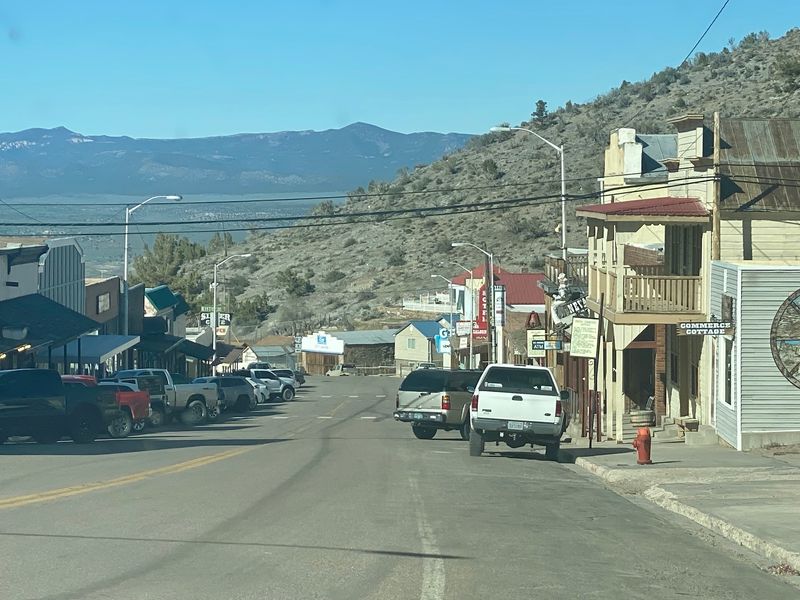
Tucked into the hills of Lincoln County, Nevada, Pioche sits along Nevada 89043, roughly 180 miles northeast of Las Vegas. U.S.
Route 93 runs the main path toward town and slips past the center just to the east.
Nevada State Route 321 and Nevada State Route 322 hand you direct access into the streets themselves. The town is unincorporated, which gives it a loose, unhurried feel.
Silver put this place on the map, and the evidence of that boom still stands on nearly every block. Old buildings cling to the slopes, arranged the way a mining camp grows rather than the tidy grid of a planned city.
The elevation keeps the air cooler than the desert floor below, and the surrounding hills frame the town in every direction. A first look tells you this was never a quiet farming settlement.
What draws people now is exactly that history, preserved in weathered wood and brick. A weekend here starts with simply learning where you are and how the ground beneath your feet once held a fortune in ore.
How the Boom Began
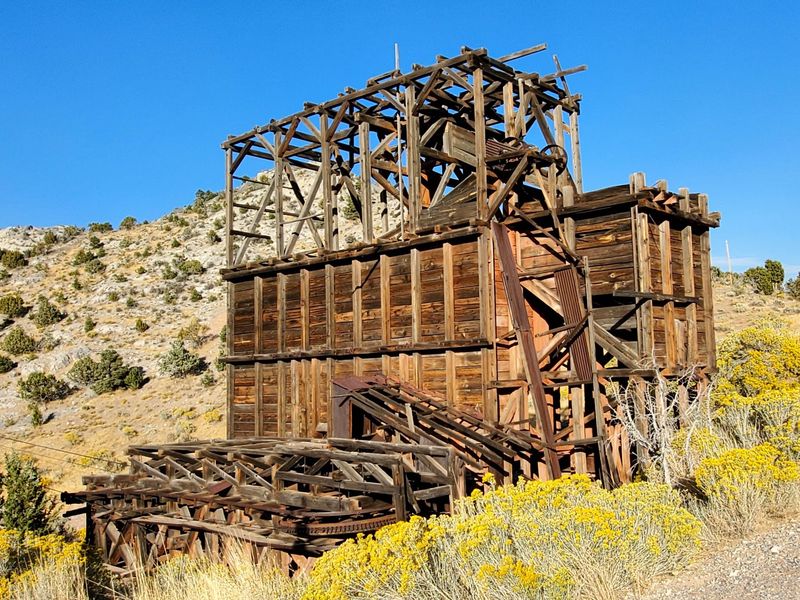
Riches pulled from the ground turned a remote camp into one of Nevada’s busiest silver towns during the 1870s. The promise of ore drew people from across the region, and the population climbed fast.
The town grew the way mining settlements often did, in a rush that outpaced roads, order, and just about everything else. Fortunes were made and lost as the mines gave up their silver.
Lincoln County wrapped its identity around the diggings here, and for a time the place carried a reputation as one of the wildest camps in the West. That reputation still colors how the town tells its own story.
Mining fortunes rarely last forever, and the boom eventually cooled as the richest veins thinned. Yet the buildings, the layout, and the relics from those years never fully disappeared.
Understanding this early chapter makes the rest of a visit click into place. Every old structure and rusted piece of equipment traces back to that first hungry search for silver in the hills.
Getting There From Las Vegas
The drive from Las Vegas covers about 180 miles, which makes this a proper road trip rather than a quick errand. U.S.
Route 93 does most of the heavy lifting, carrying you northeast across open Nevada country.
The highway bypasses the town center just to the east, so you turn off the main route to actually reach the streets. Nevada State Route 321 and Nevada State Route 322 provide that direct connection into town.
The distance means planning matters. Fuel up before the emptier stretches, and give yourself enough daylight for the trip both ways if you are visiting for the weekend.
The route rewards patience with wide views of hills and valleys the whole way. Traffic thins the farther you go, and the sense of leaving the city behind builds mile by mile.
Reaching a town this remote is part of the appeal. By the time the buildings come into view, the journey has already set the tone for a slower, quieter kind of weekend.
Streets That Climb the Slopes
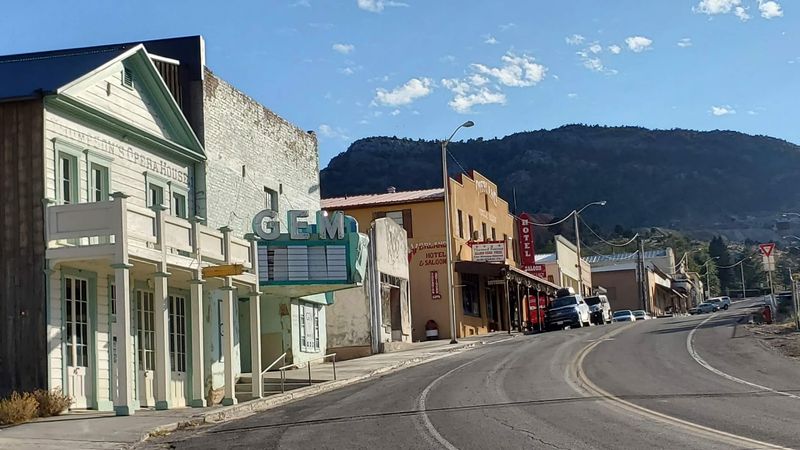
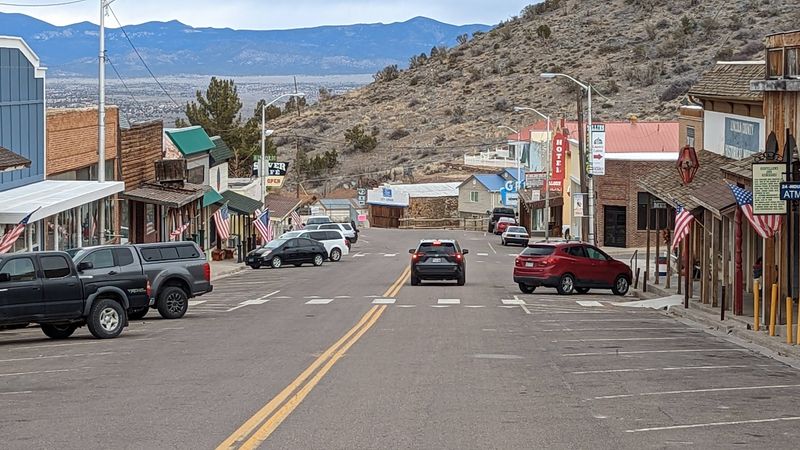
Rather than laying flat across a valley, the town tumbles across hillsides in a way that follows the terrain. Streets climb and bend to match the slopes where the mines once ran.
The arrangement gives the place character you would never find in a flat grid town. Buildings sit at different levels, and a short walk can mean a gentle uphill stretch.
The unincorporated nature of the town keeps everything low-key. There is no rush of big-city bustle here, just quiet lanes lined with structures that carry decades of history.
Wandering on foot is the natural way to take it in. Each turn reveals another old facade or a view out toward the surrounding hills.
The layout itself tells the story of how the town formed around its diggings. Walking these climbing streets is a big part of what turns a plain weekend into a stroll through Nevada’s silver past.
Old Buildings That Still Stand
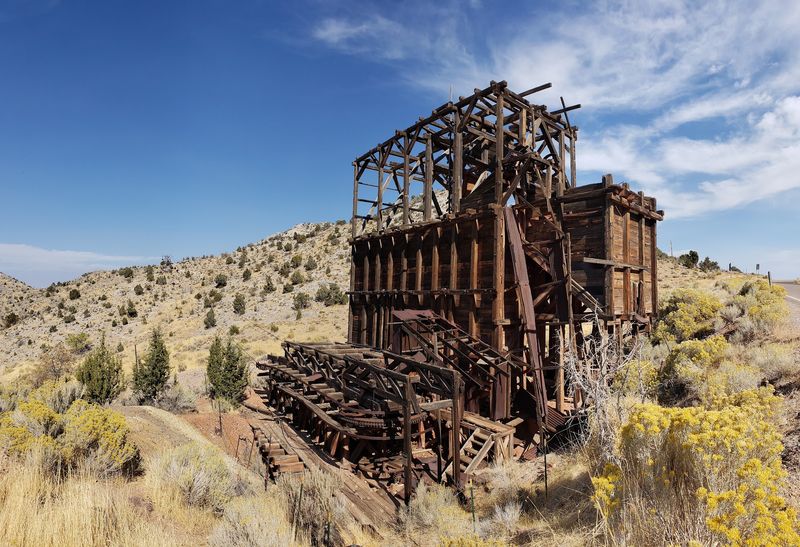
Weathered walls and aged storefronts line the town like pages in a scrapbook that refused to close. Many structures date back to the mining years and still hold their ground.
The mix of brick and wood shows how a boom town built itself in stages. Some buildings look sturdy, others show their age proudly, and together they map out the town’s timeline.
Preservation here feels natural rather than staged. The old architecture stayed put because the town never got paved over by rapid modern growth.
Slow walking is the best way to appreciate the details. Doorways, signage, and construction styles all point back to a different era of Nevada life.
These surviving buildings are the backbone of the town’s appeal. They give a weekend visit its steady heartbeat, reminding you that silver once made this quiet place buzz with activity.
Mining Relics on the Landscape
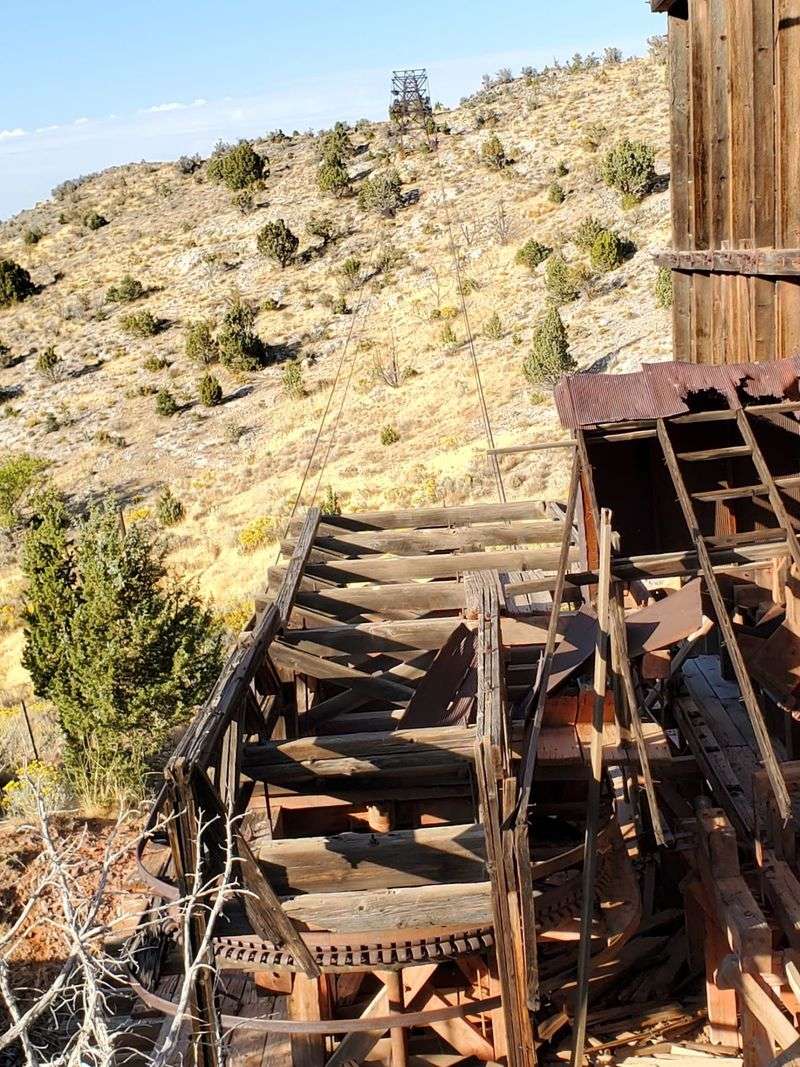
Scattered across the surrounding hills, remnants of the mining days still cling to the slopes. Old equipment and structures mark where crews once chased silver deep into the rock.
The relics give the landscape a lived-in, working past. They are not polished museum pieces but real leftovers from an industry that built the town.
Seeing them in place connects the dots between the streets below and the mines above. The whole hillside becomes a kind of open-air record of hard work and high hopes.
The dry Nevada air has helped preserve much of what was left behind. Wood and metal that might have vanished elsewhere still stand as quiet reminders.
For anyone curious about how a silver camp actually operated, these hillside pieces bring the history close. They anchor a weekend firmly in the real story of the diggings.
A Seat in Lincoln County
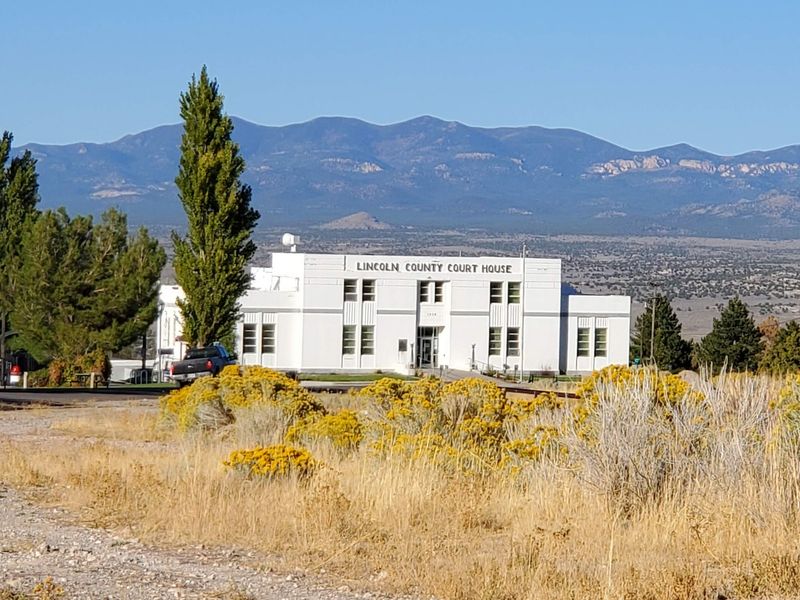
Beyond its mining fame, the town carries weight as part of Lincoln County, Nevada. The county identity ties it to the wider history of this stretch of the state.
Being a county center gave the town a role beyond digging silver. Civic life gathered here, adding another layer to its early importance.
The county setting also explains why the town held on even as mining faded. It kept a purpose that outlasted the richest boom years.
Today that history blends with the mining story to shape the town’s character. You get both the rough camp past and the steadier civic thread.
Recognizing this dual role rounds out a visit. The town is more than an old dig site; it is a piece of how Lincoln County organized itself across the decades.
The Quiet That Defines It
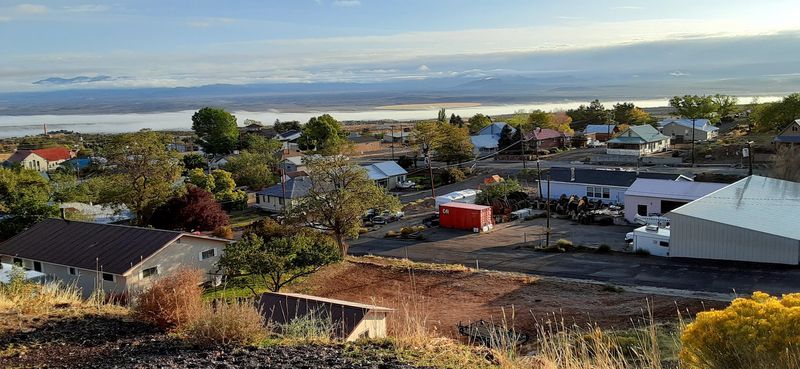
Stillness settles over the town in a way big destinations never manage. As an unincorporated place far from the city, it moves at its own unhurried pace.
The calm is the point. There are no crowds jostling for space, just open streets and room to think.
That quiet makes the history easier to feel. Without noise pulling your attention, the old buildings and hillside views take center stage.
Weekends here reward slowing down. A stroll can stretch as long as you like, with no schedule pushing you forward.
For travelers worn out by busy hubs, the peace is a genuine draw. The town turns quiet into a feature rather than a shortcoming.
Views From the High Ground
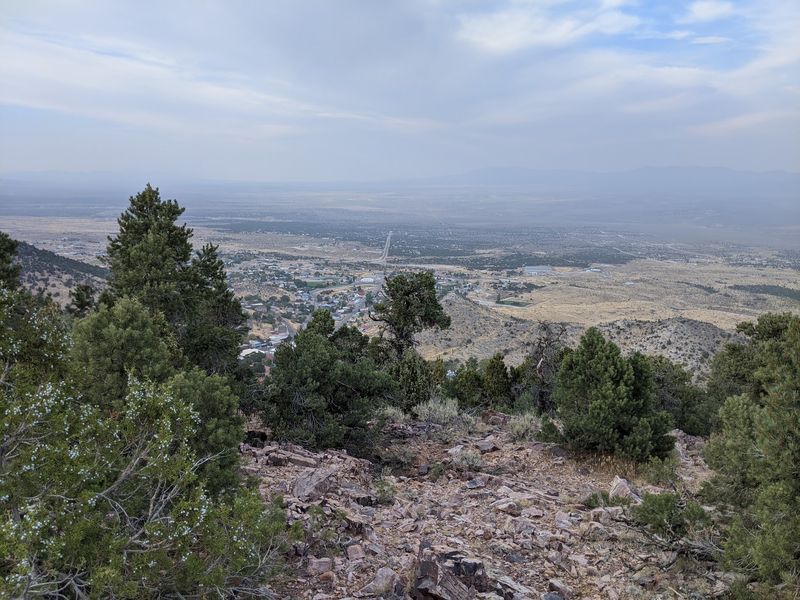
Perched in the hills, the town offers wide looks out over the surrounding Nevada country. The elevation opens up long sightlines toward valleys and distant ridges.
The high setting is a natural bonus of a mining town built where the ore was. What served the miners now serves anyone who enjoys a good vantage point.
Different spots around town frame the landscape in different ways. A short climb up a street can reveal a fresh angle on the horizon.
The open terrain contrasts with the tight cluster of old buildings. Together they make the setting feel both intimate and vast.
Taking in these views is an easy pleasure of a weekend here. The hills that once hid silver now hand out scenery for free.
Who Will Love a Weekend Here
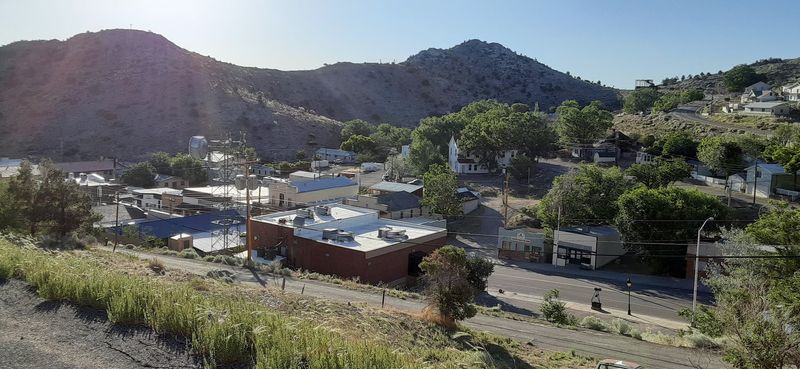
History buffs find plenty to chew on in a town this steeped in the silver era. Every street and hillside holds a piece of the past worth exploring.
Road trippers looking to break from the usual routes also fit right in. The remote location makes it a real destination rather than a passing stop.
Anyone craving quiet over crowds will feel at home. The town suits slow travelers who like to wander without a packed itinerary.
Photographers and curious wanderers get a lot to work with too. The old architecture and hillside setting offer endless angles.
It is not the spot for nonstop action, and that is exactly the appeal. The town rewards those who value depth and calm over flash.
Planning Your Visit
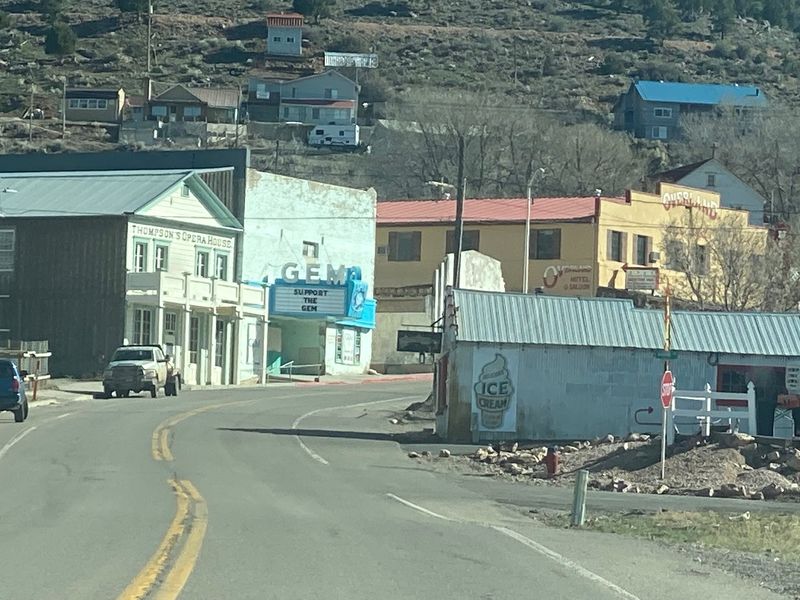
Because the town sits far from major hubs, a bit of planning goes a long way. The 180-mile trip from Las Vegas is best mapped out in advance.
U.S. Route 93 is your main artery, with Nevada State Route 321 and Nevada State Route 322 delivering the final turn into town.
Knowing those roads keeps navigation simple.
Fuel and supplies are worth sorting before you reach the emptier stretches. Remote country means fewer services along the way.
Allow enough time to actually explore on foot once you arrive. The hillside streets and old buildings deserve an unhurried look.
A little preparation turns the distance from a hurdle into part of the adventure. The payoff is a weekend spent deep in Nevada’s silver history.
Cooler Air in the Hills
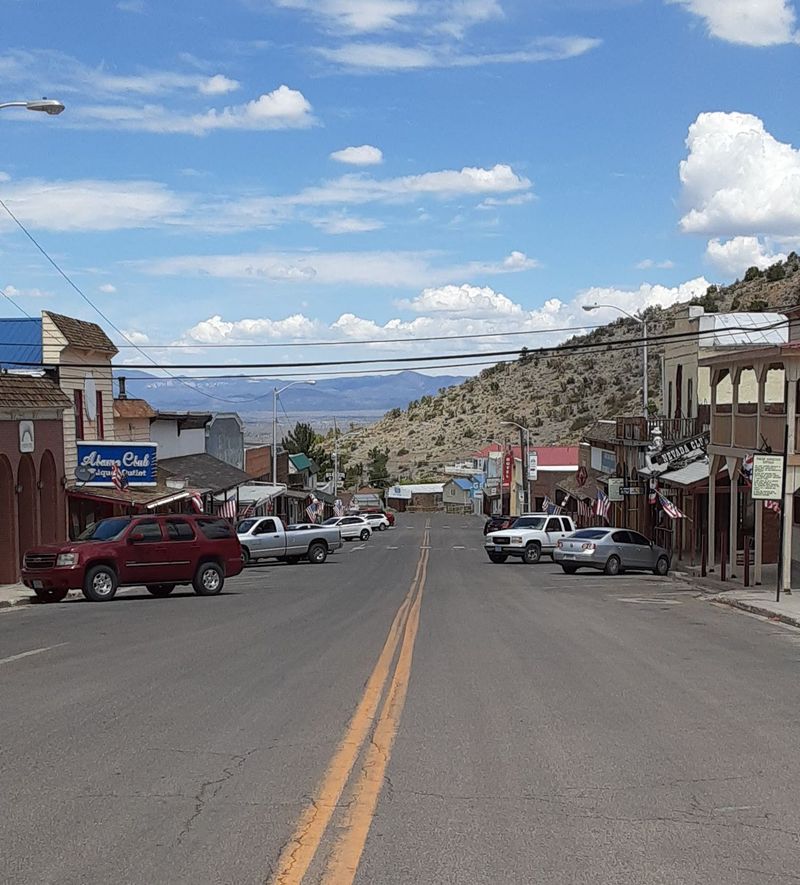
Elevation sets this town apart from the hot desert floor stretching toward Las Vegas. The higher ground brings air that runs cooler than the valleys below.
The climate difference shapes how a visit feels through the seasons. Time spent walking the streets is more comfortable than the low desert might suggest.
The hill setting is a direct result of where the mines were dug. Silver hid in high ground, and the town followed.
Cooler conditions make the outdoor exploring easier to enjoy. Long strolls through the old quarter become a natural way to pass the day.
The combination of elevation and history gives the town a distinct feel. It stands apart from the sunbaked stops many travelers expect in Nevada.
A Town Frozen in Time
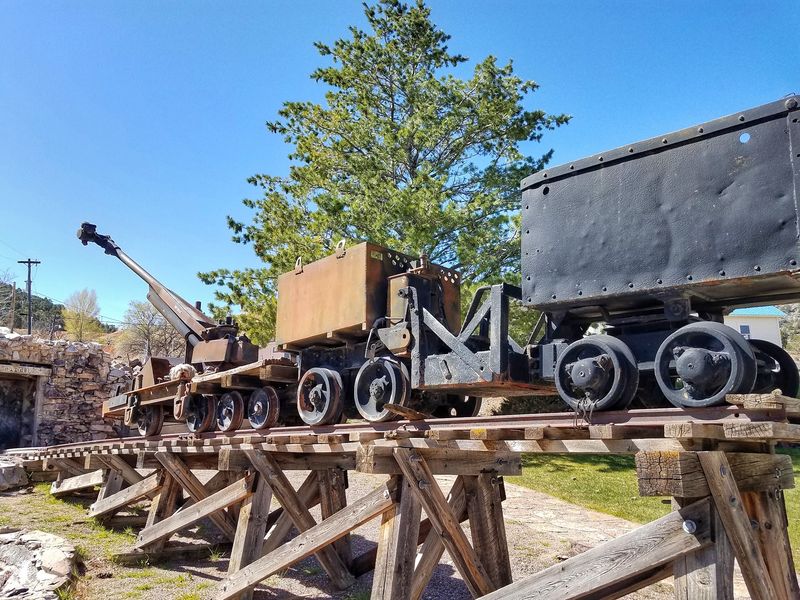
Few places hold onto their past as plainly as this old silver camp. The town kept its mining-era look because rapid modern development never rolled through.
That preservation is what makes a weekend here feel like a walk through history. The streets read like a record of the boom years.
The unincorporated status helped keep things low-key over the decades. Growth stayed modest, and the old character survived.
Walking here connects you directly to the era that built the town. The past is not tucked behind glass; it lines the very roads you travel.
The result is a rare kind of destination. The town offers history you can move through rather than only read about.
Why the Silver Story Still Draws People
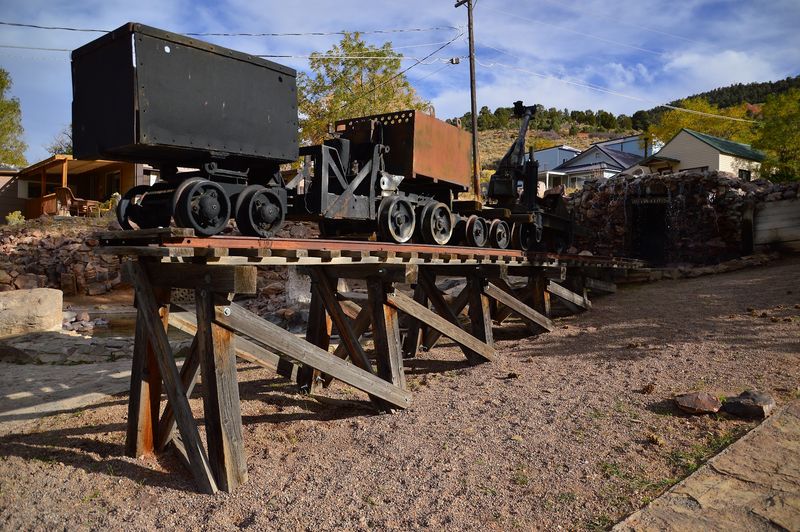
Long after the richest veins ran dry, the pull of this hillside town endures. The silver story it carries keeps giving travelers a reason to make the long drive.
A weekend here trades noise for history, and the exchange feels worthwhile. Quiet streets, old buildings, and hillside relics all tell the same tale of a boom that shaped Nevada.
The remote setting only sharpens the sense of stepping back in time. Getting here takes effort, and that effort makes the arrival mean more.
For anyone drawn to the real story of the West, the town delivers without theatrics. It lets the past speak through what remains.
A slow visit to this Lincoln County outpost turns an ordinary weekend into a genuine walk through silver history. The hills that once held a fortune now hold the memory of it, waiting for the curious to come explore.
Enjoyed this story?
Add Fast Food Club as a preferred source to see more of our reporting on Google.