


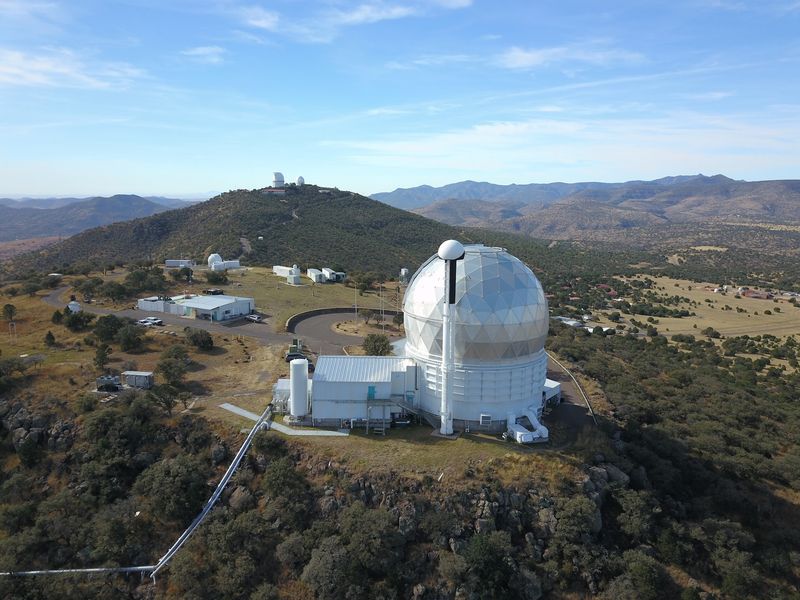
High in the mountains of West Texas, there is a place where the night sky turns into a live show of planets, star clusters, and galaxies you can actually see through massive telescopes. Getting there means winding through desert roads under some of the darkest skies left in the continental United States.
Saturn appears with rings so crisp it hardly looks real, and Jupiter shows off like it is putting on a private performance. The staff are famously friendly and packed with astronomy knowledge that turns a casual evening into a bucket-list moment.
There is a red glow, a quiet amphitheater, and a whole gallery of exhibits waiting during the day. Keep reading to learn exactly where this spot is, what to expect, and how to plan a trip that pays off.
Where the Dark Skies Begin
Tucked into the Davis Mountains, the University of Texas McDonald Observatory sits at 3640 Dark Sky Dr, Fort Davis, TX 79734. Even the street name hints at what makes this spot special.
Run by UT Austin, it is a working research facility that also welcomes the public. The site pairs serious science with programs designed for everyday curious folks.
The location was chosen for a reason. West Texas offers some of the darkest skies in the continental U.S., far from city glow.
Getting here takes effort, and that is part of the charm. The observatory rewards the drive with telescope tours, solar viewings, and an exhibit gallery.
It is a stop that turns a road trip through the region into something memorable.
A Scenic Drive Through the Mountains
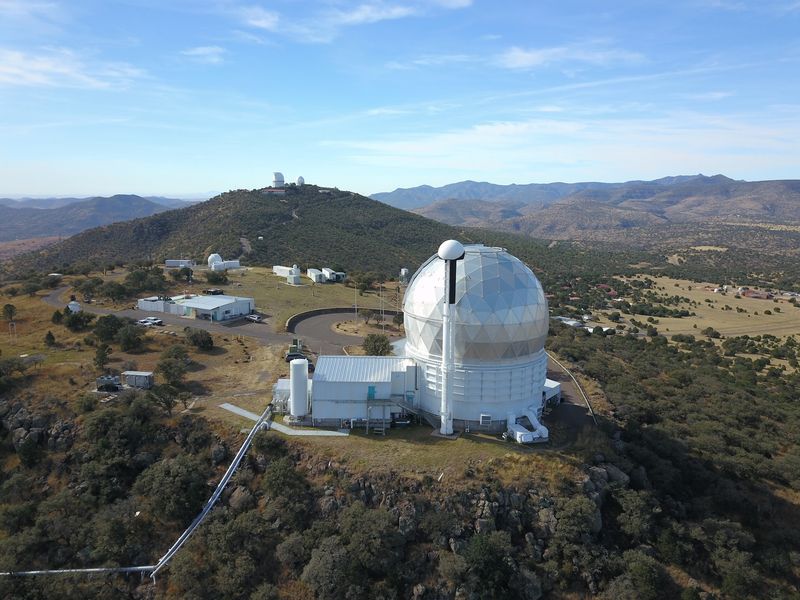
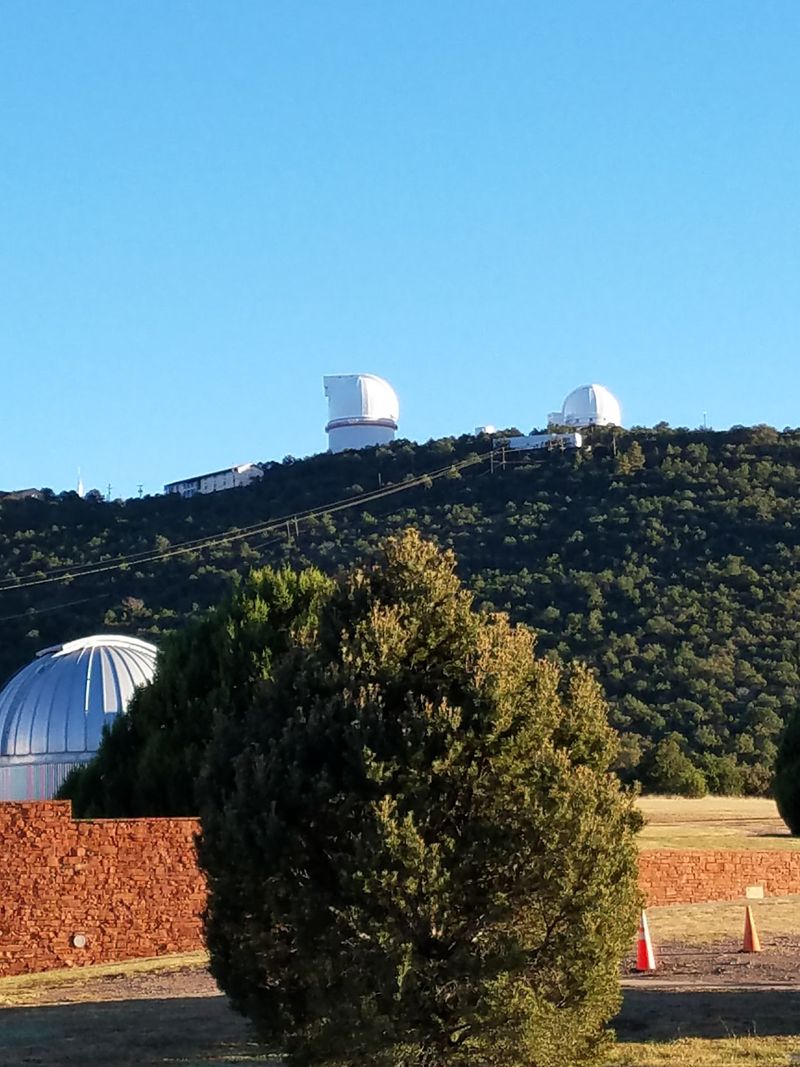
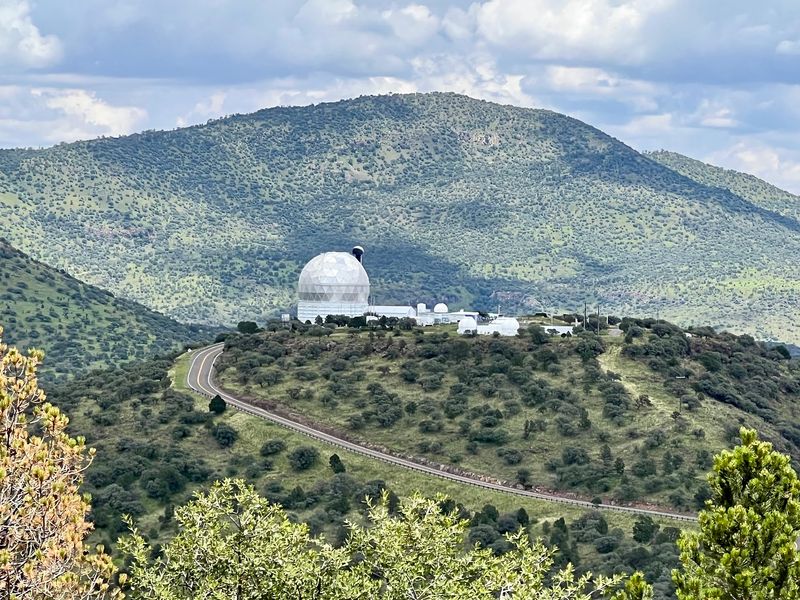
The trip up to the observatory earns praise all on its own. Roads curl through the Davis Mountains, past the town of Fort Davis, climbing steadily toward the domes on the ridge.
People traveling from Alpine describe an easy, scenic route that eases into mountain country. The desert grounds around the facility stay pristine, which adds to the sense of arriving somewhere set apart.
Some make the drive from much farther out. A two-hour trip from Big Bend is not uncommon for those determined to catch an evening program.
The landscape shifts as you climb, with mountains rising on every side. That gradual buildup makes the observatory feel like a genuine destination rather than a quick pit stop.
Even someone who misses the night program often says the views from the mountain were worth the trip by themselves.
The Famous Star Party
Mention this observatory and the conversation turns quickly to the Star Party, the headline event that happens most Friday nights and beyond. It is the reason many people make the long haul out here.
The evening opens with a guide walking the crowd through what they are about to see, from planets to galaxies. Then everyone lines up in the near dark to peer through several telescopes aimed at different objects in the sky.
Even with a full crowd, the wait to reach a scope rarely stretches past five or six minutes. Hosts are described as lively and funny, making astronomy easy to follow for beginners and enthusiasts alike.
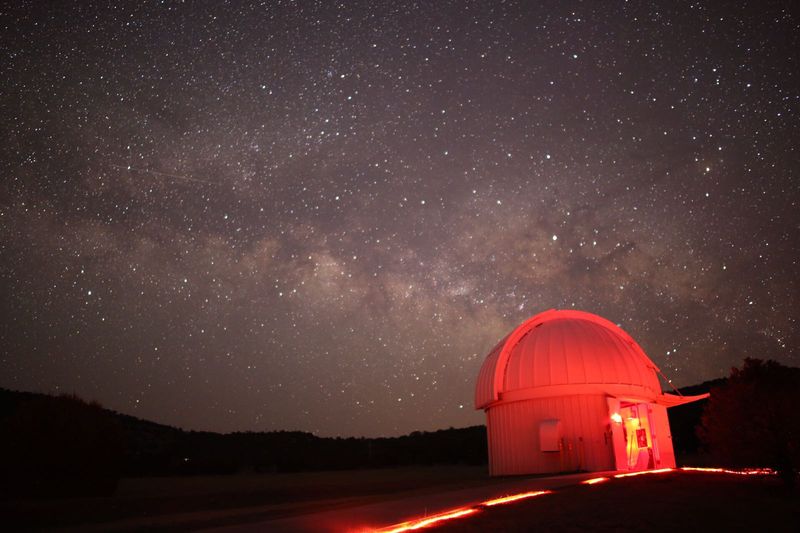
Guests come away having seen Saturn, Jupiter, the Pleiades, the Orion Nebula, and more. For many, spotting the Milky Way with their own eyes becomes the highlight of the entire trip.
Peering Through the Telescopes
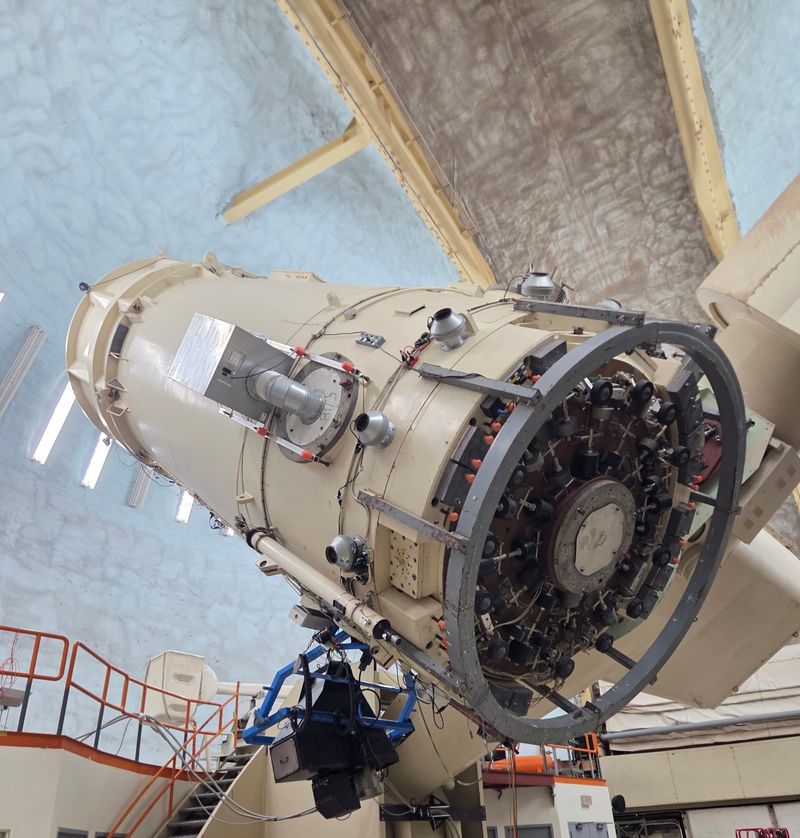
What sets the telescope viewing apart is how sharp everything looks. Saturn appears with rings so crisp it feels like a high-definition photo floating in the dark.
Jupiter shows up stunning and clear, moons and all, while the moon delivers a jaw-dropping close-up. Guests regularly mention seeing Mars, the Orion Nebula, the Pleiades, and even distant galaxies through the scopes.
The lineup usually features several telescopes, each pointed at a different celestial object. That variety keeps the line moving and gives everyone a range of things to marvel at.
One helpful tip that comes up often is to bring your own binoculars for extra viewing between turns. Another is to plan around the moon phase, since a quarter or crescent moon gives darker skies and better views than a full moon.
The people working the scopes are genuinely excited to share, and that energy makes each glimpse feel bigger.
Daytime Guided Tours
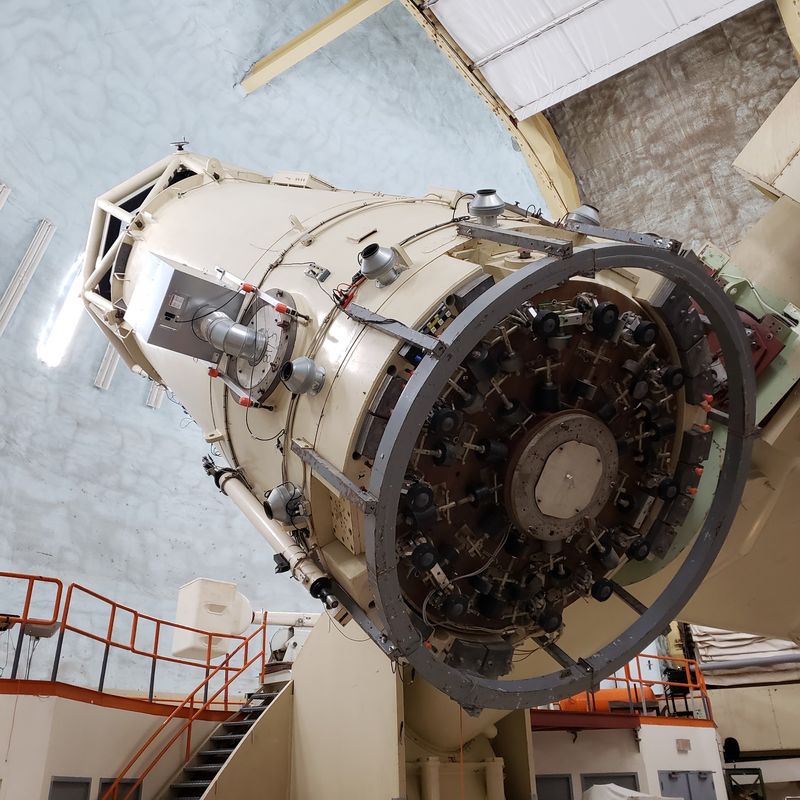
Sunlight does not shut the observatory down. Daytime guided tours give guests a look at the research side of the facility, including the two largest telescopes on the mountain.
The tour starts with a brief overview of what to expect, then heads up to the big scopes for a detailed talk on how they work and what scientists study with them. Watching the massive research telescopes actually move is a highlight for many.
Plan for about two hours. The pace suits curious adults and older kids well, though it can run long and technical for children under 12.
There is no daytime viewing through the research telescopes, but the history and engineering more than fill the time. Guests who take both the tour and a shorter program often say the guided tour is the one they would pick if forced to choose.
The guides bring real knowledge and clear passion to every stop.
Solar Viewing in Daylight
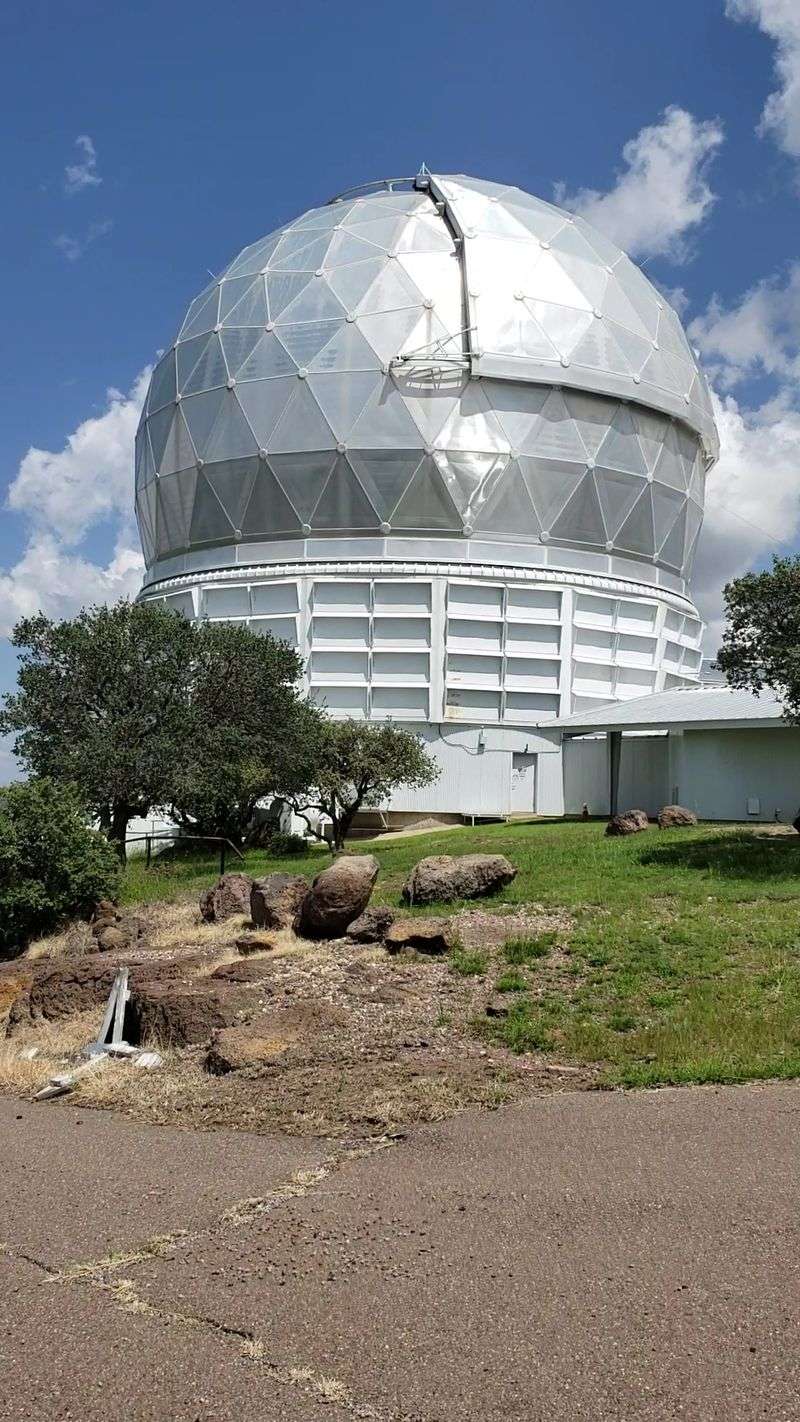
For a shorter and punchier daytime option, the solar viewing program is a crowd favorite. It runs about 45 minutes and packs in a lot.
The session pairs a presentation about the sun with live feeds from the observatory’s solar telescope. That means real-time looks at features like sunspots, backed by plenty of clear explanation.
People who found the full tour a bit long for young kids often point to solar viewing as the more engaging pick. It moves quickly and keeps attention without demanding two hours of focus.
Seminars on specific topics, such as sunspot activity, are also available for an additional fee. Those go into surprising depth for anyone wanting more than the basics.
It is a smart way to enjoy the science of the sky when the sun is still up and the stars have not yet arrived.
The Visitor Center and Exhibit Gallery
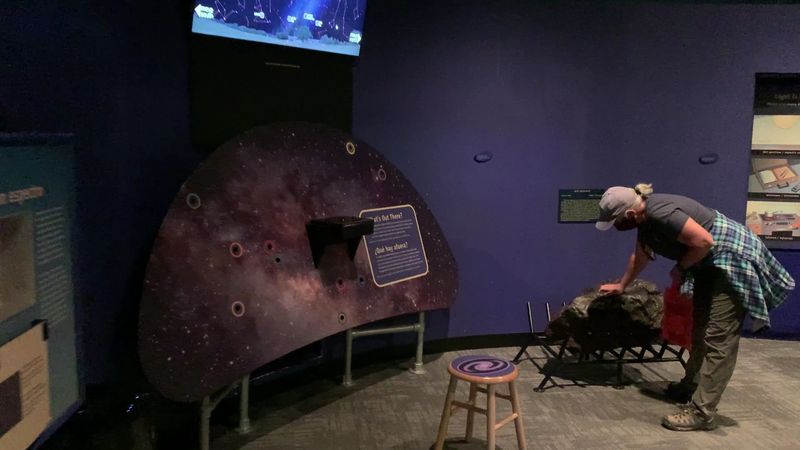
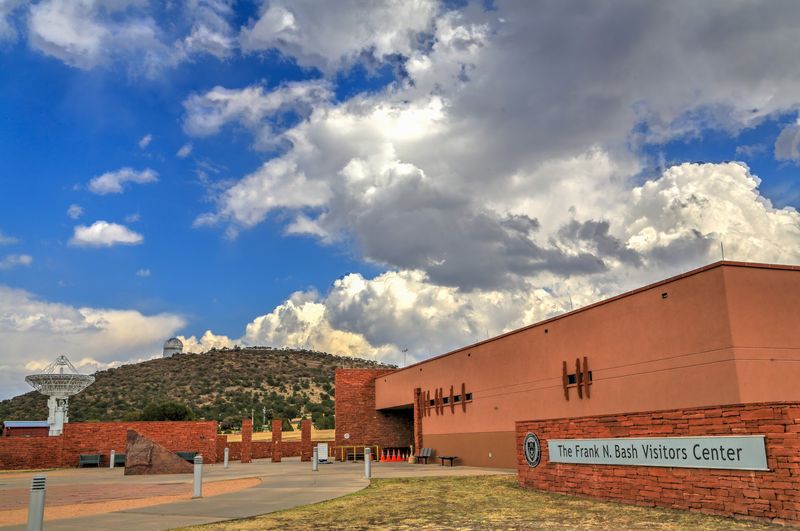
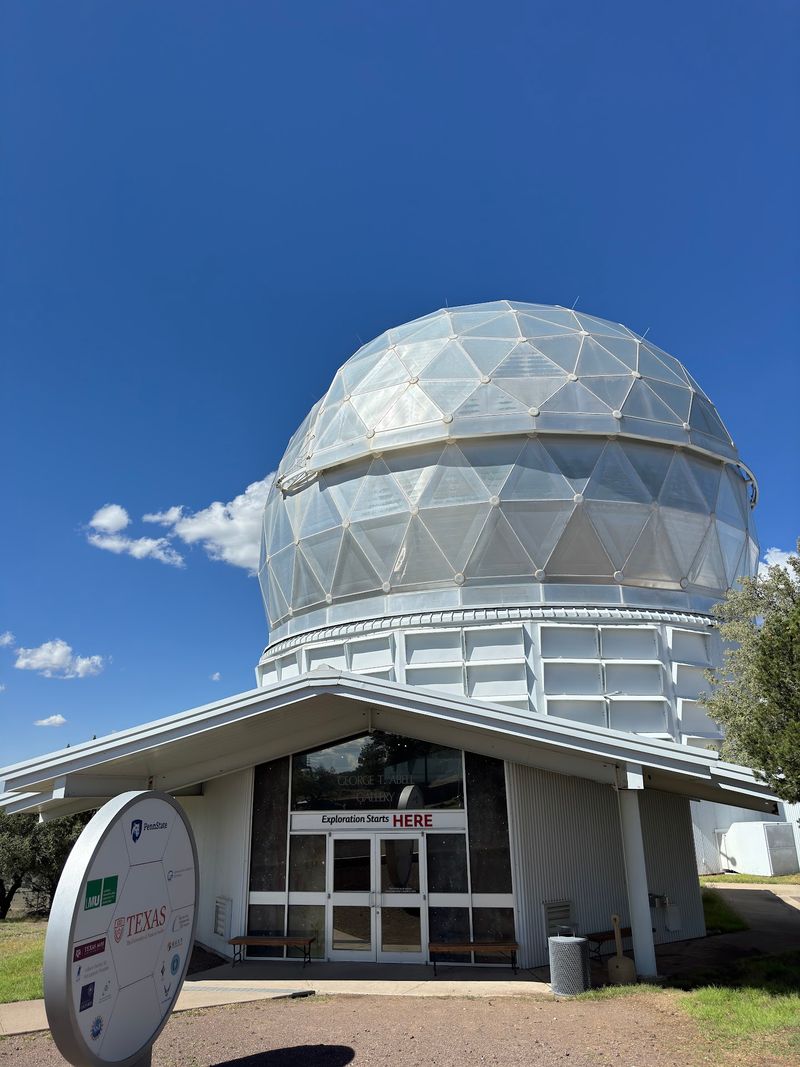
Before or between programs, the visitor center gives guests a place to wander and learn. It holds a wealth of information, with displays and videos explaining all aspects of the observatory.
The exhibit gallery breaks down astronomy in a way that clicks for casual guests and serious enthusiasts alike. Interactive elements and clear explanations make the science approachable.
Practical touches round out the space. Clean bathrooms and water fill-up stations get regular mention as small but welcome details.
There is also a theater used for solar viewings and presentations. That indoor space becomes especially handy when clouds roll in and the outdoor programs need a backup plan.
Whether waiting out the four-hour gap before a star party or simply soaking up the exhibits, the center keeps guests occupied. It sets the stage for everything else the mountain has to offer.
The Outdoor Amphitheater
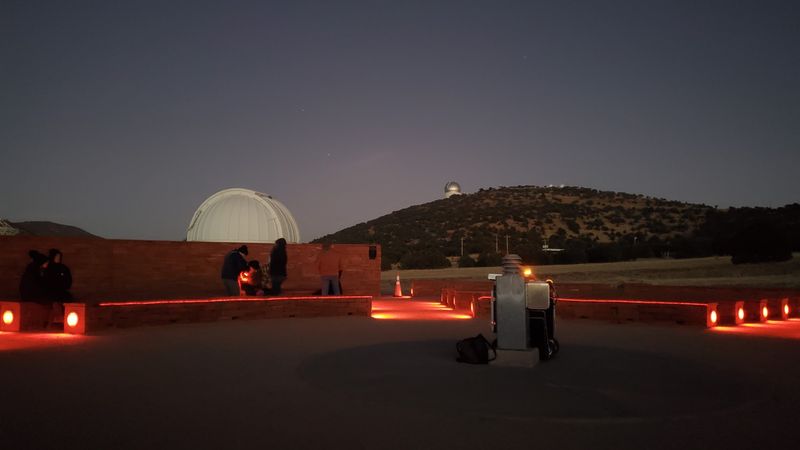
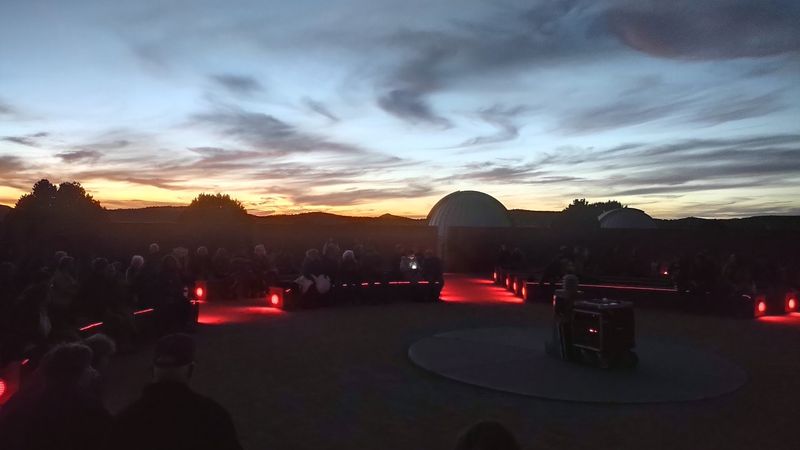
Every star party has a starting point, and here it is the outdoor amphitheater. Guests gather in the open air as the sky darkens for the evening ahead.
The setting frames the experience well, with the desert and mountains all around. As the light fades, the host kicks things off with a sky tour before the crowd moves to the telescopes.
Red dark-sky lighting glows across the grounds, part of the effort to protect the darkness that makes the whole thing possible. That detail alone signals you have arrived somewhere built around the night sky.
Wildlife occasionally makes a cameo. A wild pig darting across the desert has surprised more than one guest waiting for the show to begin.
The amphitheater turns the opening of the evening into a shared moment, gathering strangers together to look up at the same stars.
Staff Who Love the Sky
Ask anyone what makes this place work, and the staff top the list. Their deep knowledge and genuine excitement come up again and again.
Hosts manage to be informative and entertaining at the same time, making astronomy accessible to everyone in the crowd. They point out constellations, explain what each telescope is aimed at, and answer questions without a hint of impatience.
The team stays eager to help, from the front desk to the folks running the scopes. That warmth turns first-timers into repeat guests.
Their passion is obvious in how they talk about the research and the sky. Even when weather cuts a program short, they pivot to talks and indoor sky tours to keep the experience alive.
People walk away having learned real things, like why the shape they always thought was the Big Dipper might not be. That kind of teaching sticks.
The Astronomer’s Lodge
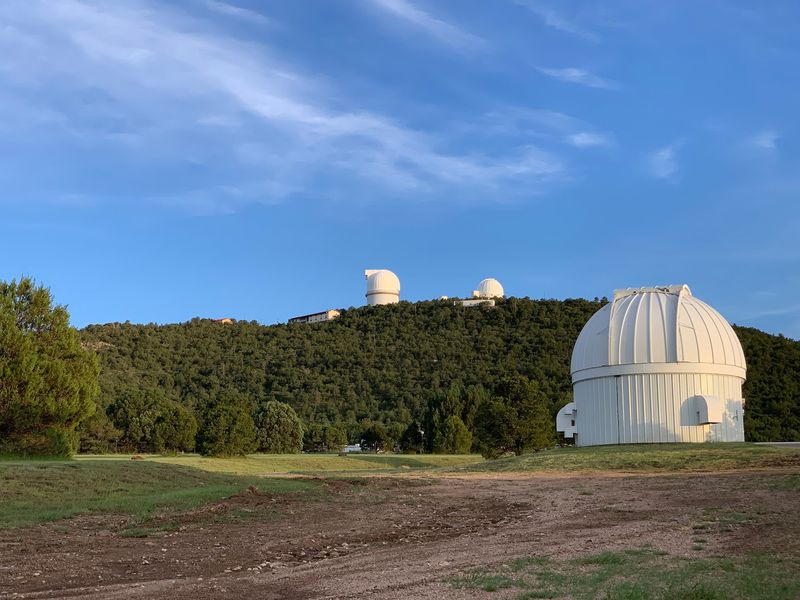
For guests who want to linger under the dark sky overnight, the Astronomer’s Lodge offers a rare option. It is a scientific bunkhouse that opens rooms to the public when space allows.
There is a catch worth knowing. You must have booked a tour or the star party to be considered for a room, so it is not a standalone hotel.
The setting is described as very peaceful and super dark, which is exactly the point out here. Staying on the mountain means skipping a late drive back down after an evening program.
It functions as a working bunkhouse rather than a resort, so expect simple and functional over fancy. That fits the science-first spirit of the place.
For anyone chasing the full experience, bedding down beside a research observatory is a neat way to close out the night.
Reasonable Prices and the Gift Shop
Good news for budget-minded sky watchers: the star party runs around $25 per person, and many call that a genuine bargain for what you get. Evening viewing of planets and galaxies through research-grade scopes for that price is hard to beat in Fort Davis.
The gift shop keeps things fair too. Instead of steep souvenir markups, it stocks T-shirts, patches, and gifts that feel reasonably priced.
Shirts can be found for under $20, which stands out at a destination attraction. The selection is broad enough that most guests leave with something.
There is a running joke among guests that the shop simply must be visited and money must be spent. It is small but well stocked.
Between fair program pricing and honest souvenirs, the observatory keeps the whole outing accessible. That value is a big part of why people plan return trips.
Booking Ahead and Beating the Weather
The single most repeated tip is simple: buy tickets in advance because programs sell out. Star parties fill up fast, and walk-up entry is not guaranteed.
The waitlist can be tight. Camping nearby and hoping for a last-minute spot has left some without entry, so reservations well ahead are the safe bet.
Weather matters just as much as timing. Clouds can shut down telescope viewing, and a bright full moon washes out fainter objects.
Savvy planners book around both the forecast and the moon phase, aiming for clear, moonless nights with a quarter or crescent moon. There is little point spending on a program when heavy clouds are expected.
When skies do turn, the staff run make-up presentations with slides and indoor sky tours so the evening is not a loss. Planning smart turns a maybe into a memory.
Hours, Contact, and a Word of Caution
Regular hours run from noon to 5 PM on Tuesday, Wednesday, Thursday, Friday, and Saturday. The observatory is closed Sunday and Monday.
Evening programs like the star party run later than the daytime closing, so the schedule shifts when night events are on the calendar. Sign-in for the star party typically falls in the evening, with the program beginning around dark.
One important caution comes up: check the official website rather than relying only on Google hours. Special events and meetings can close the facility to the public even on days it appears open.
A quick look at the site’s calendar before driving hours out can save a wasted trip. The address is 3640 Dark Sky Dr, Fort Davis, TX 79734, and the site is mcdonaldobservatory.org.
A little verification up front keeps the excitement from turning into disappointment at the gate.
Why the Trip Is Worth It
Holding a steady 4.7-star reputation across more than two thousand accounts, this observatory has earned its status as a Texas treasure. People describe it as a bucket-list stop and a highlight of West Texas travel.
The blend works because it covers so many angles. Scenic mountain drives, hands-on telescope views, friendly experts, fair prices, and skies dark enough to reveal the Milky Way all stack into one outing.
It suits a wide range of guests, from serious astronomy fans to families with older kids and first-timers who have never looked through a real telescope. Just plan around the moon, book early, and confirm the hours.
Even guests who caught clouds or a bright moon tend to say they were glad they came. That says a lot about the place.
Deep in the Davis Mountains, under some of the darkest skies left, this is a stop that rewards everyone willing to make the climb.
Enjoyed this story?
Add Fast Food Club as a preferred source to see more of our reporting on Google.