


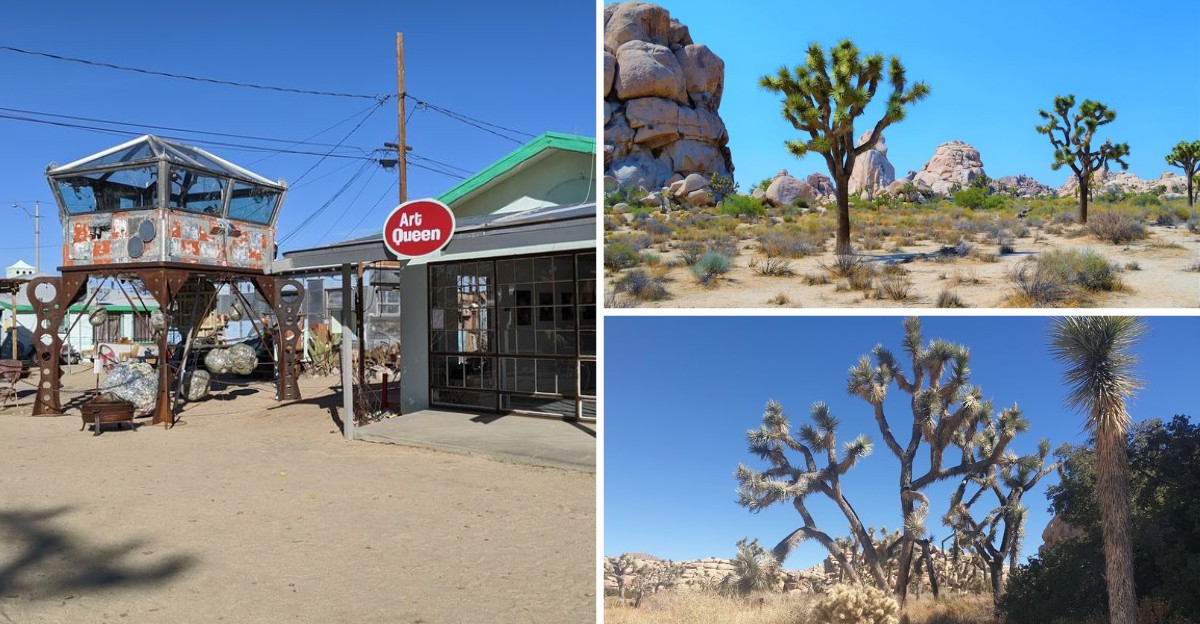
There is a stretch of High Desert in California where the pace slows down and creativity seems to bloom right out of the sand. A small community with fewer than 7,000 people has been drawing painters, musicians, and dreamers who want space to think and room to create.
Set around 2,700 feet above sea level, the town sits at the edge of one of the country’s most striking national parks, yet it holds its own quiet charm apart from the trails. There is history here, a growing culture of makers, and a landscape that shapes everything around it.
What makes a place this small pull in so many creative souls? Keep reading, because the answer unfolds street by street, and it is more interesting than the postcards let on.
Where the High Desert Meets a Small-Town Heart
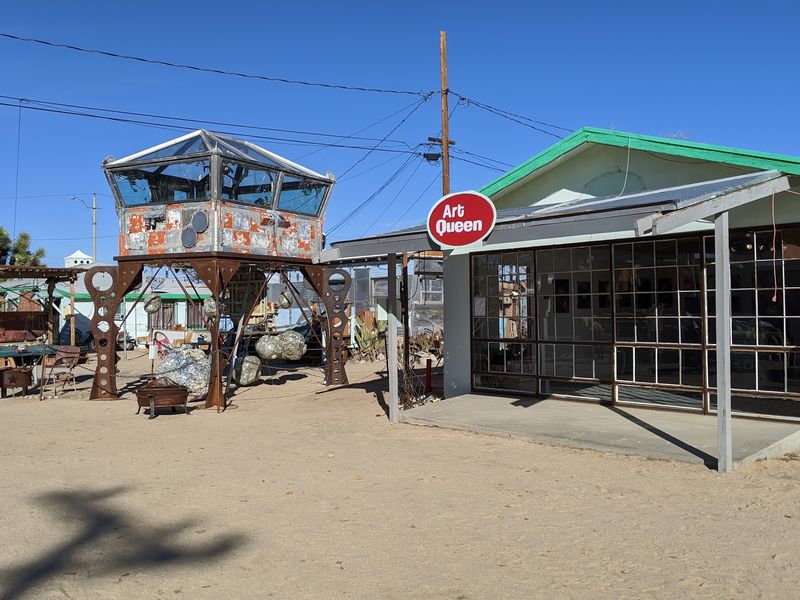
Tucked into San Bernardino County, California, this community carries the simple name of Joshua Tree, and its official address is nothing fancier than the state itself.
The town is a census-designated place that sat at 6,489 residents during the 2020 census. That number tells you plenty about the scale of life here.
Elevation plays a big role in the local character. At roughly 2,700 feet above sea level, the area belongs to the High Desert of California, a region known for wide horizons and dramatic terrain.
Around the town spread several smaller communities, all sharing that same elevated desert setting. Together they form a loose network of neighbors who value quiet over noise.
The location near the national park of the same name gives the town its anchor, but the streets themselves have their own pulse. Small shops and studios keep the local energy grounded.
What ties everything together is the sense of a place that never rushed to grow big. It stayed small on purpose, and that decision shaped the artist-friendly world unfolding here today.
A Landscape That Shapes Every Story
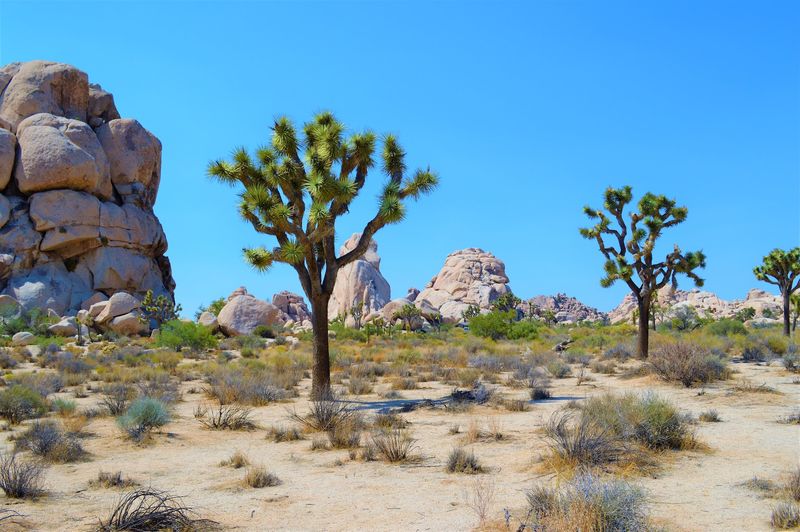
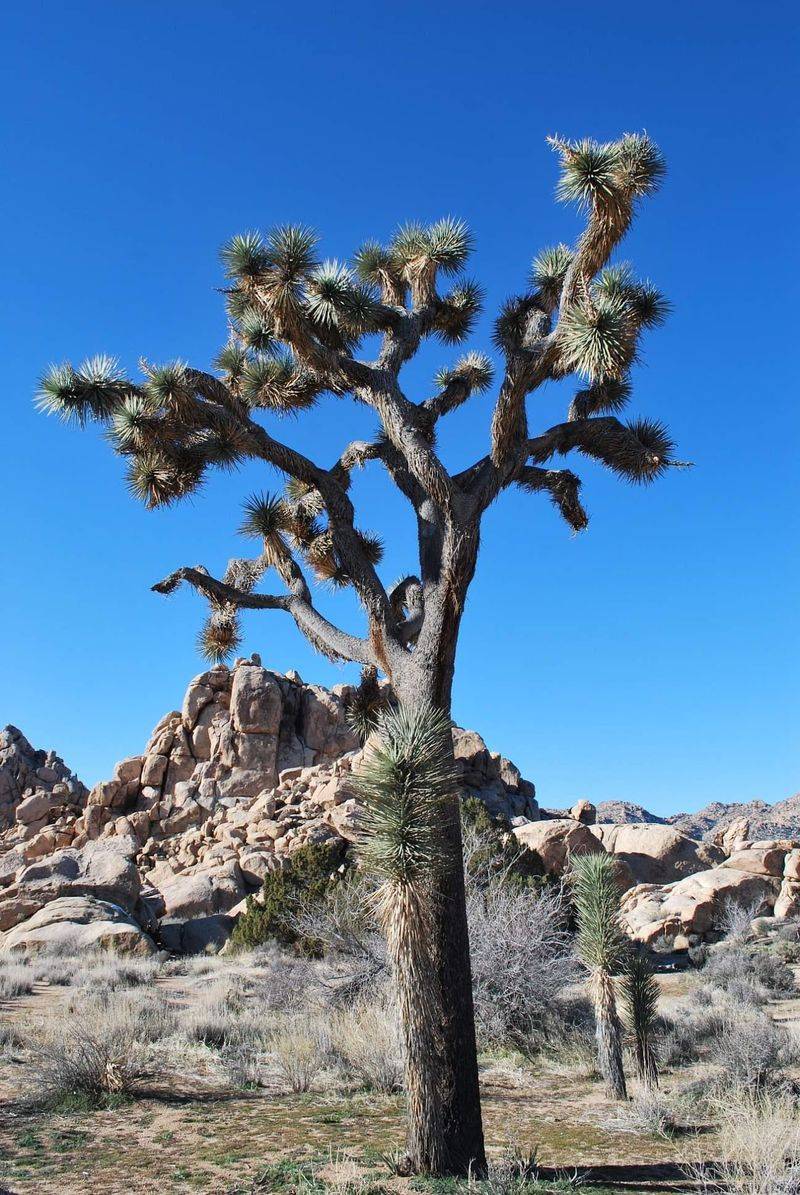
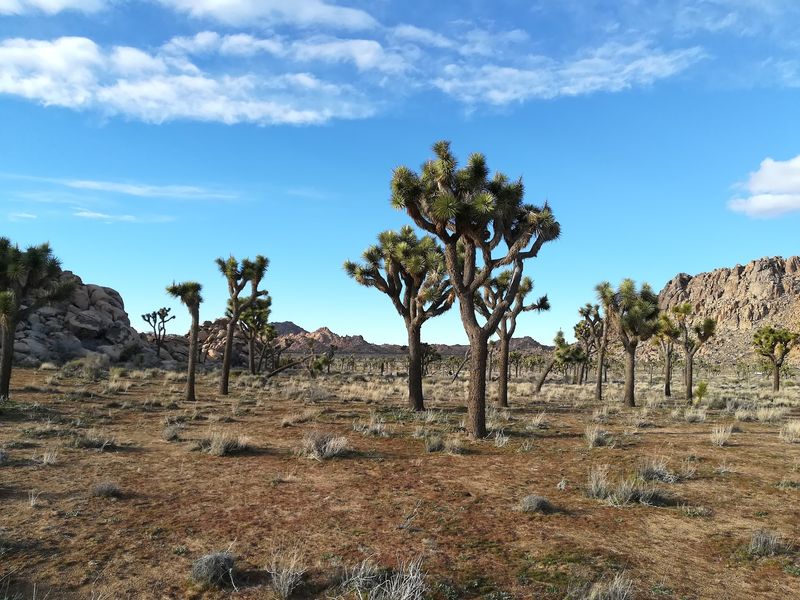
Rock formations pile up across the horizon like nature stacked them for fun, and the twisted trees that give the town its name dot the ground in every direction.
The High Desert setting does something to the light and the space that creative people notice quickly. Open land stretches far enough to let ideas breathe.
At 2,700 feet of elevation, the terrain feels different from the low deserts to the south. The air stays cleaner and the temperatures swing more between day and night.
Boulders scatter the landscape in shapes that look almost sculpted. They have become a natural draw for climbers, photographers, and anyone who wants to sit and think.
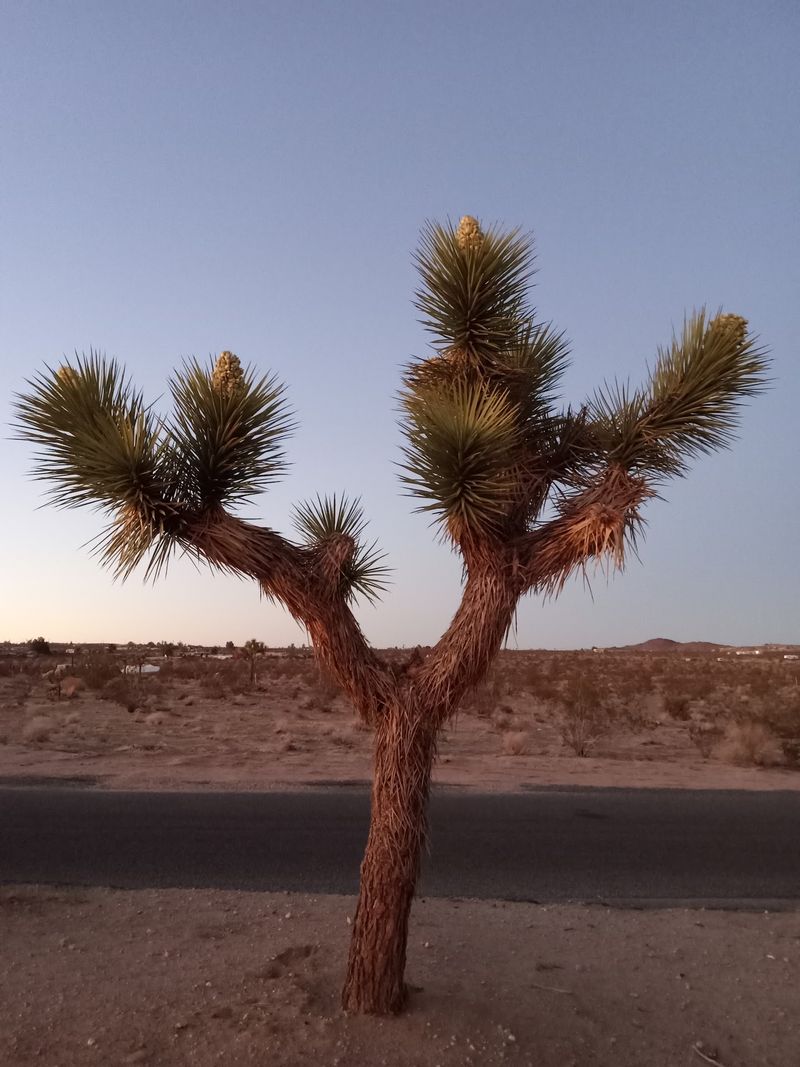
The trees themselves are unusual, with branches that reach out in odd angles. They stand as living landmarks that make the whole region instantly recognizable.
All of this scenery does more than decorate the town. It supplies endless material for painters, writers, and makers who let the surroundings guide their work in ways no city block ever could.
How the Town Earned Its Name
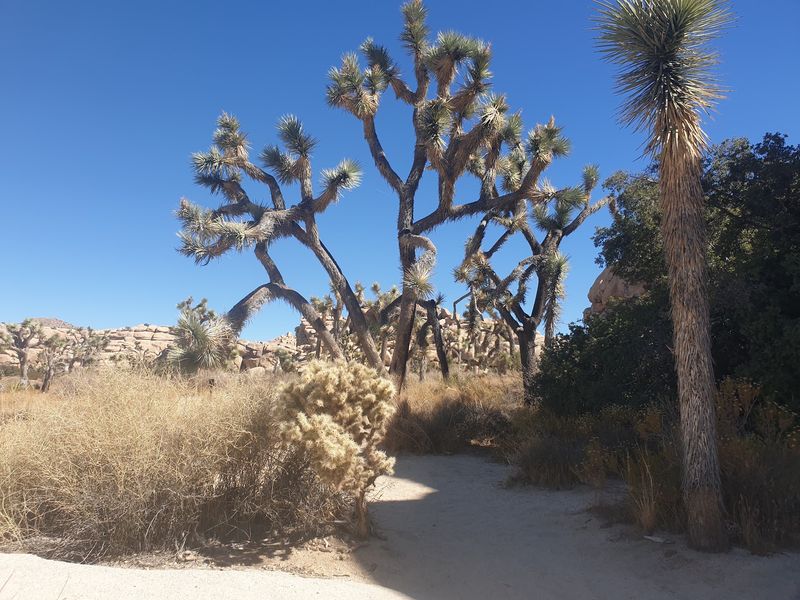
The odd-looking trees came first, long before any town appeared on the map. Their strange silhouettes gave the whole area its identity.
Settlers moving through the High Desert noticed these plants standing across the terrain in great numbers. The name stuck to the land and later to the community that grew around it.
Being a census-designated place rather than a formal city adds to the low-key feel. There is no big incorporated government machine, just a recognized community with clear boundaries.
Population growth stayed gentle over the decades. Reaching 6,489 people by 2020 shows a town that added residents slowly instead of exploding overnight.
The surrounding communities share both the desert and the history. They developed alongside the main settlement, each keeping its own small-scale flavor.
Names carry weight in the desert, and this one connects directly to the plant life that defines the region. Every mention of the town brings that image of the branching trees to mind, which is exactly why it lingers in memory.
The Pull That Draws Creative Souls
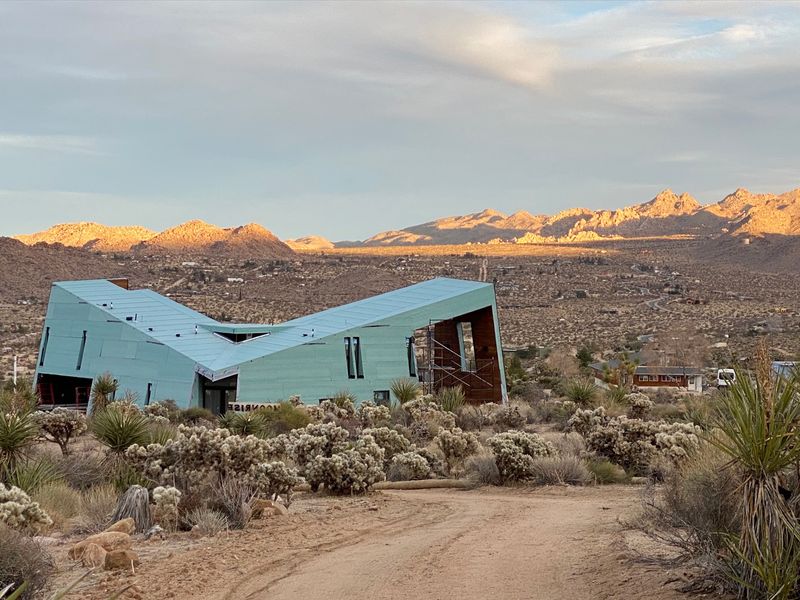
Something about wide-open space and low population gives artists room to focus, and this town has both in abundance.
Painters, musicians, and makers have been steadily settling into the area. The affordable quiet of a small High Desert community offers a kind of freedom that crowded places rarely allow.
With just under 6,500 residents, the town never overwhelms newcomers with noise or hurry. That calm becomes a workspace in itself.
The scenery feeds inspiration daily. Boulders, trees, and endless sky provide subjects and moods that shift with the hours.
Studios and workspaces have popped up quietly across the community and its neighbors. The growth stays organic rather than flashy, matching the town’s understated style.
What emerges is a creative community that formed without a master plan. People simply found a place where they could think clearly and create freely, and word of that spread far beyond the desert edges.
Living at 2,700 Feet Above Sea Level
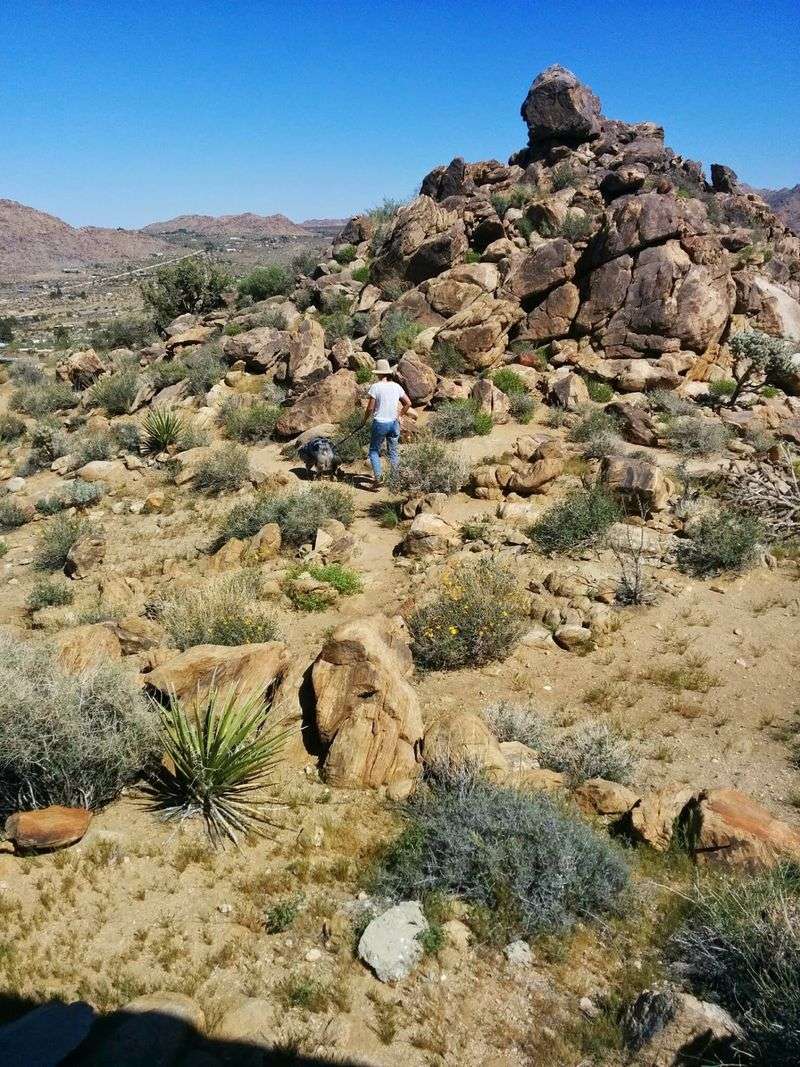
Elevation matters more than most people expect when they picture desert living. At roughly 2,700 feet, this town sits high enough to feel the difference.
The High Desert setting brings cooler nights and a different rhythm than the low deserts nearby. Days and evenings can feel like separate seasons.
That altitude shapes daily life for residents. It affects everything from how homes are built to how people plan their outdoor time.
The raised terrain also opens up long views across the region. Distant mountains and wide basins stay visible for miles.
Surrounding communities share this elevated ground. Together they occupy a band of the High Desert that feels distinct from the rest of Southern California.
For anyone weighing a move or a long stay, the elevation becomes part of the appeal. It gives the area its particular climate and its quiet, elevated calm that keeps drawing thoughtful people back.
A Community Small Enough to Know
Fewer than 7,000 people call this place home, and that scale changes how the community works.
With a 2020 population of 6,489, the town keeps a tight-knit feel where familiar faces become part of the routine. Small numbers make for strong connections.
Being a census-designated place means the community has clear recognition without the trappings of a large city. The setup keeps things simple.
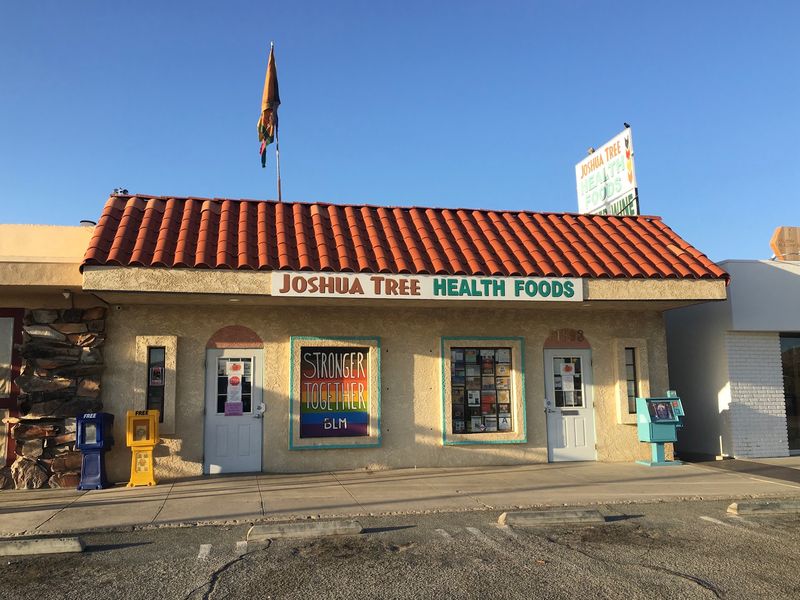
Neighbors here tend to know the local shops and the people running them. That familiarity gives the town a grounded, welcoming atmosphere.
The surrounding communities add a few more residents to the wider area. Yet even together, they keep the region feeling personal rather than crowded.
Growth has stayed measured over the years. The population climbed slowly enough that the town never lost its close-knit identity, which is exactly the kind of environment where creative folks put down roots and stay.
The Rocks That Made Climbers Famous
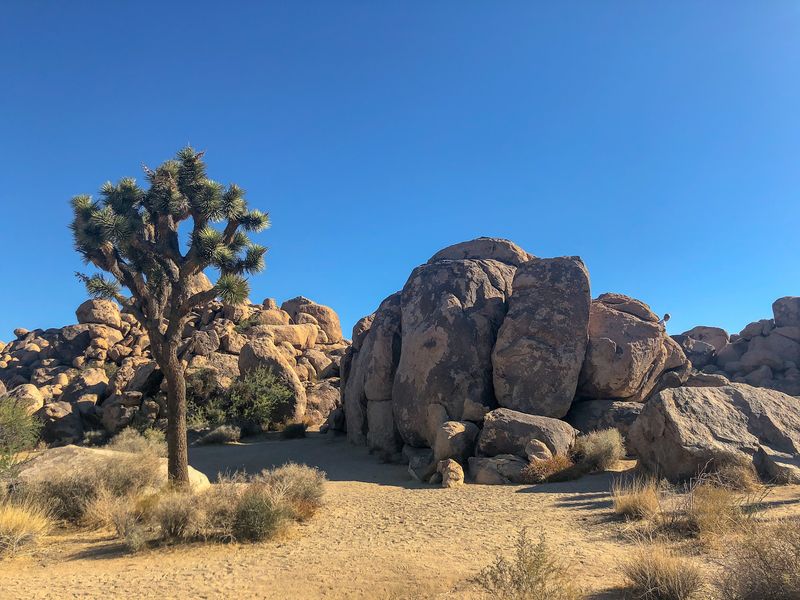
Giant boulders scattered across the High Desert turned this town into a destination long before it became an artist haven.
The rock formations rise from the ground in clusters that seem built for scrambling and climbing. They give the whole region its rugged personality.
Set at 2,700 feet, the terrain combines big rocks with open desert floor. That mix creates a playground for outdoor lovers.
The formations range from small stacks to towering piles. Their variety keeps the landscape interesting no matter which direction you look.
These same rocks that draw climbers also inspire artists and photographers. The shapes and shadows offer endless subject matter.
The boulders stand as one of the town’s defining features. They tie together the outdoor crowd and the creative crowd, giving both a shared landscape to love and a reason to keep coming back to the desert.
Neighboring Communities of the High Desert
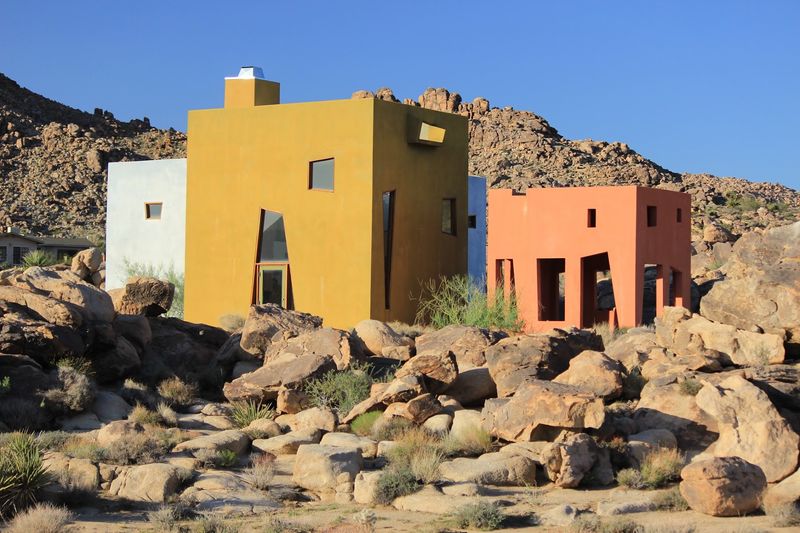
Beyond the main town, a handful of smaller communities share the same stretch of High Desert.
These surrounding areas sit at similar elevations near 2,700 feet. They form a loose neighborhood spread across the desert floor.
Each community keeps its own small-scale character. Together they create a wider region tied by geography and desert culture.
The connection between them feels natural rather than forced. People move between the communities for daily needs and shared spaces.
All of them belong to San Bernardino County. That shared county line links their identities under one broad umbrella.
The result is a region larger than the town alone yet still deeply rooted in quiet desert living. For creative people, this network offers even more room to spread out and find their own corner of the High Desert.
Skies That Belong to the Desert
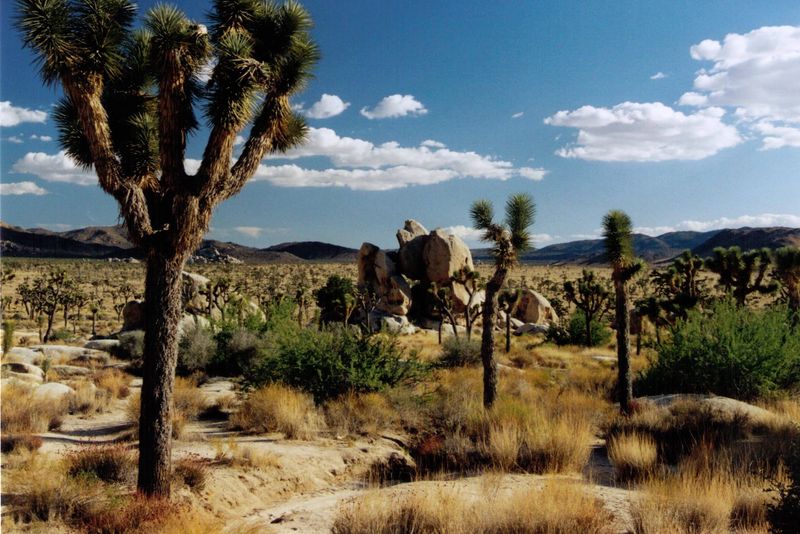
Wide-open desert and high elevation combine to give this town some of the clearest skies in Southern California.
At 2,700 feet with few large cities nearby, the air stays remarkably clean. The setting lets the sky stretch uninterrupted from edge to edge.
The High Desert location keeps light pollution low. That darkness turns the night sky into a natural attraction.
Daytime skies feel just as expansive. The openness of the terrain leaves nothing to block the view above.
These sweeping skies pair perfectly with the town’s creative streak. Painters and photographers find endless variation in the overhead canvas.
The combination of elevation and isolation makes the sky feel like part of the town itself. It becomes a daily companion for residents and one more reason travelers linger a little longer than planned.
Who Feels at Home Here
Not everyone is built for desert quiet, but those who are tend to fall hard for this town.
Creative types find the space and calm they need to work. The small population of under 6,500 keeps distractions to a minimum.
Outdoor lovers also thrive here thanks to the boulders and open terrain. The landscape rewards anyone who wants to explore.
People seeking a slower pace fit right in. The town never pushes anyone to hurry.
The High Desert elevation appeals to those who prefer cooler nights and dry air. It attracts residents who value a distinct climate.
What ties these groups together is a shared appreciation for room to breathe. Whether making art or simply seeking peace, the people drawn here want the same wide-open sense of freedom that the desert quietly provides.
Getting There and Finding Your Way
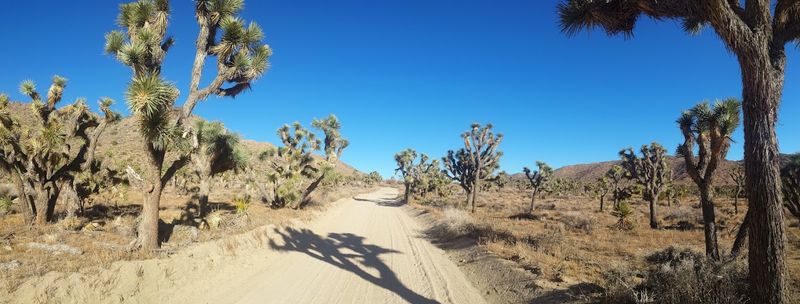
Reaching this High Desert town means heading into San Bernardino County, California, where the roads open up and the traffic thins out.
The community sits at about 2,700 feet above sea level, so the drive climbs gradually into the desert. The change in elevation becomes noticeable along the way.
Since the address is simply the state of California, travelers rely on the town name and its surrounding communities to navigate. The area is well known enough to find easily.
The location near the national park of the same name makes it a natural stop for desert trips. Many travelers pass through on their way to explore.
Once in town, the small scale makes getting around simple. With under 6,500 residents, nothing feels far away.
Planning a visit works best with a flexible mindset. The desert rewards those who take their time, and the relaxed layout of the town makes wandering part of the fun.
The Quiet That Feeds Creativity
Silence is a resource in this town, and it may be the most valuable thing the desert offers.
With so few residents spread across the High Desert, quiet comes easily. The calm gives people space to think without interruption.
The elevation and open terrain add to that stillness. Sound carries differently across the wide desert floor.
Creative work often needs this kind of environment. The town supplies it naturally, without any effort.
Even the surrounding communities share the same peaceful quality. The whole region leans toward calm rather than commotion.
That quiet has become part of what draws artists and dreamers here. In a world full of noise, a place this still feels rare, and the town guards that stillness like the treasure it truly is.
Why the Desert Keeps Calling People Back
Small towns rarely leave a lasting mark, yet this High Desert community manages to stick with people long after they leave.
The combination of elevation, open space, and quiet creates something hard to find elsewhere. At 2,700 feet, the town feels set apart from the busy world below.
Its population of 6,489 keeps the community personal and grounded. That scale is part of the charm.
The rocks, trees, and skies give the region an identity all its own. They shape both the scenery and the creative energy that fills the area.
Artists keep arriving because the town offers room to work and think. The surrounding communities extend that same welcome.
For anyone curious about where quiet and creativity meet, this corner of San Bernardino County stands as a real answer. The desert does not shout for attention, and that may be exactly why so many people keep finding their way back to it.
Enjoyed this story?
Add Fast Food Club as a preferred source to see more of our reporting on Google.