


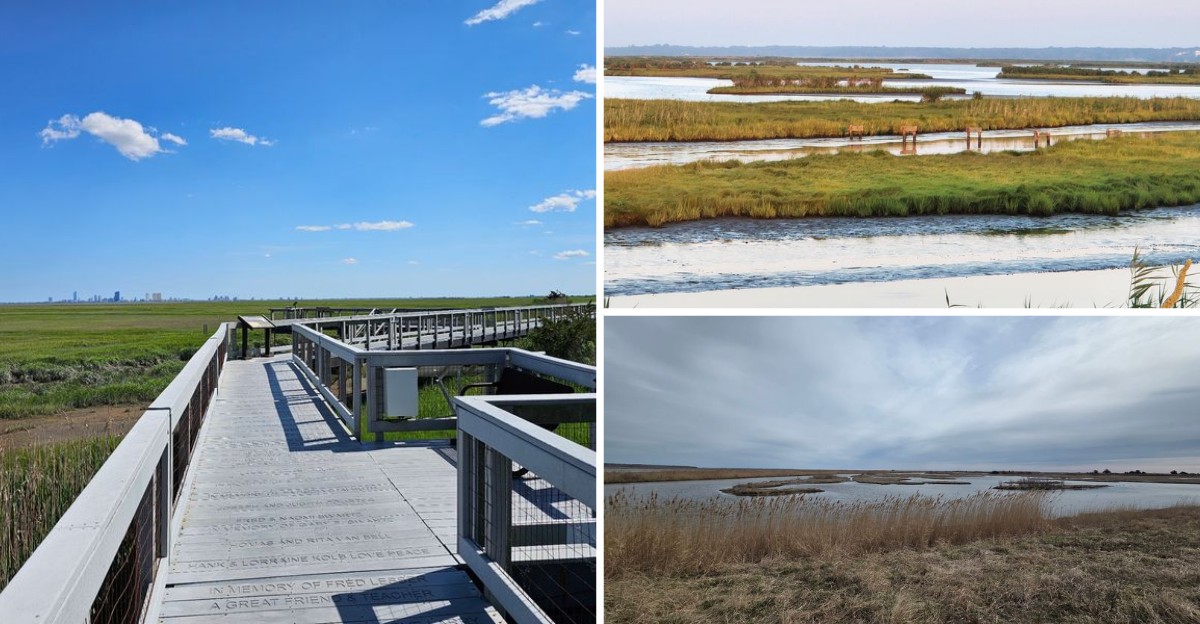
Just minutes from the bright lights of Atlantic City sits a stretch of marshland where ospreys wheel overhead and herons stand watch in the shallows. Bird lovers and weekend explorers keep returning to this quiet corner of southern New Jersey, drawn by an eight-mile loop that winds between freshwater pools and salty tidal flats.
The entry fee costs about the same as a cup of coffee, and the payoff is a full day of wildlife watching, photography, and unhurried strolling. There are trails, boardwalks, an observation tower, and a welcome center where you can borrow binoculars at no charge.
Curious where all this open sky and open water actually is? Keep reading, because this peaceful spot deserves a place on your next road trip through the Jersey shore region.
Where Marsh Meets Skyline in Galloway
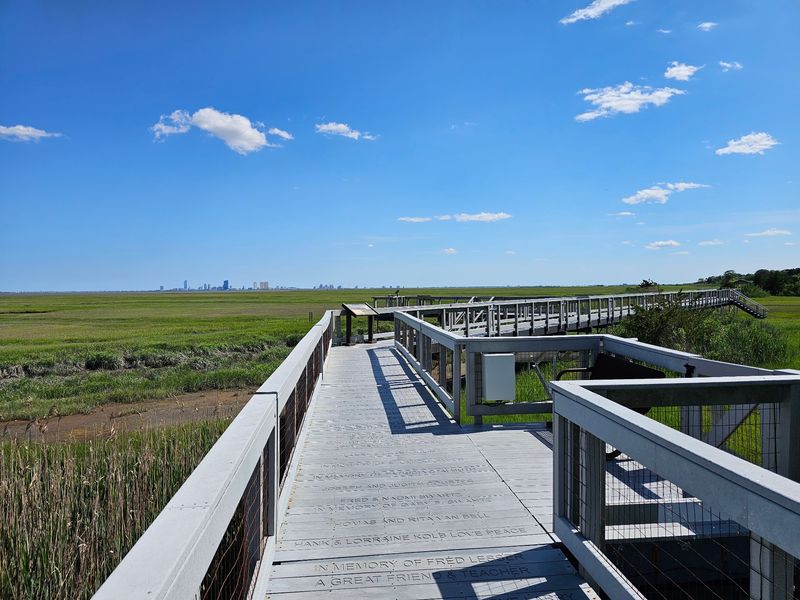
Tucked at 800 Great Creek Rd in Galloway, New Jersey, this federal refuge spreads across tidal marshes and freshwater pools that stretch toward the coast. The address is easy to plug into a map, and once you arrive, the pace slows down considerably.
Run by the U.S. Fish and Wildlife Service, the property protects some of the most important coastal habitat along the Atlantic Flyway.
That means birds passing through on long migrations use these wetlands as a rest stop.
One detail that surprises first-timers is the view. On clear days, the Atlantic City skyline rises on the horizon, a strange and interesting contrast against the quiet grasses and open water.
The refuge earns a glowing 4.8-star standing across hundreds of accounts, and folks call it a hidden treasure they wish they had discovered sooner. Many stop here on their way back from the shore and end up staying far longer than planned.
It is the kind of place that rewards a slow, curious wander.
The Story Behind the Preserved Wetlands
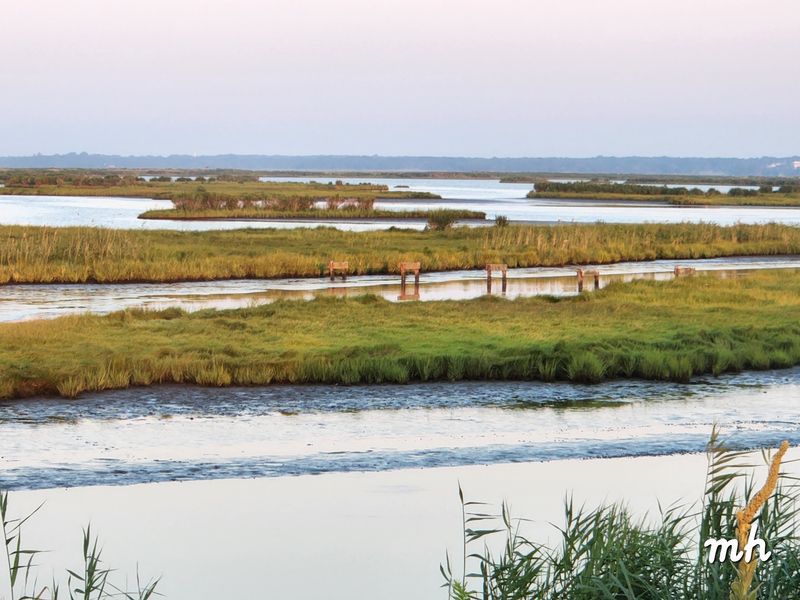
Long before car loops and observation towers, this land was crisscrossed by an old railway bed, and traces of it still linger out in the marshes. The historic trestles standing among the grasses give the place a layered feel, where nature and human history sit side by side.
Regulars who have loved this spot for years point to that history as part of the charm. The remnants tell a quiet tale of how the land was once used, now reclaimed by egrets, herons, and the tide.
The refuge exists to protect vital coastal wetlands, and that mission shapes everything about a visit. Freshwater and saltwater areas meet along raised berms, creating a patchwork of habitats within a small footprint.
That variety is exactly why so many creatures thrive here. Preserving this stretch of shoreline keeps a resting place open for migratory travelers moving up and down the flyway.
Understanding the backstory makes the drive richer. What looks like simple scenery is actually a carefully guarded haven with roots reaching back generations.
The Famous Eight-Mile Wildlife Drive
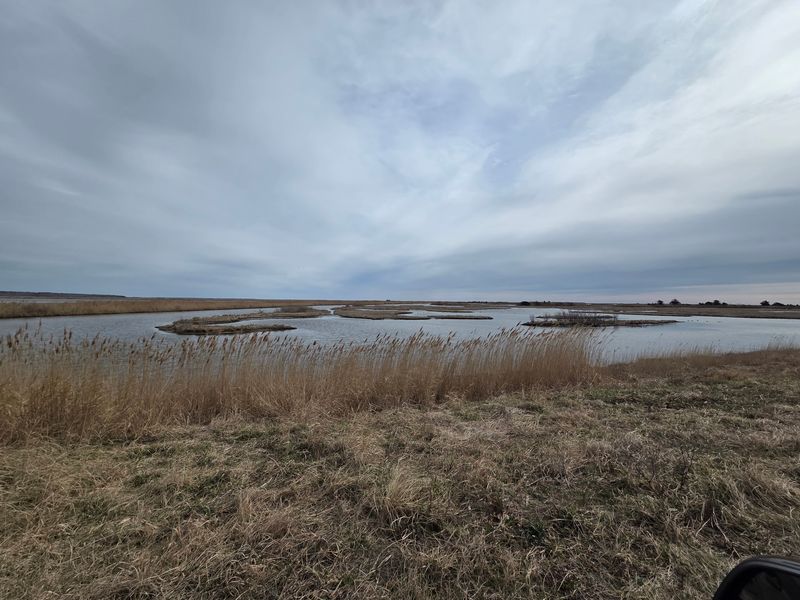
Nearly everyone who comes here talks about the eight-mile driving loop, and for good reason. The route runs along raised berms that thread between freshwater and saltwater areas, putting wildlife within easy view from your car window.
You go at your own pace, which is part of the appeal. Pull-offs are scattered along the way, so slower drivers can let others pass while they linger over a heron or a distant hawk.
On warm days, the loop doubles as a comfortable option. You can stay inside an air-conditioned car and still spot turtles, egrets, and a parade of other creatures right beside the road.
Some travelers enjoy it so much they circle back for a second lap. There is often so much activity that one trip around never feels like enough.
One honest note worth sharing: the back portion of the drive can develop rough patches and craters, so ease off the gas and watch your wheels. Take it slow, and the loop becomes the highlight of the whole day.
A Paradise for Bird Watchers
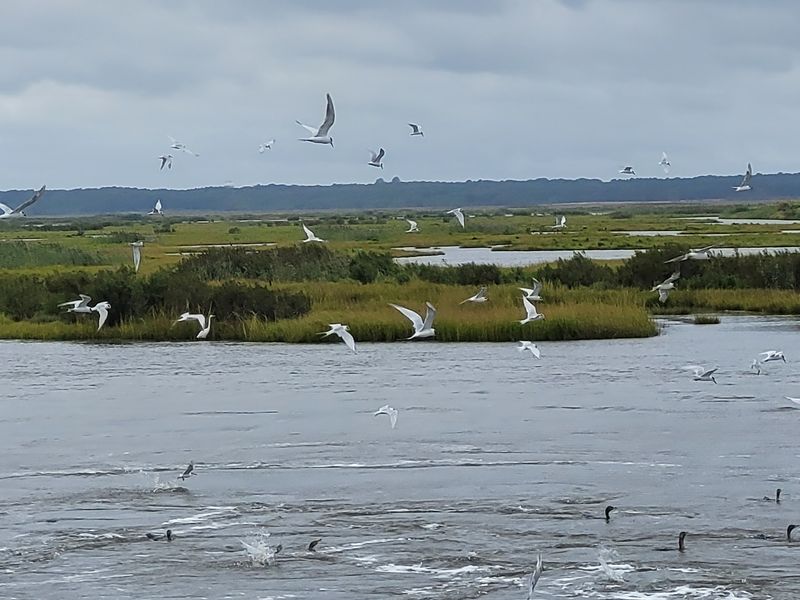
Bird enthusiasts treat this refuge as something close to sacred ground, and the numbers back them up. Sightings here regularly include great blue herons, ospreys, egrets, red-winged blackbirds, and even eagles gliding overhead.
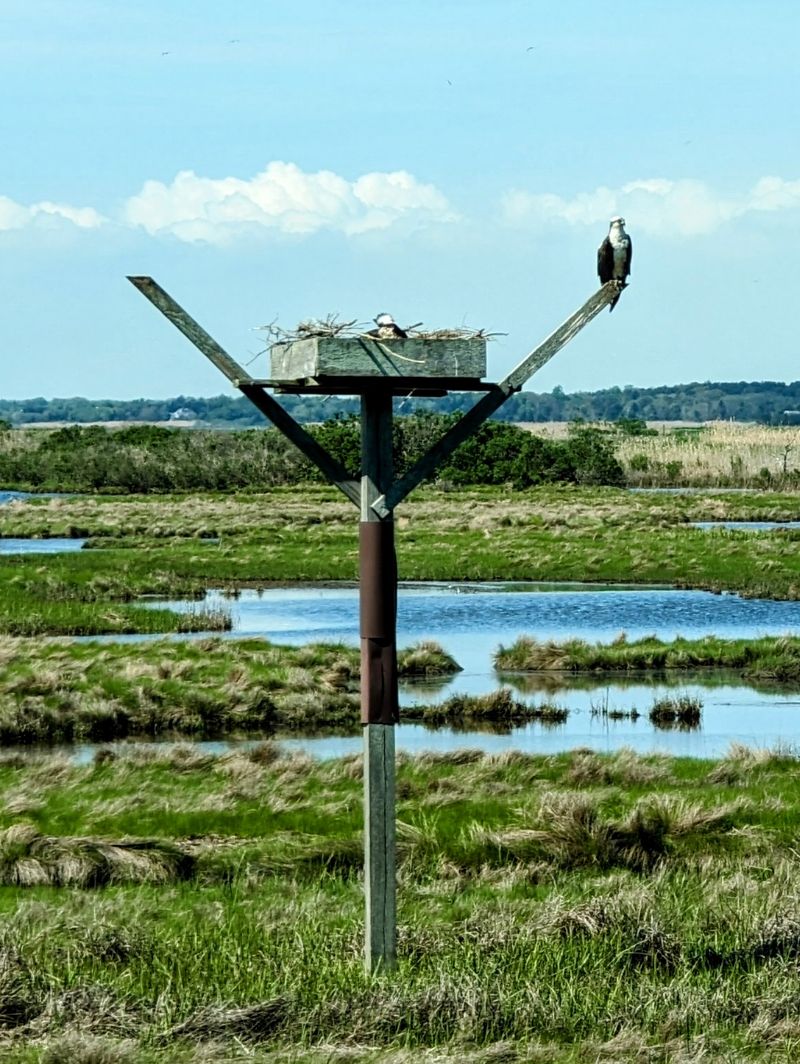
Ospreys in particular steal the show, with their nests and wheeling flights drawing cameras skyward. Sandpipers, terns, and skimmers add to the constant motion across the water and mudflats.
Serious watchers have spent entire days here spread across multiple visits. Nesting oyster catchers, Forster’s terns near the water ducts, and skimmers working the surface rank among the standout moments people rave about.
Migratory season turns the place electric, as travelers passing through the flyway stop to rest and feed. Raptors, ducks, and shore birds all make appearances depending on the time of year.
Photographers often walk away with images of a dozen species they had never captured before. For anyone who loves feathers and flight, the sheer variety here is hard to top anywhere else in the state.
Climb the Tower for Sweeping Views
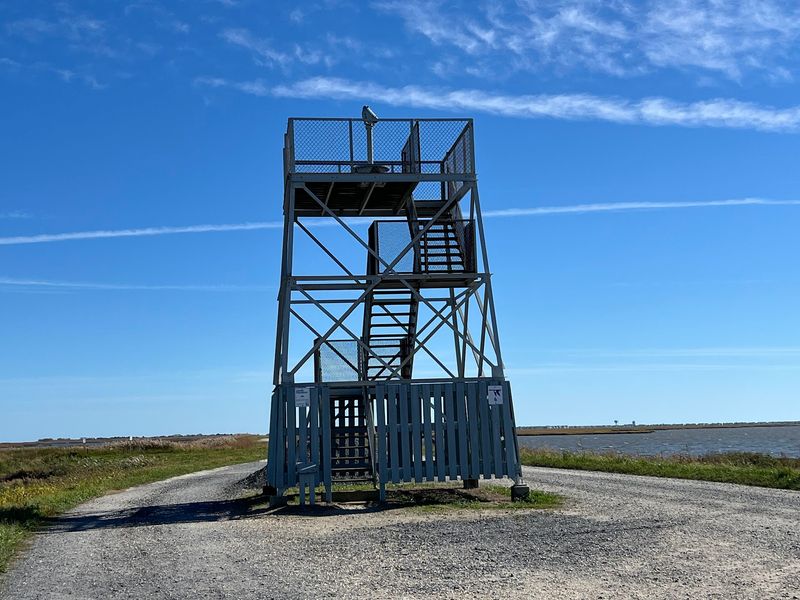
Rising above the flat marsh, the observation tower offers a reward for anyone willing to make the short climb. From the top, the wetlands unfold in every direction, and the payoff is a wide view you cannot get from ground level.
Observation decks scattered around the property give you more vantage points to pause and scan the water. Each one frames the landscape a little differently, from open pools to grassy channels.
Climbing up puts the whole refuge into perspective. You can trace the loop, follow the flight paths of birds, and pick out the skyline shimmering far off on the horizon.
People consistently name the tower a must-do part of any trip. It turns a simple drive into a more complete adventure, adding height and reach to the experience.
Bring binoculars if you have them, or borrow a pair, and the distant details snap into focus. The elevated views make the marsh feel even more vast and alive.
Sunsets and Serene Scenery
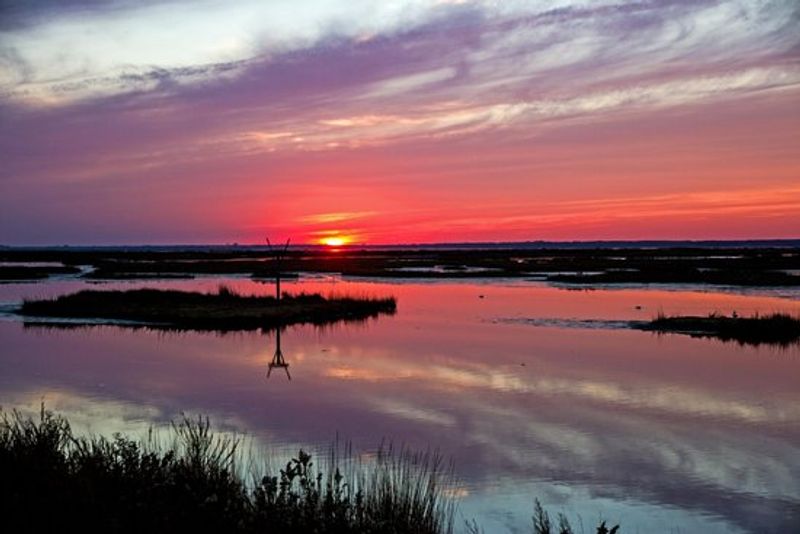
As the day winds down, the refuge takes on a peaceful glow that keeps photographers lingering by the water. Sunset seekers make special trips just to catch the light dropping over the marshes.
First-timers hunting for a good evening view often find more than they hoped. The open sky and reflective pools create a calm, wide-open scene that feels worlds away from the nearby city.
Beyond the color, it is the stillness that stays with people. The word serene comes up again and again, describing the hush that settles over the wetlands as the crowds thin.
Native hibiscus blooms add unexpected pops of beauty during their season. Combined with the changing light, they make certain corners of the drive especially worth a slow stop.
Trails here stay well kept, and the relaxing atmosphere suits anyone looking to unwind. For a quiet close to a busy day, few nearby spots deliver the same gentle reward.
The Welcome Center and Free Binoculars
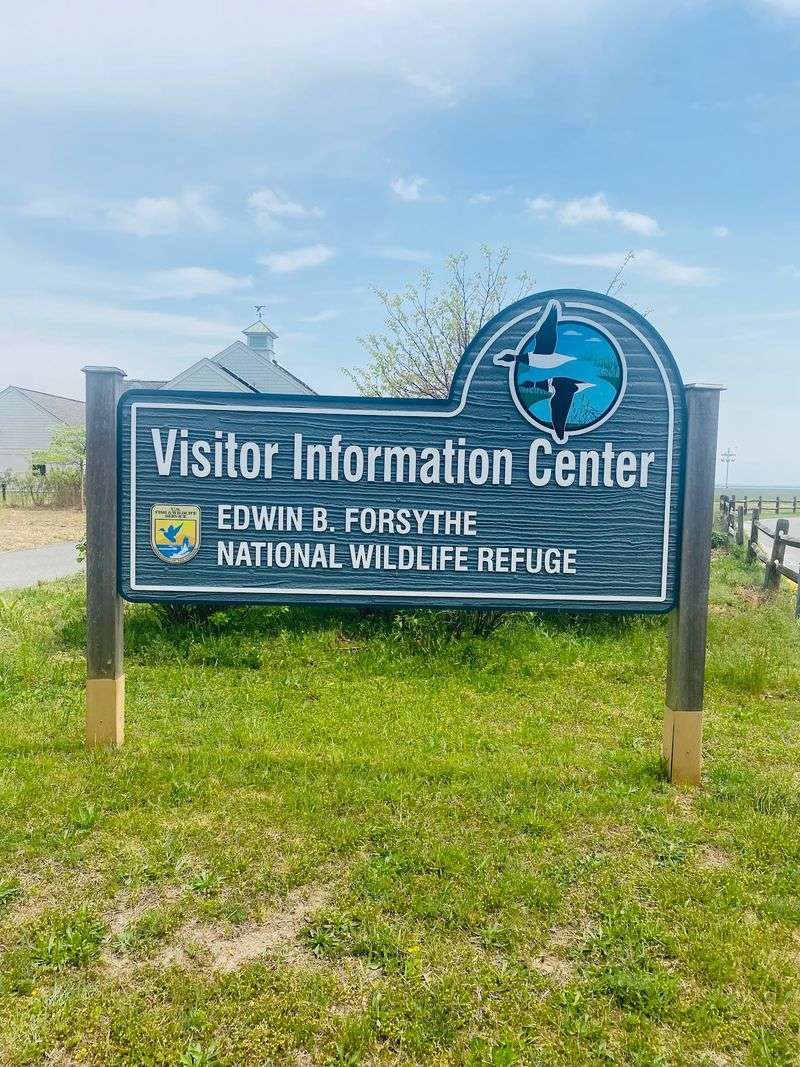
Before heading out on the loop, the welcome center is worth a stop of its own. Staff here have a reputation for being warm and helpful, ready to point you toward the best spots of the day.
One generous perk stands out: you can borrow binoculars at no charge. That small gesture turns a casual visit into a proper wildlife-watching outing, even if you arrived empty-handed.
The center leans educational, with exhibits and items that explain the plant and animal life you will encounter. Families and curious newcomers often linger here before exploring the grounds.
Taking time inside first makes the rest of the trip more meaningful. Knowing what to look for helps you spot creatures you might otherwise drive right past.
It sets a friendly tone for the whole experience. A quick chat with the folks at the desk can shape your entire route, and it costs nothing but a few minutes.
Planning Your Visit and Final Thoughts
Getting here is simple, with the refuge sitting at 800 Great Creek Rd in Galloway, New Jersey, only minutes from Historic Smithville. Many folks fold it into a day trip alongside other attractions in the area.
The entry fee runs about four dollars per car, and it helps to bring cash. That reasonable rate covers the full eight-mile drive plus access to the trails and tower.
A few practical tips make the day smoother. Bugs can get intense by the middle of June, so pack repellent and consider long clothing if you plan to walk the trails.
Drive carefully on the rougher back stretch of the loop, and keep an eye out for other cars moving at their own pace. Patience pays off in both scenery and safety.
With its 4.8-star standing, easy pricing, and rich variety of wildlife, this refuge earns its loyal following. Come for the birds, stay for the quiet, and leave already planning your next loop around the marsh.
Enjoyed this story?
Add Fast Food Club as a preferred source to see more of our reporting on Google.