


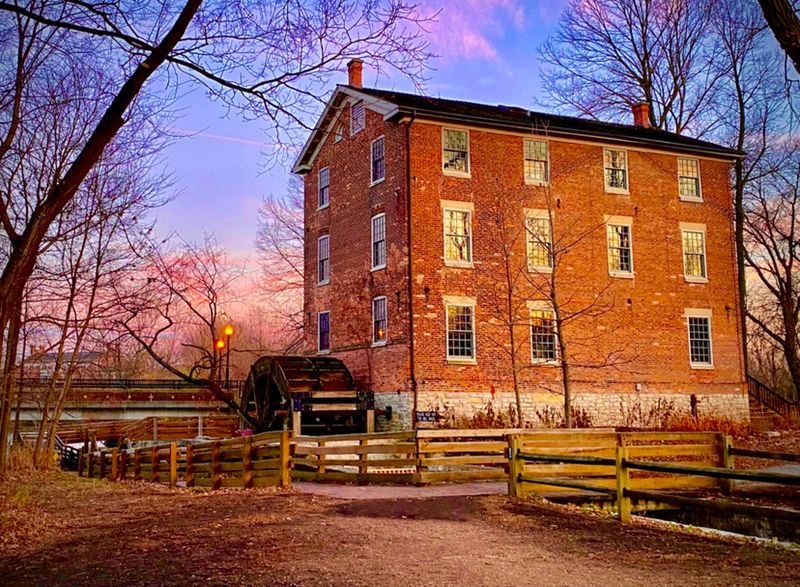
Along a quiet stretch of Salt Creek, a wooden waterwheel keeps turning just like it did back in the 1800s. Inside a limestone building, cornmeal is still ground by a millstone that has been working since before the Civil War era.
Few places let you watch history happen in real time, floor by floor, gear by gear. This spot also holds a deeper story tied to freedom, tucked into its basement and its past.
Keep reading to find out where this rare working mill sits, what waits on each of its floors, and why families keep coming back season after season.
A Limestone Landmark on Salt Creek
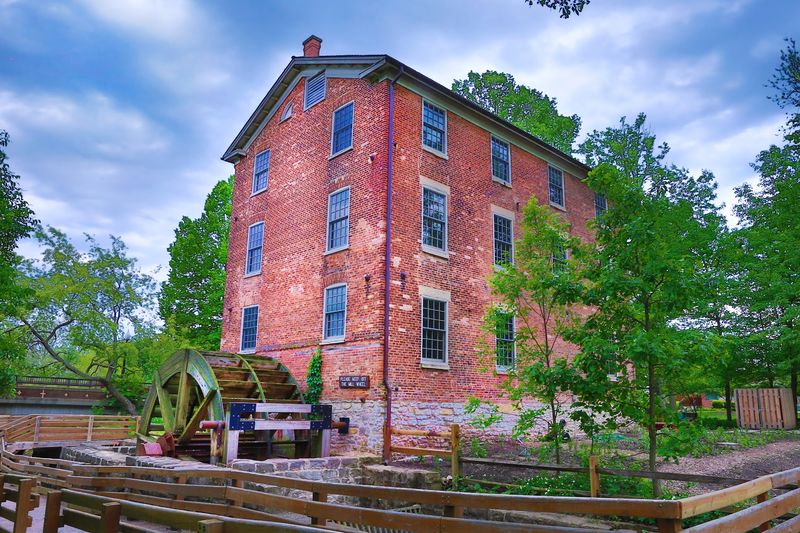
Tucked at 3800 York Rd in Oak Brook, Illinois, this old mill sits right where Salt Creek bends through Fullersburg Woods Forest Preserve. The building went up in 1849, built from local limestone and fitted with French millstones.
It carries a rare title. Many consider it the only operating gristmill of its kind in Illinois, which makes every turn of its waterwheel feel like a small piece of living history.
The setting does a lot of the work here. Trees line the water, bridges cross the creek, and the mill anchors it all with its weathered stone walls.
What makes the location extra special is how easy it is to reach. Even with the buzz of nearby suburbs, the grounds feel calm and set apart.
Volunteers and staff keep the doors open and the stories flowing, welcoming curious families and history fans alike. It is a spot where the past and the present sit comfortably side by side.
The Waterwheel That Started It All
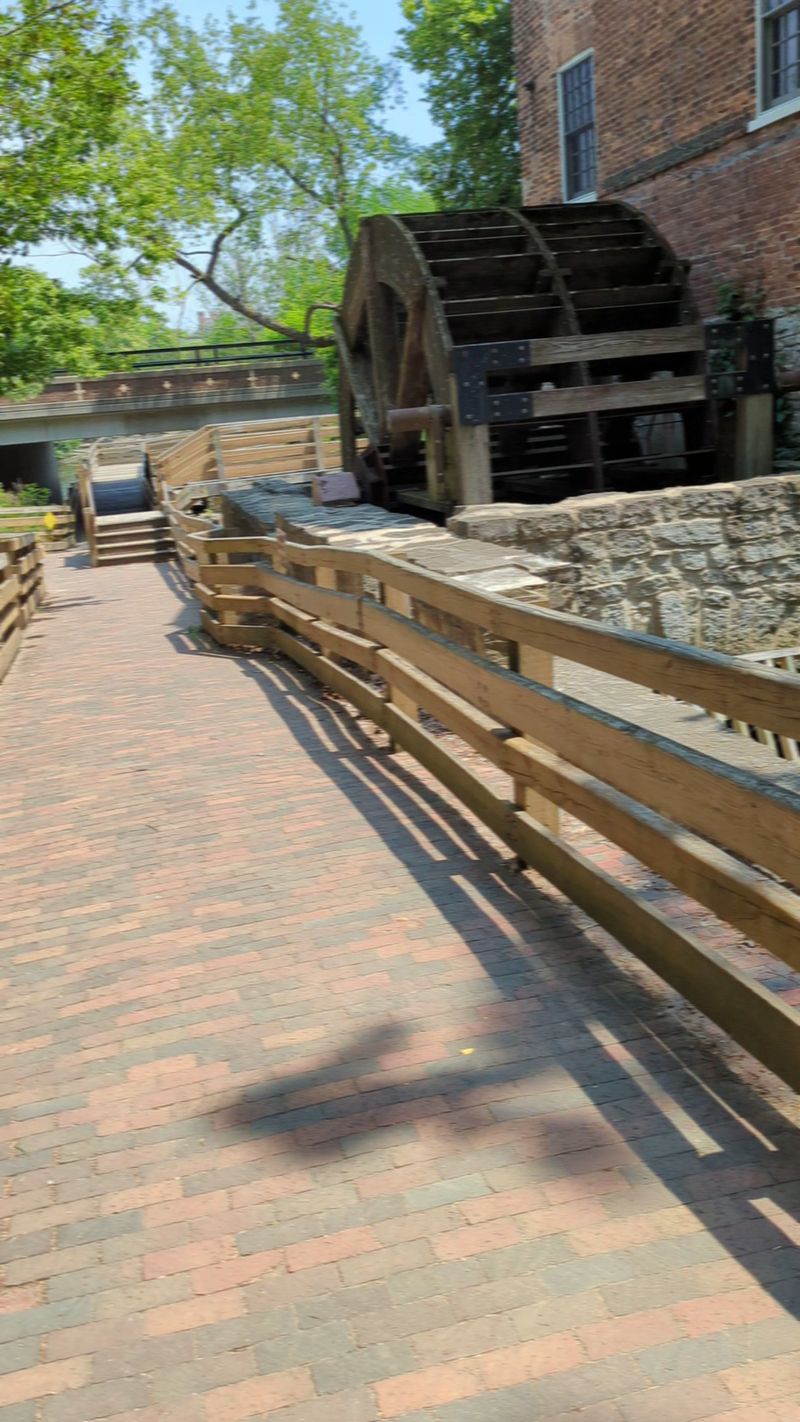
Everything at this mill circles back to the wheel. The giant wooden waterwheel is the heart of the whole operation, and watching it slowly turn is a favorite moment for anyone who stops by.
Salt Creek once powered the wheel directly, driving the gears that ground grain into meal. Today the depth of the water under it is controlled, and a motor helps turn it, so the spinning you see is part working machine and part clever setup.
The wooden gears inside earn plenty of admiration. Folks who have been coming since the late 1960s still point to the mill gear as one of the most impressive things to see.
There was a stretch when the wheel sat still and needed repairs, but crews got it running again. Now it turns for guests just as it has for generations.
Seeing that old mechanism in motion connects you to the workers who once relied on it every single day. It is simple, sturdy, and quietly remarkable.
Grinding Corn the Old-Fashioned Way
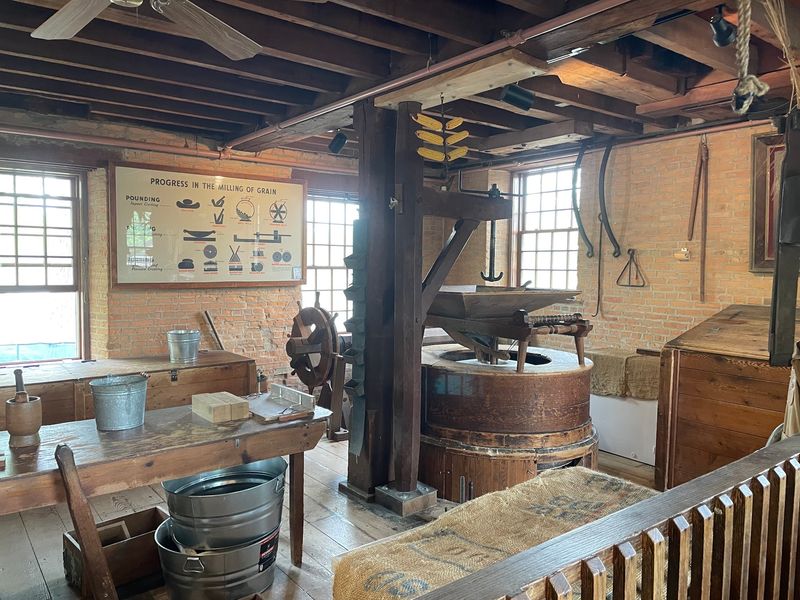
The star attraction is a demonstration you will not find in many places. Guests gather to watch corn ground by a millstone that is well over 170 years old, still doing the job it was built for.
A forest preserve volunteer usually leads the show, explaining how grain moves through the stones and turns into meal. The talks are lively and easy to follow, and they hold the attention of kids and grown-ups alike.
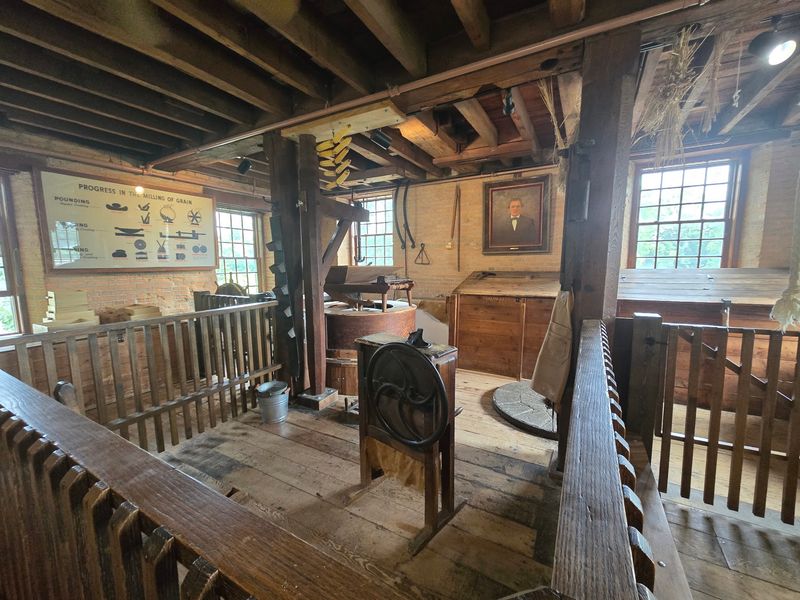
You can trace the whole process step by step. Displays show how grain was milled by hand, by hand crank, and finally by the big millstone, giving a full picture of how the work evolved.
Corn, wheat, flax, and more were all part of the story here. The first floor is where the grinding happens, so it is the natural place to start a visit.
Watching those stones do their slow, steady work makes the century-old process feel surprisingly close. It turns a history lesson into something you can actually see unfold.
A Stop on the Underground Railroad
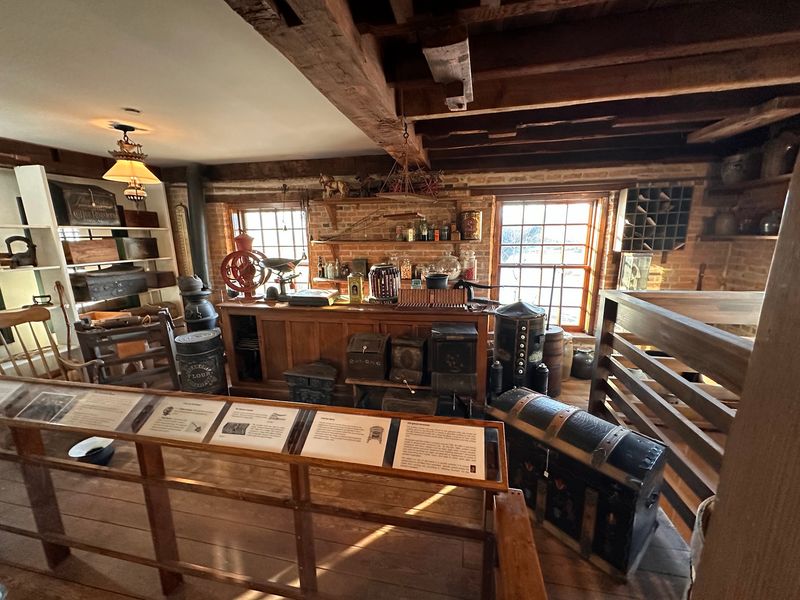
Beyond the grinding, the mill holds a story that reaches far past its stone walls. It served as a certified stop on the Underground Railroad, a place where people seeking freedom could rest before continuing their journey north.
That history lives in the details throughout the building. The basement has held artifacts tied to the Underground Railroad along with time pieces from the 1850s, offering a window into that difficult chapter.
Guides and signs help visitors understand what the site meant to the people who passed through it. Learning that the mill played a role in the pursuit of freedom adds real weight to the visit.
The property even carries a link to national history, with stories that President Lincoln once visited the mill. Whether every legend holds true, the site clearly sat close to the events of its time.
It is a reminder that ordinary places sometimes carry extraordinary meaning. Guests often leave thinking about far more than gears and grain.
Four Floors of Discovery
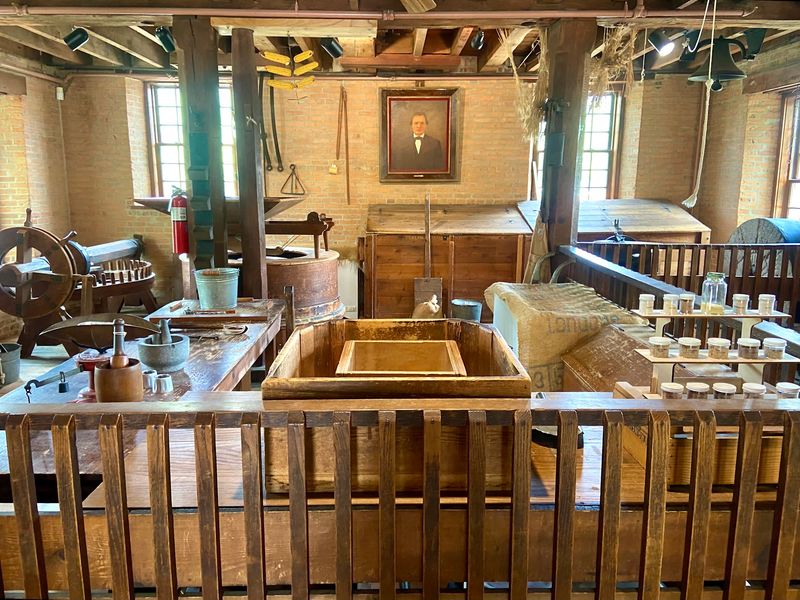
Curiosity gets rewarded here because there is something on every level. The building rises three stories above a basement, and each floor tells a different part of the story.
Downstairs on the first floor, the grinding demonstration takes place, and a small gift shop sits nearby. Two stairways lead up from there, keeping the flow of guests moving.
The second floor shifts to hands-on history, with exhibits and a working weaving machine used to make thread by hand and foot. Some displays even include audio playback for those who want extra detail.
Climb to the third floor and the scene changes again. Rooms are set up to show what a home looked like in the 1850s, complete with a general store display, a kitchen, and a child’s bedroom.
Each floor is compact rather than sprawling, so exhibits sit close together. Kids especially enjoy exploring all four levels, which turns the visit into a bit of a treasure hunt through the past.
Weaving, Spinning, and Everyday 1850s Life
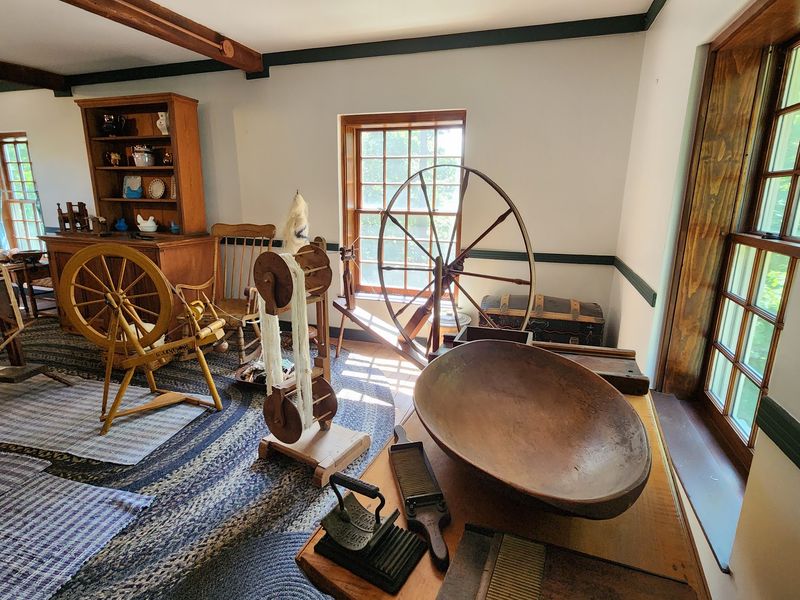
Grain is only half the craft on display. Upstairs, a historical weaving machine shows how thread was once made using both hands and feet, and it still works.
Spinning gets its turn too. Guests can learn how wool was spun into thread, tracing the path from raw material to finished cloth in a way that feels refreshingly direct.
These demonstrations paint a picture of daily chores in the mid-1800s. Making thread was not a hobby back then but a necessary part of keeping a household running.
The exhibits pair nicely with the room settings that show a kitchen, a bedroom, and a general store. Together they build a full portrait of how families lived, worked, and got by.
Kids find the process fascinating, partly because it looks nothing like modern life. Watching thread come together thread by thread makes the old ways easy to appreciate.
It is the kind of learning that sticks, because you get to watch it happen rather than just read about it.
Trails, Bridges, and the Creek Loop
Some folks come for the mill and stay for the walk. The trails here connect with Fullersburg Woods Forest Preserve, giving you miles of paths right beside the water.
A popular route starts at the mill, crosses the Flat Bridge, then loops back along the opposite side of Salt Creek. With a couple of bridges to cross, it makes for an easy and satisfying circle.
The paths welcome all kinds of movement. You can stroll, run, or ride a bike, and there are plenty of spots to sit and take a break along the way.
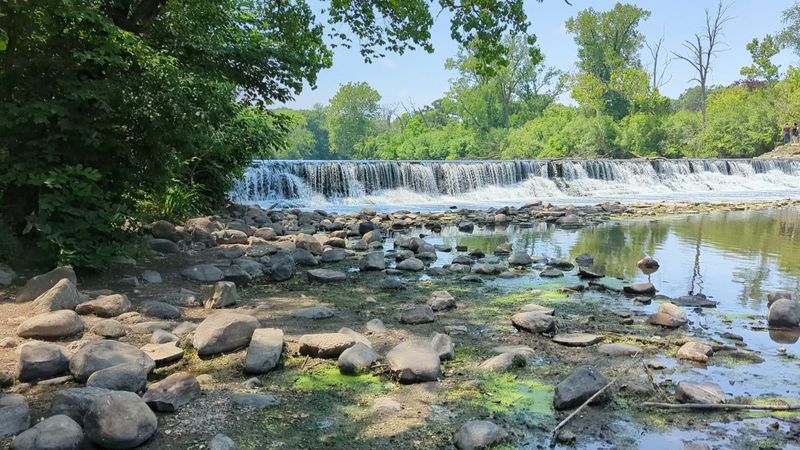
Waterfalls formed by the creek run-off add a scenic touch, and the mill itself makes a handsome centerpiece. Trails rank among the most talked-about features of the whole property.
Adventurous guests even bring kayaks to explore Salt Creek. Between the water, the woods, and the historic backdrop, the outdoor side of this place easily fills an afternoon on its own.
A Peaceful Place to Slow Down
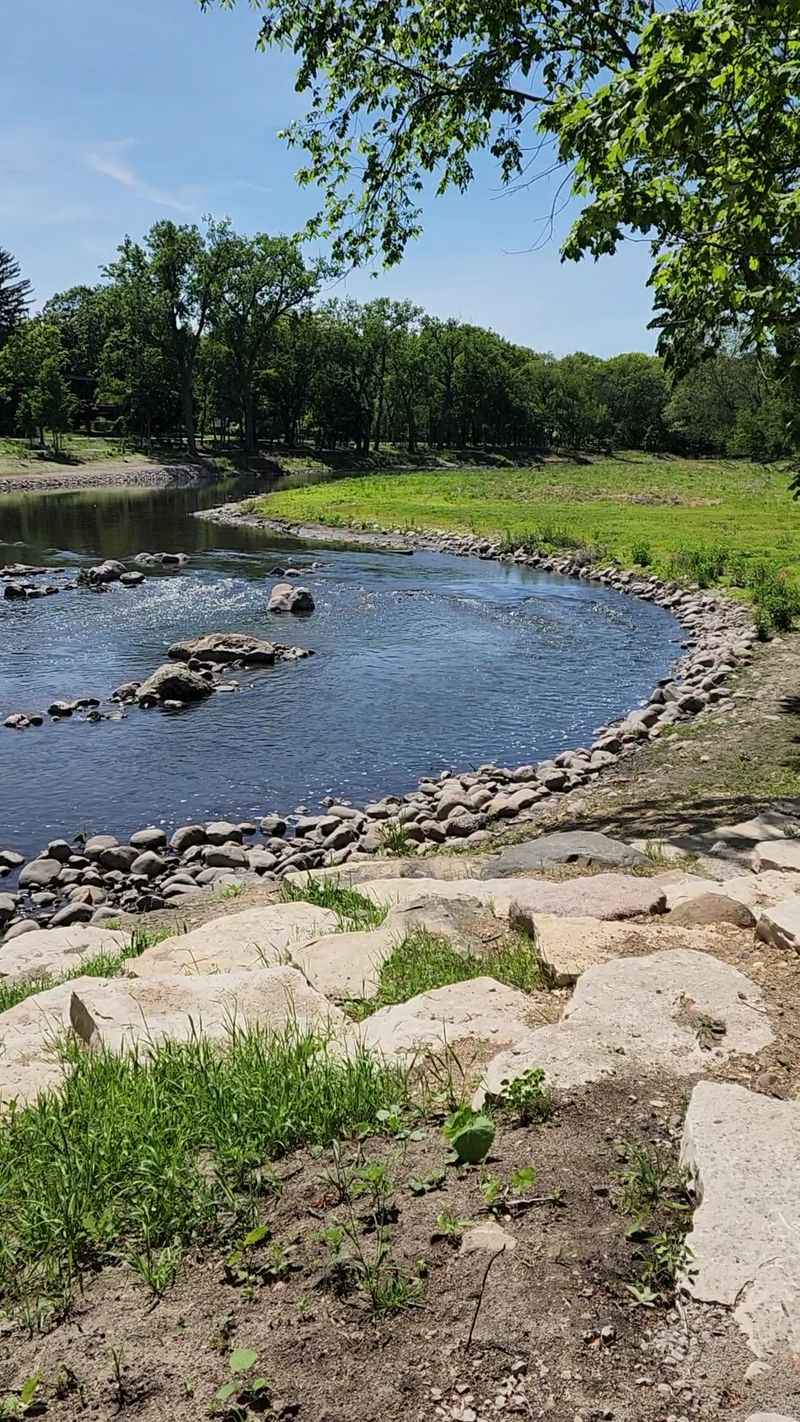
Not every visit needs a plan. Many people come simply to unwind, drawn by the calm setting and the steady sound of moving water.
The grounds offer plenty of places to sit and relax, with benches scattered near the creek. It is the sort of spot where you can pause, breathe, and reset without going far from home.
Timing shapes the mood. Weekend daytimes can get busy, but mornings and evenings tend to feel more relaxed and roomy.
Regulars return again and again to watch the scenery shift with the seasons. The setting rewards repeat visits, since it never looks quite the same twice.
Couples enjoy the quiet walks, and solo visitors find it a fine place to clear their heads. The relaxing atmosphere comes up often among those who love the property.
For a place with such a busy industrial past, it has become a surprisingly restful retreat. That contrast is part of its lasting charm.
Fall Colors and Changing Seasons
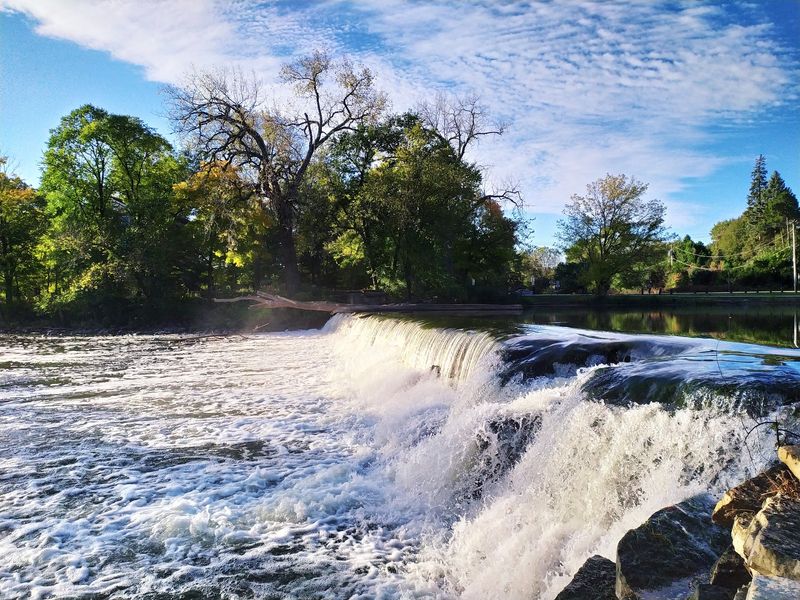
Autumn may be when this place truly shines. As the leaves turn, the trees along Salt Creek light up in warm tones that frame the old mill beautifully.
Late fall in particular draws admiration, with colorful foliage reflected near the waterfalls. The season transforms the entire loop trail into a walk worth lingering over.
Fans of the property often say it looks its best in the fall. The combination of historic stone, flowing water, and bright leaves makes for a memorable outing.
Every season has its own appeal, though. Good weather brings out the peaceful side of the grounds and invites longer strolls along the paths.
Because so much of the experience happens outdoors, checking the forecast helps. A clear day turns a nice visit into a great one.
Photographers and casual walkers alike take advantage of the changing colors. When the season lines up just right, the mill and its surroundings put on quite a show.
A Favorite Family and Field Trip Destination
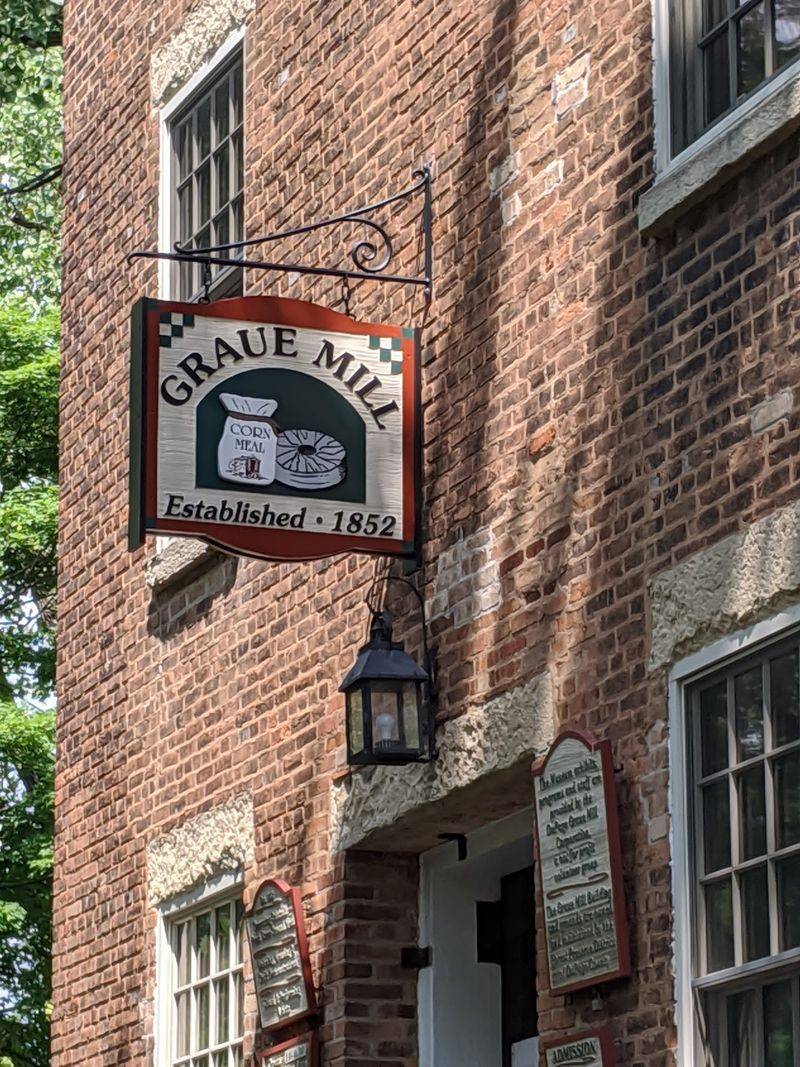
Kids tend to have a field day here, sometimes literally. For many families around Chicagoland, this mill was the site of an early school field trip, and the tradition carries on today.
The scavenger hunt sheet gives young explorers a mission as they roam the four floors. Volunteers happily help when a tricky item on the list proves hard to find.
Outdoor fun keeps children busy too. Near the waterfall, kids search for crayfish, frogs, and fish, and often need a little coaxing to leave.
Scout groups use the mill for activities, and guides do a fine job keeping young audiences engaged during demonstrations. The hands-on history clicks with restless minds.
The property is picnic friendly and dog friendly, which makes it easy to turn a stop into a longer outing. Just note there are very few trash cans, so plan to pack out what you bring.
Between the exhibits, the trails, and the creek critters, families find plenty to fill the day.
Hours, Parking, and Practical Notes
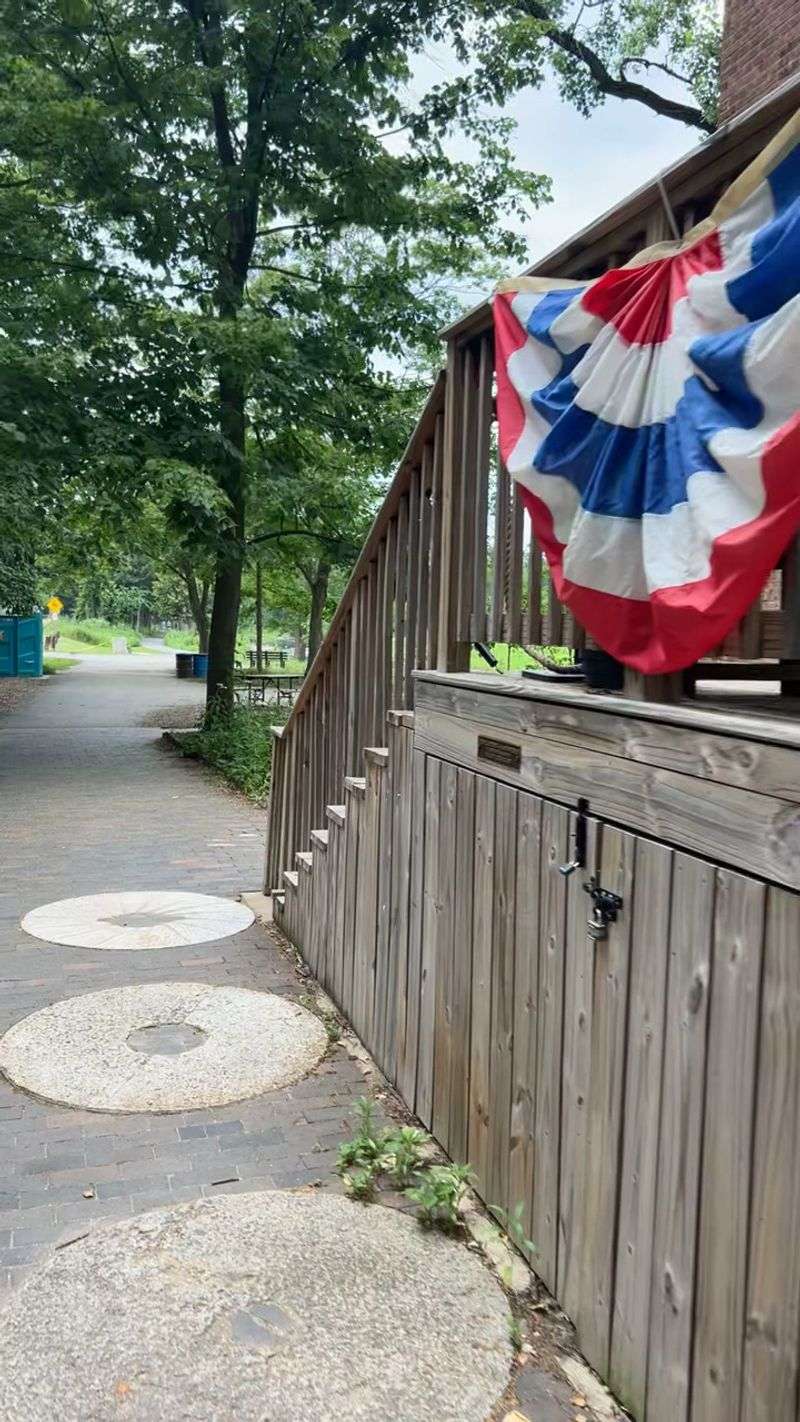
Planning a trip is refreshingly simple. The mill opens Wednesday through Sunday from 10 AM to 4 PM, and it stays closed on Monday and Tuesday.
Admission has been offered free to the public, and parking is free as well. You can find lots on the east side of the mill across the street, plus options along Spring Road.
Parking rarely poses a problem, since there is space all around the property. That makes arriving with a group or family stress-free.
A few practical points are worth knowing ahead of time. There is no indoor washroom, though a port-a-potty sits outside and another near the parking lot.
Each floor is fairly compact, so large groups may feel a bit tight during busy stretches. Visiting during quieter hours helps everyone move around comfortably.
The mill sits within Fullersburg Woods Forest Preserve, managed by the Forest Preserve District of DuPage County. Checking the official website before you go is a smart move, since events and demonstrations can vary by day.
Why This Old Mill Still Earns a Visit
Few destinations blend history, nature, and hands-on learning as smoothly as this one. Between a working waterwheel, a millstone still grinding after all these years, and a role in the Underground Railroad, the place packs a lot into a modest footprint.
The friendly volunteers stand out again and again, patiently sharing the mill’s story and helping guests of every age. Their welcome goes a long way toward making the visit warm and memorable.
With free admission, free parking, and easy trails, it makes a low-cost outing that still feels rich and worthwhile. Families, walkers, and history buffs all find a reason to return.
The strong reputation reflects that appeal, with a 4.7-star average across more than 770 reviews. People clearly keep the mill close to their hearts.
Whether you come for the grinding demonstration, the creekside loop, or the fall colors, the reward is the same: a genuine connection to how life once worked. This corner of Oak Brook keeps that legacy turning, one steady rotation at a time.
Enjoyed this story?
Add Fast Food Club as a preferred source to see more of our reporting on Google.