


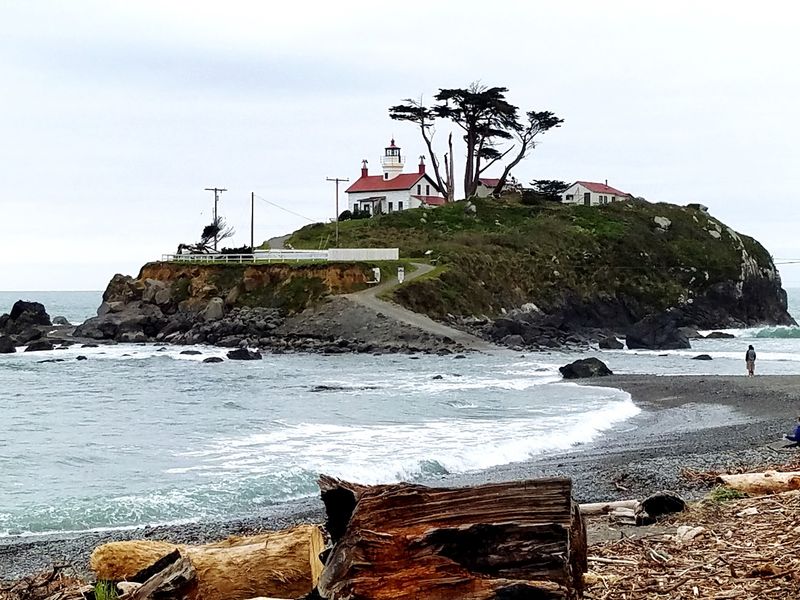
There is a small rocky island near the northern edge of California that you can only reach on foot, and only when the ocean decides to let you. Twice a day the water pulls back and reveals a narrow path across the sand, giving people a short window to cross before the tide swallows it again.
On that island stands a brick tower more than a century and a half old, its lamp still keeping watch over a coast known for rough water. What waits inside is part museum, part time capsule, and part quiet mystery.
Keep reading, because this little spot holds more stories than its size suggests, and getting there is half the adventure.
A Tower Marooned On Its Own Island
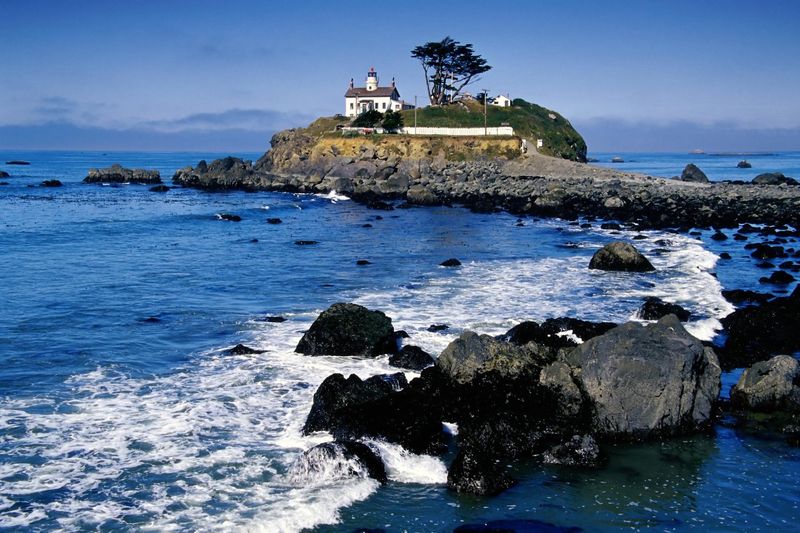
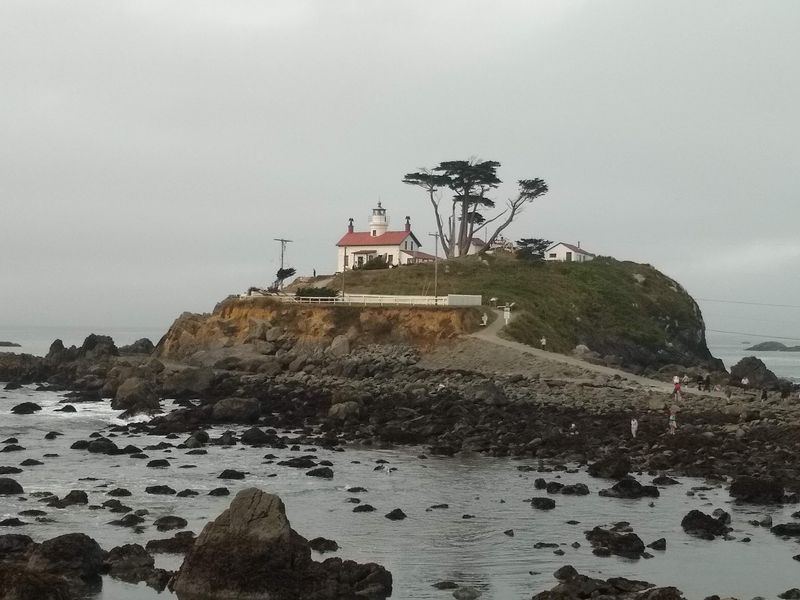
Right off the shoreline of Crescent City, California, a compact brick lighthouse sits on its own little islet, cut off from the mainland whenever the tide rolls in. The full address is Lighthouse Way, Crescent City, CA 95531, and the place is officially known as Battery Point Light.
The structure is a 19th-century brick lighthouse with attached keeper’s quarters, now serving as a museum. The tower rises from the middle of the small home, so the light and the living space share one roof.
What makes this spot unusual is that reaching it depends entirely on the ocean. When the water is low, a rocky land bridge appears and lets people walk across.
When the tide returns, the island becomes an island again, and the crossing vanishes until the next low tide. That rhythm gives the location a lonely, faraway feeling even though it sits within sight of town.
The Long Story Behind The Light
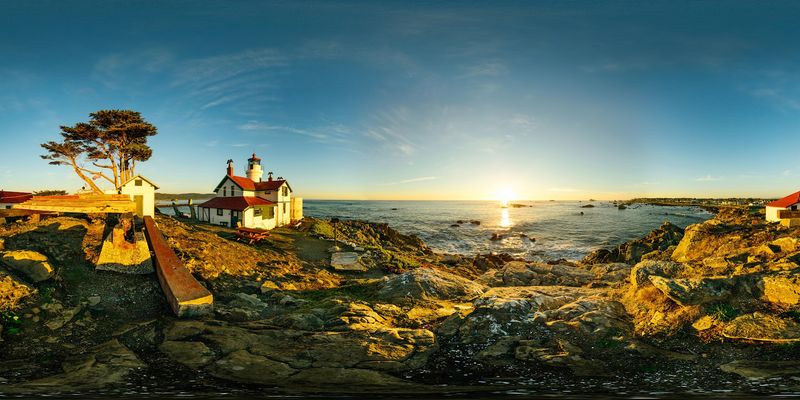
Long before smartphones and highways reached this corner of the coast, sailors needed a reliable marker to guide them past the jagged rocks near Crescent City. A lighthouse rose here in the 1800s to answer that need, and it has stood ever since.
The building blends a brick tower with keeper’s living quarters, a common design from that era when the person tending the lamp lived right beside their work. Day and night, keepers kept the light burning so ships could find their way.
Its role along this stretch of California made it a fixture of local maritime history. The coast here is known for powerful surf, which made a dependable light more valuable than ever.
Today the same walls house a museum that preserves that heritage. Walking through the rooms offers a look at how life once moved at the pace of the tides and the turning of the lamp.
Crossing The Tide To Get There
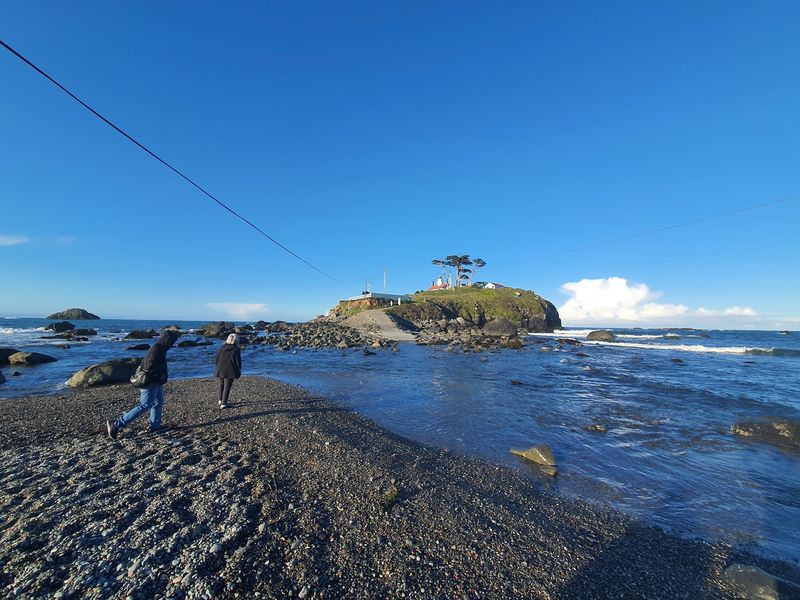
Getting your feet onto this island is not as simple as parking and strolling over. The path only exists during low tide, when the ocean retreats far enough to expose a rocky causeway between the shore and the islet.
Timing is everything. Show up at high tide and you will find nothing but water where the walkway should be, so checking tide charts before heading out is the smart move.
The crossing itself runs across uneven, rocky ground rather than a smooth paved trail. Sturdy shoes and careful footing help a lot, since the surface can be slick from the receding water.
That short window adds a sense of adventure that few museums can match. You are not just visiting a building, you are racing the ocean to reach it and then keeping an eye on the clock so you can head back before the sea reclaims the path.
Why People Call It Creepy
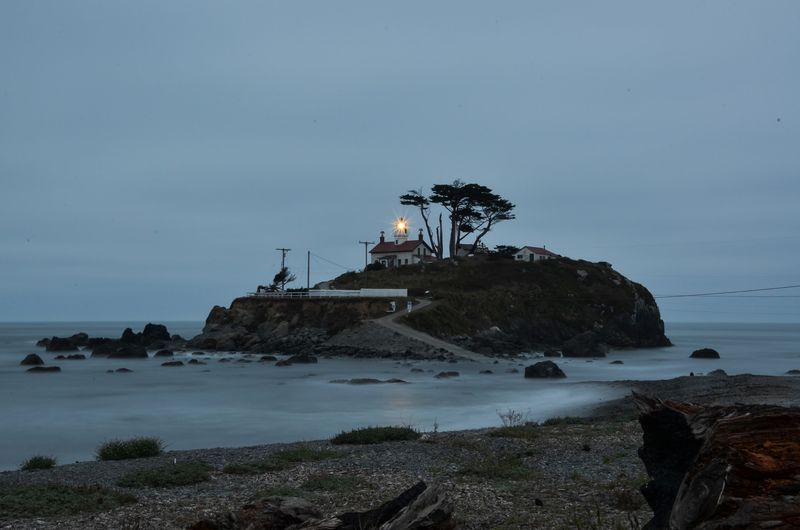
Isolation does strange things to a place. Perched on a rock and reachable only when the tide allows, the lighthouse carries an eerie, cut-off feeling that lingers even on a busy afternoon.
The age of the building adds to that mood. Old brick walls, narrow rooms, and creaking wooden floors from the 1800s can make quiet corners feel heavier than they should.
Stories tend to grow around lonely lighthouses like this one, and the sense of standing on an island that will soon be surrounded by water again only feeds the imagination. It is the kind of setting that makes a person glance over a shoulder.
None of this makes the spot unwelcoming. The chill is more of a thrill, the fun kind that comes from an old, remote structure with a long past and a dramatic location.
Inside The Keeper’s Quarters
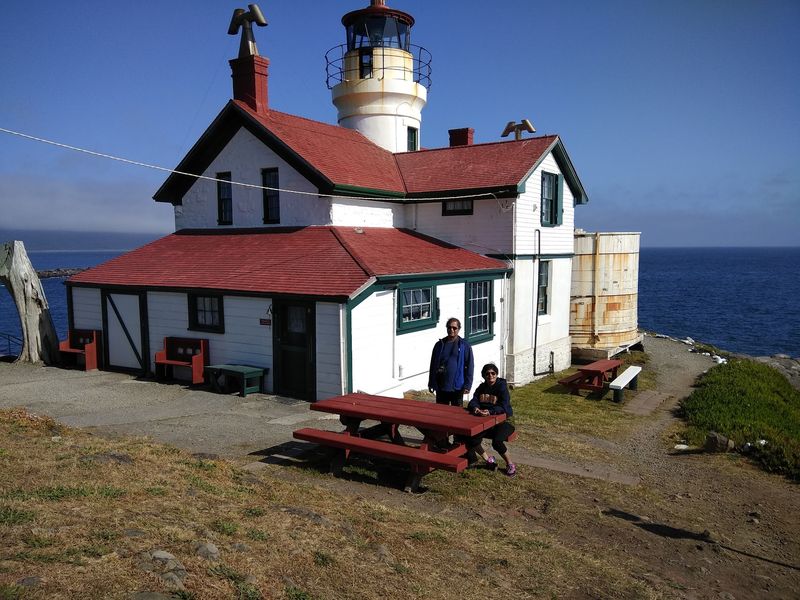
Step through the door and the building shifts from lighthouse to museum in an instant. The keeper’s quarters have been preserved to show how the families who tended the light once lived.
Rooms hold furnishings and artifacts that reflect everyday life from a much earlier time. Each space tells a small piece of the larger story about running a lighthouse day after day.
The layout is cozy and compact, exactly what you would expect from a home built to fit on a tiny island. That tight footprint makes the collection feel personal rather than grand.
Because the tower and living space are joined, the tour naturally flows from domestic rooms toward the working heart of the building. It is a rare chance to see both sides of lighthouse life under one roof.
Climbing Up To The Lamp
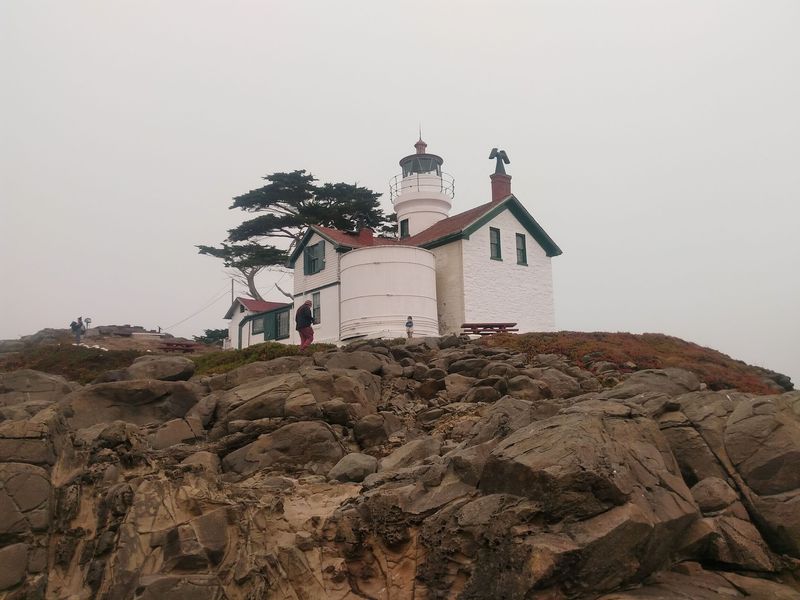
The best part of many lighthouses waits at the very top, and this one rewards the climb. A stairway leads up through the brick tower toward the lantern room where the light still watches the sea.
The ascent is snug, as tower stairs tend to be, winding upward through the narrow core of the structure. Each step brings you closer to the working heart of the place.
From the higher vantage point, the surrounding ocean spreads out around the little island. The view underlines just how exposed and remote this rock really is.
Reaching the lamp connects visitors to the whole purpose of the building. Everything else, the quarters, the island, the tide, existed to keep this single light shining for the ships passing by.
A Museum Frozen In The 1800s
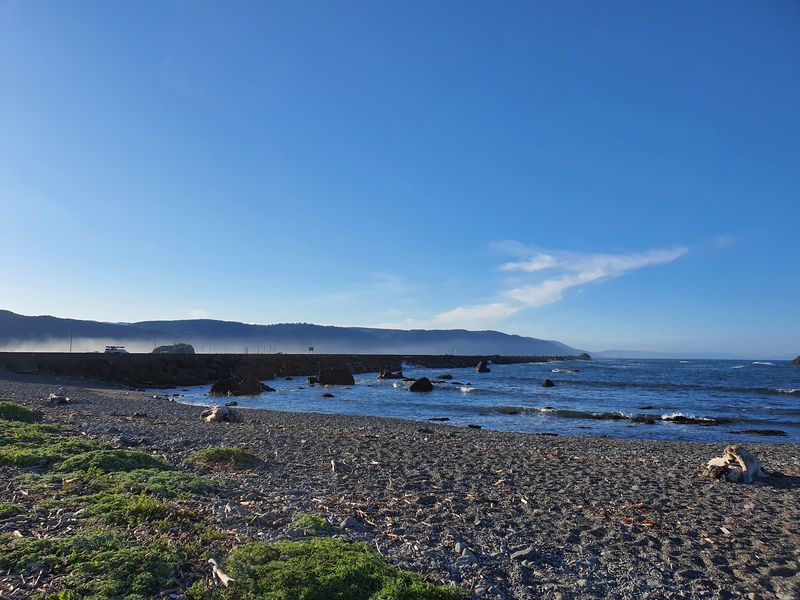
More than just a pretty tower, the site works as a genuine museum dedicated to its own long history. The exhibits inside focus on the lighthouse, its keepers, and the coast it has guarded.
Artifacts on display carry the flavor of the 1800s, the century when the building first went to work. Together they paint a picture of a slower, tougher way of life on an isolated rock.
Because the museum lives inside the original brick structure, the setting itself becomes part of the exhibit. You are not looking at history behind glass in a modern hall, you are standing inside it.
That combination of authentic building and preserved objects gives the whole visit real weight. It is easy to walk away with a clearer sense of what coastal life once demanded.
The Wild Coast Around It
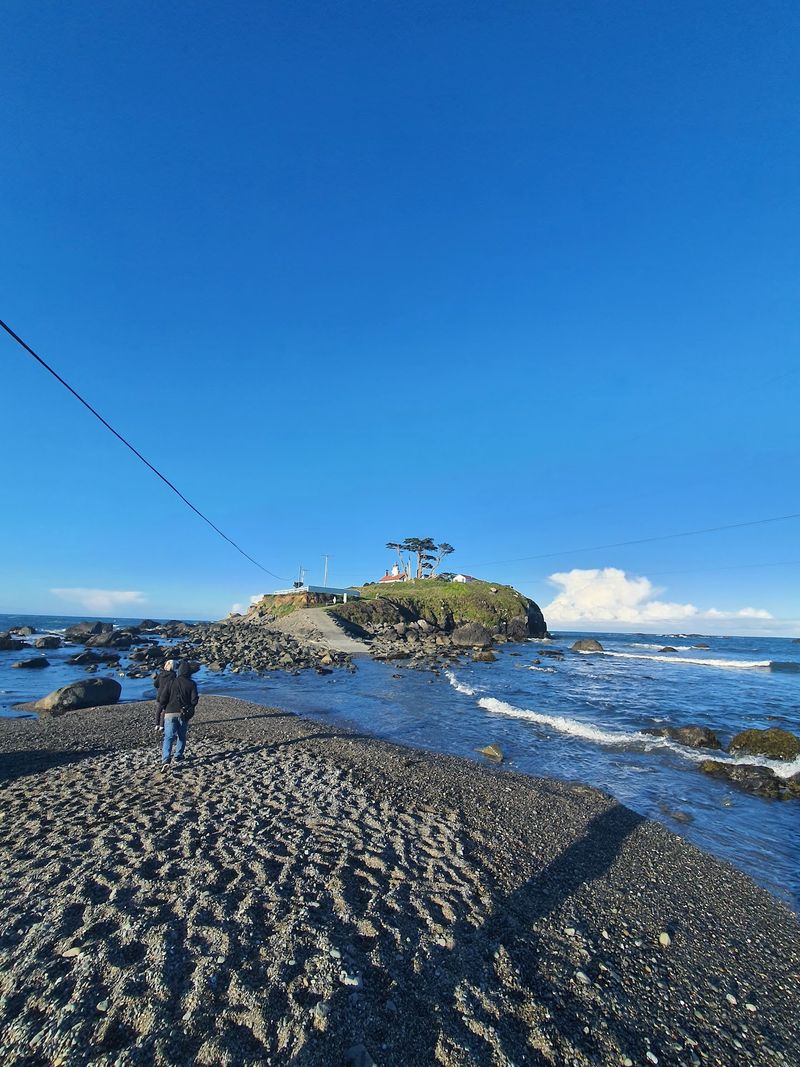
Location matters, and this one sits along one of the more rugged stretches of the Northern California coast. Crescent City faces open ocean known for its strong, restless surf.
The rocky shoreline around the island frames the lighthouse with raw coastal scenery. Tide pools and stone outcroppings appear as the water pulls back.
That same wild water is exactly why the light was needed in the first place. Ships passing this part of the state had good reason to be cautious.
The surroundings turn a quick museum stop into a fuller coastal outing. There is plenty to take in beyond the walls of the tower itself.
Who Will Love This Spot
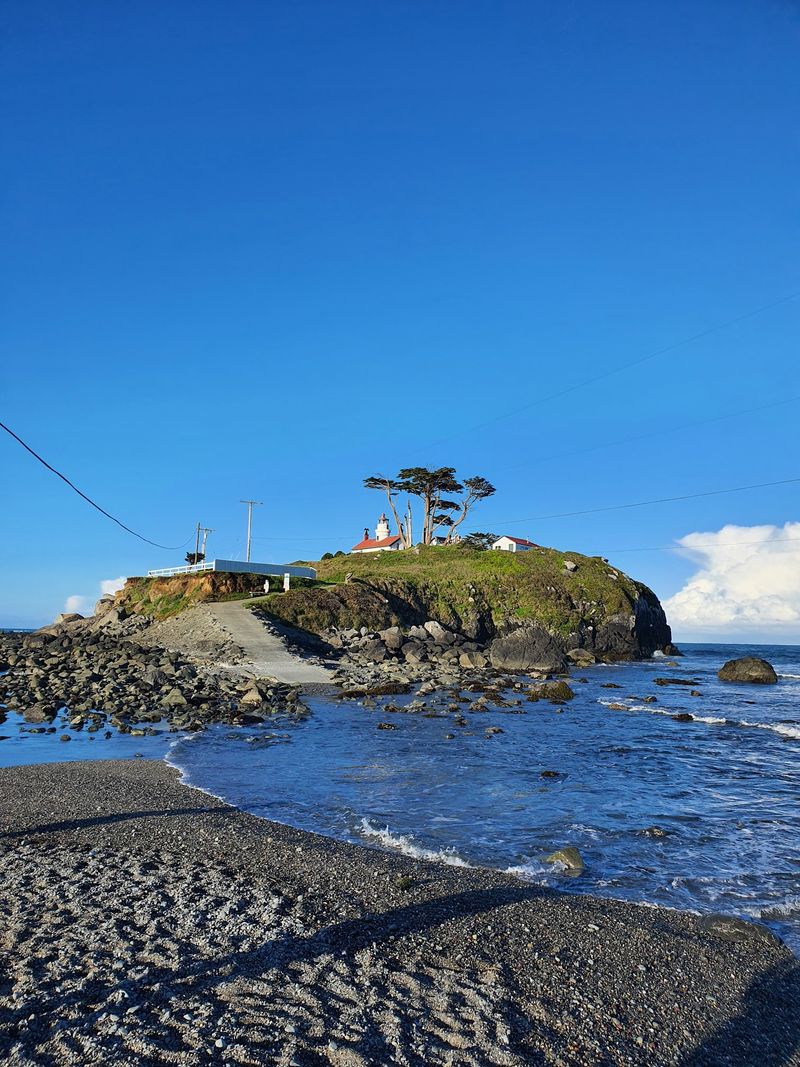
Not every attraction suits every traveler, but this one casts a fairly wide net. History fans get an authentic 1800s building packed with stories.
Curious adventurers enjoy the challenge of timing the tide and crossing the rocky path. That element of planning turns the visit into a small mission.
Families looking for something different from a typical museum find plenty here, since the island setting keeps things interesting for all ages. The compact size means it will not wear anyone out.
Anyone drawn to lighthouses, old buildings, or slightly spooky places off the beaten track will feel right at home. It rewards people who like their sightseeing with a dash of the unusual.
Planning Your Visit Around The Water
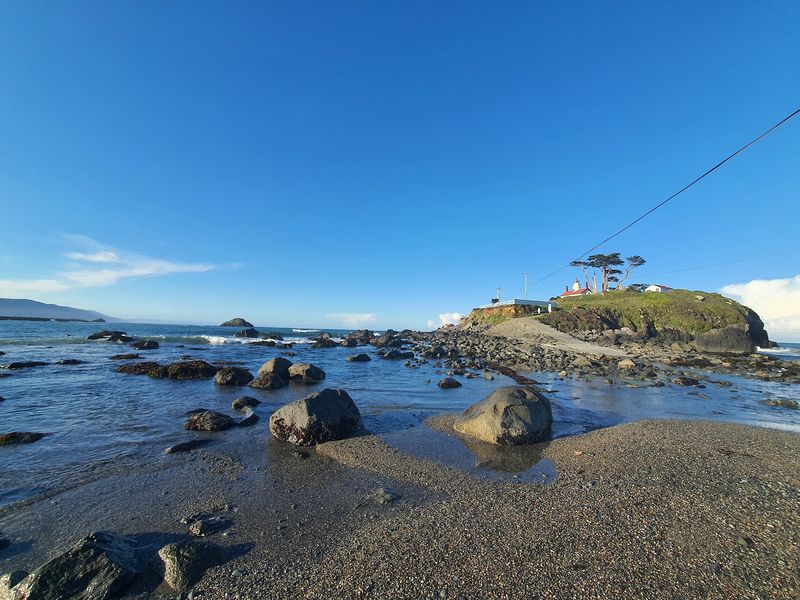
Smart planning starts with the ocean, not the calendar. Since the crossing only appears at low tide, the tide schedule decides when you can actually reach the island.
Checking local tide times before you go is the single most useful step. Arriving during a high tide means standing on the shore looking at unreachable rocks.
Weather along this coast can shift, so a flexible mindset helps. The water and conditions set the pace, not your itinerary.
Once you understand the timing, the rest falls into place easily. Aim for the low-tide window, allow enough time to explore, and plan your return before the path disappears again.
Finding Lighthouse Way
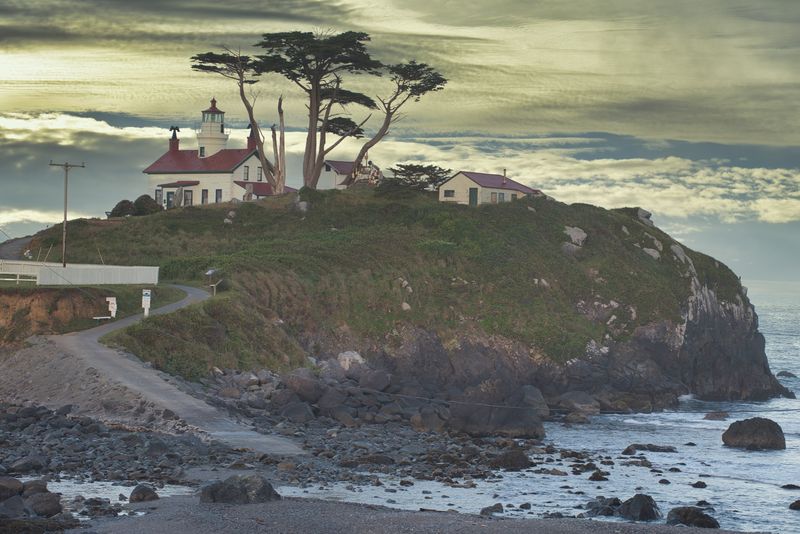
The address to punch in is Lighthouse Way in Crescent City, CA 95531. That puts you right at the edge of the coast, close to the point where the crossing to the island begins.
Crescent City sits in the far north of California, so it works well as a stop for anyone exploring that upper stretch of coastline. The town itself provides a convenient base near the shore.
From the mainland edge, the island lies just a short walk away when the tide cooperates. That closeness makes it an easy addition to a coastal day out.
Because everything hinges on the water, the short distance still requires patience. Reach the shore, wait for the path, then make the quick crossing.
Is The Trip Worth It
Few coastal stops manage to blend history, adventure, and a touch of mystery quite the way this one does. The tide-dependent crossing alone sets it apart from an ordinary museum outing.
Add in the preserved 1800s building, the keeper’s quarters, and the climb toward the light, and the small island delivers far more than its size hints at. Every part of the visit ties back to a real story.
The isolated setting gives it that faint chill people talk about, the kind that makes the trip memorable rather than off-putting. It is history with an edge of the eerie.
For anyone traveling through Northern California with an appetite for the unusual, this brick tower on its lonely rock earns a spot on the list. Time the tide right, and the reward is a place that stays with you long after the water covers the path again.
Enjoyed this story?
Add Fast Food Club as a preferred source to see more of our reporting on Google.