


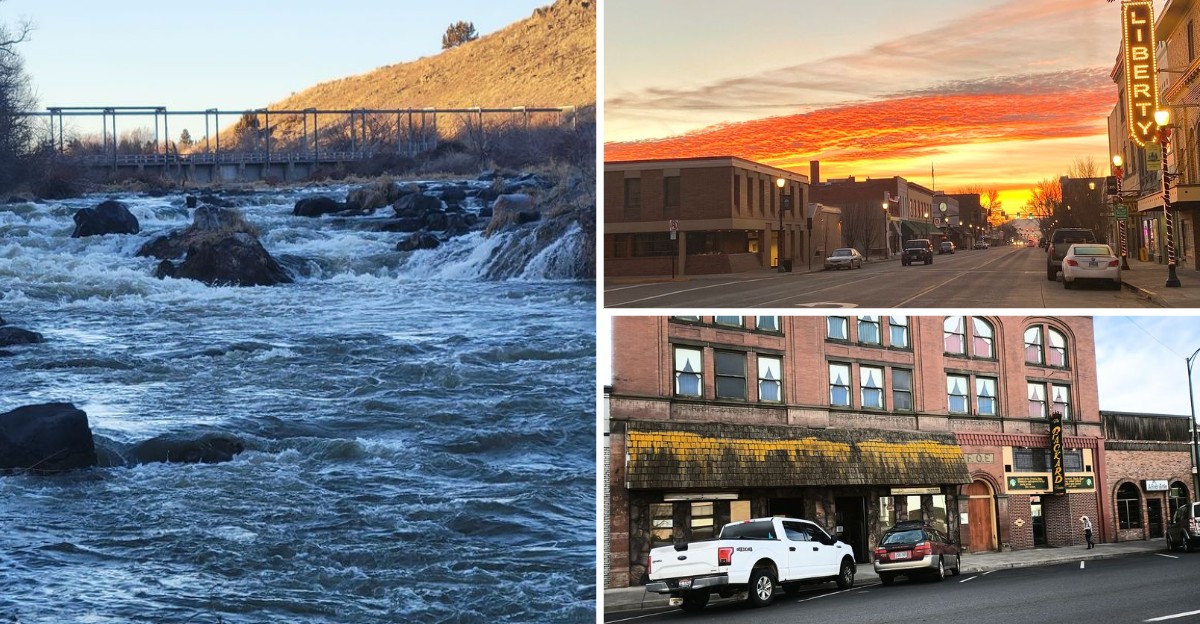
Oregon has a reputation for high prices, but that story misses a big chunk of the state. Away from the busy coast and the pricier cities, plenty of small towns still offer a slower pace, real downtowns, and room to breathe without draining your wallet.
These are places where a modest budget still covers a comfortable, settled life. If you have ever wondered where in Oregon you could actually afford to plant roots, this list gives you nine honest starting points, each with its own character and its own reason to make the cut.
1. Klamath Falls
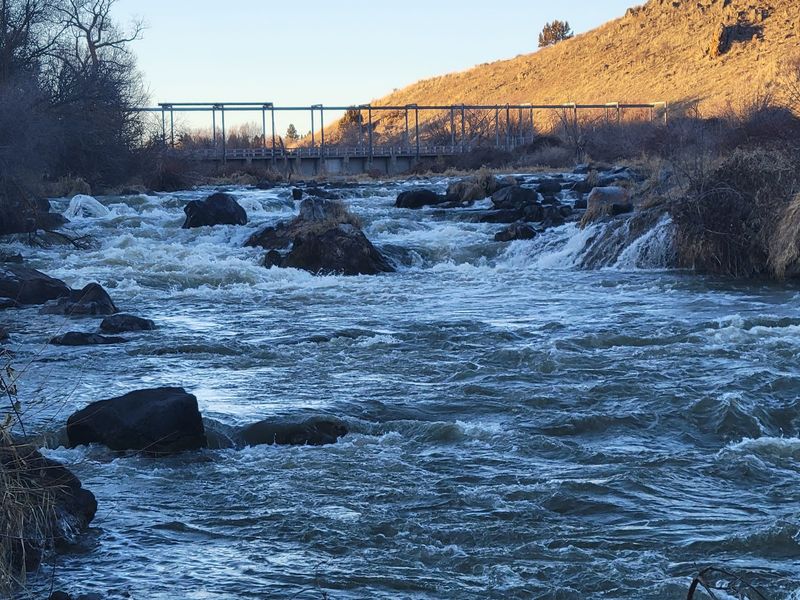
Sitting in Southern Oregon with a population of around 21,000, Klamath Falls keeps a rural pace that many bigger towns lost years ago. Its historic main-street center still anchors the community.
What makes it stand out on a budget list is size paired with services. You get a real city footprint without the crowds or the coastal price tags that push people out of other Oregon towns.
The community leans into its Southern Oregon location, with plenty of open country nearby and a downtown that feels lived-in rather than staged. It works well for people who want small-town calm but still expect a functioning municipal core.
For anyone weighing where a modest income stretches furthest, Klamath Falls offers the kind of steady, historic setting that makes daily life feel manageable rather than rushed.
2. Coos Bay
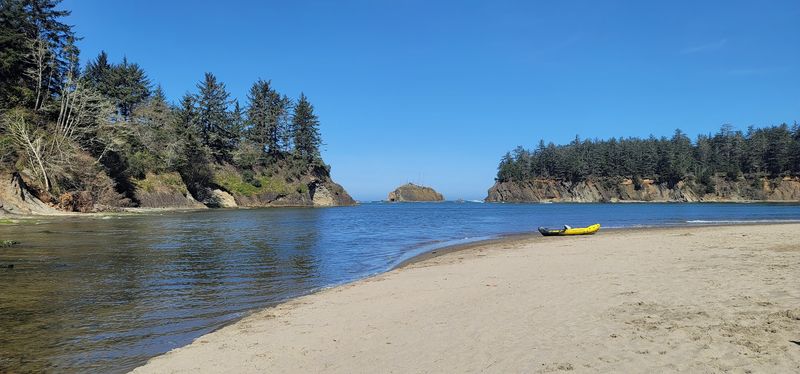
Not many affordable towns come with an actual working waterfront, but Coos Bay does. With roughly 16,000 residents, it holds onto a maritime rhythm that shapes daily life along the coast.
The town carries a distinct small-town Pacific Northwest character. That mix of coastal setting and modest scale is exactly why it belongs on a budget-friendly list, since most Oregon coastal spots price out fast.
Here, the ocean and the harbor are part of the everyday backdrop rather than a vacation splurge. The waterfront gives the community a purpose beyond tourism, which helps keep it grounded.
For people who dream of coastal living without a resort-town budget, Coos Bay is one of the few places on the Oregon coast where that idea still feels realistic.
3. Pendleton
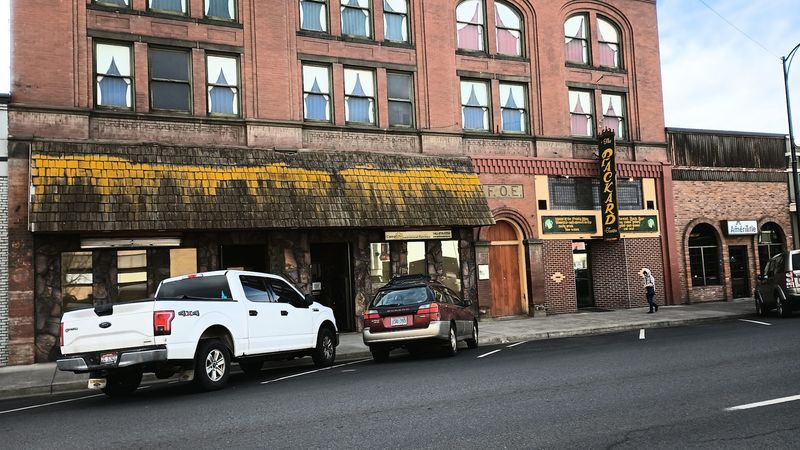
Eastern Oregon has a personality all its own, and Pendleton wears it proudly. Home to about 17,000 people, this rural municipality is built around a classic historic downtown main street.
The appeal here is heritage you can walk through. Old brick buildings and a genuine commercial core give the town a sense of place that newer developments simply cannot fake.
Its Eastern Oregon location keeps costs down while still delivering a full-featured downtown, which is a rare combination. You get history and services without the premium.
Pendleton makes the list because it proves a small town can feel substantial. For a modest budget, that mix of size, character, and affordability is hard to beat, and the downtown gives residents a real center to gather around.
4. Baker City
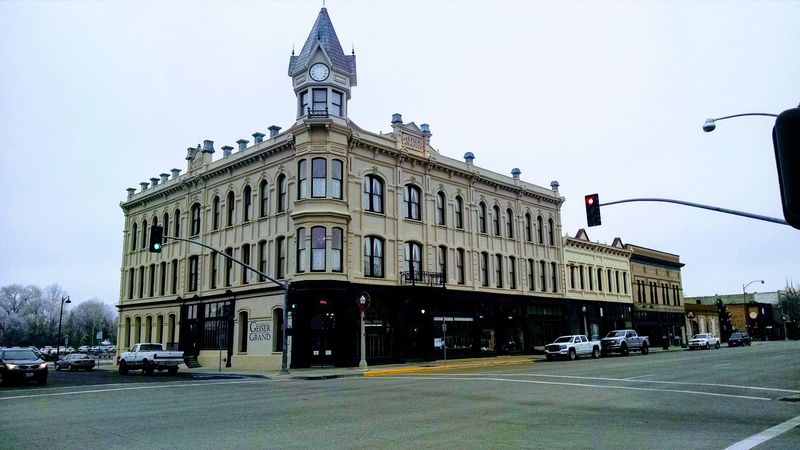
Framed by a scenic mountain-valley setting, Baker City packs a lot of charm into a town of under 10,000 people. Its compact historic district is the heart of the whole place.
Smaller than most towns on this list, it earns its spot through scenery and walkability. Everything sits close together, which suits people who want less sprawl and lower costs.
The valley backdrop turns ordinary errands into scenic ones, and the historic buildings give the downtown a distinct look that stands apart from newer Oregon suburbs.
If your idea of comfortable living includes mountain views, a tight-knit core, and a budget that goes further, Baker City delivers exactly that. It shows how a small population can still support a real, walkable community.
5. Ontario
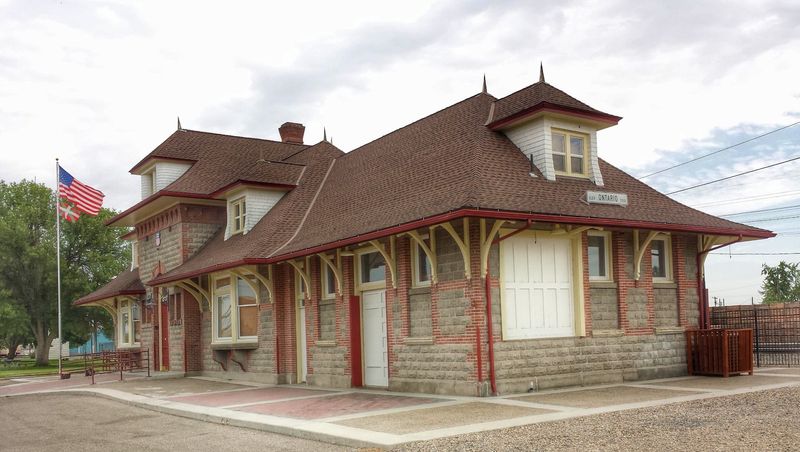
Farming shapes the identity of Ontario, an agricultural town tucked in Eastern Oregon near the Idaho line. About 11,500 people call it home.
The town centers on a traditional rural commercial core, the kind that grew up serving the surrounding farm country. That practical, grounded feel is part of its budget-friendly appeal.
Being an agricultural hub means the local economy has roots that reach well beyond tourism. It is a working town, and that shows in how it operates day to day.
Ontario makes this list because it offers steady, affordable living with an authentic Eastern Oregon flavor. For anyone who values farm-country calm and a commercial center built around real needs, it is a sensible and comfortable choice.
6. Burns
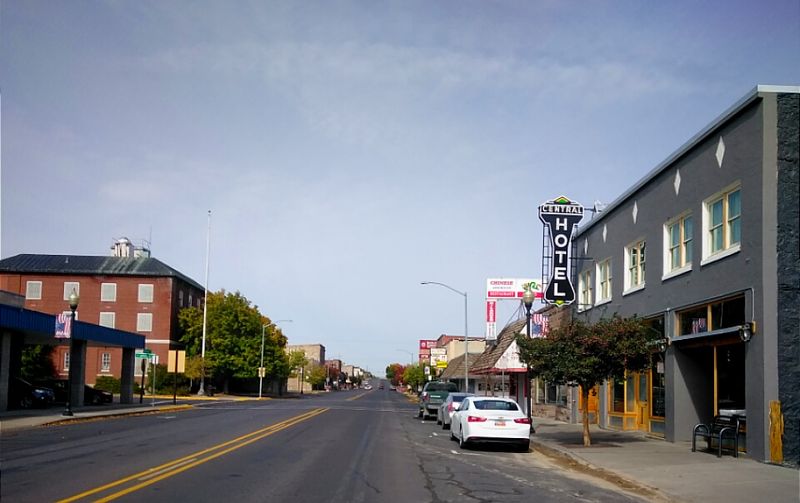
Remote in the best sense of the word, Burns sits out in the high desert with fewer than 3,000 residents. It is easily the smallest and most secluded town here.
The community holds onto a distinctive ranching culture that gives it a personality bigger than its size. A compact main street keeps daily life close and simple.
That isolation is the whole point for some people. Wide open high-desert country surrounds the town, and the pace slows to match.
Burns belongs on a modest-budget list because remoteness usually means affordability, and here you get both along with a strong rural identity. For those who want quiet, space, and a real ranching-town feel, this corner of Oregon is about as genuine as it gets.
7. La Grande
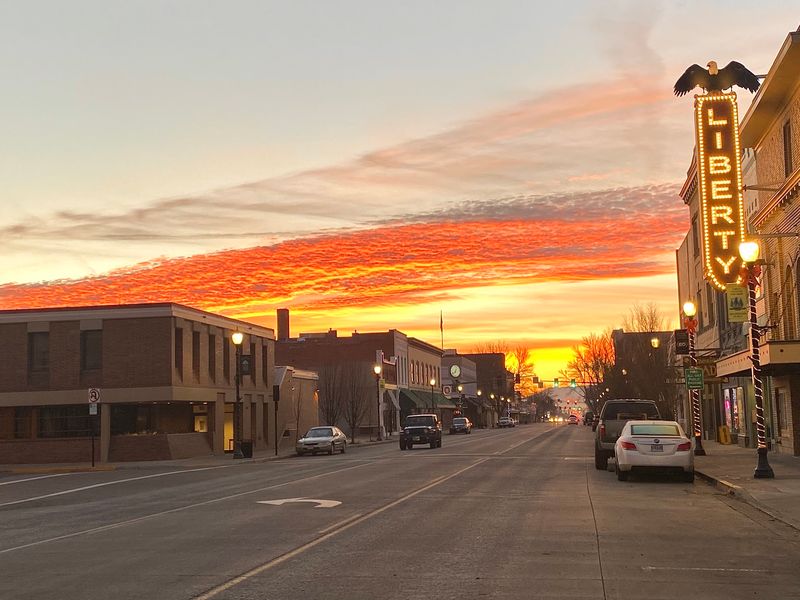
Walkability is the headline in La Grande, a valley community of roughly 13,000 in Eastern Oregon. Its historic downtown is built for people on foot.
A pedestrian-friendly core changes how a town feels. Errands, gathering spots, and daily life stay close together, which makes the place easy to enjoy without spending much.
The valley setting adds scenery to the mix, and the historic downtown gives residents a genuine center to spend time in. That combination is rare at this price point.
La Grande stands out because it proves affordability and convenience can share the same address. For a modest budget, a walkable historic downtown in a scenic valley is a strong argument for putting down roots in Eastern Oregon.
8. Sweet Home
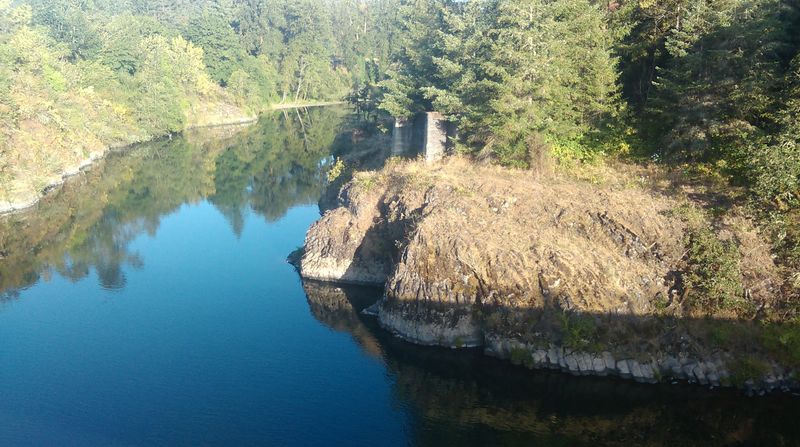
The name alone tells you a lot about Sweet Home, a Cascade foothills town of around 10,000 people. It leans fully into its small-town rural atmosphere.
Set in the foothills, it offers a forested backdrop and a local neighborhood core that keeps things personal and close-knit. The scale stays comfortable rather than overwhelming.
What sets it apart is its foothills location, which puts the Cascades practically at the doorstep while keeping costs at small-town levels. That access to the outdoors is a real draw.
Sweet Home earns its place here for anyone who wants forested surroundings, a relaxed rural feel, and a neighborhood center where daily life stays simple. It is an easygoing option for a modest budget.
9. Cottage Grove
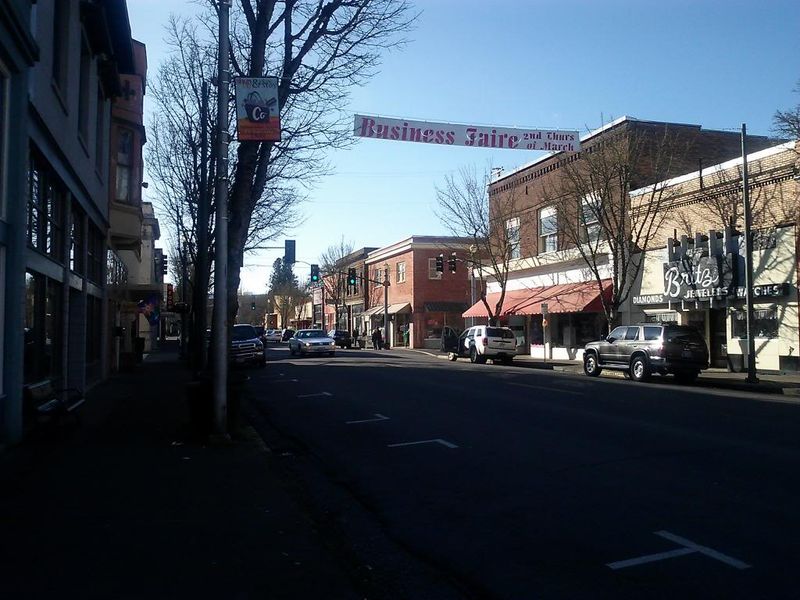
Down in the Willamette Valley, Cottage Grove rounds out the list with about 10,500 residents and a well-known historic downtown main street. Rural surroundings frame the whole town.
The historic core gives it a strong identity, with old main-street buildings that anchor the community. That character is a big part of why the town feels comfortable to live in.
Being in the Willamette Valley means it stays connected to the wider region while keeping a small-town scale and price. You get valley convenience without valley-city costs.
Cottage Grove closes the list on a fitting note, blending history, rural surroundings, and affordability into one package. For a modest budget, a real downtown and easy valley living make it a satisfying place to settle.
Enjoyed this story?
Add Fast Food Club as a preferred source to see more of our reporting on Google.