


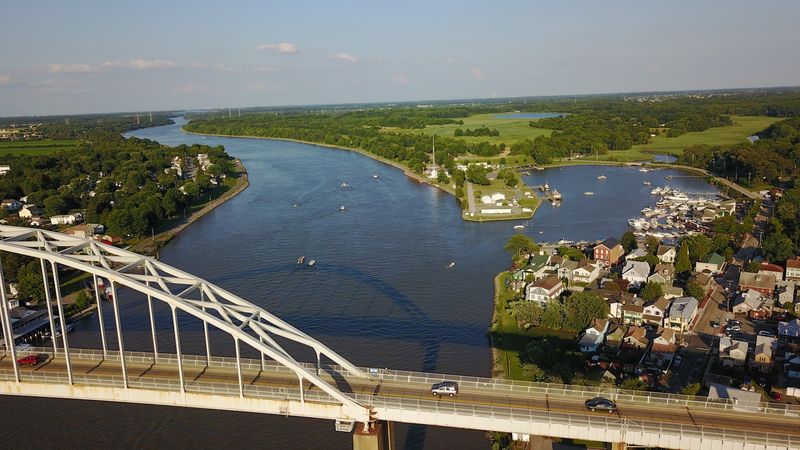
A small waterfront town near the Maryland-Delaware line has been drawing folks who want a slower pace without draining their savings. It sits along a historic canal, holds fewer than a thousand residents, and still keeps its home prices well below what you would pay in most coastal spots.
Older adults have been settling in quietly, trading traffic and crowds for a walkable main street and a view of passing boats. What makes this place worth a closer look is the mix of history, affordability, and calm that rarely lines up all at once.
Stick around, and you will learn where it is, what daily life feels like, and why the price tags keep catching people by surprise. There is more to this canal town than its size suggests.
Where the Canal Town Sits
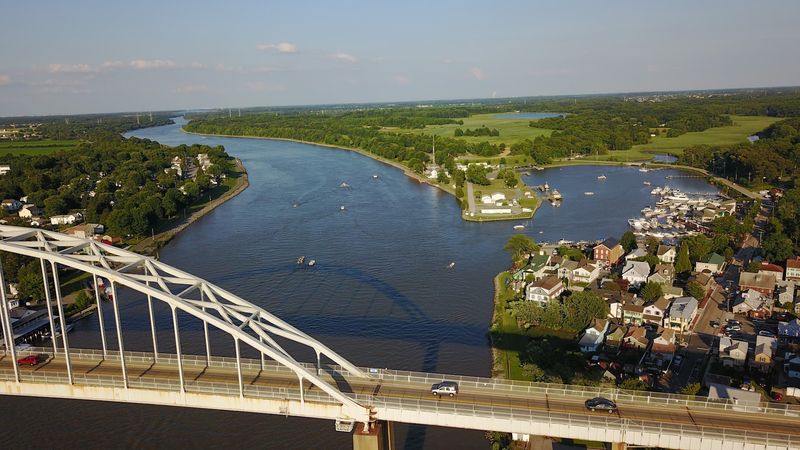
Tucked into the northeastern corner of Maryland, Chesapeake City carries the simple mailing address of Maryland 21915. It rests in Cecil County, close to where Maryland meets Delaware.
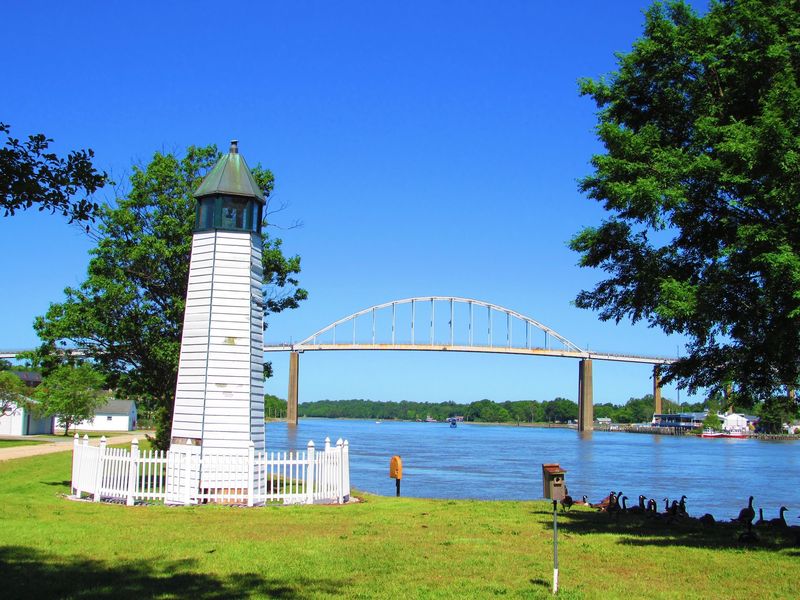
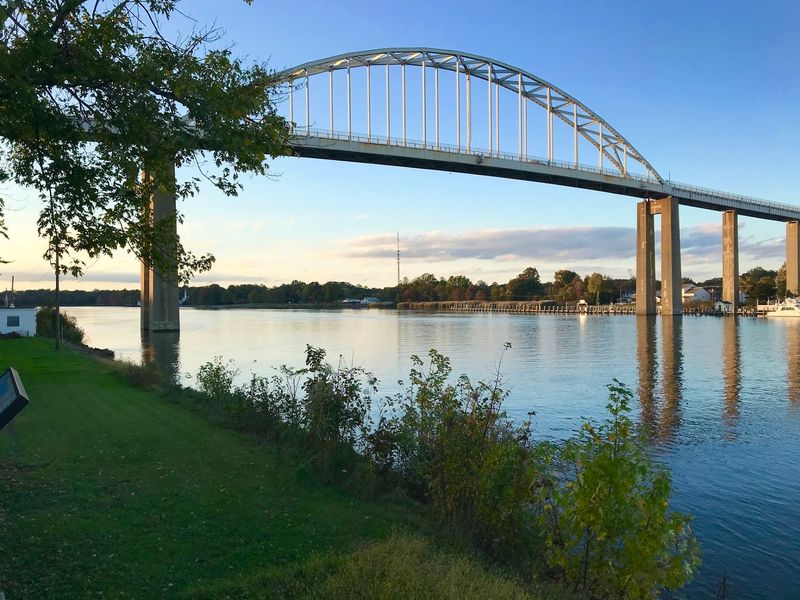
The town straddles the Chesapeake and Delaware Canal, which splits it into a north side and a south side. That waterway is the reason the town exists in its current form.
Its population was just 736 at the 2020 census, which places it firmly in small-town territory. Fewer neighbors often means quieter streets and easier introductions.
The town government keeps an official presence online at chesapeakecity-md.gov, where residents and newcomers can find local details. That single point of contact reflects how compact daily life here really is.
Location plays a big role in why retirees have taken notice. The town is close enough to larger cities for errands and appointments, yet far enough to feel removed from constant noise.
The canal setting also gives the place a working-water identity that has stayed steady over the years. Boats still pass through, and the town watches them go by.
All of it adds up to a place that feels tucked away without being isolated, which is a hard balance to strike.
A Name Rooted in Bohemia
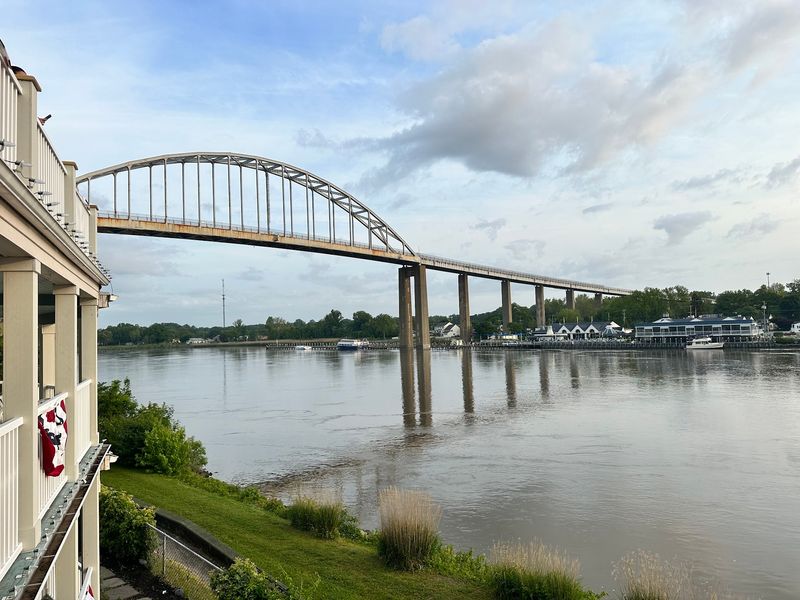
Long before it went by its current name, the town was known as the Village of Bohemia, sometimes called Bohemia Manor. That title came from Augustine Herman, a Bohemian colonist who left his mark on the region.
Herman was a mapmaker and landowner, and his influence shaped early Cecil County. The Bohemia name traced back to his European roots.
The switch to Chesapeake City happened in 1839, a full decade after the canal opened. Naming the town after the waterway made sense once the canal became its lifeblood.
That change reflected a bigger shift in identity. What had been a rural manor was becoming a canal community with a new purpose.
History like this gives the town a layered story that many small places lack. Newcomers who enjoy local heritage often find plenty to explore.
The old name has not vanished entirely, since Bohemia still appears in nearby place references. It lingers as a reminder of who came first.
For retirees who appreciate a town with a documented past, that centuries-old backstory adds real character. It is the kind of detail that turns an address into a home with roots.
The Canal That Built the Town
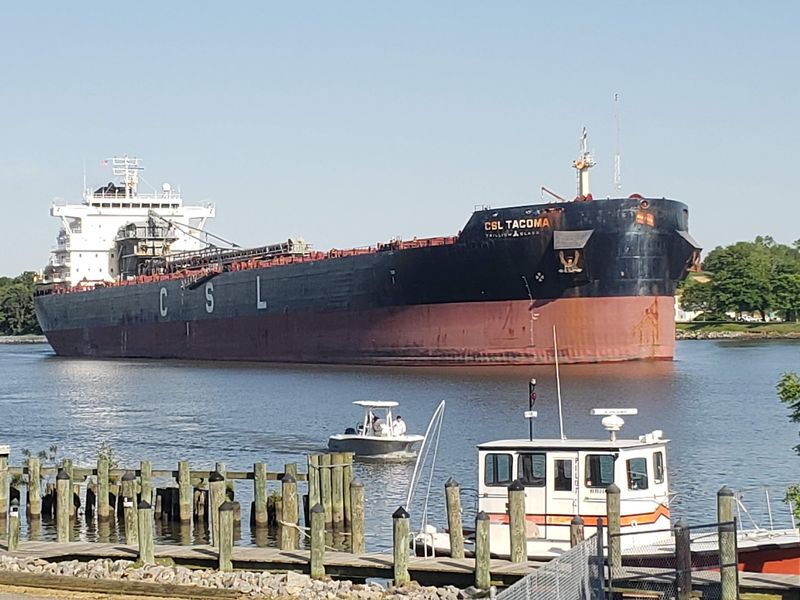
The Chesapeake and Delaware Canal opened in 1829, and it changed everything for this stretch of Cecil County. What was once quiet farmland became a hub tied to shipping and trade.
The waterway connects two major bays, cutting a shortcut for boats that would otherwise take a much longer route. That practical purpose put the town on the map.
Because the canal runs right through, the town grew up around it. Streets, businesses, and homes all took shape with the water in mind.
Watching vessels move through remains a favorite pastime for people who live nearby. The passing traffic gives the town a rhythm that never fully stops.
The canal also explains the town’s split layout, with distinct sides connected by their shared history. Each side has its own feel while sharing the same waterway.
For older residents, the canal offers a steady, low-key form of daily entertainment. There is always something moving to notice.
Nearly two centuries later, the canal still defines the town’s identity. It is both the reason the town exists and the feature that keeps it interesting.
Homes That Stay Under $250,000
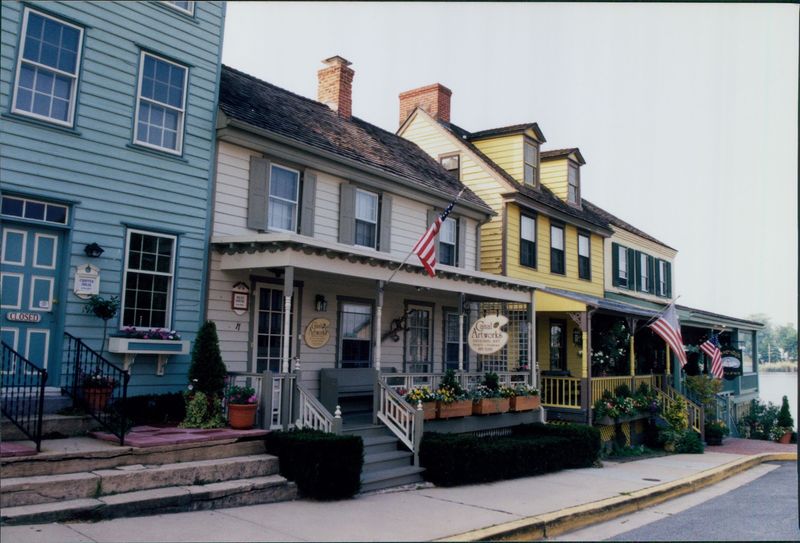
Affordability is the headline that keeps drawing attention to this town. Homes here still change hands for prices under $250,000, a figure that feels rare in many waterfront communities.
That price point stretches a fixed income further than it would in pricier coastal areas. Retirees on set budgets notice the difference right away.
Lower housing costs mean more room in the monthly plan for other needs. That flexibility matters when steady income is the norm.
Small-town scale helps keep prices grounded, since the population stays modest and demand does not overheat. Fewer than a thousand residents keeps things measured.
Buyers who feared they had been priced out of water-adjacent living often find hope here. The town proves such places still exist.
Value like this rarely stays a secret forever, which is part of why people are settling in now. Word tends to travel among those looking for a deal.
The combination of a canal setting and reachable prices is the reason this quiet town keeps landing on the radar of anyone planning a comfortable, affordable next chapter.
Small Population, Big Sense of Community
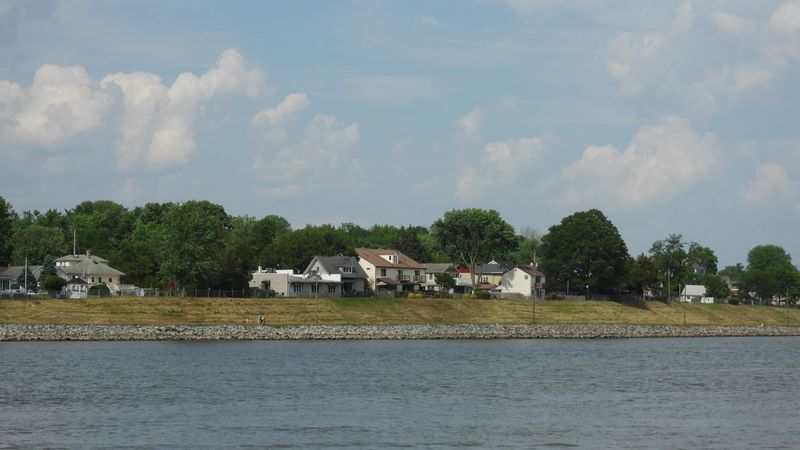
With only 736 people counted in 2020, the town runs on a scale where faces become familiar fast. Neighbors tend to know one another, which suits people looking for connection.
That kind of closeness is a selling point for retirees who want a friendlier daily routine. It is easier to feel part of things when the crowd is small.
Small numbers also mean shorter lines and less hustle. Errands take on a calmer pace when the town is not packed.
Community events in a place this size often feel personal rather than overwhelming. People show up and recognize each other.
The modest population keeps the town from feeling anonymous, which larger cities can struggle with. Here, you are more than a stranger passing through.
For those leaving busier places behind, that shift can be a relief. The quiet is a feature, not a flaw.
Belonging comes easier when the town fits within a short walk, and that closeness is exactly what many new residents are searching for.
Life Along the Waterfront
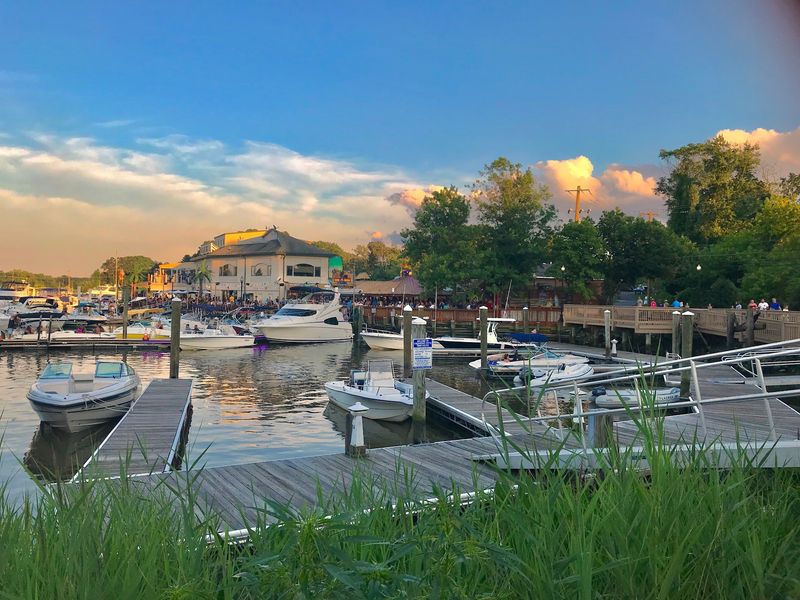
Living beside a working canal shapes the daily view in a way most inland towns cannot match. Water sits at the center of the scene rather than off in the distance.
Boats coming through give residents a reason to pause and watch. The traffic changes with the seasons and keeps the outlook fresh.
Waterfront living usually carries a premium, yet here it comes without the sticker shock of bigger destinations. That mix is part of the town’s appeal.
The canal edge provides natural gathering spots where people can sit and take in the surroundings. Open water has a calming pull.
Older residents often value a setting that offers gentle activity without demanding much effort. Watching the water fits that bill nicely.
The waterfront also anchors the town’s character, tying its history and present together. It is the backdrop for everyday life.
A home near this canal offers a front-row seat to a slower kind of movement, and that steady scene is one more reason people choose to settle in.
A Historic District Worth Strolling
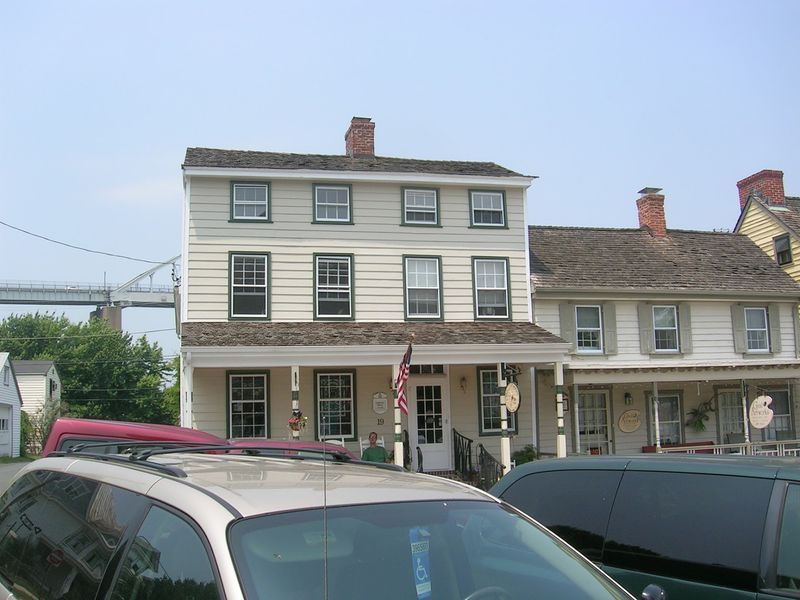
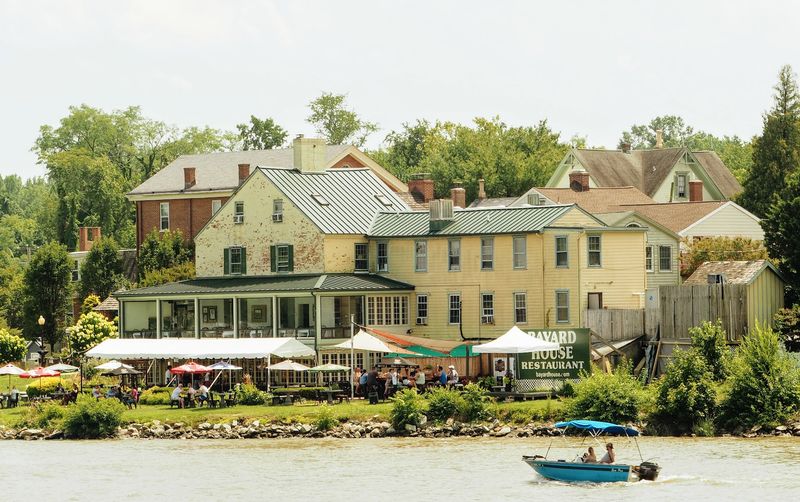
Old buildings line the town’s core, reflecting its nineteenth-century canal roots. Walking those streets feels like moving through a preserved chapter of Cecil County history.
The compact layout makes exploring easy on foot. Short blocks keep everything within reach for those who prefer not to drive everywhere.
A walkable historic district is a genuine bonus for retirees who want daily strolls close to home. Errands and exercise can share the same route.
The architecture ties directly to the canal era, giving the town a consistent look. That continuity is part of its charm.
Strolling here doubles as a low-effort way to stay active and engaged. The scenery gives every walk a purpose.
Because the town is small, the historic area never feels sprawling or exhausting to cover. It rewards curiosity without wearing you out.
The blend of history underfoot and water nearby makes each outing feel worthwhile, and that easy access to both is a quiet luxury newcomers grow to appreciate.
Who Thrives in This Quiet Corner
The town seems built for people who value peace over hustle. Its small size and steady pace suit those ready to slow down.
Retirees searching for affordability without giving up scenery are a natural fit. The under $250,000 homes make that dream reachable.
Anyone who enjoys a walkable community with history at every corner will feel at home. The town rewards residents who like to explore on foot.
People who prefer knowing their neighbors tend to settle in well. The population is small enough that connections form quickly.
Water lovers who want a canal view without coastal prices find a rare match here. The setting delivers on both counts.
Those who crave nonstop nightlife and big-city energy might feel the quiet too keenly. The town leans calm by nature.
For the right person, though, that stillness is exactly the point, and it is why this canal town keeps welcoming a steady stream of content new arrivals.
Getting There and Finding Your Way
Reaching the town is straightforward thanks to its spot in northeastern Maryland. Cecil County sits within easy range of the Maryland-Delaware border.
The town’s position makes trips to larger nearby cities manageable for appointments and shopping. That balance of quiet and access is a practical plus.
Newcomers can start planning through the official town site at chesapeakecity-md.gov. It serves as a helpful first stop for local information.
The canal splits the town into two sides, so knowing which side you are headed to helps with directions. Each side keeps its own layout.
Because the town is small, finding your way around takes little time once you arrive. Landmarks are easy to spot and remember.
The compact size means most points of interest cluster close together. Getting oriented rarely takes more than a visit or two.
Whether coming for a look or planning a move, the town’s reachable location removes a common hurdle, making it simple to see the place for yourself before deciding.
Why the Quiet Keeps Winning People Over
Everything about the town points toward a slower, more affordable way of living. The canal, the history, and the modest home prices all pull in the same direction.
Retirees have been settling in quietly because the value is hard to argue with. Waterfront charm under $250,000 does not come along often.
The small population keeps things personal, while the historic streets keep them interesting. That pairing gives the town lasting appeal.
Cecil County offers a location that stays connected without feeling crowded. Access and calm rarely coexist this well.
People drawn to peace and reasonable costs tend to find what they are looking for here. The town delivers on its quiet promise.
What began as Bohemia Manor and became Chesapeake City still carries its canal-era spirit into the present. That continuity gives residents a real sense of place.
For anyone weighing a move to a calmer, budget-friendly waterfront town, this small Maryland community makes a strong and steady case, and it is easy to see why newcomers keep choosing to stay.
Enjoyed this story?
Add Fast Food Club as a preferred source to see more of our reporting on Google.