


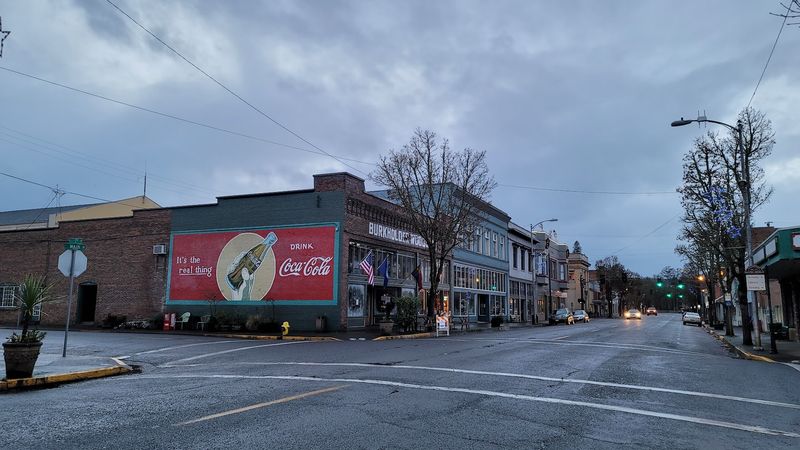
Some towns wear their history quietly, and this one hides it inside wooden bridges scattered across the countryside. A short drive south of Eugene sits a small Oregon city where old railroad tracks, a compact downtown, and a string of covered crossings all share the same zip code.
It has a walkable main street lined with brick storefronts and enough short detours to fill an unhurried afternoon. Getting here takes almost no planning, which is part of the appeal for anyone chasing a low-effort escape from the freeway.
The story of this place involves timber, trains, and a nickname earned by its many roofed bridges. Keep reading to learn where it is, what makes it worth the exit, and how to plan a simple visit that never feels rushed.
A Lane County Town Just Off Interstate 5
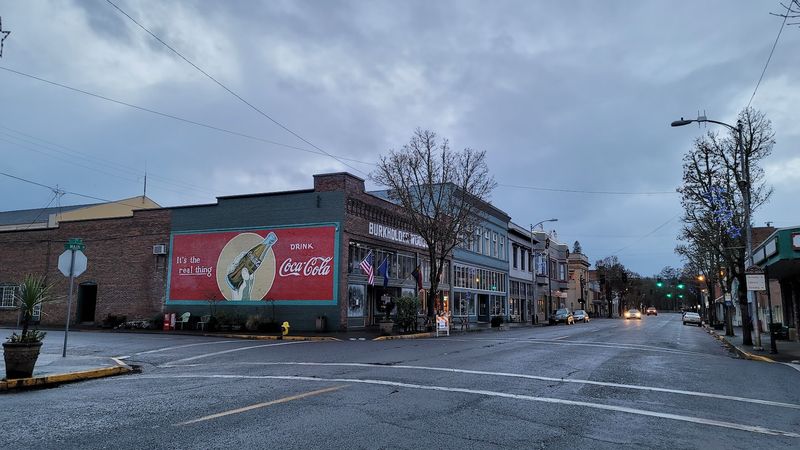
Set in the southern part of the Willamette Valley, this city carries the address of Oregon 97424 and sits within Lane County. It ranks as the third largest city in the county, though its size still leans small and manageable.
Population figures from the 2020 census placed the community at 10,643 residents. That number tells you plenty about the pace here, which stays relaxed and unhurried.
Interstate 5 runs right alongside town, making the exit almost effortless for anyone driving up or down the valley. Oregon Route 99 also passes through, giving drivers a slower alternative when they want to take the scenic path.
The main Willamette Valley line of the CORP railroad threads through as well, a reminder that trains helped shape this corner of Oregon long before highways did. More on that history comes later.
Its position makes it a natural stop between larger destinations, close enough to Eugene for a quick outing yet far enough to feel like its own place. The official town website at cottagegrove.org offers a starting point for anyone mapping out a trip.
The Covered Bridge Capital Reputation
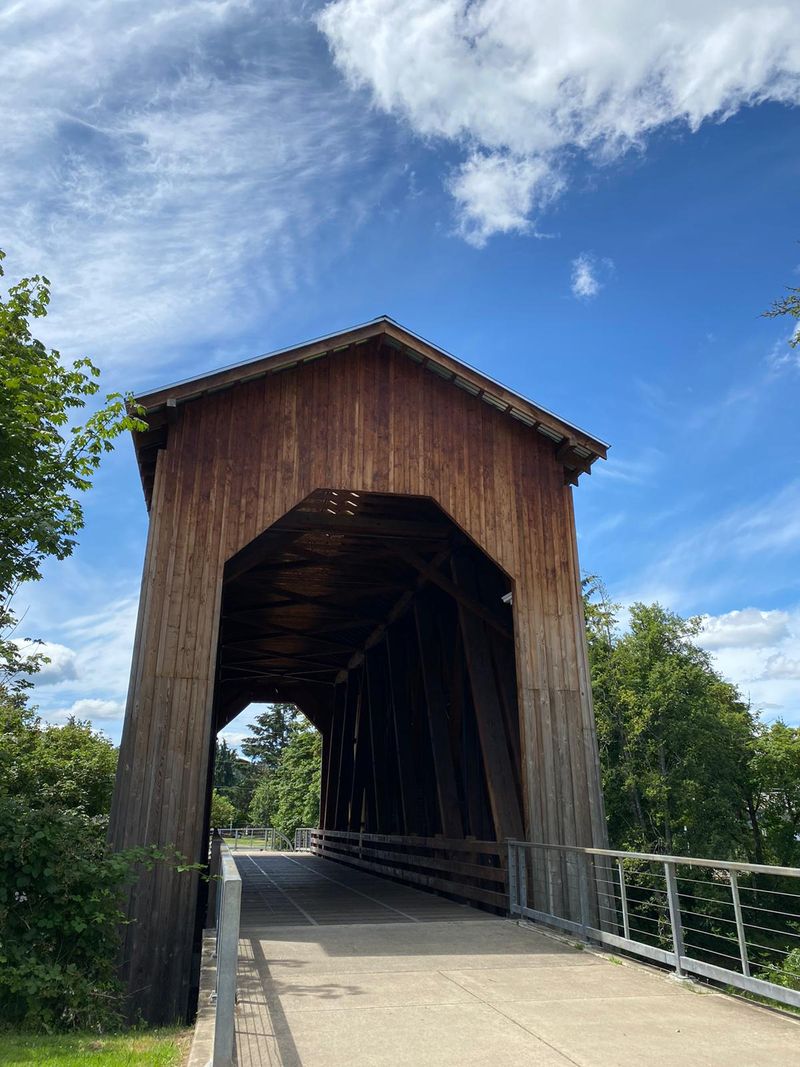
Wooden crossings roofed against the weather are the calling card that draws many travelers off the freeway. The area around this city holds a notable cluster of them, and that concentration earned it a reputation across Oregon.
Covered bridges once dotted the state in large numbers, built to protect their wooden decks and trusses from constant rain. Over time many disappeared elsewhere, which makes surviving groups like this one all the more worth seeking out.
Touring the bridges works well as the backbone of a day trip. Each one sits at its own crossing, so the drive between them becomes a low-key tour of country roads and quiet water.
The bridges photograph beautifully, and their weathered timber tells a story of an era when craftsmanship met practicality. Families with curious kids often turn the hunt into a game of counting each one they find.
Because the crossings spread out beyond the city center, a car makes the exploring easy. Planning a loop lets you string several together without backtracking, turning a simple errand into a memorable afternoon.
A Walkable Downtown Built From Brick
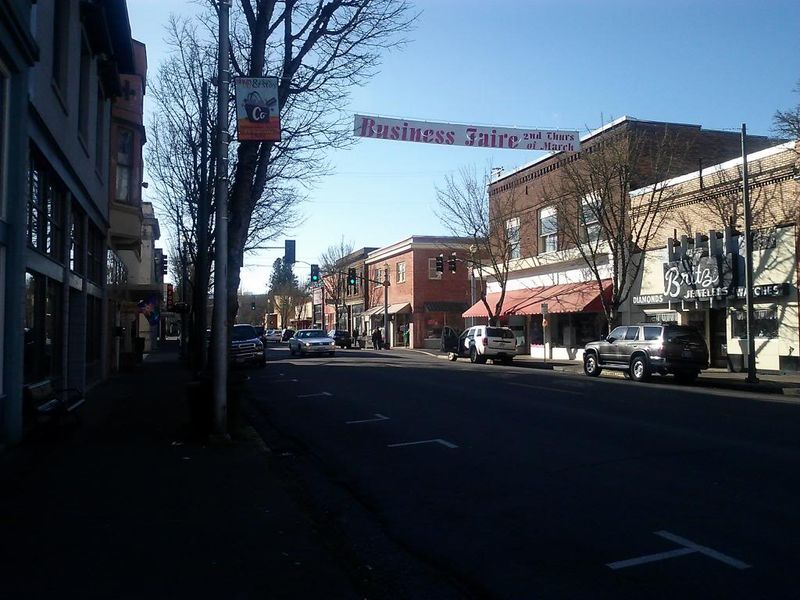
Compact and easy on the feet, the downtown core rewards anyone who parks the car and simply wanders. The main street stretches only a few blocks, which means you can cover it without ever feeling worn out.
Historic brick buildings line the sidewalks, giving the area a steady, old-fashioned character. Storefronts sit close together, so browsing one shop naturally leads to the next.
Walkability is the quiet strength of the whole visit. There is no need to hop back in the car between stops, and the flat layout suits strollers, kids, and anyone who prefers a slow stroll.
The pace downtown stays gentle, with plenty of room on the sidewalks and a friendly small-town rhythm to the block. Benches and corners invite you to pause and take in the scene.
Locals treat the main street as the heart of the community, and it shows in how well the district holds together. For a day trip, this is the natural place to begin before branching out to the surrounding sights.
Where The Railroad Left Its Mark
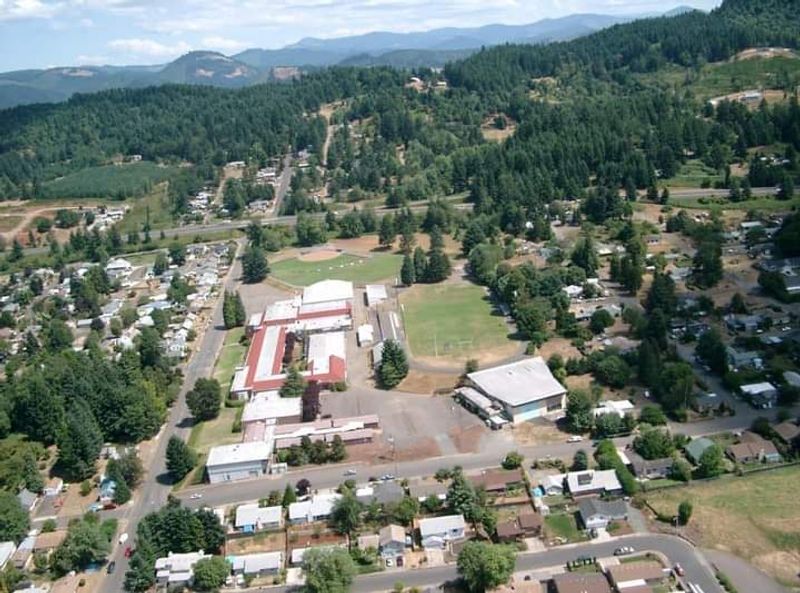
Steel rails still run through town, a working thread of the region’s transportation past. The main Willamette Valley line of the CORP railroad passes directly through, keeping the connection to the tracks alive.
Railroads shaped much of the Willamette Valley, carrying timber and goods between communities that grew up along the line. This city sits squarely on that route, which helped it develop into the trading center it became.
The presence of the tracks adds a layer of history to a casual visit. Watching the line cut through town offers a small window into how people and cargo once moved before highways took over.
Timber country and rail lines went hand in hand here, and the legacy of that partnership lingers in the town’s layout and character. The rails remain part of the everyday scenery.
For travelers who enjoy piecing together how a place came to be, the railroad story ties neatly into the covered bridges and the brick downtown. All three grew from the same practical roots.
Sitting In The Heart Of The Willamette Valley
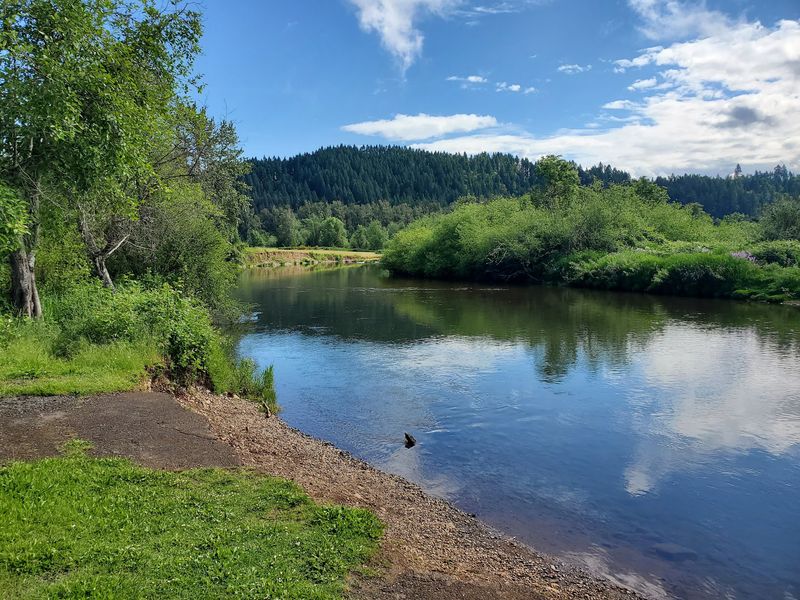
Green and gently rolling, the surrounding valley sets the tone for the whole area. The city rests within the Willamette Valley, a broad stretch of fertile land that runs through western Oregon.
Valley scenery frames the town on every side, with hills, farmland, and waterways giving the drive in a pleasant backdrop. The landscape stays soft and open, easy on the eyes from any road.
Location within the valley means the weather leans mild much of the year, though rain is a familiar guest, which explains why so many bridges got their roofs. The greenery owes a lot to that steady moisture.
Rivers and creeks wind through the countryside, and the covered bridges cross many of them. That natural network gives the area its shape and much of its charm.
Being planted in one of Oregon’s most recognizable regions makes the town an easy addition to a larger valley itinerary. It fits naturally into a route that already draws travelers with its scenery and small communities.
An Easy Exit For Eugene Day-Trippers
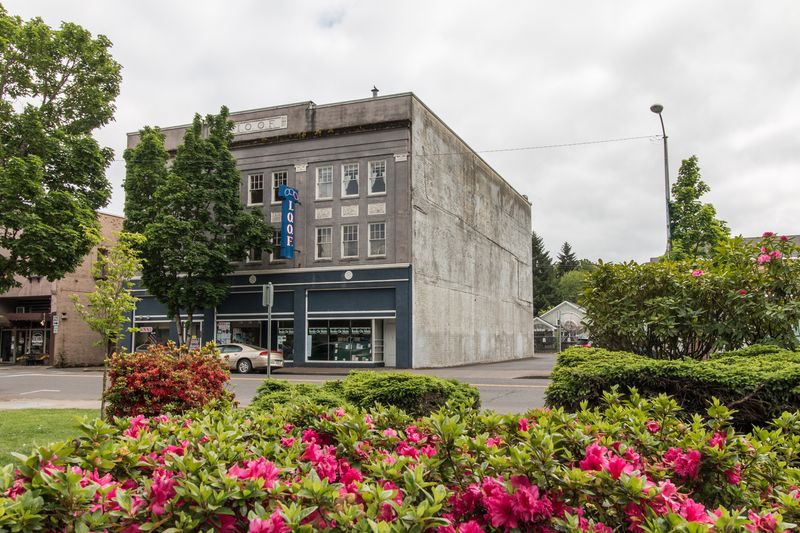
Proximity is the practical reason this town lands on so many day-trip lists. Sitting just south of Eugene along Interstate 5, it makes for a short and simple drive with almost no fuss.
The freeway access removes the guesswork. You take the exit, follow the signs into town, and you are already at the edge of the walkable downtown.
For folks based in Eugene or passing through the valley, the outing fits neatly into a single afternoon. There is no need to overplan or book anything in advance.
Route 99 offers a slower option for the return trip, letting drivers trade highway speed for a more leisurely pass through the countryside. Both roads deliver you to the same welcoming spot.
The combination of quick access and a full slate of sights makes it ideal for spontaneous plans. When a free day opens up, this is the kind of place you can decide on that morning and still make the most of it.
A Small City With Room To Breathe
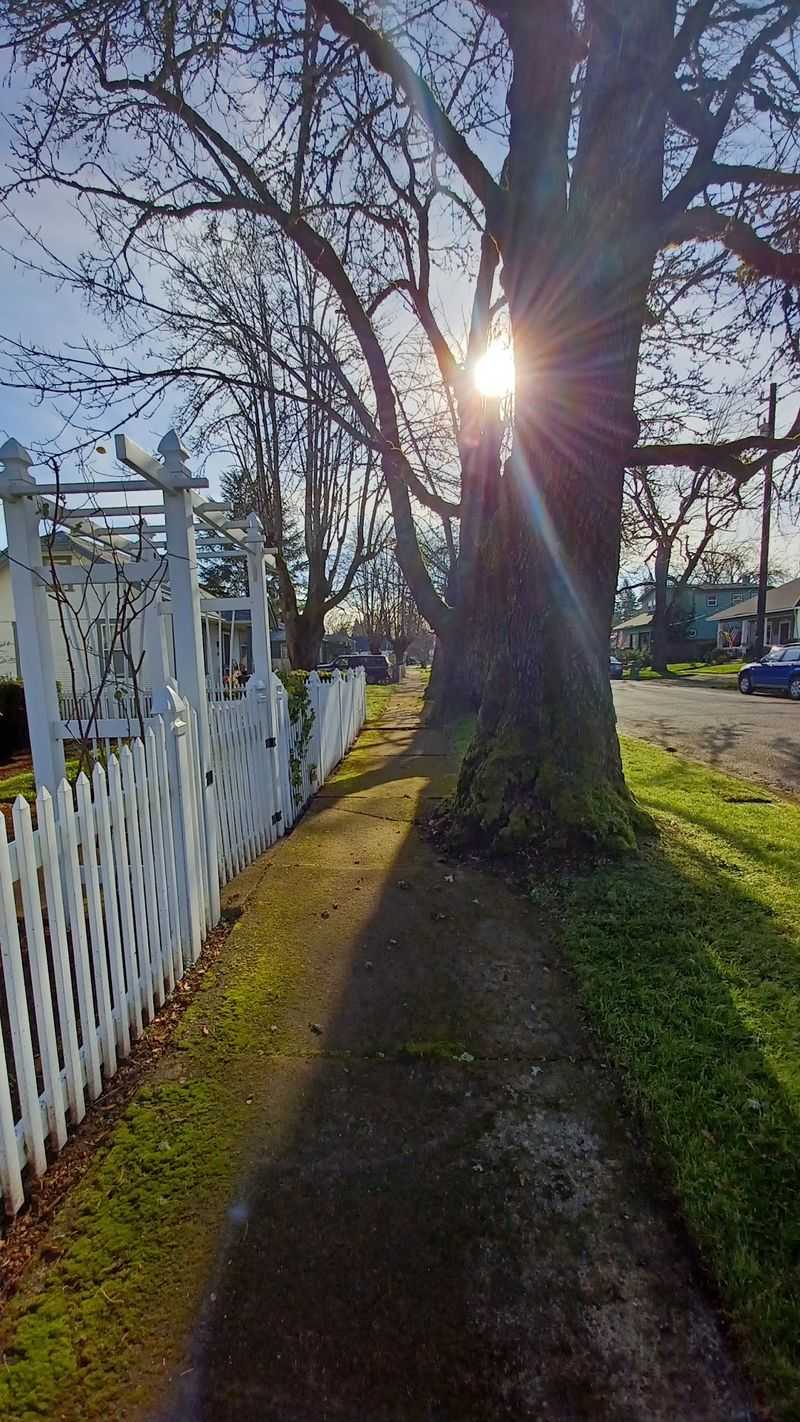
Numbers rarely capture a mood, but the census figure of 10,643 hints at the calm you find here. This is a small city, large enough to keep you busy yet small enough to feel unhurried.
The scale suits travelers who prefer their outings low-key. Crowds stay thin, parking is straightforward, and the whole place moves at a comfortable clip.
Ranking third in size among Lane County cities, it still holds onto a distinctly small-town personality. Growth has not erased the friendly, close-knit feel that defines the community.
Space to breathe is part of the draw. You can wander the downtown, take a country drive to the bridges, and never feel boxed in or rushed along.
Anyone weary of busy destinations will appreciate the breathing room. A visit here trades noise and hustle for a slower rhythm that lets you actually enjoy the day.
Building A Loop Around The Bridges
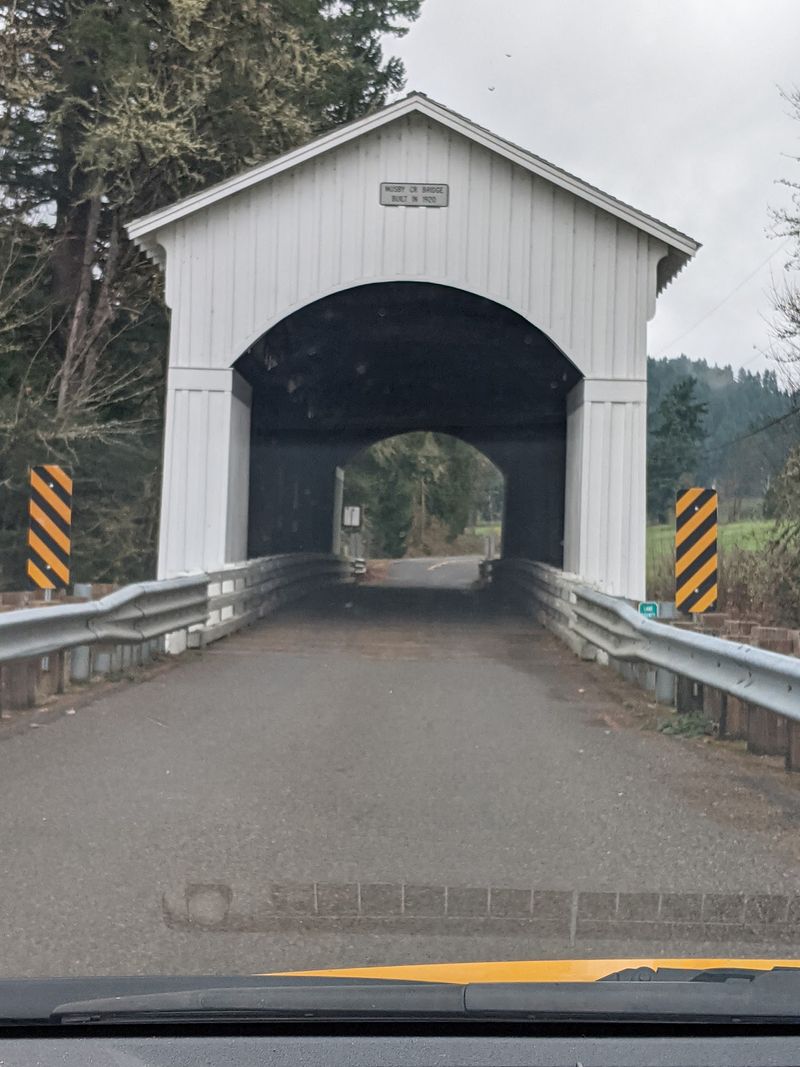
Turning the covered bridges into a driving loop is the smart way to see the most in one trip. With several crossings spread across the countryside, connecting them into a route keeps the day flowing.
A car is essential for this part of the visit, since the bridges sit beyond walking distance from downtown. The roads between them wind through pleasant valley scenery, so the drive itself becomes part of the fun.
Mapping a loop ahead of time saves backtracking and lets you decide how many bridges to include. Some travelers aim for the full set while others pick a handful and linger longer at each.
Pairing the bridge loop with time downtown creates a well-rounded outing. You get both the historic architecture out in the country and the brick storefronts in the center of town.
The flexibility is what makes it work for so many kinds of travelers. Short on time or ready for a full day, you can shape the route to fit the hours you have.
Who This Town Suits Best
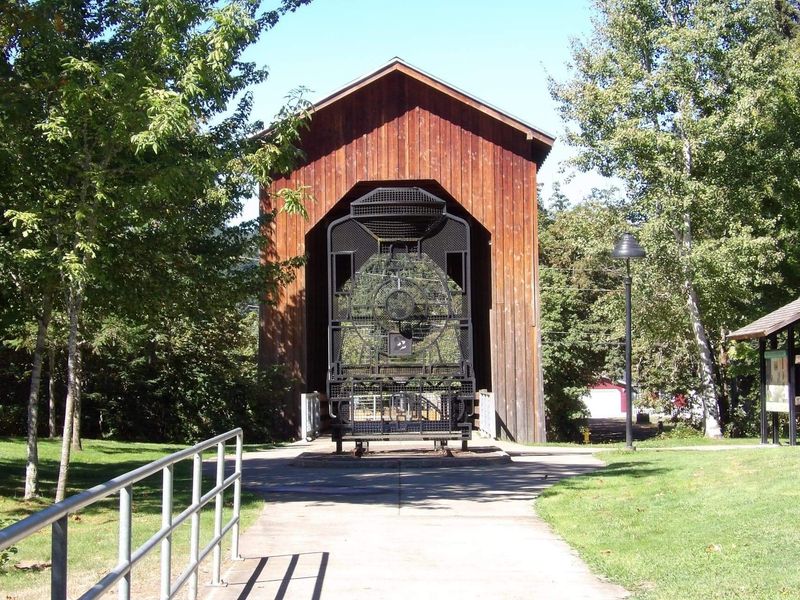
Not every destination fits every traveler, but this one casts a wide net. History buffs, casual sightseers, and families all find something that clicks with the town’s mix of bridges, rail heritage, and an easy downtown.
Those who like their trips relaxed will feel right at home. The walkable core and short country drives mean no one has to plan around long lines or tight schedules.
Families in particular benefit from the flat, compact layout downtown. Kids can walk the street safely, and the bridge hunt gives them a reason to stay curious between stops.
Photographers gravitate toward the weathered bridges and old brick buildings, both of which reward a patient eye. There is plenty here to fill a memory card without much effort.
Anyone craving a break from big-city bustle fits the bill too. The town’s gentle pace and manageable size make it a natural pick for a restorative day away.
Planning Your Visit The Simple Way
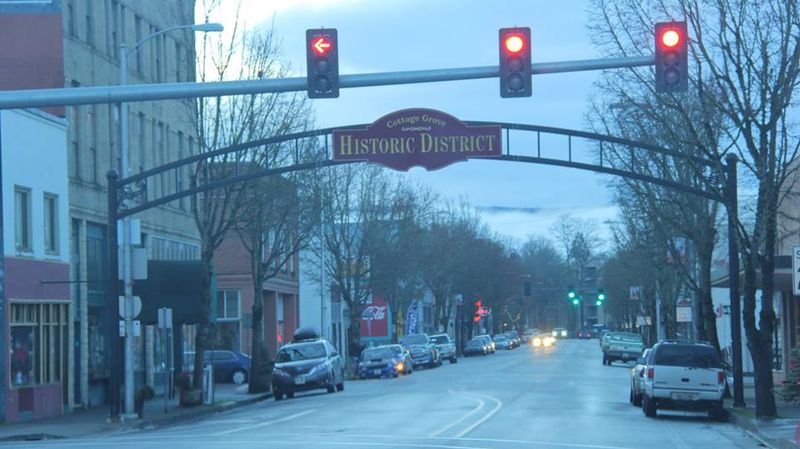
Getting here asks very little in the way of logistics. The town sits on Interstate 5 and Oregon Route 99, so most travelers simply drive in and start exploring.
The official website at cottagegrove.org serves as a handy resource for anyone piecing together the details. It offers a solid starting point when you want to line up your stops.
Because the downtown is walkable, one central parking spot can anchor much of your visit. Only the bridge loop calls for hopping back in the car and heading into the countryside.
Timing is flexible, and the outing scales easily to the hours you have. A quick stroll and a couple of bridges make a short trip, while the full loop plus downtown fills an entire afternoon.
Keeping the plan loose tends to work best here. The town rewards a relaxed approach far more than a tightly scheduled one, so leave room to wander.
Why The Detour Is Worth It
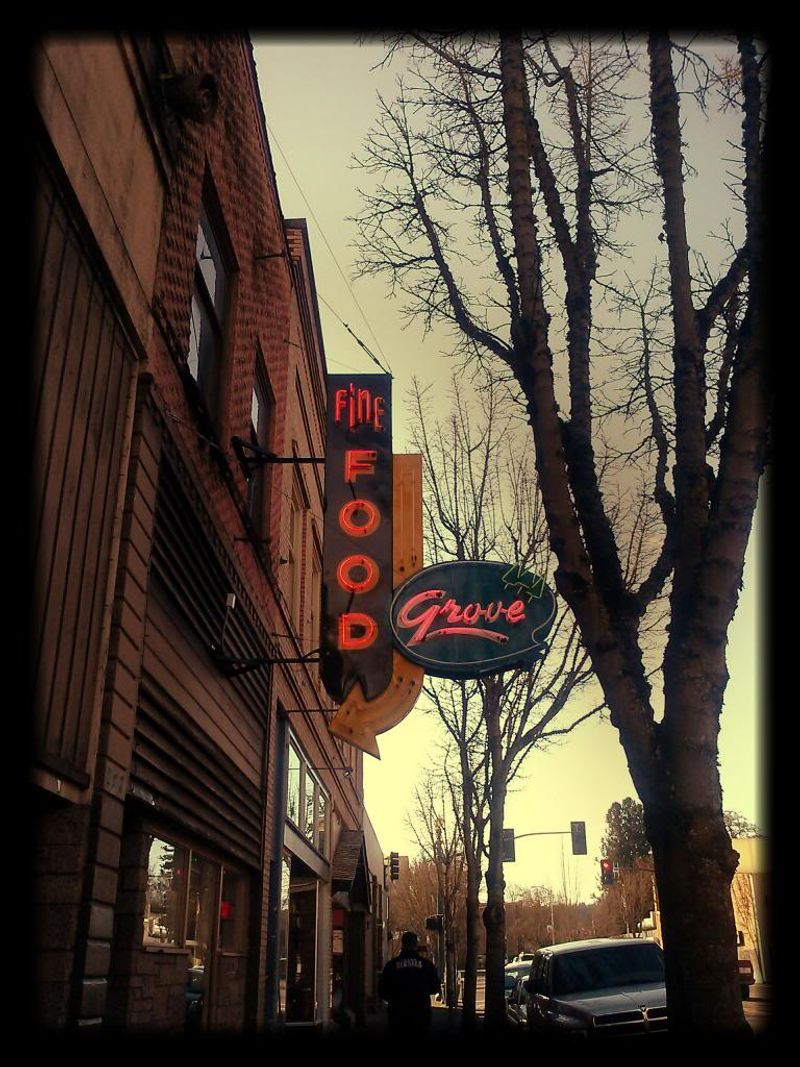
Few freeway exits deliver as much as this one for so little effort. A short drive off Interstate 5 opens up covered bridges, a brick-lined main street, and a slice of valley scenery all in one place.
The town blends its timber and railroad past with a downtown that still invites a leisurely walk. That combination gives a visit both depth and ease, a rare pairing for a quick outing.
Whether you come for the bridges, the walkable streets, or simply a change of pace, the trip stays refreshingly uncomplicated. Everything sits close enough to enjoy without a lot of planning.
A day here leaves you with the sense of having actually gone somewhere, not just stopped along the way. The mix of history and small-town calm sticks with you.
Next time the valley stretches out ahead of you, this exit makes a strong case for pulling off the highway. An easy Oregon day trip rarely comes together so naturally.
Enjoyed this story?
Add Fast Food Club as a preferred source to see more of our reporting on Google.