


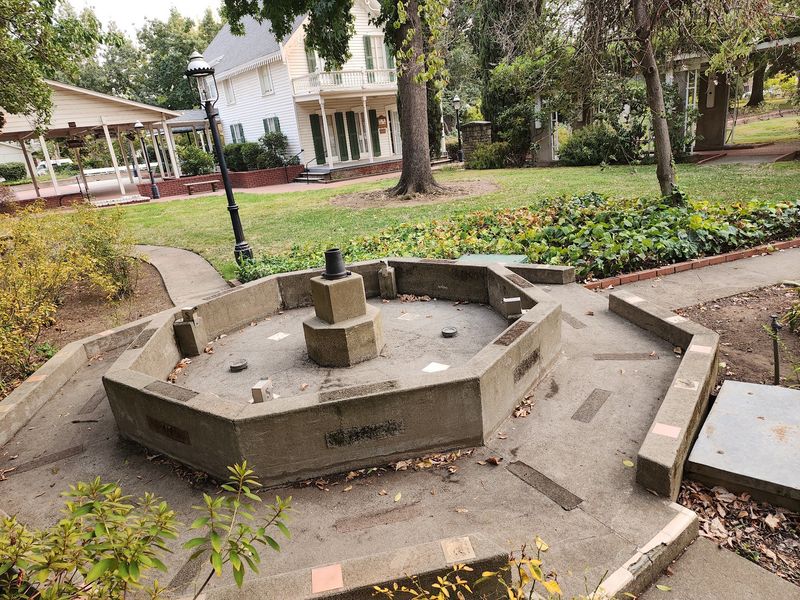
Retiring on a fixed budget can feel like a puzzle with too few pieces, especially in a state known for high costs. Yet tucked into the northern Sacramento Valley sits a small town where a modest monthly check stretches surprisingly far.
It sits beside one of the tallest structures of its kind in the country, surrounded by rolling foothills, quiet neighborhoods, and easy access to the outdoors. Folks here trade traffic and crowds for slower mornings and lower bills.
The county seat status brings services close to home without big-city price tags. If you have wondered where a comfortable, low-key life is still within reach, this article walks through the town itself, its history, its scenery, and the practical details that make it worth a serious look.
A County Seat With Small-Town Roots
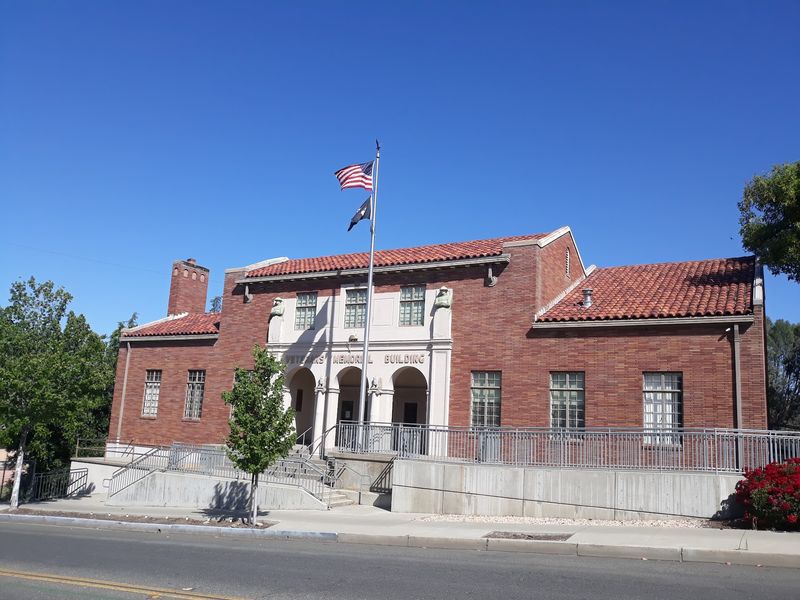
Set in the northern Sacramento Valley, Oroville serves as the county seat of Butte County in California. The city sits along the Feather River where the flat valley floor begins to rise into the Sierra Nevada foothills.
As of the 2020 census, the population was 20,042, which keeps it firmly in small-town territory. The official city website, cityoforoville.org, points visitors and residents toward local services and information.
Being the county seat means courthouses, county offices, and public services all sit within town limits. For retirees, that translates to shorter trips for paperwork, appointments, and everyday errands.
The layout stays compact and manageable, with residential streets that never sprawl too far from the center. That closeness helps keep daily life simple and affordable, which is a big part of why the town keeps drawing attention from people watching their budgets.
How History Shaped The Town
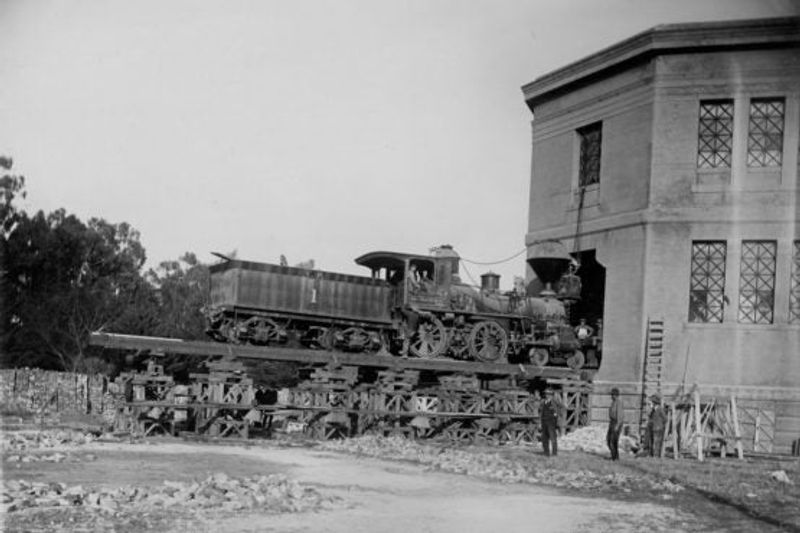
The bones of Oroville tell a story of movement and growth. Over the years the town has shifted and expanded as people arrived looking for opportunity and a place to settle.
A notable turning point came after the 2018 Camp Fire, which destroyed much of the nearby town of Paradise. Many people who lost their homes relocated to Oroville, and the city’s population grew as a result.
That influx reshaped neighborhoods and brought new families into the community. It also added to the demand for housing while keeping the town’s overall character intact.
What emerges is a place that has absorbed change while holding onto its roots as a working valley town. For anyone researching the area, understanding that recent history helps explain both the growth and the tight-knit feel that residents describe today.
The Setting Beside The Feather River
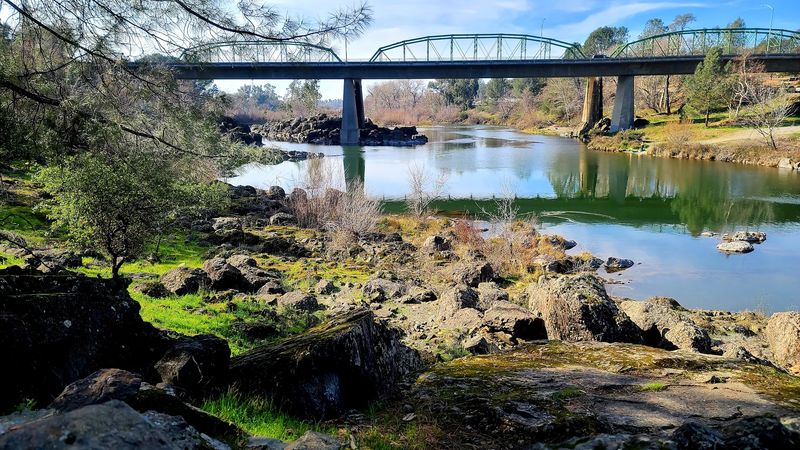
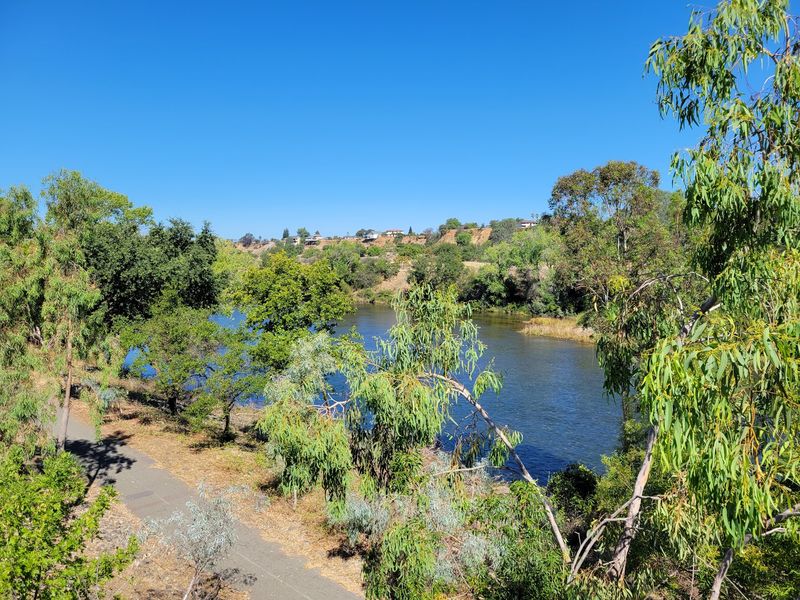
Water and hills define the geography here in a way that shapes daily life. The Feather River runs through the area, giving the town a natural centerpiece and a link to the surrounding landscape.
Positioned where the valley meets the foothills, the location offers both open flatland and gently rising terrain. That mix gives residents variety without long drives.
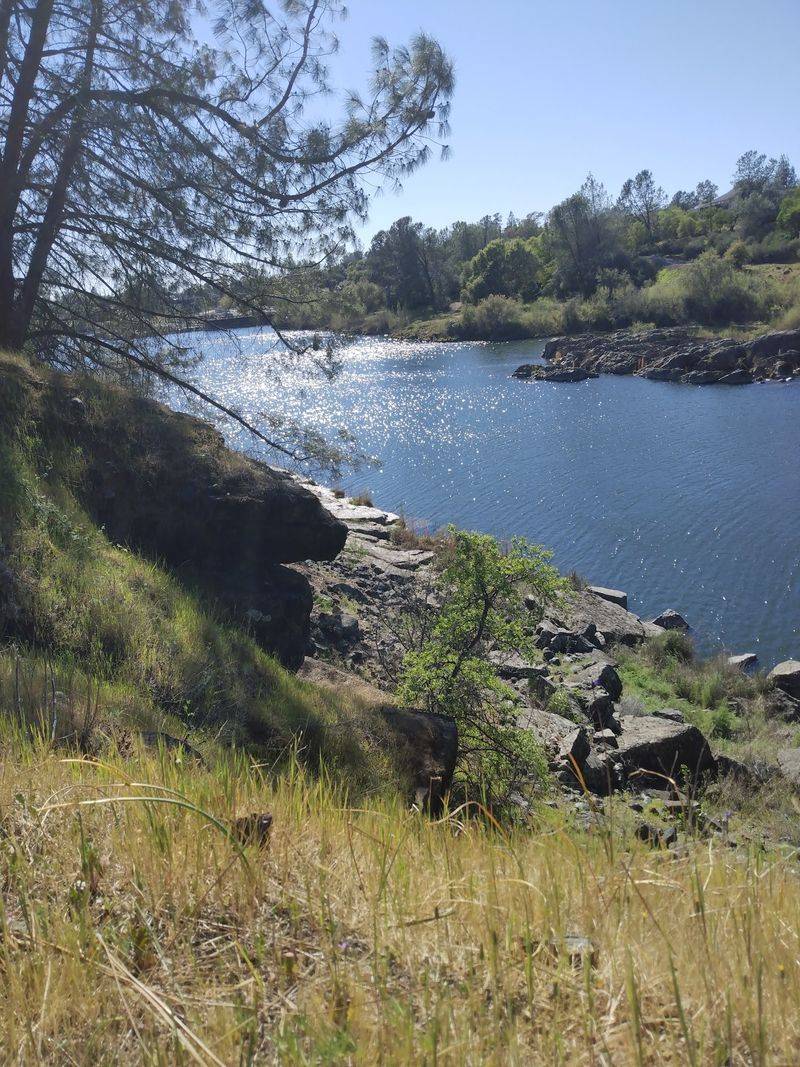
The foothill backdrop keeps the horizon interesting, with slopes that change color through the seasons. It is the kind of scenery that rewards a slow pace and plenty of time to simply look around.
For retirees who want nature close at hand rather than tucked far away, the setting delivers. The river and the hills together make the town feel connected to the outdoors, which many residents count as one of the best parts of living here.
Living Well On A Modest Budget
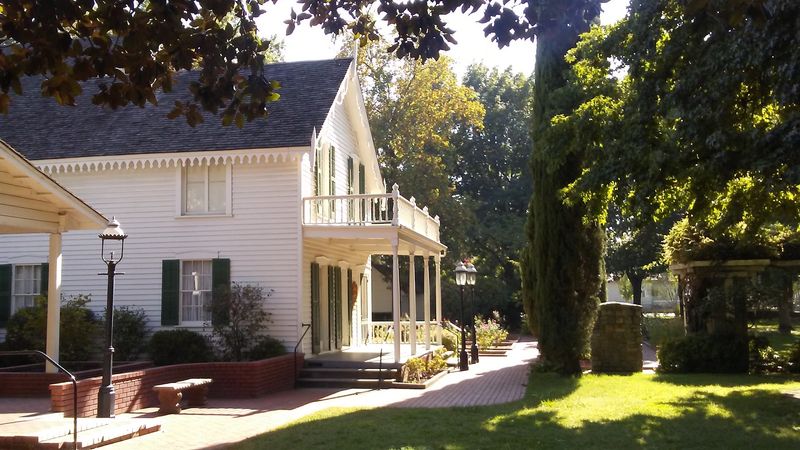
The headline number that keeps drawing attention is roughly $1,500 a month. In a state where costs often climb high, that figure makes Oroville stand out as a place where a fixed income can still cover the basics.
Lower housing costs form the backbone of that affordability. Compared with coastal California cities, the price of a modest home or rental here leaves more room in a monthly budget.
Everyday expenses tend to follow the same pattern, keeping the overall cost of living within reach for those on a set income. That balance is exactly what many retirees search for when they leave pricier areas behind.
The result is a town where careful planning goes a long way. For people who want comfort without financial strain, the math here works better than in most parts of the state.
The Foothill Views That Frame Daily Life
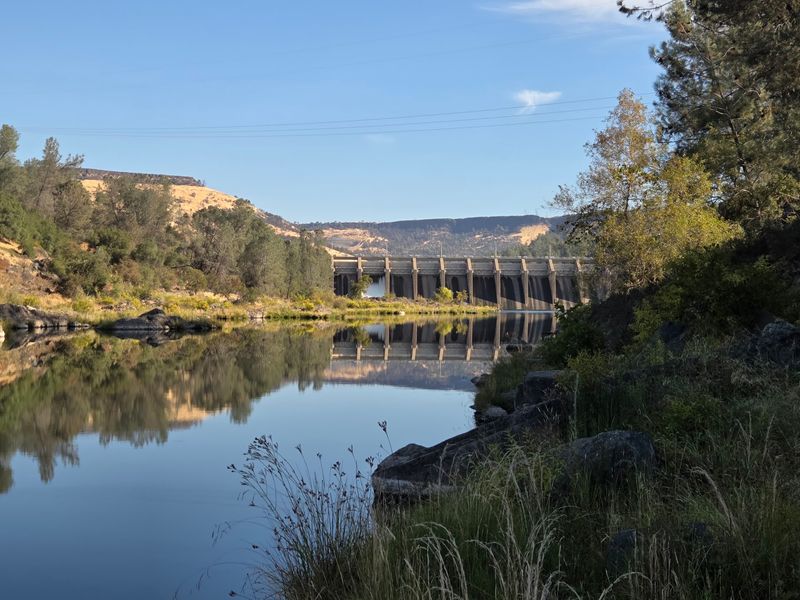
Rising just beyond the neighborhoods, the foothills give the town a scenic edge that never gets old. They mark the spot where the flat valley starts climbing toward higher country.
Those slopes bring a sense of openness and space that flat cities often lack. Oak-dotted hillsides and grassy stretches change with the seasons, keeping the view fresh throughout the year.
For residents who enjoy the outdoors, the terrain offers easy access to trails and quiet spots without a long journey. The landscape stays close enough for a casual outing yet wild enough to feel like a real change of scenery.
Many people who settle here mention the surroundings as a daily perk rather than an occasional treat. Having the hills right there turns an ordinary afternoon into something worth stepping outside for.
A Community That Grew Closer
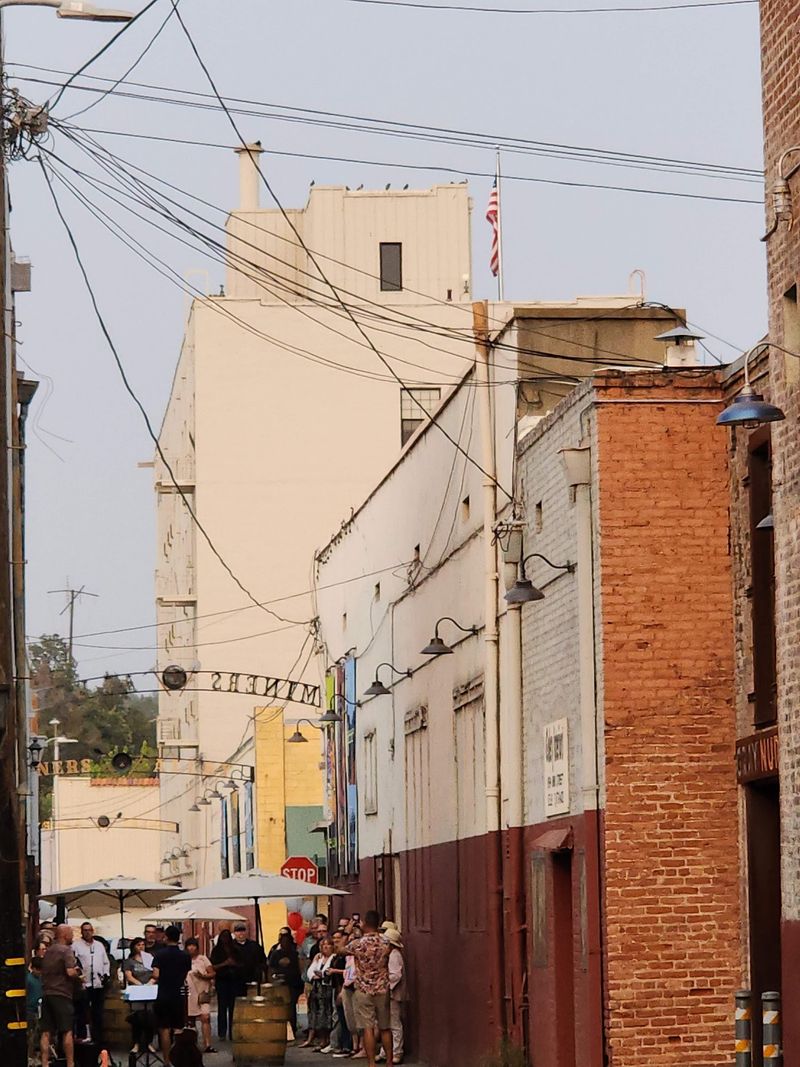
Community ties run deep in a town this size, and recent years only strengthened them. When neighbors from nearby areas arrived after losing their homes in 2018, the town welcomed them and expanded.
That shared experience helped knit the community together in meaningful ways. New and longtime residents built connections that give the place a supportive, familiar feel.
Small towns tend to foster the kind of everyday friendliness where faces become recognizable and help is usually close by. Oroville fits that description well.
For retirees, that sense of belonging matters as much as any dollar figure. A place where people look out for one another can make the transition into a new chapter feel far less daunting, and it is one of the quiet strengths residents point to again and again.
Services And Everyday Convenience
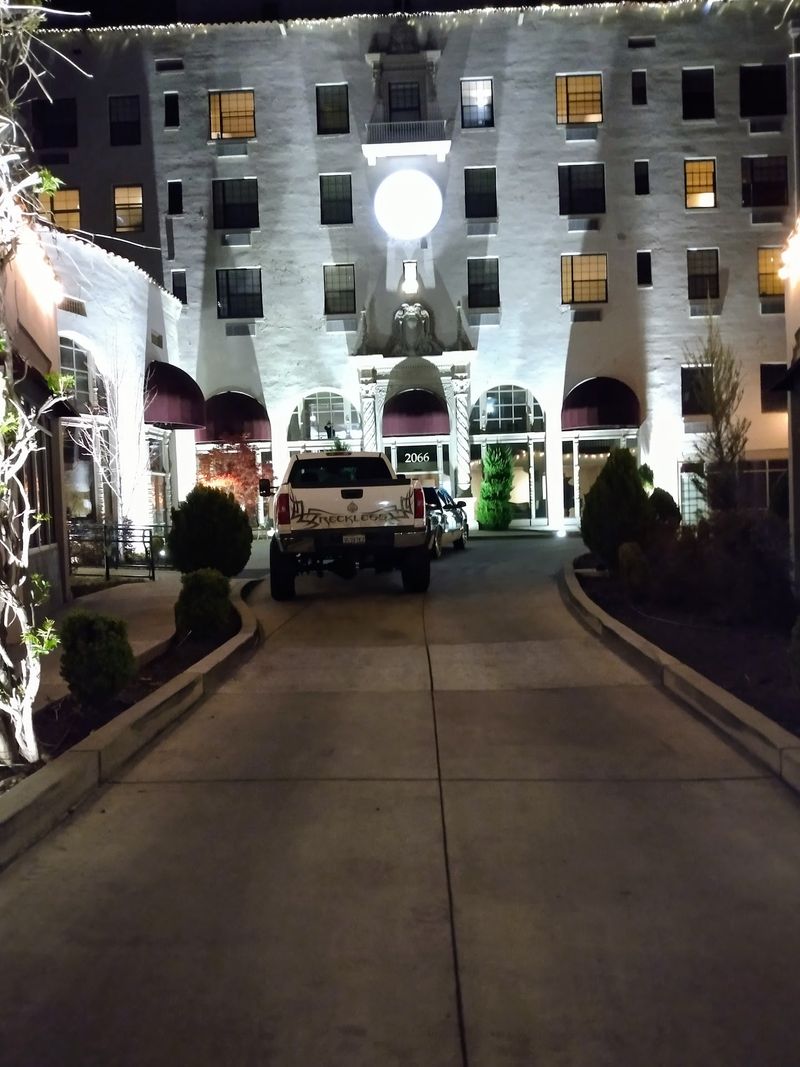
Because it holds the title of county seat, Oroville keeps important services within easy reach. County offices, courthouses, and administrative centers all operate right in town.
That concentration of services saves residents from long trips to distant hubs. Handling official business, paperwork, or appointments becomes a quick errand rather than a full-day outing.
For older adults especially, having key resources nearby cuts down on hassle and travel. The compact size of the town means most essentials sit within a short drive.
The city website, cityoforoville.org, serves as a starting point for finding local information and connecting with civic resources. Convenience like this is easy to overlook until you need it, and here it comes built into the town’s very role as the county’s center.
Who The Town Suits Best

Not every town fits every person, and Oroville has a clear audience in mind. People who value a quiet, unhurried pace tend to feel most at home here.
Retirees living on a fixed income find the low cost of living especially appealing. The town rewards those who prefer calm surroundings over the buzz of a big city.
Outdoor lovers also fit the mold, thanks to the river and foothills sitting so close to town. Anyone who enjoys open space and a slower rhythm will likely settle in comfortably.
The town is less suited to those craving nightlife and constant activity. For everyone else, particularly budget-minded folks ready to trade crowds for peace, this corner of Butte County makes a genuinely practical choice.
Getting There And Finding Your Way
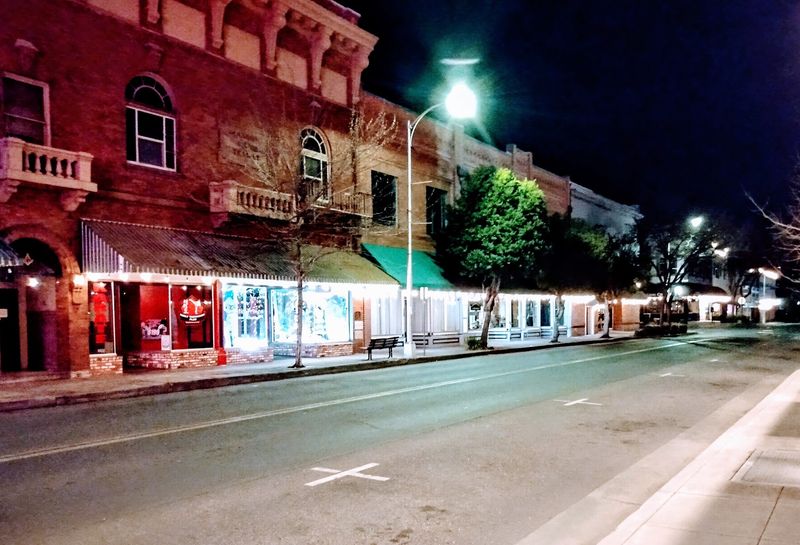
Reaching Oroville is straightforward for a town of its size. It sits in the northern Sacramento Valley, placing it within driving distance of larger cities in the region.
The location in Butte County keeps it connected to the wider valley while still feeling tucked away. That balance appeals to people who want quiet without total isolation.
Once you arrive, the compact layout makes getting around simple. Most everyday destinations sit close together, so navigating the town takes little effort.
For anyone planning a visit to scope out the area, the city website offers helpful details for orientation. Arriving here feels less like tackling a major trip and more like easing into a place that keeps things manageable from the very first turn off the highway.
Planning A Visit Before You Commit
Before making any big move, spending time in a place tells you more than numbers ever could. A visit to Oroville lets you feel out whether the pace and setting match what you are after.
Wandering the neighborhoods gives a real sense of the town’s rhythm and layout. Stopping by county offices or checking cityoforoville.org can fill in the practical gaps.
Seeing the river and foothills in person helps confirm whether the scenery lives up to expectations. A short stay reveals the everyday details that make a town livable.
Trying the area before committing is simply smart planning for any retiree weighing a relocation. A trial run turns a leap of faith into an informed decision, and this town gives you plenty to evaluate on a modest scale.
Why This Little Town Keeps Getting Attention
Pulling all the threads together, Oroville makes a compelling case for budget-conscious retirees. The combination of low living costs and natural surroundings sets it apart from pricier corners of California.
A monthly figure of about $1,500 covers the basics here in a way that few California towns can match. That affordability, paired with the county seat’s convenient services, gives the place real staying power.
The river, the foothills, and the tight community add texture to what could otherwise be just a numbers story. Together they create a town that feels both practical and pleasant.
For anyone dreaming of a comfortable, low-key retirement without draining a fixed income, this small Butte County town earns a spot on the shortlist. It quietly proves that living well in California does not always require a fortune.
Enjoyed this story?
Add Fast Food Club as a preferred source to see more of our reporting on Google.