


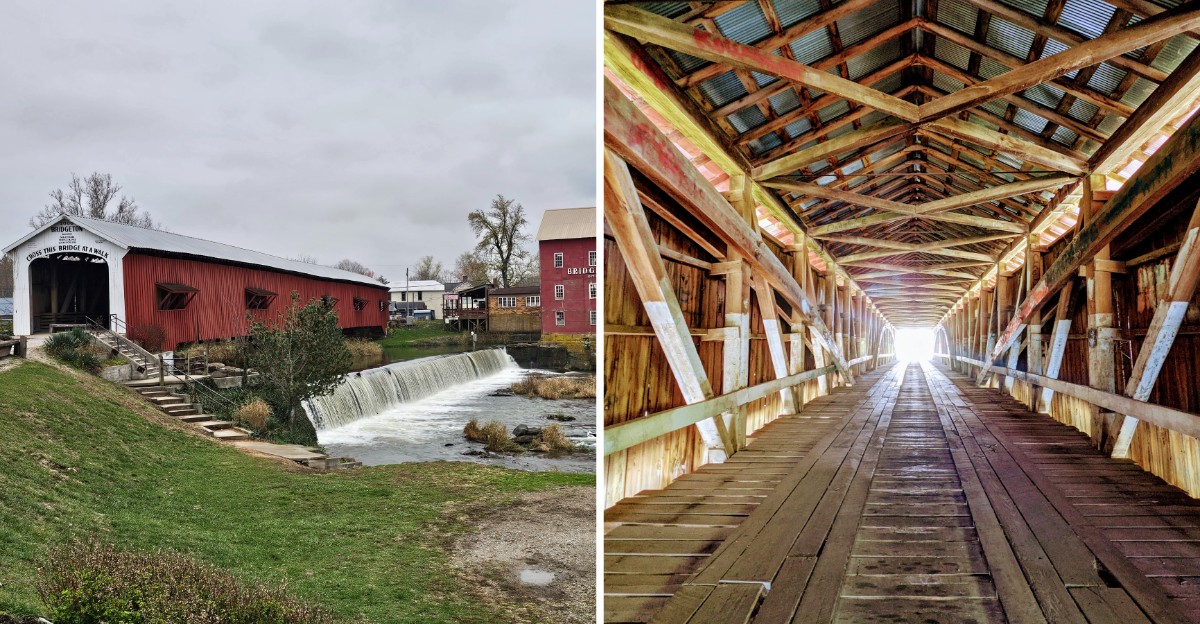
A wooden bridge tucked into the rolling countryside of west-central Indiana has been quietly earning its place on autumn road trips for decades. The planks still creak under passing cars, the water still slips beneath the timber, and every October a small town swells with vendors, crafts, and country charm.
There is something honest about a crossing that has stayed useful for generations while also becoming a photo stop, a wedding backdrop, and a festival anchor all at once. Come along as we trace the story of this landmark, the old mill beside it, the famous fall festival that draws crowds, and the practical details that make a visit smooth.
By the end, you will know exactly why so many families keep coming back year after year.
Where The Bridge Sits In Parke County
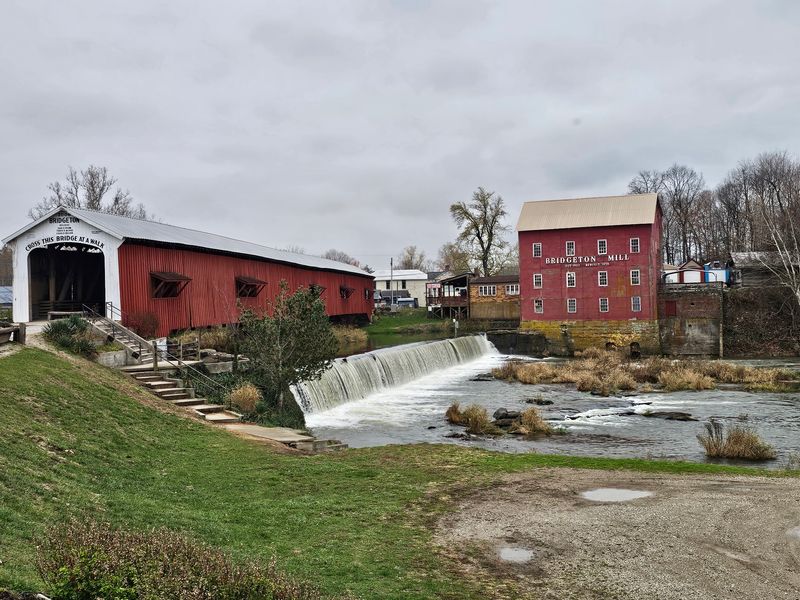
Tucked at 6564 Martin Rd in Carbon, Indiana, this landmark sits in the heart of Parke County, an area famous for having more covered bridges than almost anywhere else in the country.
The little community of Mansfield wraps around it, close to the town of Rockville, and the drive in takes you along winding gravel roads that feel pulled straight from an earlier era.
The bridge spans the water with an old mill standing nearby, and the pairing gives the whole setting a storybook quality that draws people from across the region.
Getting here is part of the fun, since the approach passes small buildings and quiet lanes that make the pace slow down naturally. Many folks describe the old town along the way as feeling like a step into a different time.
It is rated 4.6 stars across more than 1,300 pieces of feedback, which speaks to how consistently people enjoy the trip.
Whether you arrive for a quick photo or a longer wander, the location plants you squarely in classic Indiana countryside, with the bridge as the centerpiece of it all.
A Timber Crossing With Real History
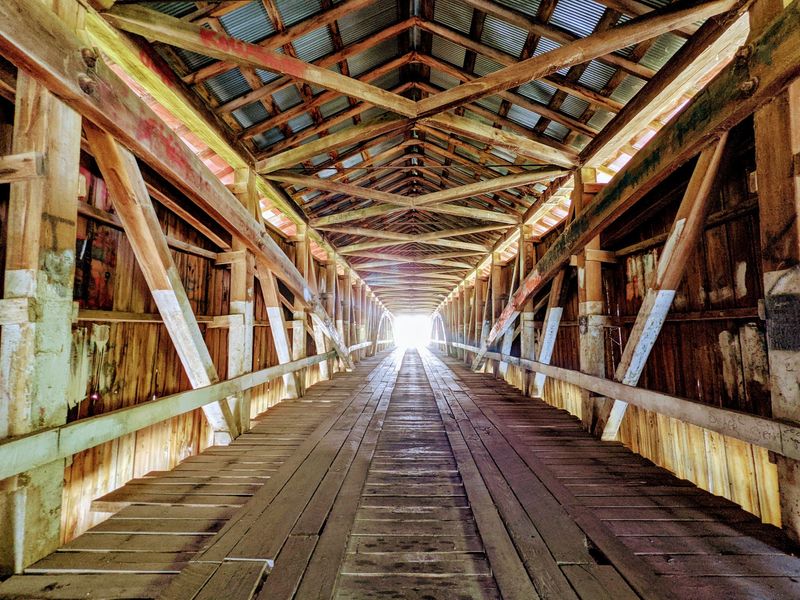
Wooden bridges like this one were built to shelter their timber framework from the weather, and that clever design is exactly why so many have lasted long enough to become landmarks.
Crossing the planks here feels like touching something older than most of the towns nearby, and the craftsmanship in the trusses and beams still holds up under real traffic.
People who ride through describe the sensation of imagining horse-drawn carriages rolling across the same boards generations ago, and that connection to the past is a big part of the appeal.
The structure remains a working bridge, not just a museum piece, which means it earns its keep every single day while also serving as a beloved photo subject.
The local community clearly cherishes it, and that care shows in how it has been kept standing and useful over the years.
History buffs and architecture fans find plenty to admire in the way the whole thing blends into its rural surroundings, quietly telling the story of how travel once worked in this corner of Indiana.
The Old Mill By The Water
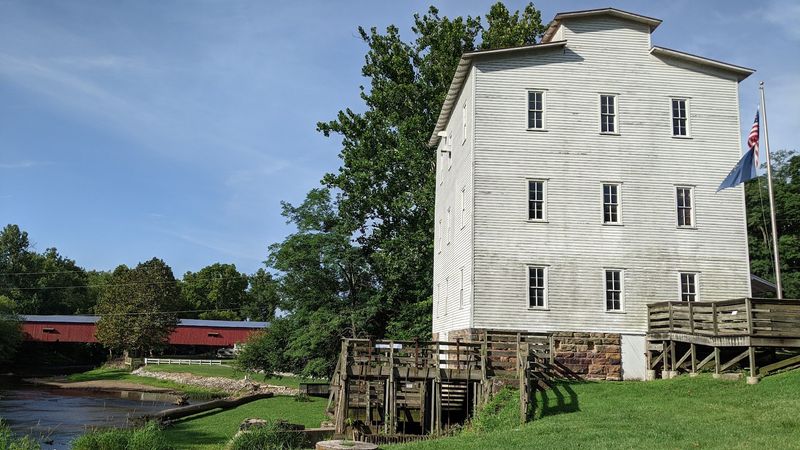
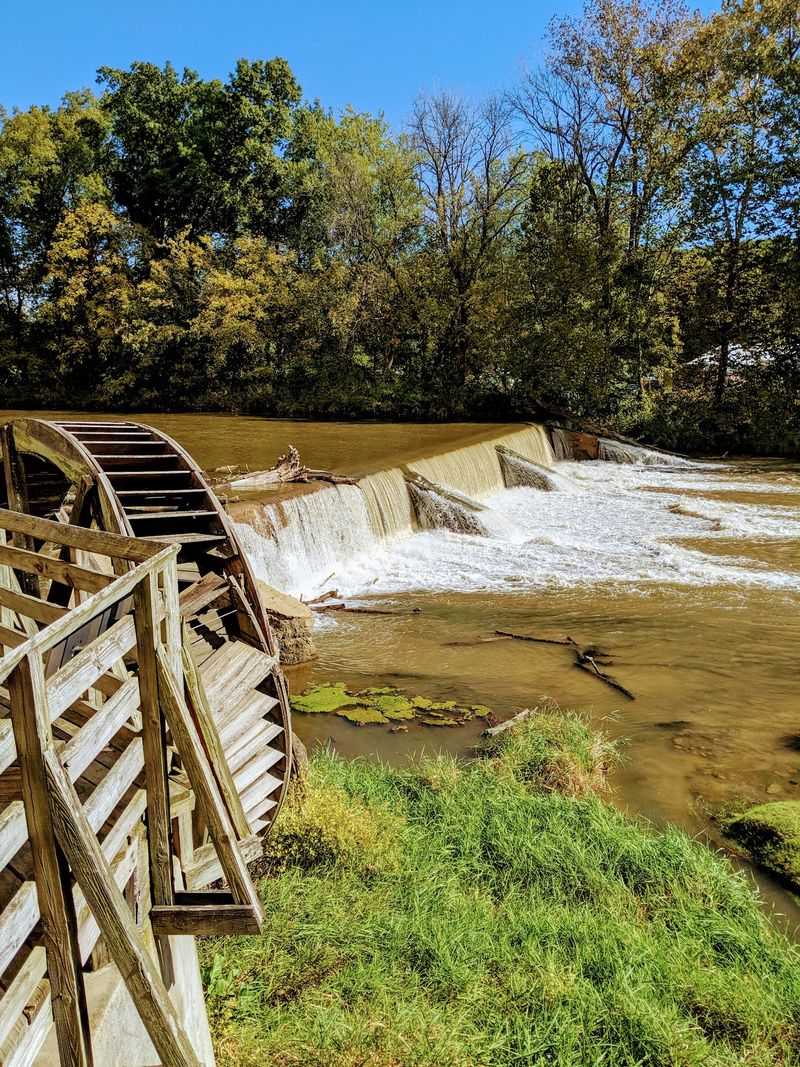
Right beside the bridge stands an old mill, and the two together create one of the most recognizable scenes in all of Parke County.
The mill grounds are pleasant to walk around, giving people a reason to linger a little longer than they might for the bridge alone.
Water running under the crossing adds a gentle backdrop to the whole area, and several folks single out that flowing water as part of what makes the spot so calming.
Even on quiet days when the vendor stalls are boarded up and the crowds are gone, the mill and bridge combination remains worth the trip for a peaceful stroll.
The pairing of the working timber crossing and the historic mill gives photographers two subjects side by side, which explains why cameras come out the moment people arrive.
For anyone piecing together a slow country loop through the county, the mill grounds offer a natural place to stretch your legs and soak up the surroundings before moving on to the next bridge.
Fall Colors That Steal The Show
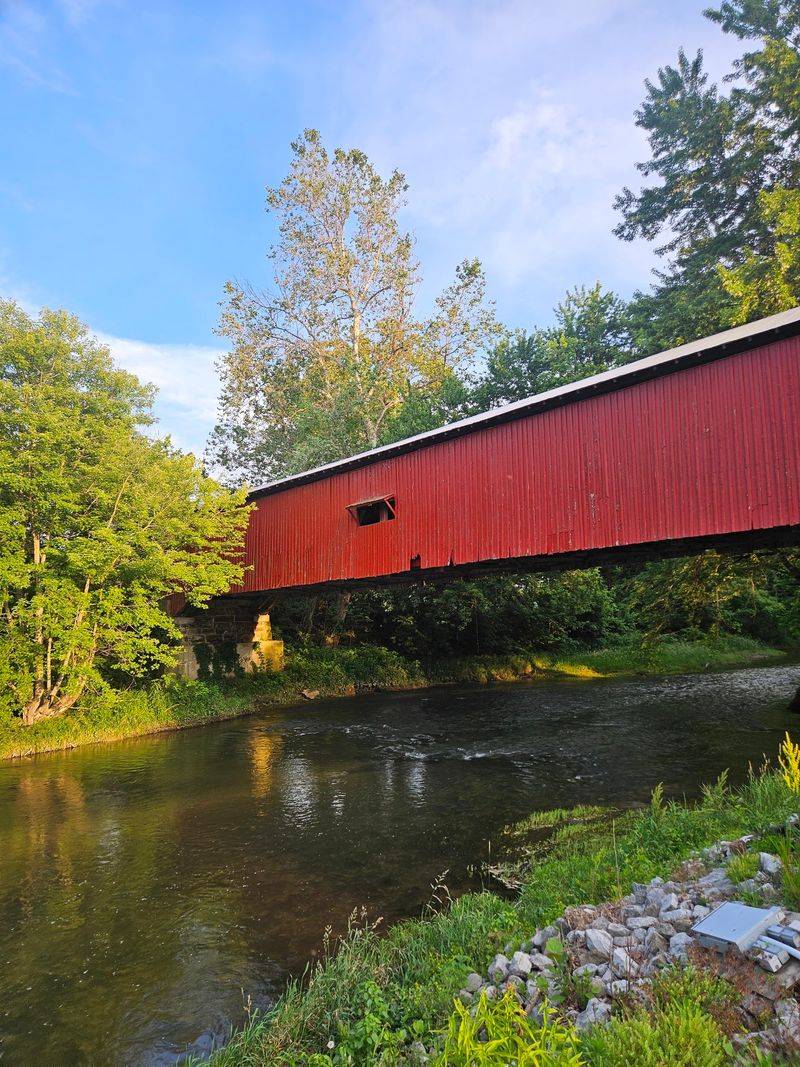
Autumn is when this bridge truly comes alive, and the timing is no accident given how the surrounding trees light up with color.
People who visit in October describe the trees exploding with brilliant shades that frame the timber crossing perfectly, turning an already pretty scene into something unforgettable.
The view of the river from the bridge takes on a whole new character when the leaves turn, and that combination of water, wood, and color is a big reason fall is the busiest season.
Regulars point to autumn as the best way to close out the season, when the countryside puts on its finest display.
The mix of the historic structure against a backdrop of changing foliage gives the setting a warmth that other times of year cannot quite match.
Still, the bridge rewards visits in every season, each one offering a different mood, so fall may be the headliner but it is far from the only good time to come.
The Covered Bridge Festival
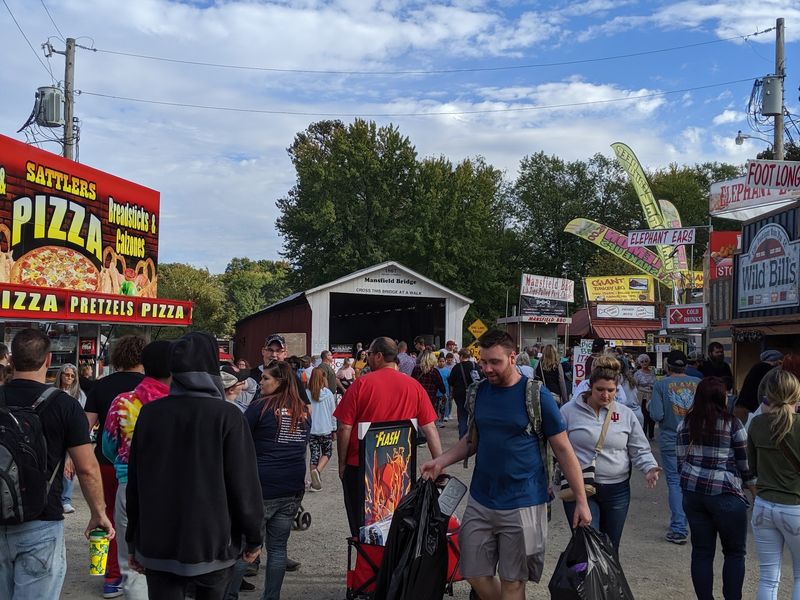
Once a year the sleepy setting transforms completely as the famous Covered Bridge Festival rolls into town, easily the most talked-about event connected to this landmark.
Loads of vendors and food stands fill the area, and the atmosphere turns lively with families browsing booths and gathering around the bridge.
The festival typically runs through late October, giving people a generous window to plan their trip around the peak of fall.
Crafts are a huge draw, with many folks finishing holiday shopping among the neat handmade goods and merch booths scattered across the grounds.
Amish stands featuring quilts, cookies, and jams earn special mention, adding a homespun touch to the shopping.
Some describe it as their yearly tradition, returning with spouses and children for several years running because the experience keeps delivering.
It does get crowded, and the festival naturally draws big numbers, so arriving early in the morning is a smart move if you want a smoother visit.
For anyone who loves browsing, shopping, and country celebrations, this event is the main reason to circle the calendar.
Food, Crafts And Country Shopping
Shopping here reaches a whole new level during festival time, when tons of food, desserts, and drinks line up alongside booths selling just about everything.
Many people come specifically to browse the merch tables, and the variety means there is genuinely something for everyone in the family.
The crafts stand out as a highlight, with handmade items that make it easy to knock out holiday gift lists in a single afternoon.
Seasoned festival-goers offer one practical tip that keeps coming up: wear your walking shoes and consider bringing or buying a cart, because you will be covering a lot of ground.
The food is plentiful but leans pricey, which folks accept as part of a once-a-year splurge worth budgeting for.
Beyond the festival grounds, the nearby town of Mansfield keeps the shopping going with small quaint stores that stock both the things you need and a few you never knew you wanted.
Pack a little patience and comfortable footwear, and the browsing becomes an event all its own.
Quiet Days And Peaceful Walks
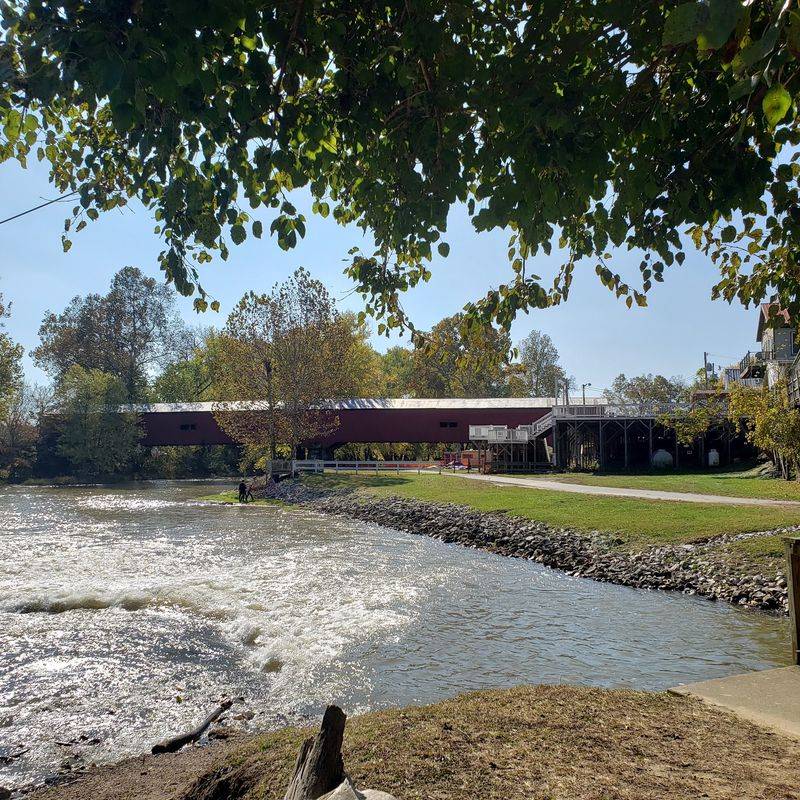
Not everyone comes for the festival crowds, and there is real charm in visiting when the stalls are quiet and the boards are empty.
Exploring without a large crowd lets you appreciate the bridge on its own terms, taking in the structure and the surrounding scenery at an unhurried pace.
The peaceful atmosphere earns steady praise, with the running water beneath the crossing adding to the sense of calm that settles over the area.
A road to the left of the bridge leads down to lovely scenery, and that route has even hosted weddings held below the timber span.
Off-season visitors often say they want to return outside festival dates to get a better, unhurried look at both the bridge and the mill.
Photographers especially enjoy these slower days, since bridge photos are fun to take and far easier without a crowd in the frame.
For a relaxing escape into rural Indiana, the quiet season may just be the sweet spot that many people overlook.
Planning Your Visit
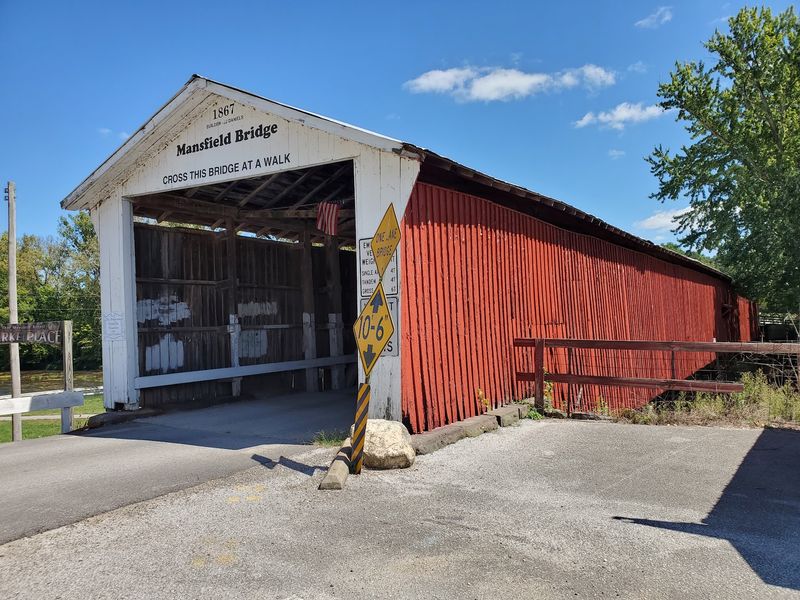
Reaching the bridge means traveling gravel roads through the countryside, so plan for a slower, scenic drive as you close in on Carbon, Indiana.
Entrance to the bridge itself is free, which makes it an easy stop to fit into any Parke County loop without stretching the budget.
During the festival, parking is available at Jim’s parking for around five dollars, a small fee for the convenience during the busiest stretch.
Cash comes in handy here, since a few folks note that cash-only situations pop up, especially among vendors.
Accessibility is better than you might expect, with handicap access described as manageable, and scooters available for rent during the festival to help everyone get around the grounds.
Expect a fair amount of walking during peak times, particularly if you park in the back rows, so factor that into your plans if anyone in your group needs extra support.
Arriving earlier in the day tends to make the whole outing smoother, giving you room to explore before the crowds thicken.
Why This Crossing Stays Worth The Trip
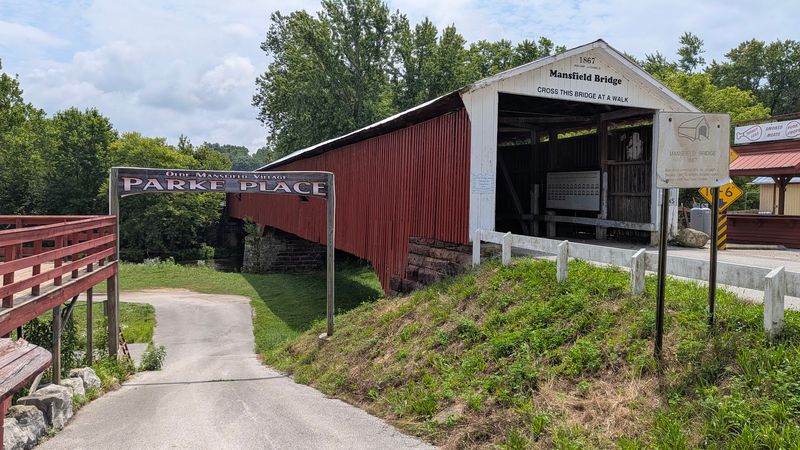
Few country landmarks manage to be a working bridge, a photo stop, a festival hub, and a peaceful retreat all at the same time, yet this one pulls it off with ease.
The strong 4.6-star standing across well over a thousand pieces of feedback tells you plenty about how consistently people leave happy.
Families build traditions around the October festival, gravel riders make it a rest point on scenic routes, and history fans come simply to admire a structure that has endured.
Each season shifts the mood, so a spring visit feels nothing like an autumn one, giving repeat travelers a fresh experience every time.
The pairing of the timber crossing and the old mill anchors the whole scene, while the surrounding town keeps the shopping and small-town charm flowing.
Whether you want a lively festival day or a quiet walk by the water, the Historic Mansfield Covered Bridge delivers a genuine slice of Parke County that keeps drawing people back.
Point the car toward those winding gravel roads, and let this classic Indiana landmark round out your fall drive.
Enjoyed this story?
Add Fast Food Club as a preferred source to see more of our reporting on Google.