


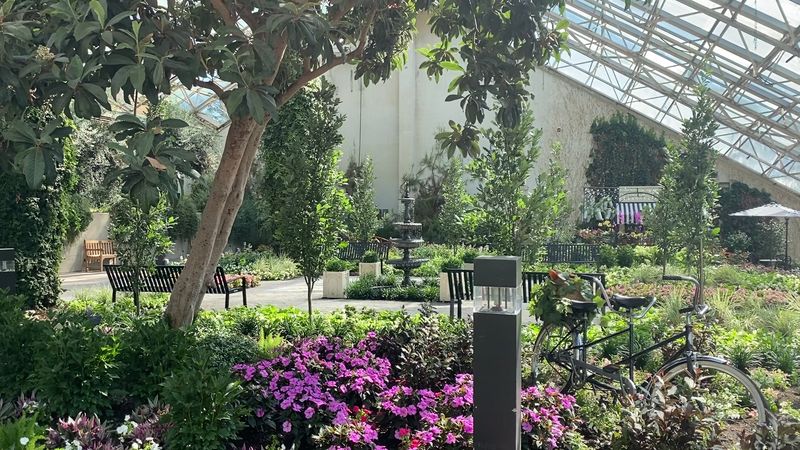
Downtown Fort Wayne hides a warm, green pocket of nature where tropical plants, desert cacti, and fluttering butterflies all live under one roof. It is the kind of stop that turns a gray afternoon into something calm and colorful, and the low admission makes it easy to swing by more than once.
Rare plants, seasonal displays, and a butterfly tent that lights up the faces of little ones are just part of the fun waiting inside. There is also a waterfall, a gift shop stocked with plants for sale, and rotating events that keep regulars coming back through every season.
Keep reading to learn where this leafy retreat sits, what makes each room special, and the practical tips that will help you plan a smooth, budget-friendly visit.
A Green Retreat In The Heart Of Fort Wayne
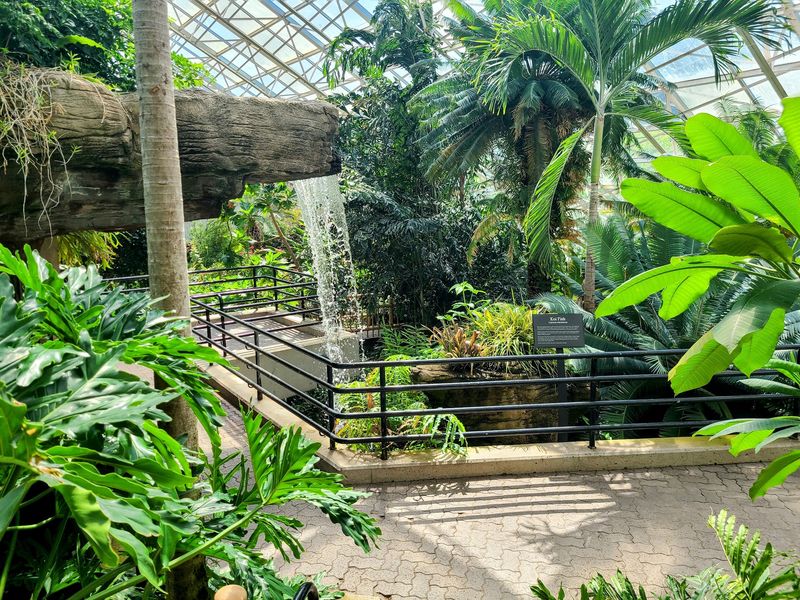
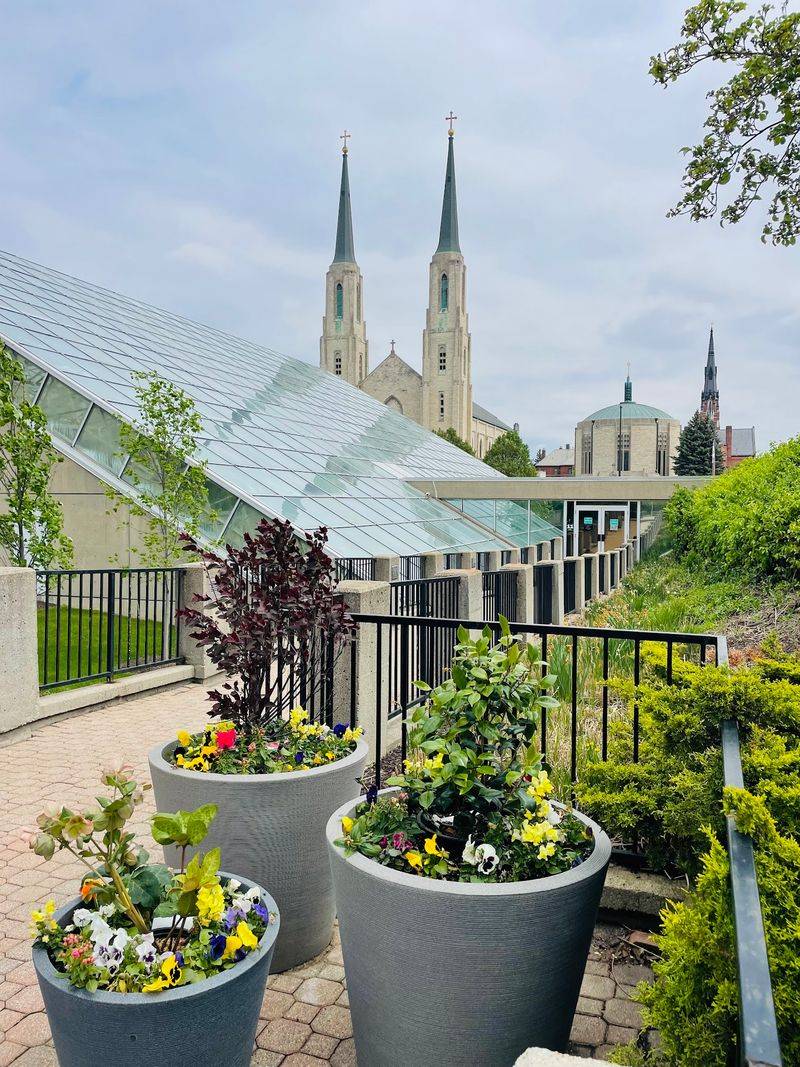
Tucked into the middle of a busy Indiana city, the Foellinger-Freimann Botanical Conservatory sits at 1100 S Calhoun St, Fort Wayne, IN 46802, within easy reach of downtown streets and parking garages.
The setup here is part garden and part learning center, described as a place for plants and hands-on education. Endangered flora and rotating displays fill the indoor and outdoor spaces.
With a rating of 4.7 stars across more than 2,400 write-ups, it has clearly earned a loyal following. Regulars often describe it as feeling calm the moment you walk in.
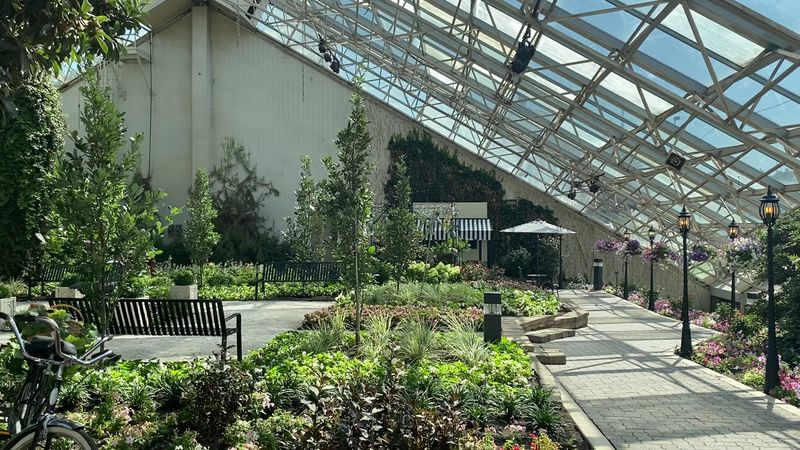
What makes it stand out is the mix packed into one compact spot. Three indoor gardens and two outdoor gardens give you tropical greenery, desert plants, and seasonal local blooms without a long walk between them.
It reads as a quiet retreat wedged into the city grid, and that contrast is a big part of the charm.
The Butterfly Tent Everyone Talks About
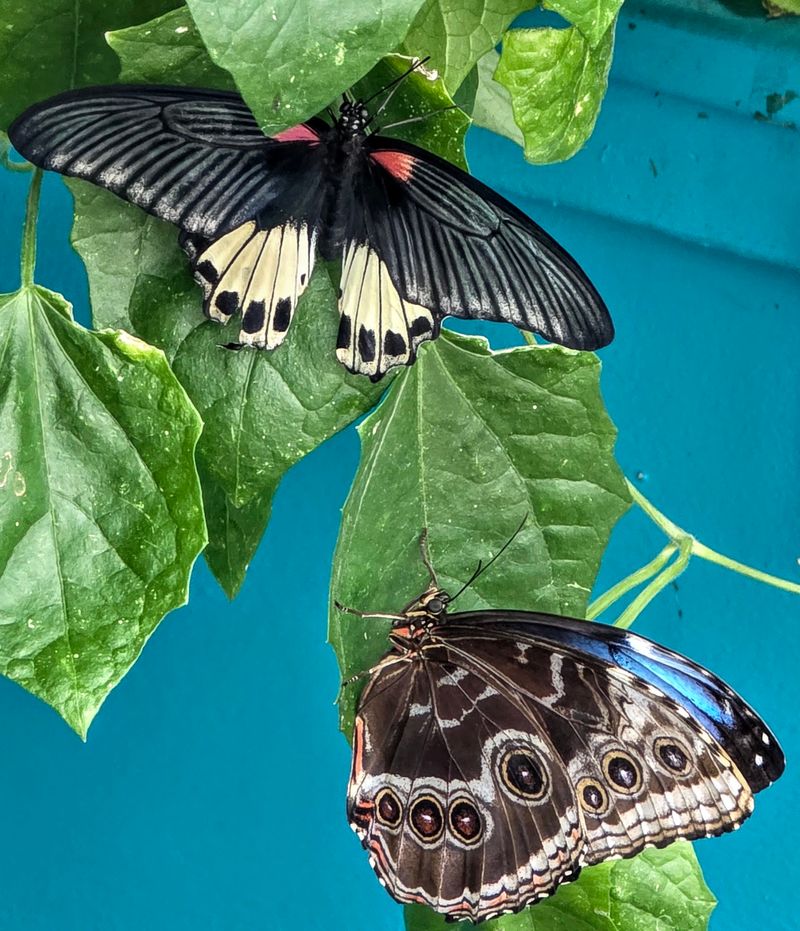
Few features here spark as much joy as the butterfly house, often billed under the name Color in Motion.
Children light up when a butterfly drifts down and lands on them, and that little moment tends to be the highlight of many visits. Parents notice it turns a simple walk into something memorable.
The tent runs warm, especially during late-summer weather, so it helps to plan for that before you step in. The line usually moves quickly, so waits stay short.
Staff working the exhibit are described as knowledgeable and genuinely serious about their work, happy to answer questions about the winged residents.
Whether you are into insects or just want to see something delightful, the butterfly tent earns its reputation as a must-see corner of the conservatory.
Desert Room Full Of Cacti And Curiosities
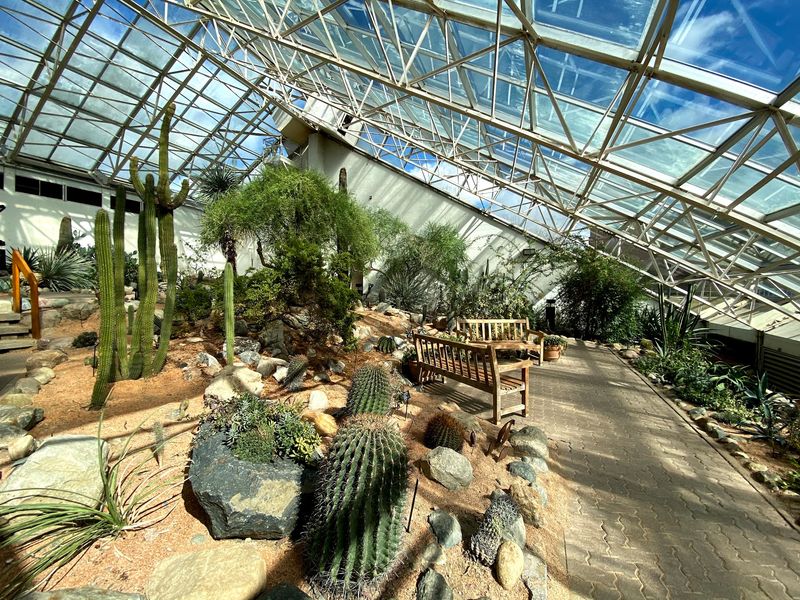
Cactus fans have a whole room to themselves here, and it is one of the most mentioned areas in the whole building.
The desert exhibit gathers spiny cacti, hardy succulents, and dry-climate plants into a warm space that feels worlds apart from the tropical rooms nearby.
It is a chance to see plant life adapted to some of the toughest growing conditions on the planet, all arranged so you can wander at your own pace.
Many of the species here are rare or non-native, part of a rotating collection that reportedly tops a hundred plant types across the conservatory.
One honest note for planning: a small portion of the desert room can be tricky to reach for anyone using a walker or wheelchair, so keep that in mind.
Even so, the desert room stands as a quiet favorite for those who love the odd shapes and stubborn beauty of arid plants.
Tropical Greenery And A Standout Waterfall
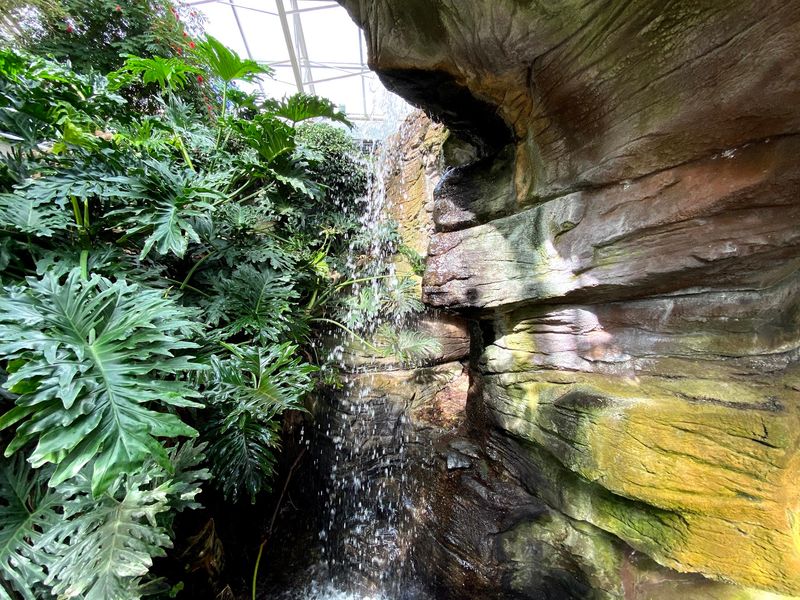
Step past the desert plants and the mood shifts into something lush and leafy in the tropical section.
Dense greenery, broad leaves, and water features come together here, and the waterfall gets called out again and again as a highlight.
The way the waterfalls are worked into the gardens adds a gentle, relaxing feel to the whole room without seeming forced.
The rainforest-style area is another spot where you can slow down and take in plants you would rarely see growing outdoors in Indiana.
Like the desert room, a section of the tropical space can be hard to navigate for wheelchairs or walkers, so plan your route if that matters for your group.
For plant lovers, this humid, green corner tends to feel like the beating heart of the conservatory.
Seasonal Displays That Keep Changing
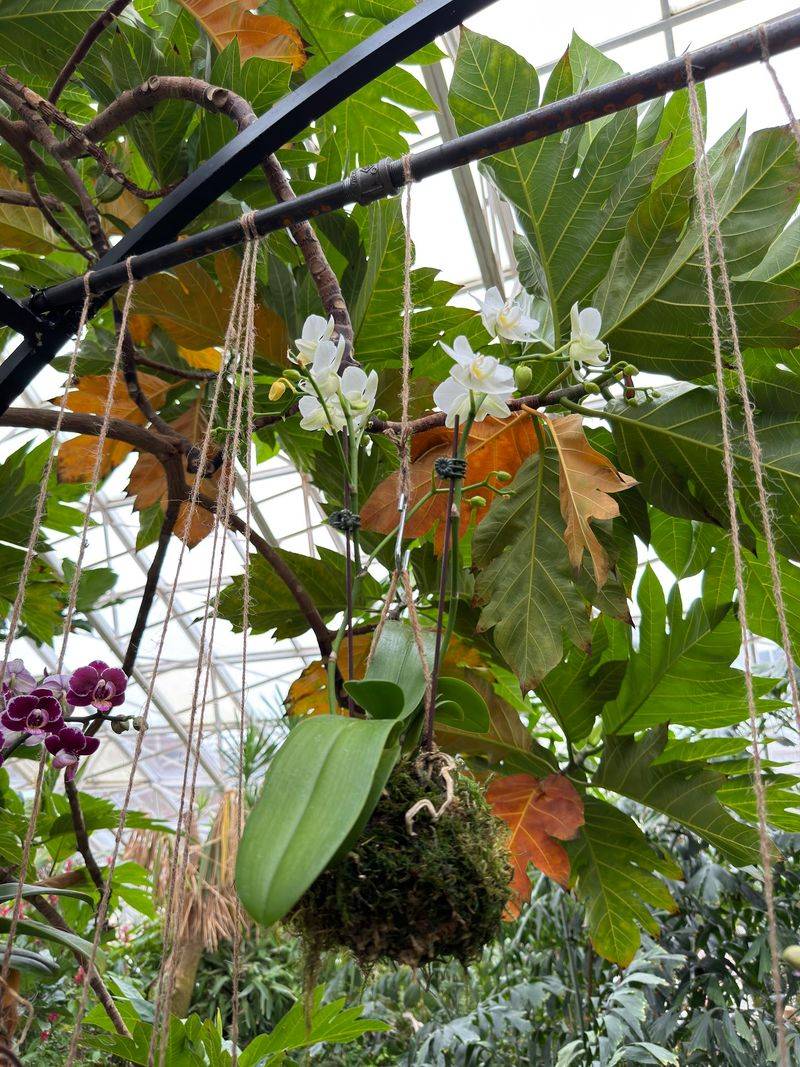
Return visitors have a good reason to keep coming back: the displays rotate with the seasons.
One trip might feature a seasonal orchid show, while another brings a jaw-dropping array of bonsai plants ranging from a cascade of yew to the tiniest maple leaves.
Special seasonal touches have included fairies visiting the gardens, complete with hidden fairy items for kids to hunt down as they explore.
Because the plants and decorations shift throughout the year, the place rarely feels the same twice. There is almost always something new blooming or on show.
That constant change is part of why regulars treat it as a spot worth revisiting rather than a one-time stop.
If you want to catch a specific display, it pays to check what is currently featured before you head over.
Outdoor Gardens And Local Blooms
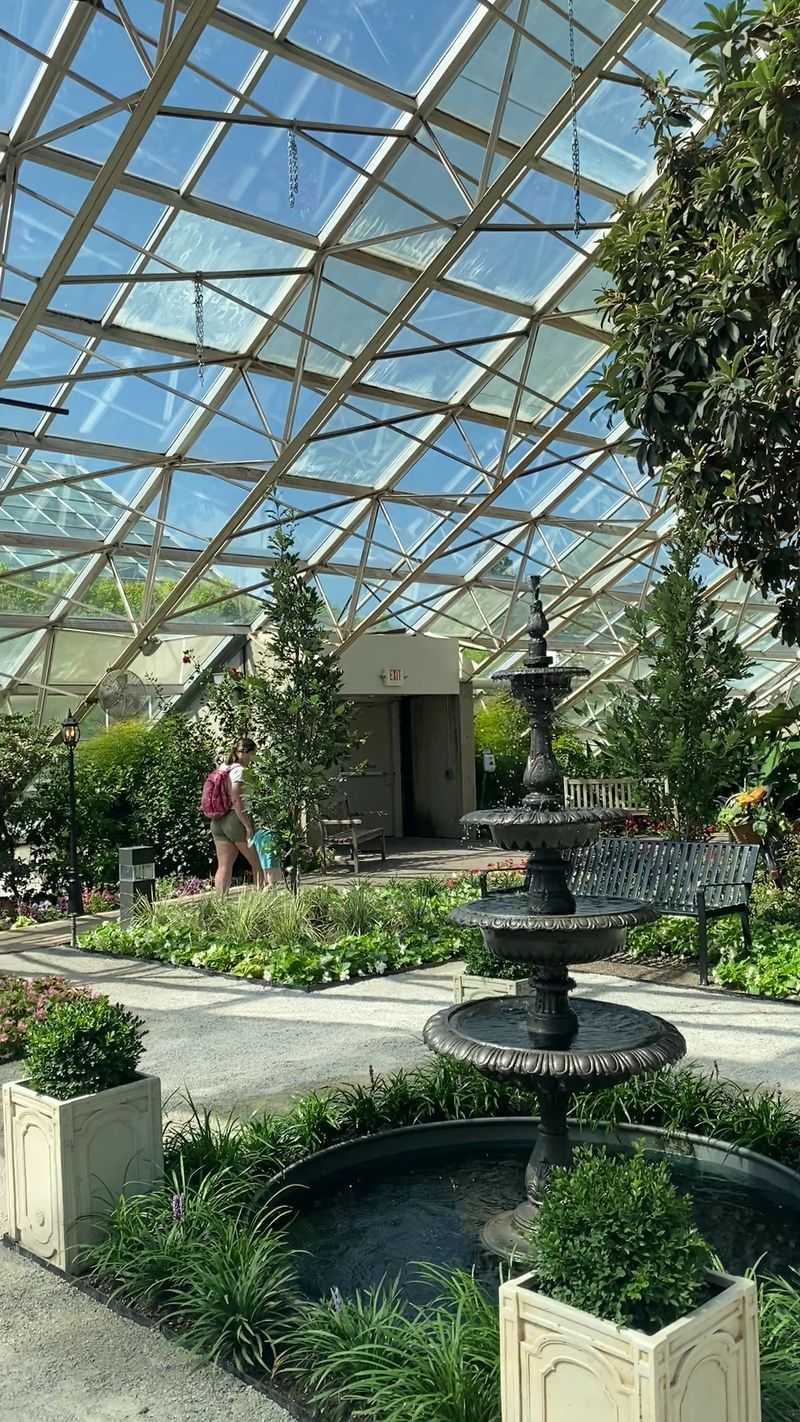
Beyond the glass rooms, two outdoor gardens round out the experience with local, seasonal plants.
These open-air spaces give a different feel from the controlled indoor climates, showcasing greenery suited to Indiana through the changing months.
The outdoor area has proven pretty enough to host weddings, with guests strolling through during receptions and admiring the setting.
Even on a regular day, the gardens invite a relaxed walk once you have finished the indoor loop.
They are a reminder that this is a true indoor-outdoor conservatory, not just a greenhouse. The variety keeps every corner interesting.
For anyone who enjoys native and seasonal plantings, the outdoor gardens are a quiet bonus worth lingering in.
A Spot For Photos, Dates, And Family Time
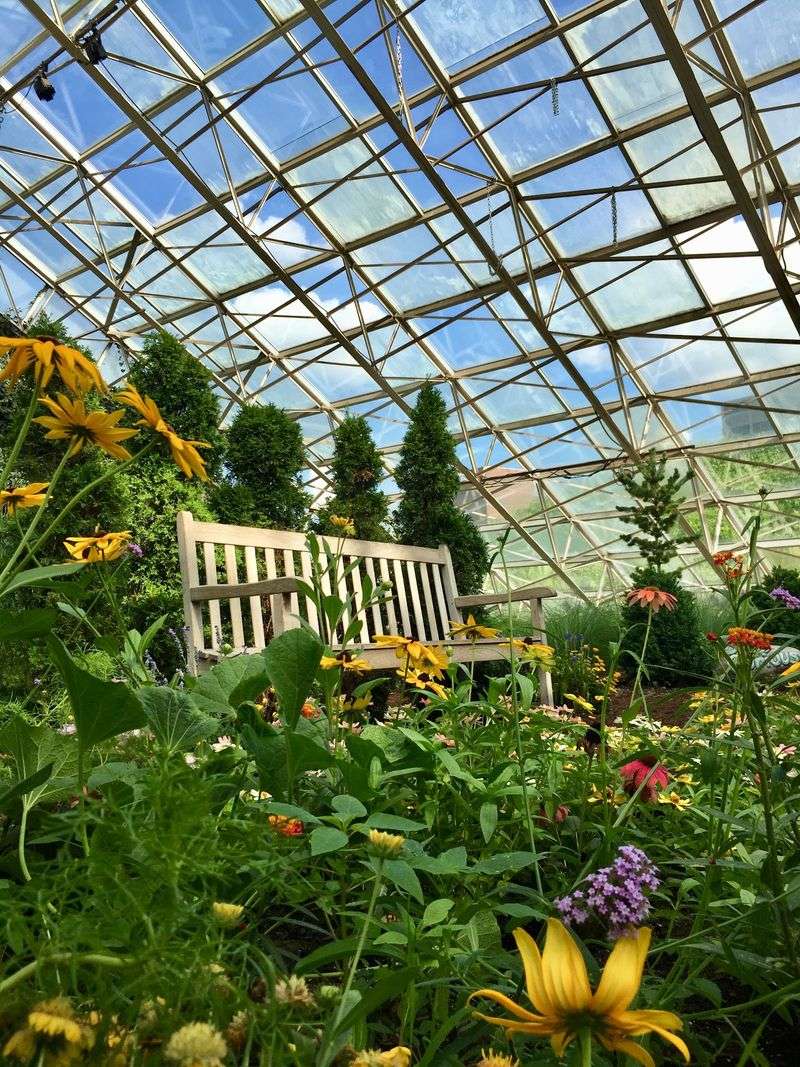
Part of the appeal here is how many kinds of visits it suits.
The conservatory works well for a quiet solo walk, a relaxed date, a family outing, or simply a break from the usual pace of the day.
It has become a popular backdrop for pictures, with colorful plants and water features making nearly every angle photo-friendly.
Little ones do great here too, especially with the butterfly tent and seasonal scavenger-style activities keeping them engaged.
Even toddlers as young as one to three years old reportedly enjoy the space, so it truly spans generations.
Clean and easy to navigate, it manages to stay engaging without ever feeling overwhelming, which is a tough balance to strike.
Gift Shop, Plants For Sale, And A Cafe
Before you leave, the gift shop is worth a browse for its wide variety of items.
Shoppers often walk out with more than they planned, and the plants for sale are described as healthy with a good selection.
It is easy to grab a small souvenir or a new houseplant to take a piece of the visit home with you.
There is also a cafe on site where you can pick up coffee, making it simple to linger a little longer.
One fair heads-up: the gift shop leans a touch on the pricey side, so set expectations if you are watching your wallet.
Between the retail plants and the tidy shop displays, it is a nice cap to the loop through the gardens.
Hours, Admission, And Getting There
Planning a trip is straightforward once you know the basics.
Admission runs about 7 dollars for adults, and a standout deal is the 1 dollar night every Thursday from 5pm to 8pm. The Visit Fort Wayne Adventure Pass is another handy option for ticketing.
Hours are 10am to 5pm Tuesday, Wednesday, Friday, and Saturday, with an extended 10am to 8pm on Thursday. Sunday runs 12pm to 4pm, and the conservatory is closed on Monday.
Most people move through the exhibits in roughly 25 minutes to two hours depending on how much you photograph and linger.
Parking is the main wrinkle: there is no lot at the facility, but nearby parking garages and street parking fill the gap, and the conservatory validates parking.
The entrance can be tricky to spot from the surrounding streets, so a little planning saves you from wandering.
With friendly staff, clean restrooms, and a low cost of entry, this downtown Fort Wayne retreat rewards both quick stops and slow, repeat visits all year long.
Enjoyed this story?
Add Fast Food Club as a preferred source to see more of our reporting on Google.