


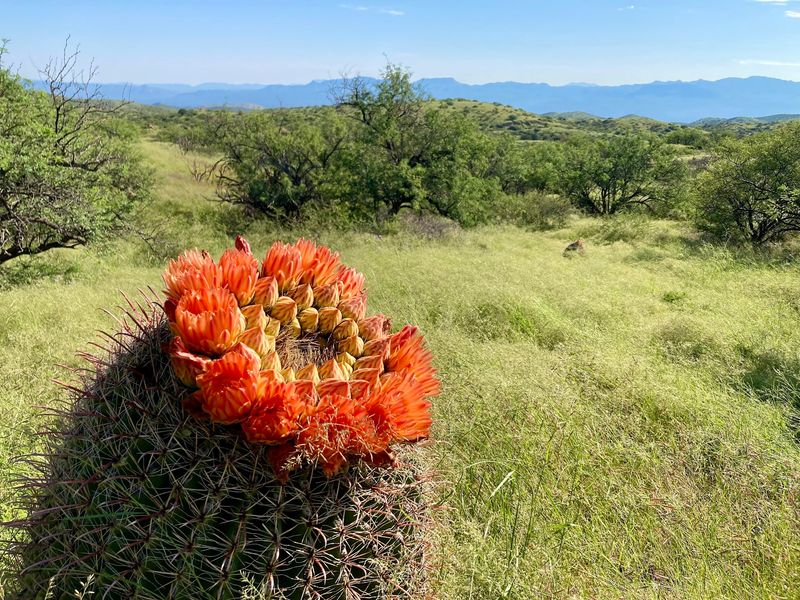
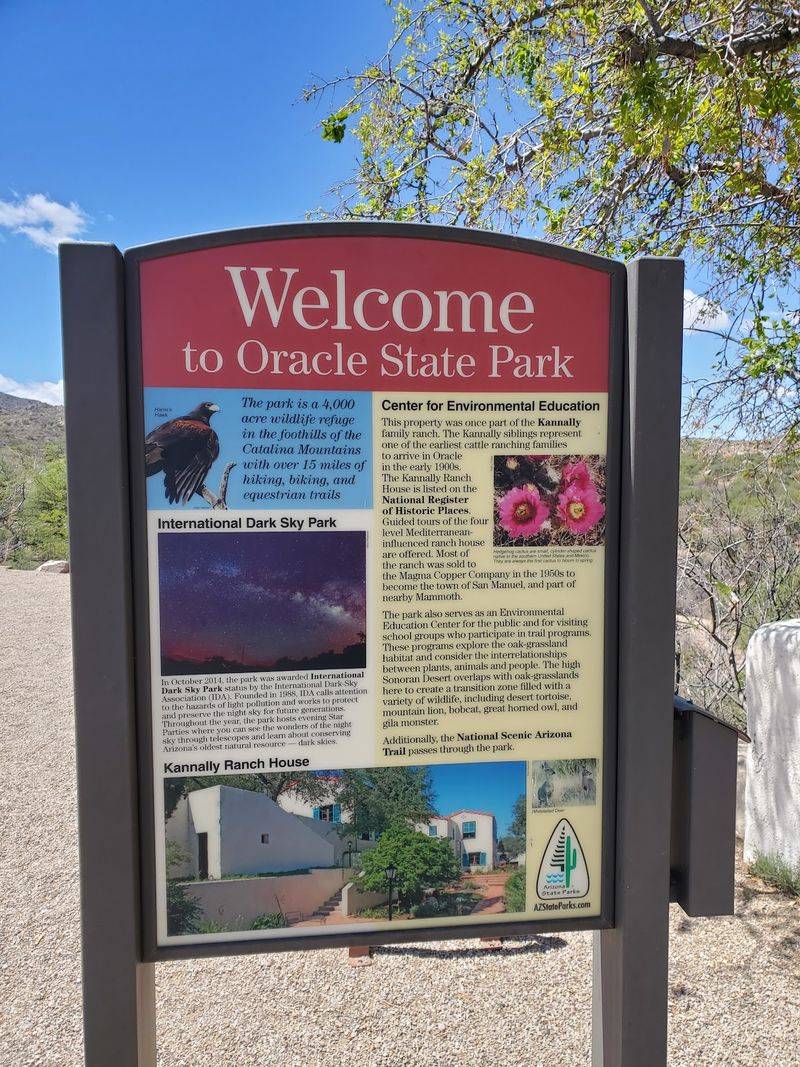
About 80 miles from Tucson sits a park where you can walk for miles and barely pass another hiker. There is a 1932 ranch house tucked into the hills, a section of the famous Arizona Trail crossing the property, and skies so dark that stargazers travel here just to spot the faintest stars in the Little Dipper.
More than 15 miles of trails wind through mixed forest and open desert, quiet enough that gray fox and white-tailed deer wander into view. This is a place that rewards slow days and curious minds.
Keep reading to learn where it is, what makes it special, and how to plan a visit that fits kids, birders, photographers, and anyone hungry for a break from busy trailheads.
Where This Quiet Refuge Hides
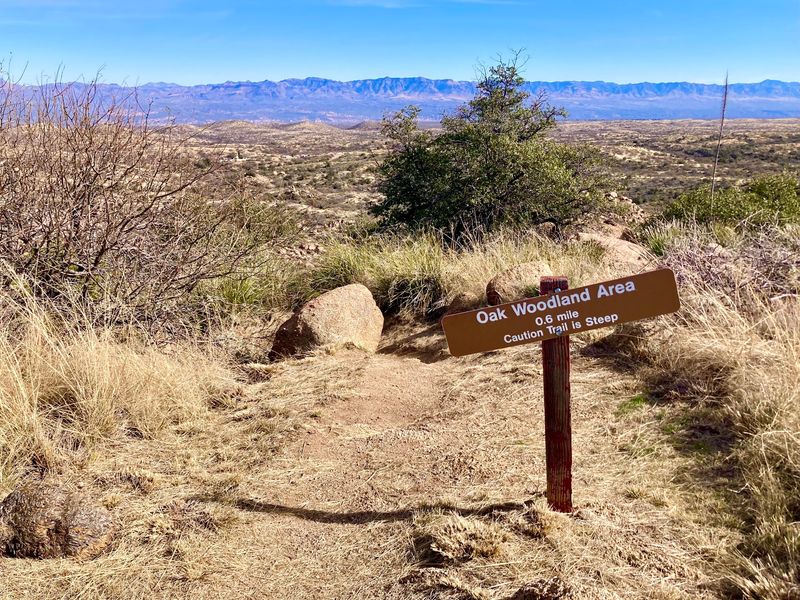
Set at 3820 E Wildlife Dr in Oracle, Arizona, this sprawling wildlife refuge holds more than 4,000 acres of forest and desert terrain rolled into one property.
The park sits at a higher elevation than nearby Tucson, which means cooler temperatures and a landscape that feels different from the desert south of the Catalina Mountains.
Locals describe it as an open, wide-spaced park with mountain views stretching into the distance. Miles of trails and shaded picnic sites give it the feel of a full day trip rather than a quick stop.
With a 4.7-star standing across hundreds of ratings, it has quietly earned a loyal following among people who prefer peace over parking lots. Many say it is one of the calmest state parks they have walked, with long stretches where the only company is birdsong.
That sense of open space is exactly what draws people back. It is close enough to Tucson for a day out, yet far enough to feel like a genuine escape from the city.
The Ranch House With A Story
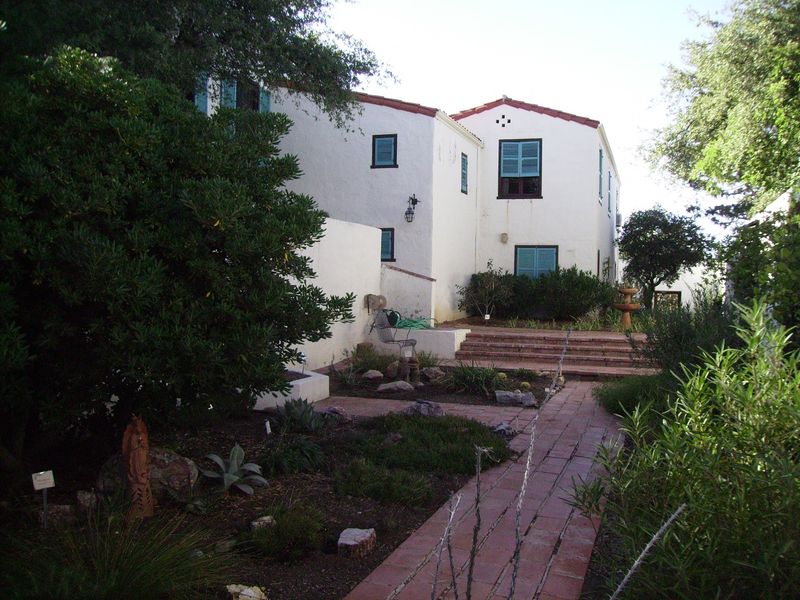
At the heart of the park stands the Kannally Ranch House, built in 1932 in a Mediterranean-Revival style that feels surprisingly grand for the desert.
The home once served as a fancy winter residence, and the family who built it later offered much of the land to a conservancy, a decision that shaped the park you can walk today.
Inside, the historic sitting rooms hold displays about the family and early 20th-century life, and the house is well maintained despite being close to a century old. People often call it the first thing worth seeing before heading out on the trails.
A small gift shop operates inside the house, along with a quiet bird watching area where guests can gather with their party.
Guided tours of the ranch house run about 45 minutes and are typically offered on Saturdays and Sundays. History fans consistently rank the house among the best parts of the whole visit.
More Than 15 Miles Of Trails
Hiking is far and away the biggest draw here, mentioned more than any other activity by people who visit.
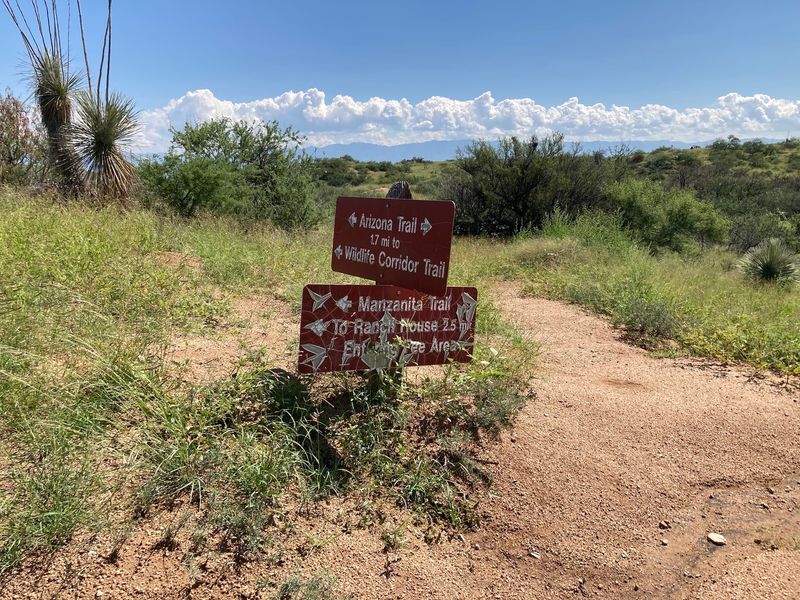
The trail network stretches over 15 miles, and you can string routes together to make a walk as short or as long as you like. A popular loop runs from the Nature Trail to the Wildlife Corridor Trail and out to a junction with the Arizona Trail, an easy out-and-back of about four miles without many steep climbs.
The Granite Loop earns special praise for its boulder views and some of the best scenery in the park.
One friendly warning: the map does not always match the ground. Several trails are lightly marked, side paths can be confusing, and a bit of backtracking is common, so it helps to stay alert at junctions.
Trails are generally wide with good visibility, which many families and hikers with reactive dogs appreciate. Bring the map, take your time, and the miles unfold at whatever pace suits you.
One Of Arizona’s Darkest Skies
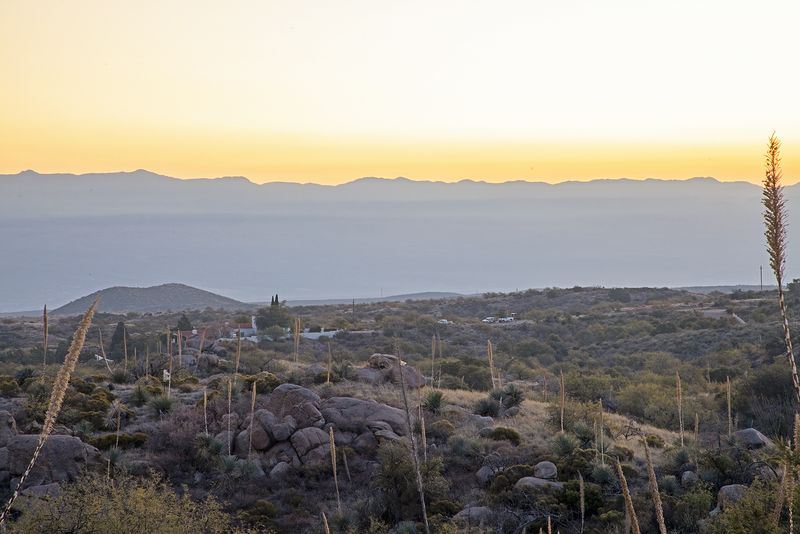
Look up after sunset and you will understand why this became the first state park in Arizona to earn recognition from the International Dark-Sky Association.
Stargazers travel here for the clarity, and on dark nights you can pick out every star in the Little Dipper, a sign of truly dark skies.
The park hosts dark sky viewing events where many telescopes are set up, and even lying back to watch the stars with the naked eye leaves people impressed. Some evenings pair the viewing with a concert beforehand.
There is also a Storytelling Sky Tour that regulars single out as one of the most interesting events on the calendar.
For those who want to stargaze on their own, the American Avenue trailhead parking spot is often recommended as the best area, and the gate there stays open. Star parties at night sometimes require calling ahead to book, so it is worth checking the schedule first.
Wildlife Around Every Bend
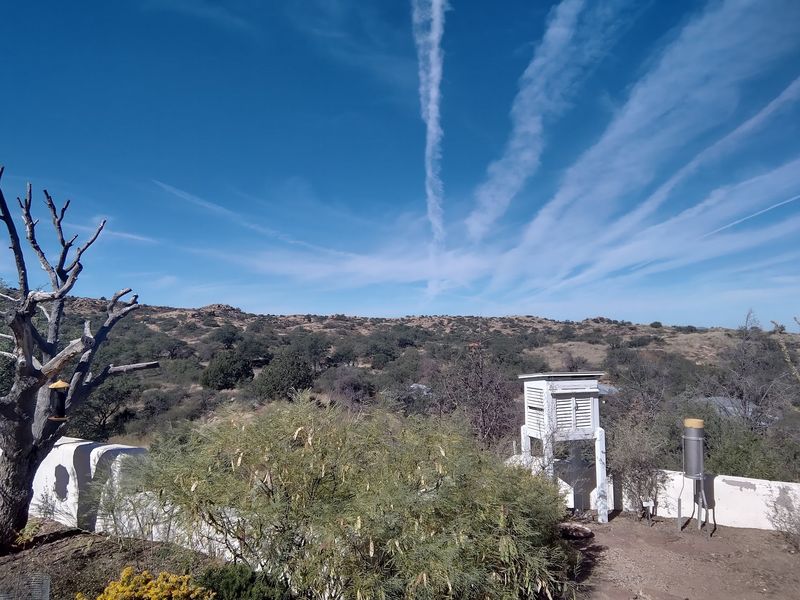
Named a wildlife refuge for good reason, the park gives patient walkers a real chance at animal sightings.
Along the quieter trails people have spotted gray fox and white-tailed deer, plus plenty of birds throughout the day. Bird watching comes up often, and goldfinches gather at the feeder set up in front of the ranch house.
The shaded porch of the historic home doubles as a comfortable perch for watching many species come and go without walking a step.
Because the park stretches across warm desert terrain, snakes and lizards are part of the picture too. Rattlesnakes can hide among the boulders and brush, so staying aware on the trail is smart, especially in warmer months.
Not every visit delivers a fox or deer, and some winter walks turn up mostly birds. Still, the mix of open sightlines and varied habitat makes the park a rewarding spot for anyone who likes watching for movement in the landscape.
The Self-Guided Geology Trail
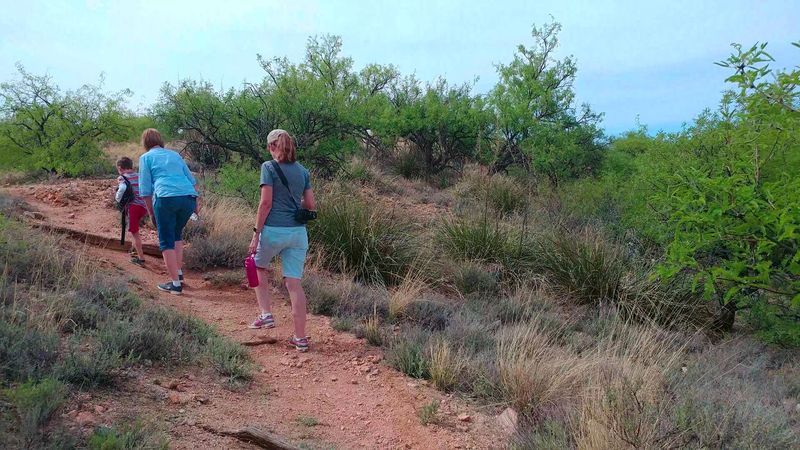
Rock fans have their own route here in the form of a self-guided geology trail.
Numbered markers line the path, and you can grab a printed map at the trailhead or download the map and information to your phone before you set out.
The trail was developed with the help of the park geologist, and guided geology tours have run at the park as well, giving curious hikers a chance to learn how the land came to look the way it does.
The route is easy and family-friendly. A short version starting near the group area passes markers one through three, crosses the Kannally wash shortcut, and loops back, a walk gentle enough for kids around age two during mild weather, though it is walking only with no strollers.
Opinions on the scenery vary, with some finding the geology trail modest compared to the boulder-rich Granite Loop. As a low-effort way to learn while you walk, though, it fits neatly into a longer day.
Rangers Who Make The Day Better
Friendly, knowledgeable staff turn up again and again as a highlight of the park.
Rangers at the front desk are quick to help, and one regularly points day-trippers toward the short interpretive trail and the old cattle corral area for a good first look at the park.
Guided programs are where the crew really shines. Photography hikes led by a ranger have earned warm praise, with guests coming away happy with their pictures thanks to hands-on help.
Night photography classes run too, giving hobbyists a chance to practice shooting the dark sky with expert guidance close by.
The park geologist has led informative geology tours, and staff throughout the grounds are described as approachable and easy to talk with.
One practical note: on some days a single ranger may be staffing the gift shop, so do not expect a guide at every trail junction. The warmth of the people here, though, leaves a lasting impression on nearly everyone who stops in.
Picnic Spots And Shady Ramadas
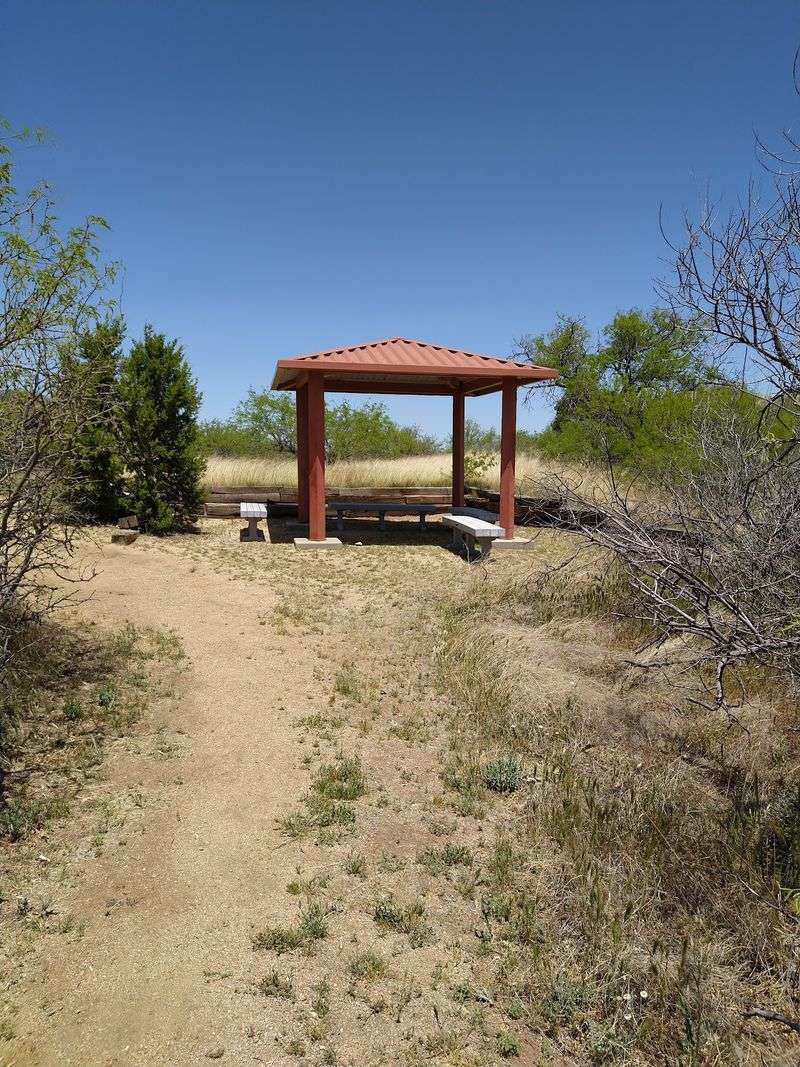
Between hikes, the park makes it easy to settle in and rest.
Picnic areas and covered ramadas dot the grounds, giving families a place to spread out a lunch or simply escape the sun for a while.
Several pavilion and seating areas double as gathering spots for breaks or as meeting points before guided tours head out on the trails.
The setup suits groups well. There is room to pause, regroup, and plan the next stretch of trail without feeling rushed.
Clean restrooms are available at the parking lot and along the trails, and people consistently note how well maintained they are. The landscaping around the natural areas, full of trees and boulders, adds to the relaxed feel.
It is the kind of layout that turns a quick walk into a leisurely outing. Pack a lunch, claim a shaded table, and let the day stretch out at its own easy pace.
A Slice Of The Arizona Trail
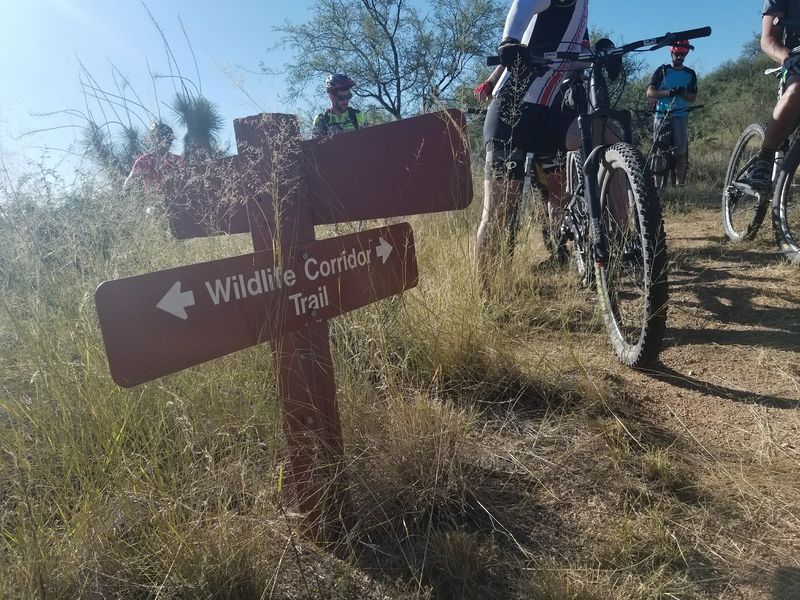
Long-distance walkers get a special treat here, because a section of the famous Arizona Trail crosses the park.
That connection turns Oracle into a meaningful waypoint for anyone tracing the state’s iconic route, and it links the park’s own trails to something much bigger.
One favorite way to sample it starts on the Nature Trail, continues onto the Wildlife Corridor Trail, and reaches a junction with the Arizona Trail, adding up to a pleasant four-mile out-and-back with wonderful views and gentle terrain.
The lack of steep climbs on that stretch makes it approachable for a wide range of hikers, not just seasoned backpackers.
Mountain bikers have their eye on the park too, with several planning return trips to ride the trails, though opinions on the biking are mixed.
Being able to step onto a nationally known trail without any fuss is a quiet bragging right for a park this peaceful. It gives even a casual afternoon walk a sense of connection to the wider Arizona backcountry.
Weekend Events Worth Planning Around

Timing your visit for a weekend can unlock a whole extra layer of the park.
Throughout the year the calendar fills with events, from outdoor experiences on weekends to specialty gatherings that draw people from well beyond Oracle.
A Reptile Expo has brought crowds in, with guests exploring the ranch house between activities and leaving eager to return. Dark sky viewings, storytelling sky tours, and ranger-led photography sessions round out a busy schedule.
The ranch house tour itself is a weekend affair, offered on Saturdays and Sundays and lasting about 45 minutes.
Because so much happens on weekends, a weekday visit will be quieter but may miss the guided tours and special programs entirely. Checking the schedule ahead of time helps you match the trip to what you want most.
For families especially, these events add structure and fun to a day outdoors. The variety keeps the park feeling fresh, which is why so many people talk about coming back for the next thing on the list.
Hours, Fees, And Smart Planning
A little planning goes a long way at this park, starting with the schedule.
The park runs from 6 a.m. to 3 p.m. every day of the week, so early starts pay off and late arrivals will feel the clock. Entry costs $10 per car for one person or $20 for two to four people, and you pay at the gift shop rather than the front gate.
Keep in mind the gift shop may open later in the day, so time your visit if you want to browse or buy the parking pass there.
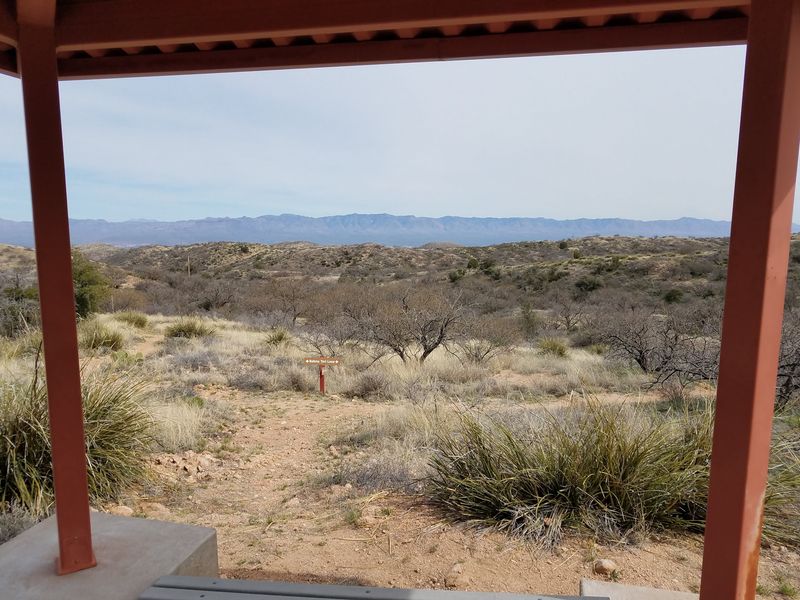
Elevation shapes the experience too. The park sits higher than Tucson, so temperatures run cooler and wind can pick up, making a warm layer a smart addition even on sunny days.
Free admission has been offered to Arizona residents on certain holidays, such as past MLK Day observances at all state parks.
Families should ask a ranger for the kids’ activity pamphlet and return it later to earn a yellow badge, a small touch that makes the trip memorable for young hikers.
Why This Park Earns A Return Trip
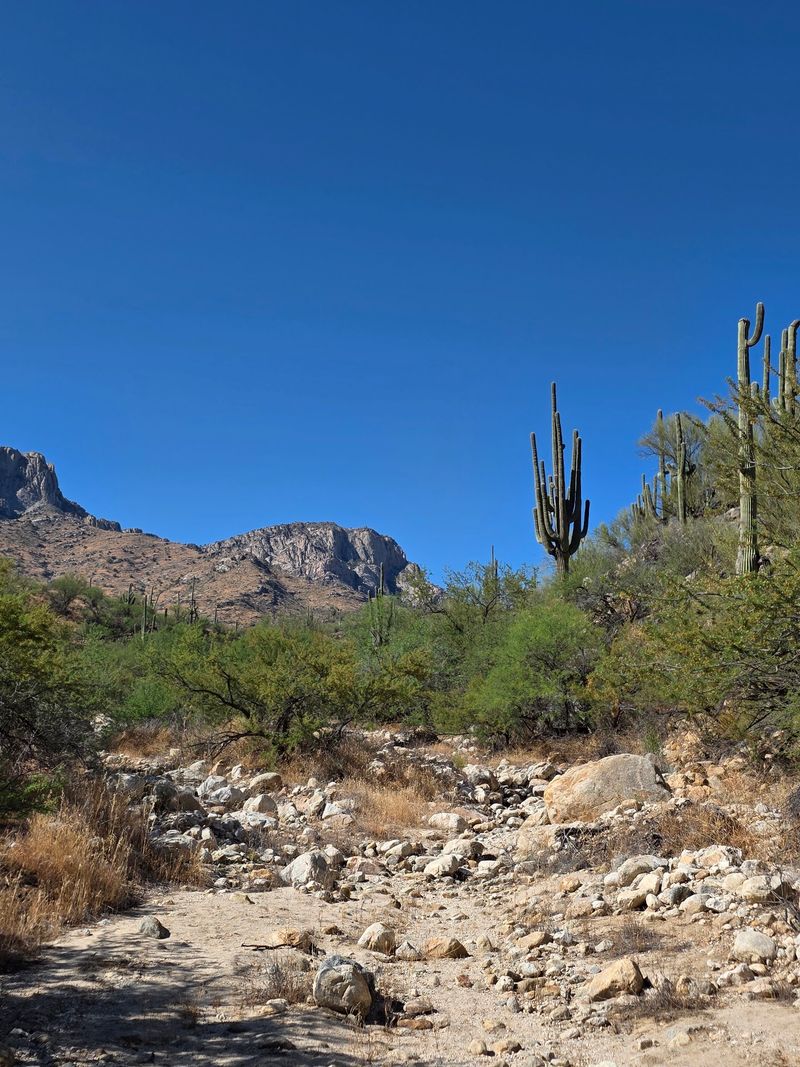
Peaceful, uncrowded, and full of small surprises, this park rewards the kind of traveler who likes to take it slow.
The mix of forest and desert terrain, the 1932 ranch house, the dark skies, and the miles of flexible trails give it a range that few quiet parks can match.
People who live nearby often say they could see themselves coming back regularly, and even first-timers from far away leave planning a second trip, sometimes with a dog or a mountain bike in tow.
It is worth remembering that many trails do not allow dogs, so pet owners should check the rules before packing the leash.
Nothing here shouts for attention, and that is precisely the appeal. The vast landscapes, the friendly staff, and the sense of space make it feel like a hidden corner of Arizona that has kept its calm.
For anyone tired of jostling for a trailhead spot, Oracle State Park offers a genuine breath of quiet and a reason to keep coming back.
Enjoyed this story?
Add Fast Food Club as a preferred source to see more of our reporting on Google.