


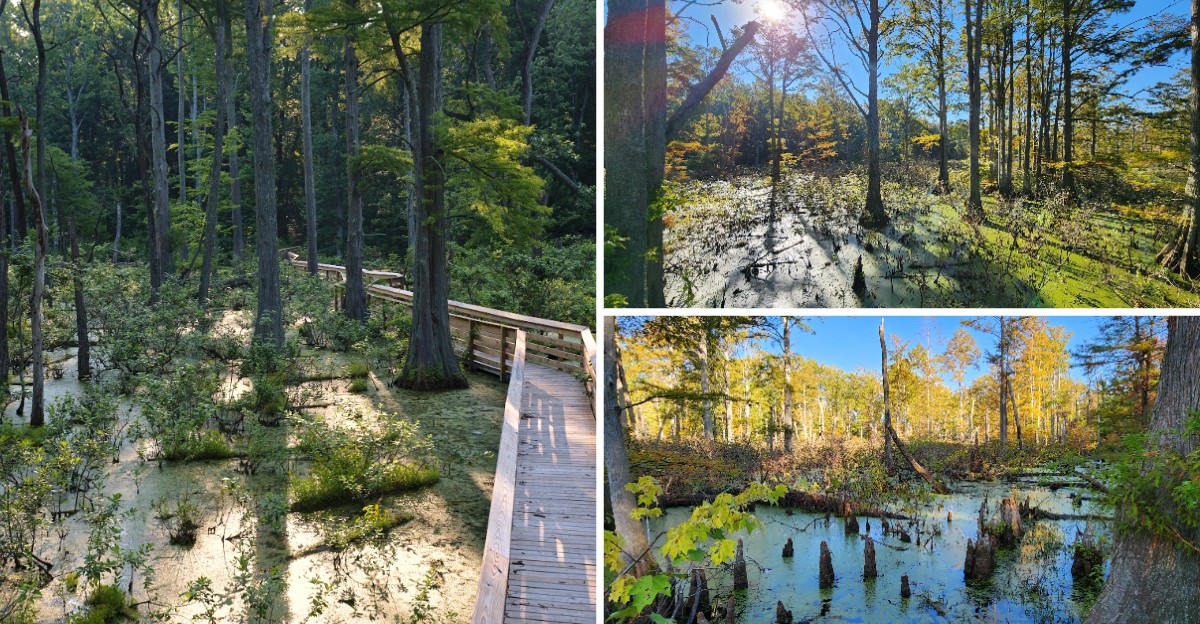
Tucked into the far southwestern corner of Indiana sits a swampland that feels like it wandered up from the Deep South and decided to stay. Bald cypress trees rise straight out of dark water, their knobby knees poking up like little wooden statues, and boardwalks let you walk right into the middle of it all.
This is one of the northernmost cypress swamps in North America, and most days you might have the whole place to yourself. Bird calls, frogs, and the quiet crunch of gravel roads are your only company.
It is easy, flat, and short enough for kids, yet strange enough to make you forget which state you are standing in. Here is everything worth knowing before the gate opens.
Where Indiana Turns Into Bayou Country
Down a series of gravel roads near Mt Vernon, Indiana, the land quietly shifts from ordinary farm country into something far more unexpected. The full address is Raben Rd, Mt Vernon, IN 47620, and mapping apps will guide you straight to the trailhead without any drama.
What waits there is Twin Swamps Nature Preserve, a protected pocket of true swampland managed by the Indiana Department of Natural Resources. Cypress trees grow here near the very top of their natural range, which is why the place feels so out of step with the rest of the Midwest.
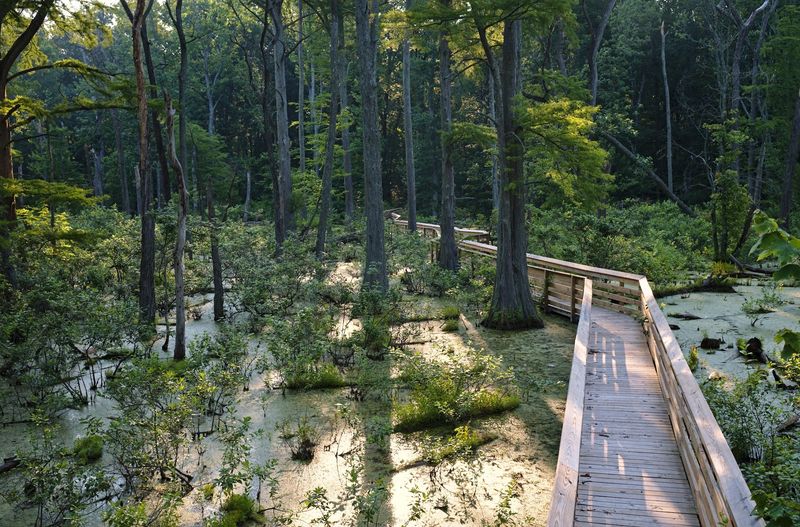
The preserve runs roughly 1.6 miles of trail, most of it flat and threaded with boardwalks that carry you over the wet ground. A viewing platform looks out across the water, giving you a front-row seat to the swamp itself.
Getting there means committing to some gravel driving, but the parking lot is ample and easy to find. Regulars mention often having the entire preserve to themselves, which makes the arrival feel a little like discovering a secret.
A Swamp That Ended Up This Far North
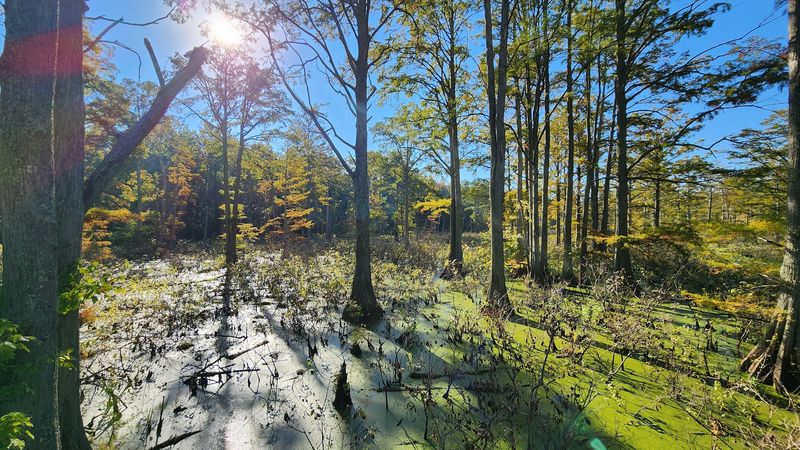
Ecologists get a little excited about Twin Swamps, and for good reason. The bald cypress swamp here counts among the northernmost of its kind on the continent, which puts it in rare company.
Right alongside it sits an overcup oak swamp, another species pushing close to the northern edge of its range. Two distinct wetland habitats sharing one small preserve is exactly how the place earned its name.
Many of the plants growing here live near their northern limit, packed into a surprisingly accessible space. That combination of the unusual and the easy-to-reach is what sets the preserve apart from more typical Indiana woodlands.
People who grew up nearby recall the preserve opening in the late 1980s, and restoration work has continued in the years since. It stands as a small, stubborn piece of protected nature that has resisted being turned into anything else.
Seeing cypress trees rooted in dark water this far up the map genuinely catches people off guard. For anyone curious about how ecosystems bend the rules, few spots make the lesson this simple to visit.
Boardwalks That Keep Your Boots Above The Water
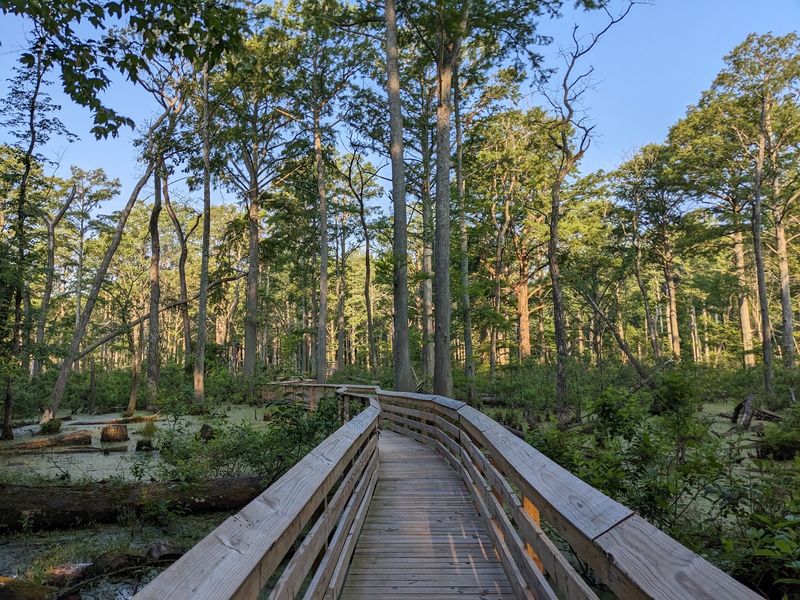
The boardwalks are the backbone of the whole experience, and they have seen recent upgrades. Fresh wooden decks now carry walkers over the soggiest stretches, keeping the muck at a comfortable distance.
Elevated planks come into their own when the water runs high, letting you cross sections that would otherwise be impassable. Even a couple of days after heavy rain, the trail can stay walkable with only the occasional squishy spot.
Not every plank connects perfectly, though, and honesty matters here. During flooding, some segments can feel sporadic, and there have been stretches closed off after fallen trees damaged the structures.
Where the boardwalks do run, they give the trail a distinctive feel that ordinary dirt paths simply cannot match. You will step up and down from the decking now and then, so a bit of attention keeps things smooth.
The overcup oak trail tends to have fewer of these step-ups, making it the gentler of the two routes. Between them, the wooden walkways turn a wet, wild place into somewhere you can actually explore.
The Knees That Poke Out Of The Water
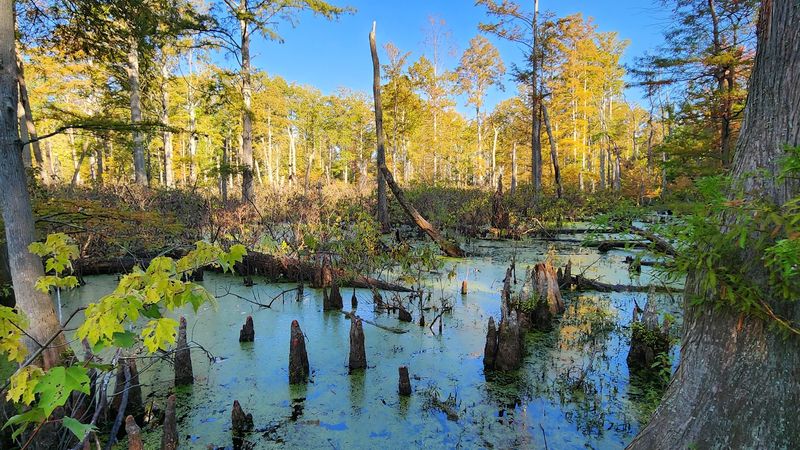
Cypress knees are the signature oddity here, and they never fail to draw attention. These woody projections rise straight out of the ground and water around the base of the trees, looking like a scattered crowd of little sculptures.
They give the swamp its otherworldly character and are one of the details people mention loving most about the place. When the water sits low, whole clusters of them emerge into full view.
The cypress trees themselves stand tall and strange, unlike anything else growing in the state. That contrast is exactly why folks who happen to be in the area make the detour.
Sometimes the swamp dries out and the knees stand in open mud rather than water, which changes the whole scene from visit to visit. No two trips ever look quite the same.
For anyone with a camera and a little patience, the knees offer endless framing options. They are the small, quirky wonders that make the whole detour worthwhile.
A Short Loop That Packs In Two Habitats
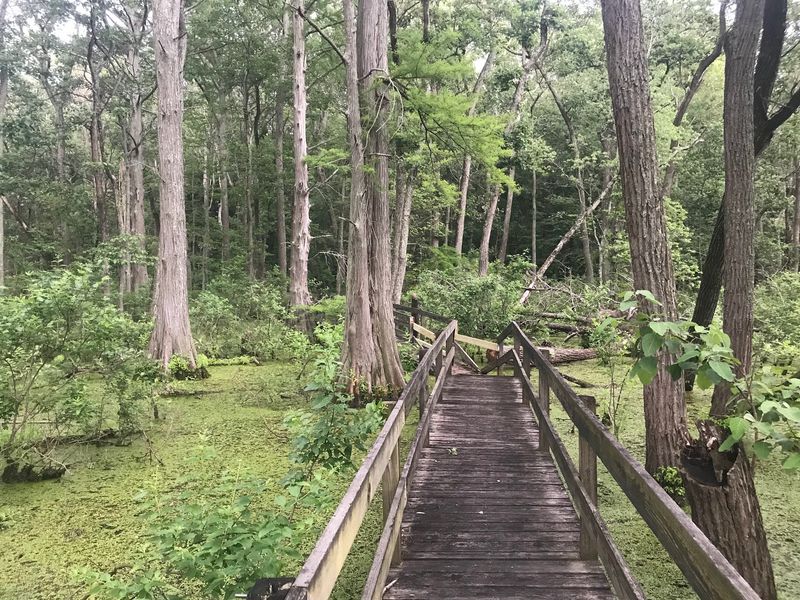
Trail planning here stays refreshingly simple. The Cypress Slough and Overcup Oak trails link together near both the start and the end, forming a tidy loop that shows off both swamps in one outing.
The whole circuit typically takes somewhere between 45 minutes and an hour if you walk the full loop. That makes it an easy fit for a morning stroll rather than an all-day trek.
Flatness is the trail’s best friend. There are no hills to fight, just level ground broken up by the occasional step onto and off the boardwalks.
Trail markers guide you through the sections where the path grows a little overgrown, so keeping an eye out for them matters. In certain spots the trail can be faint, and paying attention keeps you on course.
An observation deck sits at the cypress swamp end, though there is no matching overlook at the overcup oak slough. Compact, connected, and forgiving, the loop is built for wandering without worry.
Birds, Frogs, And The Occasional Bald Eagle
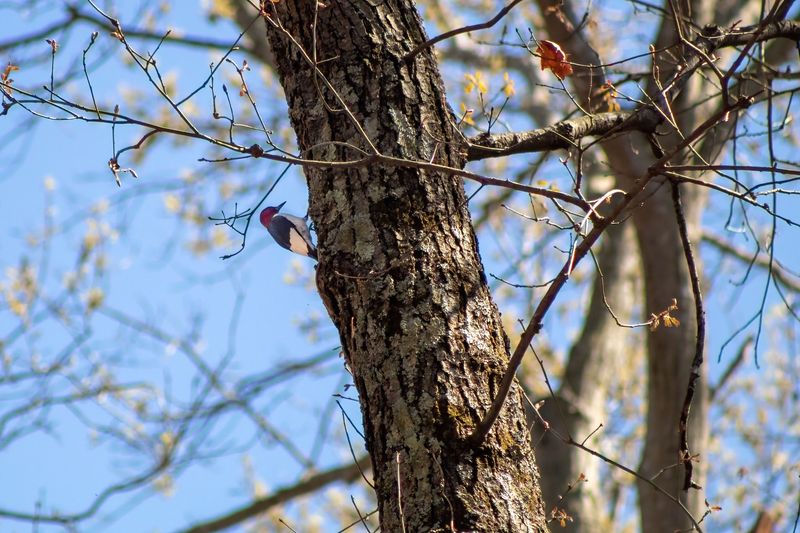
Wildlife watchers tend to leave Twin Swamps grinning. Bald eagles turn up here, and spotting one soaring over the water counts among the preserve’s biggest thrills.
Deer move through the surrounding woods, and the swamp itself hums with frogs and toads, some of them wonderfully odd-looking. Even on a trip cut short by flooding, the frog and toad sightings alone can carry the day.
Birdlife is genuinely abundant, with many species making the preserve a rewarding place to raise a pair of binoculars. Anyone serious about bird watching would do well to pack them.
Wildflowers add another layer, blooming along the trails and drawing in the kind of quiet, patient nature lovers who enjoy stopping to look closely. Springtime brings a scattered display of them across the ground.
Because the preserve sees so little foot traffic, the animals here go about their business undisturbed. That solitude is precisely what makes the wildlife encounters feel so genuine.
Come Prepared For A Real Swamp
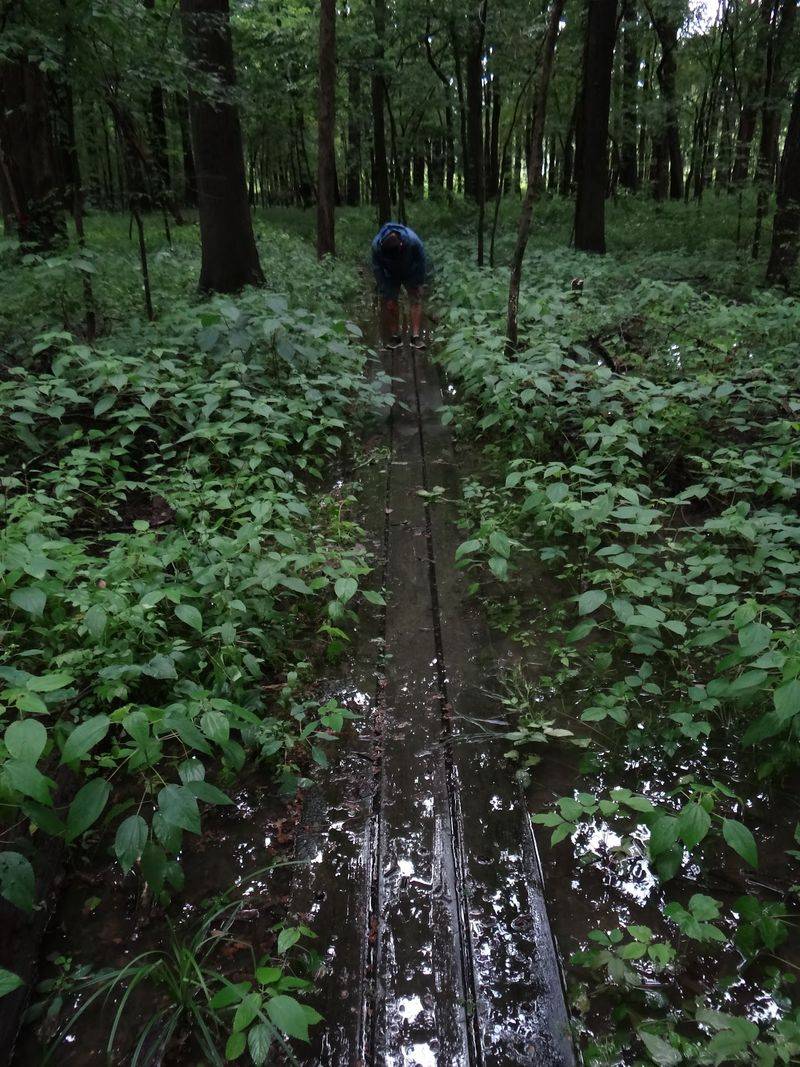
A little preparation goes a long way at Twin Swamps, and skipping it can dampen the fun. Rubber boots top the list, since wet spots and the occasional flooded stretch come with the territory.
Bug spray is the other must-have. The mosquitoes here can be relentless in the warmer months, and heavy-duty repellent with DEET is the sensible defense.
Poison ivy borders many of the trails, sometimes in serious quantities, so watching where you step keeps things pleasant. Long sleeves and awareness are your allies on the narrower stretches.
Ticks are worth a check once you finish the walk, another small habit that saves headaches later. None of this is meant to scare anyone off, just to set expectations for genuine swampland.
Timing can help too. A visit in late October, after cooler weather sets in, often means no mosquitoes at all, and a stretch after a dry spell leaves the trails firm and easy underfoot.
Solitude For Families And Quiet Wanderers
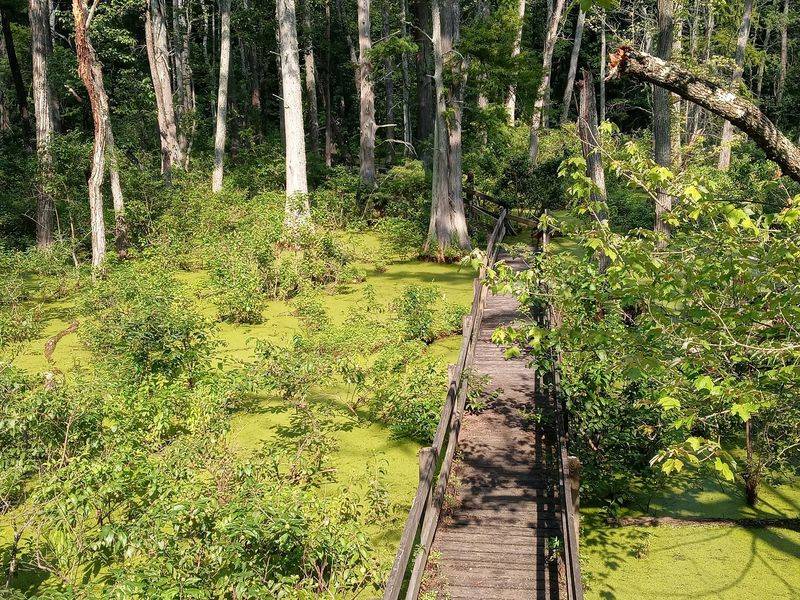
Quiet is the preserve’s defining mood, and it suits certain visitors perfectly. People who come back again and again mention rarely crossing paths with another soul, which turns each walk into a private outing.
Families find plenty to love here. The flat, gentle terrain makes it an easy walk for children, and kids tend to get a genuine kick out of the boardwalks and the swamp critters.
The peaceful atmosphere appeals just as strongly to solo walkers looking to slow down. There is something restful about a place where the loudest sound is a chorus of frogs.
Accessibility is a real strength, with the level ground opening the trail to a wide range of walkers, aside from the step-ups onto the boardwalks. The overcup oak side is especially forgiving on that front.
Whether you bring a whole crew or just yourself, the sense of having stumbled onto something quiet and uncrowded stays with you. It is the kind of spot that rewards taking your time.
Hours, Directions, And The Verdict
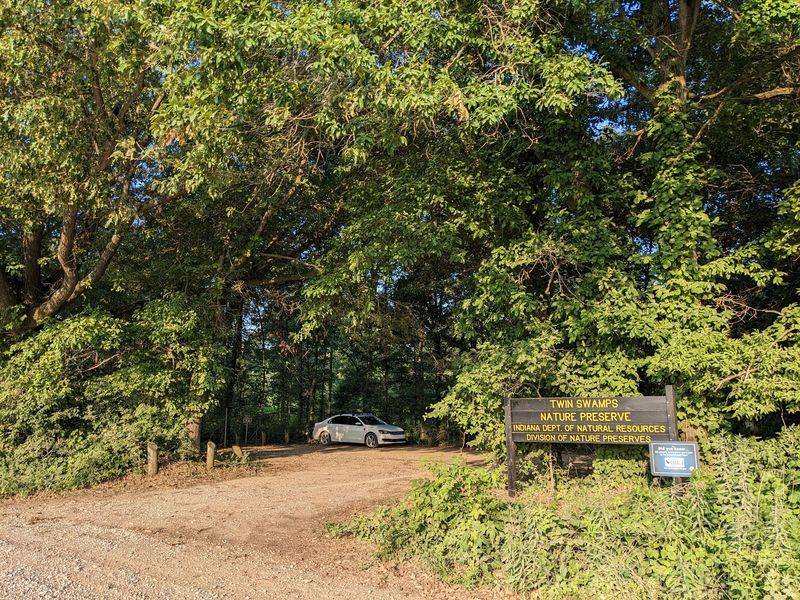
The practical details are straightforward. Twin Swamps Nature Preserve opens daily from 9 am to 5 pm, seven days a week, and as a state-managed preserve it welcomes walkers without an entry fee.
Reaching it involves driving some gravel roads to get to the parking lot, so take it slow on the final approach. GPS reliably delivers you right to the trailhead, and the lot has plenty of room.
Set your expectations for a wild, working preserve rather than a polished park. Restoration is ongoing, boardwalks can occasionally be closed for repairs, and trail markers may be faded in spots, so a flexible mindset helps.
Holding a steady 4.3-star standing across roughly fifty accounts, the place clearly wins over the people who make the trip. Its charm lies in being genuine, unusual, and gloriously uncrowded.
For nature lovers already passing through southwestern Indiana, this cypress-lined refuge is an easy yes. Come with boots, bug spray, and a little patience, and the swamp rewards you with a landscape you simply will not find anywhere else in the state.
Enjoyed this story?
Add Fast Food Club as a preferred source to see more of our reporting on Google.