


Plenty of retirees dream of a porch near the water, a boat slip down the street, and a town small enough that the librarian learns their name. Many of them look at Annapolis first, then look at the numbers and quietly close the laptop.
About an hour and a half away, across the Chesapeake Bay Bridge, a historic river city on Maryland’s Eastern Shore delivers that same water-first lifestyle with a much calmer price tag. Keep reading to find out why this county seat is quietly winning over people ready for their next chapter.
A County Seat on the Choptank
Some towns sit near the water. This one practically leans into it.
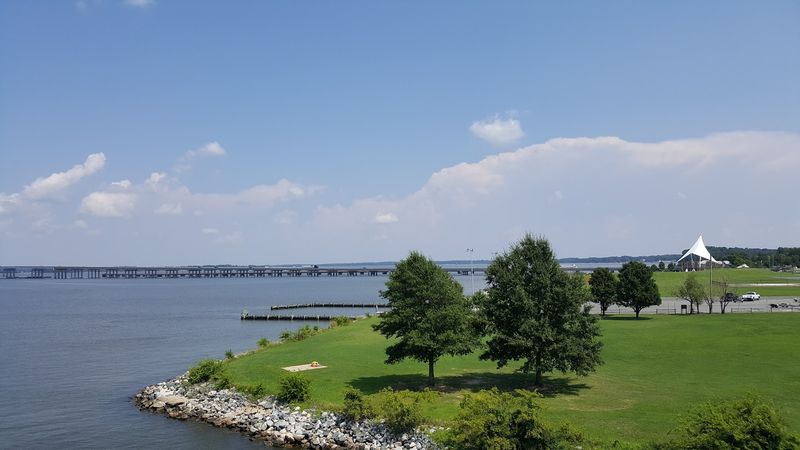
Cambridge, Maryland 21613, USA, rests on the south bank of the wide Choptank River on the state’s Eastern Shore. It serves as the county seat of Dorchester County and is the largest municipality in the county.
The 2020 census counted 13,096 residents here. That number places it as the fourth most populous city on the Eastern Shore, behind Salisbury, Elkton, and Easton.
For retirees, that size hits a useful middle ground. Cambridge is large enough to have a working downtown, county offices, and everyday services, yet small enough that a trip to the post office rarely turns into an afternoon project.
Being the county seat also matters more than it sounds. Courthouse business, local government, and community events tend to gather in one place, so the town stays active across the calendar instead of emptying out after a busy summer.
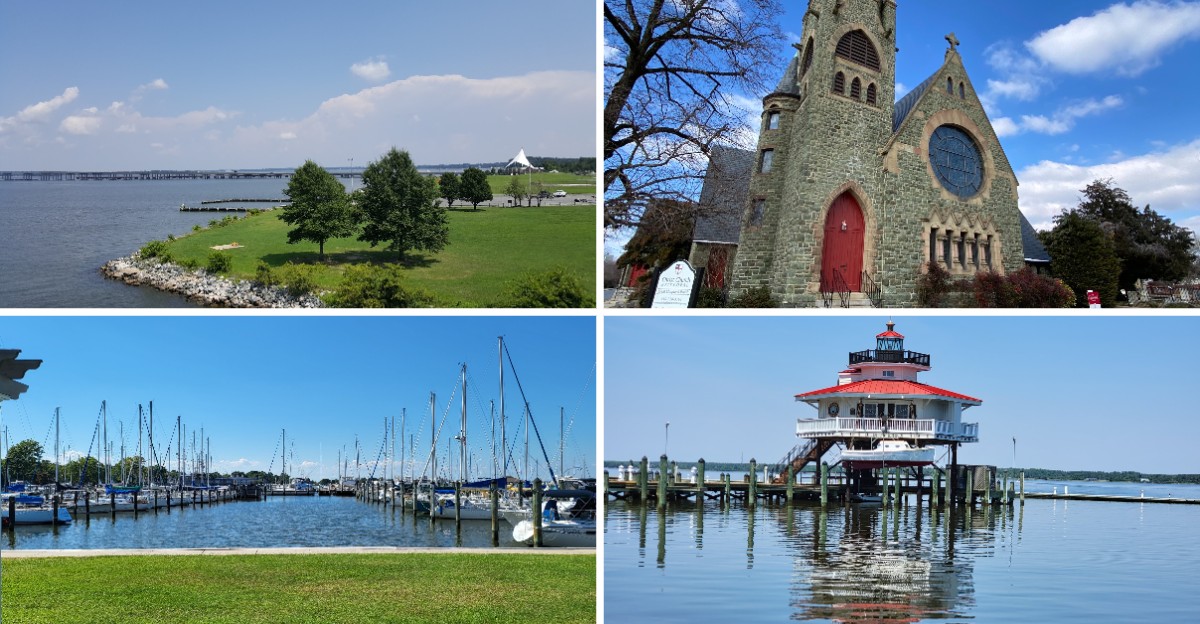
The river itself shapes daily life. Waterfront parks, marinas, and shoreline streets give residents plenty of reasons to spend time near the Choptank without needing a private dock of their own.
Geography sets the stage, but the real hook is how long people have been calling this riverbank home.
More Than Three Centuries of River Town History
Long before anyone talked about retirement destinations, Cambridge was already an established river port.
The town dates to 1684, which places it among the older communities in Maryland. Its location on a navigable river made it a natural hub for trade and travel across the Eastern Shore.
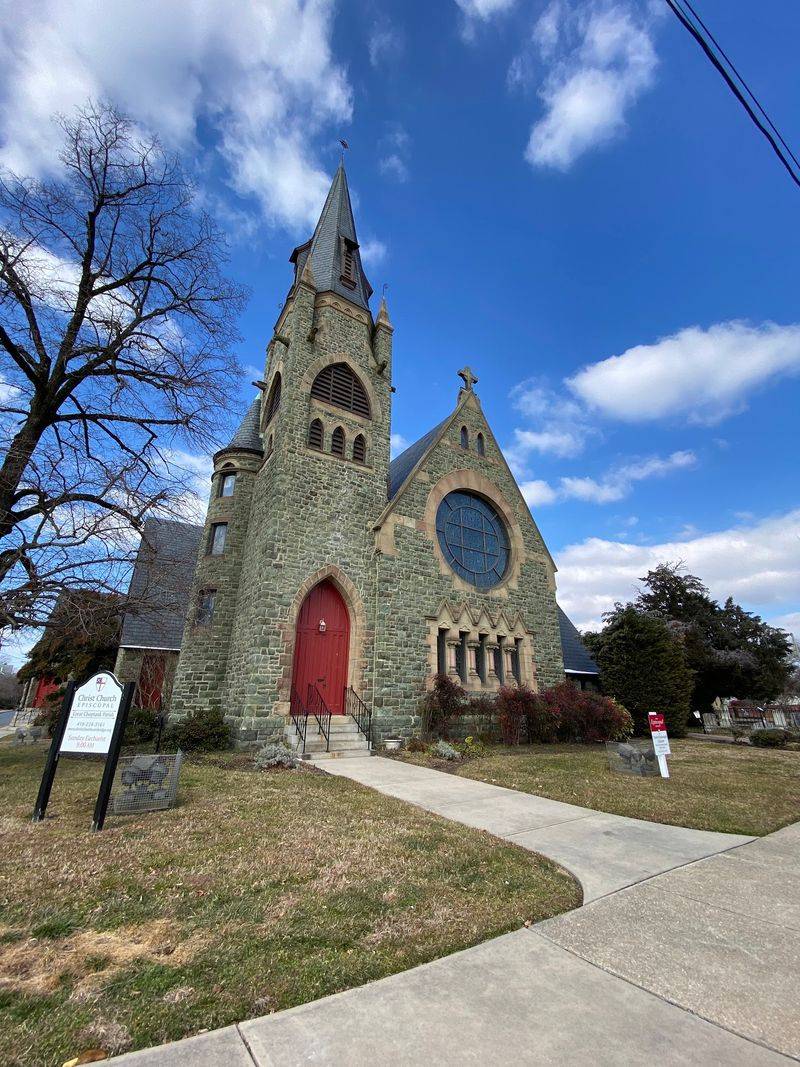
That long timeline shows up in the streetscape. High Street, which runs from the downtown area toward the water, is lined with historic homes representing several eras of American architecture.
History buffs tend to appreciate that the past here is not locked behind glass. Many older buildings remain in daily use as homes, offices, and shops, so the story of the town continues to unfold in real time.
Newcomers often find that learning local history becomes a hobby in itself. Walking tours, museums, and plaques around town give retirees a ready-made curriculum for their free hours.
There is also a practical upside to living in a place with deep roots. Established neighborhoods, mature trees, and a traditional street grid make it easy to get oriented quickly.
Old bones, it turns out, can make a surprisingly comfortable home. The next question most people ask is how that home compares financially with its famous neighbor across the Bay.
The Annapolis Comparison, Minus the Sticker Shock
Annapolis has the state capitol, the Naval Academy, and a harbor that shows up on countless postcards. It also has the housing costs that come with that kind of fame.
Cambridge offers a different deal. The town shares the same Chesapeake Bay region and the same love of boats, yet it generally carries far lower housing costs than the Annapolis area.
For retirees working with a fixed income, that gap changes the math. Money saved on a home purchase can stretch into travel, hobbies, grandkid visits, or simply a healthier cushion for the years ahead.
The trade-off is mostly about pace and size. Cambridge is a smaller city with fewer big-city amenities, and residents drive to larger towns like Easton or Salisbury for some shopping and services.
Plenty of new arrivals see that as a feature rather than a flaw. Less traffic and fewer crowds sit high on many retirement wish lists.
Anyone weighing a move should compare current listings and property taxes directly, since markets shift from year to year. Still, the broad picture has held steady enough to put Cambridge on the radar of budget-minded buyers.
Savings are nice on paper. The waterfront is where they start to feel real.
Long Wharf and the Lighthouse Replica
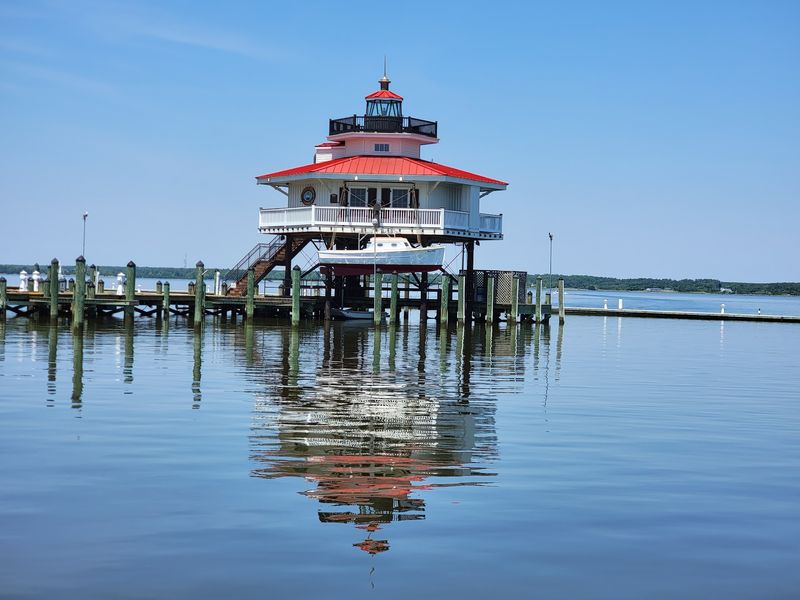
Every waterfront town needs a front porch, and in Cambridge that role belongs to Long Wharf Park.
The park sits right where downtown meets the Choptank River. It offers open lawn space, benches, and views across the water, making it a natural gathering point for residents of all ages.
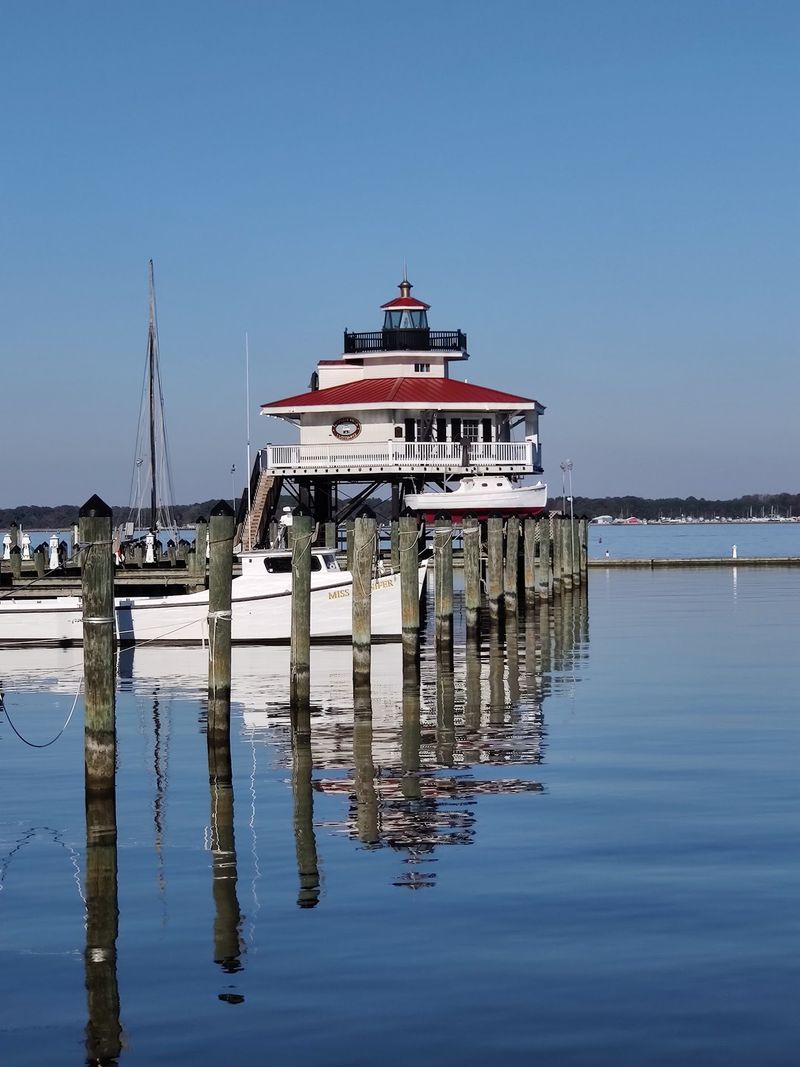
Its most recognizable feature is a replica of the Choptank River Lighthouse. The structure recreates the screwpile style that once guided boats along Chesapeake waterways, and it has become one of the most photographed spots in town.
For retirees, Long Wharf works as an easy daily destination. A morning walk, an afternoon on a bench with a book, or a quick stop to watch boats come and go all fit neatly into a relaxed routine.
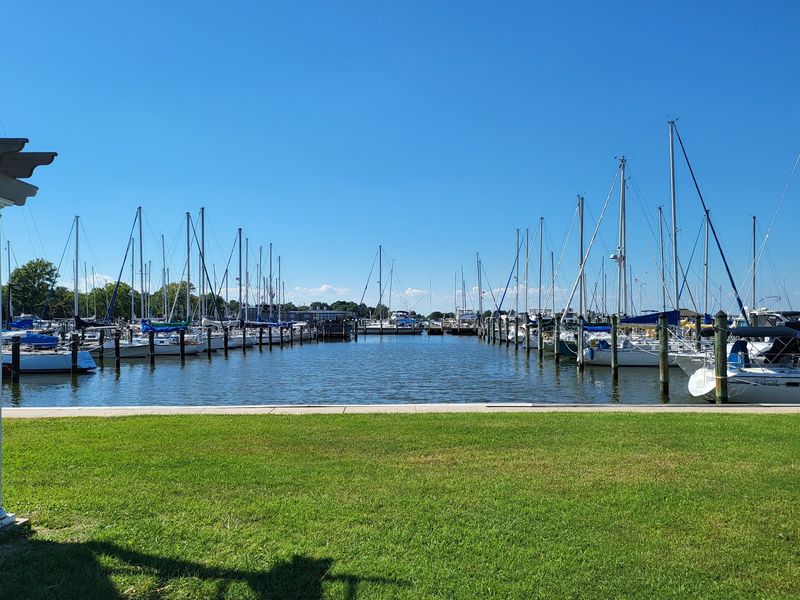
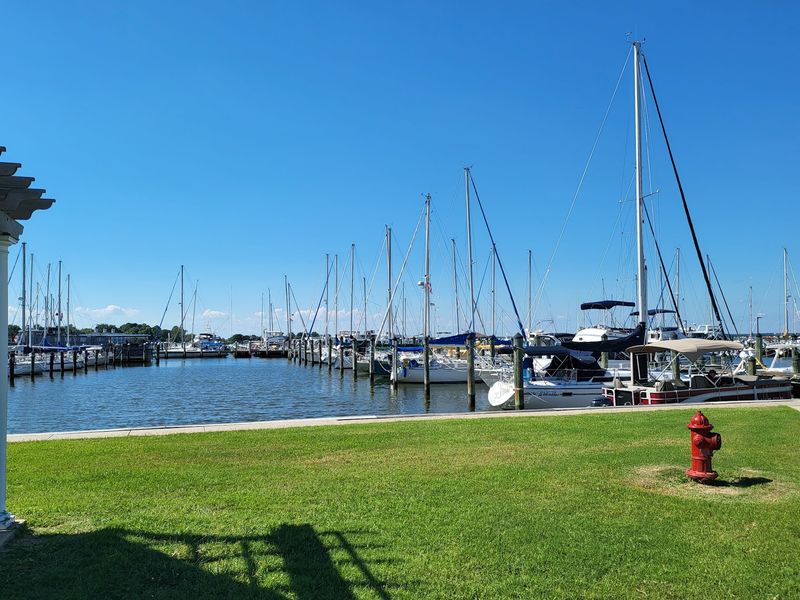
The nearby marina adds another layer of activity. Sailboats and powerboats move in and out through much of the year, so there is usually something happening on the water.
Community events also tend to use this waterfront space. That means newcomers can meet neighbors simply by showing up.
Not bad for a park with no admission fee. Just a few blocks inland, another landmark tells a very different kind of story.
Race Street and a Mural Worth the Detour

Downtown Cambridge rewards anyone willing to slow down and look around.
Race Street forms the heart of the historic business district. Older brick buildings house small shops, galleries, and local businesses, giving the area a walkable, main-street character.
One wall on Race Street draws attention from far beyond Dorchester County. The large mural of Harriet Tubman, painted by artist Michael Rosato on the side of the Harriet Tubman Museum and Educational Center, shows her reaching out a hand toward the viewer.
The artwork became widely shared online, and people now travel specifically to stand beside it for photos. It turned a quiet downtown wall into one of the town’s best-known sights.
For residents, the mural also acts as a reminder of how closely this community is tied to a major chapter of American history. The museum next door offers context that goes well beyond a quick photo.
Downtown living appeals to some retirees who want to walk to errands and events. Others simply enjoy having a lively center just a short drive from a quieter neighborhood.
Either way, Race Street proves that a small downtown can carry big meaning. That meaning grows even deeper once the story of Tubman herself comes into focus.
Harriet Tubman’s Home Ground
Few American heroes are as closely linked to a specific landscape as Harriet Tubman is to Dorchester County.
Tubman was born into slavery in this county and later escaped, returning again and again to guide others to freedom. The fields, waterways, and marshes around Cambridge are the same terrain she knew and navigated.
That connection is honored in several places. Beyond the museum on Race Street, the Harriet Tubman Underground Railroad State Park Visitor Center sits a short drive south of town in Church Creek.
The visitor center includes exhibits that trace her life and the wider Underground Railroad story. The surrounding grounds give people space to reflect on the land itself.
A driving route known as the Harriet Tubman Underground Railroad Byway links many related sites across the region. Retirees with time on their hands often treat it as a multi-day project rather than a single outing.
Living nearby means these places are not a once-in-a-lifetime trip. Residents can return during different seasons, bring visiting family, and keep learning over the years.
History here feels personal because it happened right down the road. And that same road leads straight into some of the most celebrated wild country on the Eastern Shore.
Blackwater Refuge on the Doorstep

Birdwatchers, meet your new favorite commute.
Blackwater National Wildlife Refuge lies a short drive south of Cambridge in Dorchester County. It protects a vast area of tidal marsh, forest, and open water, and it is widely known as a major stop for migrating waterfowl.
The refuge is also famous for its bald eagles. It hosts one of the largest breeding populations of these birds on the East Coast, which makes eagle spotting a realistic goal instead of a lucky surprise.
A scenic Wildlife Drive loops through part of the refuge, letting people explore by car at their own pace. There are also walking trails and paddling routes for those who prefer to get out and move.
For retirees, Blackwater offers a rare mix of easy access and serious nature. A slow drive with binoculars can fill a peaceful morning, while photographers and paddlers can return week after week.
The visitor center provides maps and background on the refuge’s wildlife and habitats. Checking current hours and entrance details before heading out is always a smart move.
Having this much open space so close to town is a quiet luxury. Back on the river, though, the community’s working waterfront has its own proud traditions.
Skipjacks, Boatbuilders, and Maritime Pride
Boats are not just a hobby in Cambridge. They are part of the town’s identity.
The community has long ties to Chesapeake Bay boatbuilding and working watermen. That heritage is preserved at the Richardson Maritime Museum, which celebrates the region’s wooden boat traditions and the craftsmen who kept them alive.
Connected to the museum is the Ruark Boatworks, where volunteers work on restoring and building traditional wooden boats. It offers a hands-on link to skills that once powered the local economy.
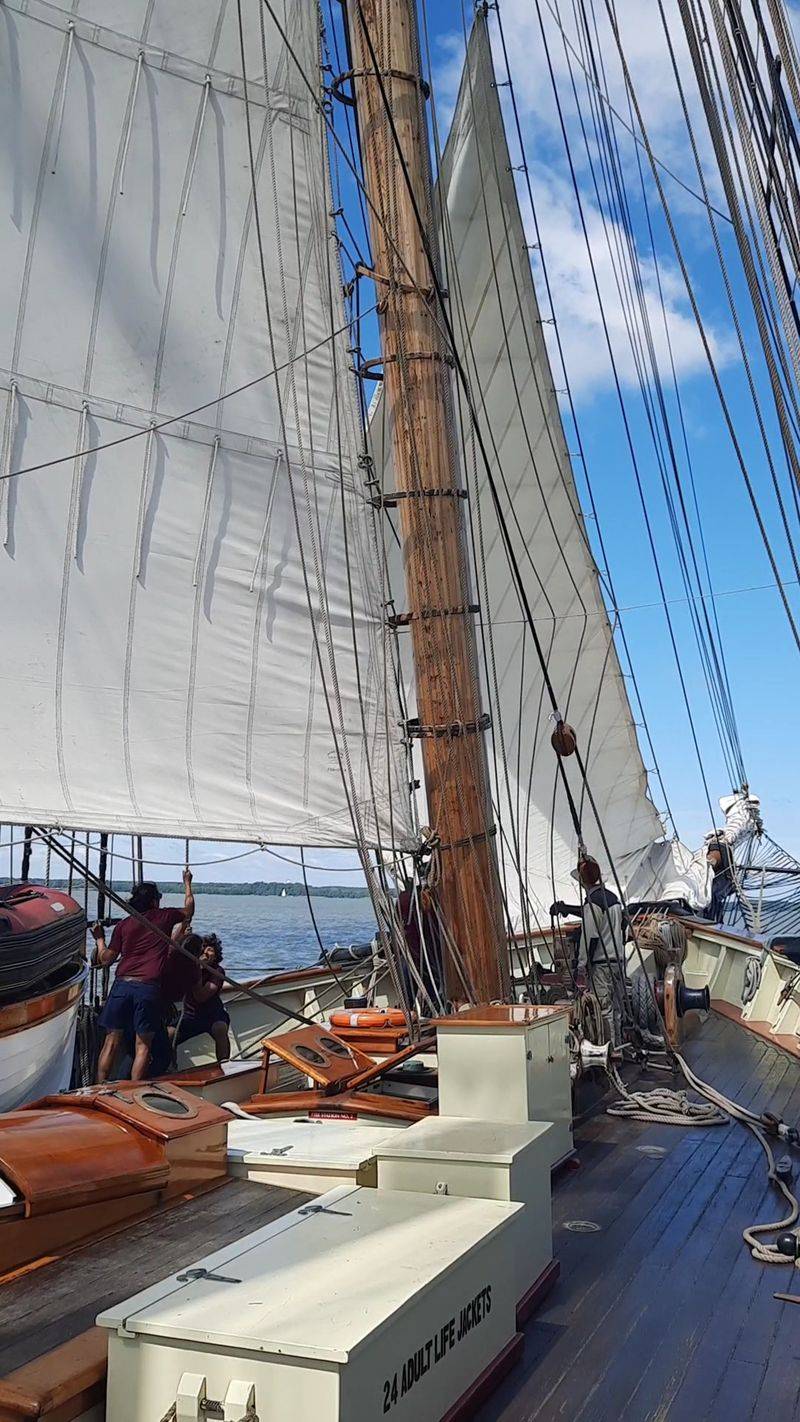
Cambridge is also home to the skipjack Nathan of Dorchester. Skipjacks are traditional Chesapeake sailing workboats, and this one gives people a chance to learn about the vessels that once filled Bay waters.
Retirees with a knack for woodworking, history, or sailing often find a natural place to plug in here. Volunteer opportunities around maritime heritage can turn a new address into a new circle of friends.
Even those who never plan to touch a sail can appreciate the stories. Talks, displays, and events tied to the waterfront help explain why the river still matters so much.
Tradition floats, it turns out. And it helps set the easygoing rhythm that draws so many people ready to trade a busy schedule for a calmer one.
Small-Town Pace for a New Chapter
Retirement often comes with a simple wish: fewer alarms, more options.
Cambridge suits people who want a slower daily rhythm without giving up a sense of community. The town has a working downtown, waterfront parks, and regular local events, yet it avoids the heavy crowds found in larger Bay destinations.
Active retirees tend to find plenty to do. Boating, paddling, birding, cycling on flat country roads, and volunteering with museums or historic groups all fit comfortably into life here.
Those who prefer a quieter lifestyle also do well. A porch, a river view, and a short drive to open marshland can be enough to fill a satisfying week.
The town is not trying to be a resort, and that is part of the appeal. Daily life revolves around neighbors, local businesses, and the river rather than tourist seasons alone.
People coming from busy suburbs sometimes need time to adjust. Evenings are calmer, and some errands require a drive to a larger nearby town.
For many, though, that adjustment turns into the whole point. Once life slows down, the next logical step is figuring out how to get here and how easily family can visit.
Getting There and Getting Around
Distance is often the deciding factor for retirees with grandkids in the city.
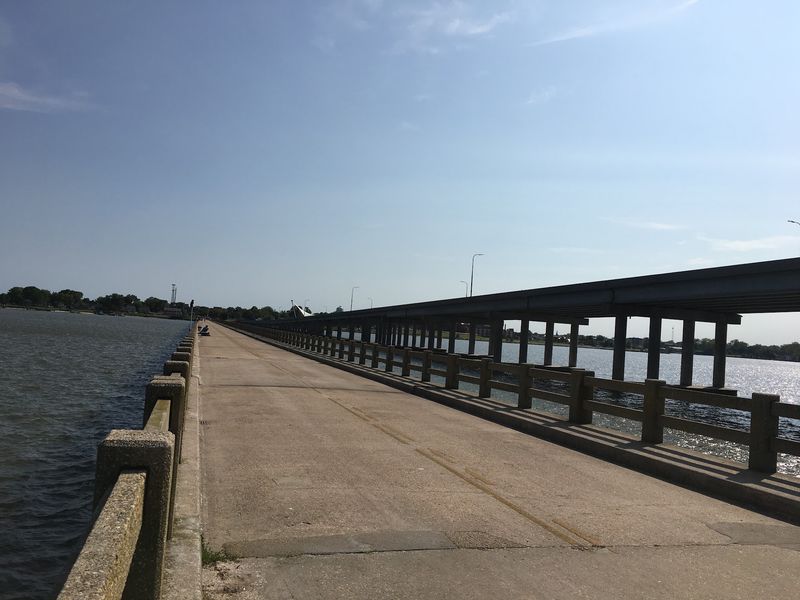
Cambridge sits along US Route 50, the main highway that crosses Maryland’s Eastern Shore. From Annapolis, the drive runs across the Chesapeake Bay Bridge and continues southeast, typically taking around an hour and a half depending on traffic.
That makes the town reachable for weekend family visits from the Baltimore and Washington areas. Summer weekends can bring heavier Bay Bridge traffic, so many locals plan trips at off-peak times.
Once in town, a car is the most practical way to get around. Downtown is compact and walkable, but outlying sites such as Blackwater National Wildlife Refuge and the Tubman visitor center require driving.
Many of the city’s highlights come without an entrance fee. Long Wharf Park, the Race Street mural, and strolls along High Street cost nothing at all.
Some attractions, including museums and the refuge, may have set hours or entrance charges. Checking official websites before visiting helps avoid a wasted trip.
Test runs are a smart idea for anyone considering a move. Visiting in different seasons gives a clearer sense of traffic, weather, and daily life before signing any paperwork.
A Soft Verdict for Waterfront Dreamers
So, is Cambridge the answer for every retiree? Not quite, and that honesty is part of its charm.
The town will not match Annapolis for big-name attractions, dining variety, or nightlife. Some shopping and services will require a drive, and life moves at a noticeably slower pace.
What Cambridge does offer is hard to find at its price point. There is a real river, a walkable historic downtown, a deep connection to American history, and a world-class wildlife refuge just down the road.
Add in a population large enough to support community life, and the package starts to look very appealing. It is a place where retirees can stay busy or stay put, depending on the day.
Anyone drawn to the water but wary of coastal price tags should put this county seat on the shortlist. A weekend visit, a walk along Long Wharf, and a drive out to Blackwater will say more than any listing can.
The best retirement towns do not shout for attention. Cambridge simply keeps its lighthouse replica standing, its boats moving, and its porch lights on for whoever decides the Choptank looks like home.
Enjoyed this story?
Add Fast Food Club as a preferred source to see more of our reporting on Google.