


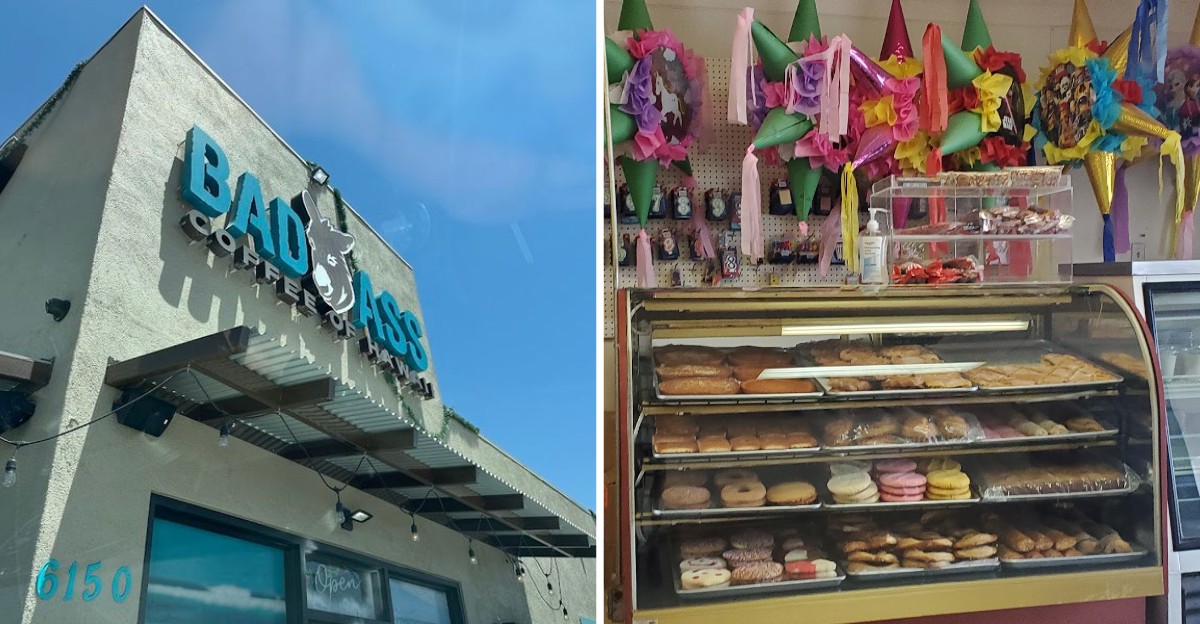
Las Vegas loves anything new, shiny, and supersized, yet one of its most loyal followings belongs to a small bakery that has barely changed in years. Tucked on the west side of town, far from the Strip, this family shop still bakes Mexican sweet bread the old way, using lard instead of trendy shortcuts.
Locals line up for trays of pan dulce, stock up on everyday bread, and walk out with bags that cost far less than the fancy spots charge. Keep reading to learn where it is, what makes the lard method matter, which breads regulars chase, and the practical tips that will save you a trip back for cash.
A Bakery Hiding in Plain Sight on West Charleston
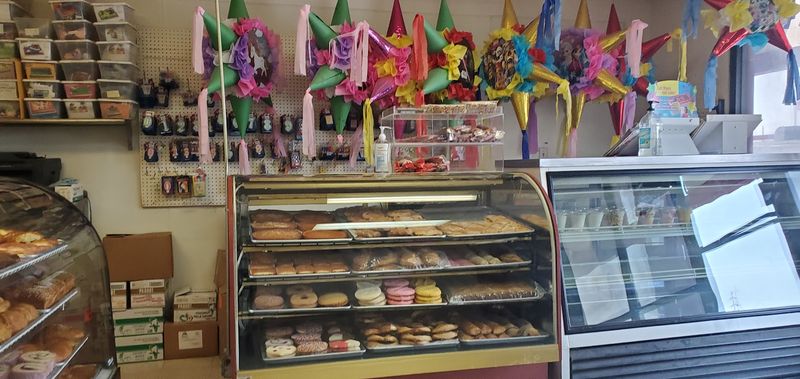
Blink while driving west and the place slips right past you. Panaderia Y Pasteleria Latina sits at 6122 W Charleston Blvd, Las Vegas, NV 89146, in the United States, well away from the casino lights.
The name spells out the job description. A panaderia is a bread bakery, and a pasteleria handles cakes and pastries, so the shop covers both sides of the counter.
At its core, the business is a Latin bakery with a strong focus on Mexican sweet bread. It also carries breads and goods tied to El Salvador and several other Latin American countries.
West Charleston Boulevard is a busy, practical road lined with everyday businesses. That setting fits the bakery perfectly, since it serves neighbors running errands rather than tourists hunting for photo ops.
Nothing about the exterior shouts for attention. There is no neon spectacle, no themed decor, and no gimmick meant to lure people off the sidewalk.
What pulls people in instead is reputation. Families who grew up with pan dulce keep coming back, and they bring friends who have never heard of half the breads on the racks.
So the first lesson here is simple. The best bread in town may be sitting next to an ordinary parking lot, waiting for anyone curious enough to turn in.
Family Roots and a Long Run
Some businesses reinvent themselves every few years. This one has chosen a different path, and the results speak for the owners.
The shop is known around the valley as a good old-fashioned, homemade, family-owned bakery. It has been around for a long time, which in a city that tears down buildings for fun is quite an accomplishment.
Longtime customers describe a bakery where little has changed over roughly a decade. The layout, the approach, and the focus on traditional bread have stayed steady while trends came and went.
That consistency matters to the people who shop here. Supporting a small, local business is a big reason many of them choose this counter over a supermarket bakery aisle.
Family ownership also shapes the pace. Bread is made fresh daily, and the bakers are the kind of people customers praise by job title, with shout-outs to the bakers and the management alike.
There is a certain pride in keeping things the way they were. Plenty of places claim to be old-school, but this one has the calendar pages to back it up.
For newcomers, that history offers a useful clue. When a bakery survives this long on neighborhood loyalty, the bread is probably doing most of the talking.
Half Market, Half Bakery
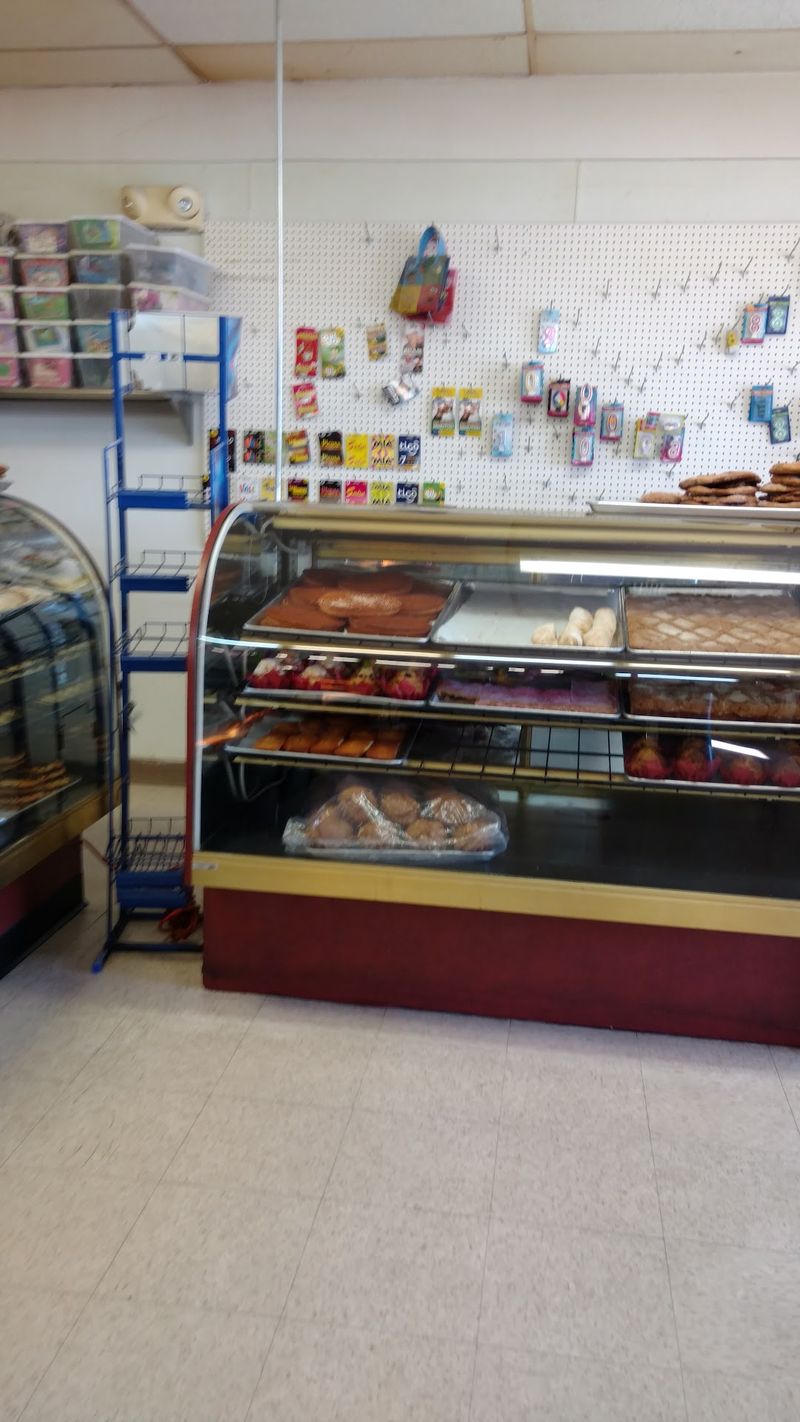
Here is a fun twist on the usual bakery setup. The room splits its personality between a mini market and a full bakery counter.
On one side, cases and racks hold the day’s breads and pastries. On the other, shelves and coolers carry grocery items that Latin American families often have trouble finding elsewhere.
The space is on the small side. Nobody should expect a sprawling warehouse, and part of the appeal is how quickly a shopper can scan the whole room.
That compact footprint does not mean clutter. The place is known for being kept clean, a detail that longtime shoppers mention again and again.
The combined layout also turns a bread run into a mini grocery trip. It is easy to grab a bag of pan dulce and a few pantry items in one stop.
Some shoppers treat the market section as the main reason to visit. Others barely notice it until they reach the register and spot something they have been missing from home.
Either way, the design reflects the neighborhood it serves. It is practical, familiar, and built for people who shop with a list and leave with a little extra.
The Case for Lard
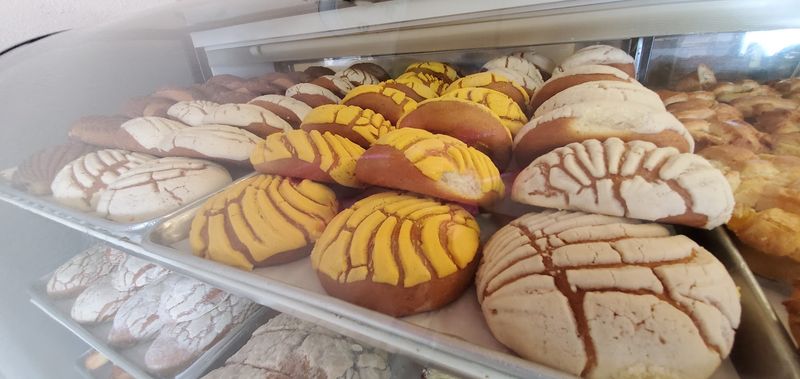
Lard has a bit of a public relations problem these days. At this bakery, though, it is not a problem at all, and that choice is a big part of the story.
Many modern bakeries swap lard for vegetable shortening or other fats. This shop sticks with lard, a traditional ingredient in Mexican sweet bread, and many longtime customers praise it for doing so.
Why does it matter? For people raised on pan dulce, lard is part of what makes the bread match the versions they grew up eating.
Quick history bit: lard became a staple in Mexican baking after Spanish colonists brought pigs to the Americas. Over centuries, it worked its way into countless regional breads and pastries.
Using it today is a quiet statement about priorities. It signals that the bakers care more about tradition than about following whatever ingredient trend is popular this year.
That old-school approach is a major reason the bakery is a favorite with people from Mexico. They know the difference, and they keep returning because the recipe has not been watered down.
So the next time someone raises an eyebrow at lard, the answer is easy. Generations of bakers were not wrong, and this counter proves it daily.
A Rack Full of Pan Dulce
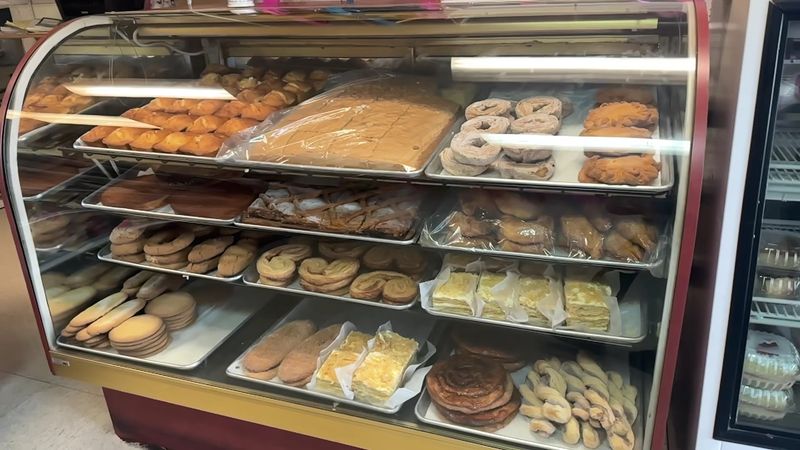
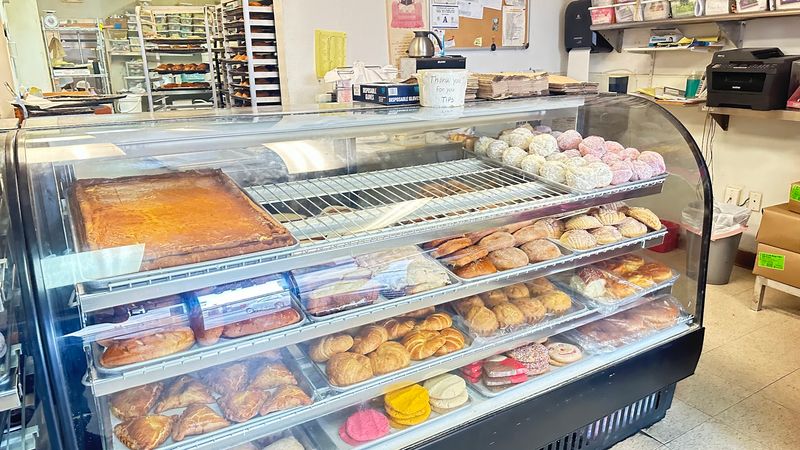
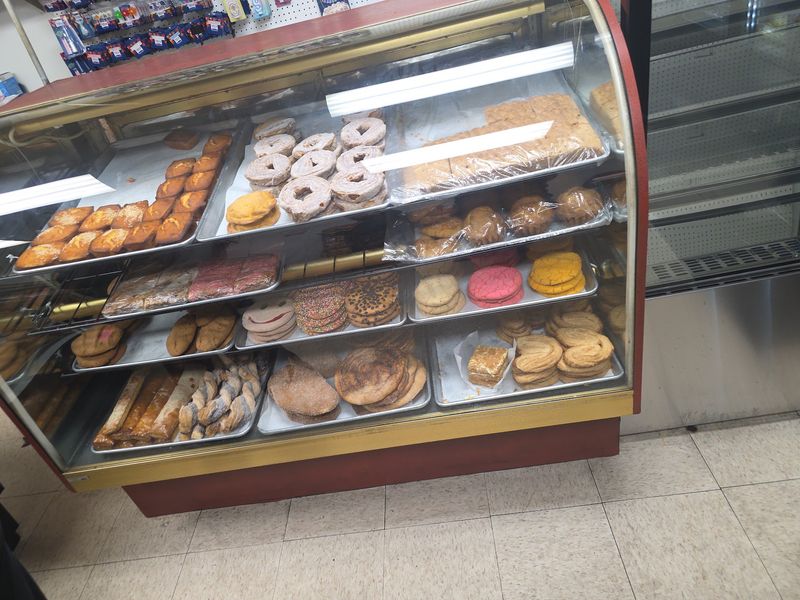
Pan dulce is the star of the show, and the lineup is long. Regulars say the shop carries just about every variety of sweet bread a person could think of.
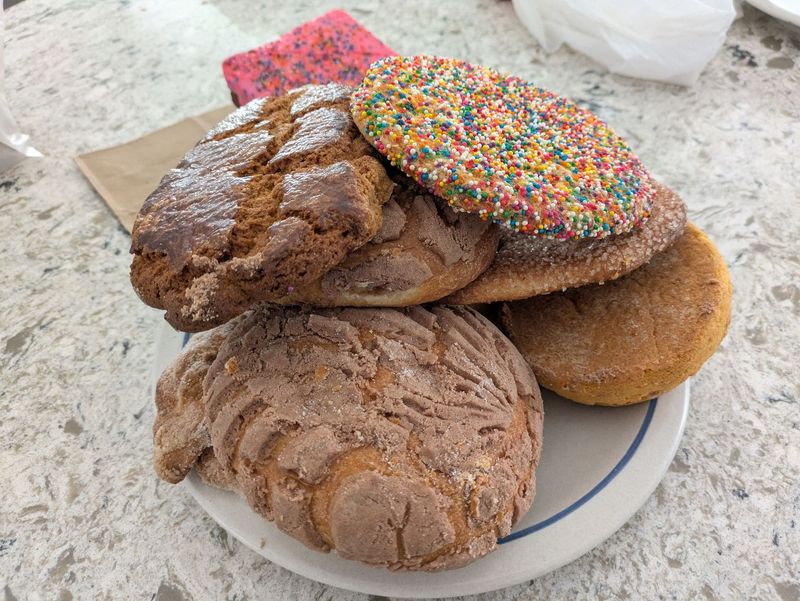
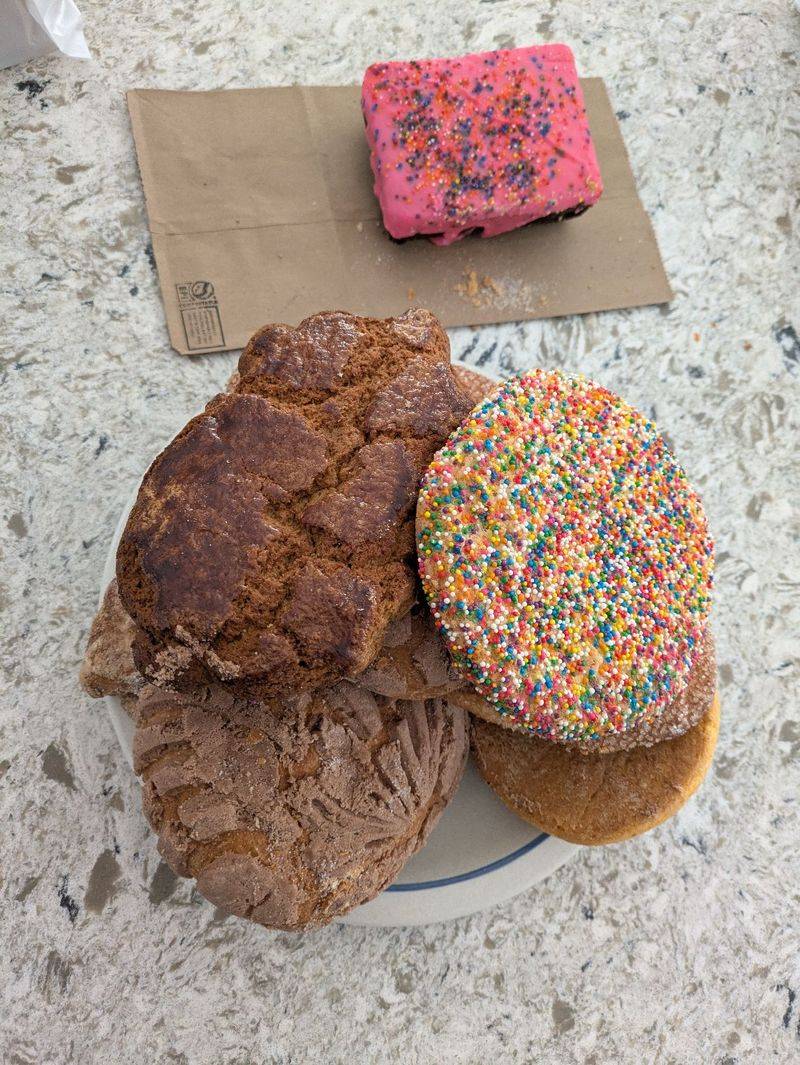
Choices range from laminated pan dulce shellacked with sugar to the brioche-like ombligo. Cortadillo, a cake-style square, and galleta de grajea, a sprinkle-topped cookie, round out the colorful mix.
Plenty of shoppers admit they do not recognize most of what they see. That turns out to be half the fun, since the whole case is fair game for experimenting.
Some fans call it the best pan dulce in the city. Others compare it favorably to the bakery sections inside larger Mexican grocery stores around town.
There is also a strawberry-filled pastry that seems to include cream cheese. It has earned a small fan club of its own among Salvadoran regulars.
A quick tip for first-timers: grab a tray and tongs, and pick a few unfamiliar pieces alongside the classics. The prices make it easy to build a sampler without much risk.
Nobody needs a degree in Mexican baking to shop here. A little curiosity and an empty bag will do just fine.
Conchas Straight Off the Cooling Racks
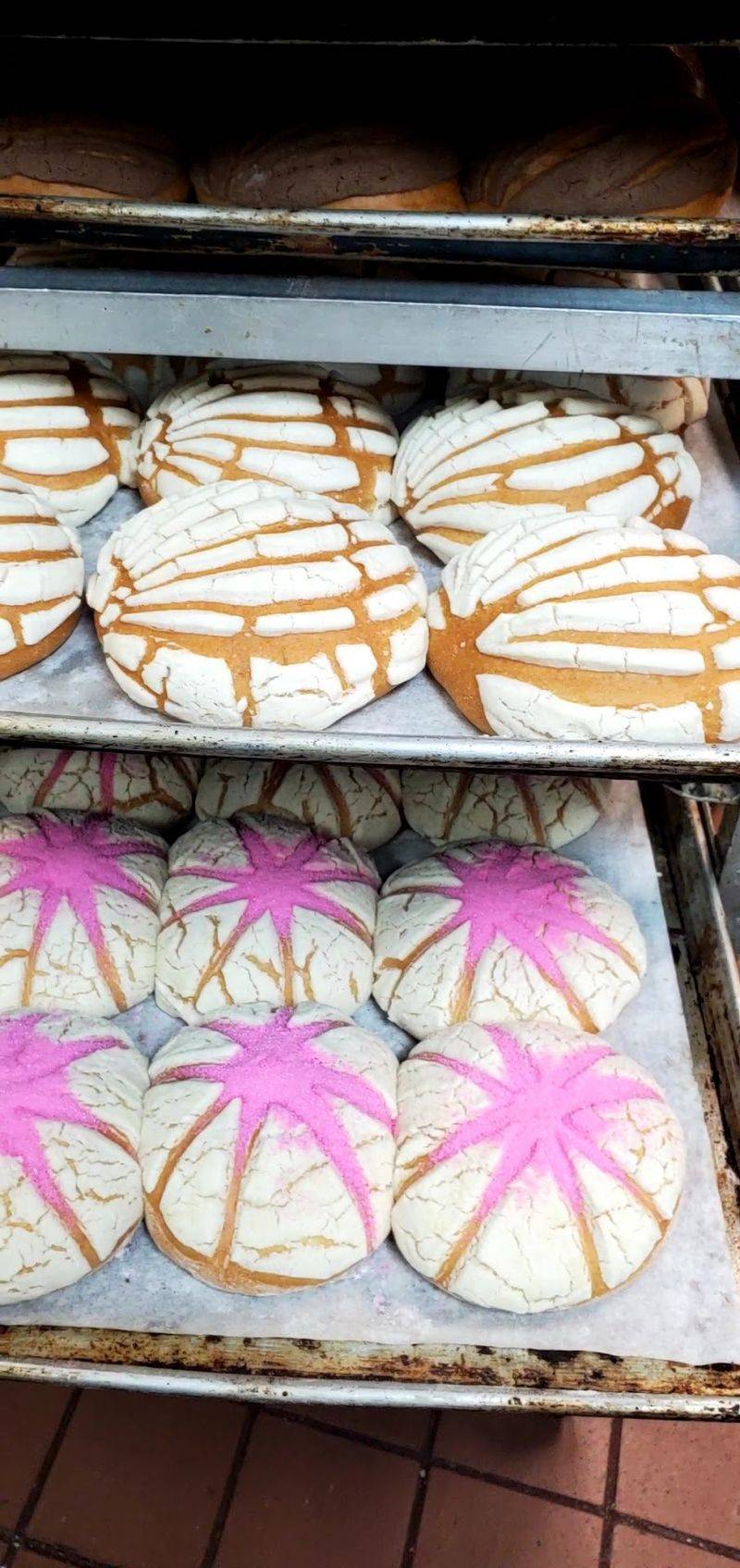
Timing is everything with conchas. Catch them as they come off the cooling racks, and the bakery shows exactly why it has such a loyal following.
The concha is the most recognizable piece of Mexican sweet bread. Its name means shell, a nod to the scored sugar topping that sits on a round bun.
Here, the conchas run on the small side. Fans do not seem to mind, since the price is very reasonable and the flavor keeps them coming back.
On a lucky afternoon, fresh batches have been pulled from the racks just as shoppers arrive. Those moments put the shop ahead of many other bakeries in Las Vegas.
Small size has an upside, too. It makes it easier to buy a few in different colors without committing to one giant bun.
For anyone new to Mexican bakeries, the concha is a smart starting point. It is familiar enough to feel safe and traditional enough to show what the lard-based recipes are all about.
Pair a couple with a few mystery picks from the case. That combination gives a solid snapshot of the bakery in a single paper bag.
A Taste of El Salvador on the Shelves
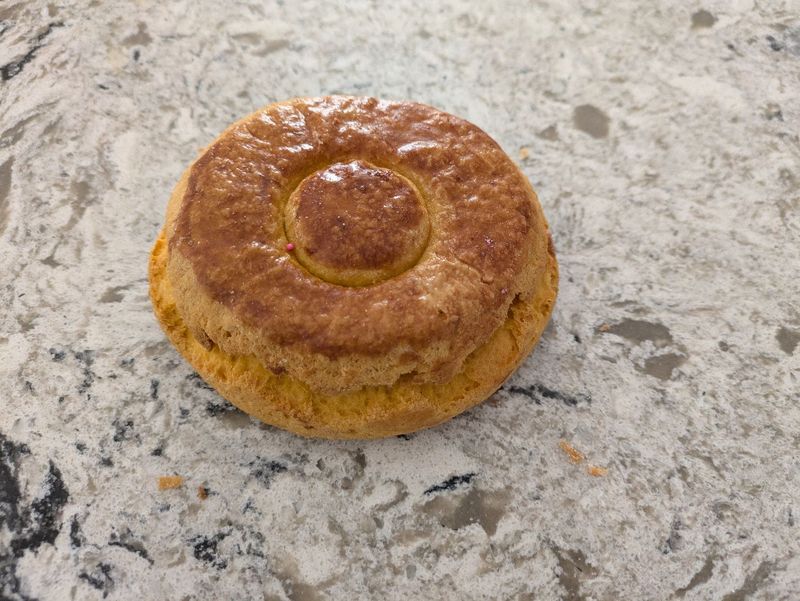
Mexico gets top billing, but it does not get the whole stage. A strong Salvadoran streak runs through the shelves as well.
The bakery carries several variations of Salvadoran bread alongside its Mexican selection. Goods from El Salvador show up in both the bread case and the market section.
For Salvadoran shoppers, the effect can be powerful. Some say a trip here makes them feel as if they are back home, which is high praise for a shop in the Mojave Desert.
The broader selection represents several Latin American nations, not just one. That mix makes the shop a small crossroads for families with roots across the region.
It also means the Mexican lineup is not always exhaustive. A person hunting for every single bread from a hometown bakery may find a few missing and a few surprises instead.
That trade-off feels fair. The shelves reflect the community that shops here, and that community happens to be wonderfully varied.
Curious bread lovers can use this as a chance to compare styles side by side. It is a quiet lesson in how neighboring countries approach sweet bread in their own ways.
Bolillos and the Everyday Loaf
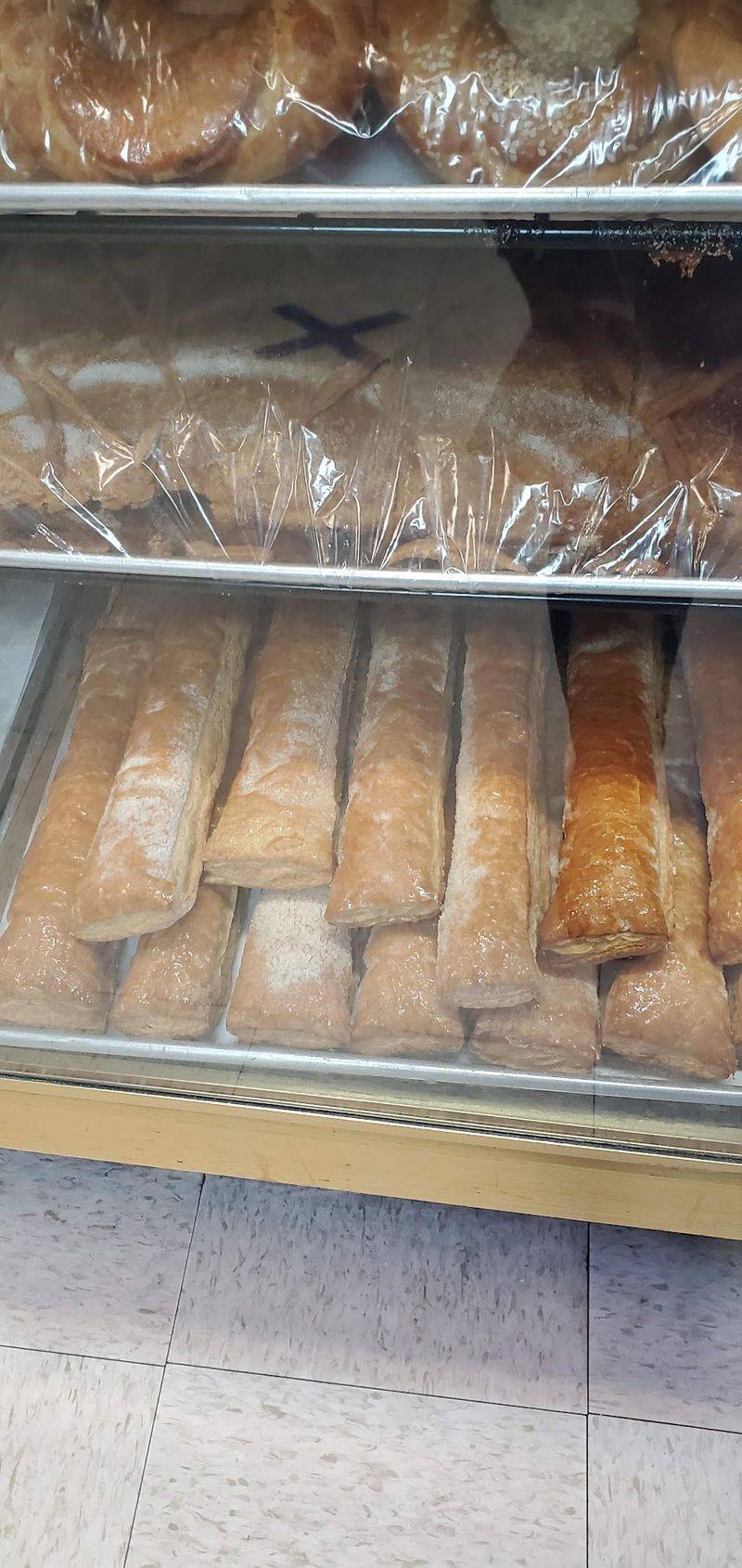
Sweet bread steals the spotlight, yet plain bread holds its own here. Some longtime customers call it the best freshly baked bread in the whole valley.
Bolillos are a big part of that reputation. These crusty Mexican rolls are the everyday workhorse of any panaderia, used for sandwiches and meals all week long.
Shoppers describe the bolillos as good and well made. Fresh bread comes up constantly when people talk about this counter.
Cemitas also appear among the breads that draw attention. They give savory-minded shoppers another reason to look beyond the pastry case.
One piece of advice keeps surfacing: buy in larger quantities. Bread sells fast, and regulars would rather stock up than risk finding empty baskets later.
Size and value are part of the equation as well. Customers point out that they get a good-sized piece of bread for their money, especially compared with pricier bakeries.
So even for someone who only came for pan dulce, it pays to glance at the bread baskets. A bag of bolillos might end up being the most useful purchase of the day.
The Freezer Case and Imported Finds
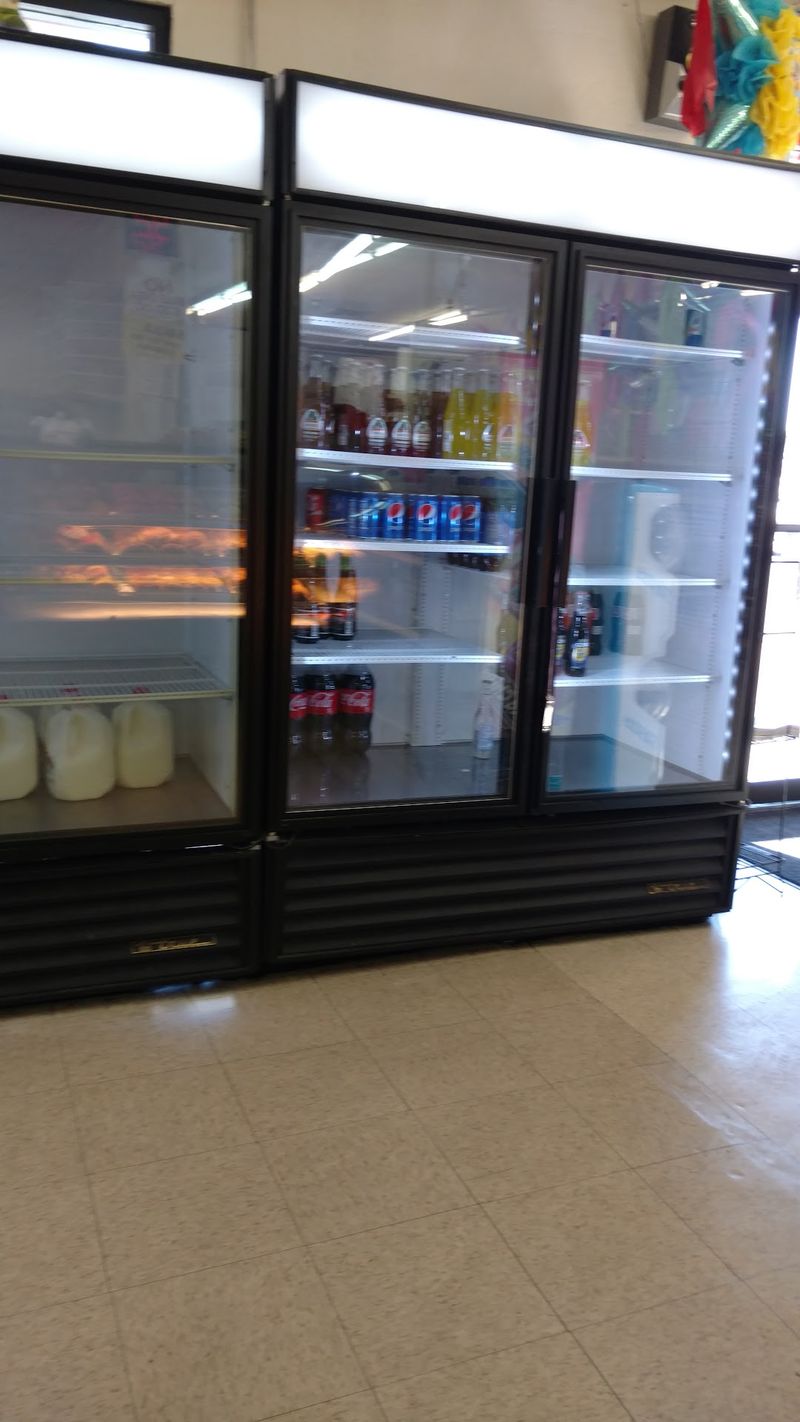
Turn around from the bread case and a whole second mission appears. The refrigerated and frozen section is where plenty of shoppers find items they cannot get elsewhere.
Imported goods fill the coolers and shelves. The shop stocks Salvadoran crema, milk, chips, and a range of products tied to Latin American kitchens.
Imported cheese is on hand as well. Some shoppers feel the cheese and some bread prices run a bit high, so it helps to know that going in.
That said, the convenience is hard to beat. Grabbing pantry staples while picking up pan dulce saves a separate trip to a larger specialty store.
The market side also explains the steady mix of shoppers. Some come strictly for bread, while others rely on the coolers for ingredients that taste like home cooking.
A smart approach is to arrive with a short list. The shelves are compact, so it takes only a few minutes to see what is in stock.
Leave a little room in the budget, though. Surprise finds have a way of sneaking into the basket once the coolers come into view.
Friendly Faces Behind the Counter
Good bread helps, but a kind word at the register seals the deal. Many shoppers describe the staff as friendly, social, and genuinely happy to help.
First-timers often do not know what they want. The team is known for answering questions and guiding newcomers through unfamiliar breads without making them feel rushed.
Even near closing time, staff members have been described as glad to see customers walk in. That attitude goes a long way at the end of a long workday.
The woman behind the counter during the week earns special mention. Regulars call her super nice, and she has become part of the reason some of them keep returning.
Not every experience has been perfect. A handful of shoppers over the years have run into impatience after asking lots of questions, and some felt service used to be dismissive.
More recent impressions suggest real improvement. The overall picture is of a warm, small-shop team that treats bread buyers like neighbors.
Bring a little patience during busy moments and ask away. Curiosity usually gets rewarded with a helpful answer and maybe a new favorite.
Timing Is the Secret Ingredient
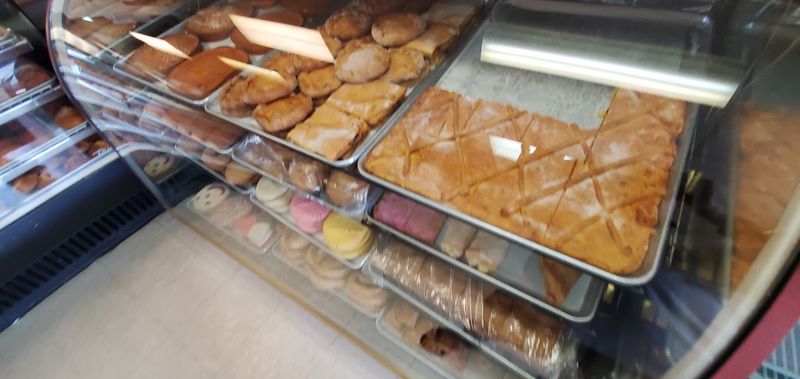
Early birds get more than worms at this bakery. Morning is widely considered the best time to shop, since that is when fresh bread comes out of the oven.
Bread moves quickly here. Because the shop is small, not every variety is available every day, and popular items can vanish before afternoon.
There is a helpful workaround. The bakery has been known to make certain breads on request, so it may be worth asking about a favorite that is not on the racks.
Cakes can sell out, too. On busy days, several cake options have been gone before the afternoon rush even peaked.
One caution applies to the cream-filled pastries. A few shoppers arriving around 9 a.m. have found them less than fresh, so it is fair to ask about bake times before buying delicate items.
Afternoons are not a lost cause. Fresh concha batches sometimes hit the cooling racks later in the day, and lucky timing can pay off.
A simple rule works well here. Go early for the widest selection, go later for surprises, and never assume tomorrow’s case will look like today’s.
Cash, Cards, and Friendly Prices
Wallet check before heading out. Paying with cash is the smoothest route, because the shop charges a fee of over a dollar for card payments.
EBT cards are accepted as well. That makes the bakery a practical stop for families stretching their grocery budget.
Prices are a big part of the appeal. Shoppers repeatedly call them low, fair, and very reasonable, especially for staples like conchas and bolillos.
Compared with trendier bakeries around Las Vegas, the value stands out. Many people say they get far more for their money here than at the so-called fancy places.
There are exceptions. Imported cheese and certain breads can run a bit high, and at least one seasonal specialty has been considered pricey for what it delivered.
Overall, though, the math works in the shopper’s favor. A handful of dollars can fill a bag with a sampler of pan dulce for the whole household.
Tuck a few bills in a pocket before leaving home. Skipping that card fee feels like a small victory, and it leaves room for one more concha.
Hours, Parking, and the To-Go Rule
Night owls and early risers can both relax. The bakery opens every single day from 7 AM to 9 PM, including weekends.
Those long hours are unusual for a small family shop. They make it easy to grab bread before work, after school pickup, or on the way home from a late shift.
Getting there is simple. The shop offers easy access from West Charleston Boulevard, and parking is plentiful out front.
Plan to take everything home. The bakery is strictly to-go, with no seating area for lingering over a pastry.
It is also worth remembering that this is just a bakery, not a restaurant. There are no plated meals on the menu, only breads, pastries, cakes, and market goods.
For anyone wanting a sit-down meal, there is a Mexican restaurant right next door. That makes it easy to pair a lunch stop with a bread run.
Bring a sturdy bag and maybe a box for delicate items. Pan dulce travels well, but a crowded car seat can flatten a concha faster than expected.
A Sweet Verdict for Bread Lovers
Old-school does not mean outdated. At this West Charleston bakery, it means keeping lard in the recipe and bread on the racks every day of the week.
The shop is not flawless. Some pastries can miss the mark on freshness, service has had rough patches, and a few items cost more than expected.
Still, the strengths are hard to argue with. The bread is made daily, the pan dulce selection is wide, and the prices stay friendly to family budgets.
The bakery suits a broad crowd. Families from Mexico and El Salvador find familiar favorites, while curious newcomers get a low-cost crash course in Latin sweet bread.
It also suits anyone who values small businesses. Every bag supports a family operation that has outlasted plenty of flashier neighbors.
A good plan is easy to follow. Arrive in the morning, bring cash, ask questions, and pick at least one bread you cannot pronounce yet.
Las Vegas has no shortage of big spectacles. Sometimes, though, the most satisfying find is a humble bakery that simply keeps doing things the way it always has.
Enjoyed this story?
Add Fast Food Club as a preferred source to see more of our reporting on Google.