


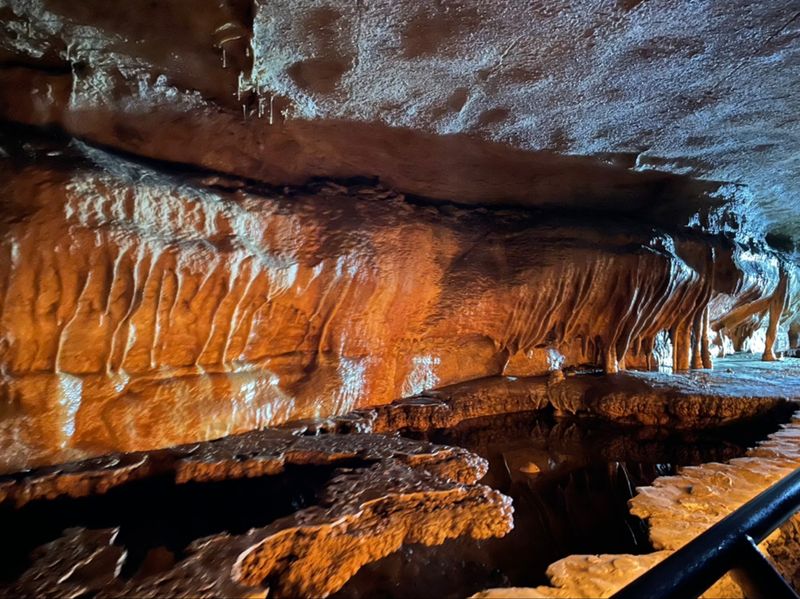
There is a spot in southeastern Minnesota where you can wander through a preserved 1800s town in the morning and descend into a cool underground world by the afternoon. The temperature down there holds steady at 48 degrees no matter the season, and the cave winds through rock formations that took an unimaginable stretch of time to shape.
Above ground, more than 16 miles of trails cut through forest, prairie, and river valley, while campers settle into quiet sites for the night. Most people driving through the region have never heard of it, which is part of the fun.
This article walks you through the history, the cave tours, the trails, the camping, and the practical details you need to plan a visit that feels like a small adventure.
Where To Find This Two-In-One Park
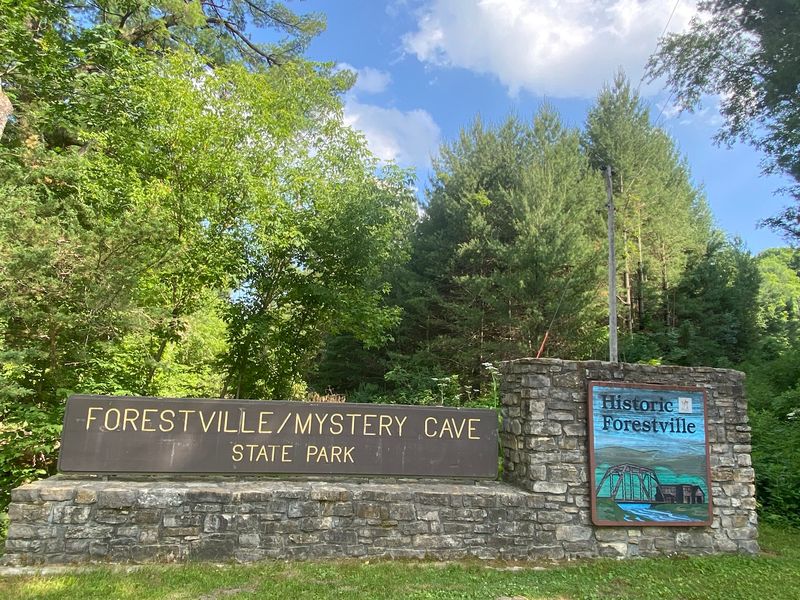
Tucked into the rolling countryside near Preston, Minnesota, the park office sits at 21071 County Rd 118, Preston, MN 55965. Brown directional signs guide you the rest of the way once you get close.
What makes this place unusual is that it is really two experiences stitched together under one name. There is the main park with its trails and campground, and then there is the underground draw that gives the destination its reputation.
A helpful heads-up before you arrive: cell service drops out completely once you turn onto park land. Regulars mention remembering which turns they took on the way in so the way out goes smoothly.
The office and visitor center act as the front door to everything. Staff here point you toward the cave, the historic village, and the trail maps you will want in hand.
Because the cave sits a short drive from the main park, planning your route ahead of time saves confusion. The good news is that the signage in the area is well done, so even without GPS you can follow the markers to each section.
The Underground Wonder That Steals The Show
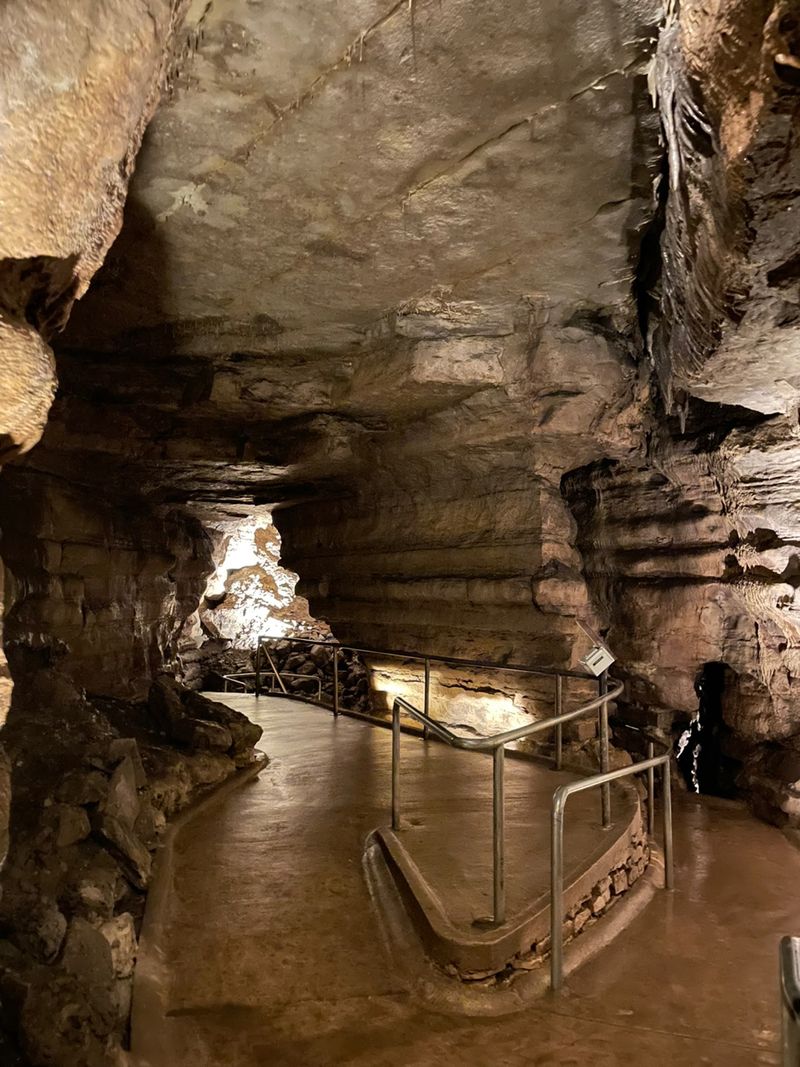
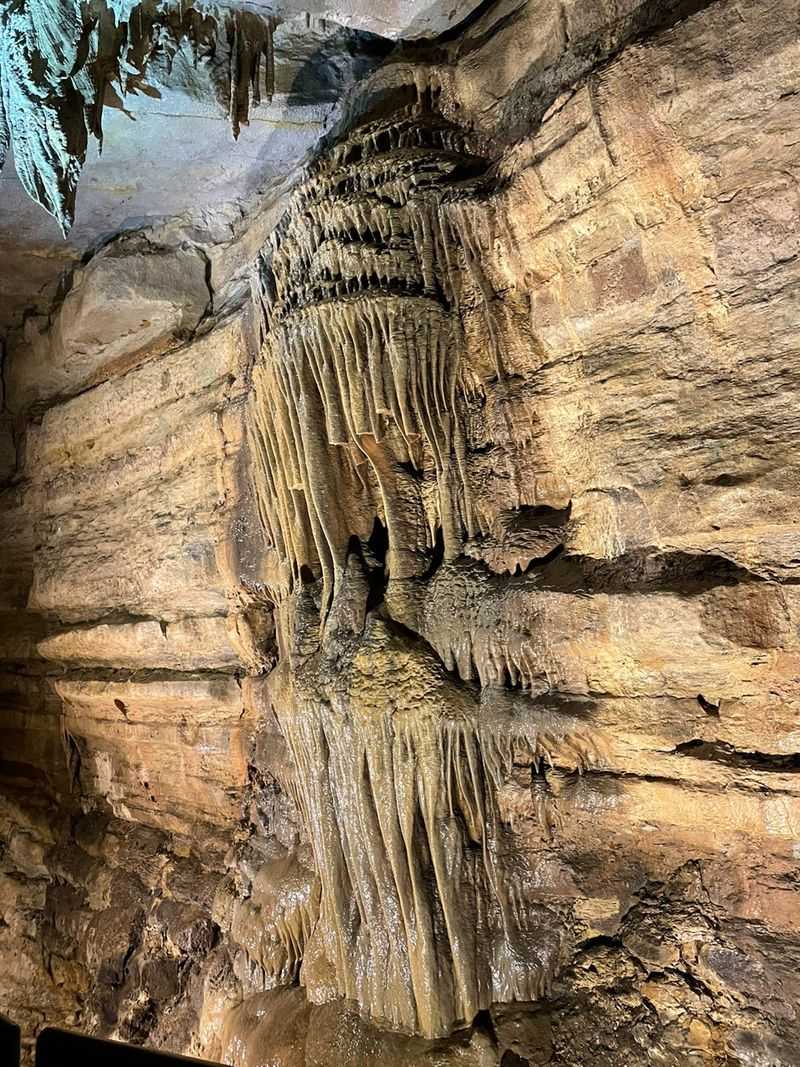
The cave earns nearly every mention people make about this park, and for good reason. Its winding passages and rock formations are the headline attraction that keeps drawing families back for more.
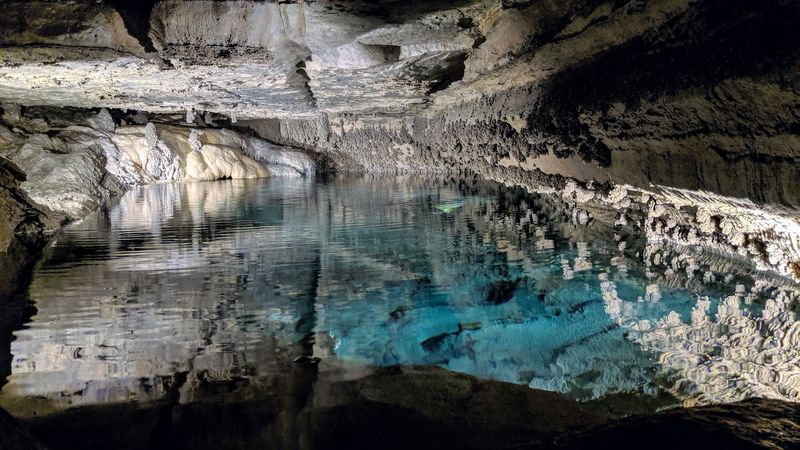
Guided tours lead you below the surface, where the geology unfolds in dimly lit corridors. The formations reveal how water and time slowly carved out the space you walk through.
One practical note that comes up again and again: the cave holds a steady 48 degrees year round. A coat or jacket turns the visit from chilly to comfortable, no matter how warm it is outside.
Because the lighting is intentionally soft, bringing a small flashlight helps you catch details you might otherwise miss. Plenty of people say they were glad they packed one.
The cave is not located at the main park. You drive about seven minutes to reach it, following those big brown signs that make the trip easy even without a phone signal.
Choosing Between The Cave Tour Options
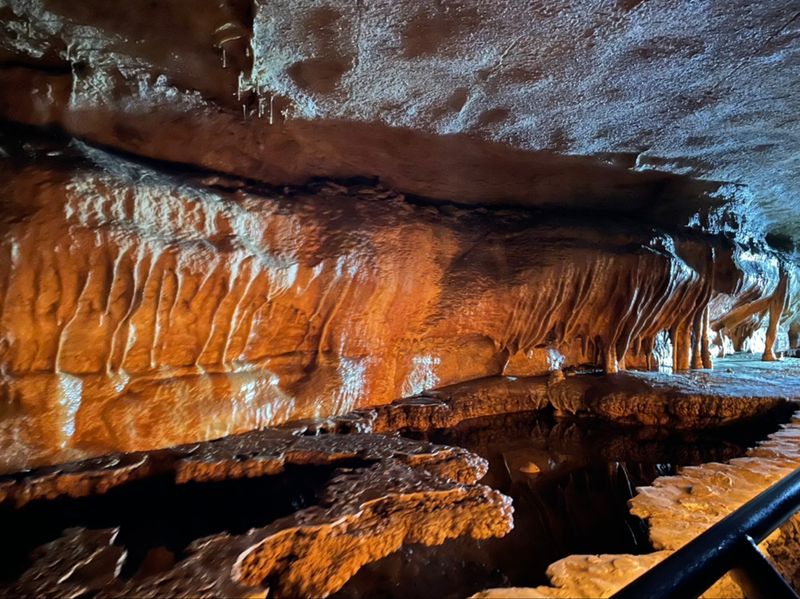
Not every trip below ground looks the same here. There are shorter tours and longer ones, and the choice depends on how deep you want your day to go.
The one-hour tour runs around fifteen dollars and gives a solid introduction to the cave and its story. Groups of mixed ages, from young children to grandparents, handle it comfortably.
For those hungry for more, a two-hour geology tour goes further and costs a bit more. Families with curious kids often call the longer option well worth the extra time and price.
There is also mention of more hands-on experiences for guests who want to get closer to the cave itself. Options exist across a range of interest levels.
Guides here consistently earn praise for being knowledgeable and patient. They field endless questions from young explorers and weave in lessons about the environment and how what happens above ground affects the cave below.
Booking ahead and checking which tour fits your group makes the day smoother, especially during busy summer stretches.
Stepping Back Into An 1800s Village
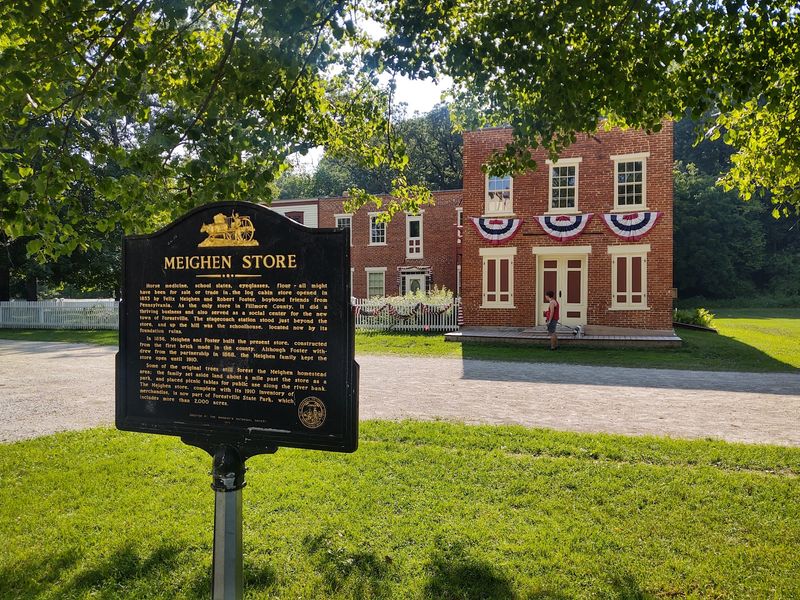
Long before the trails and campsites, this area was home to a working frontier town. Today the restored Historic Forestville brings that 1800s world back to life.
Costumed reenactments and preserved buildings show how people lived, worked, and got by in the era. The one-hour tours through the village give a real sense of daily life from that time.
Families who have done all three sections in a single day describe it as a perfect outing, pairing the town, the cave, and the trails. The history angle adds depth that a plain hike would not.
A word of caution for planners: the historic bridge has been closed for repairs and preservation work at various points. When that happens, reaching the village means a longer drive around to the other side.
Even when the buildings are closed, you can often self-tour the grounds and walk the area. Checking the current status before you go keeps expectations in line with reality.
Miles Of Trails Through Forest And Prairie
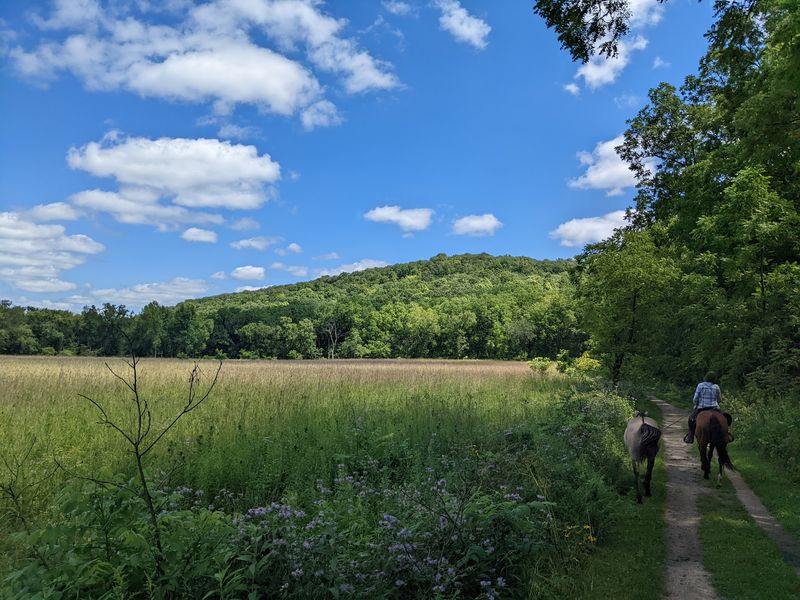
Above ground, the park spreads out into more than 16 miles of trails. That is a lot of room to roam for a place many travelers overlook.
The range keeps things interesting. Easy walks stretch across the prairie area, while other routes climb into more challenging terrain for hikers who want a workout.
Most paths are gravel and well maintained, with clear labeling that keeps you oriented. Families have logged ten-mile days here with young kids in tow, thanks to the variety that keeps little legs moving.
The Palisade trail draws frequent recommendations for its scenery, and the overlook and lookout points reward the climb with wide views. The Spring Trail leads down toward the river for a quieter stroll.
Spring brings out wildflowers that hikers rave about year after year. Along the way, birds, butterflies, owls, and other wildlife keep the walk lively.
One thing to keep in mind is that many hiking trails share access with horseback riders. On busy weekends, horse traffic runs heavier.
Casting A Line In Trout Country
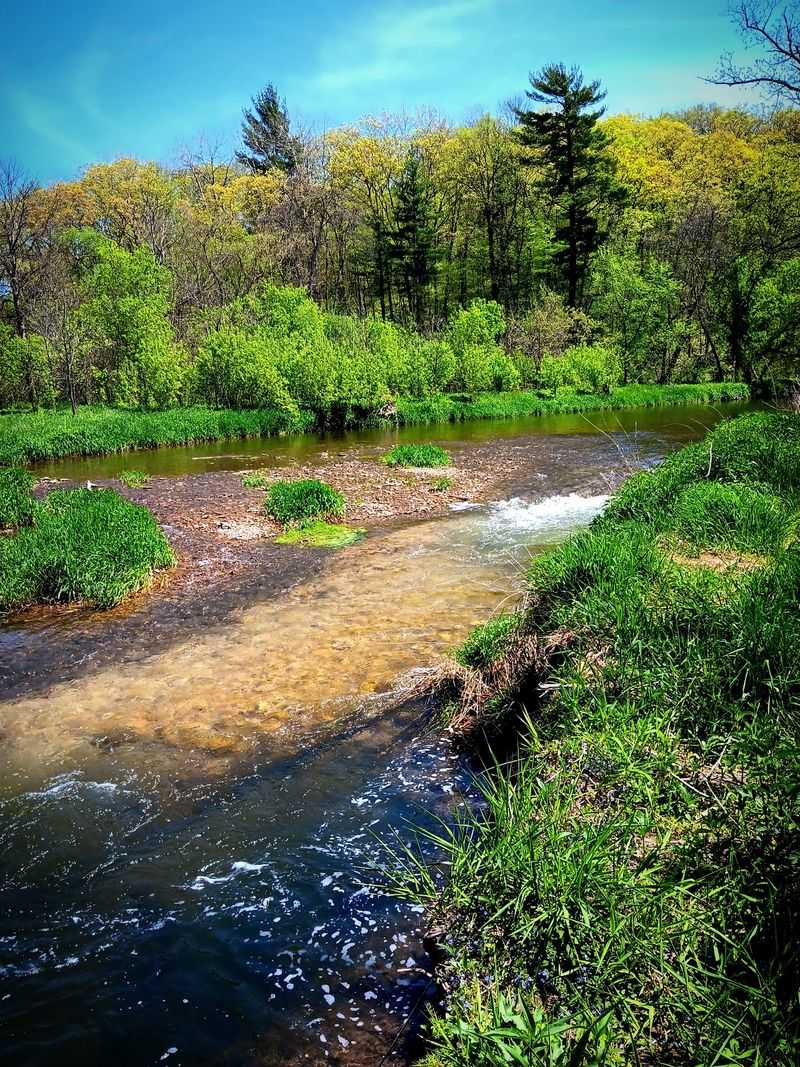
Anglers have a reason to make the trip too. Trout fishing ranks among the most talked-about activities at the park, right alongside the cave.
Streams wind through the valley, offering a peaceful setting for dropping a line. The water and quiet make it a favorite for people who want their outdoor time slow and steady.
Fishing pairs naturally with everything else on offer. You can spend a morning on the water, then head underground or up a trail in the afternoon.
The river also plays a role beyond fishing. Trails like the Spring Trail lead down to it, and the bridge crossings give walkers a scenic turnaround point.
For those combining a fishing trip with an overnight stay, the campground puts you close to the action. Waking up near the water and heading straight out is part of the appeal.
Whether you are a serious angler or just curious, the trout streams add another layer to a park that already juggles history and geology with ease.
Riding And Camping With Horses
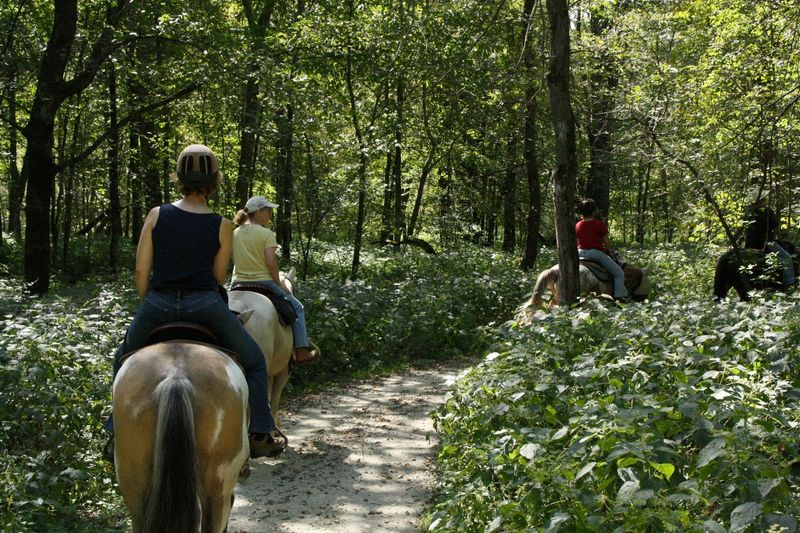
Saddle up, because this park is a genuine draw for the horse crowd. Dedicated horse trails and horse camping set it apart from many other parks in the region.
Riders share many of the same routes as hikers, which means the trail network is built to handle four-legged traffic. Weekends tend to see the heaviest horse activity.
The horse camping option lets riders bring their animals along for a full weekend of trail time. It is a feature that keeps equestrians coming back.
Hikers should know the trade-off. Because so many trails are shared, horse droppings show up along the paths, and some walkers note it as a downside worth expecting.
Still, the presence of horses adds character to the place. Spotting riders moving through the forest is part of the everyday scene here.
For anyone who has ever wanted to combine camping with a riding getaway, this park quietly delivers one of the better setups around.
Settling In At The Campground
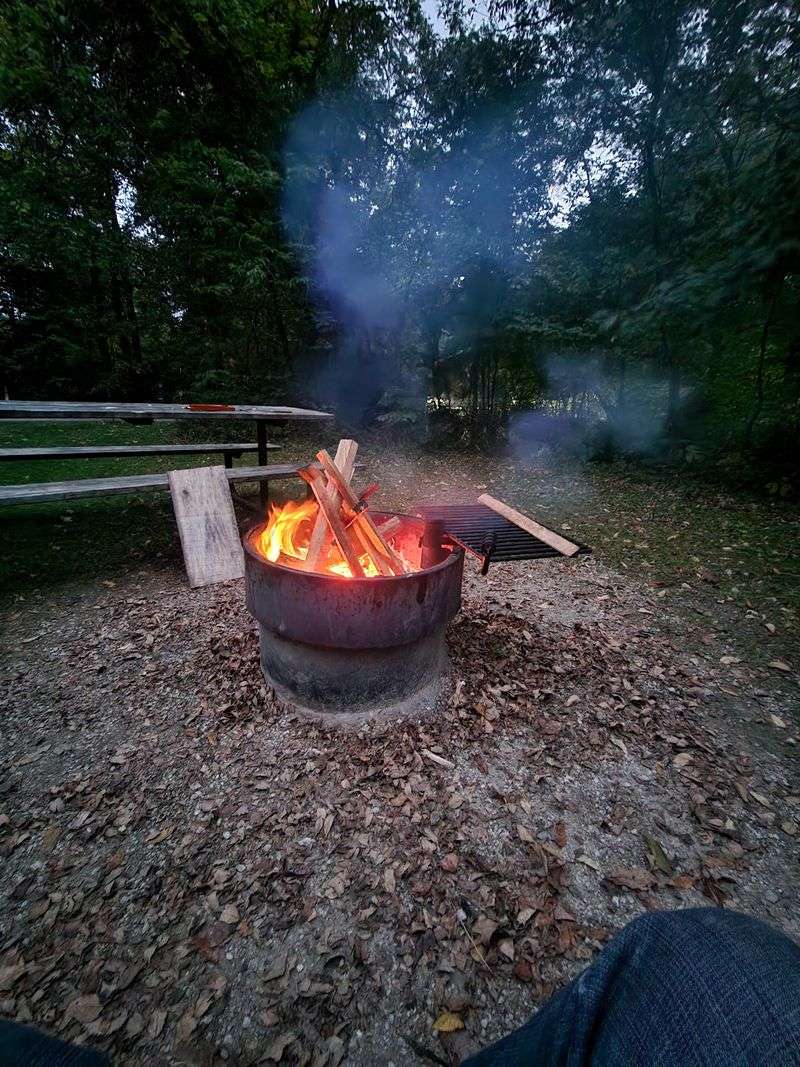
Staying overnight turns a day trip into a proper escape. The campground here draws steady praise for being clean and well maintained.
Sites come with fire rings and grills, and many are private and roomy. Both tent campers and those with larger rigs find space, and a paved road runs throughout.
Firewood is available on site, which makes evening campfires easy to pull together. A dump station adds convenience for travelers rolling through in campers.
Bathrooms stay clean and are easy to reach. One small heads-up is that the showers do not always allow temperature adjustment, so mornings can run cold.
Reservations matter more than they used to. The park no longer offers non-reservable sites, so locking in your spot ahead of time is the smart move.
Waking up here means quiet forest, birdsong, and easy access to trails and the cave. For families and solo travelers alike, it makes a restful base camp.
A Learning Center Kids Actually Enjoy
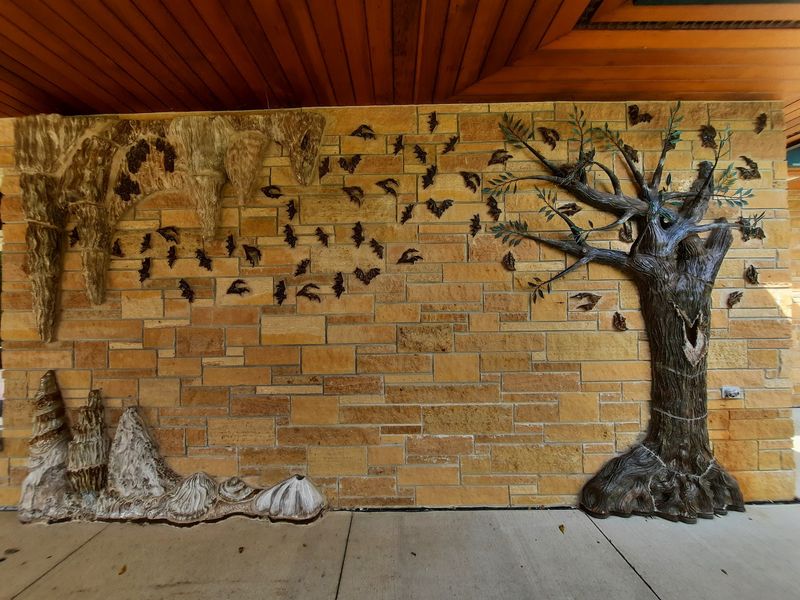
Rainy afternoon or a break between tours, the welcome center gives everyone a reason to linger. Its learning center holds displays that interest both kids and adults.
Beyond the exhibits, the staff at the information desk turn out to be one of the park’s quiet strengths. They happily chat with curious children about geology and answer the endless stream of questions kids tend to ask.
The center works as the launch pad for the whole visit. You can gather maps, ask about tour times, and get your bearings before heading out.
Families with young explorers find it especially welcoming. A child fascinated by rocks can leave here more excited than when they walked in.
It also serves as a warm indoor stop, which comes in handy after a chilly cave tour or a cool morning hike. The combination of hands-on learning and friendly help makes it more than just a place to grab a brochure.
For a park built around discovery, the learning center fits right in.
Wildlife And A Historic Cemetery On The Hill
Wander the trails and the park’s wilder side reveals itself. Owls, butterflies, birds, and even raccoons make regular appearances for those paying attention.
Raccoons come up often enough that they have become part of the park’s personality. Encounters with wildlife add a spark of unpredictability to the day.
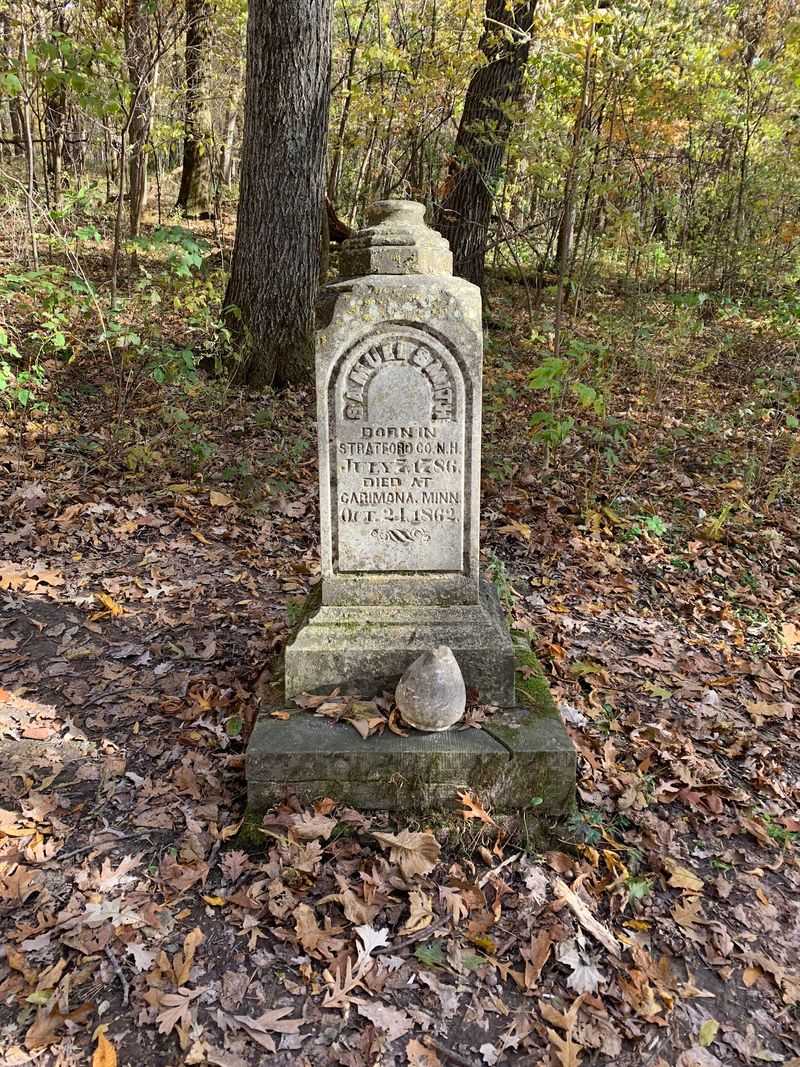
History hides in the landscape too. A walk up Zumbro Hill leads to an old cemetery where graves date back to the 1800s.
The site is well maintained, and standing among the old markers connects you to the frontier families who once lived here. It ties neatly into the historic village down below.
For explorers who like their outings layered with meaning, this corner of the park rewards the extra effort. The climb is modest and the payoff is a quiet slice of local history.
Between the wildlife along the paths and the stories carved into old stone, the park keeps offering little surprises well beyond the cave and the campground.
Hours And What They Mean For Your Day
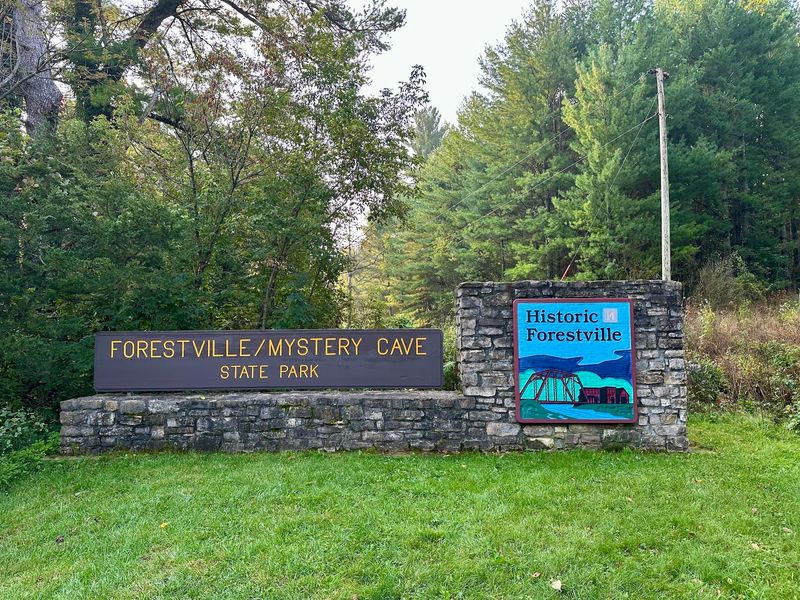
Timing shapes what you can pack into a visit, so the office hours are worth a look. The schedule shifts depending on the day of the week.
Wednesday through Tuesday, the office generally opens at 9 AM. On most weekdays, including Monday, Tuesday, Wednesday, and Thursday, it closes at 3:30 PM.
Fridays and Saturdays stretch much later, staying open until 8:30 PM. That extra evening window gives you more room to fit in a tour or a long hike.
Sundays run on their own clock, opening at 10 AM and closing at 5:30 PM. Planning around these times keeps you from arriving to a closed door.
Because the cave and village sit apart from the main park, arriving with time to spare matters even more. Late arrivals sometimes find the cave already done for the day.
One traveler who rolled in during the evening still managed a quiet walk and a good night’s sleep at a campsite, so an after-hours arrival is not a lost cause. Still, showing up earlier opens up far more of what the park has to offer.
Smart Tips Before You Go
A little preparation goes a long way here, mostly because of one big quirk. Cell service vanishes the moment you drive onto park land.
Downloading directions ahead of time and noting your turns keeps the trip stress-free. The brown signs are reliable, so following them is your best bet once GPS goes quiet.
Dress for the cave even in summer. With the temperature holding at 48 degrees below ground, a coat makes the tour comfortable, and a flashlight helps in the dimly lit sections.
Accessibility is worth a thought too. The cave pathways are narrow, so double strollers and wide wheelchairs may struggle, though there is plenty of handicap parking in the lots.
Reserve your campsite in advance since walk-up spots are no longer offered. If the historic bridge is closed, budget extra drive time to reach the village.
Prices land in the reasonable range, from the roughly fifteen-dollar one-hour cave tour to the longer geology option. Combining the cave, the village, and the trails makes for a full and well-rounded day.
Why This Park Deserves A Spot On Your List
Holding a 4.7-star rating across more than 700 pieces of feedback, this park quietly outperforms its low profile. Plenty of people are surprised they had never heard of it before.
The combination is what sets it apart. Few places let you tour a preserved 1800s village, drop into a cave, hike miles of trails, fish for trout, and camp under quiet skies all in one visit.
Families come away calling it a perfect outing, especially when they tackle all three main attractions in a single day. Curious kids and the adults tagging along both find something to hold their attention.
It is not flawless. Shared horse trails, an occasionally closed bridge, and cool showers show up as small drawbacks worth knowing about.
None of that dims the overall picture. Between the geology below and the history and scenery above, the park delivers far more than its modest reputation suggests.
For a Minnesota outing that mixes adventure with learning and quiet, this underrated stop near Preston makes a strong case for a weekend of its own.
Enjoyed this story?
Add Fast Food Club as a preferred source to see more of our reporting on Google.