


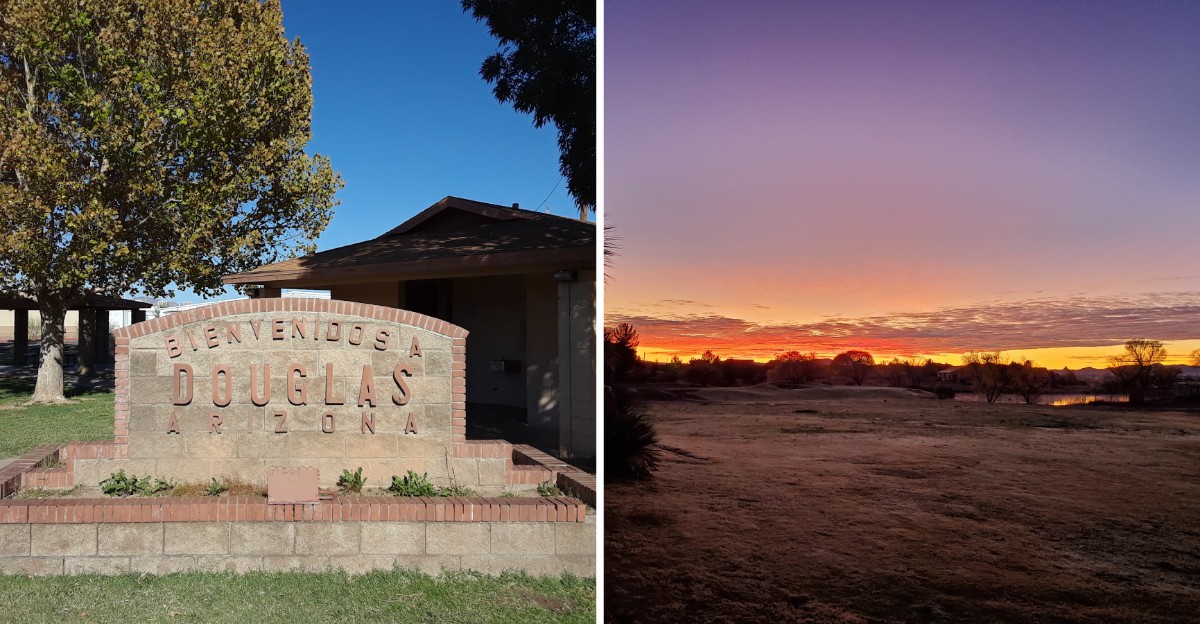
Every winter, a wave of northern travelers rolls south chasing sunshine and low prices, and many of them keep landing in the same quiet corner of southeastern Arizona. It sits right against the Mexican line, surrounded by wide grassland valleys and old mining history that still shows on its streets.
Home prices stay far below the big-city numbers most snowbirds expect, and the cold months feel more like a mild spring than a real winter. What draws people back year after year is not glitz but comfort, room to breathe, and a slower pace that fits retirement well.
The story of this town runs deeper than cheap living, mixing two cultures and a surprising past. Stick around, because the reasons snowbirds keep signing on the dotted line are worth the read.
A Border Town Tucked in the Sulphur Springs Valley
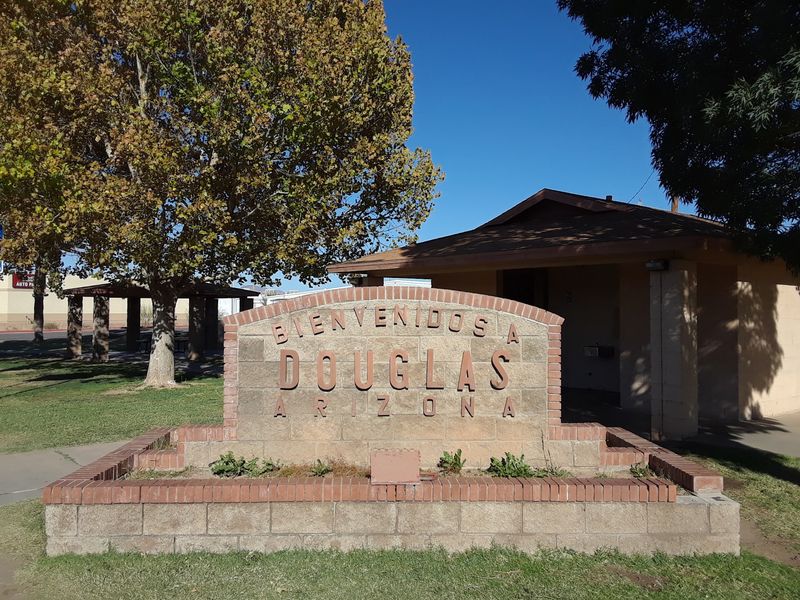
Way down in the far southeastern pocket of Arizona, at roughly 85607 in Cochise County, sits Douglas, a small city that shares a border crossing with Agua Prieta, Mexico.
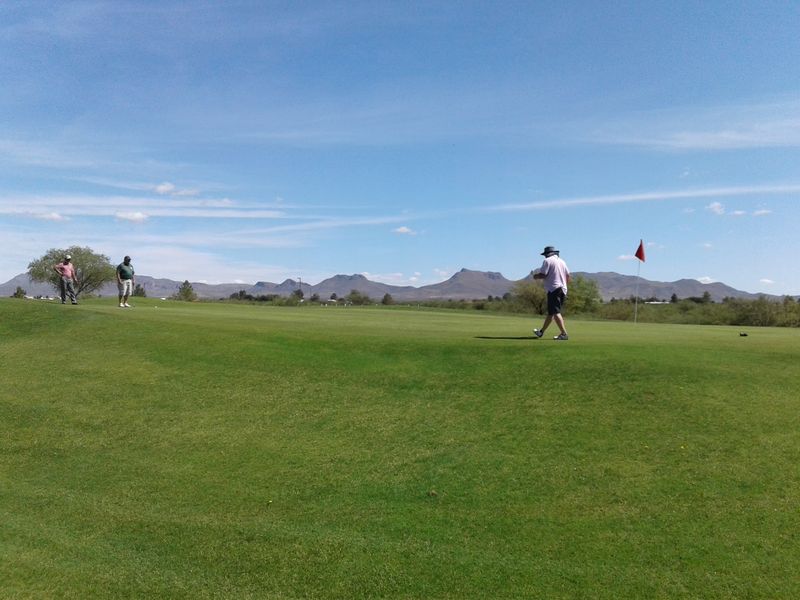
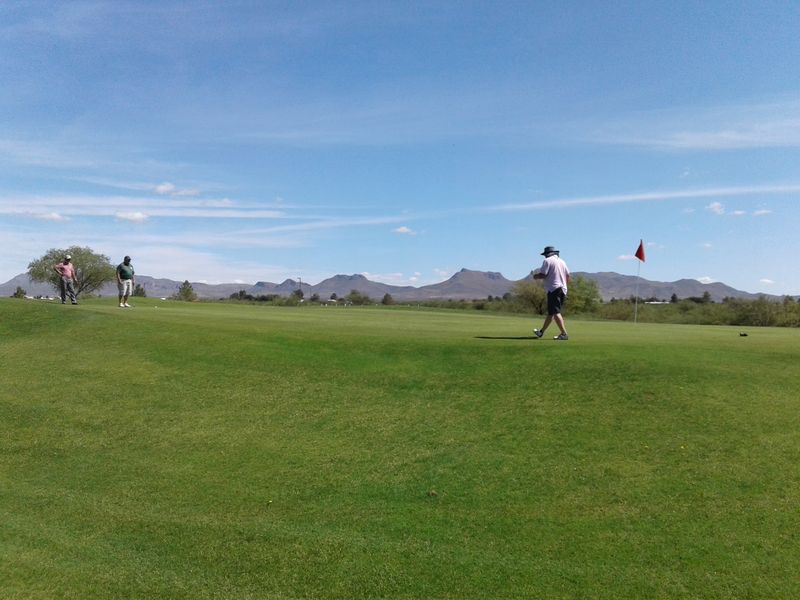
The town stretches across the northwest to southeast run of the Sulphur Springs Valley, wrapped by open grassland and distant ranges.
Its position matters. Being this far south keeps the winters mild, and being this far from the crowded metro areas keeps costs low.
The 2020 Census counted 16,531 residents, so it stays small enough to feel personal without being empty.
Snowbirds like that combination, a manageable size with real services and a genuine sense of place.
What lands first is the openness of it all, a grid of streets giving way quickly to ranch country in every direction.
Mining Roots That Built the Streets
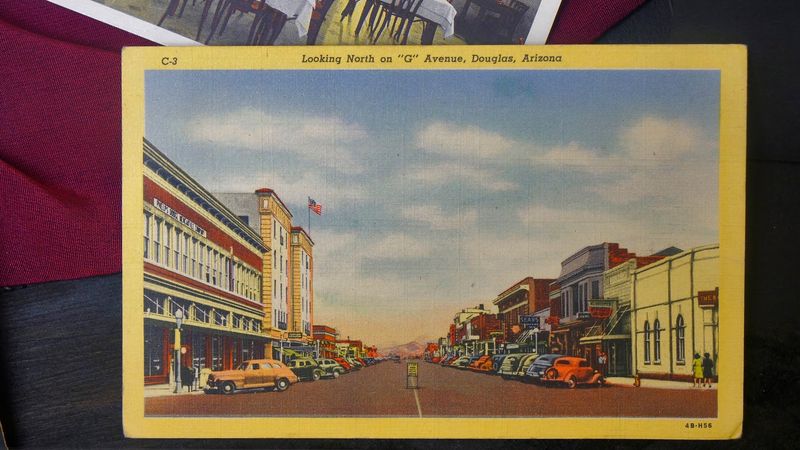
Copper is the reason this place exists at all. Douglas grew up as a smelter town, processing ore hauled in from the surrounding mining district.
The industry shaped the layout, drew workers from many backgrounds, and gave the downtown its sturdy brick bones that still stand today.
Walk the older blocks and the history reads plainly in the architecture, buildings put up when the copper business was booming and money moved fast.
That heritage left behind more than structures. It created a town used to newcomers, since the mines always needed fresh hands.
For snowbirds, that old habit of welcoming outsiders lingers in the friendly, unbothered attitude locals carry.
The mining era eventually faded, but its fingerprints stayed pressed into nearly every corner of the city.
Winters That Feel More Like Spring
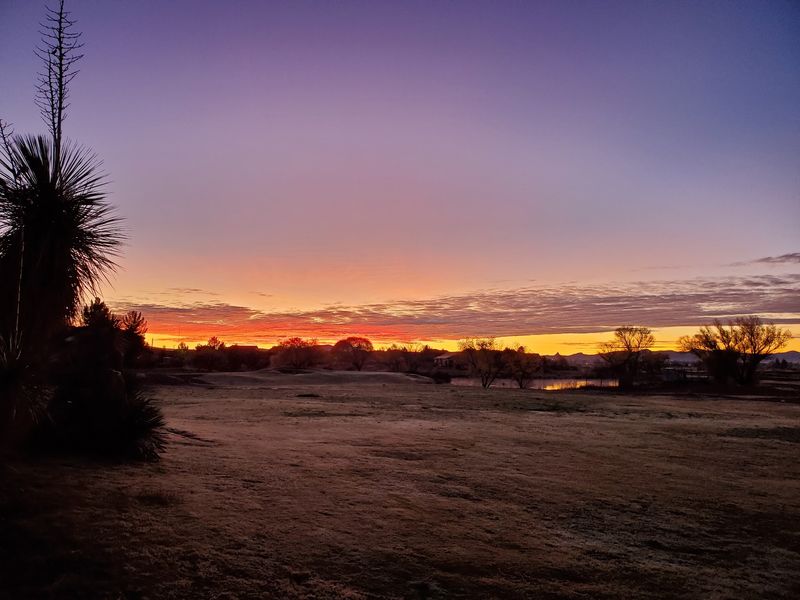
Cold and snow are the whole reason snowbirds flee south, and Douglas answers that call nicely.
Sitting at the bottom edge of Arizona means winter days stay mild and sunny far more often than not, a welcome swap for anyone tired of scraping ice.
The elevation keeps summers from getting as brutal as the low desert, and the winters land in that comfortable middle ground that lets people stay active outdoors.
Retirees can walk, garden, or run errands in short sleeves through much of the season.
That reliable mildness is exactly what fills the driveways with out-of-state plates each year.
By the time northern towns are buried under gray skies, this valley is basking in gentle sunshine, and the folks who found it keep coming back for more.
Home Prices That Stretch a Budget
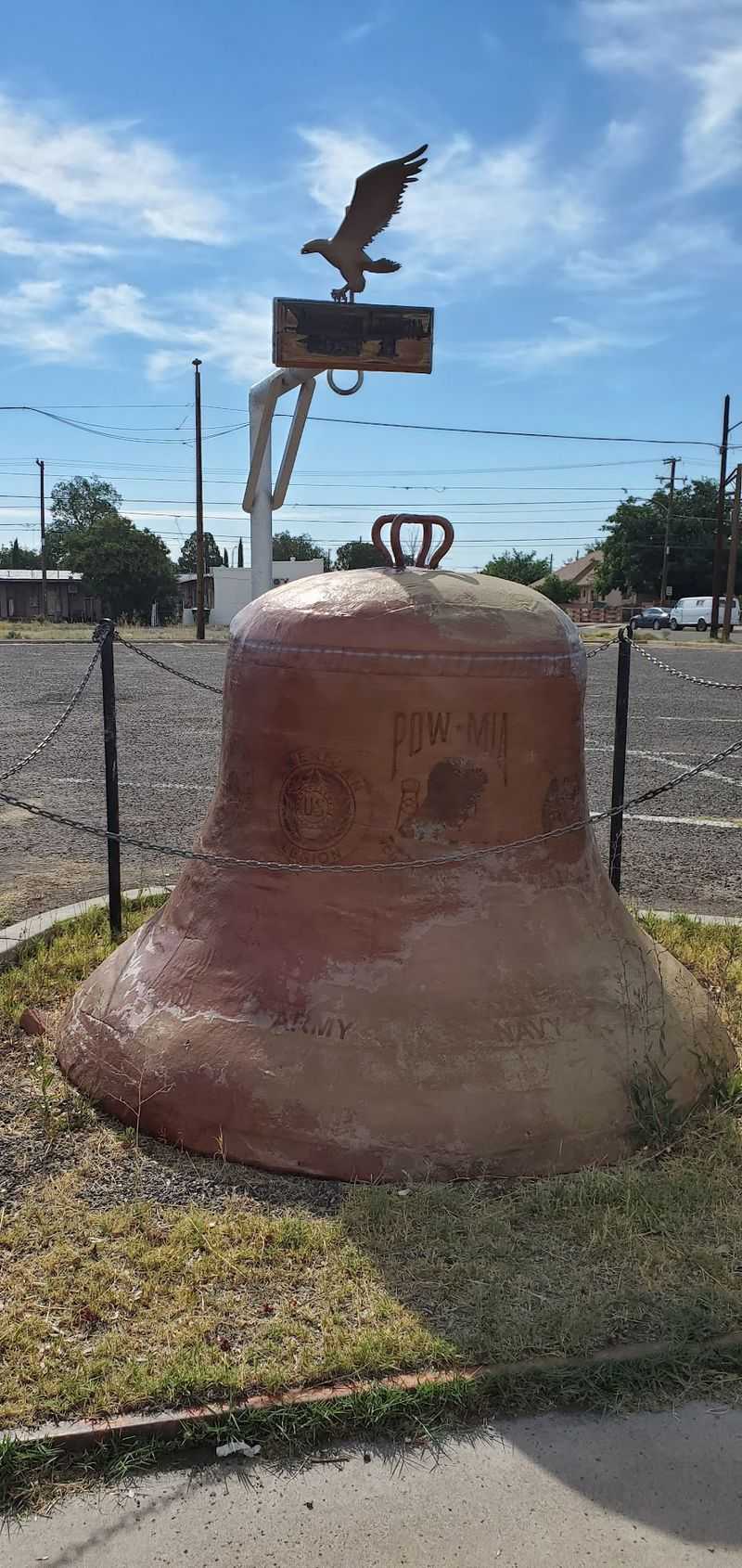
Money talks loudest when you are on a fixed income, and here the numbers lean in a buyer’s favor.
Compared with Phoenix, Tucson, or nearly any snowbird hotspot, housing in Douglas comes in dramatically cheaper.
That gap is a big part of why people keep buying in. A modest budget goes a long way, whether the goal is a small winter place or a full-time move.
Lower housing costs ripple outward too, easing everyday spending and stretching retirement savings further than they would go elsewhere.
Snowbirds who tried pricier resort towns often mention how much more house they get for the dollar down here.
The affordability is not a rumor passed around at RV parks, it is a steady draw that keeps the town on the radar season after season.
Two Cultures Meeting at the Line
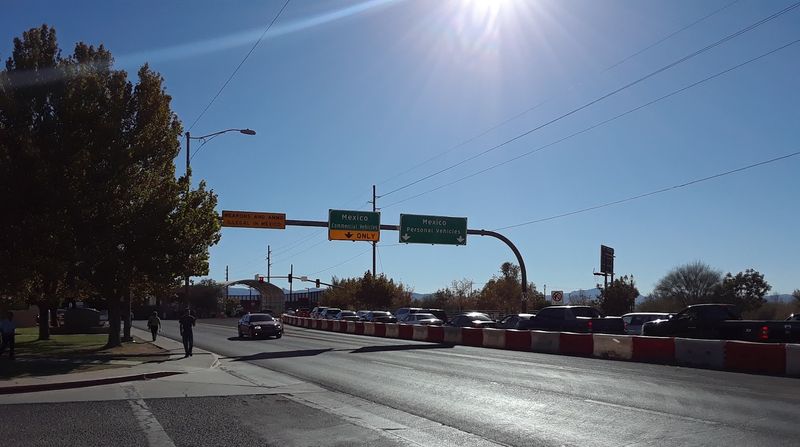
Right at the southern edge, the city meets Agua Prieta, its sister town on the Mexican side, and the two have long lived shoulder to shoulder.
The border crossing here keeps a steady flow of people moving back and forth for shopping, family, and everyday business.
That closeness gives Douglas a blended character, where Spanish and English mix easily and the influence of Mexican culture shows up in food, music, and celebrations.
For newcomers, it opens the door to day trips across the line and a broader sense of community than most small towns offer.
The two economies have leaned on each other for generations, and the connection remains part of daily life.
Living here means having a foot in two countries, which many residents count as a quiet perk of the location.
The Grand Old Hotel Downtown

Few small towns can claim a landmark hotel with the pedigree of the Gadsden, a stately building that has anchored downtown Douglas for over a century.
Built during the copper boom, it stands as a reminder of the wealth that once flowed through here.
The grand interior draws curious travelers who want a look at its historic craftsmanship and old-world design.
For snowbirds settling nearby, having a genuine piece of history within walking distance adds character that newer suburbs simply cannot manufacture.
The hotel has hosted a long parade of guests over the decades, and it remains a proud centerpiece of the town’s identity.
Stopping in feels like touching the town’s origin story, a fitting anchor for a community that treasures its past.
Wide-Open Ranch Country All Around
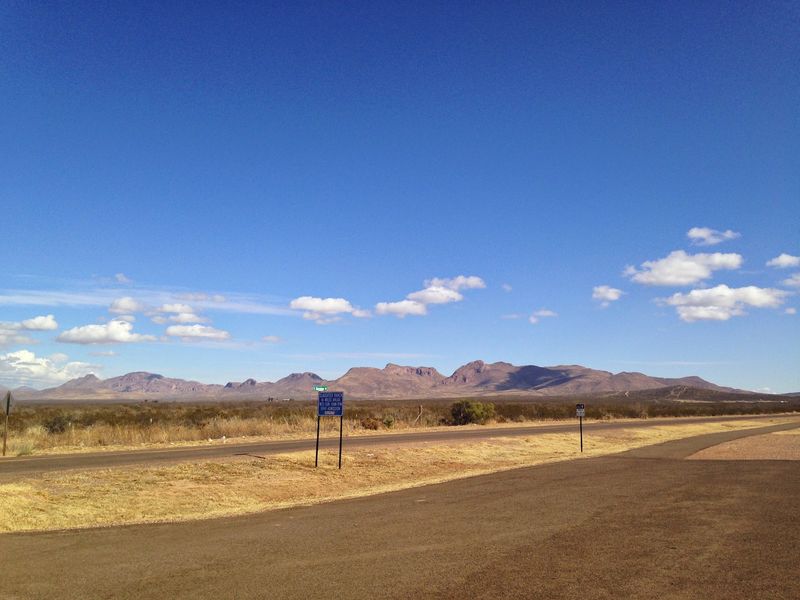
Roll past the edge of town in any direction and the landscape opens into sweeping ranch land that has defined this valley for generations.
Cattle operations spread across the grasslands, and the horizon runs long and uninterrupted toward the mountains.
That elbow room appeals to people leaving crowded cities behind, offering a sense of space that is getting harder to find.
The rural surroundings keep traffic light, noise low, and the night sky remarkably clear of city glare.
Snowbirds who value quiet often point to this openness as a major reason they settled in.
The valley trades hustle for breathing room, and for many that trade is the whole point of coming south.
Bird Watching and Desert Nature Nearby
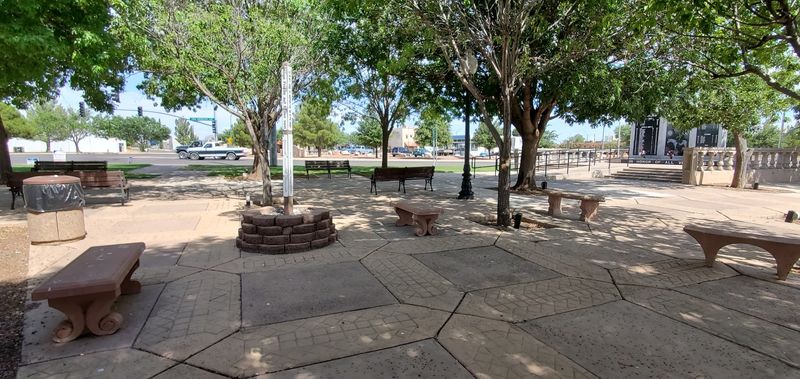
Nature lovers have quietly known about this corner of Arizona for years, since southeastern Cochise County ranks among the country’s top spots for spotting wildlife.
The mix of grassland, desert, and nearby mountain ranges pulls in an impressive variety of birds and other creatures.
Seasonal migrations bring color and movement to the area, and the surrounding open land makes for easy exploring.
Retirees with time on their hands find plenty to fill their mornings, from casual walks to more dedicated outings with binoculars in hand.
The mild winter weather makes these outdoor pursuits comfortable when much of the country is stuck indoors.
It is the kind of low-key hobby that turns a winter stay into a genuine adventure.
A Downtown Built for Slow Strolls
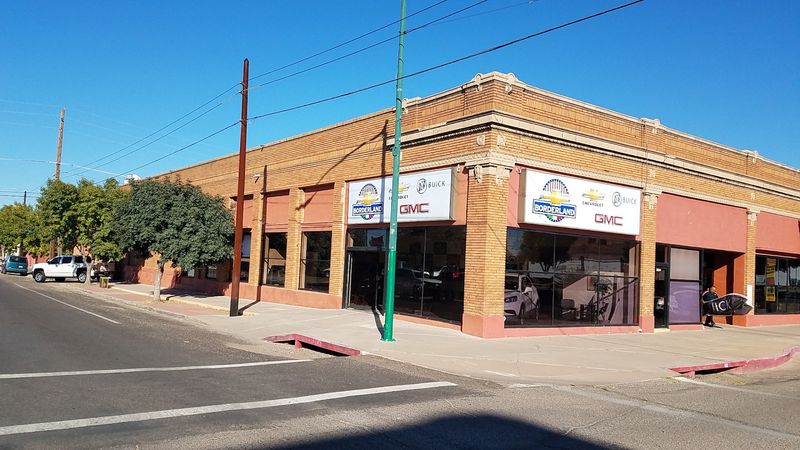
Downtown here has that unhurried, walkable quality that big cities lost long ago.
Historic storefronts line the streets, many dating back to the boom years, and the pace never feels rushed.
Errands turn into leisurely outings, and neighbors tend to know one another by name.
For snowbirds, a compact and friendly center means daily life stays simple, with shops and services close together instead of scattered across sprawling highways.
The low-key rhythm suits retirees who would rather amble than race.
Spend an afternoon among the old brick facades and it becomes clear why so many decide one winter is not enough.
A Community That Welcomes Newcomers
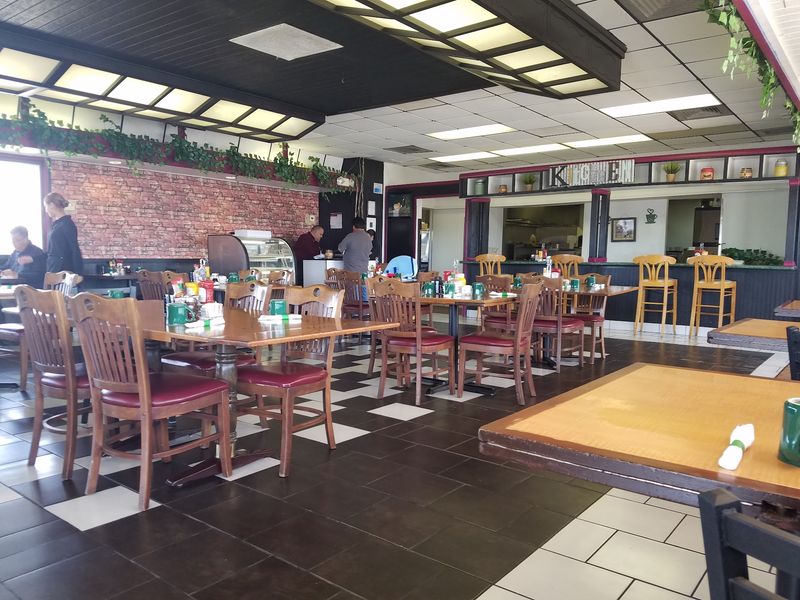
Warmth here is not just about the weather. The people carry a friendliness rooted in the town’s long history of taking in outsiders.
Generations of workers and border families built a community used to different faces and new arrivals.
Snowbirds often mention how quickly they feel at ease, folded into local events and everyday chatter without much fuss.
That easy acceptance makes settling in far smoother than it can be in more guarded resort communities.
Whether staying for a season or for good, newcomers tend to find a spot at the table quickly.
The neighborly spirit turns a cheap winter address into something that actually feels like home.
Getting There and Finding Your Way
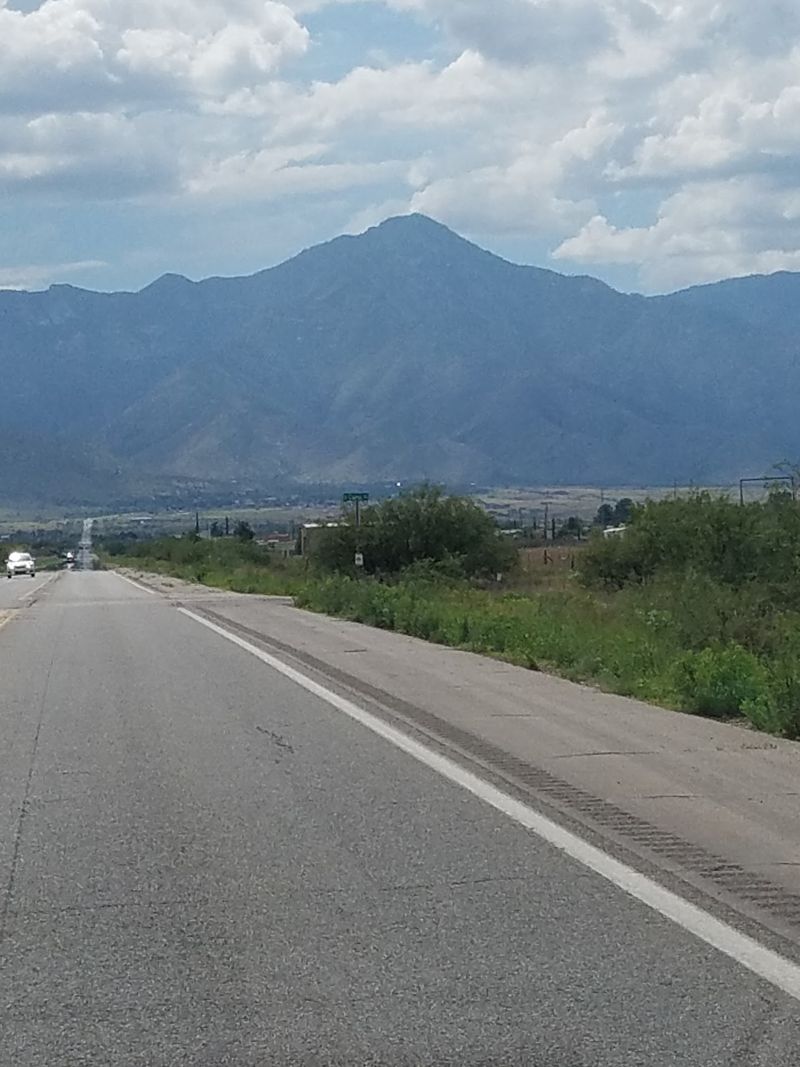
Reaching this far southeastern corner takes a little planning, since it sits well off the busiest interstates.
Most travelers arrive by driving down through Tucson and then heading southeast across Cochise County into the Sulphur Springs Valley.
The town’s official information lives at douglasaz.gov for anyone wanting the latest details before setting out.
Once you arrive, the compact size makes getting around simple, with short drives between most destinations.
The relative remoteness is part of the appeal, keeping crowds and traffic to a minimum.
A bit of extra road time is a small price for the quiet payoff waiting at the end of the drive.
Everyday Costs That Ease the Mind
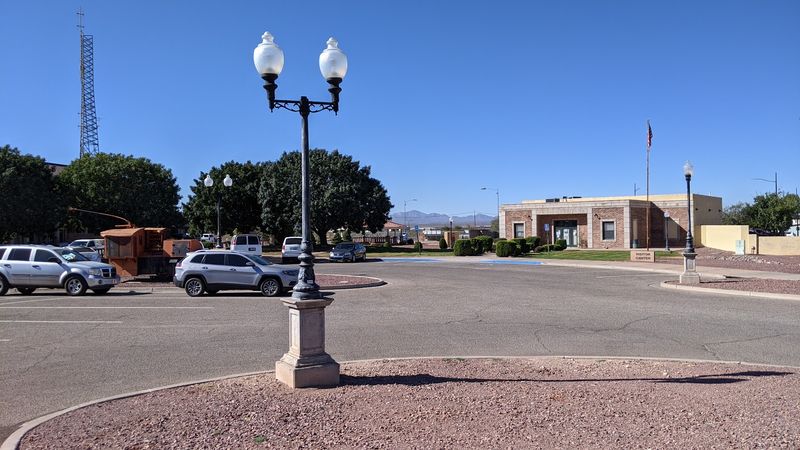
Beyond housing, the day-to-day math in Douglas tends to favor tighter budgets.
A small border city far from expensive tourist zones keeps ordinary expenses comfortably in check.
Being next to Agua Prieta adds another layer, giving residents nearby options for shopping across the line.
For anyone living on a set monthly income, those savings add up quickly and take pressure off the wallet.
The lower cost of living pairs neatly with the mild climate to make the town a practical winter base.
Snowbirds keep the math simple, warm weather plus low bills equals a season well spent.
Who Fits Best in This Valley
Not every traveler is chasing the same thing, and this town knows its crowd well.
People drawn to quiet, affordability, and open space tend to thrive here, while those craving nightlife and glitz might feel restless.
Retirees, budget-minded snowbirds, and anyone curious about border culture find the setting a natural fit.
The mild winters reward outdoor types, and the low costs reward planners watching their spending.
Families connected to Mexico often value the easy crossing and the blended community.
If a slower, simpler winter sounds appealing rather than dull, this is precisely the kind of place worth a serious look.
Why the Snowbirds Keep Coming Back
Add it all up and the appeal of Douglas comes into clear focus.
Warm winters, low prices, wide-open country, and a genuinely welcoming community make a combination that is tough to beat for anyone escaping the cold.
The copper history, the border connection, and the small-town pace give it a character that resort developments cannot replicate.
Snowbirds do not keep buying in by accident, they keep coming because the value is real and the comfort is steady.
For those willing to venture to Arizona’s far southeastern edge, the reward is a mild, affordable, and easygoing winter home.
Season after season, the town proves that the best winter escapes are sometimes the quiet ones hiding right along the line.
Enjoyed this story?
Add Fast Food Club as a preferred source to see more of our reporting on Google.