


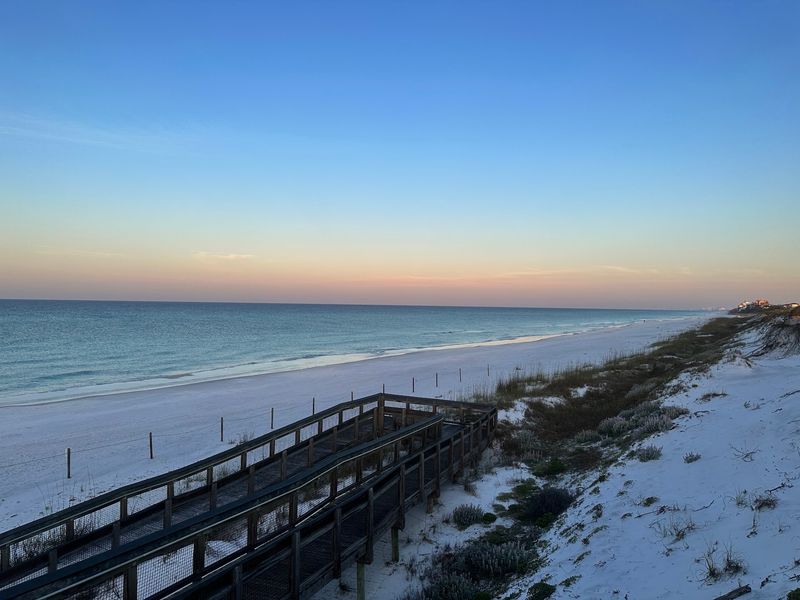
Some beaches announce themselves with neon signs and high-rise hotels. The one in this story sits behind a quiet gate off Highway 30A in Santa Rosa Beach, Florida, and it prefers to let its sand do the talking.
That sand is so white and so free of shells that people debate whether it is the best on the entire Gulf Coast. Behind the shoreline, tall dunes, pine forest, and a rare coastal dune lake fill roughly 2,000 acres of protected land.
There are trails, paddling spots, cabins, and campsites, plus a few quirks worth knowing before the car ever leaves the driveway. Even parking has a strategy.
Keep reading for the full story on this Panhandle favorite, including when to show up, what to bring, and where to find the most elbow room on the beach.
A 2,000-Acre Secret Off Highway 30A
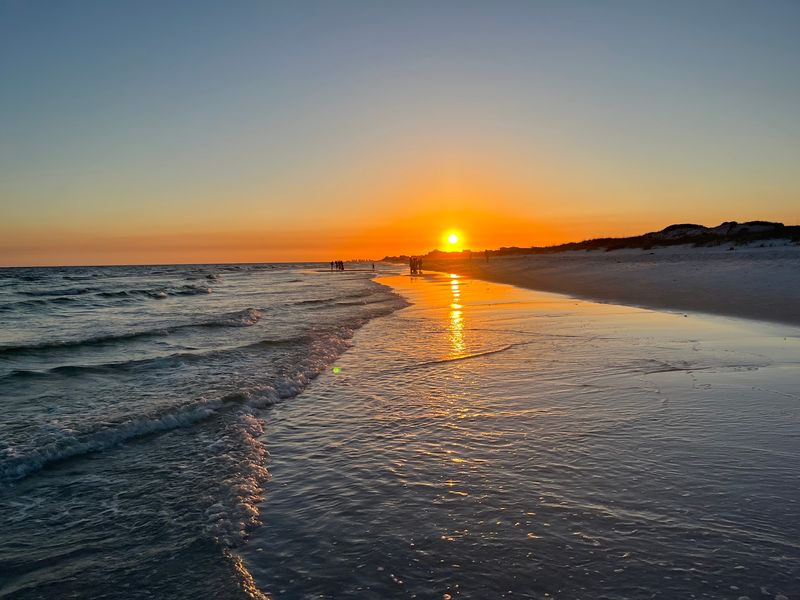
The Florida Panhandle has no shortage of famous beach towns, but one of its most loved shorelines sits inside a state park. Grayton Beach State Park is found at 357 Main Park Rd, Santa Rosa Beach, FL 32459, on the Gulf Coast of northwest Florida in the United States.
The entrance road connects to Highway 30A, the popular coastal route that ties together a string of small beach communities. On busy mornings, a line of cars stretching toward that highway hints that the secret is not entirely secret anymore.
Still, the park covers roughly 2,000 acres. That leaves plenty of room to spread out once inside the gates.
The land offers ocean swimming, a lake with a boat ramp, hiking and biking trails, and camping. Few parks let a guest paddle in the morning, swim in the Gulf by lunch, and hike through dunes before dinner without moving the car.
Restaurants and shops sit just minutes away, so the park works as a full-day escape or a shorter detour. Current details are posted on the official Florida State Parks website under the Grayton Beach page.
Parking lots and paved roads handle the practical side of things. The rest of the acreage belongs to the dunes, the trees, and the water.
So what exactly is hiding behind that gate? The answer starts with the landscape itself.
Old Florida, Still Holding Its Ground
Much of the Panhandle coast has filled in with condos and vacation homes over the years. Here, the land has stayed much closer to its natural state, and that choice shapes every part of a visit.
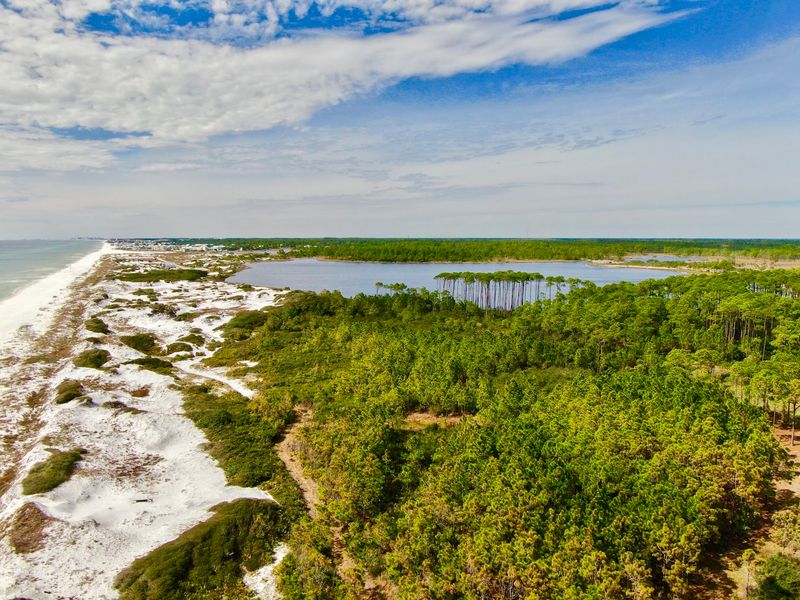
Several coastal settings share one property. Towering pines stand back from the shore, rolling dunes rise between the forest and the beach, and a coastal dune lake sits beside it all.
Many people describe the experience as a taste of old Florida. It is a fitting label for a stretch of coast where natural scenery gets top billing instead of balcony views.
The beach is often called about as untouched as a Florida beach gets. With no rows of towers crowding the skyline, the park feels like a pause button on development.
Wildlife spotting adds another layer. Trails wind through the coastal landscape, and families are often seen teaching kids about the nature around them.
Nearby Santa Rosa Beach can feel crowded and hectic in peak months, especially when it comes to finding a place to park. Inside the park, the pace slows down, which is exactly what many beachgoers came looking for.
Of all the features here, one gets talked about more than any other. It is time to meet the dunes.
Dunes That Steal the Show
Ask around about this park, and the dunes come up again and again. They are the single most talked-about feature, ahead of even the swimming and the camping.
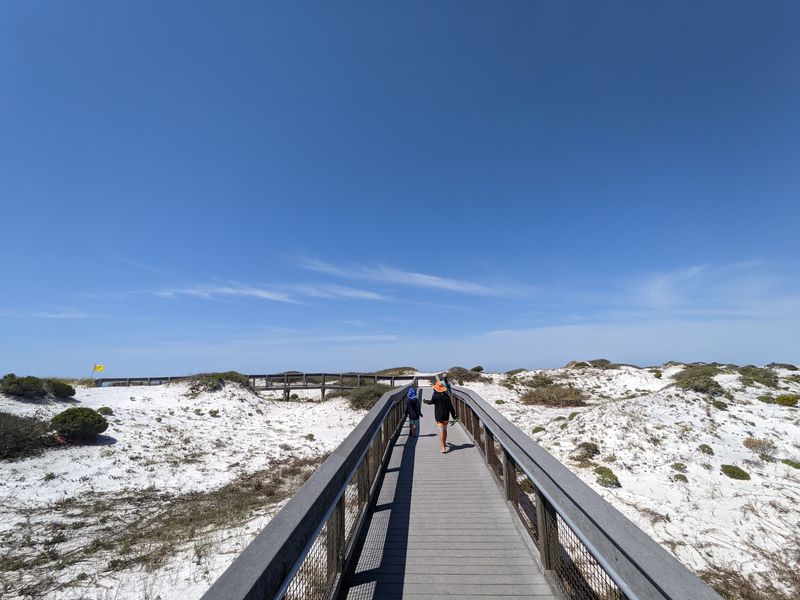
These sandy ridges rise between the parking areas and the Gulf, forming a natural wall along the shore. Many sections are roped off for protection, which helps keep the landforms in place for years to come.
Those ropes serve a real purpose. Dunes help buffer the coastline, and foot traffic can damage the plants that hold the sand together.
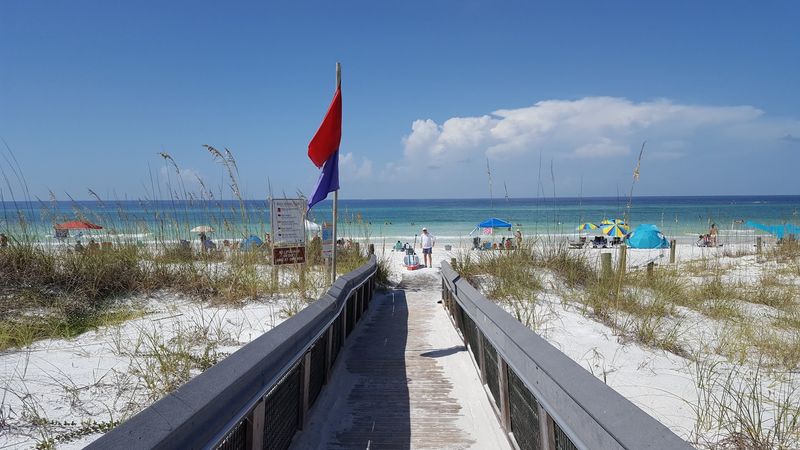
Thankfully, nobody needs to climb on them to appreciate them. A raised boardwalk carries beachgoers over the dunes, giving a clear look at their shapes on the way to the water.
The dunes also frame some of the best photos in the park. Their curves and heights add depth to beach pictures, which is one reason so many photographers set up shop here.
For a closer look, the park’s one-mile trail heads straight through white sand dune country. That walk earns its own spotlight a little later, since a passing mention would not do it justice.
For now, the rule is simple. Respect the ropes, stay on the boardwalk, and let these sandy giants keep doing their job.
Sand With Serious Bragging Rights
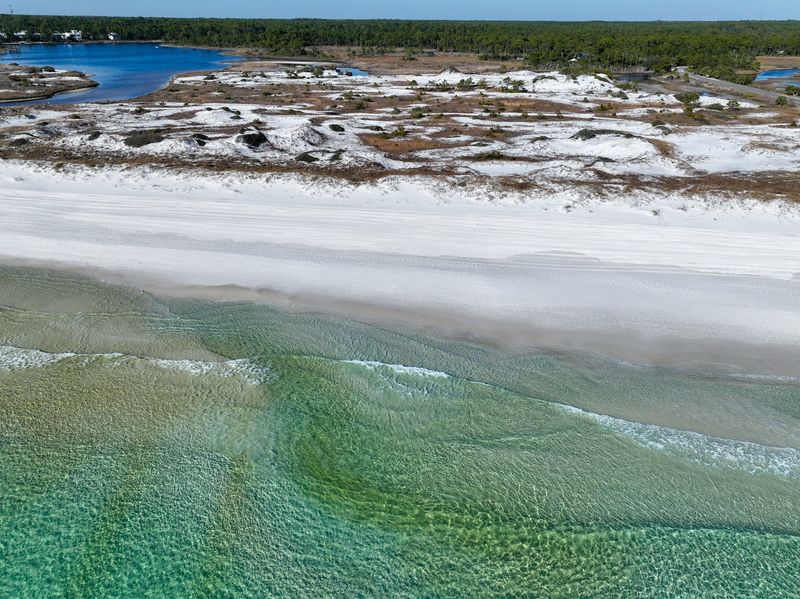
Some beaches are famous for their shells. This one is famous for the lack of them.
The sand here is strikingly white, the kind that earns the sugar comparison in this article’s headline. Shells are few and far between, so the shoreline looks swept clean without anyone holding a broom.
Beach lovers can get competitive about sand, and this park has fans who declare it the best they have ever found. That is a bold claim on a coast full of strong contenders, yet it comes up often.
Cleanliness strengthens the case. The beach is regularly praised as clean and well kept, with little litter or clutter to distract from the view.
The pale shoreline also pairs with Gulf water that is often described as emerald green or teal. That contrast is a big reason the beach shows up in so many vacation photo albums.
For families with small children, fewer shells simply means fewer surprises underfoot. Barefoot walks along the waterline become an easy, carefree part of the day.
One practical note belongs here too. Out on the dune trail, the sand can heat up in the afternoon, so sturdy footwear is a smart choice for anyone hiking after lunch.
Of course, sand is only half of any beach. The water has its own surprises waiting just offshore.
Sandbars, Clear Water, and a Few Wildcards
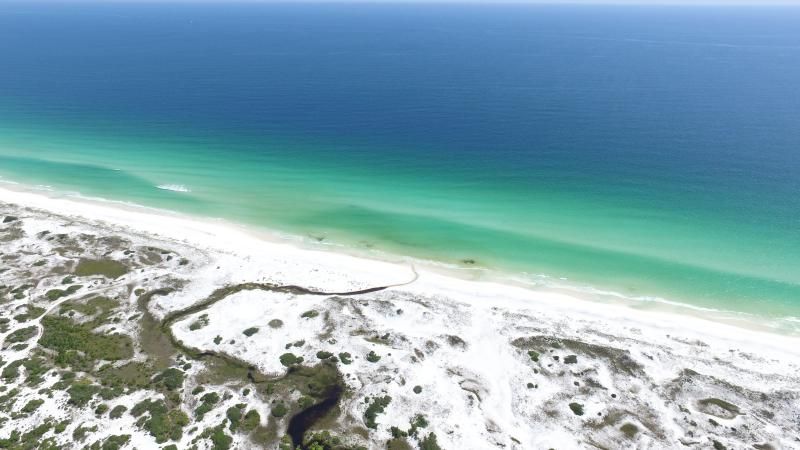
Just off the beach, the Gulf of Mexico reveals a feature photographers adore: sandbars. These shallow ridges create interesting patterns in the water and add dimension to coastal views.
The water is widely described as clear, often in shades of emerald, teal, or blue. On calm days, the shoreline looks ready for a postcard.
Calm is not guaranteed, however. Waves can run high on some days, which delights some swimmers and sends others back to their beach chairs.
Ocean swimming is one of the park’s main activities, but there is no lifeguard on duty. Swimmers should know their limits, check conditions, and keep a close eye on children.
Nature adds a couple of other wildcards. Bites from water lice can happen when waves push seaweed toward swimmers, and a few jellyfish stings have been reported, though far fewer than at some other Panhandle beaches such as Navarre Beach.
None of that seems to scare people away. Many head straight from a hike into the water for a quick swim and then find it hard to leave.
Timing can also shape the experience. In early March, the beach has been known to sit nearly empty, with a pristine shoreline and very few people in sight.
Beyond the Gulf, though, a second body of water waits inland.
Western Lake, the Other Waterfront
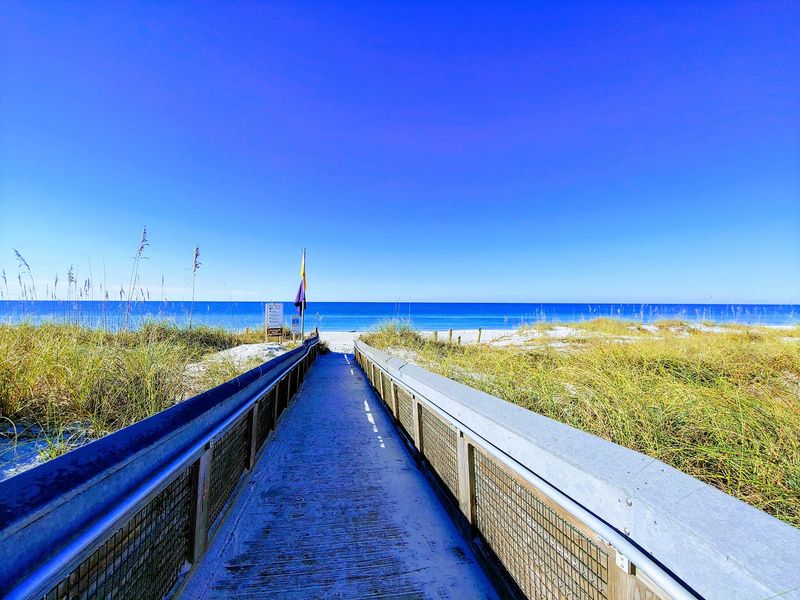
Most beach parks offer one waterfront. This one offers two.
Western Lake is a coastal dune lake within the park, giving it a lakefront to go with its oceanfront. Coastal dune lakes are rare features worldwide, and the Florida Panhandle is one of the few places where they can be found.
The lake has a boat ramp, which makes it easy to launch small craft. Paddle boarding ranks among the most mentioned activities in the park, and kayaking is a close companion.
No gear at home? No problem.
Kayak rentals are available in the larger parking area for anyone who wants to explore the dune lake and bay side.
Paddling offers a fresh angle on the park’s scenery. Pines, dunes, and shoreline come together in a single view from the water.
The lake also adds variety for families who want more than one kind of water outing in a single trip. Kids who have spent the morning in the Gulf can switch to a kayak seat in the afternoon.
A smart plan is a morning paddle followed by an afternoon on the beach, or the other way around. It is a two-for-one deal that few coastal parks can match.
Some of the best exploring, however, happens on foot, and the trail system is up next.
One Mile Through Dune Country
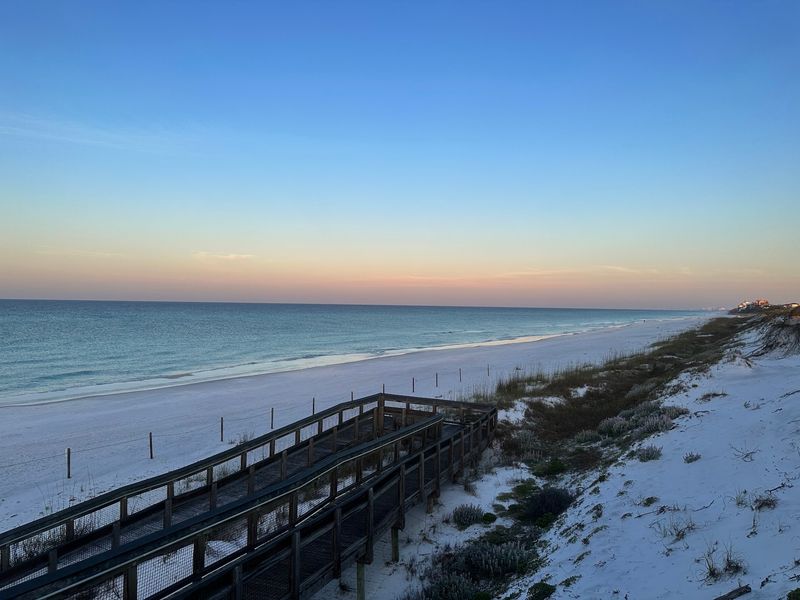
Hikers, joggers, and curious beach walkers all find their way to the park’s one-mile trail. The route passes through white sand dunes and delivers views that make the short distance feel packed with variety.
It is considered an easy walk. That makes it a good match for families, casual walkers, and anyone who wants a nature break without a tough workout.
Runners are fans as well. An early start around 8 a.m. is a popular choice, when families are out exploring and the setting feels safe and welcoming.
The trail is often described as intriguing. It shows a side of the park that beach-only guests miss entirely.
A few quick tips make the outing smoother.
Wear proper footwear, since the sand can heat up later in the day. Bring a water bottle, which can be topped off at the water fill station near the beach area.
Plan the hike before a swim if possible. Plenty of people finish the loop and head straight for the Gulf.
Beyond this signature path, the park has additional hiking and biking trails that cover its diverse coastal landscape. Cyclists can roll through more of the pine forest and see more ground in less time.
Once the walking shoes come off, it is worth checking what waits between the car and the sand.
Boardwalks, Showers, and Beach-Day Basics
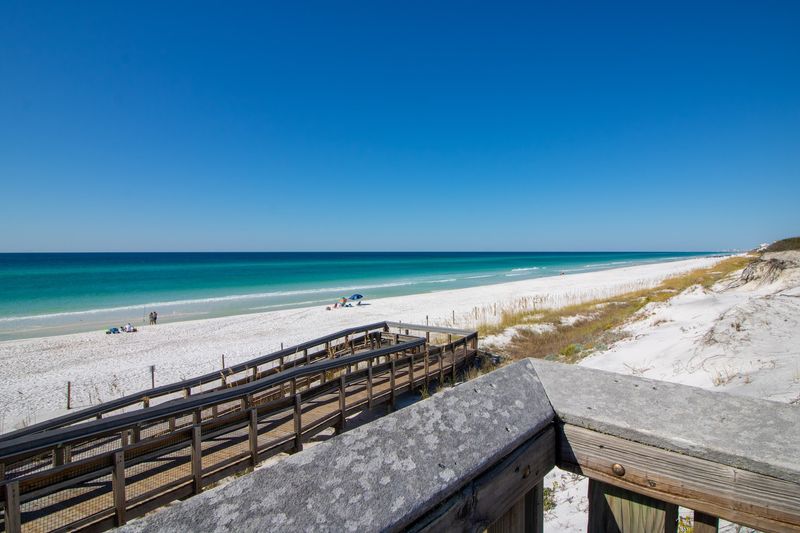
Great beaches can be ruined by a long, awkward trek from the parking lot. Here, the path to the sand is refreshingly simple.
A raised boardwalk runs over the dunes all the way to the beach. A ramp connects the parking area to the shore, which helps anyone hauling coolers, chairs, strollers, or beach wagons.
Restrooms sit right off the parking lot along the boardwalk. They are frequently described as clean, which is not something every public beach can claim.
The park also has an outdoor shower for rinsing off sand before the drive home. A water fill station makes it easy to refill bottles without a trip back to the car.
Put together, these features cover nearly everything needed for a full beach day. Packing becomes simpler when the basics are already waiting on site.
Parking itself is well organized, with paved roads and lots throughout the park. Compared with the scramble for spaces in other parts of Santa Rosa Beach, the setup here feels calm and orderly.
The staff at the gate also earns steady praise for being friendly and helpful. A quick question at the entrance can save time finding the right parking area or activity.
With the practical side handled, attention can turn to why so many cameras show up on this beach.
A Photographer’s Favorite Backdrop
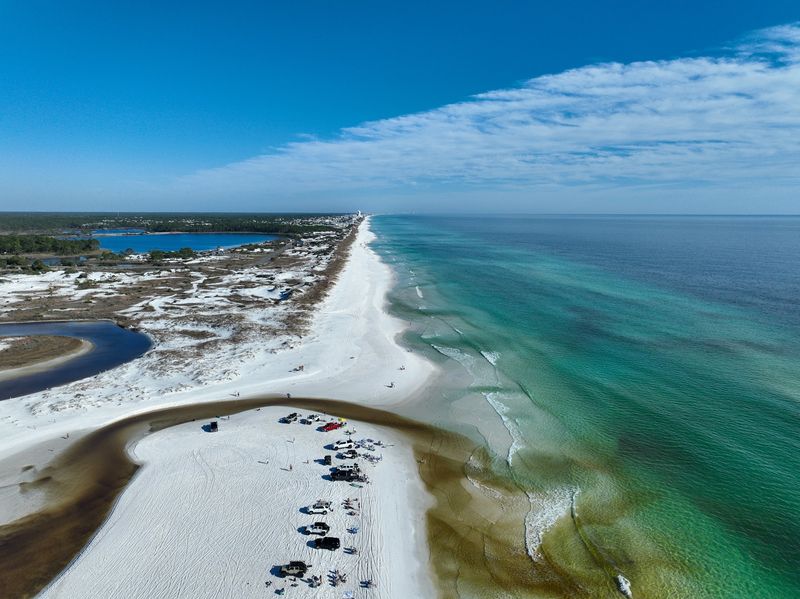
Spend an afternoon on this beach and the cameras become hard to miss. Photographers come and go throughout the day, setting up shoots for families, couples, and portraits.
The reasons stack up quickly. White sand, clear Gulf water, protected dunes, and offshore sandbars create a backdrop that needs very little editing.
Family photos are a big draw. Groups gather near the dunes and along the waterline to capture vacation memories.
The park is also a popular choice for intimate elopements and wedding photos. Its spacious beach and peaceful setting suit couples who want a romantic coastal scene without a crowd of strangers in every frame.
Golden hour is the prime time for many of these sessions. Late-day light reflecting across the water and sand makes the scenery especially photogenic.
The sandbars deserve extra credit. They add depth and dimension to images in a way that a flat, featureless shoreline cannot.
Anyone planning a professional shoot should check the official park website for current rules and any permit requirements. Guidelines can change, and it is better to know before arriving with a tripod.
Casual phone photographers can join the fun too. Just remember to stay off the roped dunes, no matter how tempting the angle, and consider sticking around for an overnight stay.
Cabins and Campsites Among the Pines
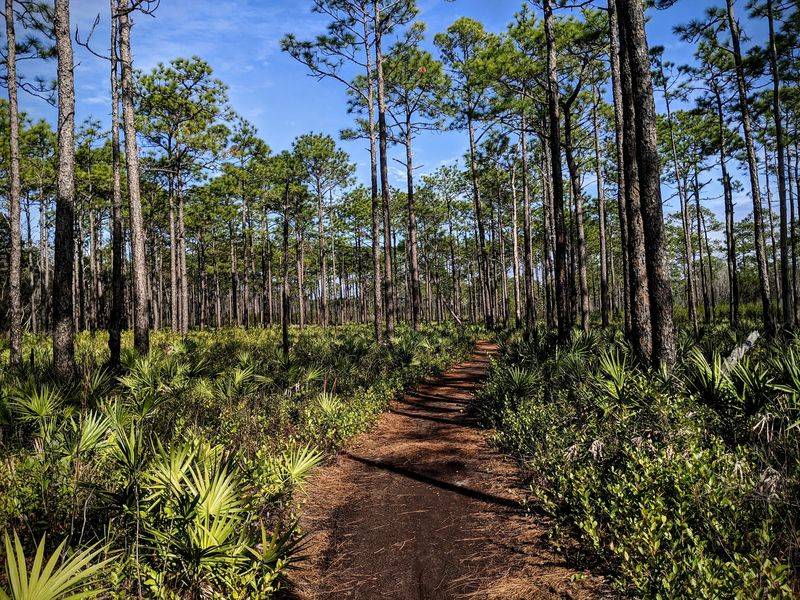
Day trips are fine, but waking up inside the park is a different experience altogether. Overnight options come in two flavors: cabins and campsites.
The on-site cabins, sometimes called beach cottages, earn frequent praise for being charming, clean, and well maintained. They offer a quiet retreat set among towering pines and coastal dunes.
Location is the headline feature. The beach sits just a short walk away, so a morning stroll on the sand does not require a drive or a parking spot.
Campers have plenty to cheer about as well. The campground offers large, secluded gravel sites with full hookups, which suits RV travelers who like space between neighbors.
Some guests call the camping location second to none. It is easy to understand the enthusiasm when a Gulf beach, a dune lake, and forest trails are all part of the backyard.
Staff members in the campground area are known for being friendly and helpful. That kind of support can make a longer stay run smoothly.
The surrounding area adds convenience. Restaurants and shops sit only minutes away, giving campers an easy break from cooking.
Reservations for cabins and campsites are handled through the state park system, so booking ahead is wise. The next section explains why planning ahead matters for day visits, too.
The Early Bird Gets the Parking Spot
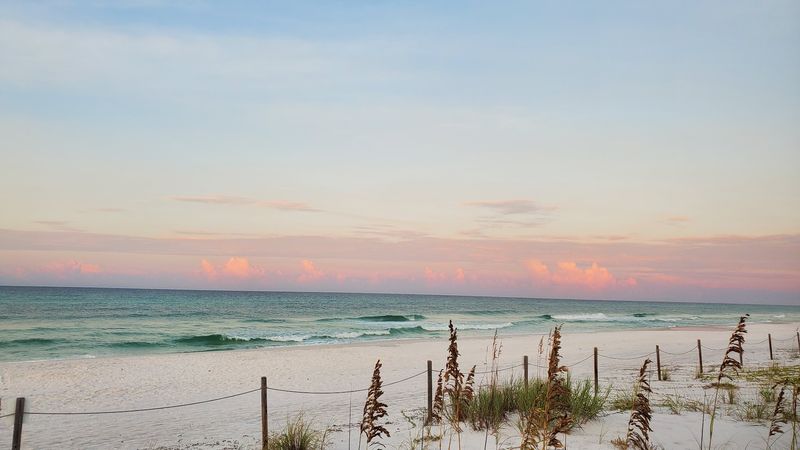
Here is the one piece of advice that comes up more than any other: arrive early. The park is popular, and its parking lots fill up on a regular basis.
Once the park reaches capacity, the entrance closes for a while. On busy days, the line of cars has stretched all the way back to Highway 30A.
Timing makes all the difference. A late-morning arrival around 10 or 11 a.m. can mean a long wait, while one Saturday arrival just after 12:30 p.m. squeaked in as the last car allowed before closing.
Afternoons tend to be the most crowded stretch of the day. Showing up right at opening is the surest way to avoid sitting in the car.
Beach access limits in nearby areas, including Seaside, have pushed even more people toward this park. That extra demand only raises the value of an early start.
There is good news for those who do make it in. The park rarely feels packed once inside, and plenty of days seem relaxed rather than hectic.
For even more breathing room, walk a little farther down the beach away from the main access point. The crowds thin out quickly with just a bit of extra effort.
A few more practical details can make the day even smoother, starting at the gate.
Fees, Safety Notes, and Smart Packing
Good news for budget-minded beachgoers: entry here is modest. Admission has been $5 per car, paid at the gate before heading in.
Fees can change, and there have been times when the park waived admission to help accommodate extra beach traffic. The official Florida State Parks website is the best place to confirm current fees and operating hours before a trip.
The gate staff is regularly described as friendly and helpful. It is a pleasant way to start the day, especially after a wait in line.
Safety deserves a moment of attention. There is no lifeguard at the beach, so swimmers should watch the surf and supervise children closely.
Water lice and the occasional jellyfish can show up, particularly when waves push seaweed toward shore. A quick look at the water before wading in is a sensible habit.
A smart packing list for this park includes a few essentials:
Reusable water bottles for the fill station, plus sturdy footwear for the dune trail. Sun protection, since shade on the open beach is limited.
A change of clothes for after the outdoor shower. Paddling gear, unless the plan is to rent a kayak from the larger parking area.
With the logistics sorted, only one question remains. Is this quiet stretch of coast worth the effort?
Why This Quiet Coast Earns a Return Trip
Plenty of beaches look good on a travel brochure. Far fewer manage to keep their natural character while welcoming a steady stream of people, and that balance is what sets this park apart.
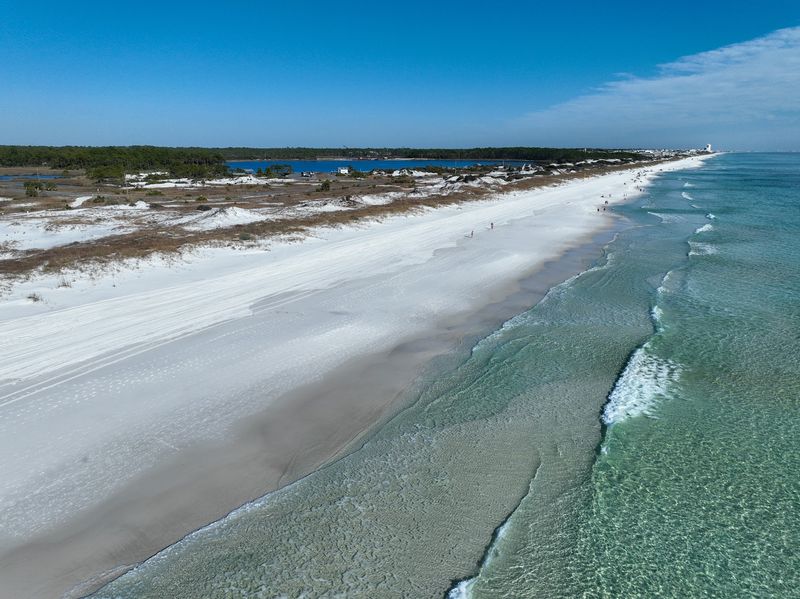
The sand is white and nearly shell-free. The dunes are protected and admired, and the Gulf water is clear enough to show off the sandbars beneath it.
Add a rare coastal dune lake, a one-mile dune trail, cabins in the pines, and roomy campsites, and the park becomes far more than a place to spread a towel. It is a full coastal playground wrapped into about 2,000 acres.
There are trade-offs, of course. Parking fills fast, no lifeguard is on duty, and the occasional water louse may crash the party.
Those small hurdles are easy to handle with a little planning. Arrive early, pack smart, and stroll a bit farther down the beach for more space.
The park suits a wide range of travelers. Families, runners, paddlers, photographers, campers, and couples planning a quiet elopement all find something worth their time.
Many people leave already talking about coming back. On a quiet stretch of the Panhandle, that might be the clearest sign that the sugar-white sand is worth every minute in line.
Enjoyed this story?
Add Fast Food Club as a preferred source to see more of our reporting on Google.