


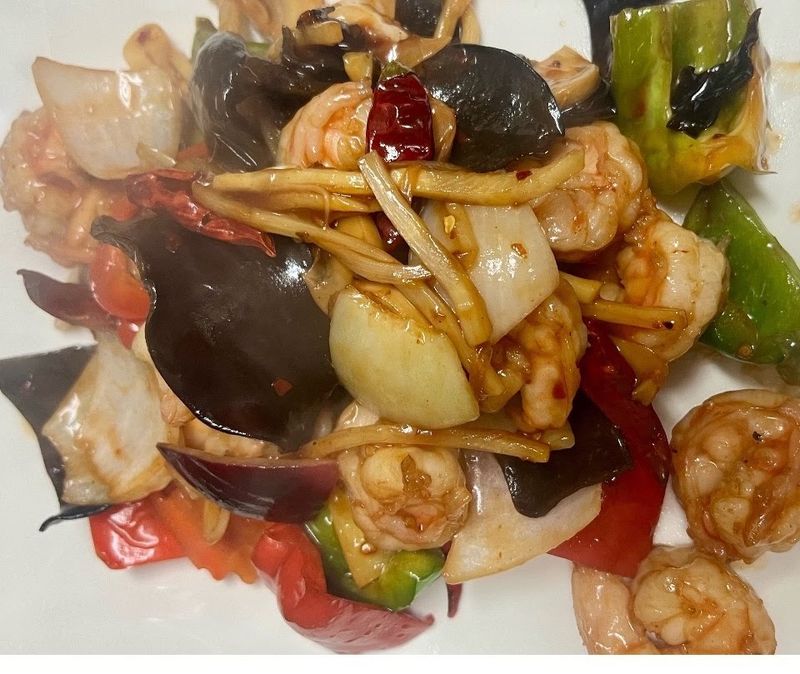
Walk into almost any Maryland kitchen and you will probably spot a yellow and blue tin of Old Bay sitting within easy reach of the stove. The seasoning was created in Baltimore by spice maker Gustav Brunn, who named it after the Old Bay Line, a steamship service that carried passengers on the Chesapeake Bay.
What started as a blend meant for seafood has turned into a statewide habit, and Marylanders now shake it on everything from crabs and fries to corn, wings, and even popcorn. These nine dishes show why the habit makes a lot of sense, and a few of them might earn a permanent spot in your own kitchen.
1. Steamed Blue Crabs
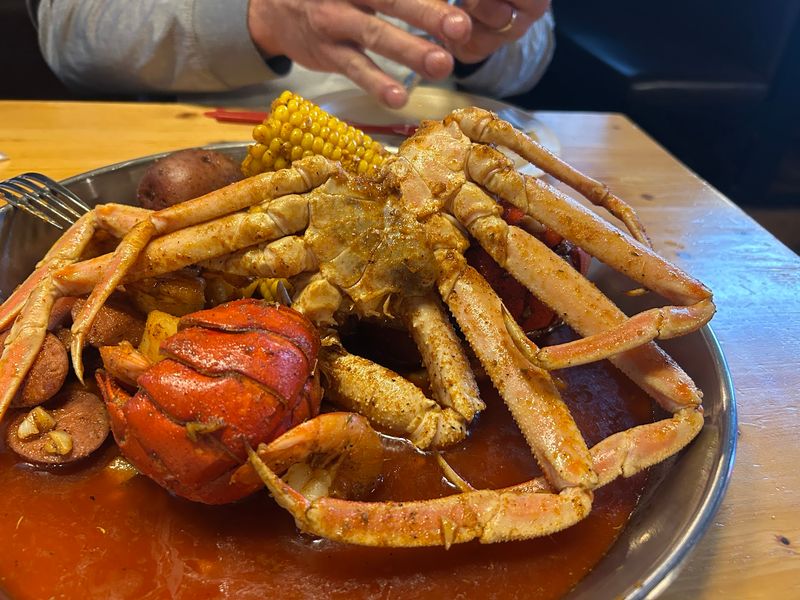
Every Maryland summer tradition seems to lead back to a table covered in brown paper and a heap of red crabs. Blue crabs from the Chesapeake Bay are steamed, not boiled, and many crab houses and backyard cooks coat them in a thick layer of seasoning before the lid goes on.
Old Bay is one of the most common choices for that coating. Its mix of celery salt, paprika, and red and black pepper clings to the shells, so every crack of the mallet leaves a little spice on your fingers.
That is the point. The seasoning on your hands ends up on the sweet crab meat as you pick it out, which balances the natural sweetness with salt and a mild kick.
Picking crabs takes time, and that is part of the appeal. Families and friends often spend a whole afternoon around one table, trading tips on the best way to get the backfin meat out in one piece.
If you are new to the ritual, start with a smaller batch and ask for extra napkins. You will need them.
2. Maryland Crab Cakes
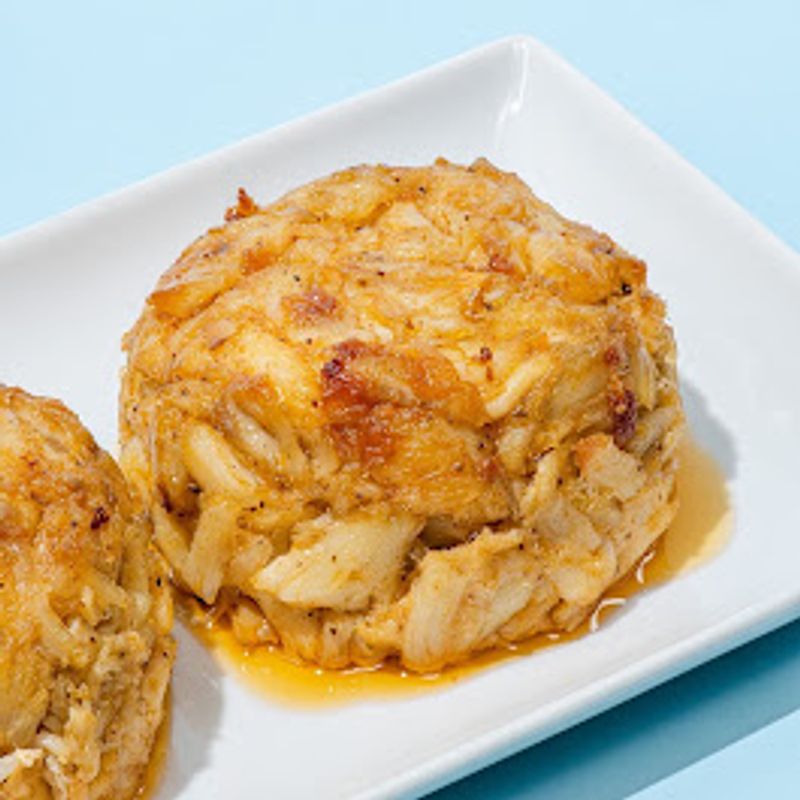
Ask ten Marylanders about the perfect crab cake and you might start a friendly argument. Most will agree on one rule, though: the crab should be the star, with as little filler as possible holding it together.
A classic Maryland crab cake uses lump or backfin blue crab meat, a binder like mayonnaise and egg, a little mustard, and a small amount of breadcrumbs or crackers. Old Bay often gets mixed right in, and some cooks add another sprinkle on top before broiling or frying.
The seasoning works here because it does not cover up the crab. It adds a savory backbone that makes the sweet meat taste even more like itself.
McCormick, which bought the Old Bay brand in 1990, has long promoted crab cake recipes built around the blend. That connection shows how closely the seasoning and this dish are tied together in Maryland food culture.
Broiled or fried, served on a sandwich or on a plate with sides, a good crab cake is one of the easiest ways to understand why the state takes its seasoning so seriously.
3. Maryland Crab Soup
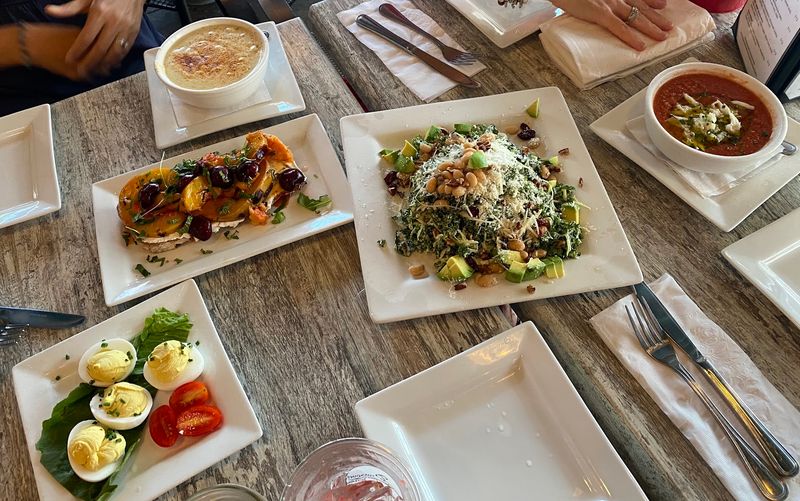
Not every crab dish needs a mallet. Maryland crab soup is the cozy, spoon-friendly cousin of a crab feast, and it shows up on menus across the state all year long.
The soup has a tomato-based broth loaded with vegetables such as corn, green beans, carrots, peas, lima beans, and potatoes. Crab meat goes in near the end, and Old Bay is the seasoning many cooks rely on to pull everything together.
Why does it work so well here? Tomatoes and vegetables can taste a little flat on their own, and the celery salt and pepper in the blend give the broth a savory, slightly spicy lift.
Many restaurants serve it alongside cream of crab soup, a rich and creamy option. Ordering a half-and-half cup, sometimes called a “half and half” or “Maryland mix,” is a popular way to try both at once.
I would save this one for a chilly day when crab season feels far away. One bowl brings the taste of summer back fast.
4. Steamed Shrimp
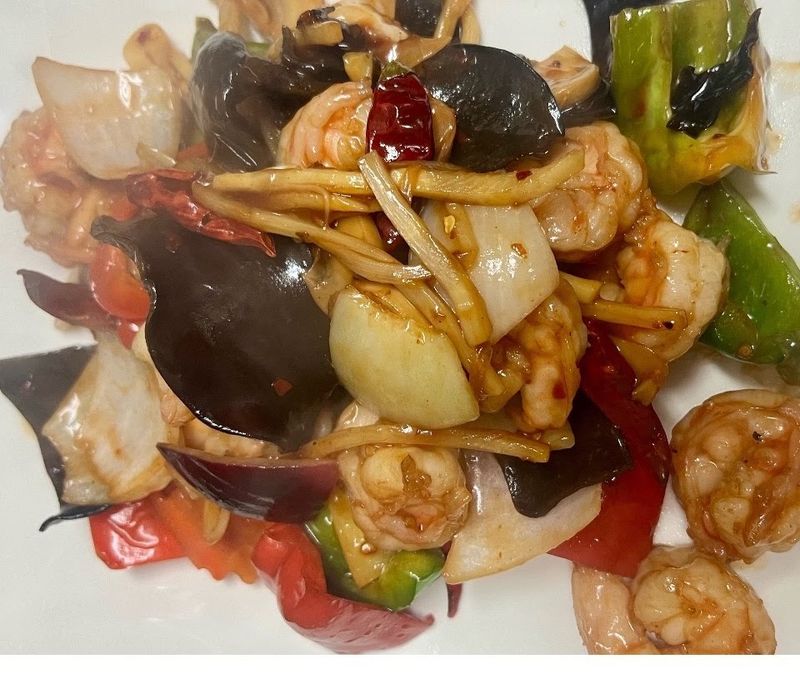
Plenty of seafood carryouts around Maryland sell steamed shrimp by the pound, and many of them will ask one quick question: how much seasoning do you want?
The answer for a lot of customers is plenty. Peel-and-eat shrimp are steamed in their shells and then coated in Old Bay, so you get a burst of spice every time you pull a shell off.
Shrimp have a mild, slightly sweet flavor, which makes them a blank canvas for bold seasoning. The blend adds salt and heat without overpowering that clean taste.
Steamed shrimp are also a lot less work than crabs. That makes them a smart pick for game days, weeknight dinners, or anyone who wants the Maryland seafood experience without a full afternoon of picking.
Most people pair them with cocktail sauce and a squeeze of lemon. Some skip the sauce entirely and just lick the seasoning off their fingers, which says a lot about how good the combination is.
5. Old Bay French Fries
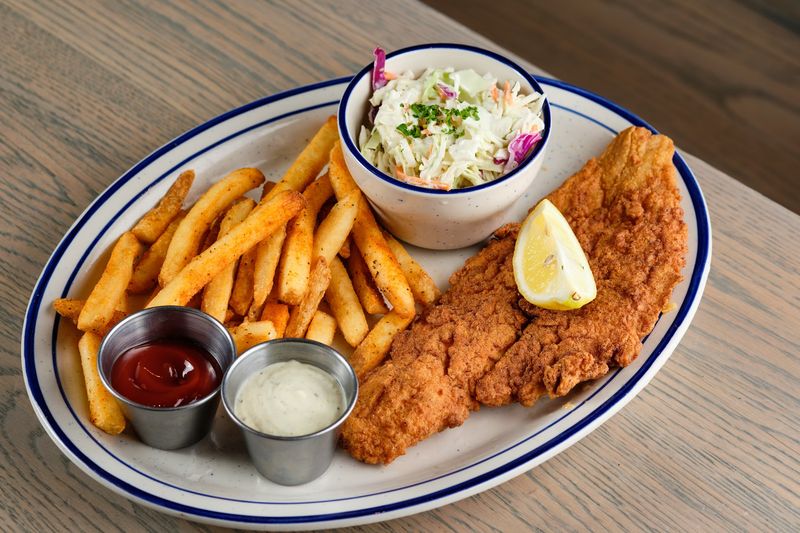
Salt is fine. Old Bay is better, at least according to a whole lot of Marylanders.
Seasoned fries are one of the easiest ways to spot how far the blend has traveled beyond seafood. Restaurants, food trucks, ballpark stands, and carryouts across the state offer fries dusted in Old Bay, and many home cooks keep a tin next to the air fryer for the same reason.
The paprika gives the fries a reddish color, while the celery salt adds a savory note that plain salt cannot match. A little red pepper brings just enough heat to keep you reaching for the next one.
Some places also serve the fries with a side of cheese sauce or a creamy dipping sauce. The mix of spice and something rich is hard to beat.
If you want to try it at home, toss hot fries with a light shake of seasoning right after cooking so it sticks. Go easy at first, because the blend is already salty.
6. Sweet Corn on the Cob
Maryland farm stands fill up with local sweet corn in the summer, and it often shows up at the same cookouts as steamed crabs. That timing is no accident, and neither is the seasoning.
A classic move is simple. Cook the corn, brush it with melted butter, and sprinkle on Old Bay.
The butter helps the seasoning stick, and the salt and pepper cut through the natural sugar in the kernels. The result is sweet, salty, and a little spicy all in one bite.
Some cooks take it further by mixing the seasoning into softened butter ahead of time. Keeping a small dish of Old Bay butter on the table makes it easy for everyone to season their own ear.
This is the kind of side dish I would bring to any summer party. It takes almost no effort, and it pairs naturally with seafood, burgers, or grilled chicken.
Leftover kernels can be cut off the cob and tossed into salads or salsas too.
7. Old Bay Chicken Wings
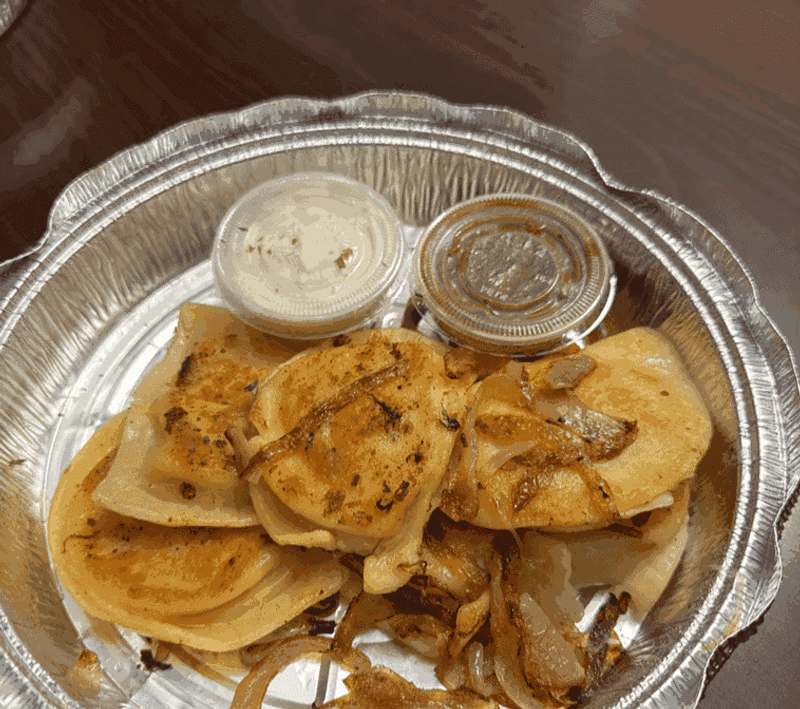
Buffalo gets most of the credit for wings, but Maryland has its own spin. Old Bay wings are a regular menu item at wing spots and sports hangouts across the state, especially on football Sundays.
Wings are usually fried until crispy and then tossed in the seasoning, either dry or mixed with butter. Some places offer a combo that blends Old Bay with a hot sauce for extra heat.
The dry version is a nice change of pace. You get all the flavor without the sticky mess of a heavy sauce.
Chicken skin crisps up well, and that texture holds the seasoning better than you might expect. Each bite has crunch, salt, and a gentle warmth from the red pepper.
Home cooks can make them in the oven or air fryer with a light coat of oil and a generous shake of the blend. Serve with celery and ranch or blue cheese dressing, and you have a very Maryland game day spread.
8. Hot Crab Dip
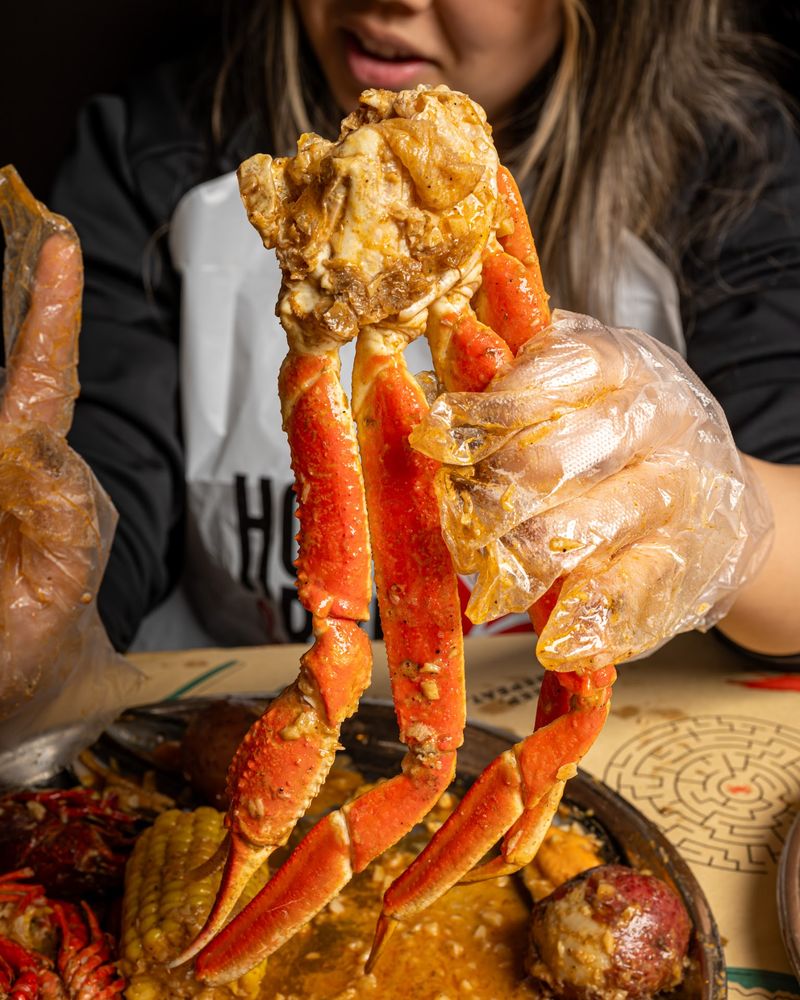
Party hosts in Maryland have a secret weapon, and it usually comes out of the oven in a small baking dish. Hot crab dip is creamy, cheesy, and packed with crab meat, and it tends to disappear fast.
Most versions start with cream cheese, mayonnaise or sour cream, shredded cheese, and lump crab meat. Old Bay goes into the mix, and many cooks add a final dusting on top for color before baking.
Rich dips need something to cut through all that cream. The seasoning does that job, keeping each scoop from tasting too heavy.
Restaurants around the state serve crab dip with crackers, tortilla chips, pretzel bread, or toasted baguette slices. Some even put it on top of soft pretzels or fries for an extra indulgent snack.
It is also a practical choice for gatherings. You can mix it ahead of time, keep it in the fridge, and bake it right before guests arrive.
9. Old Bay Popcorn
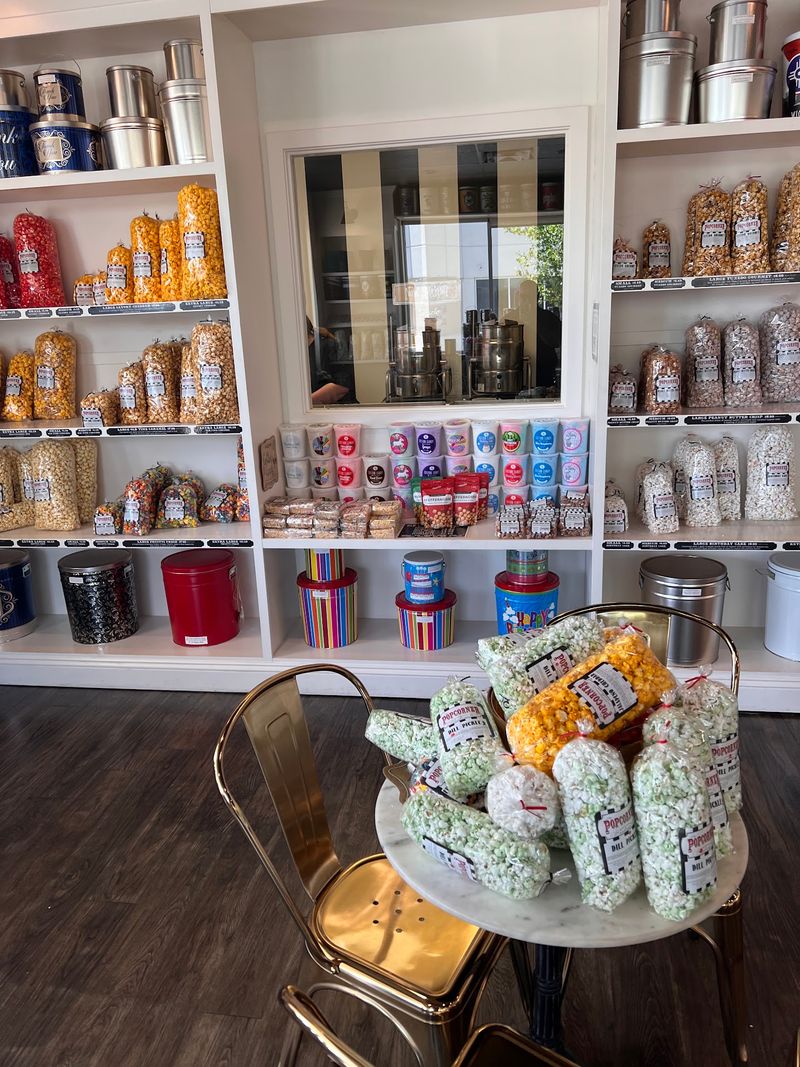
Here is where the “everything” part of the headline really kicks in. Popcorn has nothing to do with the Chesapeake Bay, yet plenty of Marylanders would not eat it any other way.
The method is about as easy as snacks get. Pop the kernels, drizzle on a little melted butter, and shake on Old Bay while tossing the bowl so the seasoning spreads evenly.
Popcorn is light and neutral, so it picks up flavor quickly. The blend turns a basic movie snack into something savory with a small kick.
This dish shows why the seasoning spread so far beyond seafood. Once people realized it worked on crabs and shrimp, they started testing it on everyday foods, and many of those experiments stuck.
Other popular pairings include deviled eggs, potato salad, roasted potatoes, and even eggs in the morning. If a food could use a little salt and spice, someone in Maryland has probably tried Old Bay on it.
Start with popcorn, though. It is a low-risk way to find out if you are ready to join the club.
Enjoyed this story?
Add Fast Food Club as a preferred source to see more of our reporting on Google.