


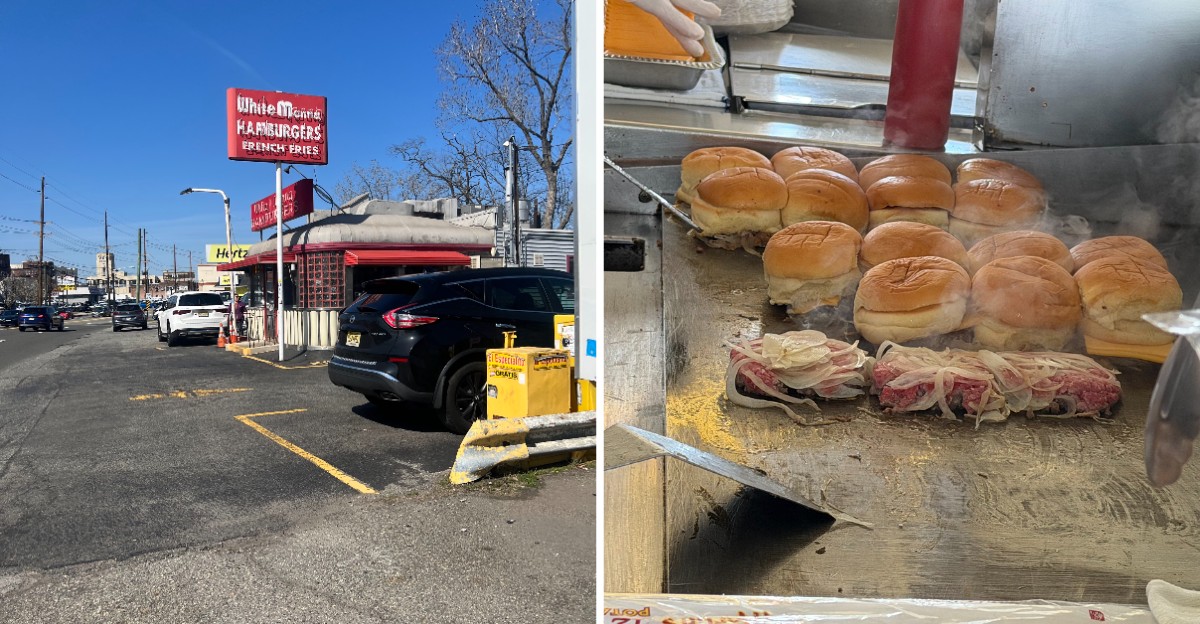
Some restaurants chase a new trend every season. Others pick one job in 1939 and simply keep doing it, one small patty at a time.
In Hackensack, New Jersey, a pint-sized burger counter has spent more than eight decades pressing onions into beef and tucking the results into potato rolls, and people still pack the room to get them. The menu is short, the seats are few, and the ordering process comes with its own set of unwritten rules that can puzzle first-timers.
Stick around to learn how to order without getting flustered, what a double really means at this counter, when to show up, and why so many families keep coming back across generations.
Tiny Counter, Big Reputation on River Street
Blink on River Street and the building might slip right past. The restaurant is White Manna, a hamburger joint at 358 River St, Hackensack, NJ 07601, in Bergen County, New Jersey, United States.
Small is the whole point here. The place is known as a snug, pint-sized spot that grills sliders all day, and its compact footprint has become part of the legend rather than a drawback.
Retro red signage marks the exterior as a North Jersey landmark. Inside, the layout centers on a vintage counter where all of the cooking happens in full view.
Hackensack sits in the busy northern part of the state, so plenty of traffic passes by on any given day. A good share of those cars end up turning into the small lot, especially around lunchtime.
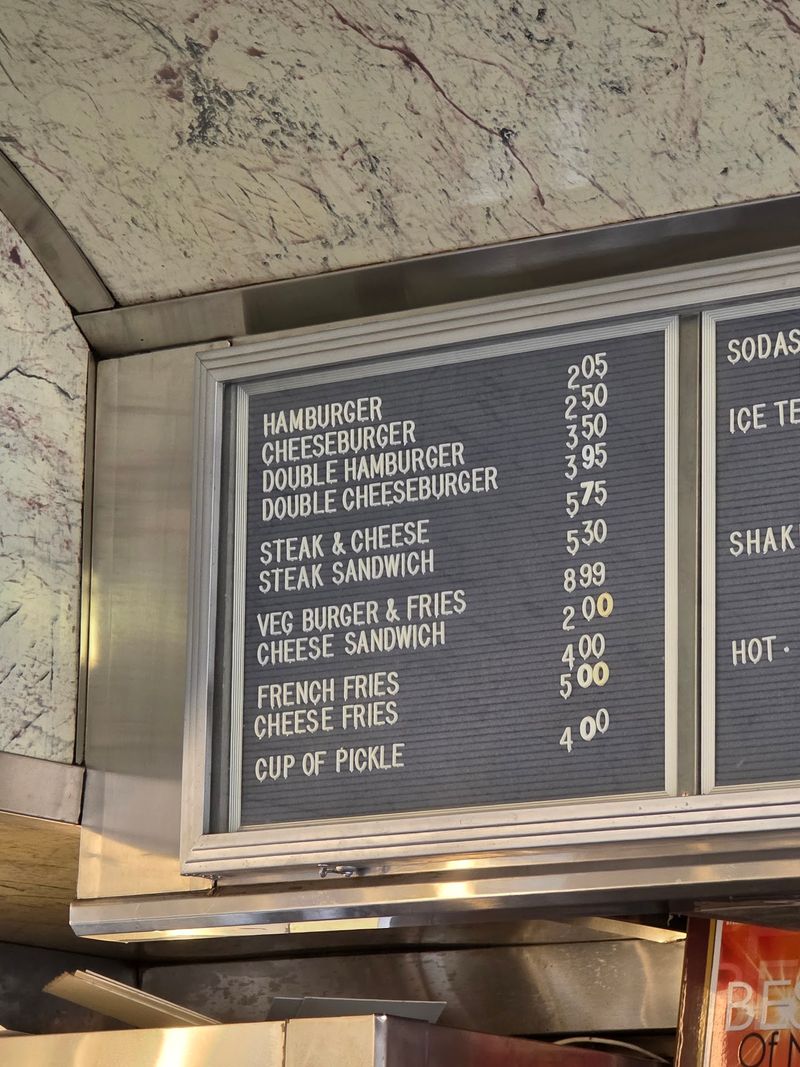
The menu stays deliberately simple. Sliders are the main event, joined by a handful of basics, so nobody needs much time to study the options.
That simplicity helps explain the staying power. A restaurant that does one thing for decades tends to get very good at it, and this one has built a loyal following around a single craft.
So what exactly has kept this little counter busy since 1939? The answer starts with a story that has barely changed in all that time.
A 1939 Origin Story That Never Changed Channels
Few restaurants can claim a birth year that predates television in most American homes. The sliders here have been coming off the griddle since 1939, and that long run anchors the whole reputation.
What stands out is how little the formula has drifted. Longtime regulars describe a place that looks much as it did on opening day, with the same compact counter and the same focus on small onion burgers.
Generational ties run deep. Plenty of adults first came here as kids alongside a parent, and many now bring their own children to keep the habit alive.
That kind of loyalty is hard to manufacture. It grows from consistency, and the kitchen has leaned into repetition rather than reinvention.
The retro diner setting adds to the time-capsule effect. Red signage and a vintage counter make the room feel like a preserved slice of North Jersey history rather than a themed recreation built to look old.
Locals tend to treat it as a staple, not a novelty. Out-of-towners often arrive hoping to check off a landmark, and a good number leave already planning the next trip.
History alone would not fill the stools for more than eight decades, though. The real hook happens on a flat griddle behind one very small counter.
The Horseshoe Counter at the Center of It All
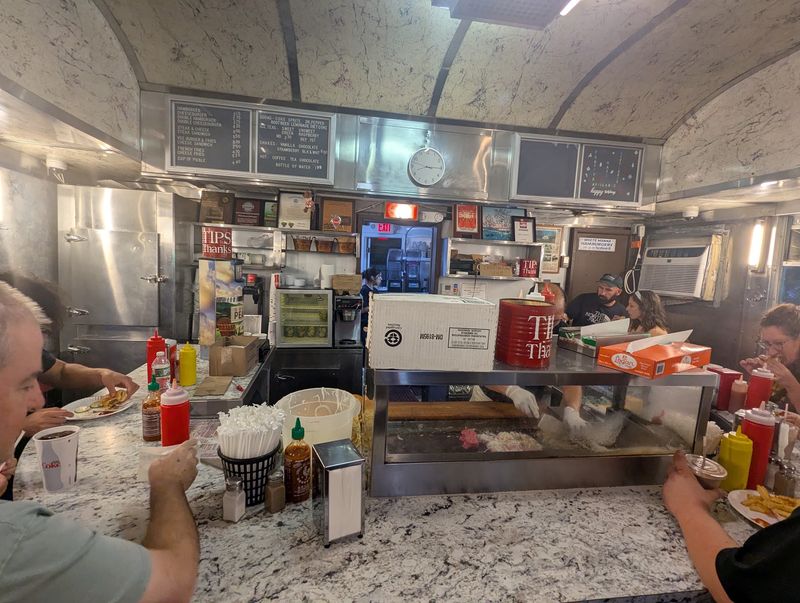
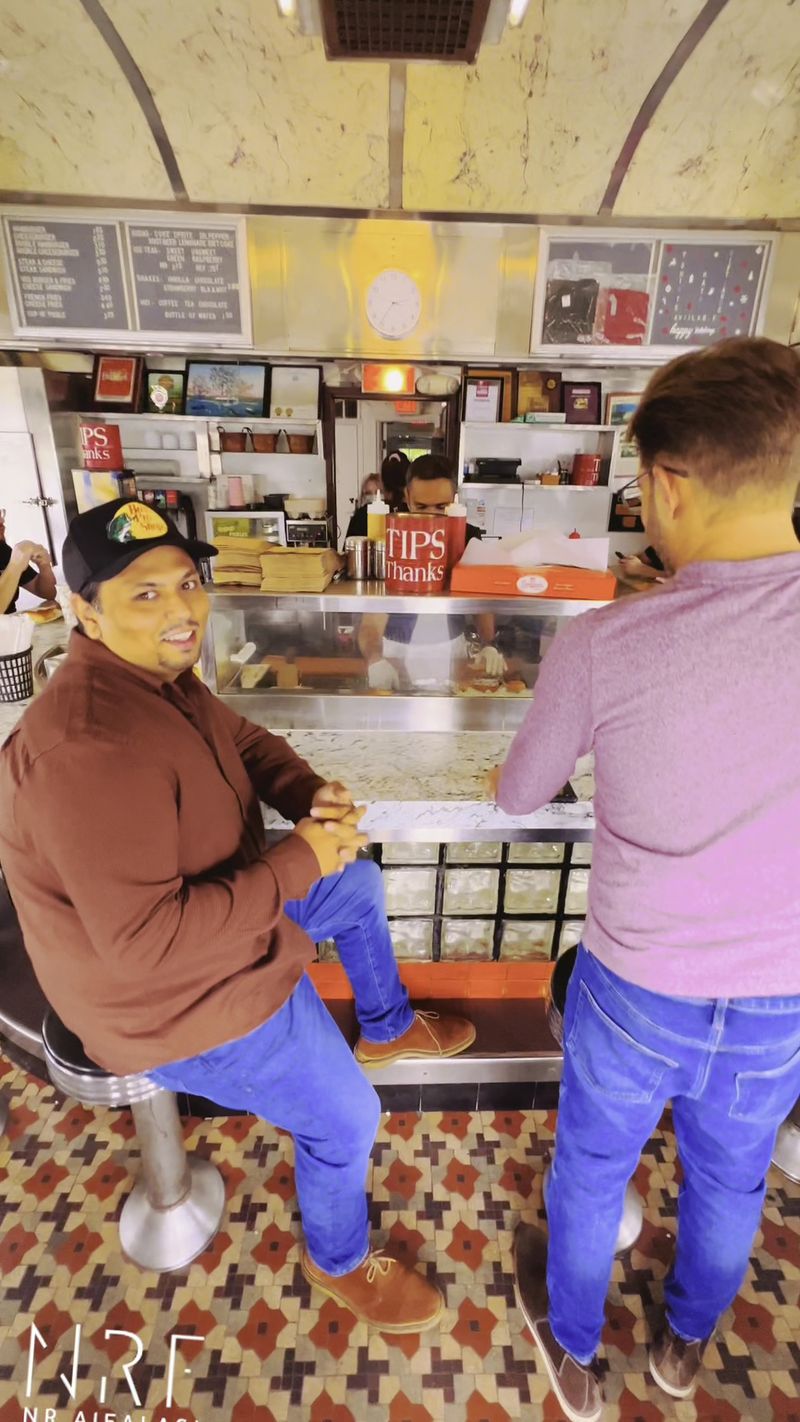
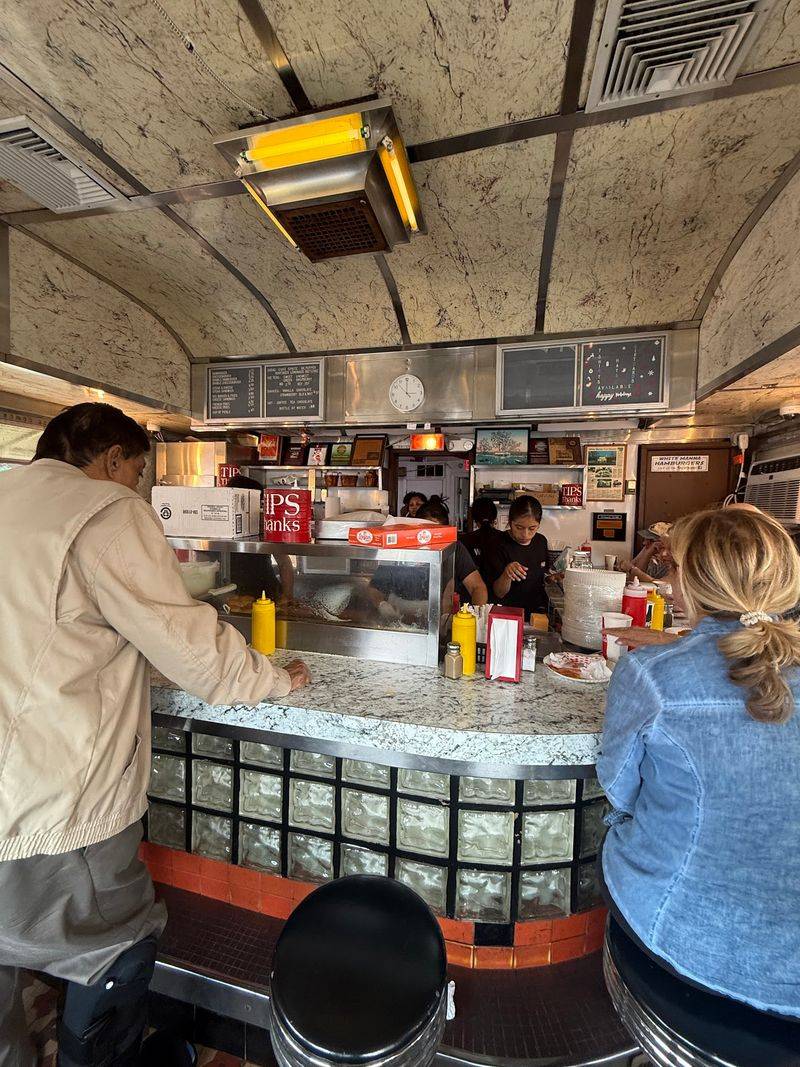
Seating here is a lesson in efficiency. A horseshoe-shaped counter wraps around the cooking area, so nearly every stool faces the griddle.
Diners in those seats get a front-row view of the whole operation. Patties land on the flat-top, onions get pressed in, and rolls are stacked and filled right in front of the crowd.
Space is limited, with roughly 20 seats inside. On busy days, a cluster of people stands around the counter waiting for a turn, which can look a little chaotic to newcomers.
Some outdoor seating offers extra room when the interior fills up. Takeout is also popular with anyone who would rather eat at home or in the car.
Grabbing a counter stool is worth the effort when one opens up. Watching the cook work is a big part of the draw, and many people remember the show as vividly as the meal.
The close quarters also create a neighborly atmosphere. Strangers chat, staff trade quick remarks with customers, and the room often feels more like a gathering than a transaction.
Folks who dislike crowds may want to aim for off-peak hours. Everyone else can treat the tight space as part of the charm, especially once the griddle starts doing its famous trick.
Onions Pressed Straight Into the Beef
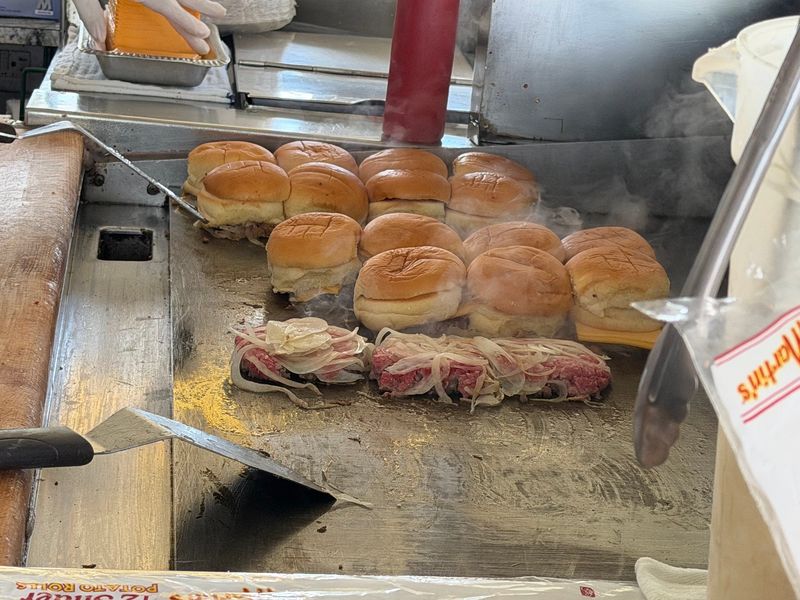
Here is the move that made the place famous. Each small patty goes onto the griddle with a pile of onions, and the cook smashes the two together so they cook as one.
The result is the onion slider in its classic Jersey form. Many fans insist that ordering with onions is the single most important decision of the visit.
Toppings stay basic and familiar. Pickles, ketchup and mustard are on hand, and a slice of cheese turns any slider into a cheeseburger.
Seasoning is kept simple, which suits the old-school approach. The focus stays on the beef, the onions and the roll working together without extra frills.
Opinions on the style do vary. Most people leave delighted, while a smaller group prefers a thicker grilled burger and finds the onion-forward approach not quite their thing.
Consistency comes up as well. Some orders arrive heavily loaded with onions while others come lighter, so stating preferences clearly at the counter helps.
For a first visit, the smart play is to go with onions. The whole reputation was built around them, and skipping them means missing the very reason people have lined up here since 1939.
Potato Rolls and the Case for Ordering Several
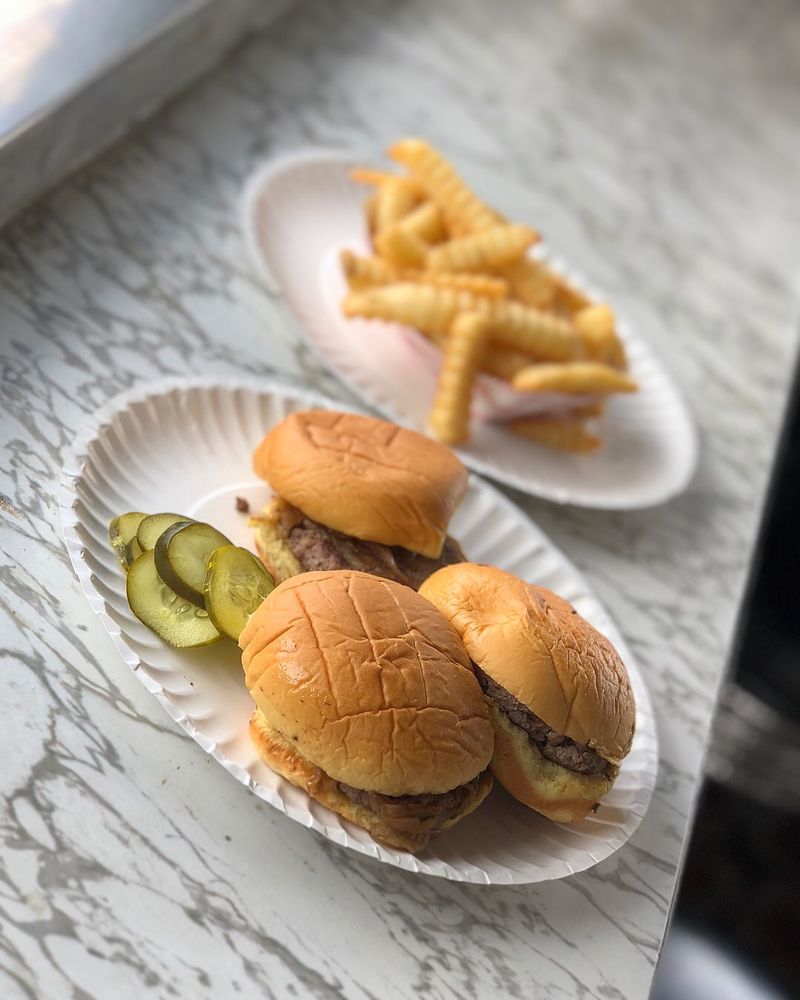
Nobody should walk in expecting a towering half-pound burger. The sandwiches here are true sliders, small patties tucked into potato rolls, and the size surprises plenty of first-timers.
That compact format is intentional. It keeps the sliders quick to cook, easy to eat, and friendly to order by the handful.
Most people order more than one. A common suggestion is at least two per person, while groups often order half a dozen or more to share around the table.
The low cost per slider makes that strategy painless. Individual burgers run only a couple of dollars each, a figure that leaves many newcomers doing a double take at the menu board.
Not everyone loves the scale, though. A few diners feel the portions run too small, especially when a large group orders a big spread and the total adds up.
The potato roll is a quiet star of the show. It holds the onion-pressed patty together and has become part of the signature look of every slider that leaves the counter.
A practical approach is to start with a few and add more if hunger lingers. The cook will gladly make another round, and nobody here judges a second order.
Doubles That Play by Their Own Rules
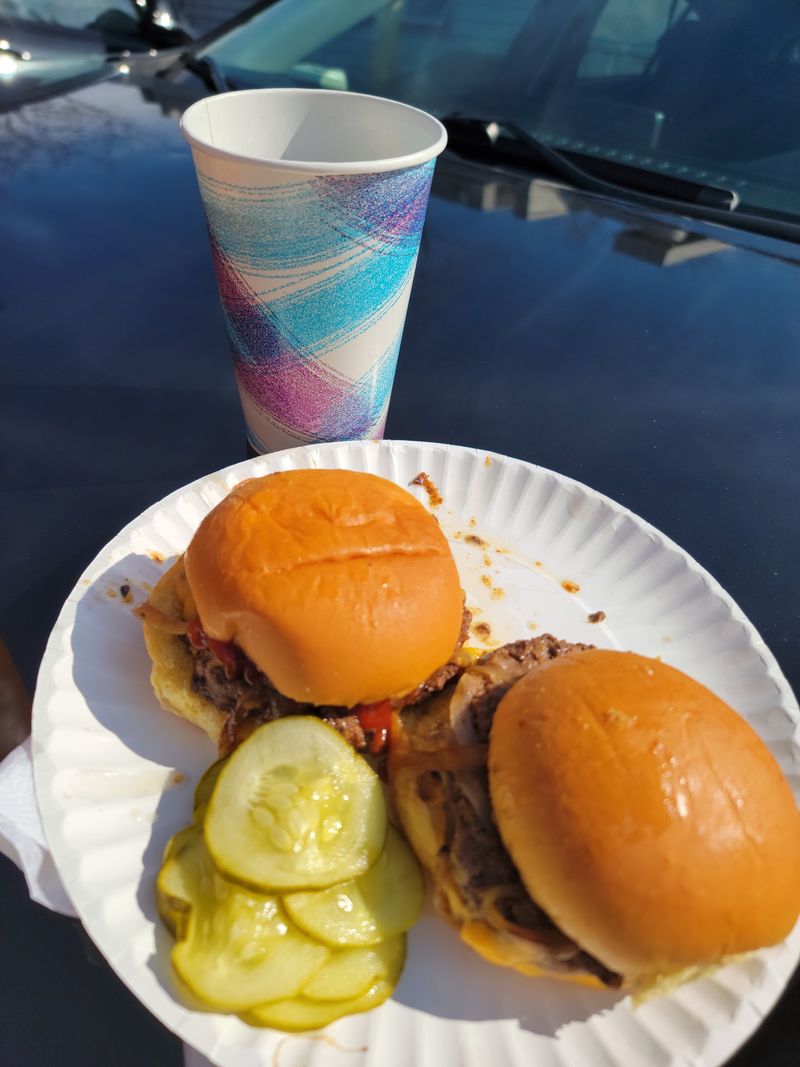
Here is a detail that catches many newcomers off guard. At this counter, a double does not always mean two separate patties stacked between the buns.
Instead, some orders come out as one larger, thicker patty. It is simply how the kitchen handles the request, and knowing that ahead of time avoids confusion at the table.
Double cheeseburgers rank among the most talked-about items on the menu. Plenty of regulars order them as their go-to, often adding onions for the full effect.
Anyone with a clear picture of how they want the burger should say so when ordering. Specifics like quantity, cheese, onions and toppings all help the cook get it right the first time.
Some people love the heftier format because it adds more beef per bite. Others would rather stick with several single sliders, which keeps the classic proportion of patty, onion and roll.
There is no wrong choice, only personal preference. Mixing a few singles with a double is a popular way to compare both styles in one sitting.
Once the menu makes sense, the next puzzle is actually placing the order. That process has a rhythm all its own, and learning it saves a lot of head-scratching.
The Unwritten Rules of Ordering
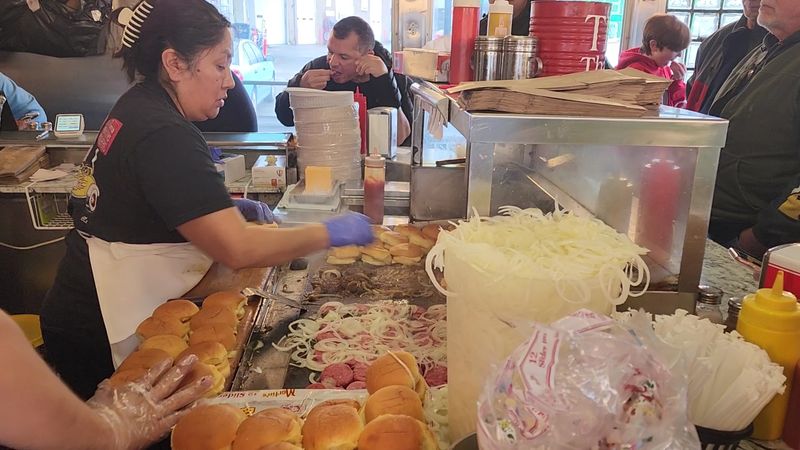
First-timers often stand at the counter looking slightly lost, and that is completely normal. Ordering here works in parts, and the system makes sense once someone explains it.
Burgers come first. The cook at the center counter looks around, calls out for the next person, and that is the cue to speak up with a quantity and exact preferences.
Sides and drinks are handled separately. A team member comes out from the back or works behind the grill area and asks who wants extras.
Trying to order those extras before the burgers usually earns a polite redirect. The staff wants the slider order locked in first, since that is what sets the pace of the kitchen.
Payment typically happens at the end of the meal. That surprises people used to paying upfront at fast food spots, but it fits the counter-service style of the room.
The best advice is simple. Decide on the order before reaching the front, say the number of sliders clearly, and list toppings in one go.
Once the pattern clicks, the rest is smooth sailing. Some even find the ritual part of the fun, a small test that makes the first bite feel earned.
Characters Behind the Griddle
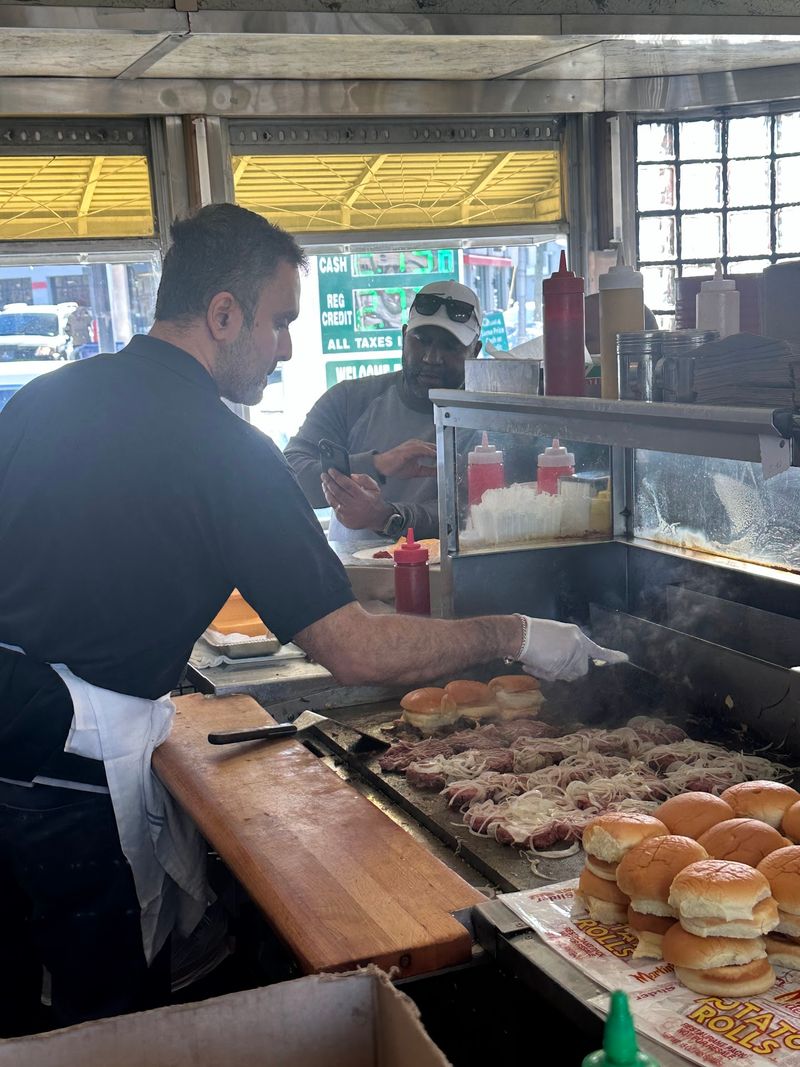
Every classic counter needs a personality or two, and this one does not disappoint. The cooks here are part of the entertainment as much as the kitchen crew.
Plenty of people describe the grill master as friendly, funny and chatty. He talks with everyone at the counter, trades quick jokes, and keeps the room moving with a steady stream of banter.
The style is direct, though. Hesitating or changing an order midstream may earn some good-natured ribbing, so confidence at the counter goes a long way.
Many guests also mention a welcoming staff and a neighborly feel among customers. It is the kind of place where the person on the next stool might offer ordering tips.
Experiences do vary from visit to visit. Some people have found certain staff members short or impatient, particularly when questions come up during a rush.
Diners with food allergies or strict requests should state them clearly and early. Burgers are cooked together in batches on one griddle, so special needs are easier to handle when flagged upfront.
Patience and a sense of humor tend to bring out the best in the room. Meet the cook halfway, and the show behind the counter becomes one of the most memorable parts of the meal.
Small Screen Fame and a Traveling Fan Base
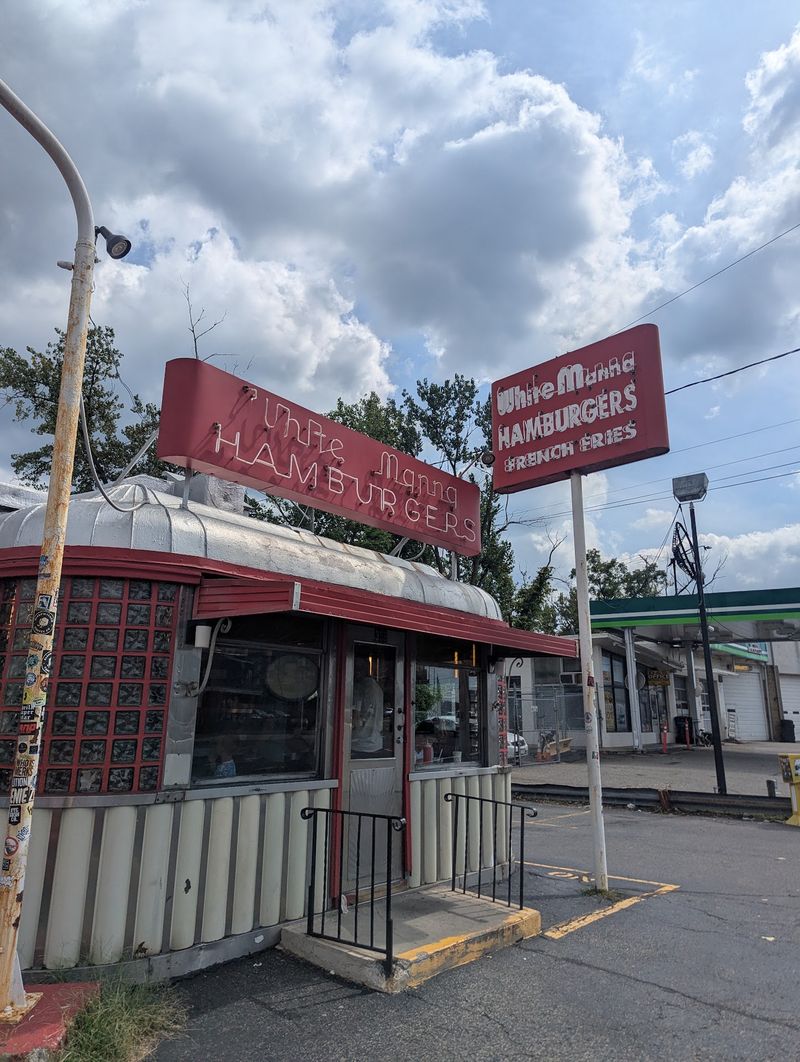
Television gave this little counter a much bigger audience. The restaurant has appeared on Diners, Drive-Ins and Dives, and that spotlight put it on countless must-visit lists.
The late Anthony Bourdain was also a known admirer. His appreciation for simple, honest food helped cement the spot as a pilgrimage for burger lovers.
As a result, the crowd mixes locals with travelers from far away. Some people plan entire detours through Bergen County just to grab a stool at the counter.
Business travelers passing through Hackensack often get pointed here by friends. A quick lunch stop can easily turn into a story they tell back home.
Seasoned burger hunters who have eaten their way across the country frequently rank it among the best slider spots they have tried. Comparisons with other famous small-burger counters come up often, and debates about favorites are part of the fun.
Not every newcomer walks away converted, which is fair for any landmark with a big reputation. Still, most agree the nostalgic setting makes the trip worthwhile on its own.
All that fame has one predictable side effect. A room this small fills up fast, which brings up the question of timing.
Crowds, Waits and the Online Shortcut
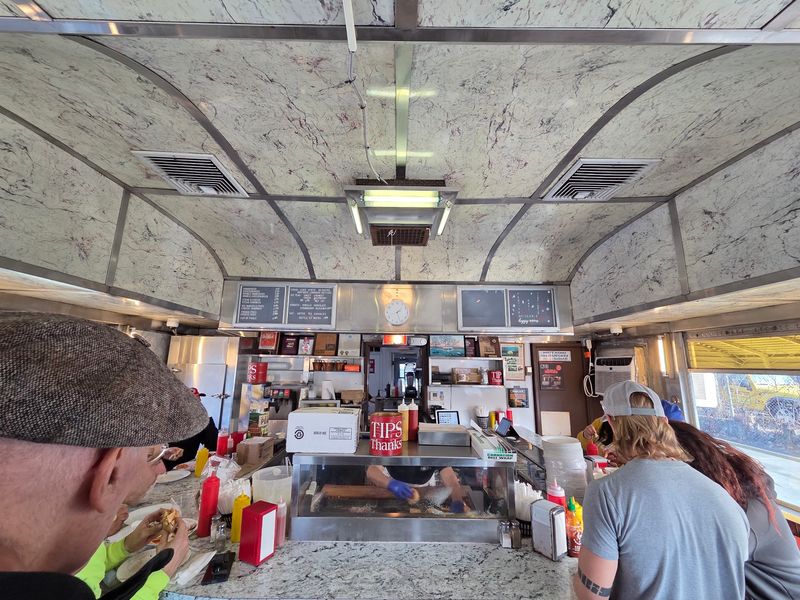
Popularity comes at a price, and here that price is usually time. Wait times are among the most discussed parts of any trip to this counter.
During busy stretches, the wait can reach half an hour or longer. The kitchen is small, the griddle has limited space, and every order gets cooked fresh in front of the crowd.
Anyone in a hurry has options. Calling ahead or using online ordering can cut down the time spent standing around the counter.
Online ordering has become a popular shortcut for regulars. It pairs well with takeout, especially for anyone planning to feed a group back at home or the office.
Off-peak visits also help. Aiming for times outside the main lunch and dinner rush gives better odds at snagging one of the limited stools.
Some people argue the wait is part of the experience. Watching the cook handle a packed room is entertaining, and the pace gives newcomers time to learn the ordering routine.
Others feel the line tests their patience for a quick, casual meal. Arriving with realistic expectations makes all the difference, and the practical details below can help with planning.
Hours, Costs and Parking Basics
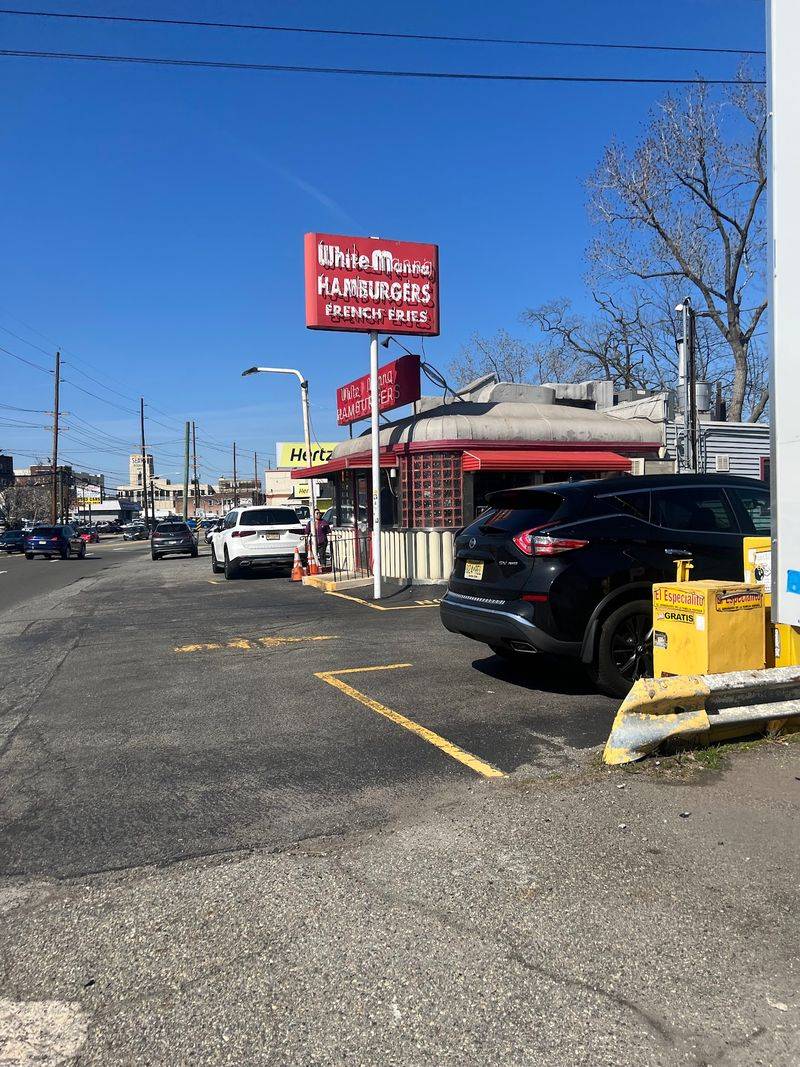
Good news for early lunch fans: the griddle fires up before most people finish their morning emails. Monday through Saturday, the doors open at 10:30 AM and close at 9 PM.
Sundays run on a shorter schedule. Hours that day are 11 AM to 5 PM, so late Sunday cravings will need to wait until Monday.
Costs stay friendly for a landmark with national fame. Most meals fall in the $10 to $20 range per person, and individual sliders cost only a couple of dollars each.
A solo diner with a couple of sliders and a drink can easily get out for under $10. A group of four ordering a big spread with sides and drinks may land somewhere around $65, so totals climb with appetite.
Parking is available in a small on-site lot that holds roughly 20 cars. It fills quickly during busy hours, so a little patience or a slightly off-peak visit helps.
Seating inside is limited to around 20 spots, with some outdoor seating when the weather cooperates. Takeout remains a reliable backup plan.
Menu updates and online ordering can be found at whitemanna.com. Checking there before heading out is a quick way to plan the visit.
A Small Verdict on a Big Legend
Some landmarks impress with size, and others win people over by refusing to change. This Hackensack counter belongs firmly in the second group.
The formula has stayed the same since 1939. Small patties, a pile of onions, a potato roll and a cook who knows exactly what he is doing still define every visit.
It is not a spot for anyone expecting a big menu, spacious seating or a quick in-and-out on a busy afternoon. The room is tight, the wait can stretch, and the ordering system asks for a little homework.
In return, it offers something rare. Diners get a working piece of North Jersey history, prices that feel pleasantly out of step with the times, and a front-row seat to a craft practiced for more than eight decades.
Families who first came decades ago now bring their kids and grandkids. Travelers who saw it on television make the detour and often leave with a new favorite.
The best approach is simple. Know the order, say it clearly, grab a counter stool if possible, and do not skip the onions.
Some places are worth a trip for the meal alone. This one is worth it for the tradition that comes with every tiny slider.
Enjoyed this story?
Add Fast Food Club as a preferred source to see more of our reporting on Google.