


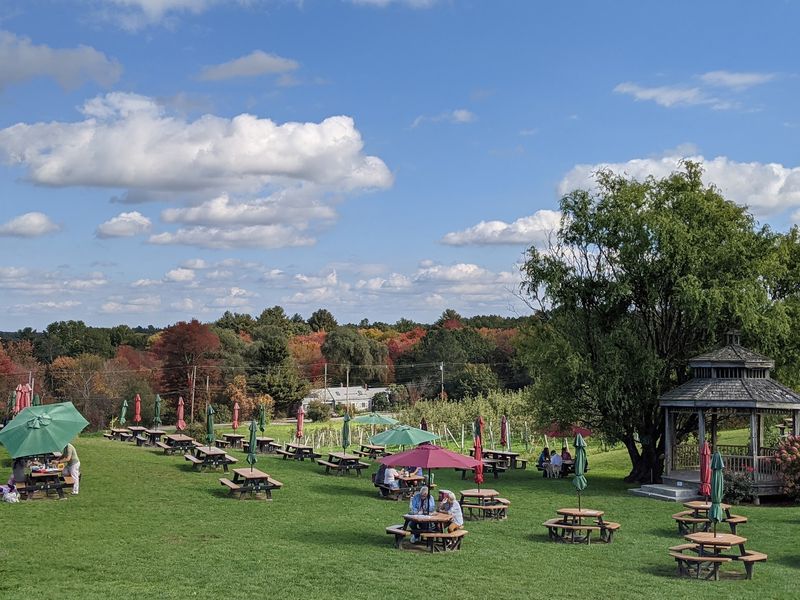
Some apples end up in a pie. Others take a much longer road, from a branch on a Bolton hillside to a bottle on a shelf a few hundred feet away.
There is a family farm in central Massachusetts where you can follow that whole trip in one afternoon. You grab a bag, wander rows marked with colored ribbons, and fill it with varieties most grocery stores never carry.
Then you walk up to a tasting bar where the fruit grown outside gets its second act. Add a pond, picnic tables, live music, a farm shop, and a restaurant, and a simple orchard stop can easily become a full day.
Read on for how the picking works, which rare apples are worth hunting, how the tasting tokens stretch your budget, and the timing tips that help you skip the weekend rush.
A Hilltop Address Worth Finding
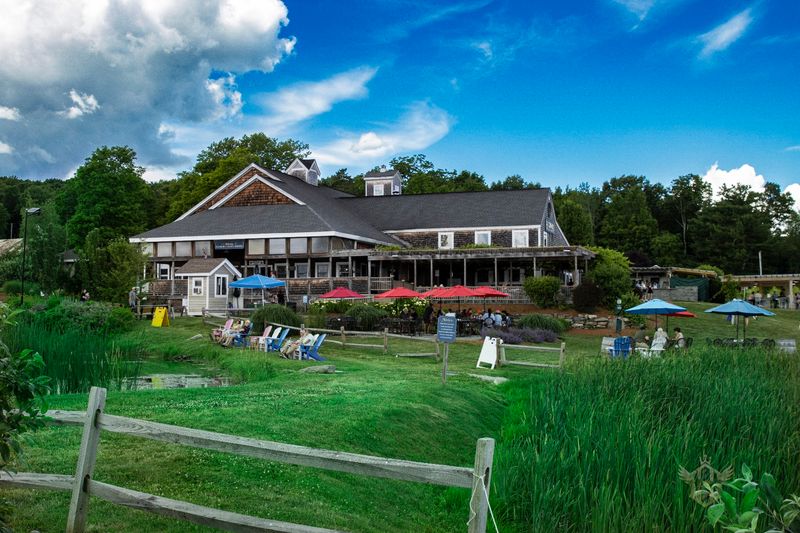
Wattaquadock Hill Road does not sound like the start of a big adventure, yet it quietly leads to one of the busiest farm stops in the region.
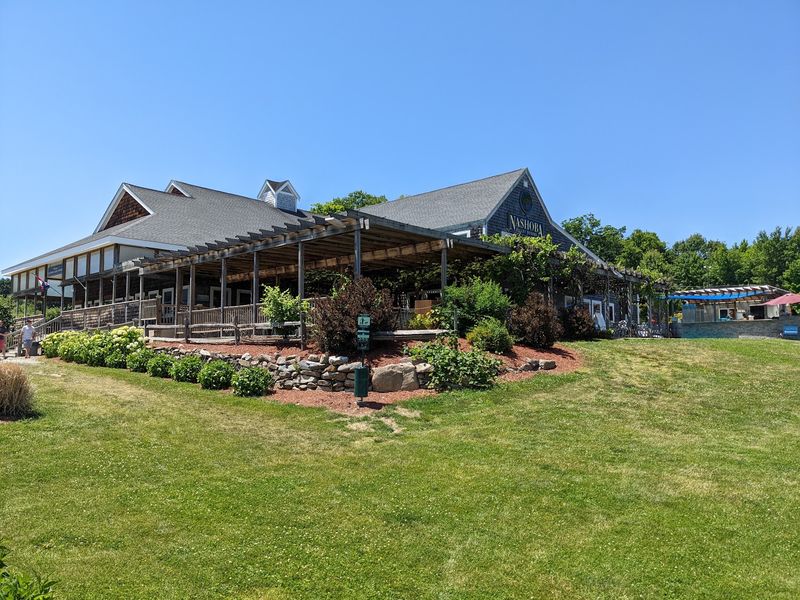
Nashoba Valley Winery, Distillery, Brewery and Restaurant sits at 100 Wattaquadock Hill Rd, Bolton, MA 01740, in the rolling countryside of central Massachusetts. The name is a mouthful, and for good reason.
This single property packs an orchard, a tasting bar, a production facility, a restaurant, and a farm shop onto one sprawling country estate.
The place is officially listed as a winery, but that label only tells part of the story. Guests come for apple picking in the fall, tours of the production side, tastings, events, and meals on the grounds.
Everything poured at the bar is made right here on site. That detail matters, because it connects the trees outside to the bottles inside in a very direct way.
Bolton itself is a small town, so the farm feels like a destination rather than a stop on a busy strip. The drive up the hill is part of the charm.
With more than 800 public write-ups and a 4.4-star average, the estate has clearly built a loyal following. The rest of this story explains why so many people keep coming back up that hill.
Roots of a Family-Owned Farm
Behind every busy weekend at the farm is a simple fact the owners like to repeat: this is a family-owned operation.
That idea shows up in small ways all over the property. The owner has been known to greet guests personally at special events, explain the work, and then roll up his sleeves right beside them.
In public replies to guests, the team often talks about the importance of family-owned farms. It is not just a slogan tacked onto a sign.
It shapes how the place runs day to day.
The farm is also open year round. That surprises people who assume an orchard shuts down once the last apple is picked.
Instead, the calendar simply shifts. Fall brings the picking crowds, while other seasons lean on tastings, meals, tours, and events that do not depend on fruit hanging from a branch.
The staff get plenty of credit too. Friendly staff is by far the most talked-about topic tied to the estate, with well over a hundred mentions.
Bartenders and guides are regularly named for being knowledgeable and patient, and for taking time to explain what makes each pour different. That kind of consistency usually comes from a place where people care about the family name on the gate.
Ponds, Picnic Tables, and Open Lawns
Plenty of farms offer a place to pick fruit. Fewer give you a reason to linger once your bag is full.
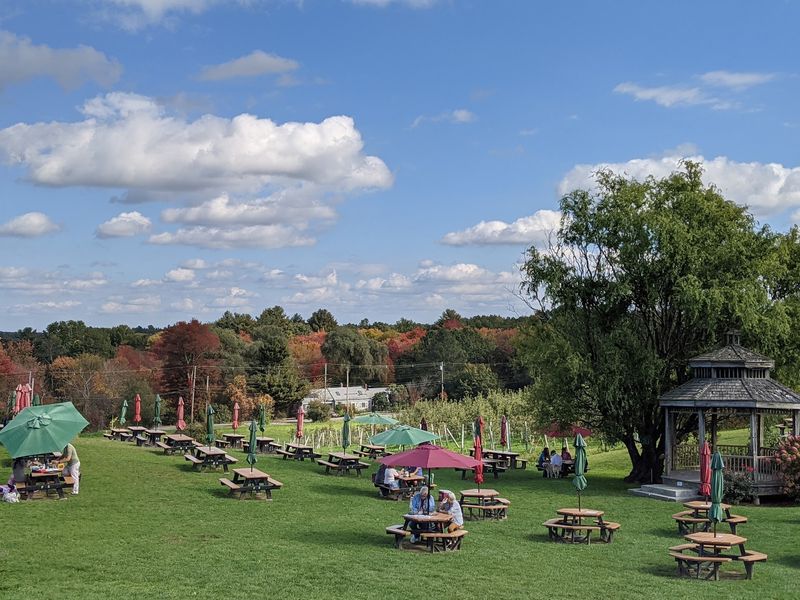
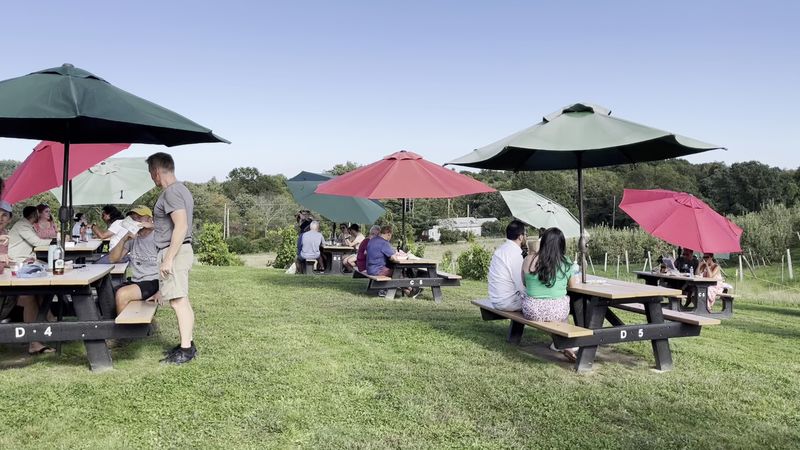
The grounds here are laid out with lingering in mind. Picnic tables are scattered across the lawns, and many come with umbrellas for shade on bright afternoons.
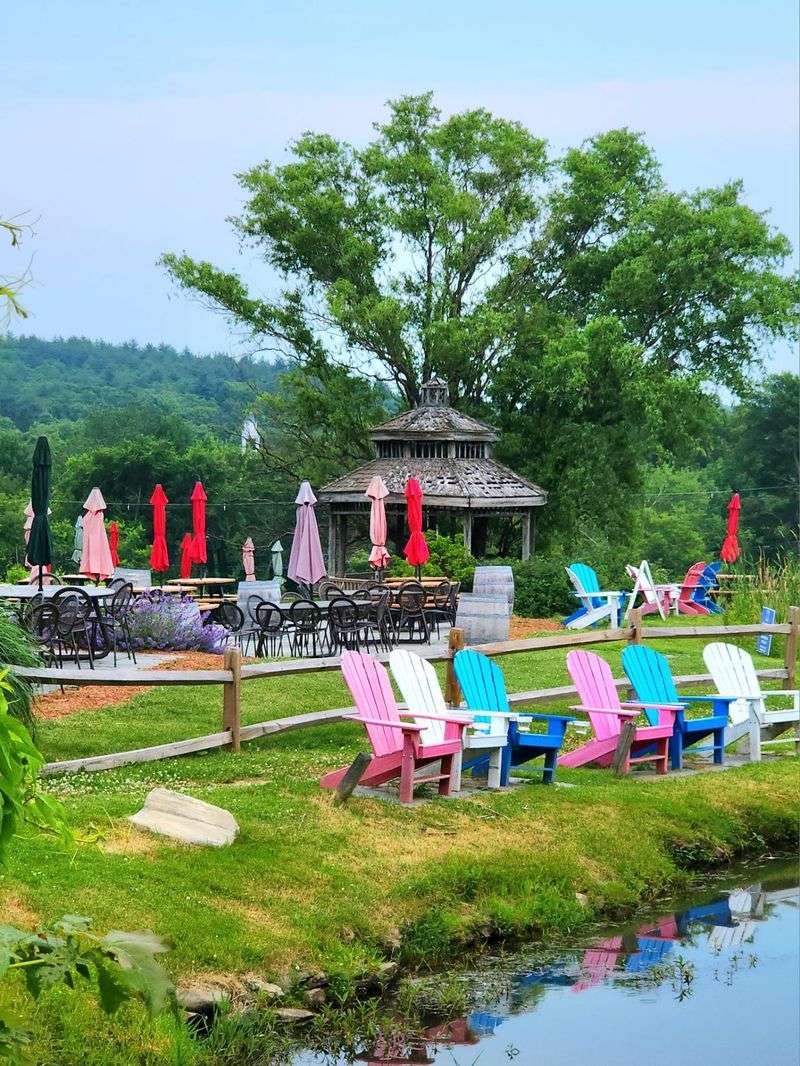
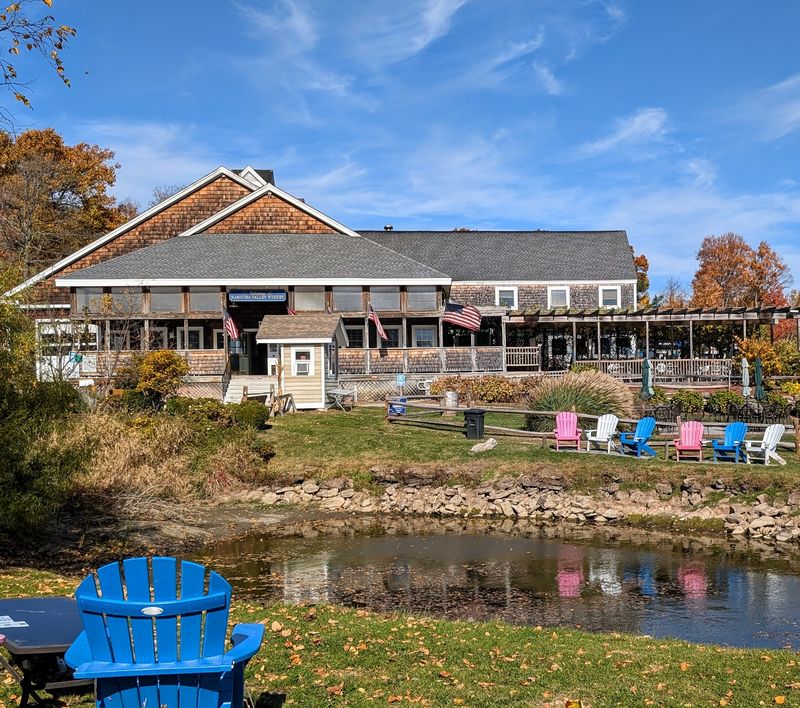
A pond area is one of the favorite spots to settle in after a tasting. Groups often carry a bottle down there and simply stay a while.
The views get mentioned again and again, from the vineyard rows to the wider sweep of the Bolton countryside. The whole property feels spacious rather than cramped.
Even on packed days, the seating is arranged thoughtfully, so a full parking lot does not always translate into a crowded table. That is a small planning win that makes a big difference.
The terrain is also friendlier than you might expect for a hilltop address. Once you are on the property, there are not many steep climbs to tackle.
That makes it easy to move between the orchard, the tasting room, the shop, and the lawn without feeling like you signed up for a hike. Comfortable shoes are still smart, but nobody needs trekking poles.
The Half-Bushel Game Plan
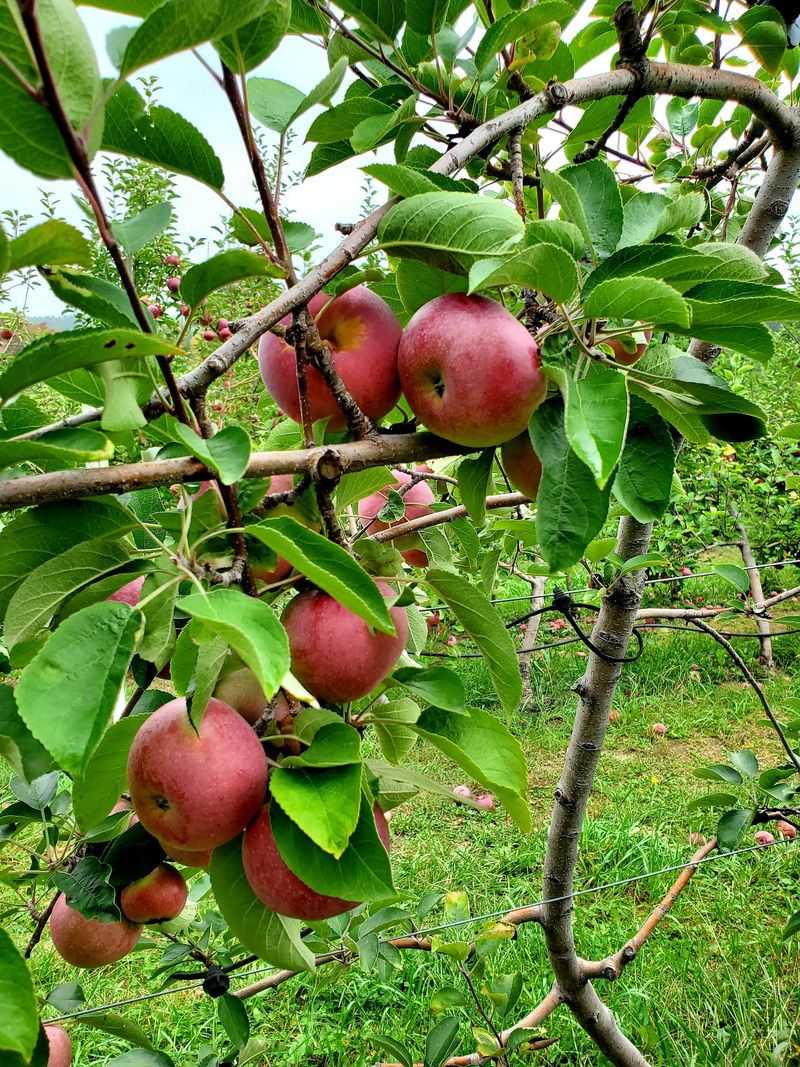
Apple picking can be a chaotic scramble at some farms. Here, it runs more like a well-organized treasure hunt.
Guests buy a half-bushel bag at a price many consider very reasonable. Then they head into the orchard at their own pace, with no one rushing them along.
The real star is the labeling system. Trees are marked with signage and color-coded ribbons, and pickers get a map with descriptions and a key that matches each ribbon color to a variety.
That means you actually know what you are picking. No more guessing whether the tree in front of you is the one you wanted.
A relaxed trip through the rows can easily last around 90 minutes. In that time, it is possible to gather six or seven different varieties and still skip a handful of others.
Occasionally a variety shows up marked in the orchard but missing from the map. Consider it a bonus round.
The experience is calm and orderly by design. There are no farm animals, no kid-centric attractions, and no hedge maze competing for attention.
For families with older kids or adults who just want to pick fruit, that simplicity is the whole appeal. The apples are the main event, and the setup treats them that way.
Antique Apples You Won’t Find at the Store
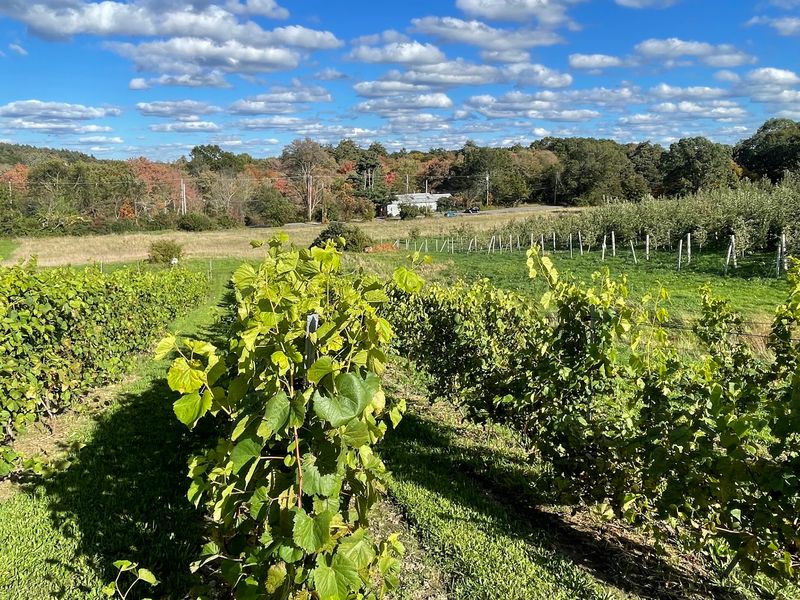
Cox Orange Pippin, Snow, and Kandil Sinap sound more like characters in an old novel than things you can pick off a tree. At this orchard, they are all on the menu.
The farm grows antique apple varieties alongside the more familiar ones. Many of these older types rarely appear in a supermarket bin.
Some antique apples are prized for eating or baking. Others are better known as cider apples, grown for pressing rather than snacking.
That mix gives curious pickers a chance to hunt down something genuinely unusual. It also explains why some families plan their trips around specific varieties.
Timing is the tricky part. Different apples ripen at different points in the season, and the antique varieties can come and go quickly.
The easiest fix is the farm mailing list. Signing up brings updates on which varieties are being picked and when.
For anyone chasing a particular heirloom, that notice can mean the difference between a full bag and a missed window. It is a low-effort step with a real payoff.
Fun fact: many antique varieties were grown long before modern supermarket favorites existed. Picking them here is a small, hands-on history lesson with a bag attached.
Eight Tokens and a Lot of Choices
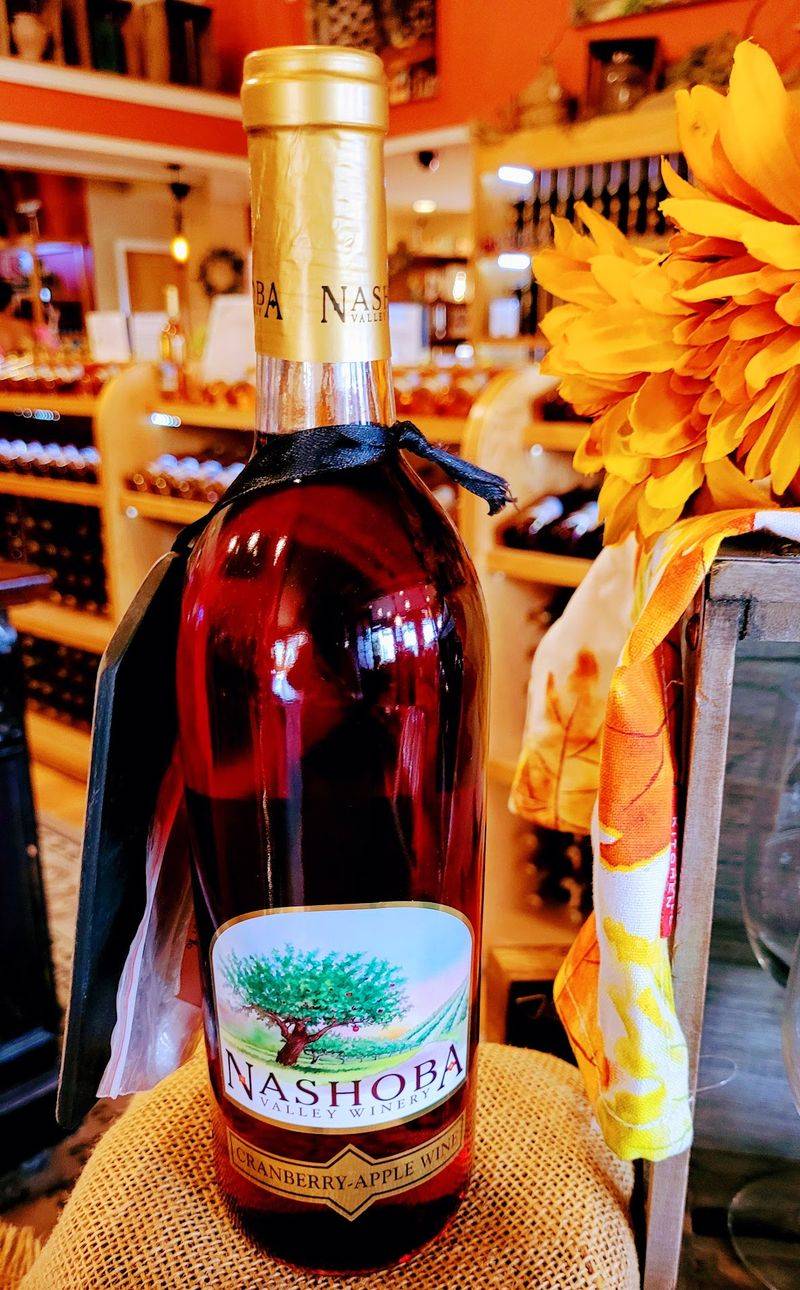
Sixteen dollars does not go far at many tasting rooms. At this bar, it recently bought eight tokens per person.
Those tokens are flexible, which is what makes the system stand out. They can be used across the full range of what the estate produces, from wine to cider and beyond.
Because everything is made on site, the lineup is wide. The wine selection alone is one of the most frequently praised features of the whole property.
First-timers often find the token setup a pleasant surprise. It lets you build your own flight instead of following a fixed list.
The staff make the process feel more like a lesson than a transaction. Bartenders listen to what guests like and do not like, then steer them toward pours that fit.
Some people walk away with new vocabulary for describing their preferences, such as low tannins or less acidity. That is useful knowledge long after the visit ends.
The reds tend to win fans, and the fruit wines, including a semi-sweet blueberry wine, have a following of their own. Many groups end the session by buying bottles to take home.
The tasting is widely described as affordable. For a sampler that covers so much ground, that is a friendly price point.
Behind the Barrels on a Guided Tour
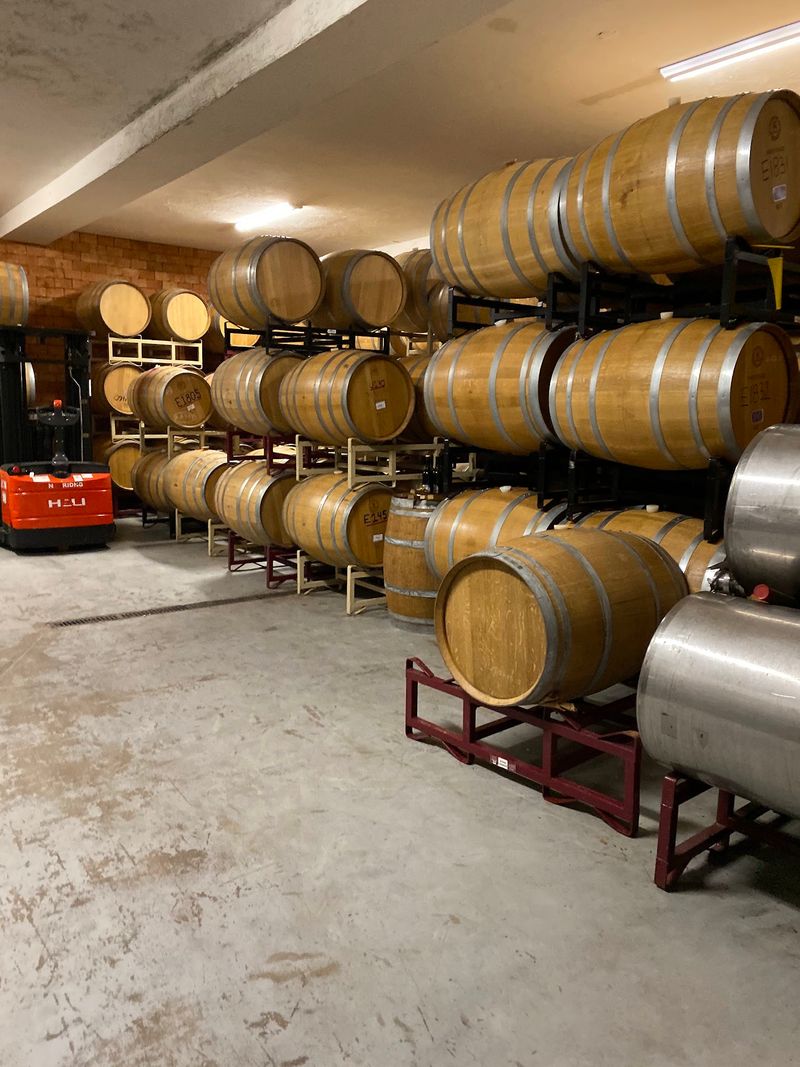
Curiosity about how fruit becomes something bottled is exactly what the guided tour was built for.
Tours walk guests through the production process step by step. The story starts with crushing the fruit and continues all the way to barrel aging.
Along the way, the group stops at different stations. Each stop pairs a stage of the process with a tasting of a different wine.
That structure keeps the tour moving and gives every stop a clear purpose. It also helps the information stick.
Guides are frequently described as knowledgeable and engaging. They tend to answer questions in plain language rather than burying people in technical terms.
Each guest receives a cup as a souvenir. It is a small touch, but it gives the tour a tangible memory that outlasts the afternoon.
The property also offers wine and cheese pairings, which fit naturally with the educational feel of the tour. Couples and friend groups often book a tour and tasting together as the centerpiece of their trip.
Many leave with a few bottles tucked under their arms. After seeing the process up close, the purchase feels a bit more personal.
For anyone who likes knowing the backstory of what is in the glass, this tour is the most direct route.
Vine to Wine Harvest Day
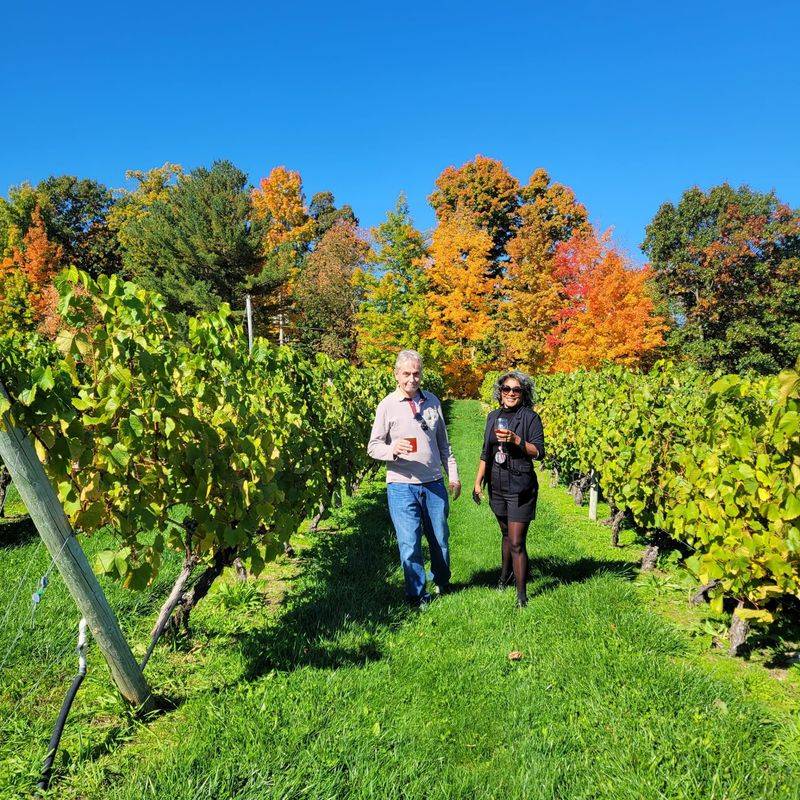
Most farms ask you to pay for the fruit. One special event here asks you to help pick it for the farm instead, and people happily sign up.
Vine to Wine is a hands-on harvest experience. Guests arrive to a welcome from the owner, who explains how to snip grapes from the vines properly.
Then everyone gets to work, owner included. He works alongside the group rather than simply supervising from the sidelines.
The harvesting session runs for about three hours. It is real work, which is exactly the point.
Afterward, participants move to a tented area with tables and chairs. There, they get a taste of wine made from grapes like the ones they just harvested, along with a spread prepared by the owners and staff.
A lunch follows, and a few other wines are offered to sample as well. The day wraps up with a strong sense of having contributed to the farm itself.
The owner has said that spending these days with loyal customers is one of the best parts of running the farm. That enthusiasm seems to rub off on the participants.
Spots for this kind of event tend to attract dedicated fans. If harvest season is on your radar, keep an eye on the farm calendar so you do not miss your chance to get your hands on the vines.
J’s Restaurant and The Knoll
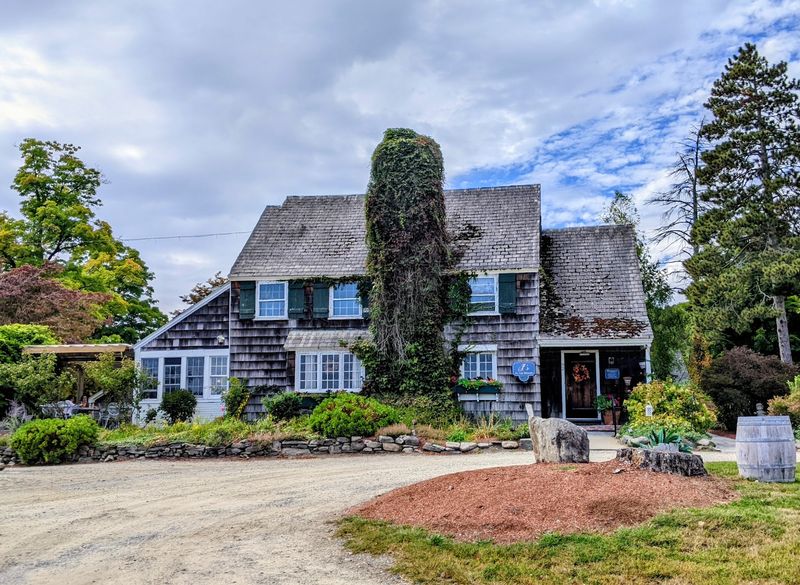
Apple picking burns more energy than most people expect. Luckily, lunch is never far away on this property.
The estate has two main food options. J’s Restaurant is the sit-down choice, serving brunch, lunch, and dinner, and reservations are a good idea.
The Knoll is the casual, outdoor alternative. It works more like a snack shack, with guests ordering food and carrying it back to their tables on the lawn.
Food trucks also make appearances on the grounds. They add a bit more variety on busy days.
Opinions on the casual food are mixed. Some guests are thrilled with their meals, while others find certain items overpriced for a relaxed outdoor setting.
A common strategy among returning guests is to book J’s when they want a proper meal. The Knoll then becomes the easy choice for a quick bite between activities.
Ordering is streamlined at the outdoor tables. A QR code lets guests order drinks from their seat, and staff bring them over.
The kitchen team earns kind words for going beyond the basics, including helping a parent carry trays back to a table. Small gestures like that shape how a meal is remembered.
Planning ahead is the simplest way to get the dining experience you want here.
Live Music on the Lawn
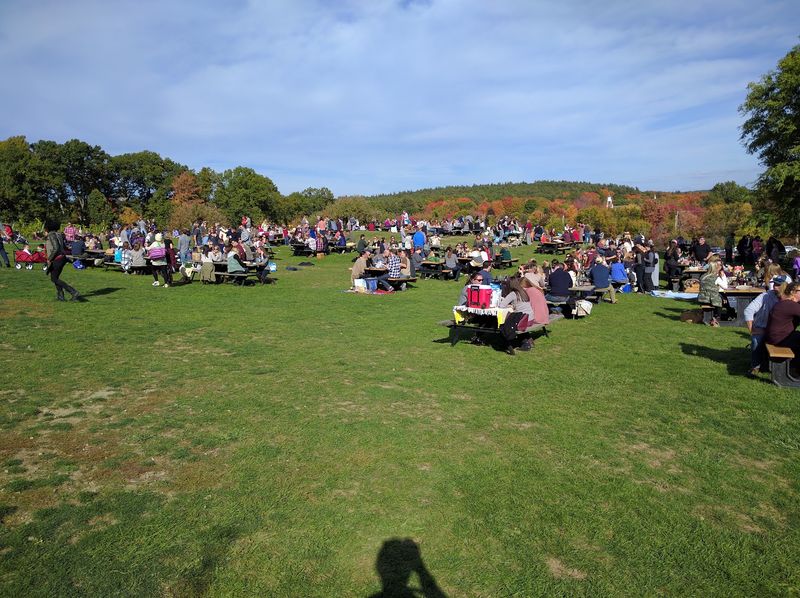
A soundtrack changes an ordinary afternoon. On many days at the farm, that soundtrack is live.
Live music is a regular feature on the grounds. Guests often mention settling in at a picnic table while a performer plays nearby.
The estate also hosts larger events throughout the year. A Jazz Festival is one example of the programming that draws crowds up the hill.
Not every event lands perfectly. Some attendees felt the jazz festival sound was too quiet to feel like a true festival, and the team has said it will take that feedback into account.
Still, the overall event lineup is a big reason people return. Brunch, tastings, lawn time, and special gatherings all blend together into a flexible day out.
The music tends to suit the setting rather than overpower it. Conversations can continue while the band plays, which keeps the mood relaxed.
Checking the event schedule before heading out is a smart move. Some days bring extra entertainment, while others are quieter and better for a calm tasting.
Both have their appeal. It just depends on whether you want a lively outing or an easygoing afternoon with the orchard as your backdrop.
The Farm Shop Detour
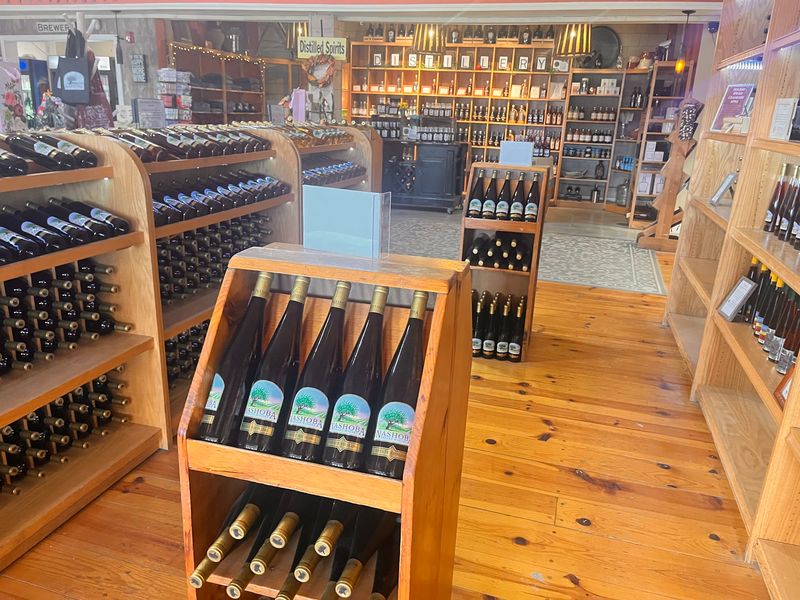
Few people plan to spend much time in a gift shop. Here, many end up browsing longer than expected.
The retail store is often described as one of the cutest parts of the property. Shelves are stocked with unique items that make easy gifts or keepsakes.
Wine glasses are a popular pickup. They make a fitting souvenir from a place built around its own bottles.
The shop also carries cheese to take home. It pairs nicely with a bottle bought on the way out.
Naturally, the full range of beverages made on site is available for purchase. That includes wines of many styles, plus some distilled products and canned options.
Many guests stock up before leaving. Buying several bottles at once is a common way to end the day.
The shop staff get their own share of praise. They are known for being helpful and patient, even when a customer is juggling a restless toddler while trying to choose.
That kind of care turns a quick purchase into part of the experience. Leave a little room in the trunk, because the shop has a way of filling it.
Room for Toddlers, Teens, and Tail-Waggers
A winery might not sound like a family outing at first. The setup here proves otherwise.
The estate describes itself as family friendly, and dogs are welcome too. Plenty of groups arrive with strollers and leashes in tow.
At the check-in booth, adults get 21-plus wristbands. Little ones who feel left out may receive a sticker instead, which tends to solve that problem quickly.
Servers are known for making time for kids. Dogs have been treated to a pup cup, which is a small detail that pet owners appreciate.
The orchard is particularly popular with families who have older children. Teens can enjoy the picking without the petting zoo and maze attractions aimed at younger kids.
The calm, organized layout also helps parents. Fewer distractions mean less wrangling and more actual picking.
Adults get plenty of options too. The farm works for birthday celebrations, a friends’ day out, a date, or a relaxed afternoon.
Private gatherings are another option. The estate has hosted events like engagement parties, supplying large picnic tables with umbrellas, extra benches, and even a barrel for a side table.
It is rare to find a place that suits a toddler, a teenager, a couple, and a dog on the same afternoon. This hillside manages it.
Hours, Reservations, and Parking Smarts
Good timing can turn a crowded day into a smooth one. A few practical details help a lot here.
The farm opens daily at 11 AM. On Monday, Tuesday, Wednesday, and Sunday, it closes at 5 PM.
Thursday, Friday, and Saturday run an hour later, closing at 6 PM. Those extra evening hours can be handy for an after-work stop.
Weekends are the busiest stretch, especially during apple season. The place gets packed quickly, so reservations are strongly recommended for weekend tastings and peak fall dates.
J’s Restaurant also takes reservations. Booking ahead is the easiest way to guarantee a table for brunch, lunch, or dinner.
Parking can fill up on popular days. Arriving closer to opening time gives you a better shot at a spot and first pick of the orchard rows.
For apple picking, joining the mailing list is worth the minute it takes. Updates on which varieties are ready help you time your trip around the fruit you want.
Current details, event schedules, and booking options are listed on the official website at nashobawinery.com. Prices and offerings can shift by season, so a quick check before heading out saves surprises.
A little planning keeps the focus on the fun parts.
Why the Hill Keeps Calling People Back
Some day trips check a box. Others become a habit, and this hilltop farm clearly falls into the second group.
The appeal comes from how the pieces fit together. You can pick rare apples, learn how fruit turns into something bottled, and then sample the results a short walk away.
Add a restaurant, a shop, a pond, and live music, and the day fills itself. Few people leave feeling they ran out of things to do.
It is not flawless. Casual food prices draw some grumbles, and weekend crowds can test anyone’s patience without a reservation.
Yet the strengths clearly outweigh those bumps. The staff, the organized orchard, and the flexible tasting keep earning loyal fans.
Families use it for fall traditions. Couples use it for dates, and friend groups use it for celebrations.
Some parents even plan future outings around it, marking milestone birthdays with a meal, a tasting, and one more lap through the apple rows.
That says a lot about a place. It becomes part of how people mark time.
So grab a half-bushel bag, check the map for those color-coded ribbons, and save some room for the tasting bar. The orchard handles the first chapter, and the glass finishes the story.
Enjoyed this story?
Add Fast Food Club as a preferred source to see more of our reporting on Google.