


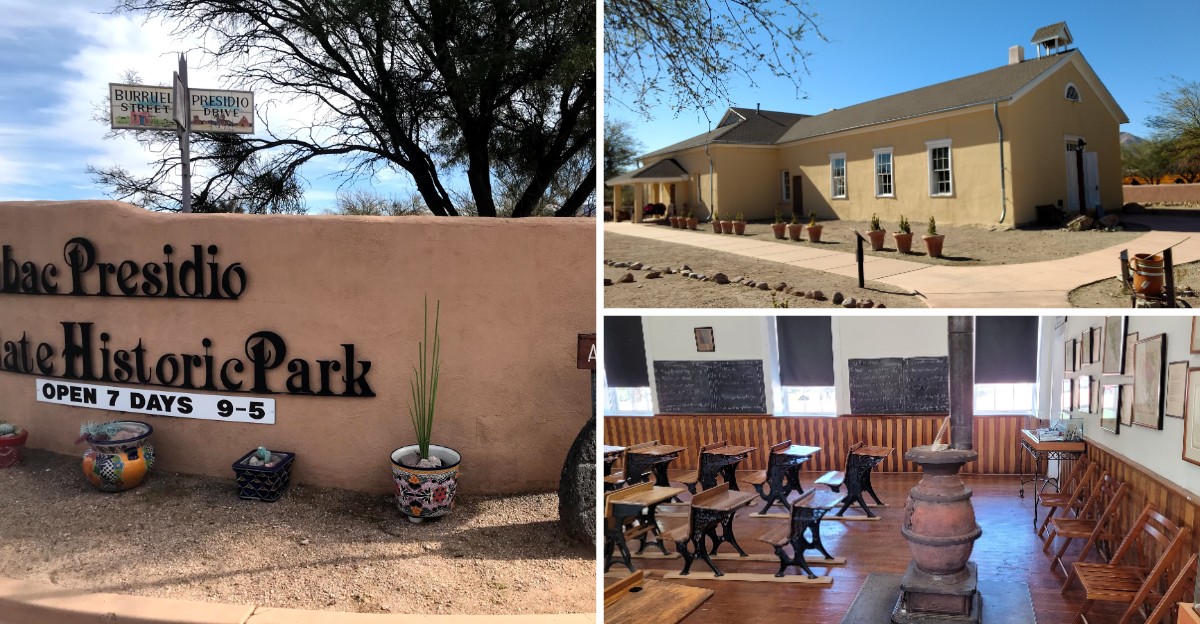
Tubac is a small artist village south of Tucson, and it rewards travelers who slow down. Most people come for the galleries and shops, then drift from one doorway to the next with no plan at all.
Tucked at the edge of all that browsing sits something older than every storefront in town. It holds a fort that disappeared underground, a schoolhouse full of strict rules, and a wagon that guests are actually allowed to touch.
It also carries a record that no other park in the state can claim. The people who run it do the work almost entirely as volunteers.
Keep reading to learn where this place is, what makes it special, and how to fit it into an easy day in Tubac without rushing a single step.
A Fort Footprint on Burruel Street
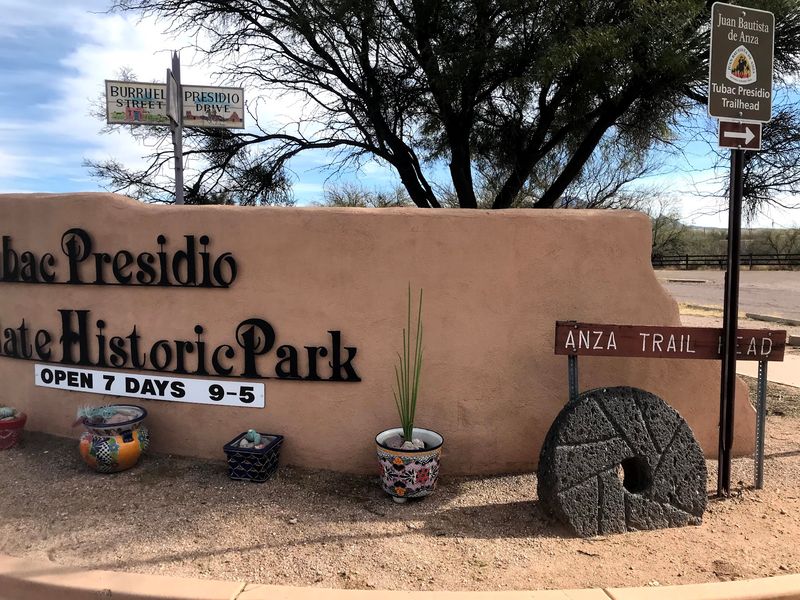
Every good day trip needs an anchor, and in Tubac that anchor has an easy address to remember.
Tubac Presidio State Historic Park sits at 1 Burruel St, Tubac, AZ 85646, in southern Arizona, United States. It is a short walk from the art shops that give the village its laid back reputation.
The park honors Spanish colonial America. Its grounds hold a history museum, the excavated remains of a presidio, and a schoolhouse built in 1885.
A presidio was a military fort, and Tubac had one long before the galleries arrived. Today the site covers about 11 acres.
That space includes a large museum, three buildings listed on the National Register of Historic Places, and the ruins of the old fort. It is a lot to pack into one stop, so the park earns more than a quick glance.
The setting fits the rhythm of Tubac nicely. Guests can browse shops in the morning, spend a couple of hours at the park, and still have time to wander afterward.
The park is about 20 minutes from Green Valley, which makes it a simple drive for people staying nearby. Tucson residents also make the trip, and some are surprised they waited so long.
The site is far bigger than it looks from the street. That little secret is exactly what the next sections unpack.
Arizona’s Very First State Park
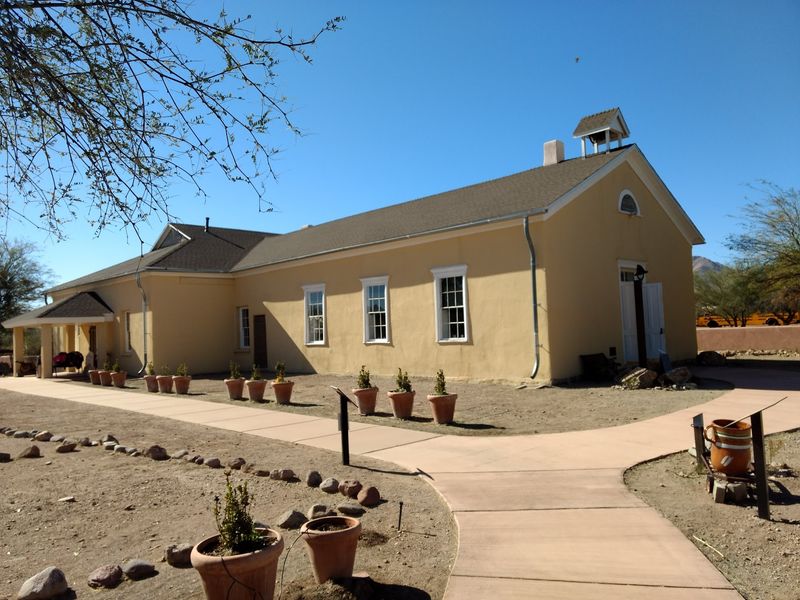
Trivia lovers, take note.
Tubac Presidio holds the title of Arizona’s first state park. Plenty of longtime locals learn this fact only after they finally visit, and it tends to become their favorite detail to share.
The story behind the park today is just as interesting as the title. The grounds are maintained by volunteers and a single employee.
A nonprofit group called The Friends of the Tubac Presidio and Museum supports the site. The museum does not receive money from the state, so admission fees and gift shop purchases help keep the doors open.
That arrangement shapes the whole experience. The volunteers clearly care about the place and are proud to share it.
Friendly and knowledgeable staff come up again and again in conversations about the park. Questions get real answers, and the people behind the front desk seem happy to talk history.
There is even a small story about that spirit. One day when the grounds were closed, a volunteer who was gardening let a couple walk the gardens anyway.
The grounds themselves are well maintained, with tidy paths and cared for landscaping. All of it comes from people who show up because they want to.
A first state park run on goodwill is a rare combination. Knowing that backstory makes every exhibit ahead feel a little more personal.
The Presidio Hiding Underground
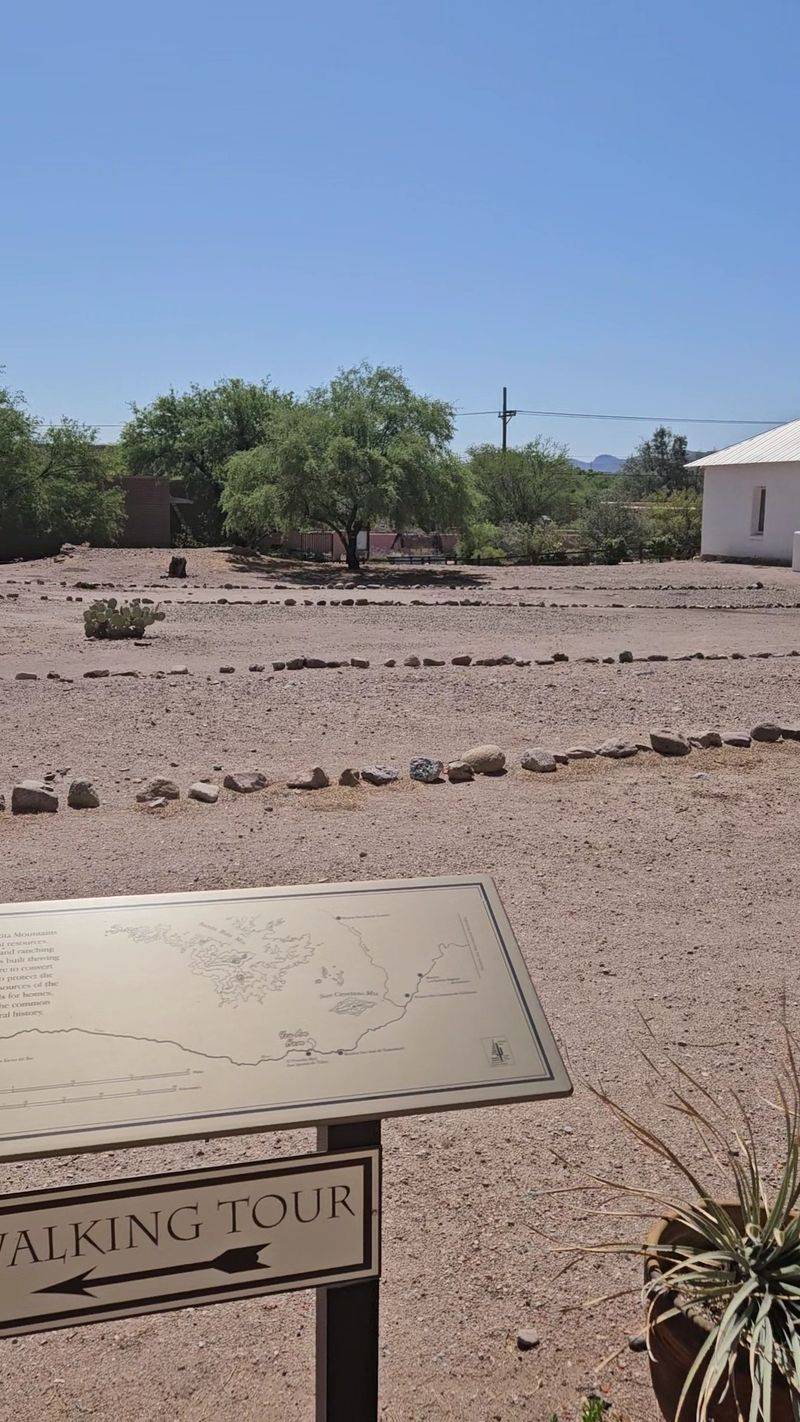
Here is a puzzle for first timers: where exactly is the fort?
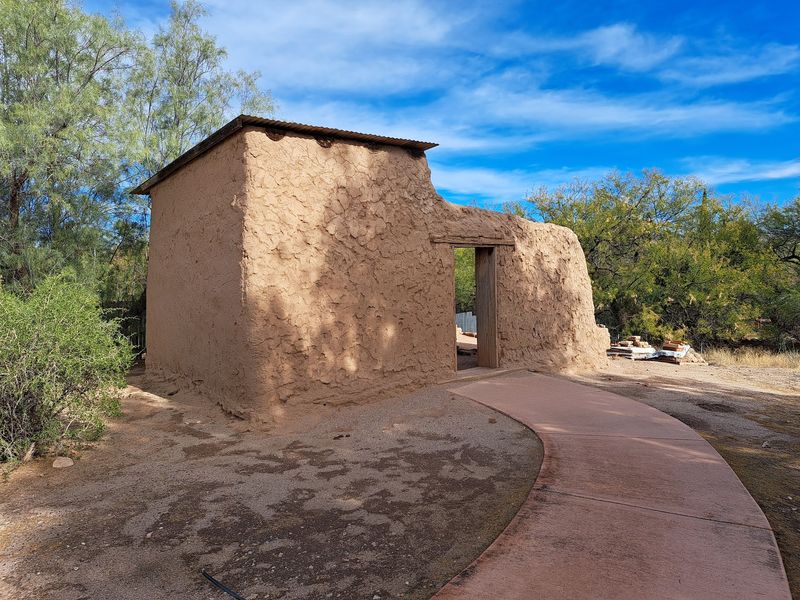
The answer is below the ground. The actual presidio is now in ruins, and it survives as an archaeological site that sits underground.
To help guests understand the layout, the park placed an outline of rocks above ground. The stones trace the shape of the original building so people can grasp its size and form.
The presidio did not stay in Tubac forever. It was eventually moved to Tucson, which is why what remains here is a footprint and a collection of artifacts.
That history adds a quiet twist to the visit. Standing beside the outline, guests can think about soldiers who once served at this outpost on the edge of the Spanish frontier.
The excavation area is one of the most talked about parts of the park. Many people list the archaeological remains among their favorite stops.
A quick heads up is useful here. The excavation area has been closed at times, so it helps to ask at the entrance about what is open that day.
The staff has mentioned that more improvements are coming to make the site even more engaging. That is good news for anyone planning a return trip.
A fort you mostly have to understand rather than enter is an unusual attraction. It sets the stage nicely for the museum, where the objects left behind finally get their moment.
Two Thousand Years in One Museum
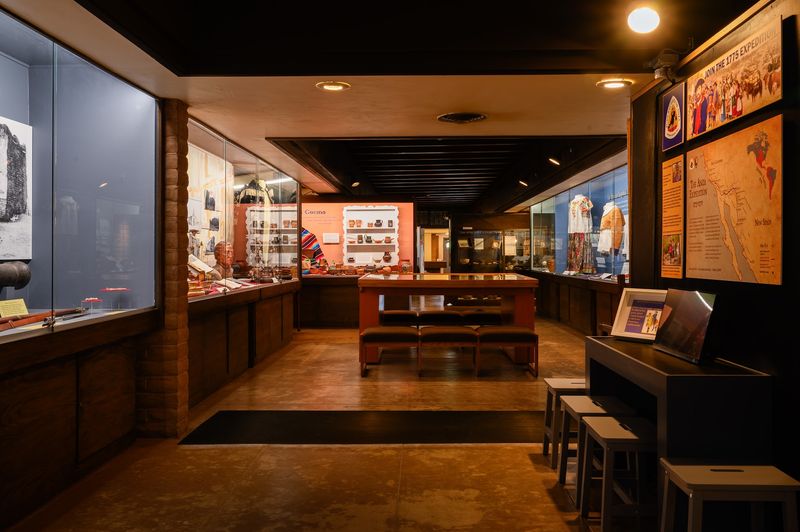
Small town museum, big town collection.
The museum at Tubac Presidio covers roughly 2,000 years of history. It holds a large collection of artifacts that are neatly displayed with clear descriptions and labels.
Many guests say it contains far more information and exhibits than they expected. Some even call it a more pleasant experience than much larger museums.
The galleries are well lit and well labeled. Exhibits explain the first people to live in the area and follow the story forward through the Spanish colonial era.
One standout display features the uniforms and heavy gear worn by the Spanish soldados de cuera, known as the leather soldiers. Looking at that equipment helps explain how demanding frontier life was for the men stationed here.
A few areas encourage guests to touch objects. Those hands-on displays make the museum friendly for curious kids and adults who learn best by doing.
Before starting, it is worth watching the short video about the history of Tubac. It plays at the main entrance and gives helpful context for the self-guided tour.
A printed guide is also available for those who like to follow along. It keeps the tour organized without needing a group or a set schedule.
One practical tip stands out. Bring reading glasses, because there are many facts to read and maps to study, and skipping them would mean missing half the fun.
Chalkboard Rules From 1885
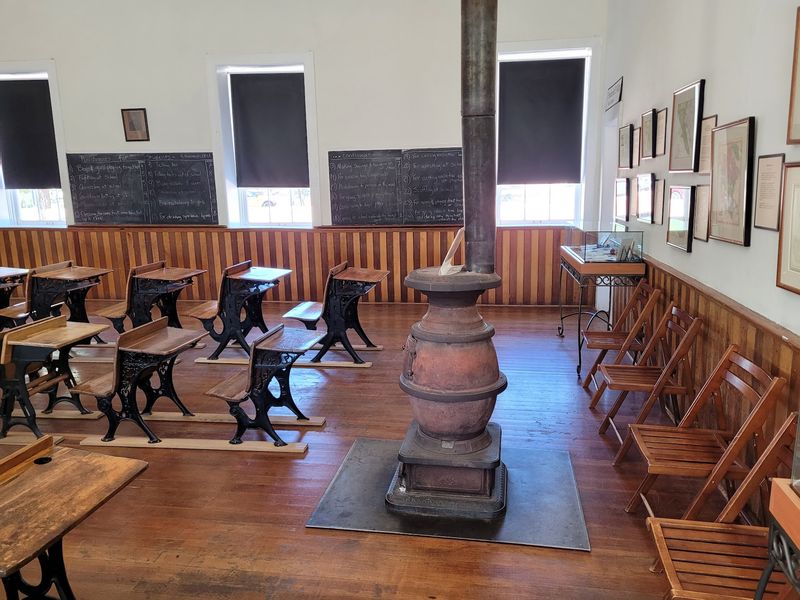
Modern students who complain about homework should read these chalkboards.
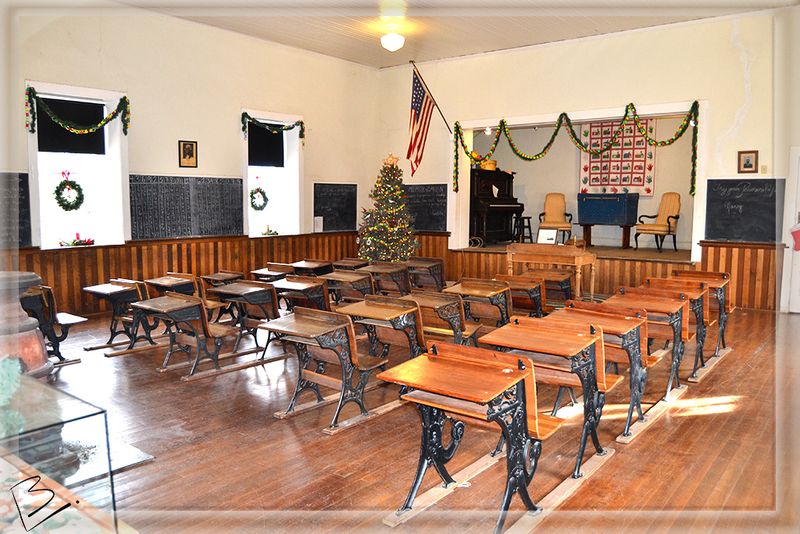
The historic schoolhouse at Tubac Presidio dates to 1885. It is a one-room school, and it ranks among the most loved stops in the entire park.
The big draw is the list of old rules. Chalkboards inside spell out exactly how teachers and students were expected to behave at the time.
Those rules were strict, and they cover both sides of the classroom. Teachers had just as many expectations placed on them as the children did.
Reading through them tends to bring out a few chuckles. Plenty of guests leave glad they were never a teacher or a student in that era.
There is a thoughtful side to the laughter too. It is easy to wonder what people a century from now will think of today’s classroom habits.
The building offers a clear glimpse into a different period of daily life in Arizona. It also connects the story of the old fort to the community that grew up around it.
The schoolhouse works especially well for families. Kids can compare their own school day with the one described on the boards.
Class may be long out of session, but this little room still teaches a memorable lesson.
A Wagon You Can Actually Touch
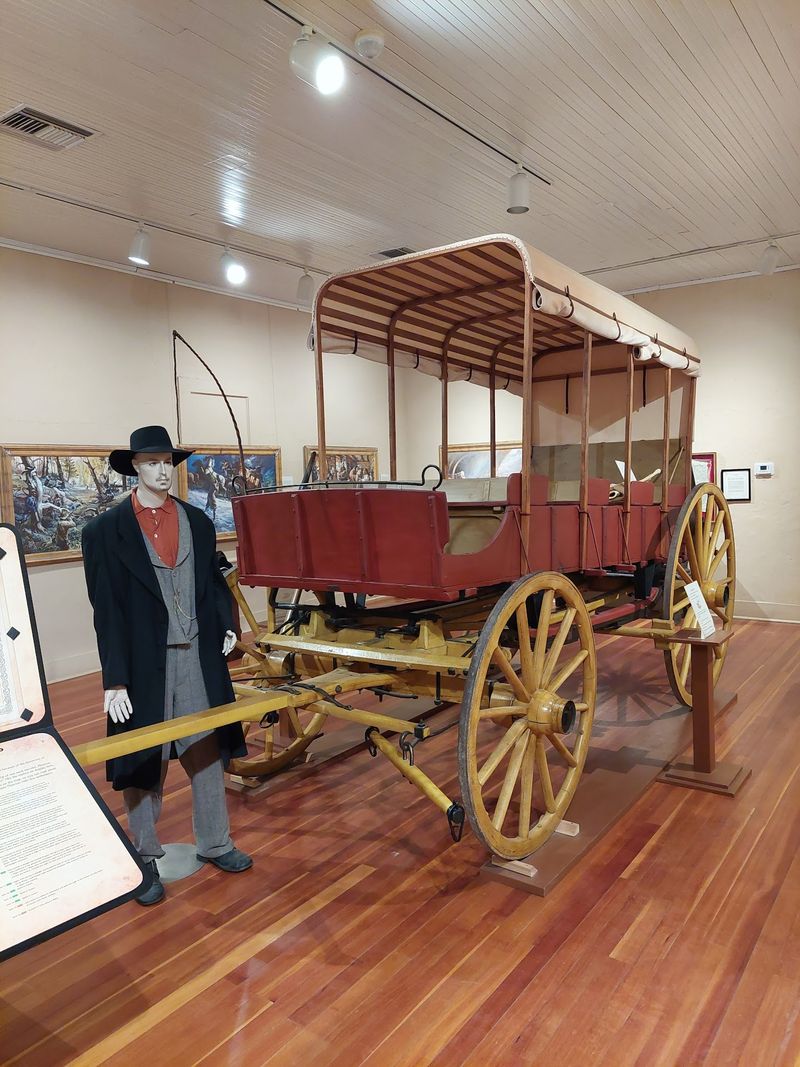
Most museums guard their treasures behind ropes and signs that say hands off. Otero Hall takes a friendlier approach.
Inside the hall sits an 1850s ambulance, a horse-drawn wagon kept in fine condition. Guests are allowed to touch it, which almost never happens in museums.
Some people even press on the carriage to test the tension in its suspension. It is a rare chance to understand how travel worked in that era with actual hands-on contact.
A few history fans come to the park specifically for this wagon. They tend to leave satisfied.
The hall also displays a series of paintings by artist Bill Ahrendt. These works earn steady praise, and the staff notes that each viewing reveals a new detail.
For a village known for its art, the paintings make a fitting link between Tubac’s galleries and its history. They bring the story of the region to life on canvas.
A book featuring images of the paintings sells for 15 dollars. It has sold out at times, so anyone interested should ask early.
The hall has also served as a meeting building for the park. Its mix of art and artifacts makes it one of the most memorable rooms on the grounds.
Few places let history be both admired and handled. Otero Hall manages to do both under one roof.
Rojas House and Everyday Mid-Century Life
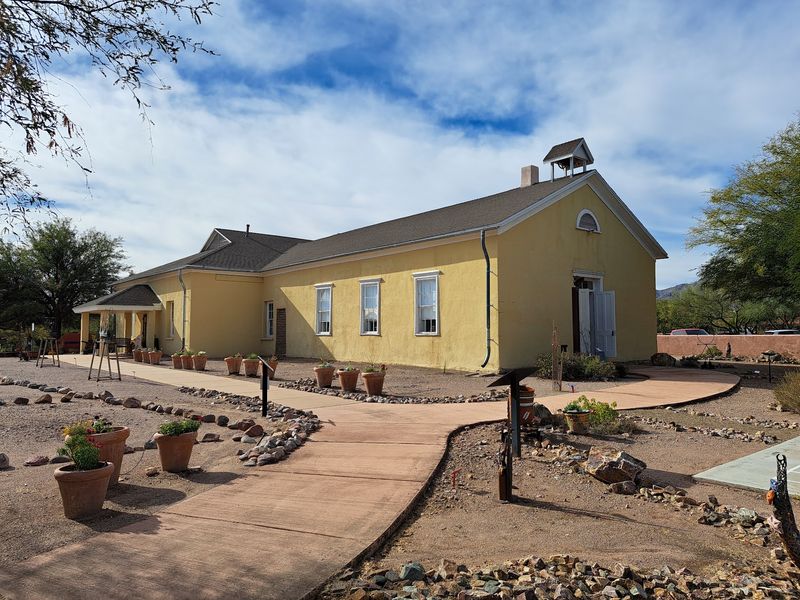
Not every exhibit here is centuries old.
The Rojas House offers a look at more recent history. It shows what home life was like in the 1950s and 1960s.
Guests often describe the house as charming and fascinating. It gives a real feel for daily routines during that period, which makes it a nice contrast to the older colonial displays.
The jump in time is part of what makes the stop so interesting. After learning about leather soldiers and a buried fort, walking through a mid-century home connects the past to living memory.
Many people name the Rojas House among their highlights of the self-guided tour. It fits right alongside the schoolhouse and the presidio remains on most favorite lists.
The park also features the Otero House, another historic building on the grounds. Restrooms are located on the right side of the Otero House, a handy detail for planning.
Together, these homes help show how the community changed over generations. They remind guests that Tubac is more than a single chapter.
The houses are quick to tour, so they are easy to fit in. Still, it pays to linger a little, since small household details often spark the best conversations.
History does not always need a battle or a fort to feel meaningful. Sometimes a kitchen table and a family home tell the story just fine.
Lectures, Concerts and Holiday Gatherings
Quiet most days, the park knows how to throw a party when the calendar calls for it.
Tubac Presidio hosts lectures and concerts led by knowledgeable and talented people. Many of them share a love for the Sonoran Desert and the region’s history.
Regulars take advantage of these programs throughout the year. The park keeps an events calendar on its website so guests can plan around them.
One highlight has been a Fourth of July celebration held with the Tubac Rotary. The event ran from 10 to noon and packed in plenty of family fun.
There were games for kids, music, treats, and donkeys to pet. A flyover added excitement, and the fire department sprayed the kids with a hose to help them cool off.
The museum stayed open during that celebration too. Families could mix a little history with the holiday festivities.
Schools and groups also use the park for field trips. The staff books these experiences in advance, and details are listed on the official site.
The park encourages guests to subscribe to its newsletter. It shares news about upcoming concerts, lectures, and new exhibits.
Checking the schedule before a trip can turn a simple museum stop into something special. A well-timed visit might come with a bonus program attached.
Hours, Admission and Easy Access
A little planning goes a long way here, mostly because the park closes earlier than many people expect.
Tubac Presidio is open Tuesday through Sunday from 9 AM to 3 PM. It is closed on Mondays.
That afternoon closing time catches some guests off guard. Several people have wished they had arrived earlier, so a morning start is the smart move.
Admission has been listed at 7 dollars per person. Many consider it well worth the price, especially since the fee supports a museum that does not receive state funding.
Parking is free and easy to find. The park is usually not very crowded, which adds to the relaxed pace.
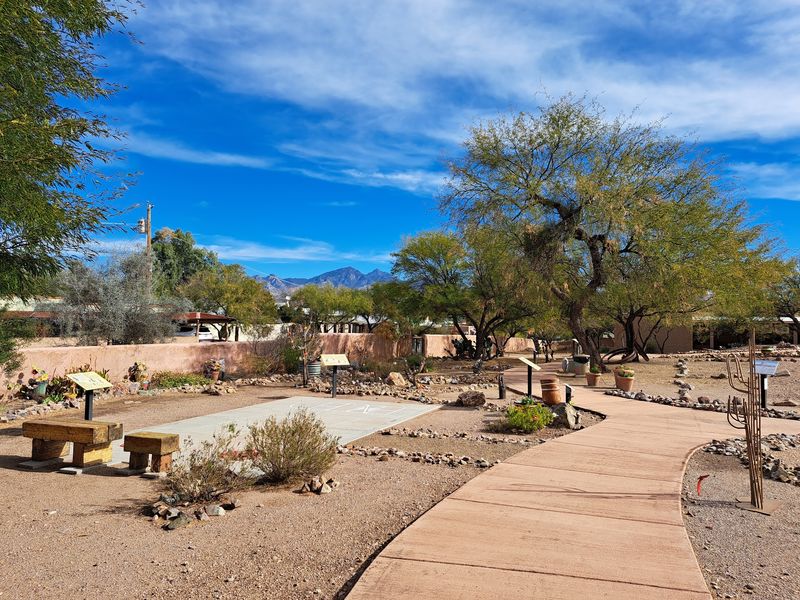
Accessibility is another plus. The site is handicap accessible, and flat sidewalks make it easy for wheelchairs to get around.
Time matters most of all. The park recommends at least an hour, and many guests suggest planning for one to two hours to cover everything comfortably.
Those who allow only half an hour often regret it. The grounds hold more than the entrance suggests.
A gift shop sits on site for books and souvenirs. Buying something there is an easy way to support the park’s upkeep.
Get there early, pace yourself, and the clock will not be the one making the decisions.
The Slow Day That Ties It All Together
Tubac was never meant to be rushed, and the park makes that point better than any sign could.
The best days here combine history with wandering. Local art shops line the way to the park, so it is easy to turn one stop into a full day.
A morning at the museum pairs nicely with an afternoon of browsing galleries in the village. The slow pace of both suits travelers who like to linger rather than check boxes.
Walkers have another option too. Trails near the park link up with Tumacacori, home to a mission about 3 miles to the south.
The two sites tell connected stories. Tumacacori National Historical Park has the mission, while Tubac Presidio holds the fort ruins, so visiting both rounds out the picture.
The park suits many kinds of travelers. History lovers, families with curious kids, and anyone who enjoys a quiet walk will find something worthwhile.
It also works for people who have visited Tubac several times without stopping in. Many longtime locals say they wish they had come sooner.
With its friendly volunteers, touchable exhibits, and first state park title, this spot adds depth to a gallery day. It gives the village’s creative present a meaningful past to stand on.
Come for the art, stay for the history, and let the afternoon unfold at whatever speed feels right.
Enjoyed this story?
Add Fast Food Club as a preferred source to see more of our reporting on Google.