


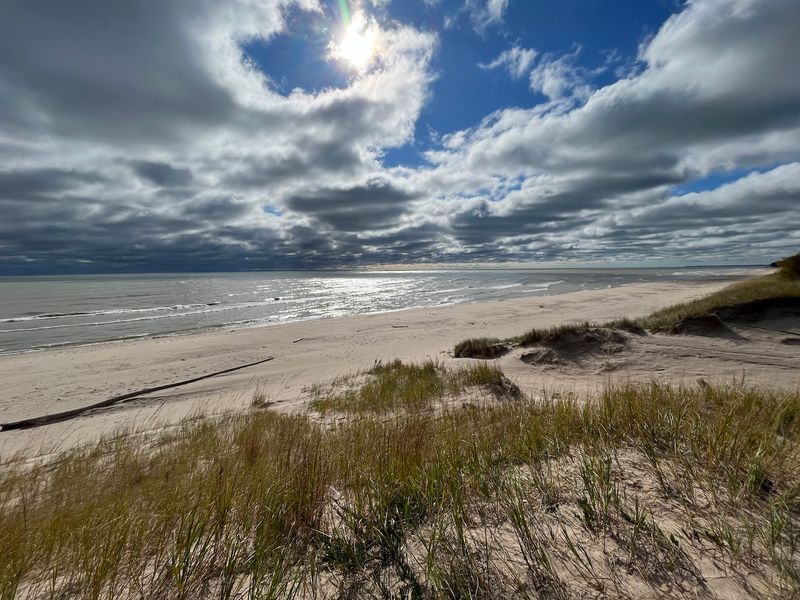
Most people do not expect a Wisconsin day trip to end with sand in their shoes and dunes on the horizon. Just south of Sheboygan, a stretch of Lake Michigan shoreline breaks that expectation with wide beaches, protected dunes, a wooden trail that climbs up and down the landscape, and a campground where the night sky still shows the Milky Way.
The water stays shallow for a good distance, the trails branch off toward the lake, and a small nature center even brings out live owls and falcons. Keep reading to learn the story behind this lakeside park, the best ways to explore it, and the timing tricks that help you skip the weekend lines.
A Lakeshore Escape South of Sheboygan
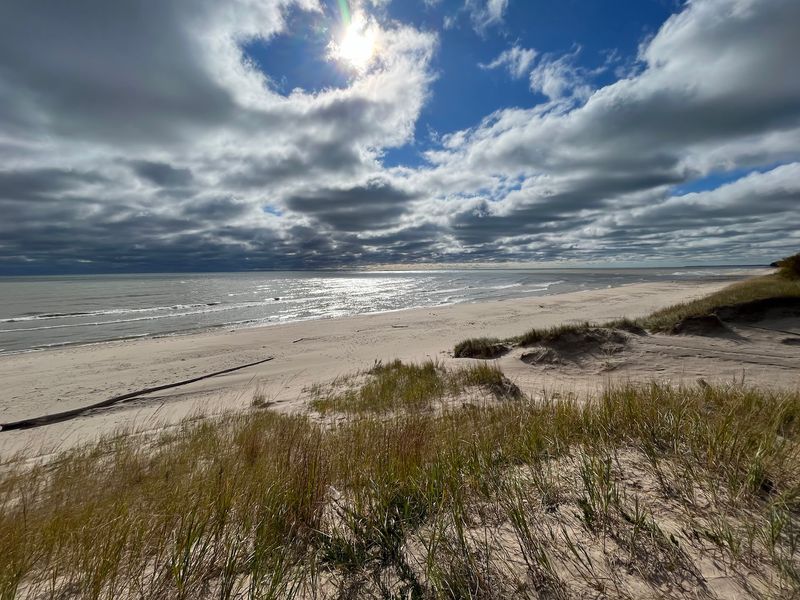
Some of the best beach days in the Midwest happen far from any ocean. Kohler-Andrae State Park sits at 1020 Beach Park Ln, Sheboygan, WI 53081, on the western shore of Lake Michigan in the United States.
The park lies in the Town of Wilson, just south of the city of Sheboygan. That puts it within a short drive of Milwaukee, which makes it an easy pick for a spontaneous weekend outing.
On paper, it is a state park with beaches, sand dunes, hiking trails, campsites and a nature center. In practice, it feels more natural and less developed than many beach areas along this part of the coast.
Tall grasses, wooded trails and a long sandy beach share the same property. That mix is the main reason people keep returning, since a single visit can cover a lake swim, a forest walk and a dune hike without moving the car.
The park also has plenty of parking spread across different points. Multiple lots line the shore, and a trail links them together, so there is more than one way to reach the water.
Families, hikers, campers and casual walkers all find a corner that suits them here. Before exploring those corners, though, it helps to know how this place got its double-barreled name.
Two Names, One Shoreline Story
Every hyphen has a backstory, and this one is no exception. The park first opened in the late 1920s under a single name, Terry Andrae State Park.
For decades, that was the only name on the sign. Then, in 1966, the Kohler Company made a donation of land, and the park officially became Kohler-Andrae State Park.
The result is a combined property that covers far more ground than either piece would alone. The two sections now function as one park, with shared trails, beaches and facilities.
Fun fact for trivia night: the spelling trips up plenty of people. Signs and maps use “Andrae,” yet the name is often written with a different ending in casual conversation.
The history matters for more than bragging rights. Because the land was set aside nearly a century ago, a large stretch of lakeshore stayed open instead of filling up with private homes.
That early decision explains why the park still has room for dunes, marshland and pine forest right beside the beach. Few spots along this coast offer that much protected space in one place.
With the name sorted out, the next question is obvious. Where exactly should the day begin?
The Beach That Rewards a Longer Stroll
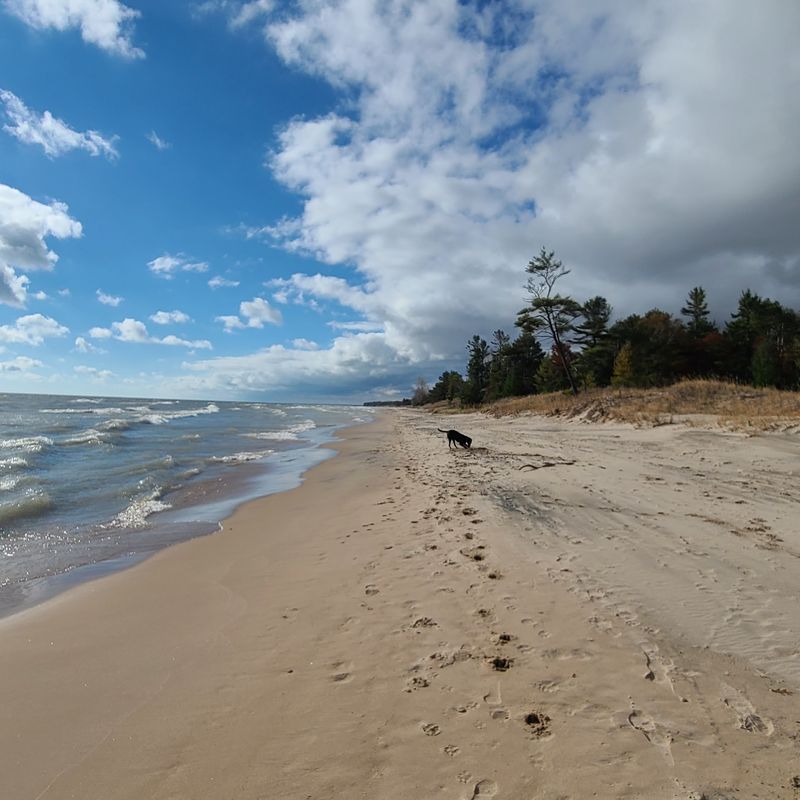
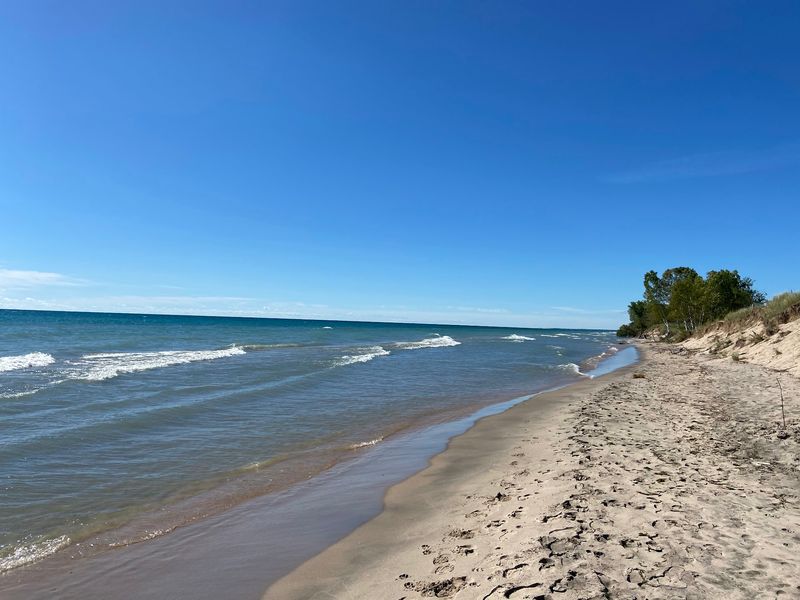
Here is the simplest tip in this whole article: keep walking. The areas closest to the parking lots get busy on warm days, but the crowd thins quickly a little farther down the shoreline.
With over two miles of sandy beach, there is room to spread out. Even on packed days, the space allows groups to settle in without stacking towels edge to edge.
The water stays shallow for a good distance from shore. That feature makes the beach a strong option for families with younger swimmers who want to wade rather than plunge.
Temperature is another story. Lake Michigan runs cold here, and the lakeside location can make the whole park a bit chillier than towns inland, so an extra layer is a smart packing choice.
The beach is known for being clean, and the park keeps restrooms and changing areas in good shape. Seasonal lake conditions can occasionally wash up dead fish, though this beach tends to see fewer of them than others nearby.
People use the sand for runs, slow walks and long picnics. It holds up in sunshine and in foggy weather, and many regulars treat it as a year-round walking spot.
Just behind all that sand, however, rises the feature that truly sets this park apart.
Dunes Worth Protecting
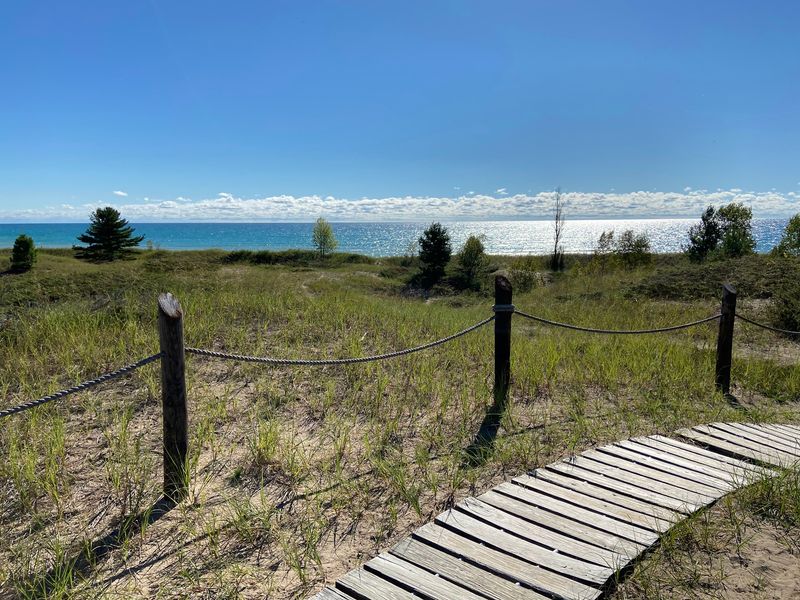
Sand dunes are rare in Wisconsin, and that is exactly the point. The state protects its dunes in only a few locations, and this park is one of them.
Another protected dune site sits up in Door County, at Whitefish Dunes State Park near Sturgeon Bay. Having one of these landscapes within easy reach of Milwaukee is a big part of the appeal here.
The dunes form a mix of open sand, tall grasses and scattered trees. Behind them, pine forest takes over, creating a layered landscape that shifts from beach to woods within a short distance.
Protection comes with rules. Barriers line the main walkway to keep people off the fragile dune areas, and staying on marked paths helps the plants that hold the sand in place.
There is also a practical reason to follow the signs. Poison ivy grows in some areas, so wandering off-trail can lead to an itchy souvenir nobody wants to bring home.
Informational signs along the trails explain what makes the dunes special. They turn a simple walk into a mini lesson about how this shoreline formed and why it needs care.
So how do you actually see the dunes up close without stepping on them? The answer involves a lot of wood and a fair number of hills.
The Cordwalk and Its Many Hills
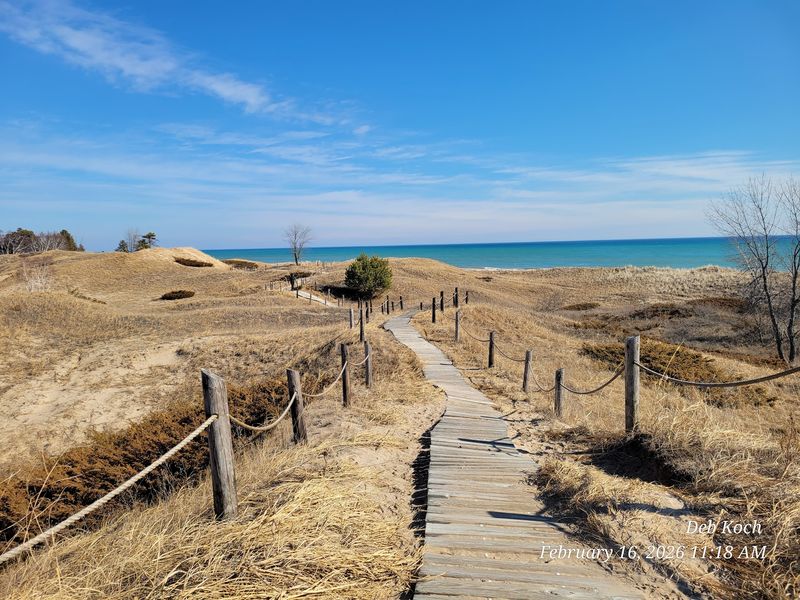
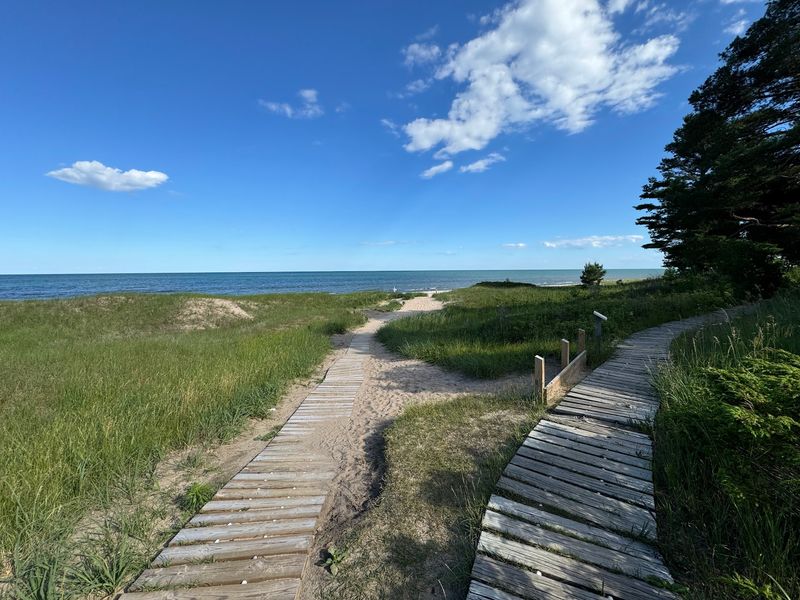
Leg day, meet lake views. The Dunes Cordwalk is the park’s signature trail, a wooden path that runs along the dunes and connects the multiple parking lots.
The wood keeps hikers from trudging through loose sand the entire way. On hot summer days, that boardwalk surface also makes the trip much more comfortable than walking barefoot on open sand.
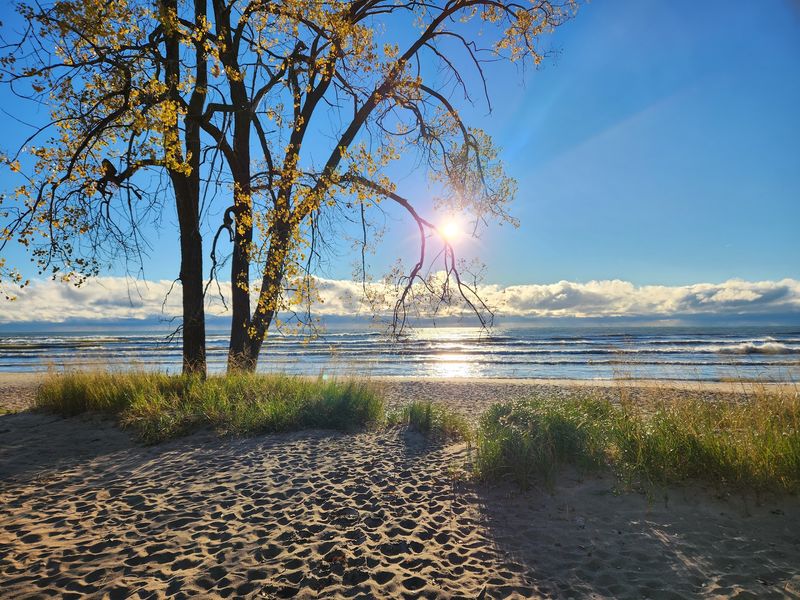
Side paths branch off the main route toward the lake. These short spurs lead to open views of Lake Michigan and offer a chance to cool off in the water mid-hike.
Fair warning, though: the trail is hilly and can feel like a real workout. Some sections sit at steep angles, and the boards are uneven or partly buried in sand in certain spots.
Anyone unsteady on their feet should think carefully before tackling the full route. Sturdy shoes and a slower pace go a long way on the tilted stretches.
There are no bathrooms or outhouses along the lake trail itself. Plan a restroom stop at the campground or the nature center before heading out.
For those who want something gentler, the park has a much flatter option waiting near the wetlands.
Marsh Boardwalks, Easy Loops and a Sandy Playground
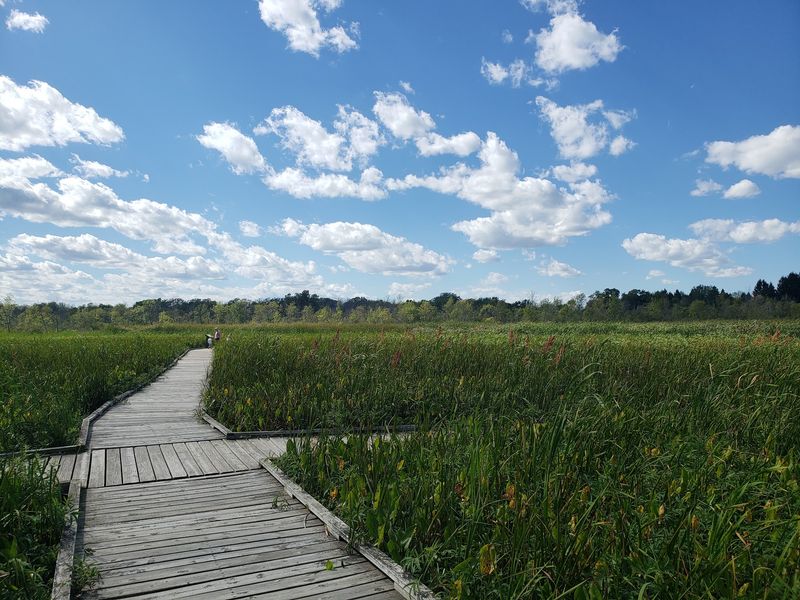
Not every great trail needs a steep climb. The Black River Marsh Boardwalk takes hikers across wetland terrain, offering a completely different look at the park than the beach and dunes.
The marsh supports plenty of wildlife, which makes it a good stretch for slow walking and spotting animals. It also adds variety for anyone who wants more than sand for the day.
Families with strollers and people using wheelchairs have a solid option too. The park offers an accessible 0.4-mile loop that stays manageable for kids and wheels alike.
Trails across the park are generally well maintained and easy to reach from the parking areas. The forest paths bring a quieter mood that contrasts nicely with the busier shoreline.
Younger explorers have one more stop to make. A playground features sand-based equipment along with swings and slides, which can buy parents a welcome break after a long hike.
One caution applies here more than anywhere else. The wetlands can bring more mosquitoes, so insect repellent belongs in the day bag right next to the sunscreen.
After exploring the marsh, curious minds usually want to know more about the animals living in it. Conveniently, the park has a building devoted to exactly that.
Owls, Falcons and the Sanderling Nature Center
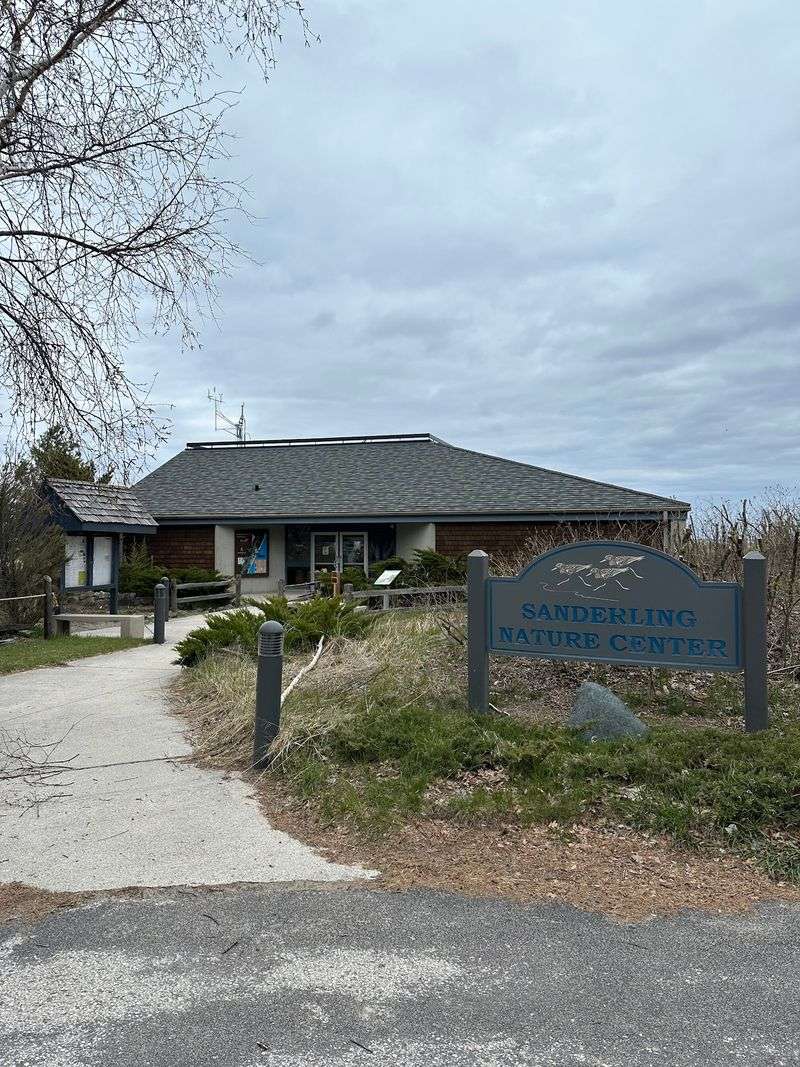
A barn owl is not the usual beach day companion, yet it shows up here. The Sanderling Nature Center hosts programs that bring out live animals for guests to see up close.
One program, titled “Wildlife of Wisconsin,” has featured baby possums, a falcon and a barn owl. The presenters share stories about the animals, which keeps both kids and adults engaged.
The center sits at the North parking lot. Along with its exhibits, it has a couple of restrooms and a small gift shop for a souvenir or two.
Staff and nature center guides have a reputation for being friendly and helpful. They are a good resource for trail tips and background on the dunes and marsh.
Hours can vary, so it pays to watch the signs for when the center is open. When it is, the building also serves as a handy restroom stop before or after hiking.
The exhibits are well done and worth a stop even for people who came mainly for the beach. A short visit adds context to everything seen outside.
Of course, some guests do not want the day to end at all. For them, the park offers a way to stay overnight.
Campsites Under a Very Dark Sky
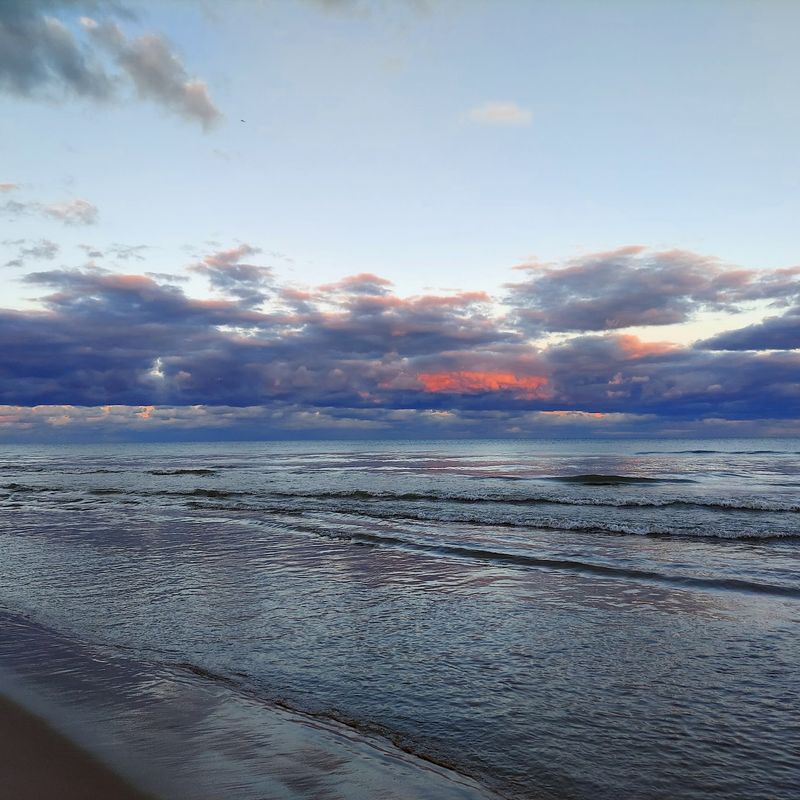
After sunset, the park’s biggest attraction moves overhead. With very little light pollution, campers can see the Milky Way stretching across the sky on clear nights.
The campground handles both tent and RV camping. Electric sites, showers and restrooms are available, making longer stays more comfortable.
Site options range widely. There are spaces suited for groups as well as smaller spots for a single tent, so solo campers and big families can both find a fit.
Many campsites sit a short walk from the bathrooms. Several are not far from the beach either, which makes early morning shoreline walks very easy to arrange.
Cleanliness is a strong point. The campground, bathrooms and wash facilities are known for being well kept throughout the season.
Camping is one of the most talked-about parts of the park, and sites can be booked in advance. Reserving early is wise for summer weekends, when demand is highest.
A packed cooler for picnics also works well here. Plenty of people bring their own meals and spend hours at a picnic spot by the water.
Staying overnight or not, a few practical details can make or break the visit, starting with the drive through the entrance gate.
Fees, Lines and Smart Timing
A little planning saves a lot of idling. A Wisconsin state park sticker is required for entry, and there is a fee for anyone without an annual pass.
Daily entry has been listed at $12 for vehicles with Wisconsin plates. Fees can change, so checking the Wisconsin DNR website before the trip is a good move.
Frequent park-goers may want the annual pass instead. It covers entry across Wisconsin state parks and quickly pays for itself with repeat visits.
Timing matters most on warm weekends. The line for non-permit holders can stretch long enough to cause a 15 to 20 minute wait, and parking lots fill up quickly during peak season.
The fix is simple: arrive early. Weekday trips and shoulder seasons also help, since a September Saturday can feel almost empty.
Winter brings its own quiet charm. The trails stay open for peaceful off-season walks, and the informational signs make those visits more rewarding.
Dog owners should head to the south beach, where dogs are allowed. The crowd there tends to be respectful and relaxed.
Pack bug spray, a warm layer and sturdy shoes, and the park is ready for just about anyone.
Why This Shoreline Earns a Return Trip
Some places are good for one afternoon. This park tends to become a habit, with many people returning season after season.
The appeal lies in the range packed into one property. Beach, dunes, marsh and forest sit side by side, so hikers, swimmers, campers and families rarely compete for the same space.
Photographers find plenty to work with along the boardwalks and lake views. Teenagers who usually resist family outings tend to find something to enjoy here as well.
It is not flawless, and honesty helps with planning. The cordwalk can be rough in spots, the water runs cold, mosquitoes like the wetlands, and summer weekends bring lines.
None of those drawbacks outweigh what the park offers. A clean, spacious beach, protected dunes and a dark night sky are hard to find in one place this close to Milwaukee.
Many compare the beach to shorelines on the East Coast. Others simply call it the best sand beach in the state.
The best way to judge is to go early, walk past the busy stretch near the lots and claim a quiet patch of sand. After that, the “secret” part of this secret beach will make perfect sense.
Enjoyed this story?
Add Fast Food Club as a preferred source to see more of our reporting on Google.