


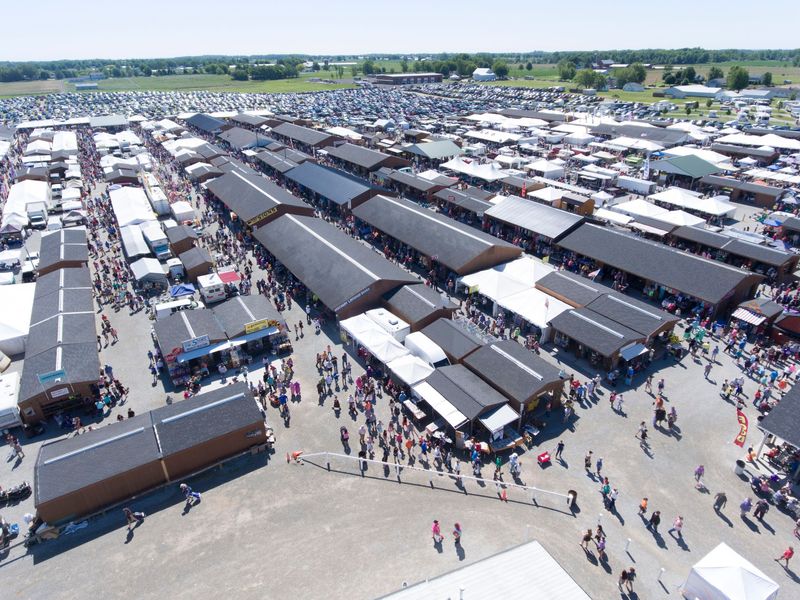
Six hundred spaces. Two days a week.
One small town in northern Indiana that turns into a shopping marathon every summer Tuesday and Wednesday. Bargain hunters plan entire road trips around this market, and many of them head home admitting they saw only a fraction of it.
The booths hold antiques, Amish-made blankets, porch decor, clever gadgets, clothing and plenty of oddities nobody planned to buy. On Wednesdays, an auction adds thousands of extra items to the mix, and that auction keeps going long after the outdoor season wraps up.
Shoppers here talk about comfortable shoes the way hikers talk about boots. Keep reading for the layout, the auction, the best day to go, what to pack, where to park and how to avoid running out of steam before the final row.
Every tip below comes from the folks who keep coming back year after year.
A Midweek Marketplace on Van Buren Street
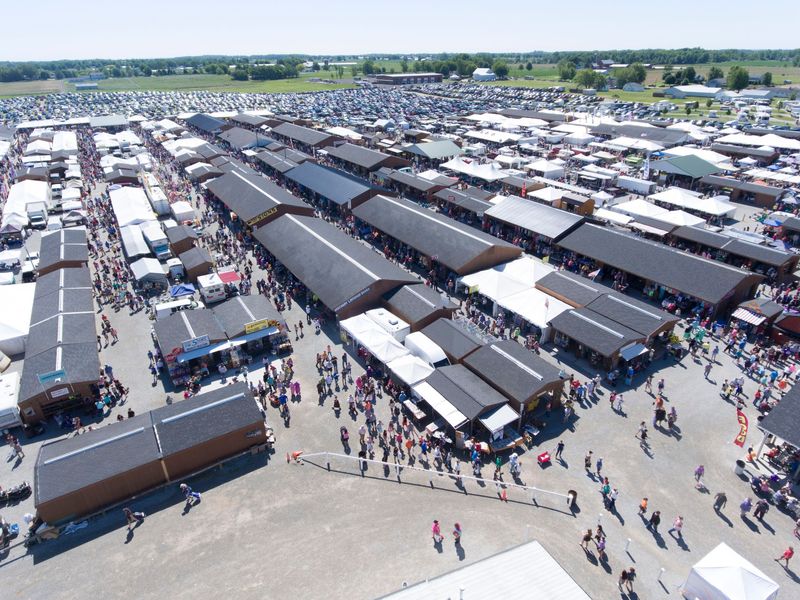
Every summer, a quiet corner of northern Indiana becomes one of the busiest shopping stops in the Midwest. The spot is the Shipshewana Flea Market, found at 345 S Van Buren St, Shipshewana, IN 46565, in the United States.
It runs as part of the Shipshewana Trading Place, and the outdoor market operates seasonally from May through September. Hundreds of vendors set up shop across a sprawling open-air grounds, selling crafts, clothing, antiques, home goods and Amish-made products.
Here is the twist that catches first-timers off guard. The gates do not open on weekends during the regular season.
Instead, the market runs on Tuesdays and Wednesdays only, from 8 AM to 4 PM. That midweek schedule gives the whole operation a special-occasion feel, since shoppers have to plan around it rather than drop in on a lazy Saturday.
The grounds also host auctions, including a livestock auction, which gives the place a working farm-town character alongside the shopping. On Wednesdays, a large antique and miscellaneous auction draws a crowd of its own.
Many people treat a trip here as a full-day event rather than a quick errand. Some even stay for both market days to cover more ground.
Consider this your official heads-up to clear the calendar midweek, because the rows ahead are longer than they look from the parking lot.
The Biggest Claim in the Midwest
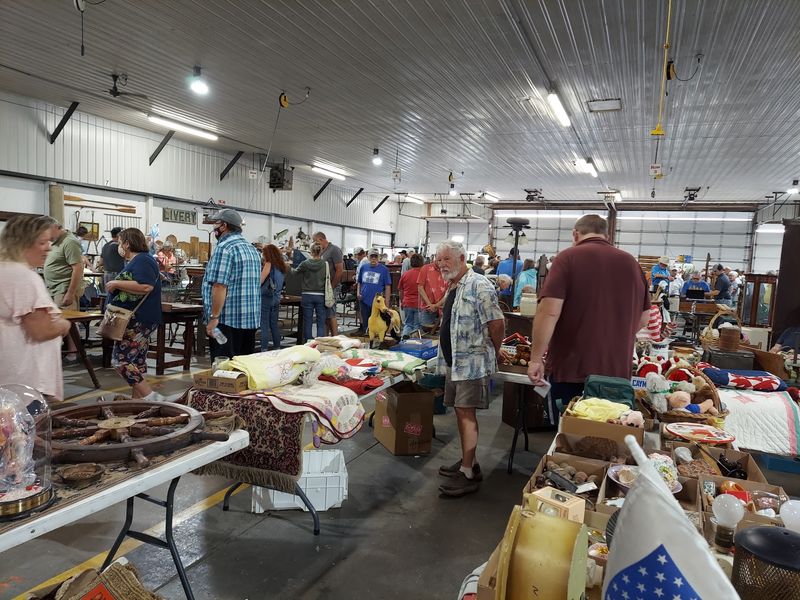
Six hundred spaces is not a typo. The market bills itself as the largest flea market in the Midwest, with more than 600 vendor spaces spread across its grounds.
That number shapes almost every trip here. Shoppers regularly report spending three hours browsing and covering only about a quarter of the booths.
Others make it through roughly three quarters of the market before their legs call it a day. A few simply shrug and promise themselves a second visit.
The size is part of the appeal and part of the challenge. There is always another row to explore, and that sense of a surprise around every corner keeps people moving.
For returning shoppers who have not been in years, the market often seems bigger and cleaner than they remembered. Cleanliness comes up again and again as a pleasant surprise for such a large outdoor operation.
Management even suggests that some folks plan a two-day stay to see it all properly. With the market open back-to-back on Tuesday and Wednesday, that plan fits neatly into a short getaway.
A smart approach is to decide on priorities before arriving. Knowing whether antiques, decor or clothing tops the list helps turn a huge maze into a manageable mission.
Size bragging rights aside, the real question is what fills all those spaces, and the answer gets more interesting with every aisle.
Wednesday Belongs to the Auctioneer
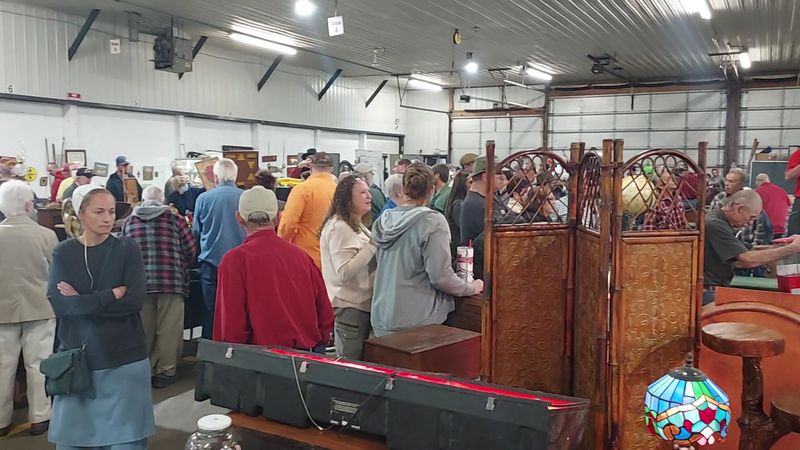
Plenty of flea markets sell things. Far fewer sell 2,000 items in a single day by auction, every single week.
That is the Wednesday tradition here. A weekly antique and miscellaneous auction moves more than 2,000 lots every Wednesday, and it runs year-round, not just during the outdoor season.
Because of the auction, Wednesday is the busier of the two market days. People come for the booths, then drift over to see what is coming up for bid.
Antique fans get a lot out of it. Even shoppers who find the general market leans modern tend to agree that the auction turns up plenty of nice pieces.
There is a trade-off, of course. Auctions reward patience, and some people would rather buy an item outright than wait for it to hit the block.
A good strategy is to budget a few hours. Browse the booths in the morning, then settle in for the lots that catch your interest.
The year-round schedule also means the auction stays an option for off-season trips. When the outdoor booths are packed away for the winter, Wednesday bidding carries on.
Going once, going twice, and suddenly a quiet midweek morning becomes the most competitive part of the whole trip.
Livestock, Lots and Farm-Town Roots
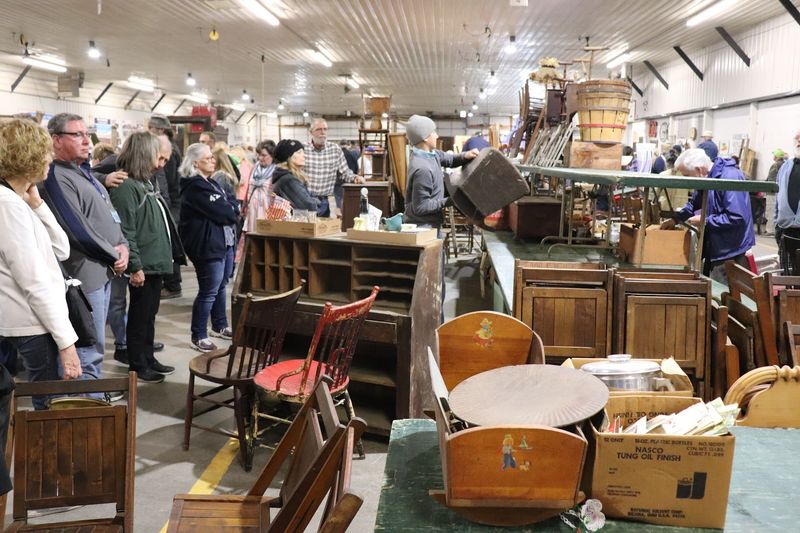
Not every flea market can say it shares its grounds with a livestock auction. This one can, and it gives the whole place a different personality than a typical shopping center.
The Shipshewana Trading Place is described as an open-air market and livestock auction combined. That pairing reflects the agricultural roots of the surrounding area, where Amish and farm traditions remain part of daily life.
For shoppers, the practical takeaway is simple. The market is part of a larger working operation, not a standalone tourist attraction built from scratch.
The Amish influence also shows up in the merchandise. Amish-made blankets, farmhouse decor and homemade specialty products appear throughout the booths.
Tractors and farm themes pop up in the spirit of the place too. It feels more like a community gathering than a mall, and many people describe the trip as an event as much as a shopping run.
That community feel extends to the vendors. Friendly conversations at the booths are a regular part of the experience, and sellers tend to light up when someone appreciates their work.
People-watching is its own form of entertainment here as well. Families, collectors, resellers and casual browsers all share the same gravel paths.
History here is not behind glass in a museum, it is out in the open, trading hands every Tuesday and Wednesday.
Where Antique Hunters Should Aim
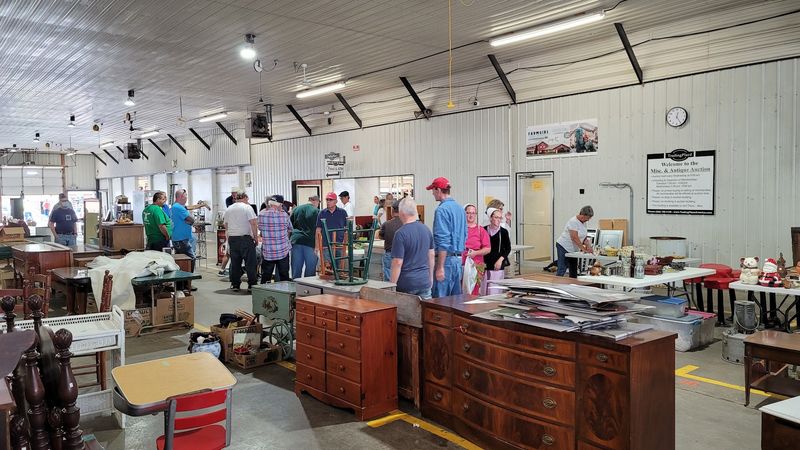
Serious collectors, listen up. The market is huge, but the antique finds are concentrated in a few specific places.
The first stop is the Wednesday auction, which pulls in a steady stream of antiques and collectibles each week. Many of the higher-quality older pieces pass through those lots.
The second stop is the handful of shops within the market that carry antique items. These are worth tracking down early before the crowds build.
Honesty matters here, so here it is. Much of the general market reads as a typical modern flea market, with newer goods and reseller stock making up a large share of the booths.
Some shoppers looking for vintage vinyl or truly old pieces leave a little disappointed. Others find plenty of antiques and consider them a highlight of the day.
The difference often comes down to planning. A shopper who hits the auction and the antique shops with a few hours to spare has a much better shot than one who wanders at random.
Management also points to the special weekend markets, held just twice a year, which add an antique market and a swap meet to the regular flea market lineup.
Treasure rarely announces itself, so the collectors who come home happy are usually the ones who knew exactly which corners to check.
Handmade Goods and Amish Craftsmanship
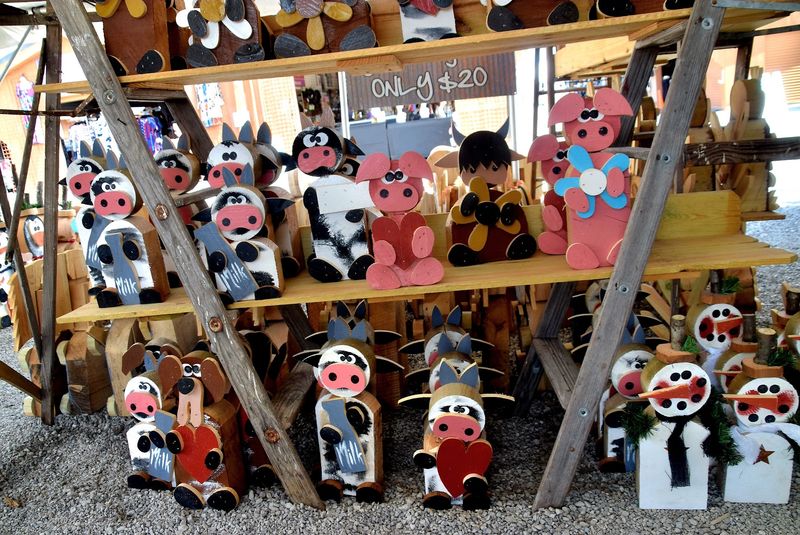
Crafts are the single most talked-about category at this market, and for good reason. Handmade items turn up across the grounds in all kinds of forms.
Amish-made blankets are among the standout finds. Local crafters also sell home decor, porch pieces and a range of items made by hand rather than shipped in from a warehouse.
Some booths specialize in natural products for the body and home. Handcrafted organic goods also have a loyal following, with certain booths earning word-of-mouth recommendations from repeat shoppers.
Opinions on the handmade selection do vary. Some longtime shoppers feel there were more craft vendors years ago and would love to see that number grow.
The market team says those vendors are still out there. Their advice is to use the vendor directory, which is available online and at the gates each season, to find exactly the kind of maker you want.
That tip is especially useful given the market size. A directory can save an hour of wandering when the goal is something specific.
Management also mentions it is always recruiting new vendors, which means the mix can shift from season to season.
Handmade shopping here works best as a scavenger hunt with a map, and the reward is usually something nobody else back home owns.
Porch Decor, Lawn Pieces and Potted Plants
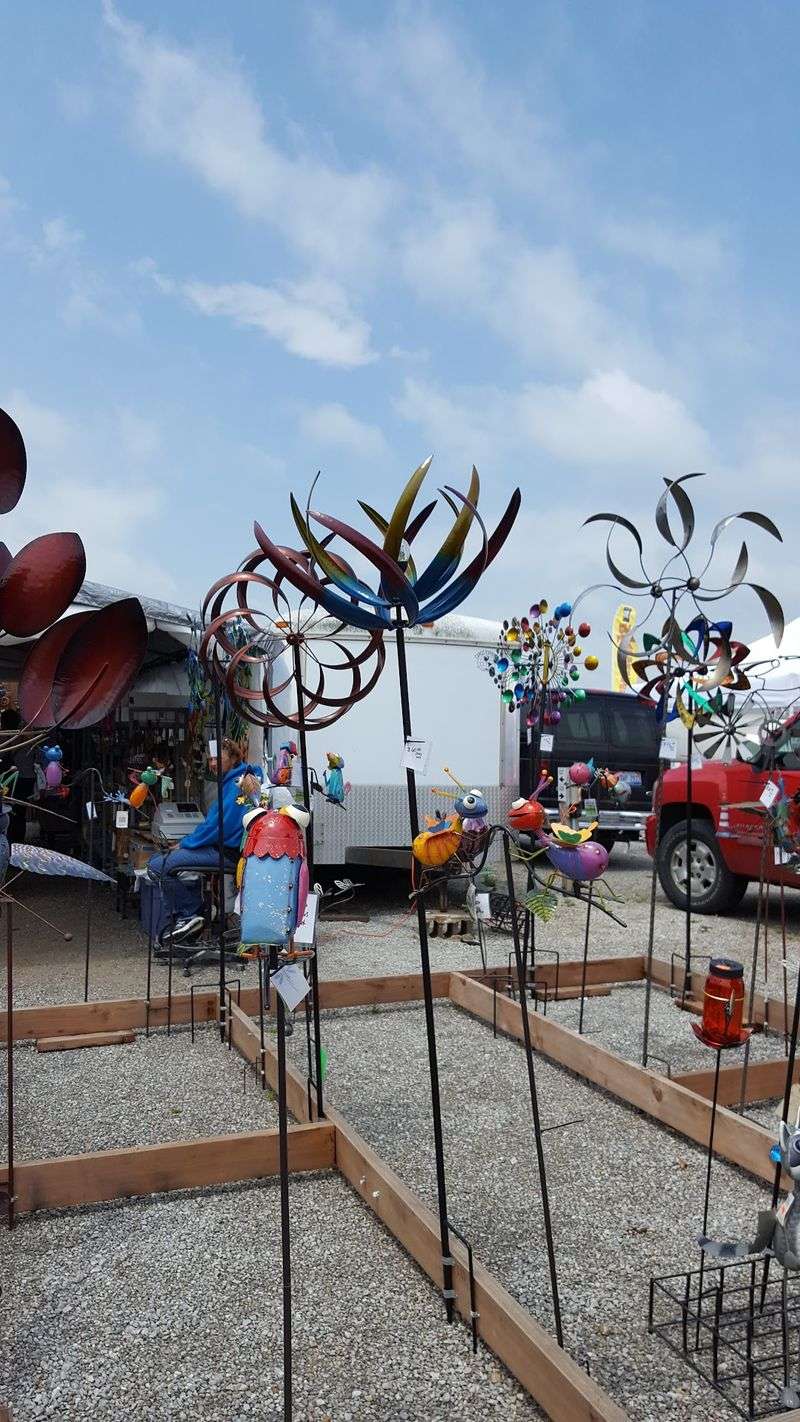
Anyone with an empty front porch should consider themselves warned. Porch and lawn decorations are a big category here, and they have a way of ending up in the back seat.
Farmhouse decor is especially common. Booths offer signs, seasonal pieces, garden accents and home furnishings that fit the rustic style so popular across the Midwest.
Plants make an appearance at certain times of the season. Shoppers who catch them often find the prices reasonable.
Better yet, the plant sellers have a clever system. Buyers can pay, have the vendor hold the plants, and pick them up later.
There is even a drive-up lane for collecting purchases. That means nobody has to haul a flat of flowers across the entire market to reach the parking lot.
For larger decor items, the same thinking applies. Leaving extra room in the vehicle is one of the most common pieces of advice from returning shoppers.
Many people arrive with a short shopping list and leave with things they never planned to buy. Decor seems to be the most frequent culprit.
Consider this section a gentle reminder to measure the porch before leaving home, since the lawn ornaments here are very persuasive.
The Honest Truth About the Bargain Bins
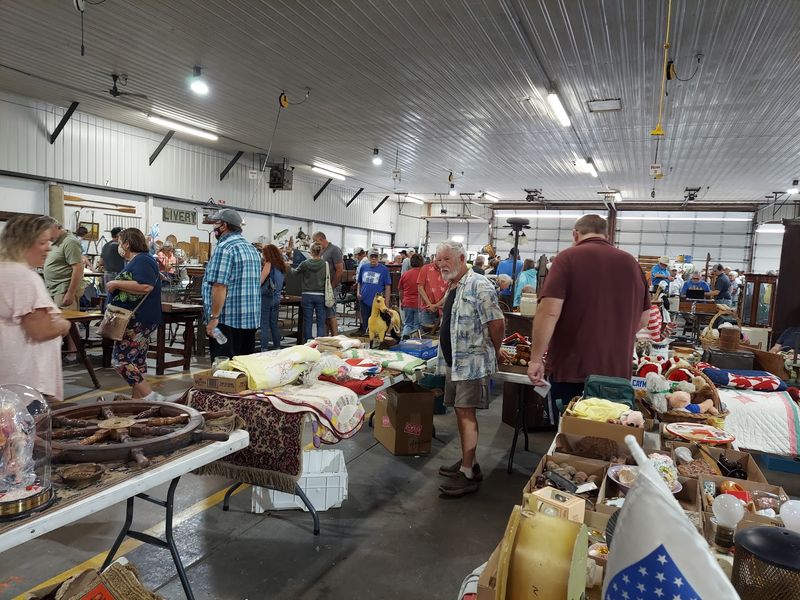
Every great flea market has a little bit of everything, including a little bit of junk. This one is no exception, and regulars are refreshingly upfront about it.
Dollar store type items show up often. So do as-seen-on-TV gadgets, basic home goods, sunglasses and plenty of reseller merchandise.
Some shoppers see that as a drawback. Others see it as part of the fun, since good deals and overpriced deals sit side by side and sorting them out is half the game.
Repetition is another common observation. With hundreds of vendors, some booths carry similar stock, which makes comparison shopping easy.
Clothing is a bright spot for many. Plenty of people leave with cute outfits and accessories at fair prices.
Management itself describes the place as a typical modern flea market, just a very large one. That honesty helps set expectations.
The key is matching the market to the mission. Someone hunting for useful household items and fun impulse buys will likely be thrilled, while a strict vintage purist may want to focus on the auction.
Bargain hunting has always been part skill and part luck, and a market this size offers generous portions of both.
Small Booths With Big Followings
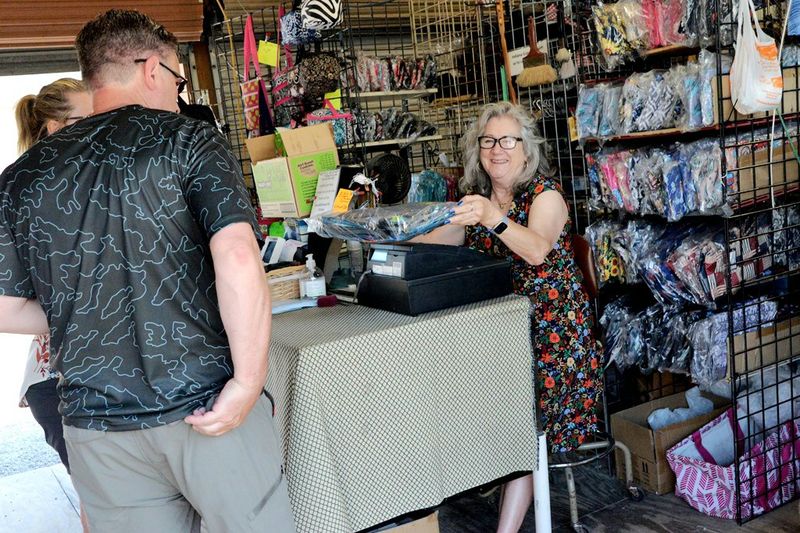
Some of the best moments here happen at booths no bigger than a garden shed. A few small vendors have built loyal followings that stretch across seasons.
Natural body and home products are one example. Shoppers praise certain sellers in this category as knowledgeable and genuinely interesting to talk with.
Handcrafted organic goods earn similar praise. One booth, number 491, gets called out for high-quality handmade products.
A sunglass vendor also has fans, with families making a point of stopping by during their trip. Specialty food vendors offer homemade goods that people like to take home too.
Families who visit often develop favorite stops. One tip from parents is to let the most experienced shopper in the group lead the way to known favorites, which saves time on busy days.
Vendor friendliness is a recurring theme. Sellers tend to be excited when shoppers show real interest in what they make or sell.
Booth numbers help a lot in a market this size. Writing down a favorite spot makes it easy to return later, or next season.
A market with 600 spaces can feel anonymous at first, yet it is these small, personal booths that turn first-timers into regulars.
Tuesday or Wednesday, Choose Wisely
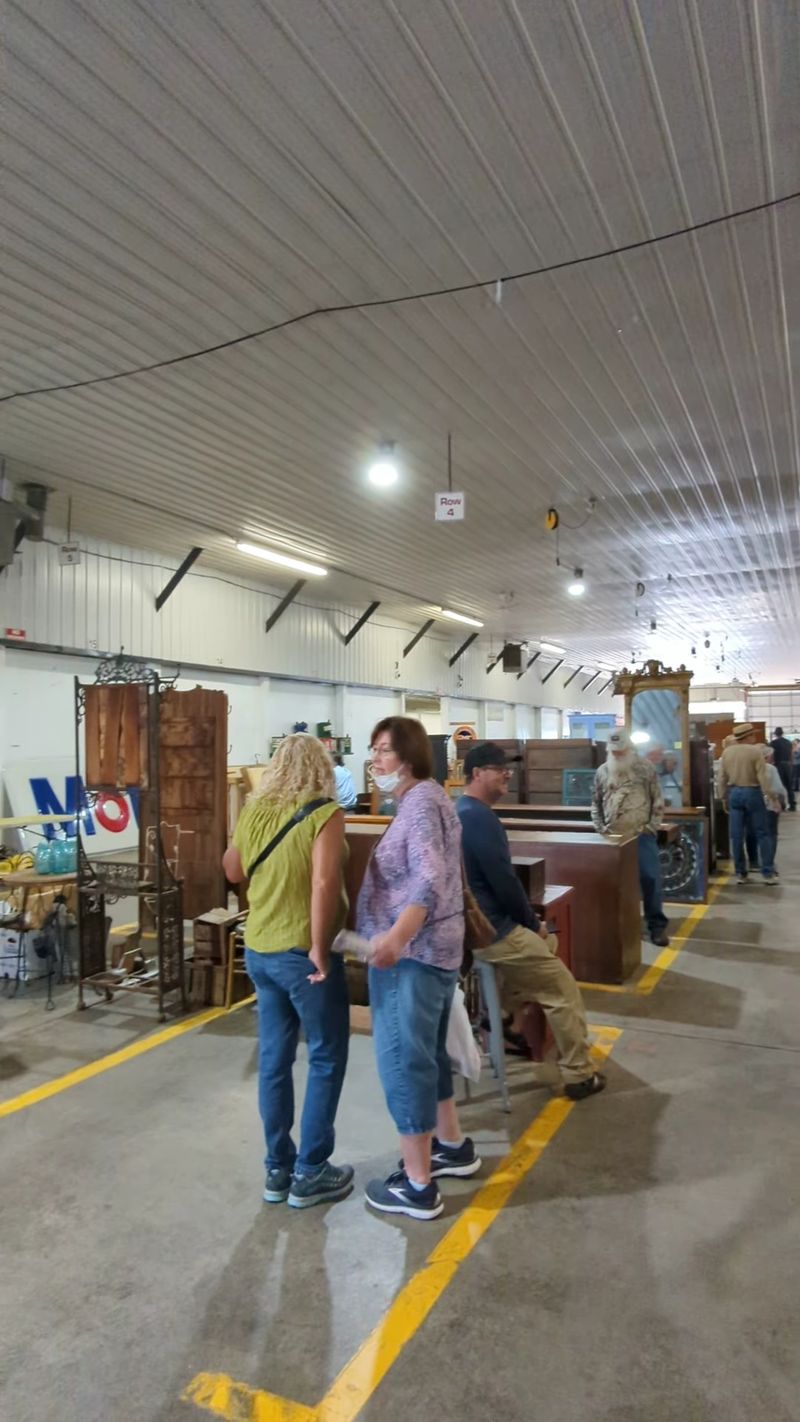
Two days, two very different personalities. Choosing between Tuesday and Wednesday can shape the entire trip.
Tuesday tends to be the calmer option. Shoppers who go that day describe no crowds and plenty of room to browse comfortably.
Wednesday is the livelier choice. The weekly auction draws extra traffic, so the market buzzes with more people and more activity.
The right answer depends on goals. Crowd-averse browsers may prefer Tuesday, while auction fans will want to circle Wednesday.
Opening Day is a special case. It gets very busy, and even the market team suggests picking a less popular day for a more relaxed visit.
Holiday weekends bring similar crowds. Families who arrived early over Memorial Day weekend managed to shop and head out by 1 PM, which is a solid strategy.
Arriving early is good advice any day. The gates open at 8 AM, and the first hours give shoppers the best chance at fresh selections before things get picked through.
Doing both days is another option. The market runs back-to-back, so a two-day plan lets shoppers browse calmly on Tuesday and catch the auction on Wednesday.
Calendar strategy is not glamorous, but at this market it might be the smartest purchase of the whole trip.
Miles of Gravel and a Scooter Backup Plan
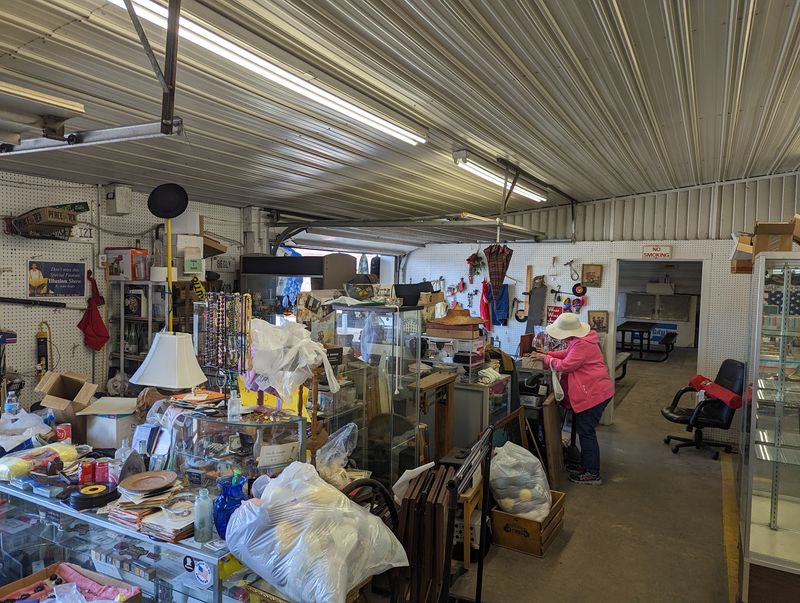
Walking shoes get more attention at this market than almost any item for sale. That is not an accident.
A day here means a lot of walking. The grounds are large, and covering even part of the 600-plus spaces adds up quickly.
The pathways include plenty of rocks and gravel. That surface is manageable for most, but it can make things tricky for anyone pushing a walker or a rollator.
Motorized scooters are the helpful workaround. Scooter rental is available on site, and shoppers who use motorized chairs find the market fairly easy to get around.
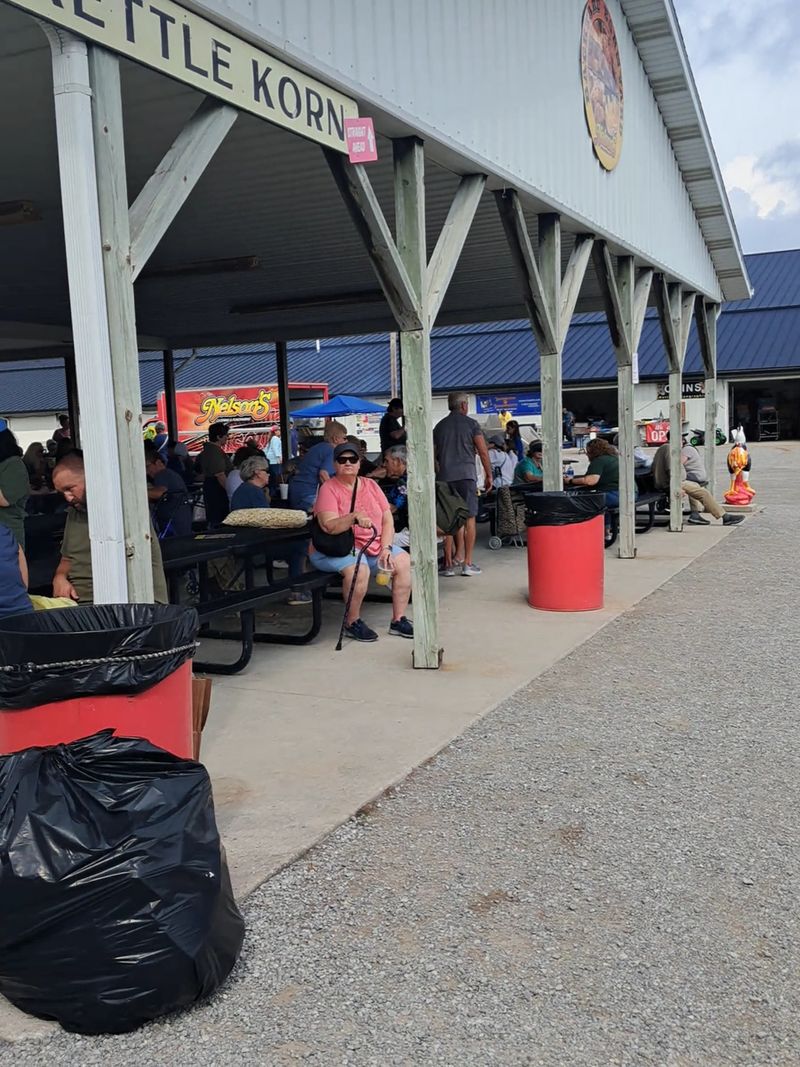
Seating is scattered throughout the grounds as well. Those spots come in handy for resting between rows or regrouping with the rest of the group.
Comfortable clothing also matters. Since the market is outdoors, dressing for the weather makes a long day far more pleasant.
Pacing is a skill worth practicing here. Many first-timers run out of energy before finishing, so taking breaks and prioritizing favorite sections helps stretch the day.
Bringing a stroller or cart can help families too. Just keep the gravel in mind when choosing wheels.
Fitness trackers tend to have a very good day at this market, even if the shopping list gets a little longer than planned.
What to Pack Before the Gates Open
Cash, water and a sturdy bag. Those three items top nearly every packing list from shoppers who have learned the market the hard way.
Cash makes transactions smoother at many booths. It also helps with quick purchases when lines form.
Water is a must. Shade is limited to the vendor tents and a few food spots, and some shoppers wish there were more water stations around the grounds.
A tote or rolling cart takes care of the carrying problem. After a few hours of shopping, bags fill up faster than most people expect.
Concessions offer a number of eating choices, with food areas spread across the market. Taking a snack break is easy, and it helps keep energy up for the back half of the day.
The vendor directory deserves a spot on this list too. It is available online and at the gates each season, and it helps shoppers find specific products without endless wandering.
Sun protection is smart for an open-air market with limited cover. A hat and sunglasses fit the bill, and the market even has a sunglass vendor for anyone who forgets.
Finally, save space in the car. Plenty of people buy more than they planned.
Packing smart will not guarantee a bargain, but it does guarantee the energy to keep looking for one.
Parking, Camping and Easy Logistics
Good news for anyone dreading the parking hunt. Getting in and out of this market is refreshingly simple.
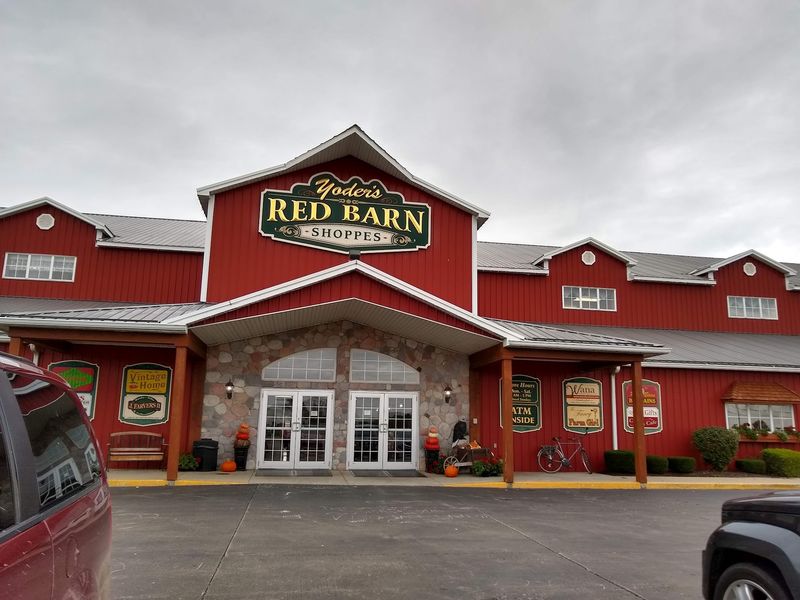
Parking costs $5, and there is ample space for cars. Shoppers consistently describe the lot as convenient, with easy entry and exit.
For a slower pace, there is a campground right next door. Staying there turns the market into a relaxed two-day adventure.
Campers enjoy a few perks. They can browse on Tuesday without crowds, drop off purchases at their camper and head back out for more.
The campground is described as functional rather than fancy. It covers the basics, which is often all a shopping-focused trip needs.
Late checkout is an option too. Campers have been able to stay until 6 PM on Wednesday for an extra $10, which leaves time for the auction and a final loop of the booths.
The drive-up lane for picking up purchases like plants adds another layer of convenience. Heavy or bulky items do not have to travel across the entire lot by hand.
Before heading out, check the market website at shipshewanatradingplace.com for current season details and updates.
Smooth logistics rarely make headlines, yet they are often the difference between a stressful outing and a trip worth repeating.
Who Leaves Happiest From Shipshewana
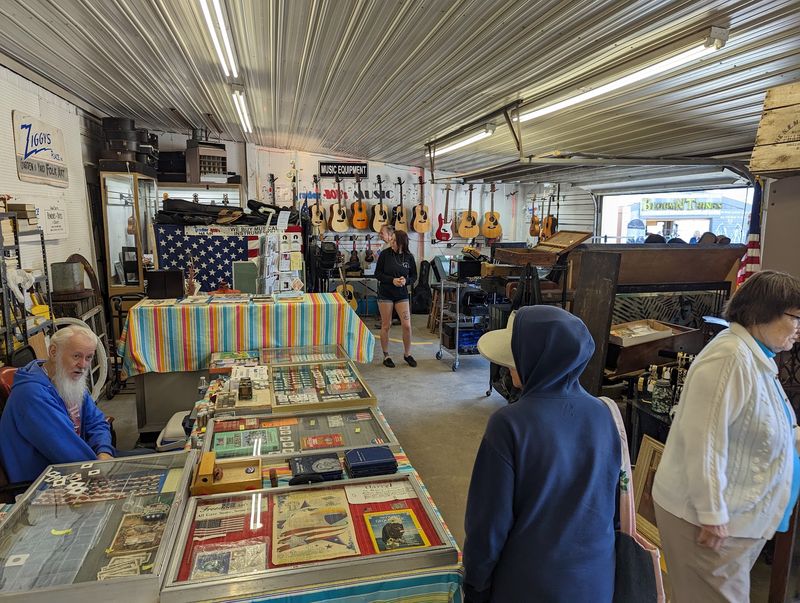
Some places reward a specific kind of shopper, and this market has a clear favorite type. People who love the hunt tend to leave smiling.
Browsers, resellers and collectors all find something to enjoy. Families with small children make it work too, especially with an early start.
Shoppers searching only for rare vintage pieces may want to adjust expectations. For them, the Wednesday auction and the antique shops inside the market are the smartest bets.
Crafters and decor lovers have plenty of options. Amish-made goods, farmhouse pieces and handmade products are scattered across the grounds.
Those who prefer quiet should aim for a Tuesday. Those who enjoy energy and bidding should pick Wednesday.
For extra variety, keep an eye on the special weekend markets held twice a year. They combine the flea market, an antique market and a swap meet into one bigger event.
The overall sentiment is strongly positive, with thousands of shoppers praising the variety, friendliness and sheer scale. Many first-timers say they will definitely return, often because they did not get to see it all.
Shipshewana makes a strong case for a midweek road trip, and the only real risk is discovering that one day was never going to be enough.
Enjoyed this story?
Add Fast Food Club as a preferred source to see more of our reporting on Google.