


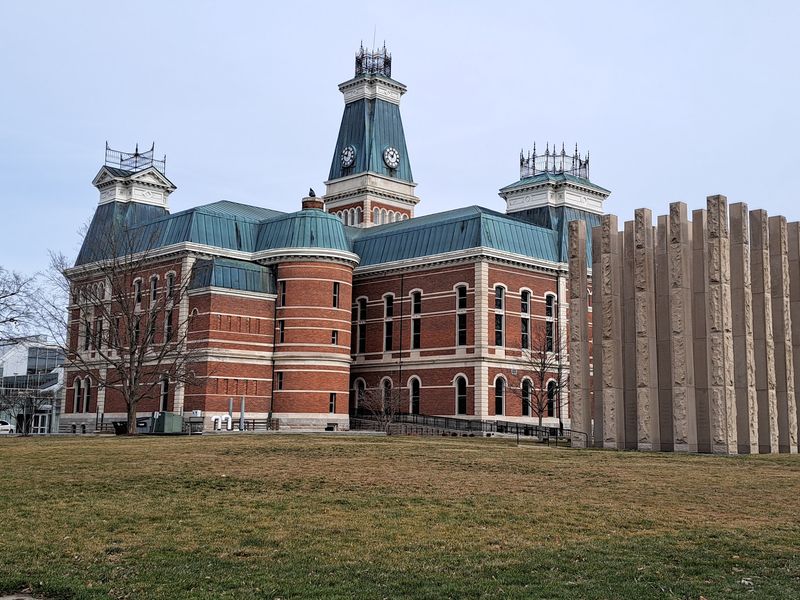
A small Midwestern city once ranked alongside Chicago, New York, and San Francisco for bold building design sounds like a trivia trick, yet it is true. Churches, banks, schools, and even a fire station here carry the names of world-famous architects.
That design legacy now draws a new crowd: retirees who want culture, walkable streets, and homes that do not drain their savings. The story below covers how this city in southern Indiana got its skyline, what life there looks like, and why so many people are planning their second act around it.
A Design Capital Hiding in Bartholomew County
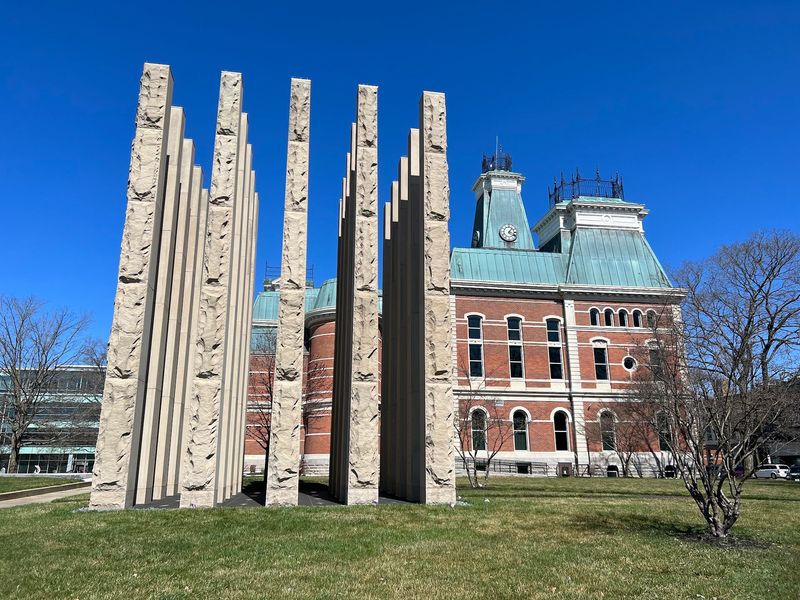
Few places this size get mentioned in architecture textbooks, but this one does it regularly. Columbus sits in Columbus Township, IN, in the southern half of the state of Indiana, United States.
The city serves as the county seat of Bartholomew County. At the 2020 census, it counted 50,474 residents, which makes it large enough for real amenities and small enough to learn by heart.
That balance matters to retirees. A population around fifty thousand usually means shorter drives, easier parking, and neighbors who recognize each other at the store.
Columbus also keeps a public presence online through its official city website at columbus.in.gov. Anyone researching a move can find local government information, departments, and community updates there before ever setting foot in town.
What surprises most first-time arrivals is not the size, though. Modernist buildings appear on ordinary street corners, next to homes and shops, as if world-class design were a normal part of daily errands.
For many people, that mix of everyday small-city life and serious architecture is the whole appeal. It feels like a hometown that happens to own a design portfolio.
The bigger question is how a county seat in Indiana ended up with this kind of reputation. The answer starts with one company, one leader, and one unusual promise.
The Offer That Built a Skyline
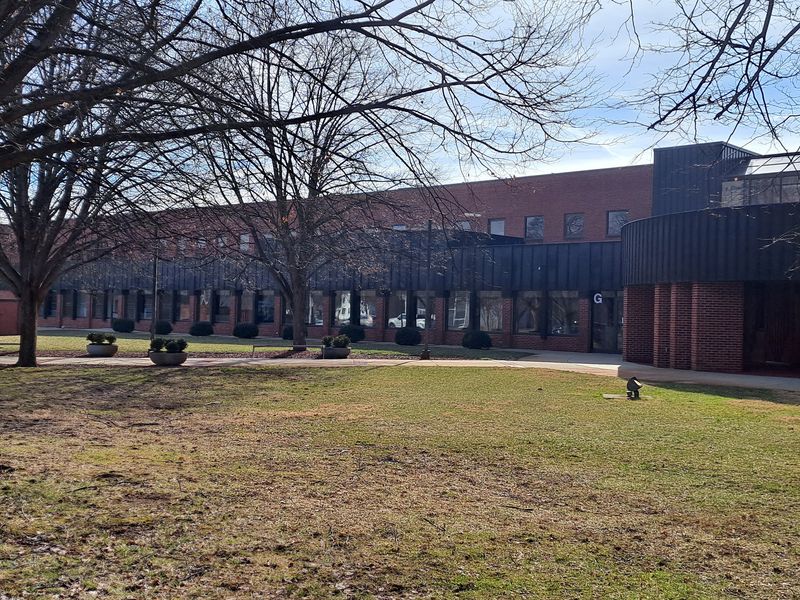
Some towns grow by accident. Columbus grew by design, quite literally, thanks to a deal made in the 1950s.
J. Irwin Miller, the longtime leader of Cummins, the engine company headquartered in Columbus, wanted the city to attract talented workers and their families.
His idea was simple and a little daring.
Starting in 1957, the Cummins Foundation offered to pay the architect fees for new public buildings, as long as the community chose a designer from a list of top architects. Local leaders still handled the construction budgets.
The result was a wave of schools, churches, and civic buildings designed by names that normally worked in major world cities. Over the decades, the list of contributors grew long enough to fill a museum wall.
In 1991, the American Institute of Architects ranked Columbus sixth in the nation for architectural innovation. The cities ahead of it were giants such as Chicago, New York, and San Francisco.
For a retiree, this history is more than a fun fact. It explains why good design shows up in the places people actually use, including libraries, parks, and schools.
The buildings were meant to serve the public, not sit behind velvet ropes. And a few of them started a conversation before the famous program even began.
Churches That Broke the Mold
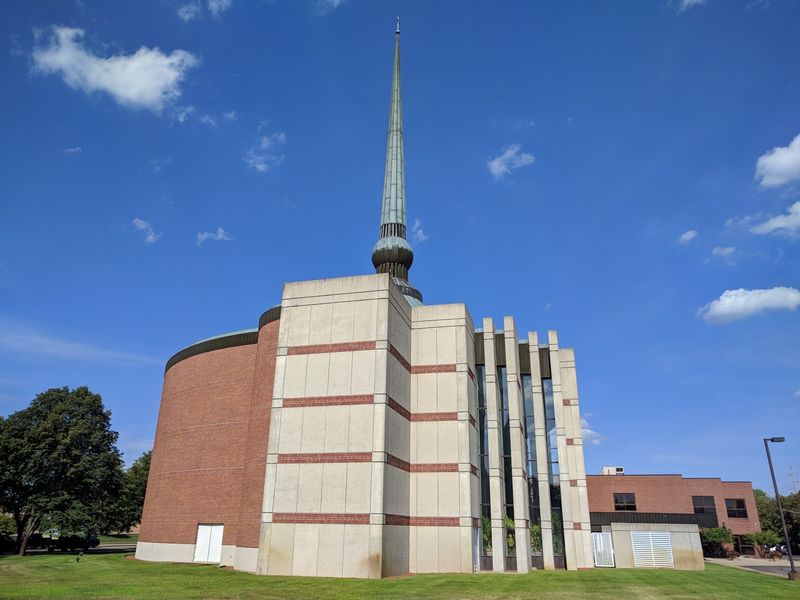
Long before glass towers became common, a church in Columbus was already turning heads. First Christian Church, designed by Eliel Saarinen and completed in 1942, is widely considered one of the first modern church buildings in the United States.
Its tall, rectangular bell tower rises above downtown like an exclamation point written in brick. The building skips traditional steeples and ornament in favor of clean, simple shapes.
Decades later, his son Eero Saarinen added his own landmark. North Christian Church, completed in the 1960s, is known for its dramatic spire and hexagonal form.
Both buildings are National Historic Landmarks. That status puts them in the same category as some of the most important structures in the country.
Father and son designing major churches in the same small city is a rare story. It gives Columbus a family chapter in its architectural history that few places can match.
Retirees with an interest in faith, art, or local history often find these buildings a natural starting point. They are active places of worship, so tour times and access can vary, and checking ahead is a smart move.
Once the churches are on the list, the next stop tends to be the heart of downtown, where books and a giant sculpture share the spotlight.
Books, Bronze, and a Public Plaza
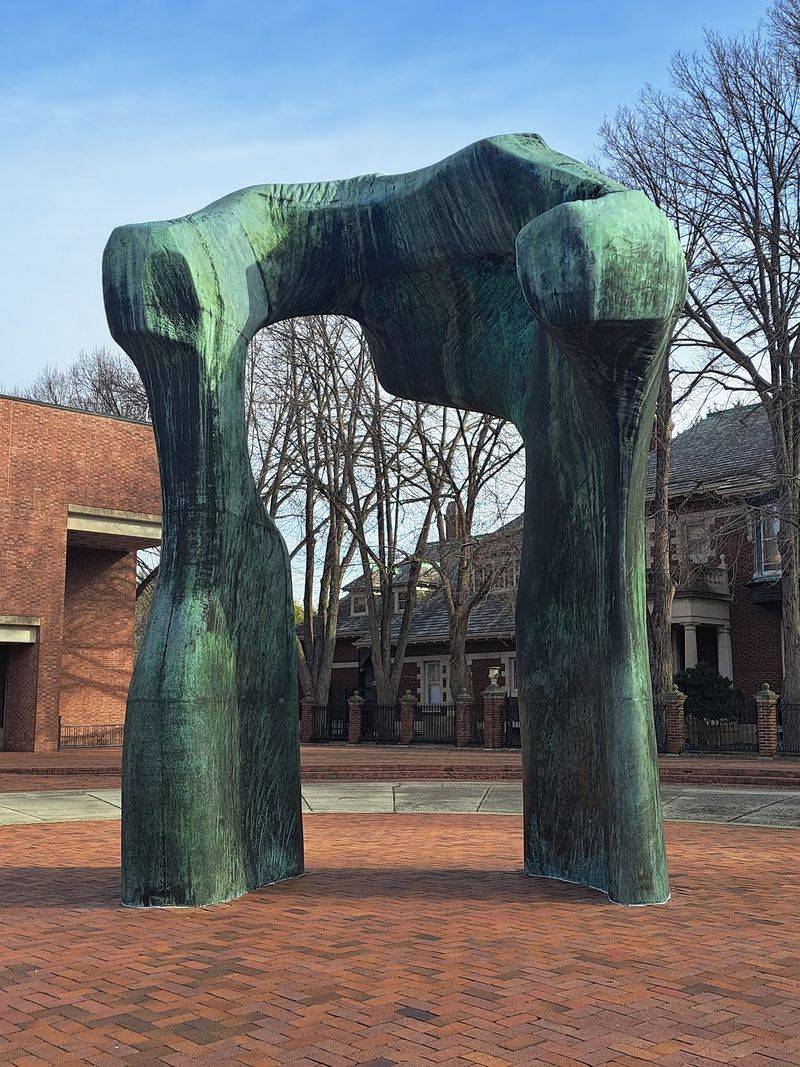
Library cards rarely come with a side of world-famous design. In Columbus, they do.
The downtown public library, the Cleo Rogers library building, was designed by I.M. Pei and opened in 1969.
Pei later became known around the world for projects such as the glass pyramid at the Louvre in Paris.
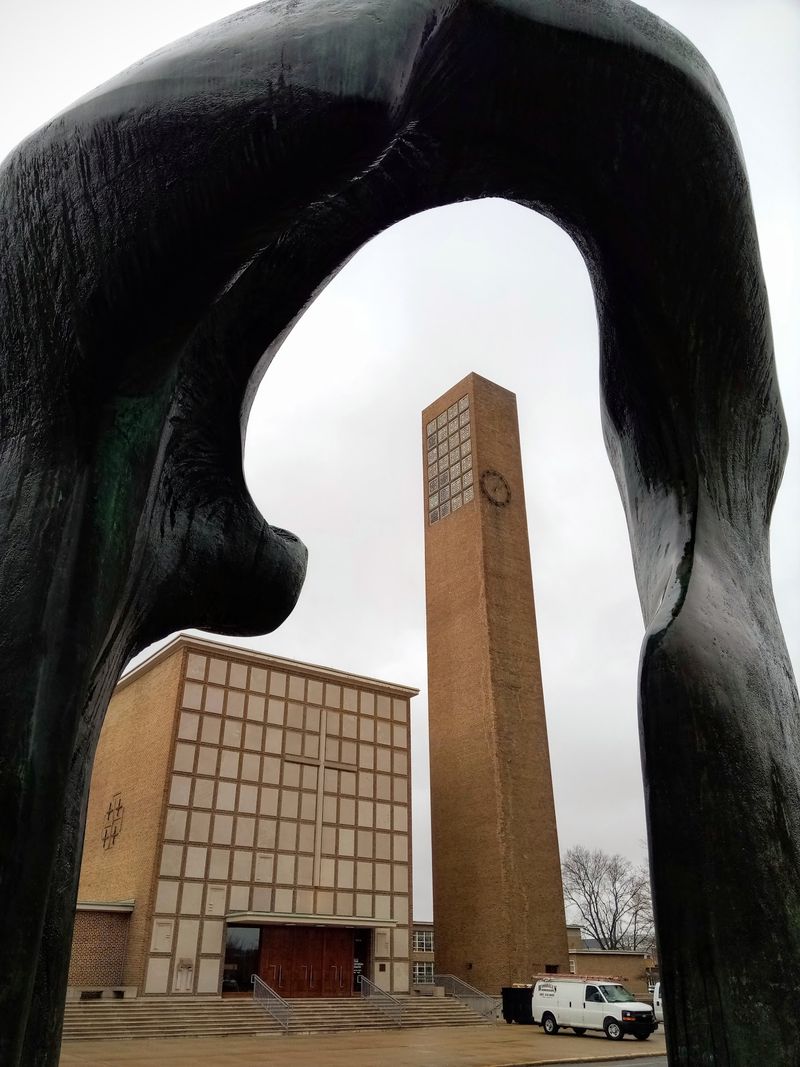
Out front, a plaza holds the Large Arch by British sculptor Henry Moore. The bronze piece stands tall enough for people to walk beneath it.
Across the plaza sits First Christian Church, so a short stroll connects three big names in art and architecture. It is one of the easiest places in town to see how the city layers its landmarks.
For retirees, a library is often a daily or weekly habit. Here, that habit comes with a public space that doubles as an open-air gallery.
Programs, book clubs, and classes vary over time, so the library schedule is the best place to find current offerings. Many newcomers start there to meet people and settle into a routine.
A good library tells you something about a town. This one suggests a community that values learning, shared space, and a bit of artistic ambition.
Still, one landmark in Columbus is famous precisely because it was a private home.
The House Built for the Man Behind It All
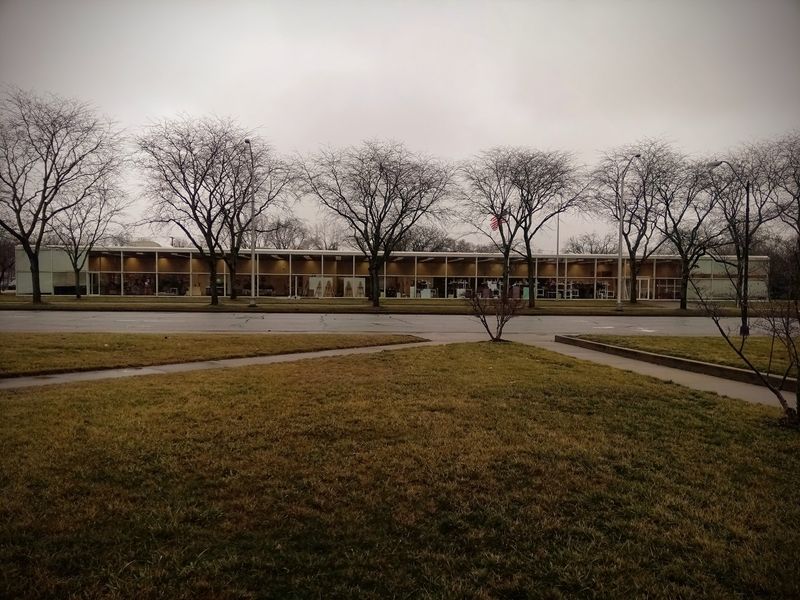
Curiosity about how a design patron actually lived leads straight to the Miller House and Garden. The home was built for J.
Irwin Miller and his wife, Xenia, in the 1950s.
Eero Saarinen designed the house, Alexander Girard handled the interiors, and landscape architect Dan Kiley shaped the gardens. That trio made the property one of the most celebrated mid-century modern homes in the country.
Its sunken conversation pit became an icon of the era. The gardens, with their rows of trees, are studied by landscape designers to this day.
The property is now owned by Newfields, the Indianapolis art and garden institution. It is also a National Historic Landmark.
Tours are offered through the Columbus Area Visitors Center, and they typically require advance booking. Availability changes by season, so checking the schedule early saves disappointment.
For retirees who enjoy design, interiors, or gardening, this tour tends to be the highlight. It shows how the ideas behind the city’s public buildings also shaped private life.
The home is a reminder that modern design was not only for offices and churches. It was meant for everyday living, and that idea carries over into the city’s outdoor spaces.
Parks and Trails for Unhurried Afternoons
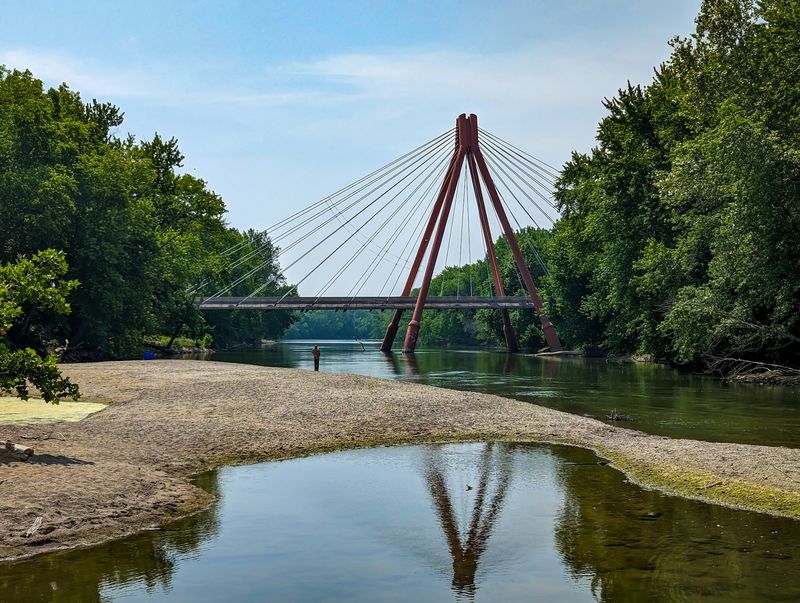
Retirement plans usually include more time outdoors, and Columbus makes that easy. Even its parks came from the same design-first thinking.
Mill Race Park, on the western edge of downtown near the river, was redesigned by landscape architect Michael Van Valkenburgh and reopened in the early 1990s. It includes open lawns, walking paths, and small architectural features spread through the grounds.
The park also hosts community events and concerts during warmer months. Schedules change year to year, so the city and park websites are the best sources for current happenings.
Beyond the park, the People Trail links different parts of the city for walkers and cyclists. It offers a practical way to stay active without driving to a gym.
For many retirees, these spaces become part of a weekly rhythm. A morning walk, a bench with a book, or a stroll with grandchildren all fit naturally.
Flat, connected paths also matter as people age. Getting outside without long drives or steep climbs is a quiet advantage that shows up in daily life.
Nice parks help, but the bigger decision for most people comes down to one line in the budget. That is where Columbus often surprises newcomers the most.
Price Tags That Raise Eyebrows
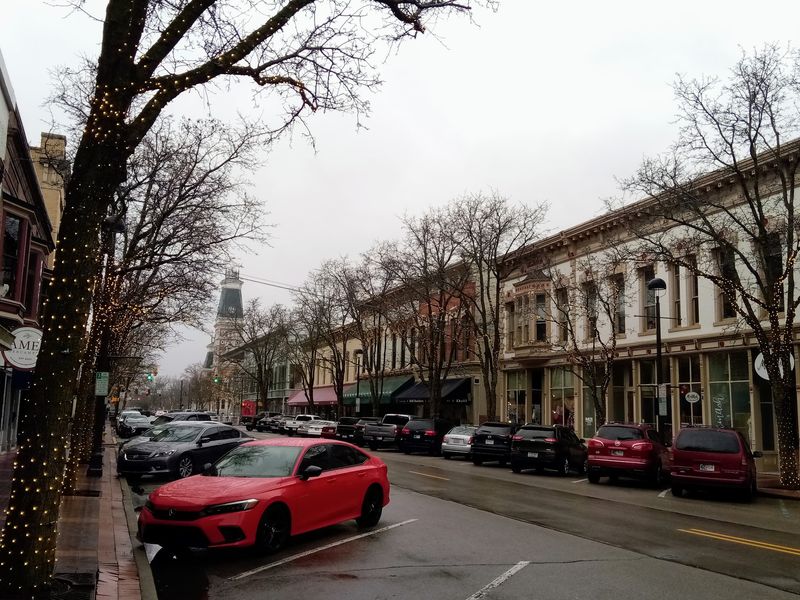
Here is the twist that makes people double-check listings. A city with this much famous architecture often carries housing costs that feel manageable compared with large coastal metros.
Indiana as a whole is known for a lower cost of living than many parts of the country. Columbus benefits from that regional pattern while offering cultural perks that usually come with bigger price tags.
Home prices shift with the market, so exact numbers change month to month. Local real estate listings and county records are the best places to check current figures before making plans.
Housing choices range across neighborhoods, from older homes near downtown to newer developments farther out. Some buyers look for mid-century homes that echo the city’s design heritage.
For retirees on fixed incomes, a smaller mortgage or none at all can free up money for travel, hobbies, and family. That financial breathing room is often the deciding factor.
It is wise to budget for property taxes, insurance, and maintenance too. A local agent or financial advisor can help put the full picture together.
Affordable homes alone would not make Columbus special. The combination of reasonable costs and a genuine design culture is what keeps it on so many short lists.
Everyday Life at a Comfortable Pace
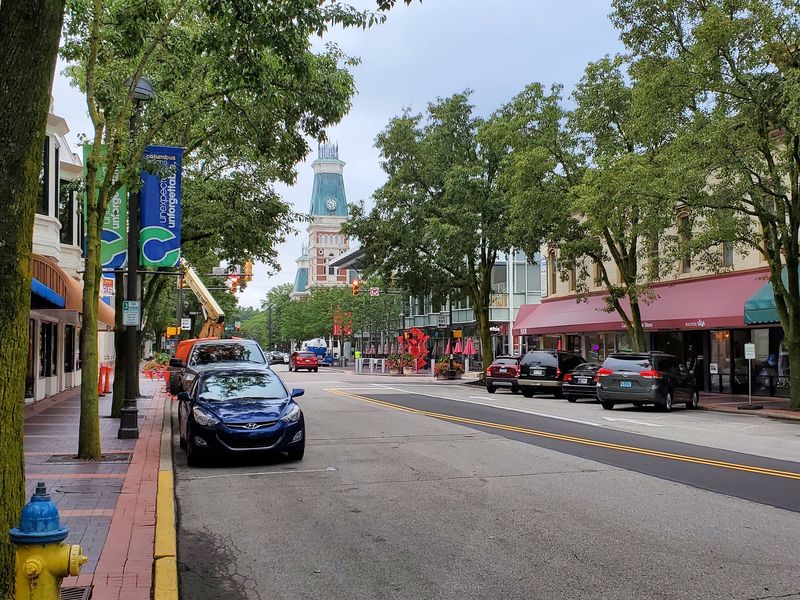
Some towns feel like they are rushing somewhere. Columbus tends to move at a steadier speed, which suits people who have spent decades racing the clock.
Downtown streets hold shops, restaurants, and public art within walking distance of each other. That layout makes errands feel less like chores and more like outings.
The city also hosts Exhibit Columbus, a design event that brings installations and talks to public spaces. It gives residents a reason to explore familiar streets with fresh eyes.
Film fans may recognize the city from the 2017 movie Columbus, directed by Kogonada. The story is set among the town’s modernist buildings, and it brought new attention to the architecture.
Cummins remains a major employer, which helps keep the local economy active. Retirees benefit from a community with working families, not just a quiet retirement enclave.
Columbus suits people who enjoy learning, volunteering, and small-city friendliness. It may feel too calm for anyone who wants nonstop big-city nightlife.
Many newcomers get involved through churches, the library, or local nonprofits. Those connections often turn a new address into a real home.
Of course, even the most content resident still needs to get out of town now and then, and the travel picture is fairly simple.
Road Trips, Tours, and Practical Planning
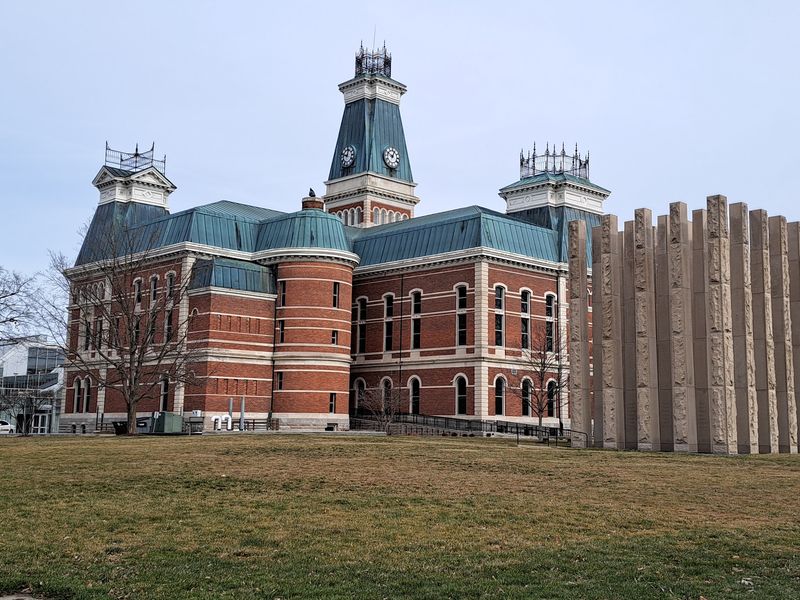
Location matters when grandchildren live in other states. Columbus sits along Interstate 65, roughly 45 miles south of Indianapolis.
That puts the Indianapolis International Airport within reasonable driving distance for most trips. Retirees can fly out for family visits without living in a big city.
For anyone scouting the area before a move, the Columbus Area Visitors Center at 506 Fifth Street is a helpful first stop. It offers maps, architecture information, and guided tour options.
Tours of major landmarks, including the Miller House and Garden, are usually booked through the center. Hours, tour times, and ticket costs can change, so checking online before arriving is the best approach.
Self-guided walks are another option. Many of the famous buildings sit close together downtown, so a comfortable pair of shoes covers a lot of ground.
Seasons also shape the experience. Spring and fall tend to be pleasant for walking tours, while summer brings more outdoor events.
The city website at columbus.in.gov covers local services and government information. It is a smart bookmark for anyone weighing a permanent move.
A scouting trip of two or three days usually gives enough time to see landmarks, drive through neighborhoods, and get a feel for daily life.
A Soft Verdict on Settling Down Here
Plenty of towns promise charm. Fewer can point to a skyline shaped by Saarinen, Pei, and a long list of design leaders.
Columbus offers that rare mix of cultural depth and small-city ease. With about fifty thousand residents, it avoids the traffic of large metros while still offering libraries, parks, and a lively downtown.
Housing costs that often come in below big-city levels add real appeal. For retirees, that can mean more money for travel, hobbies, and time with family.
No place is perfect for everyone, of course. People who crave constant big-city energy or warm winters may want to weigh their options carefully.
For those who enjoy thoughtful design, walkable streets, and a community that takes public spaces seriously, Columbus deserves a close look. A short visit is the best way to decide.
Spend a morning at the library plaza, an afternoon on a guided tour, and an evening driving through neighborhoods. By the end, the fit usually becomes clear.
Retirement is a chance to choose a place on purpose. In this corner of Indiana, the buildings were chosen on purpose too, and that shared spirit may be exactly what makes it feel like home.
Enjoyed this story?
Add Fast Food Club as a preferred source to see more of our reporting on Google.