


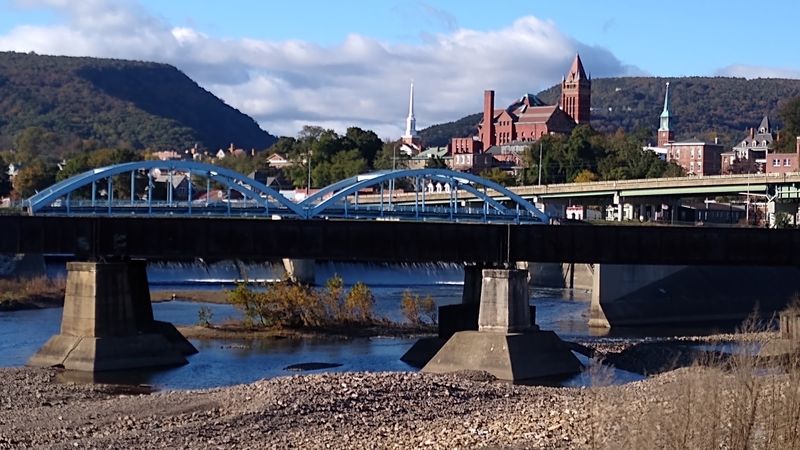
Some retirement plans start with a spreadsheet and end with a moving truck headed for the mountains of Western Maryland. A small city tucked into the Allegheny range keeps showing up on those lists, and the reasons are refreshingly simple: a slower daily rhythm, a downtown with real history, and houses that tend to cost far less than homes near the big East Coast metro areas.
Add a scenic railroad, a famous canal towpath, and a long-distance trail that starts right in town, and the appeal gets harder to ignore. Keep reading to learn what this place offers, who it suits best, and what to know before planning a visit or a fresh start.
A Mountain City at the Edge of Maryland
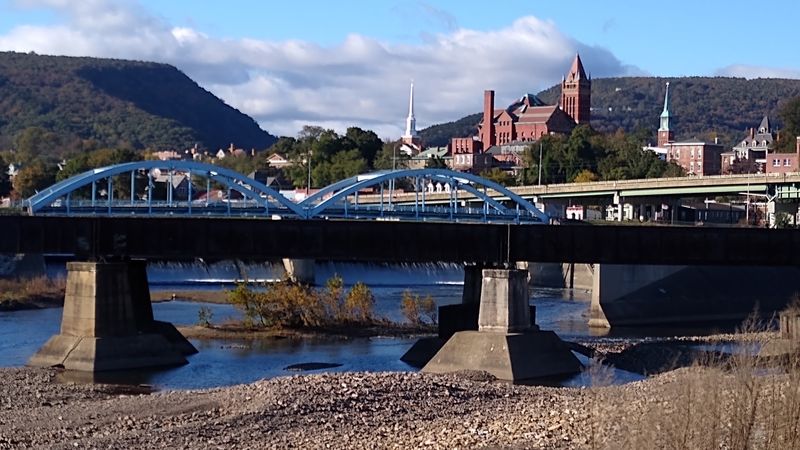
Tucked far from the traffic of Baltimore and Washington, one Maryland city has quietly become a favorite name among people planning their next chapter. That city is Cumberland, Maryland 21502, in the United States.
Cumberland sits in the western part of the state, in the region most people simply call Western Maryland. The Allegheny Mountains surround it, which gives the city a setting that feels removed from the busy corridors farther east.
Officially, it is a city, and it runs its own municipal government with an official website for residents and newcomers. That detail matters for retirees, since city resources, notices, and local information are all gathered in one place online.
What makes the location interesting is how much is packed into a compact area. A historic cabin tied to George Washington, a regional history museum, a scenic railroad, and the start of a major trail all share the same zip code.
For people who want small-town living without giving up things to do, that combination is a strong opening argument. It also explains why the city keeps landing on shortlists for affordable, low-key retirement spots.
The rest of the story starts with a very old building and a very famous name.
George Washington’s One-Room Headquarters
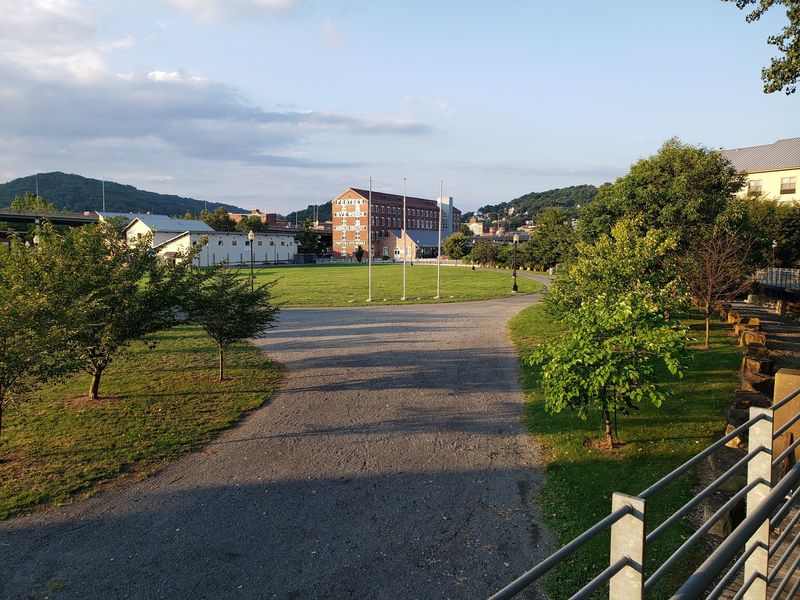
Long before anyone talked about retiring here, a young George Washington used this spot as a base of operations. The proof still stands in Riverside Park.
A one-room cabin in the park once served as Washington’s headquarters. It is small, modest, and easy to overlook, which is part of its charm.
History fans tend to appreciate places where the past is not hidden behind velvet ropes and gift shops. Here, a single cabin tells a big story about how early this area mattered in the life of the young nation.
For retirees, the cabin offers something practical too. A short outing to a riverside park with a real piece of American history is an easy way to fill a quiet morning.
Grandkids on a visit may not be impressed by much, but telling them that George Washington once worked out of this little cabin usually earns a second look. It turns a simple walk into a small history lesson.
The cabin also sets the tone for the whole city. Cumberland does not shout about its past, yet the past shows up in the most ordinary places, sometimes right in the middle of a neighborhood park.
Up next, the history lesson moves indoors.
The Allegany Museum and Regional Stories
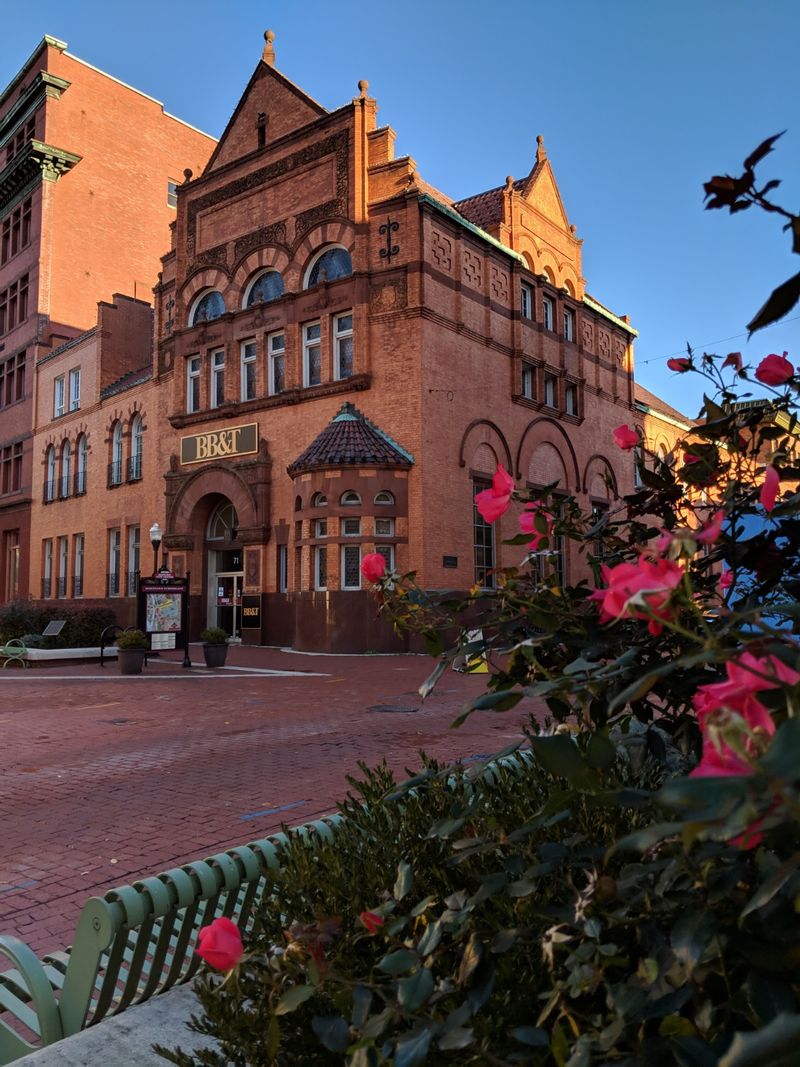
Every town has a story, but not every town keeps a museum dedicated to telling it. Cumberland does, and it goes by the name of the Allegany Museum.
The museum covers regional history, which means the focus goes beyond one building or one famous visitor. It looks at the wider area and how it grew over time.
That kind of museum suits new residents especially well. Moving to a new place is easier when the local street names, landmarks, and old industries start to make sense.
A few hours inside can turn a newcomer into someone who actually understands the neighbors’ references. It is a quick crash course in belonging.
Retirees often have something that working people lack, and that is time. A regional museum rewards slow wandering and repeat trips rather than a rushed walk-through on a busy weekend.
The museum also pairs nicely with the Washington cabin. One offers a single snapshot of the past, while the other fills in the bigger picture around it.
Hours and admission details can change, so checking ahead before a trip is a smart move. That little bit of planning keeps a relaxed day relaxed.
Once the history is sorted, the landscape outside starts to demand attention.
Life Among the Allegheny Ridges
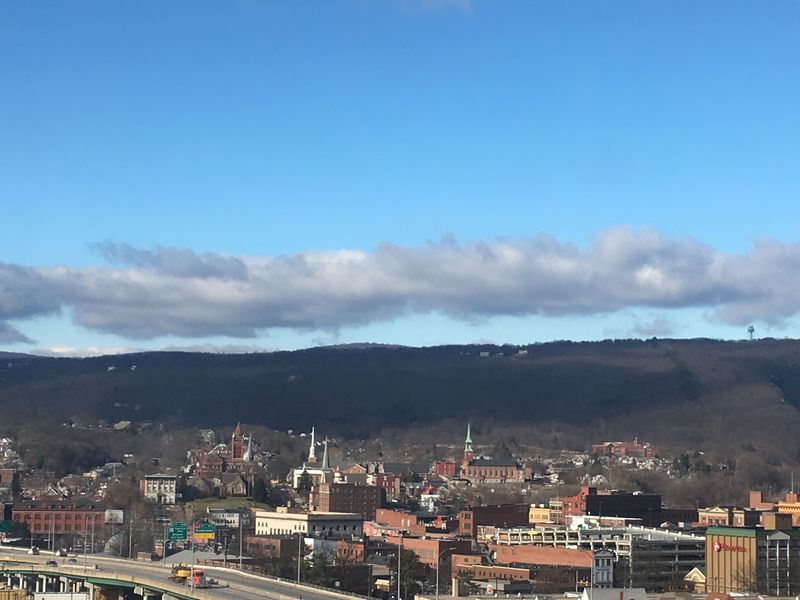
Mountains have a way of setting the pace for a place, and in Cumberland they frame nearly everything. The Allegheny range rises around the city and shapes its setting.
For retirees coming from flat suburbs or dense cities, that backdrop is a big part of the draw. Daily errands come with ridgelines on the horizon instead of highway interchanges.
The mountain setting also explains why so many outdoor attractions cluster here. The railroad, the canal towpath, and the long-distance trail all take advantage of the terrain in different ways.
Not every retiree wants to climb peaks, and that is fine. The beauty of this setting is that it can be enjoyed from a train seat, a park bench, or a level trail rather than a steep summit.
Seasonal changes in the mountains give the year a clear rhythm. Many people who move to places like this say that watching the seasons turn becomes one of the small joys of retirement.
There is also a practical side to living in the hills. Hilly streets and winter weather are worth considering for anyone with mobility concerns, so exploring different neighborhoods before buying makes good sense.
Of course, one of the easiest ways to take in those ridges involves a ticket and a train whistle.
All Aboard the Western Maryland Scenic Railroad
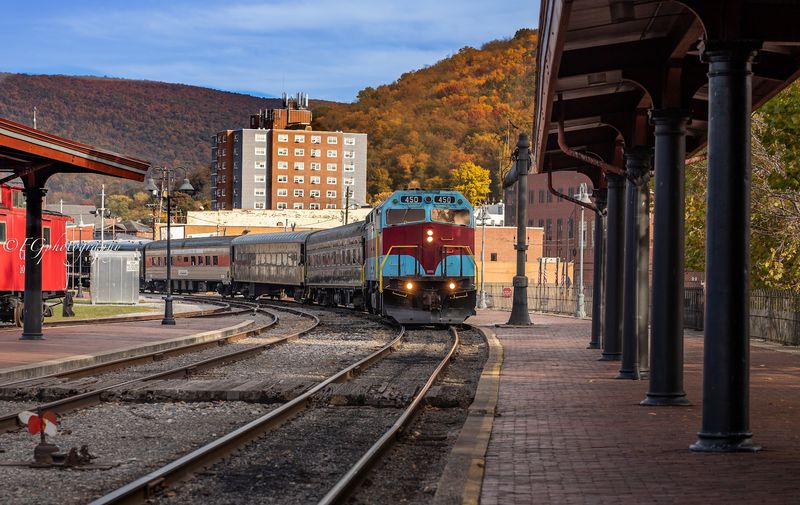
Plenty of towns have train tracks, but few have a scenic excursion railroad leaving from the heart of downtown. Cumberland counts itself among the lucky ones.
The Western Maryland Scenic Railroad departs from downtown, offering rides with views of the Allegheny Mountains. It turns the surrounding landscape into something anyone can enjoy from a seat.
That is a big deal for retirees. A mountain outing that requires no hiking boots and no steep climbs opens the scenery to people of many ability levels.
The railroad also makes a great answer to a common question. When family comes to visit and asks what there is to do, a train ride is an easy crowd-pleaser across generations.
Because the trains leave from downtown, the ride can be combined with lunch, shopping, or a museum stop in the same area. Fewer car trips mean a simpler day.
Schedules for excursion railroads usually vary by season. Anyone planning a ride should confirm departure times and ticket options in advance rather than showing up and hoping for the best.
Here is a fun bonus: the station that sends these trains into the hills also hides a visitor center with a story of its own. That story involves water, mules, and a very long path.
Canal Stories Inside the Station
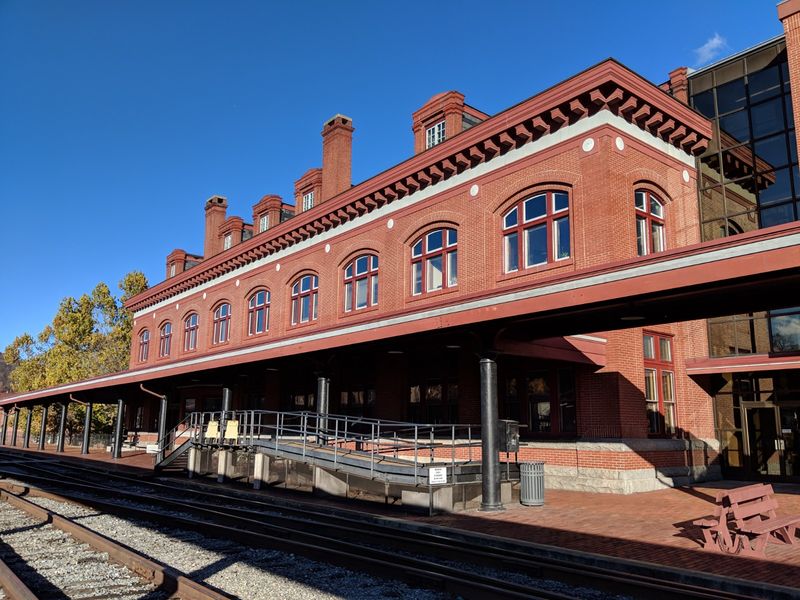
Tucked inside the railroad station is a visitor center that shifts the focus from rails to water. Its exhibits cover the adjacent Chesapeake and Ohio Canal and its towpath.
The C&O Canal is one of the defining landmarks of the region, and Cumberland sits right beside it. That closeness gives the city a direct link to a major chapter of transportation history.
The visitor center is a smart first stop for anyone new to the area. It explains how the canal and towpath fit into the landscape before anyone sets foot on the path itself.
For retirees, the towpath is an appealing idea. Towpaths were built alongside canals for practical work, which generally means a level route that suits walkers and casual cyclists.
Having that kind of path next to downtown is a quiet luxury. A daily walk can include history, scenery, and fresh air without a long drive to a trailhead.
The combination of train station, visitor center, and canal all in one spot is rare. It lets a single outing cover a lot of ground without much effort.
Canal history is only half of the trail story, though. Another path heads off in a completely different direction.
Where the Great Allegheny Passage Begins
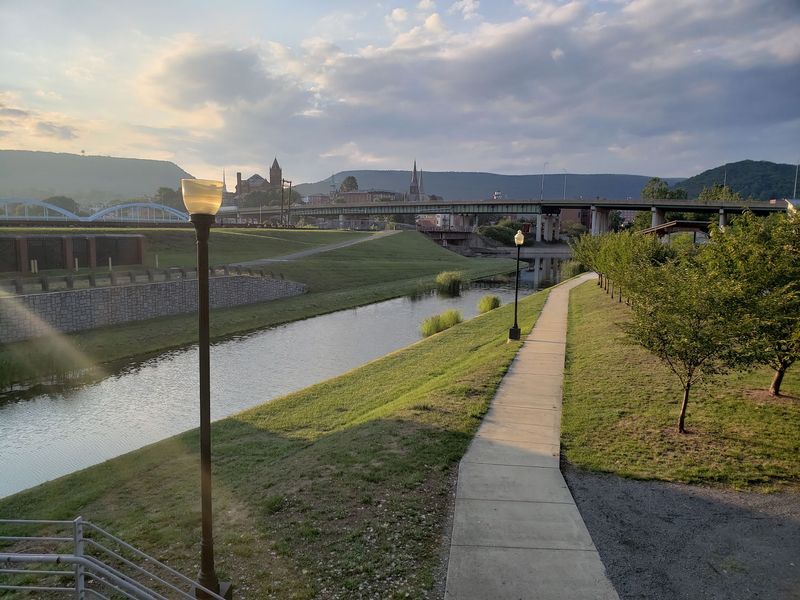
Some trails wander aimlessly, while others start with a clear sense of purpose. The Great Allegheny Passage runs northwest from Cumberland, heading into the mountains beyond the city.
That makes the city a natural starting point for one of the better-known trails in the region. Cyclists and walkers can begin their journey right from town.
Retirees who love biking often look for places with easy access to long, car-free routes. Having a major trail begin in the same city where you live is about as convenient as it gets.
Nobody has to ride the whole thing, either. Short out-and-back trips work just as well for a morning of exercise as any long-distance adventure.
The trail also connects with the canal story in a practical way. Between the towpath and the Great Allegheny Passage, Cumberland sits at a meeting point of two important routes.
That crossroads role brings trail users into town, which helps support local businesses. For residents, it means the downtown sees steady activity without the crush of a big city.
Staying active is one of the most common goals people share when they retire. In this city, the trailhead is practically part of the neighborhood.
All that activity raises a fair question, though: can a place with this much to do still feel calm?
The Quiet Rhythm That Draws Retirees
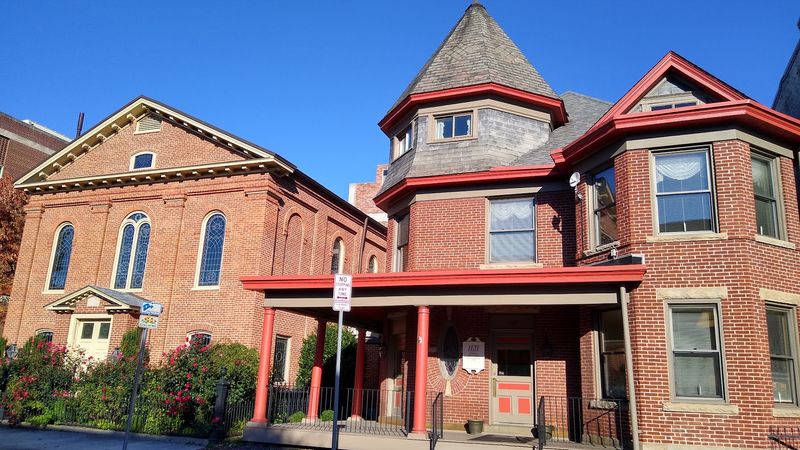
Calm is not the same as boring, and Cumberland seems to understand the difference. The city offers plenty of attractions while keeping a small-town pace.
That balance is exactly what many retirees want. They are often looking for fewer traffic jams and less rush, yet they still want places to go on a Tuesday afternoon.
Here, a typical week could include a museum stop, a stroll along the towpath, and an easy ride on the Great Allegheny Passage. None of it requires fighting crowds or long commutes.
The city suits people who enjoy history, gentle outdoor activity, and a manageable daily routine. It may appeal less to those who want nonstop nightlife or big-city shopping around every corner.
Retirees who move here also tend to value a sense of community. A smaller city makes it easier to recognize familiar faces around downtown, in parks, and along the trails.
Family visits become simpler too. With a scenic train, historic sites, and outdoor routes nearby, planning a weekend for kids and grandkids takes very little stress.
The slower rhythm is a lifestyle choice, and it is not for everyone. For those who crave it, though, Cumberland delivers without asking them to give up interesting ways to spend the day.
Then there is the money question, which might be the biggest draw of all.
Housing That Leaves Room in the Budget
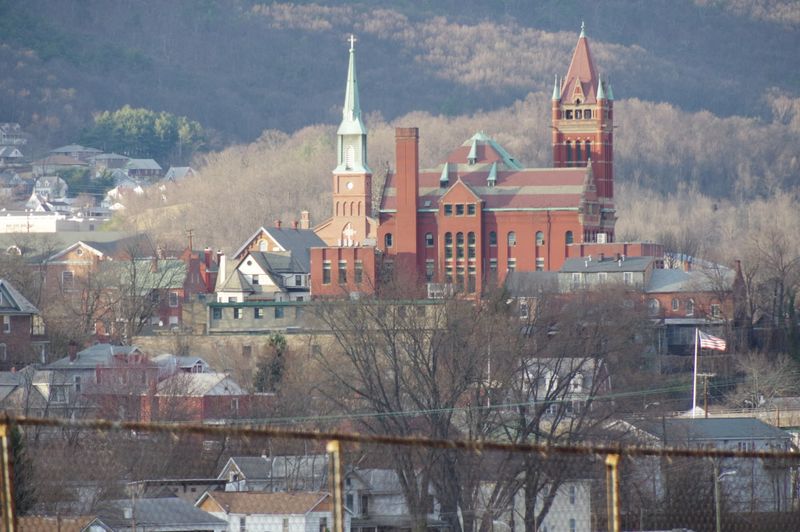
Fixed incomes have a way of making every dollar count. That is a big reason house hunters keep turning their attention to Western Maryland.
Homes in Cumberland are widely described as more affordable than those in the larger metro areas along the East Coast. For retirees, lower housing costs can free up money for travel, hobbies, and family.
Exact prices change with the market, so no single number tells the whole story. The best approach is to talk with local real estate professionals and look at current listings before making any decisions.
Older homes are part of the landscape in a historic city like this one. That can mean character and space, but it can also mean repairs, so a careful inspection is always worth the effort.
Retirees should also weigh practical details alongside price. Stairs, hills, and winter upkeep can matter just as much as the sticker cost when planning for the years ahead.
Renting for a while is another option for anyone unsure about a full move. It gives time to learn neighborhoods and seasons before signing on a permanent address.
A lower price tag is only a real bargain if the house fits the life you want. In Cumberland, many people seem to find both.
Before any big move, though, a scouting trip is in order.
Planning a Scouting Trip
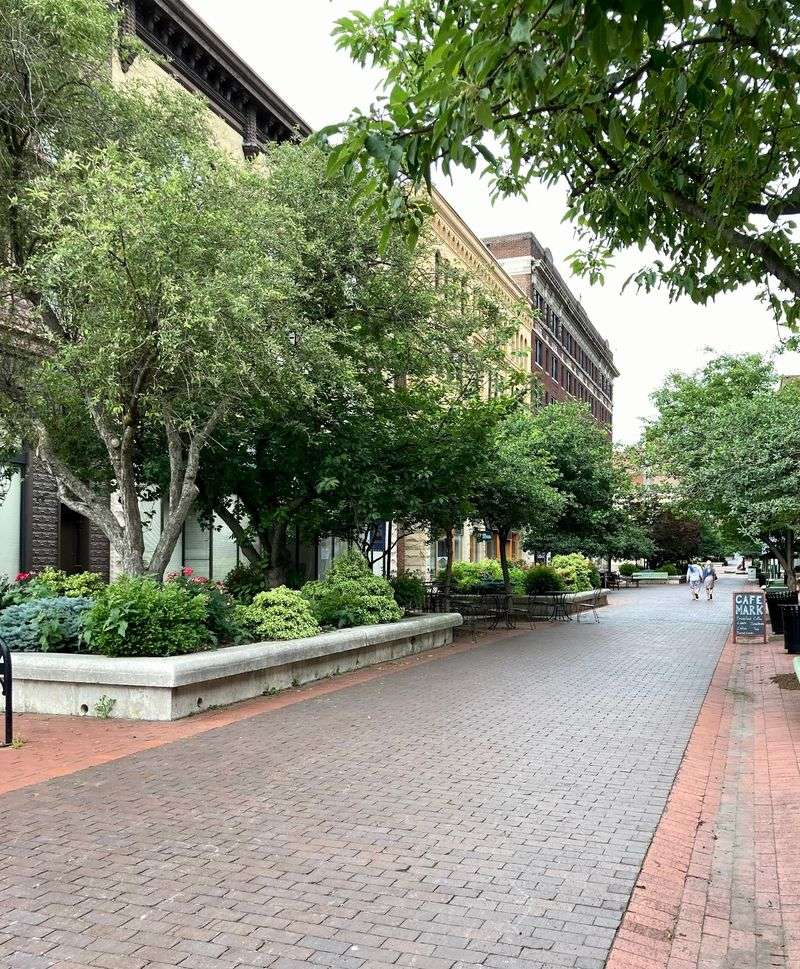
Good retirement decisions usually start with a test run. A few days in Cumberland can reveal a lot about whether the city fits.
The official city website, ci.cumberland.md.us, is a helpful starting point for local information. It is worth browsing before the trip to get a feel for city services and community updates.
Downtown makes a sensible home base. The Western Maryland Scenic Railroad departs from there, and the station’s visitor center covers the C&O Canal and towpath.
Specific hours and ticket prices for attractions are not always fixed from season to season. Confirming schedules directly with each attraction saves frustration and keeps the plan on track.
A balanced itinerary could include one history day and one outdoor day. The Washington cabin in Riverside Park and the Allegany Museum pair well, while the towpath and the Great Allegheny Passage fill another morning nicely.
Retirees scouting a move should also spend time outside the attractions. Driving through neighborhoods, checking grocery options, and looking into healthcare access are all part of the homework.
Visiting in different seasons helps too. A summer trip and a winter trip can paint two very different pictures of daily life in the mountains.
Once the research is done, only one question remains.
A Soft Case for Settling Down
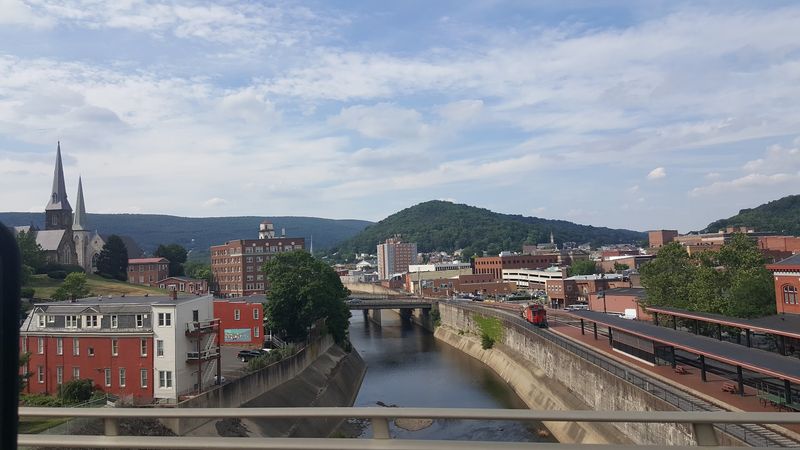
Not every retirement destination needs beaches or golf resorts to make a strong case. Some simply offer a calmer pace, a meaningful past, and houses that do not drain the savings account.
Cumberland checks those boxes in its own understated way. It has George Washington’s one-room headquarters, a regional history museum, and a scenic railroad right downtown.
It also sits beside the Chesapeake and Ohio Canal and serves as the starting point for the Great Allegheny Passage. That gives active retirees more trail miles than most small cities can offer.
The mountain setting adds a backdrop that many people find hard to leave once they settle in. It turns ordinary days into something a little more memorable.
There are trade-offs, as with any place. Hills, winter weather, and older housing stock all deserve an honest look before anyone commits.
For retirees who value history, gentle adventure, and a budget that stretches further, the city deserves a serious visit. It rewards people who take their time getting to know it.
Cumberland may not be the loudest name on the retirement map. For a growing number of newcomers, though, that quiet confidence is exactly the point, and the next chapter looks a lot more comfortable from a mountain town with room to breathe.
Enjoyed this story?
Add Fast Food Club as a preferred source to see more of our reporting on Google.