


Somewhere in downtown Flushing, a small fleet of carts starts rolling before much of Queens has finished breakfast. Each cart is stacked with steamer baskets, and the servers pushing them weave between round tables packed with families, friends, and groups big enough to fill a school bus.
Dim sum served this old-school way is getting harder to find in New York, which makes this weekend ritual worth knowing about and worth planning around. Keep reading for the address, the smartest time to arrive, the parking workaround, and the small habits that turn a good meal into a memorable one.
A Dim Sum Landmark on 39th Avenue
Every great weekend food mission needs a destination, and this one has a very specific pin on the map.
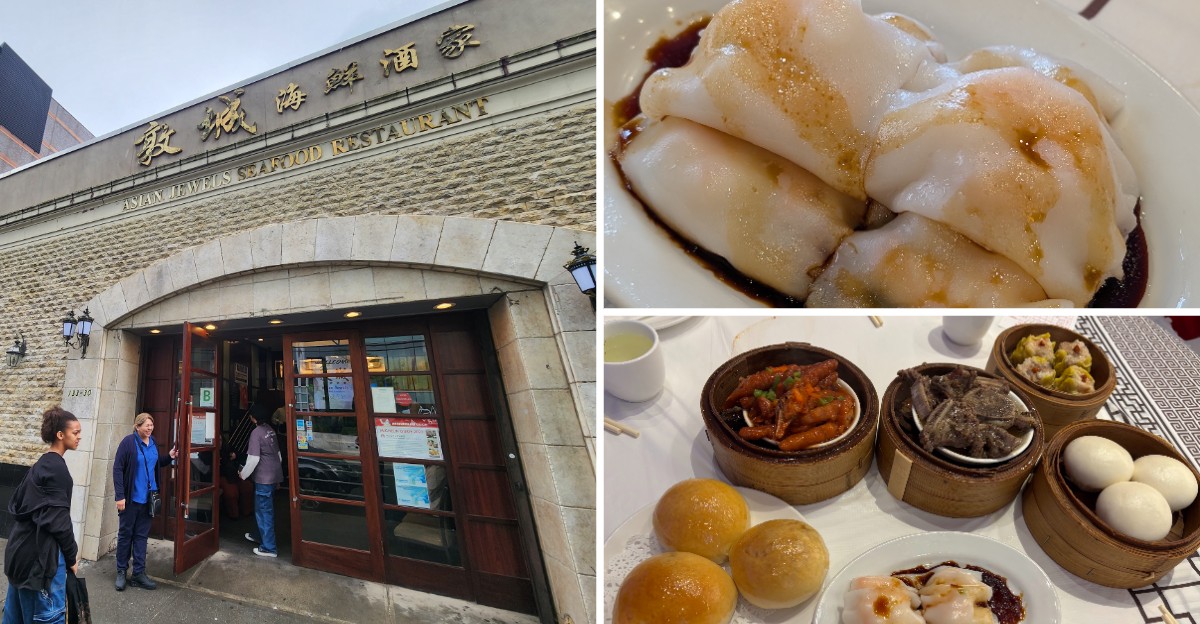
Asian Jewels sits at 133-30 39th Ave, Flushing, NY 11354, in the borough of Queens, New York, United States. It is a Chinese restaurant rooted in Cantonese cooking, and it has built much of its name on dim sum.
Flushing has no shortage of places to eat. Even so, this one stands apart for its sheer scale, since the dining room is regularly described as cavernous.
Weekend mornings bring the main event. Servers push carts loaded with dim sum across the floor, and diners simply flag down whatever they want.
That style of service is the reason so many people make the trip. Plenty of dim sum spots have switched to paper order sheets, so a room still running on wheels feels like a throwback worth seeing in person.
The restaurant also works as a dinner destination, a banquet venue, and a regular stop for large family gatherings. It wears several hats, and each one gets its own moment later in this story.
First, though, it helps to understand the room itself, because the space shapes almost everything about a meal here.
A Room Built for a Crowd
Big is the only honest place to start.
The dining room is a large, traditionally decorated banquet hall, the kind of space designed to hold dozens of tables at once. On a weekend morning, nearly all of them tend to be filled.
The energy matches the size. The room is bustling, busy, and full of movement, with carts rolling, tea being poured, and families passing plates around the table.
Many people who grew up with dim sum say the setting reminds them of Hong Kong. The spacious layout, the constant activity, and the carts circling the room all add up to a very classic yum cha experience.
For newcomers, the scale can feel a little overwhelming at first. Give it five minutes, and the rhythm of the room starts to make sense.
Despite the size, the mood leans warm rather than formal. Grandparents, toddlers, college friends, and couples all share the same floor, and nobody seems out of place.
A hall this large also explains why the wait, even on busy days, often moves faster than expected. More tables mean more turnover, which is good news for anyone who shows up hungry.
Of course, a big room is only half the story, and the real stars are the carts that keep it moving.
The Carts That Keep Rolling
Wheels are the secret ingredient here.
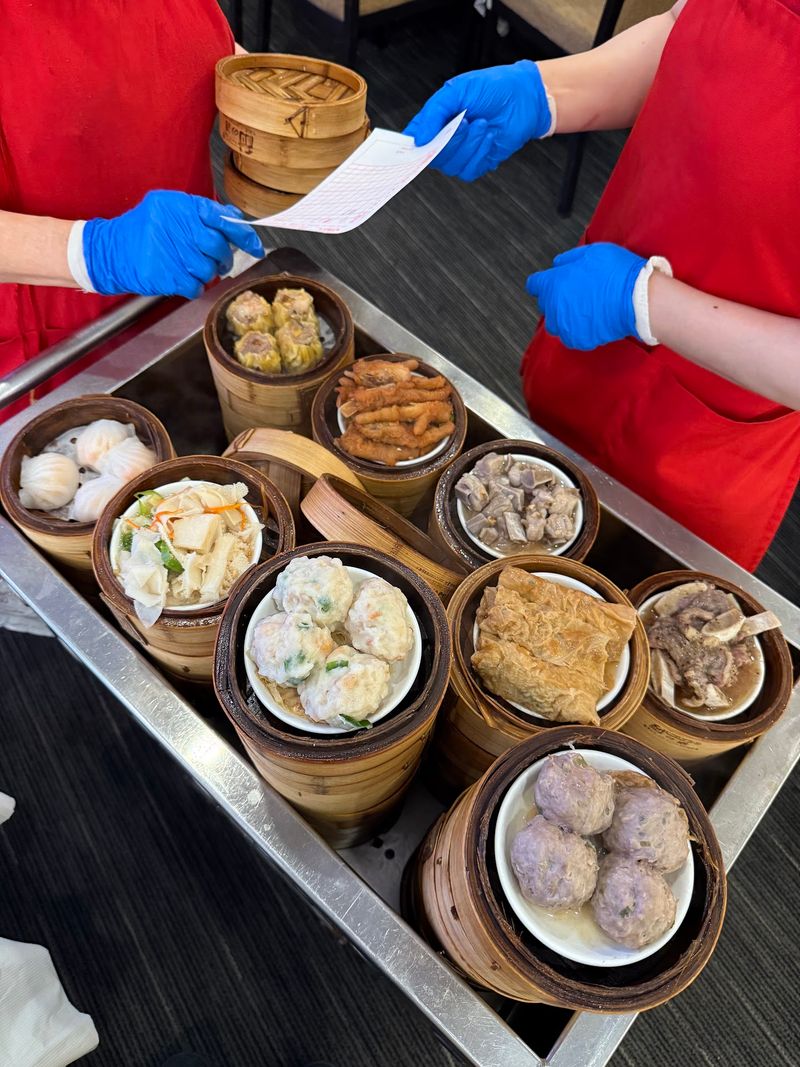
On weekends, servers, often affectionately called the aunties, push carts stacked with dim sum between the tables. Diners wave one over, see what is on board, and choose on the spot.
There are a lot of options on the carts. New baskets keep appearing throughout the meal, so the selection shifts as the morning goes on.
Service moves fast, and the food keeps coming. That pace is part of the fun, though it also makes it dangerously easy to over-order.
Regulars admit they almost always end up with too much food. A practical move is to start with a few dishes, see how the table feels, and flag down the next cart when there is room.
Cart dim sum has a playful, social quality that ordering from a menu cannot fully copy. Kids love spotting what is coming around the corner, and adults tend to become just as competitive about it.
Fewer and fewer New York restaurants still run things this way. That rarity is exactly why people keep making the trip to this corner of Flushing.
There is just one question left for first-timers: how do you order when the cart is right there and the words are not?
Pointing as a Second Language
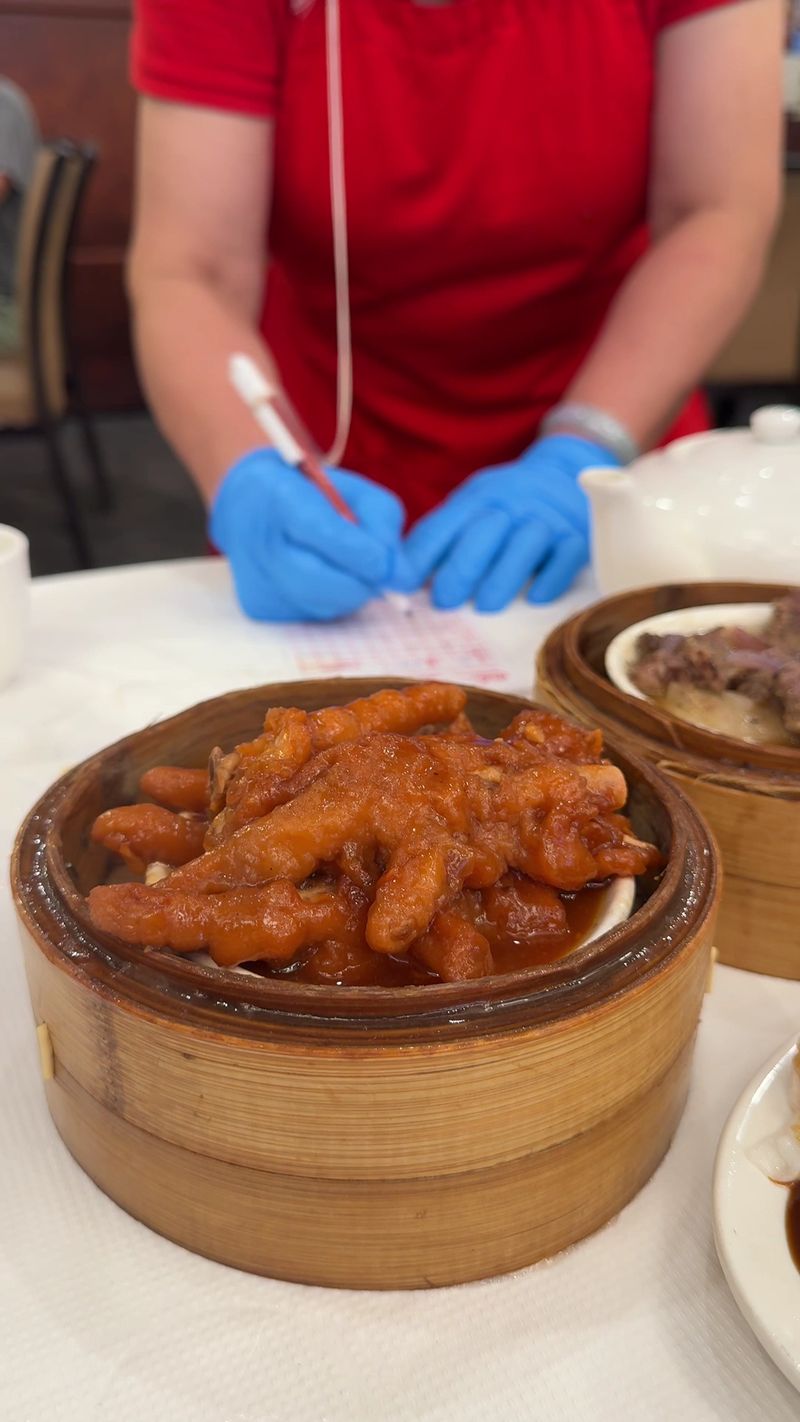
Good news for anyone nervous about ordering: a finger works just fine.
Some of the staff do not speak fluent English. That can catch first-time guests off guard, but it rarely stops anyone from eating well.
The cart system is built for this. Servers lift the lids, diners point at what they want, and a stamp or mark on the table card keeps track of the order.
A nod, a smile, and a quick hand signal cover most situations. Body language does a surprising amount of heavy lifting in a room this busy.
Many servers are helpful and courteous, and some go further by offering suggestions. Those tips are worth taking, especially on a first visit.
For anything more specific, such as dietary needs, it helps to ask early and keep it simple. Guests with allergies may want to confirm ingredients before digging in, since the carts carry a wide mix of dishes.
A quick tip for groups: choose one person to handle the cart negotiations. It keeps the table from ordering the same basket three times.
Once the ordering system clicks, attention naturally shifts to the most important question of all, which is what exactly is on those carts.
A Menu That Goes Beyond the Basics
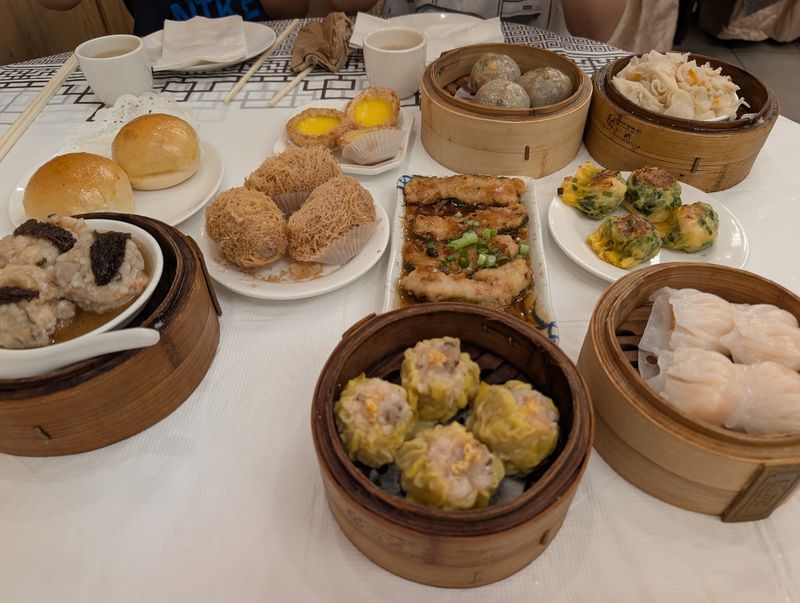
Variety is where this kitchen quietly shows off.
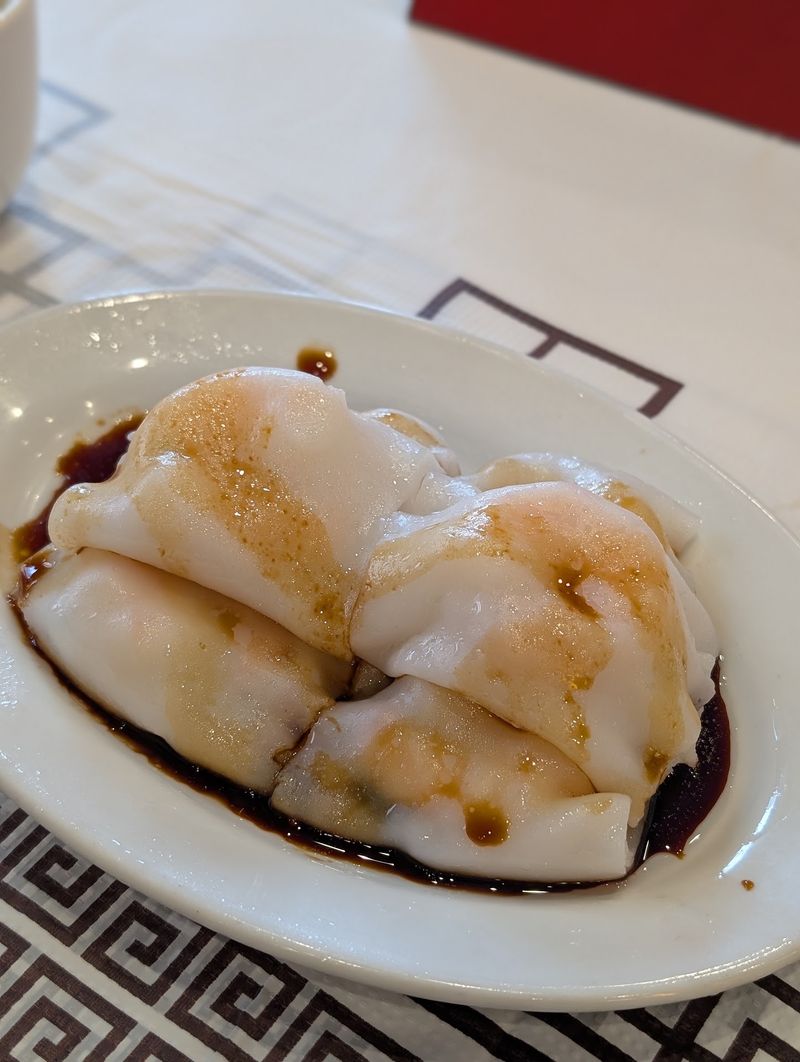
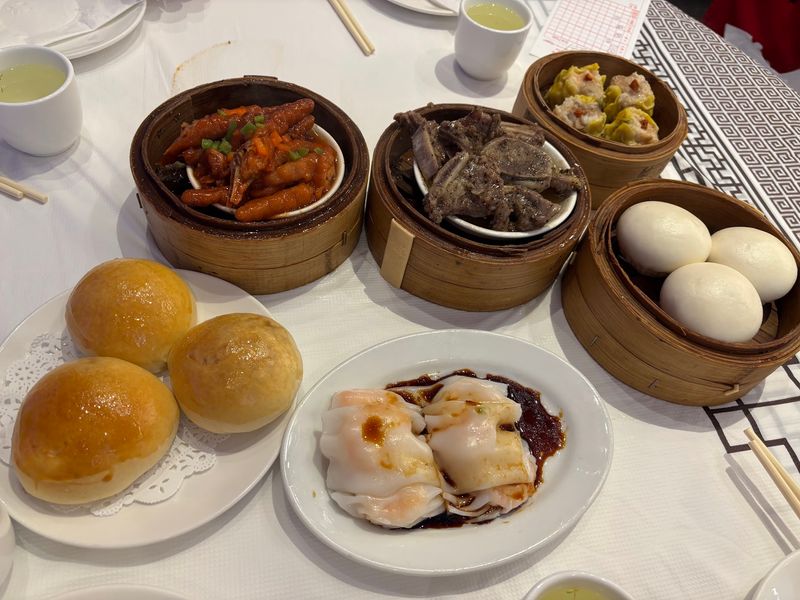
The dim sum lineup covers the classics that bring people to Flushing in the first place. Dumplings, buns, rice dishes, noodle plates, and vegetable dishes all make the rounds.
The standard selection is exactly that, standard in the best way. Longtime dim sum fans come here for familiar favorites done consistently, rather than experimental twists.
Authentic dim sum is a phrase that comes up again and again when people talk about this place. For many, it is the go-to spot when a craving for traditional cart dim sum hits.
Desserts deserve a special mention. There is a nice selection of sweet dishes, which is not always the case at dim sum restaurants.
Not every item lands equally well for everyone, and that is part of the adventure. Some tables build a list of reliable favorites and stick to it, while others try something new each visit.
One heads-up for families managing allergies: many dishes include shellfish. That can narrow the options, so it is smart to ask a server before a basket lands on the table.
A special list also rotates through, though timing matters more than most people expect, as the next section explains.
The 10:30 Timing Trick
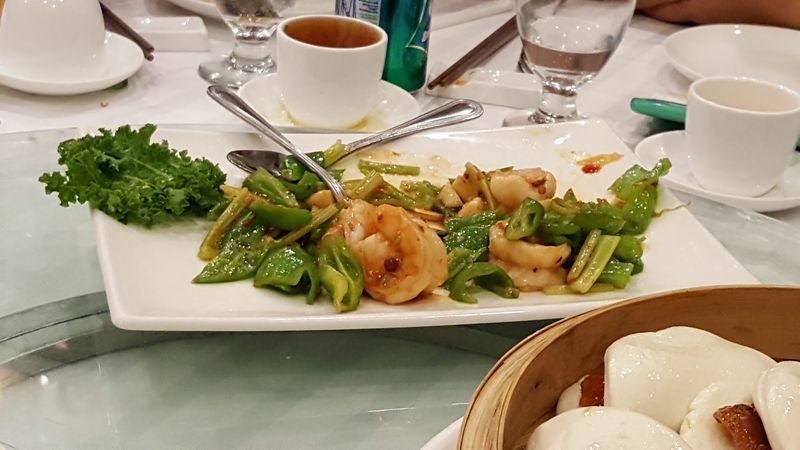
Early birds get the table, but not always the full menu.
On Saturdays and Sundays, the doors open at 9 am. On weekdays, service begins at 10 am, and the restaurant stays open until 11 pm every day of the week.
Here is the catch for weekend early risers. The kitchen does not fully open until around 10:30, so many items on the dim sum special list may not be available right at opening.
That creates a small strategy puzzle. Arrive at 9 for easy seating and a calmer room, or aim a little later for the complete lineup.
The sweet spot seems to sit somewhere in between. Going before noon is a common piece of advice, since the room tends to get much busier as the day moves on.
A late-morning arrival, roughly between 10:30 and 11:30, balances both goals. The carts are fully stocked, and the peak lunch rush has not quite hit yet.
Weekday visits are another option for people with flexible schedules. The weekend is when the carts truly shine, though, so plan accordingly.
Timing helps, but it does not erase the crowds entirely, which brings up everyone’s least favorite part of brunch: the wait.
Waiting for a Table, Flushing Style
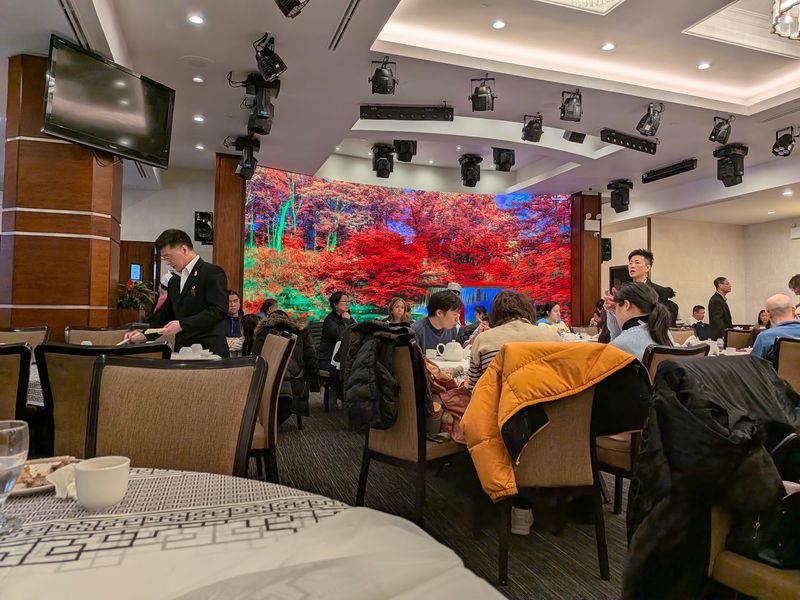
Patience pays off here, though usually not for long.
On busy weekend mornings, a wait of 15 to 30 minutes is common. A Saturday walk-in can expect to spend about half an hour indoors before sitting down.
The good news is that the line tends to move quickly. The sheer size of the dining room means tables open up at a steady pace.
Quick seating is also part of the picture at quieter times. Some guests walk in without reservations and get seated right away, especially outside the weekend rush.
Groups should plan a bit more carefully. A party of ten needs one of the big round tables, and those can take longer to free up when the room is packed.
A few tips make the wait easier:
Arrive with the whole party, since incomplete groups may be asked to hold off. Keep an eye on the host stand, because the room moves fast and names get called quickly.
Most people who wait seem to agree the time is worth it. Once seated, the meal starts almost instantly, and the carts rarely keep anyone waiting twice.
That first moment at the table comes with a few welcome rituals of its own.
Round Tables and Small Welcomes
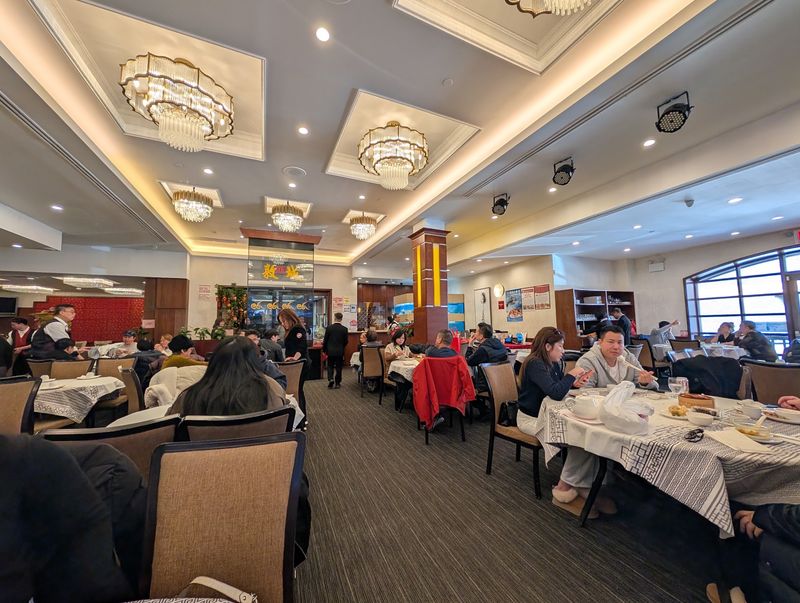
Family style is not just a phrase here, it is the furniture.
Large round tables fill the dining room, many of them big enough to seat eight or more people comfortably. That layout sets the tone for shared plates and long conversations.
As soon as guests sit down, hot tea arrives at the table. At dinner, peanuts often come along with it, which is a small but thoughtful touch.
Tea refills tend to happen without much fuss. Servers keep the pots topped up, which matters more than it sounds during a long, multi-course meal.
At the end of a dinner, fresh fruit sometimes comes out to close things on a light note. It is the kind of detail that makes the meal feel complete.
The overall feeling is homey and warm. Many describe it as a place where families gather across generations, and the table setup encourages exactly that.
Smaller groups are welcome too. Two friends may end up at a table meant for many more, which only adds to the relaxed, communal mood.
These rituals carry through all day, but the menu changes character once the sun goes down and the carts take a break.
After the Carts Park for the Night
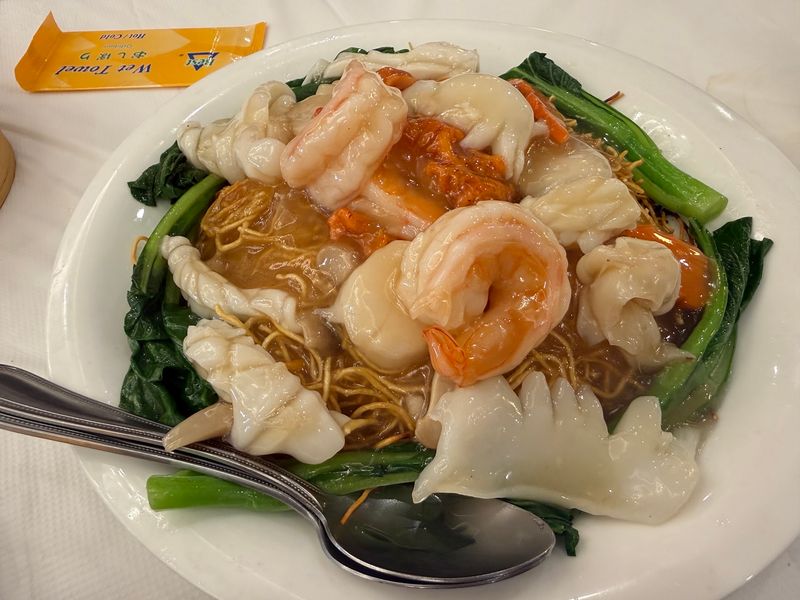
Dim sum may get the headlines, but dinner has a loyal following of its own.
Plenty of longtime regulars come mostly for the evening meal. Many of them arrive in groups of ten or more and treat it as a standing tradition.
Seafood is the main focus at dinner. Live seafood tanks let diners pick something fresh and ask the kitchen to prepare it in several different ways.
Multi-way preparations are a popular move for celebrations. A single item from the tank can turn into two or three separate courses for the table.
An American Chinese menu is also available. That option can help guests with seafood allergies or anyone who prefers familiar takeout-style classics.
Dinner generally lands on the pricier side compared with the weekend dim sum. Market-price items and special preparations can add up quickly, so it helps to ask about costs before ordering.
The room stays busy at night, though the pace feels a little different. Fewer carts means more focus on big shared platters and lingering conversations.
For some groups, dinner is not just a meal but a full occasion, which leads to another side of the restaurant entirely.
Banquets, Birthdays, and Lunar New Year
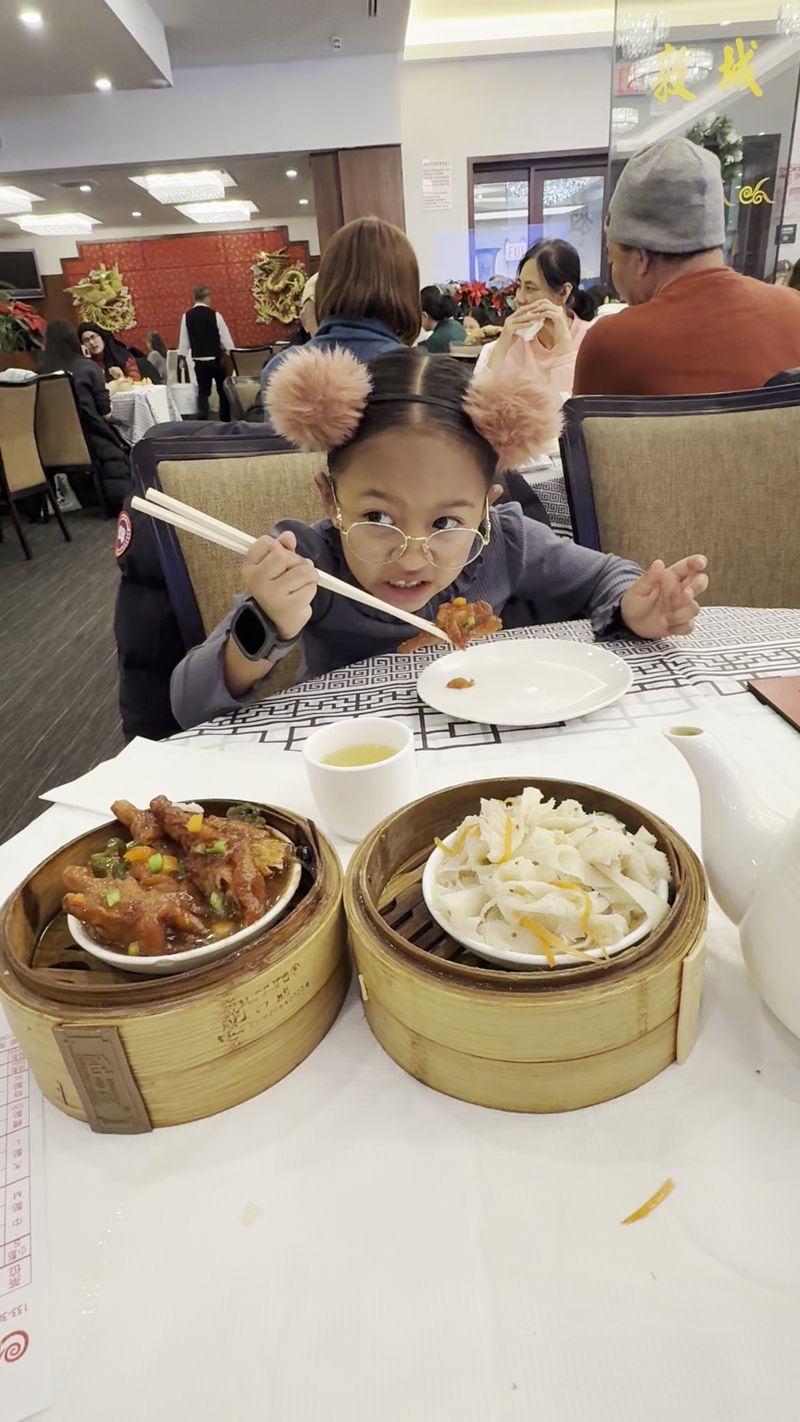
Some meals call for a whole room.
The restaurant hosts large banquets, and groups can rent out separate rooms for special events. Lunar New Year gatherings are a popular reason to book.
A banquet here usually means a long, multi-course menu. Seafood tends to be a highlight, and the courses keep arriving well past the point where most guests feel full.
Service at these events is often quick. Tea gets refilled whenever needed, which keeps a big crowd happy through a lengthy dinner.
Many groups return year after year for the same occasion. That kind of tradition says a lot about how well the banquet format works.
Birthdays and family celebrations are common too. One practical tip for anyone bringing a cake: tell the staff exactly how it should be cut and served.
Servers may offer to slice it for the table themselves. Clear instructions up front help avoid surprises and keep the celebration on track.
Planning ahead matters for these events, especially around holidays when demand is high. Contacting the restaurant through its website at asianjewelsny.com is a sensible first step.
Big celebrations also raise the question of cost and service, and a few smart habits make a real difference there.
Value, Pace, and a Few Smart Habits
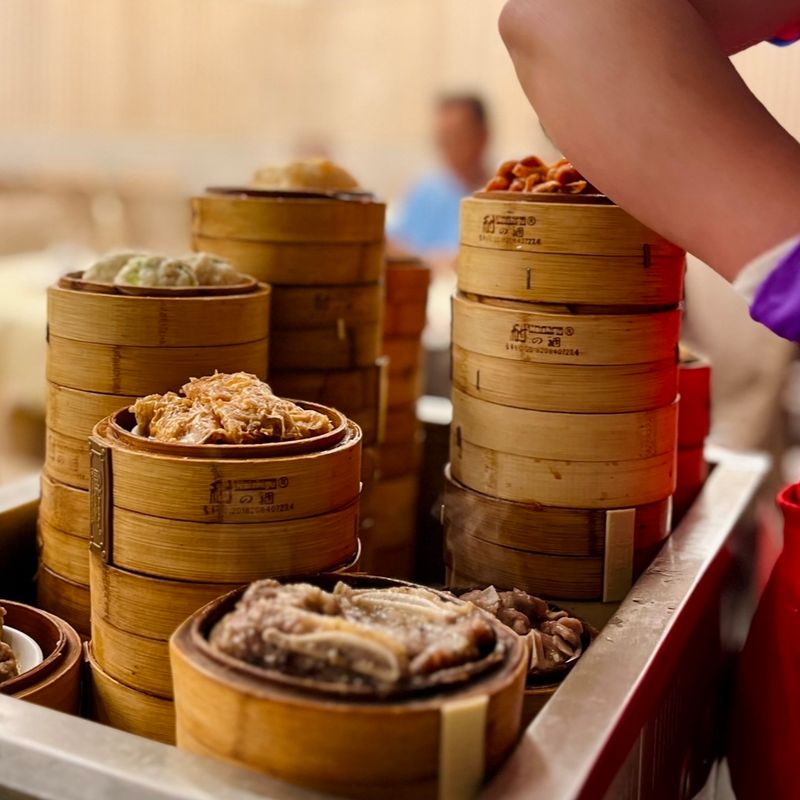
Affordable is one of the most common words attached to the weekend dim sum.
Prices for dim sum are reasonable, and portions are solid. For a group, a full cart brunch can feel like a very good deal for Queens.
Dinner is a different equation. Seafood from the tank and special preparations can push the bill up significantly.
A quick question before ordering goes a long way. Ask whether a specific preparation carries an extra per-pound charge, since add-ons are not always obvious until the check arrives.
Service gets high marks from many diners, with attentive, helpful servers who keep plates and teapots moving. Others find it inconsistent, especially at peak hours when the staff is stretched thin.
Getting the check can take a while on packed nights. Flagging a server a little early helps avoid a long wait at the end.
Payment routines may also look a bit unusual to first-timers. Cards are sometimes taken to a counter across the room, and tips are typically left once the receipt comes back.
None of these quirks tend to derail a good meal. A little awareness simply keeps the focus where it belongs, on the food and the company.
Now for the part that trips up almost everyone: finding somewhere to leave the car.
The Downtown Flushing Parking Puzzle
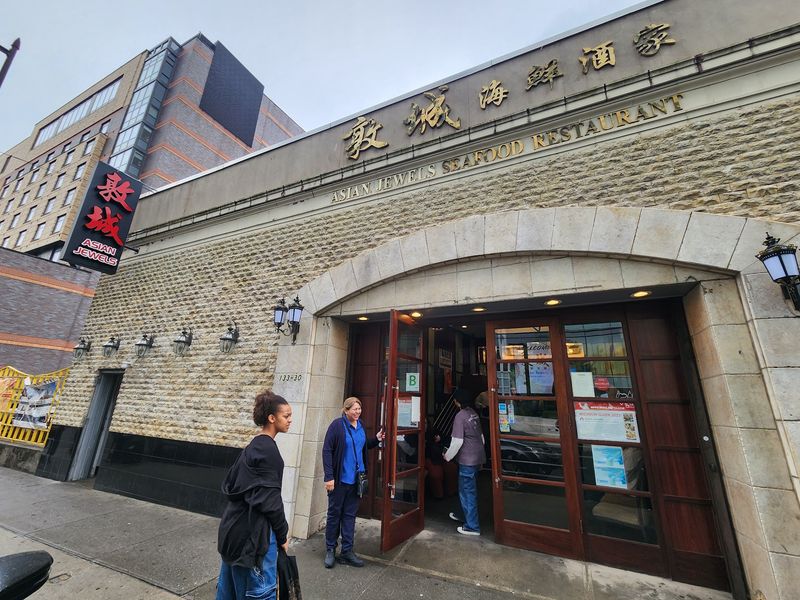
Downtown Flushing and easy parking rarely appear in the same sentence.
The restaurant does have a convenient parking lot right next door. Valet parking is available too, and a tip for the attendant is expected.
That lot fills up fast, especially on weekend mornings. Arriving at peak time and hoping for a spot is a gamble.
Two backup plans come up often. The nearby municipal lot is one option, and the Tangram garage is another reliable choice.
Build a few extra minutes into the schedule for parking. Those minutes can mean the difference between a short wait and a long one at the host stand.
Hotel guests in the area have it easier. Some stay close enough to simply walk over, which removes the parking question entirely.
As for hours, here is the quick version:
Monday through Friday, the restaurant runs from 10 am to 11 pm. Saturday and Sunday, it opens earlier at 9 am and still closes at 11 pm.
Those long hours give plenty of flexibility for brunch, lunch, or a late dinner. The trick is matching the visit to the experience you want most.
With the logistics sorted, only one question remains: is the whole adventure worth it?
Why the Carts Keep Pulling People Back
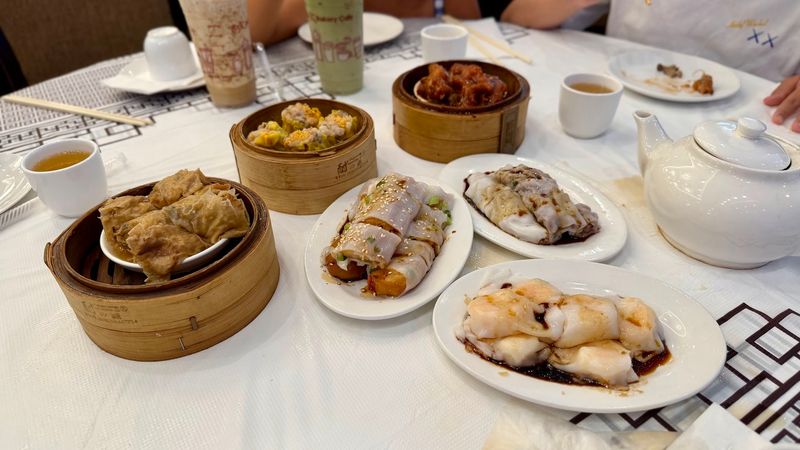
Short answer: yes, especially on a weekend.
Asian Jewels offers something that is slowly disappearing from New York, a massive dining room where dim sum still arrives on rolling carts. That alone makes it worth a trip to Flushing.
The appeal goes beyond nostalgia. The standard selection is consistent, the prices for dim sum are fair, and the room is built for groups of every size.
It is not a flawless operation. Service can vary, dinner costs can climb, and the parking lot fills up quickly.
Still, those rough edges come with the territory at a place this busy. A little planning smooths out most of them.
Families will feel right at home at the big round tables. Dim sum newcomers get an easy introduction, since pointing at a basket is all it takes.
Longtime fans get the classic cart experience they may remember from Hong Kong or from childhood trips to Chinatown. Large groups get a venue that actually has room for them.
Arrive before noon, give the kitchen until about 10:30 to warm up, and keep a backup parking plan in mind. After that, just wave down the next cart and let the weekend unfold one basket at a time.
Enjoyed this story?
Add Fast Food Club as a preferred source to see more of our reporting on Google.